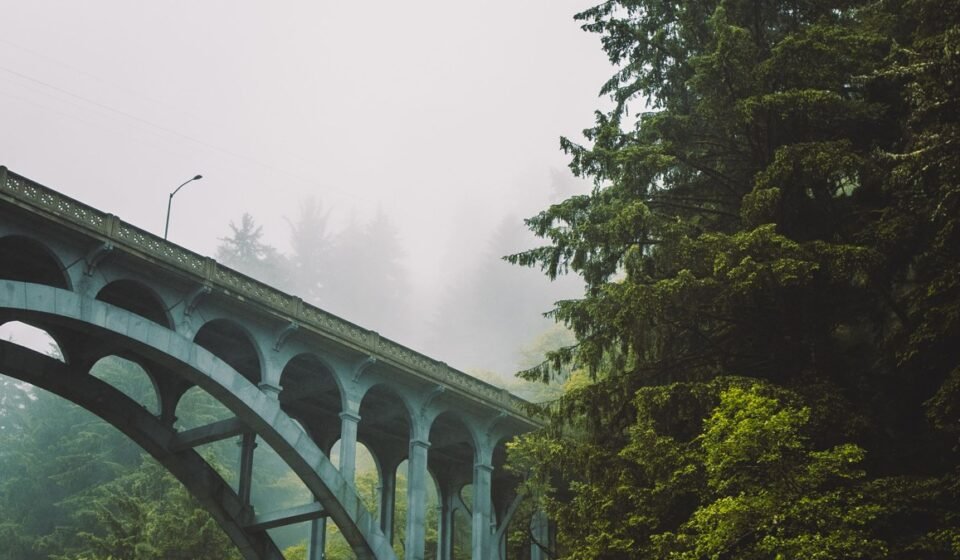

Most people planning a pacific northwest road trip build the whole thing around Olympic National Park in Washington and call it done. That’s the mistake. Olympic is great, but it’s one stop, and the real trick of this region is that its mountain highways gain elevation fast enough that you can leave a sunny valley, climb for twenty minutes, and physically punch through the cloud deck into fog so thick your headlights bounce back at you. String enough of those roads together and you get a road trip built entirely around that one sensation, repeated in nine different landscapes. The order below runs roughly from lowest and most accessible to highest and strangest, saving the one I’d actually plan a whole trip around for last.
9. Artist Point, Mount Baker Highway, Washington
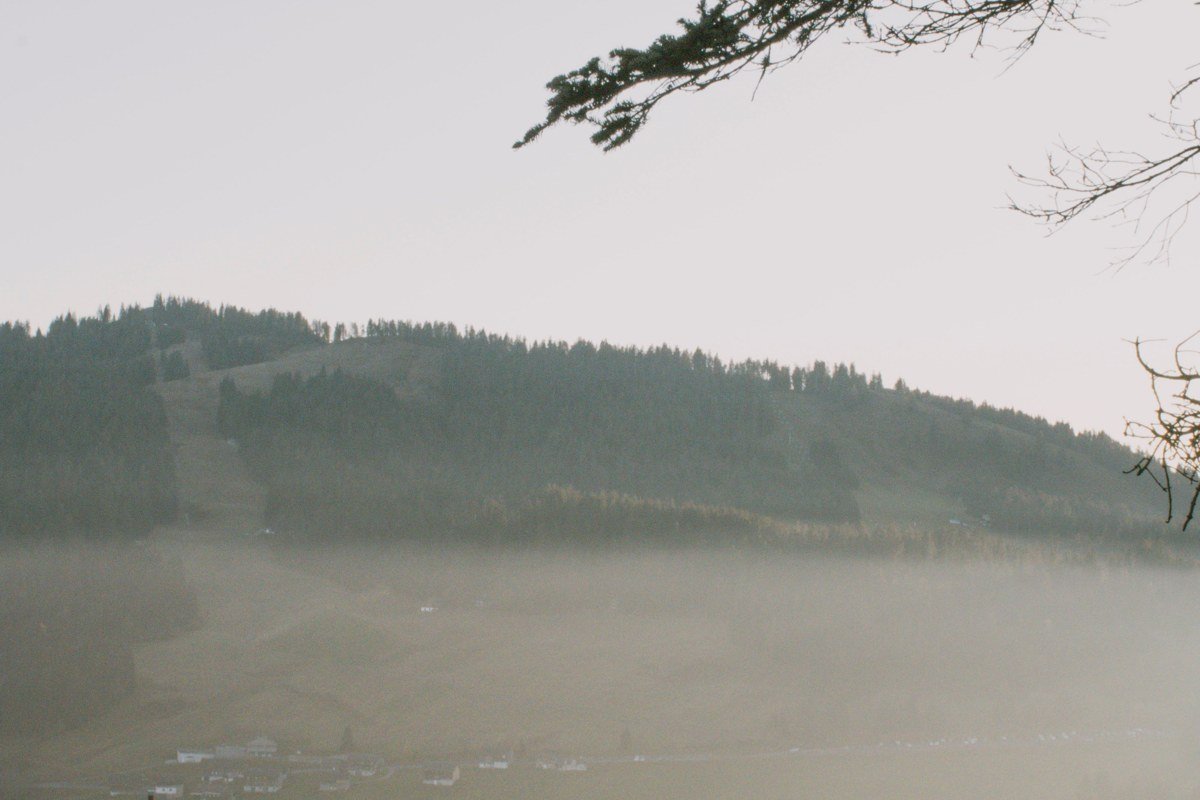
Highway 542 out of Bellingham climbs about 24 miles from forest to treeline, ending at a parking area over 5,100 feet up where Mount Baker and Mount Shuksan are supposed to fill the view. Half the time, they don’t. Marine air pushes up the valley and sits right at that elevation, so you park in a whiteout and watch it thin and thicken in waves. Walk even a short stretch of the Chain Lakes trail and let the fog open just enough to reveal a ridge, then close again. The road is only open roughly July through early October, since snow closes it the rest of the year, so this is a narrow-window stop, not a year-round plan. No entrance fee for the highway itself, but a Northwest Forest Pass is required for parking at the trailhead.
8. Crater Lake Rim Drive, Oregon
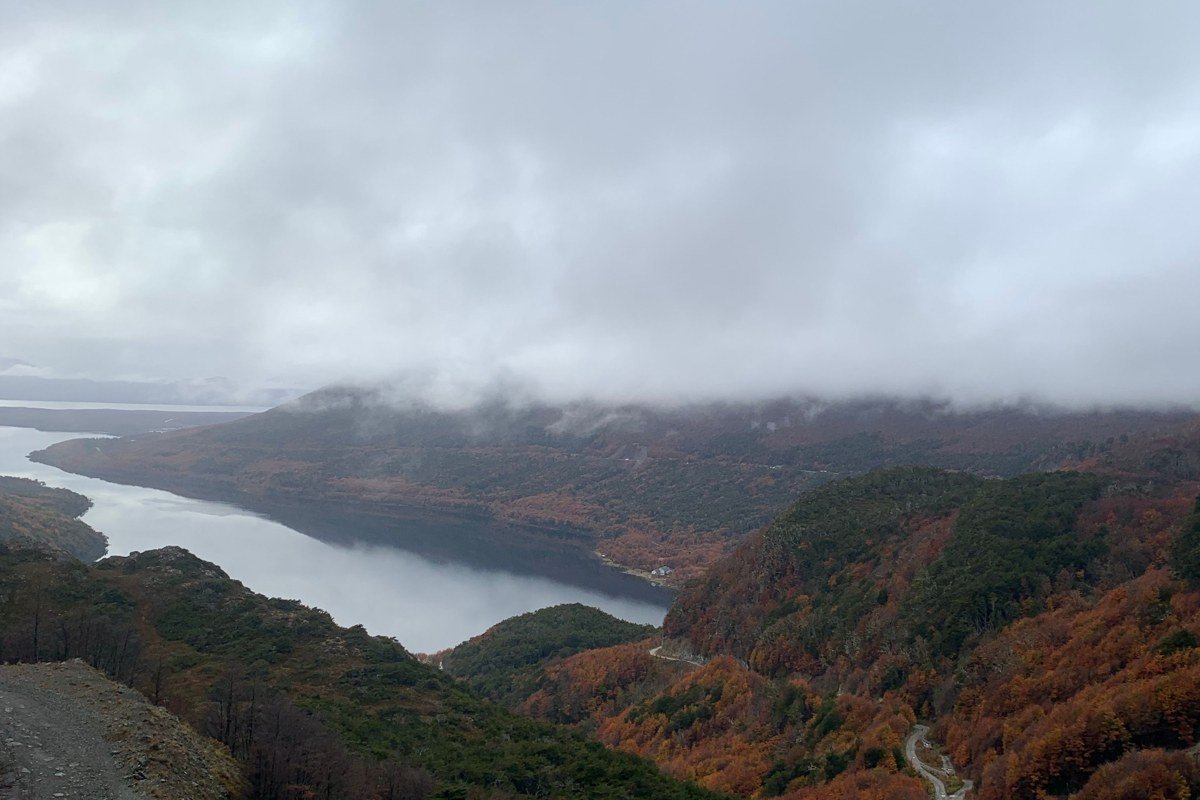
Crater Lake sits in a caldera at over 7,000 feet, and clouds frequently sit right at rim height, meaning you can drive the 33-mile Rim Drive and lose the lake entirely for stretches, then round a bend and have it reappear impossibly blue. Drive the full loop rather than just the main viewpoints, since the fog patches are uneven and different overlooks clear at different times. It’s a good four-plus hours from Portland, and Rim Drive is fully open only in summer and early fall, closed by snow the rest of the year. Entrance is $30 per vehicle or free with an America the Beautiful pass.
7. Hurricane Ridge, Olympic National Park, Washington
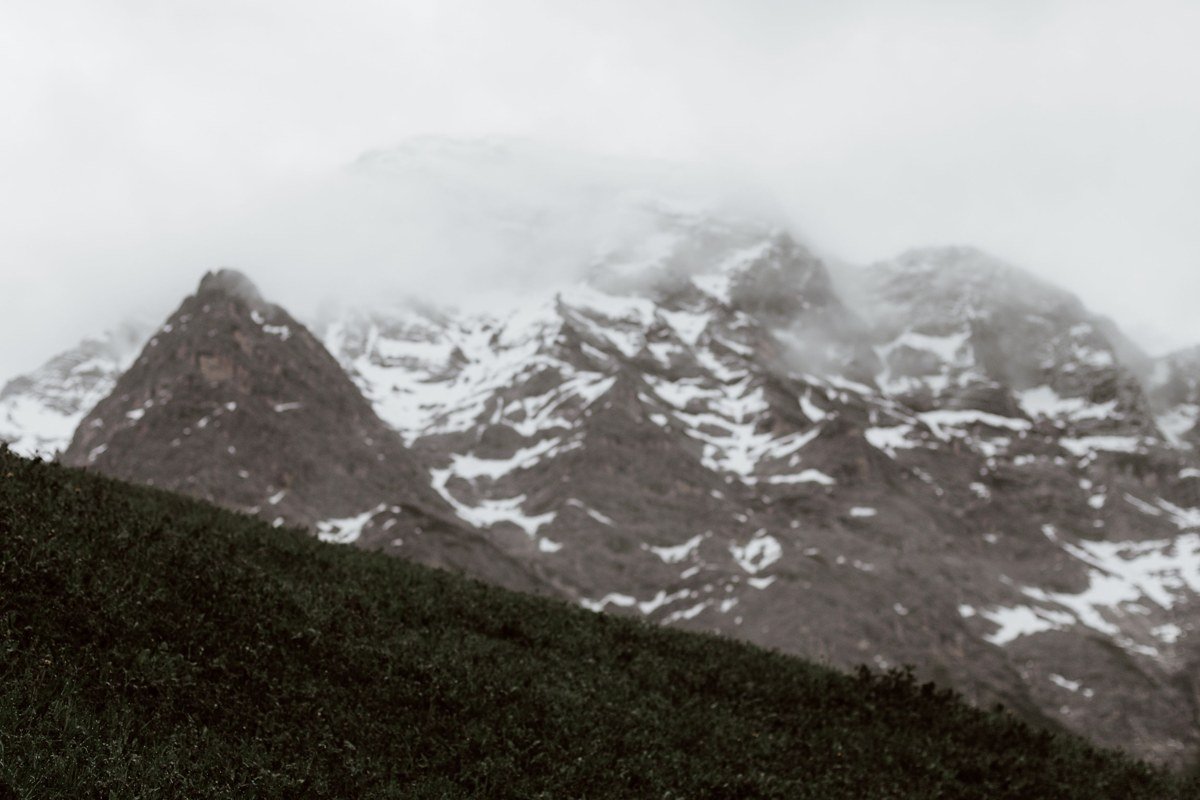
This is the Olympic stop everyone already knows, so I’m ranking it honestly rather than pretending it’s undiscovered. The 17-mile road up from Port Angeles gains about a mile of elevation, and it’s common to leave town in full sun and arrive at the ridge inside a cloud that erases the Olympic Mountains entirely. If visibility allows, the paved Hurricane Hill walk is manageable even for casual hikers. Parking fills fast on summer weekends, the road can close for weather even in shoulder season, and this is the one stop on the list that gets genuinely crowded. Olympic charges $30 per vehicle for entry, and as of recent seasons Hurricane Ridge has required a timed-entry reservation on peak summer weekends, so check current rules before driving up.
6. Mount Rainier, Sunrise side, Washington
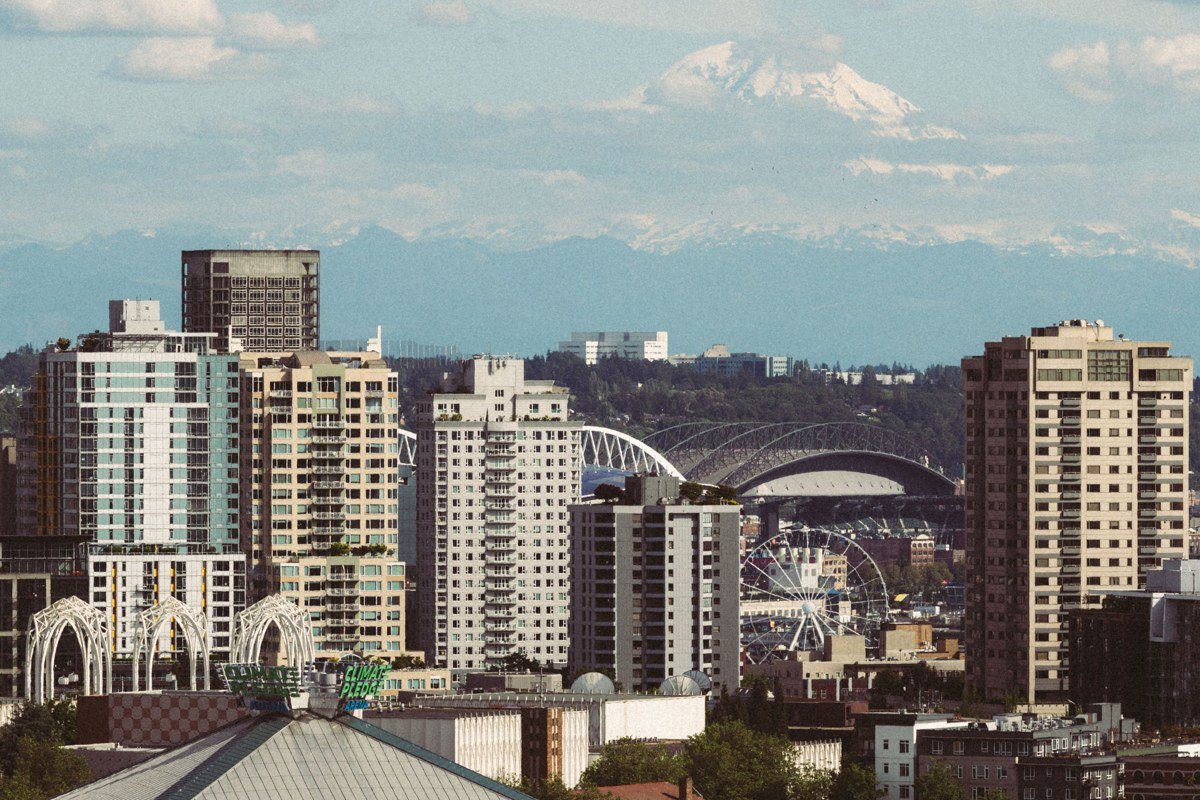
The White River Road up to Sunrise, on Rainier’s northeast side, tops out around 6,400 feet, the highest point you can reach by car in the park. Clouds bank up against Rainier’s flanks, and the switchbacks climbing there regularly disappear into fog even when Enumclaw down below is clear. Time it for early morning; afternoon convective buildup makes the fog thicker and less likely to break. Sunrise closes seasonally too, typically not open until early July, and it’s a solid two hours from Seattle without traffic, more with it. Entry runs $30 per vehicle, covered by the America the Beautiful pass, and Rainier has piloted timed-entry reservations for peak summer hours in recent years, worth confirming before you go.
5. Cannon Beach and Ecola State Park, Oregon
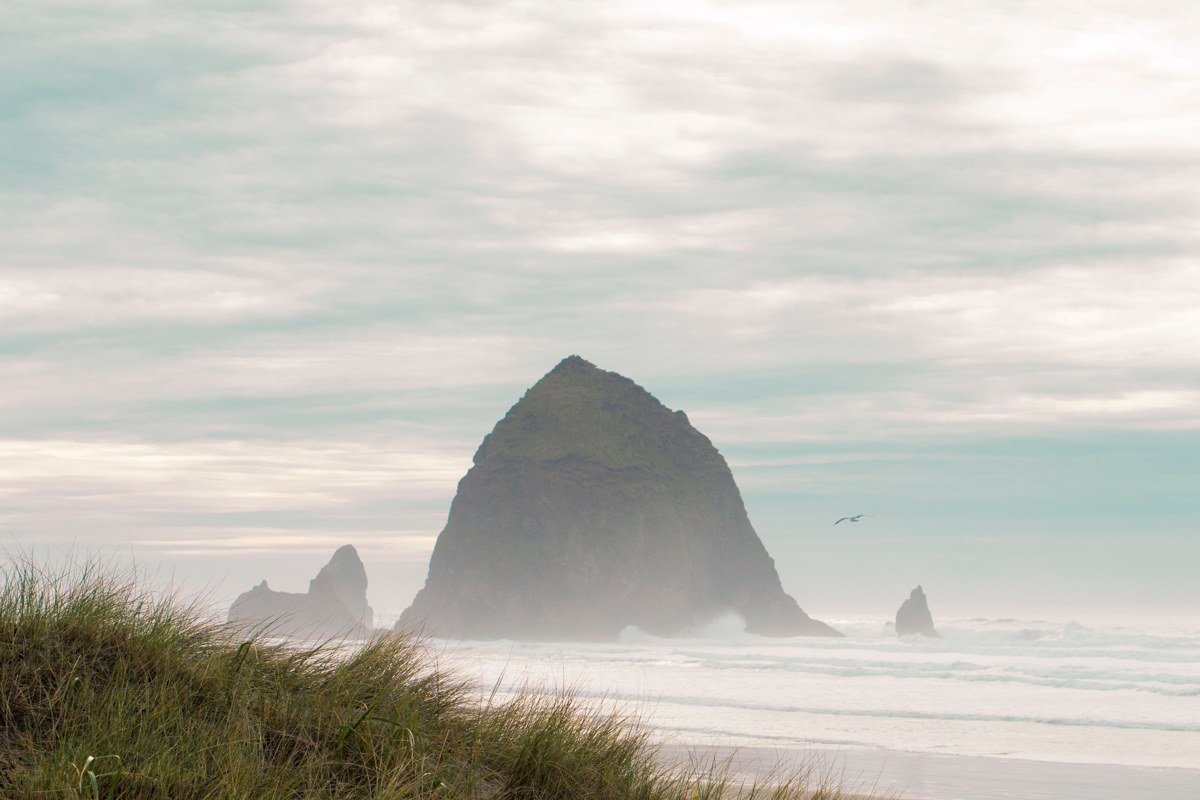
Coastal fog behaves differently than mountain fog: it rolls in low off the water rather than forming at elevation. At Ecola State Park, just north of Cannon Beach, Haystack Rock reduces to a gray silhouette and the headlands vanish into white, but the effect is closer to typical Oregon coast weather than the dramatic elevation-punch of the other stops here. Go early, before the marine layer often burns off by midday in summer. Some travelers find the fog disappointing rather than atmospheric if they came expecting postcard ocean views, and fall through spring trades fog for wilder storms instead. Ecola State Park charges a $10 day-use fee per vehicle.
4. Larch Mountain, Columbia River Gorge, Oregon
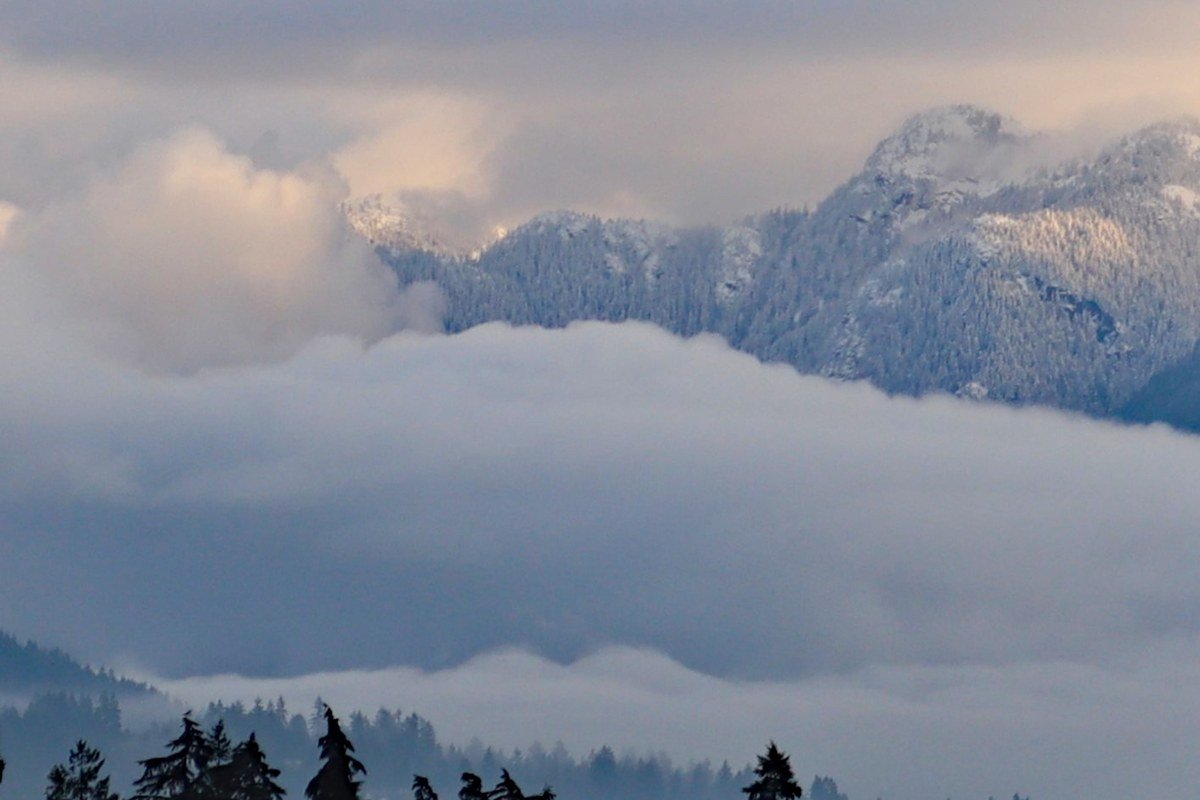
Larch Mountain Road climbs out of the Columbia River Gorge to a viewpoint that’s supposed to show Mount Hood, Mount St. Helens, Mount Adams, and Mount Rainier all at once on a clear day. On a foggy one, cloud fills the entire gorge below like a sea, with only ridgelines poking through. The short paved walk to Sherrar Point, an easy quarter mile, puts you right at the edge of that cloud sea. It’s only about an hour from Portland, one of the most accessible stops here, but the road gates shut in winter, so this is a spring-through-fall destination only. No entrance fee, though a Northwest Forest Pass covers parking at the trailhead.
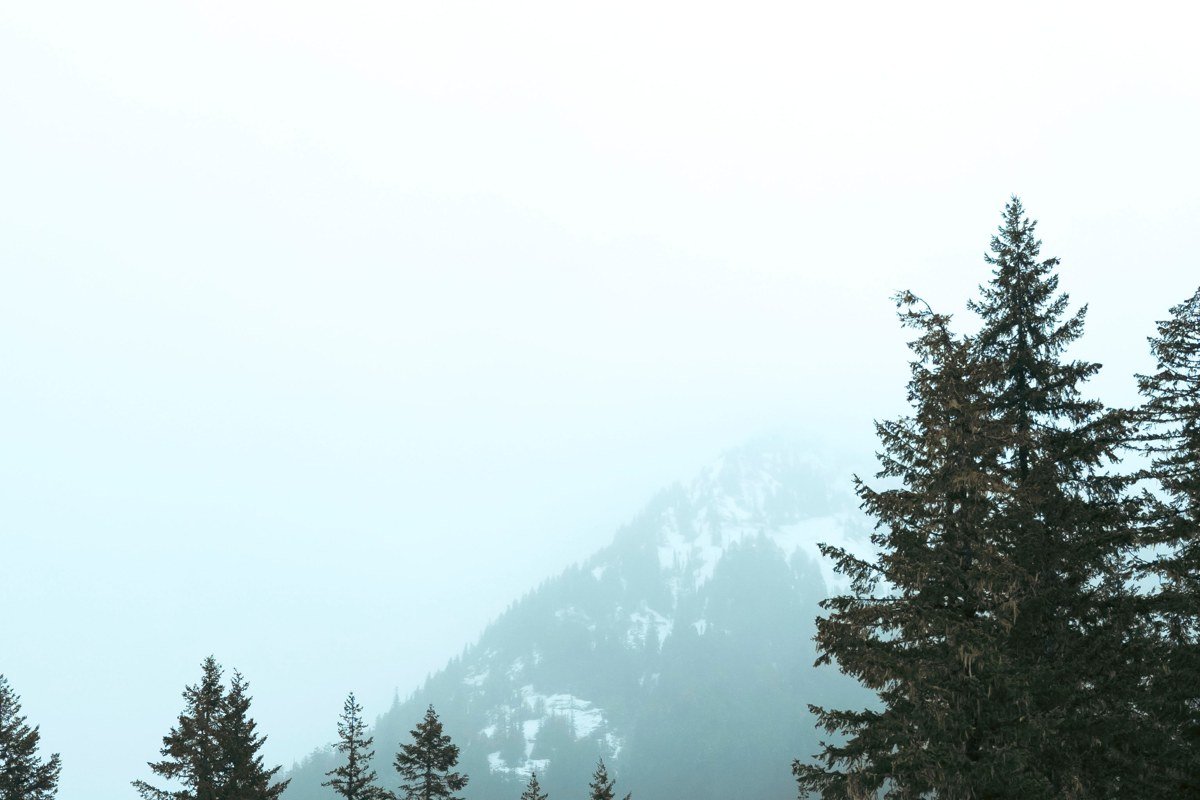
3. Paradise, Mount Rainier National Park, Washington
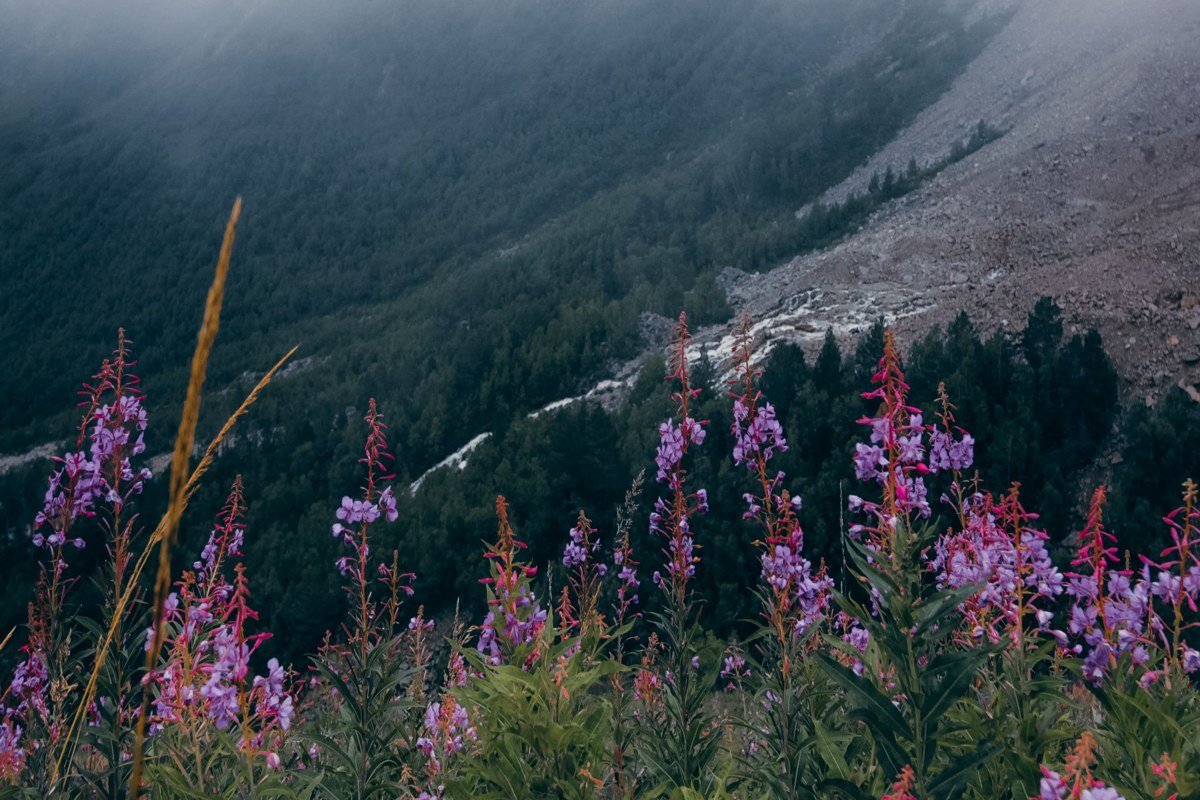
Paradise sits around 5,400 feet on Rainier’s south side, and it earns its name on the rare clear day, but it earns this list on the much more common foggy one. The drive up from Longmire winds through old growth forest before breaking into meadows that, in cloud, feel less like a mountain and more like a floating field. If the ground is dry, walk the lower loop of the Skyline Trail: the meadow sections in fog are the most disorienting and beautiful part of the whole park. This is Rainier’s most visited spot, parking fills by mid-morning most summer weekends, and the drive from Seattle runs two to two and a half hours each way. Same $30 entrance fee and America the Beautiful coverage as the Sunrise side, and Paradise has also seen timed-entry pilots on summer weekends, so check ahead.
2. Steens Mountain, Oregon
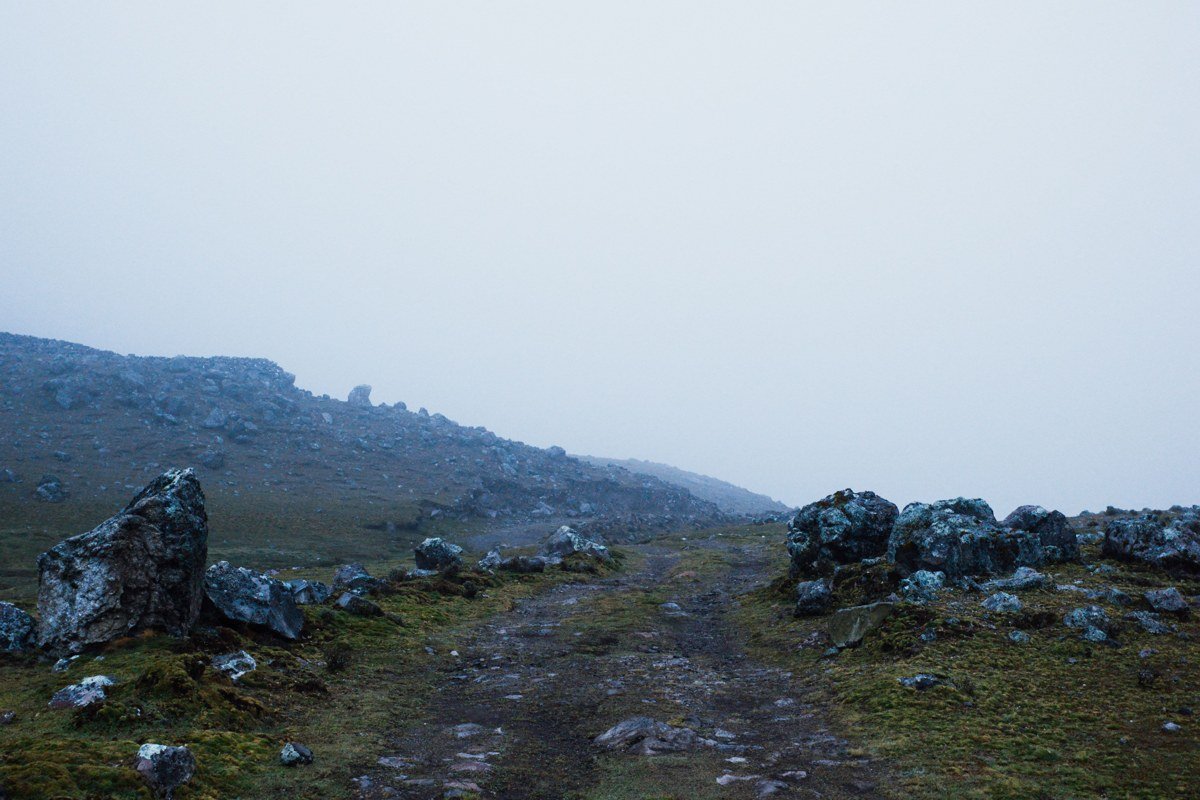
This is the stop that surprises people, because Steens Mountain sits in Oregon’s high desert, hours from the coast, and yet the summit road climbs to nearly 9,700 feet, high enough that its own weather system forms independent of anything happening in the Willamette Valley. The Steens Mountain Loop Road (largely gravel, rough in spots, and one of the highest drivable roads in Oregon) can have cloud sitting right across the summit ridge while the desert floor below bakes in full sun. Drive it slowly in a high-clearance vehicle and stop at the Kiger Gorge overlook, fog or not. The loop road is typically open only July through October, has no services once you’re on it, and it’s several hours from Bend, a genuine detour that only makes sense on a longer 10 to 14 day pacific northwest road trip rather than a quick 5 day version. No entrance fee, and no reservation system; the gravel and remoteness are the real gatekeepers.
1. Mount St. Helens, Windy Ridge, Washington
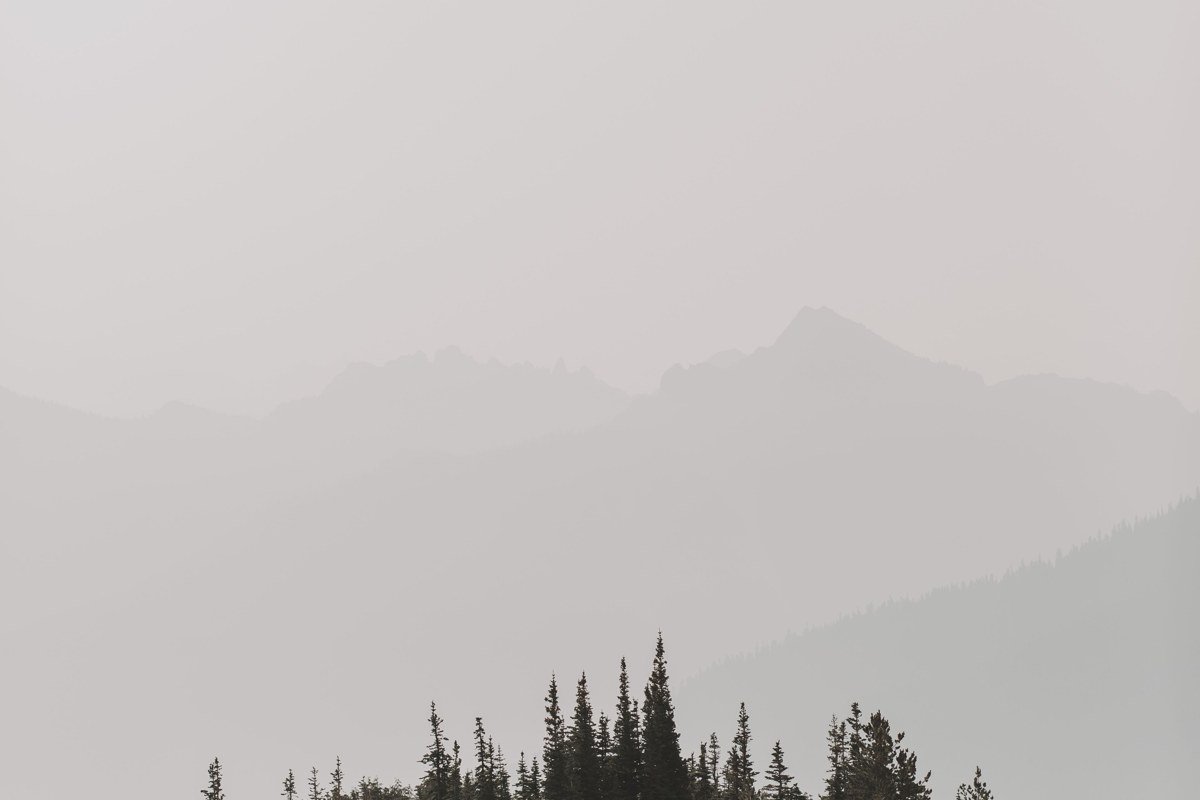
Windy Ridge tops this list because the landscape itself is already strange (gray volcanic slopes, standing dead trees, a crater instead of a peak) and fog turns that starkness into something closer to another planet. It also delivers the cloud-punch harder and more reliably than anywhere else here: the approach via FR-99, reached off FR-25 on Mount St. Helens’ northeast side, climbs steadily enough that you’ll often leave green forest, pass through cloud thick enough to slow you to 20 miles per hour, then pop out above it into clear air with the crater rim visible ahead. Climb the short, steep stairs at the viewpoint for the crater view if it’s clear; if it’s not, the walk through drifting fog over ash-gray ground is worth the trip on its own. The drive is remote, FR-99 is long and only fully open in summer and early fall, and it’s a solid three-plus hours from Portland, so this is a dedicated day, not a quick stop. There’s a Monument Pass fee (or America the Beautiful pass) required for the Windy Ridge viewpoint area.
How I’d pick: a first-timer with one week should anchor around Rainier’s Paradise and the Gorge’s Larch Mountain, both close to Seattle and Portland. A family works better with Larch Mountain or Hurricane Ridge, forgiving stops even when the fog doesn’t cooperate. Couples chasing something memorable should make the long drive to Windy Ridge. And if you’ve only got one weekend, skip the desert detours entirely and stick to Hurricane Ridge or Larch Mountain; both deliver the cloud-driving feeling without eating your whole trip in transit.