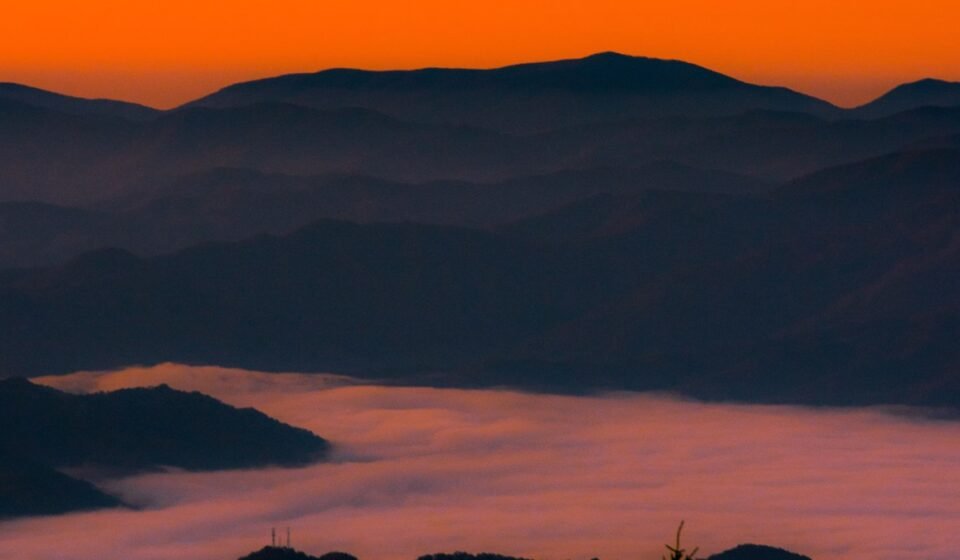

Clingmans Dome in October, an hour after sunrise, looks like standing at the edge of a white ocean: cloud filling the valleys below, spilling through the gaps between ridgelines like water finding a low wall. Show up at the same overlook in July at the same hour and you get a green valley, a hot parking lot, and a faint haze that has nothing to do with the “Smoky” in the name. In this range, timing isn’t a detail, it’s the whole trip. The fog that made these mountains famous doesn’t show up on command, and it doesn’t stick around all year the way postcards suggest.
Below are nine spots in the Great Smoky Mountains, straddling Tennessee and North Carolina, ranked by the calendar window when each one is most likely to still be fogged in past 9 AM. Get the timing right and you’ll understand why people set alarms for 5 AM on their vacation. Get it wrong and you’ll just be cold, or worse, staring at a clear blue sky.
Foothills Parkway West, Tennessee, best in mid-to-late January
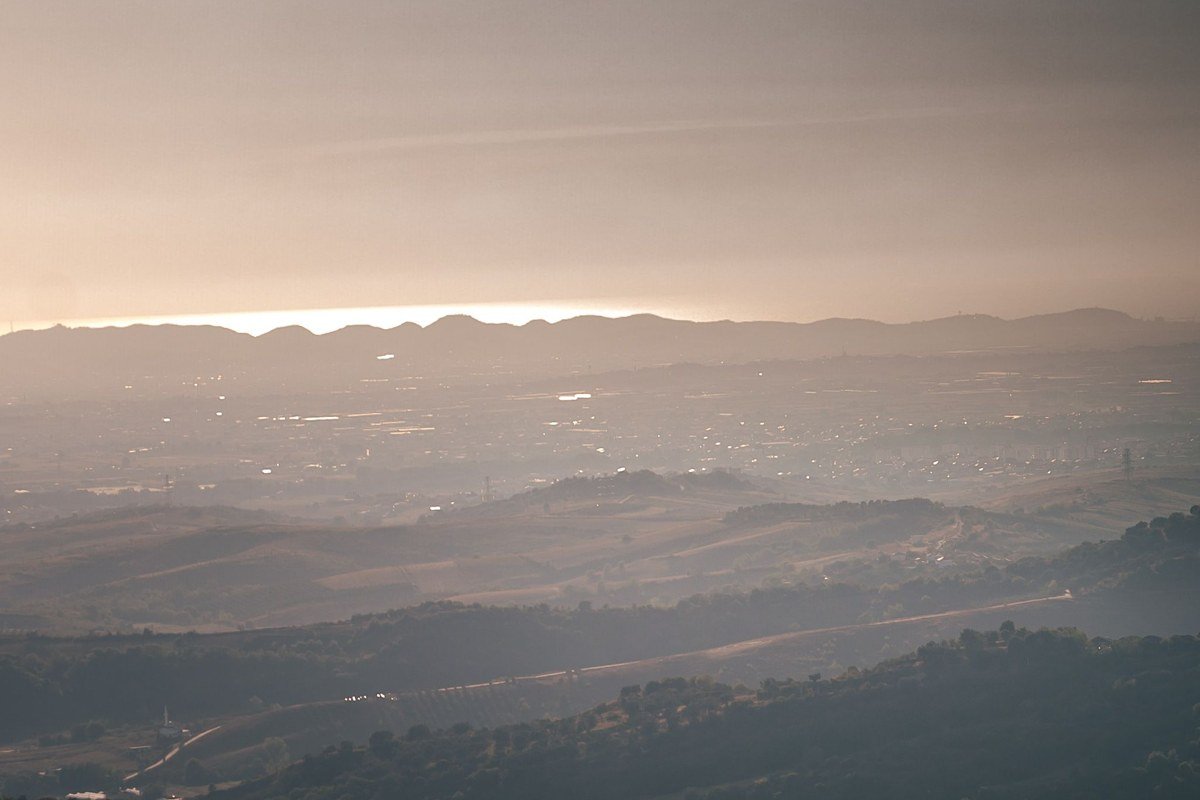
Winter is when Foothills Parkway West earns its nickname among locals, “the road to nowhere with the view of everything.” Cold night air sinks into the valleys between Chilhowee Lake and the main range, and because the leaves are down, you get an unobstructed view of fog pooling in every hollow for miles. This is radiational cooling doing the work: clear skies and calm air after a cold front let the ground lose heat overnight, and the chilled air drains downhill into the hollows, which is exactly the setup to watch for. Sunrise in mid-to-late January runs around 7:50 to 8:00 AM local time, so plan to be parked at least 45 minutes earlier. The trade-off is real: this stretch of parkway has sections that close in icy conditions, so check road status before you drive up from Knoxville (about 45 minutes away). I’ve watched this fog show up on a January morning after two clear, still nights in a row and stay pooled in the hollows past 9:30. Go on a morning after that kind of clear, cold stretch rather than during an actual storm, and the pull-offs will likely be nearly empty.
Look Rock, Foothills Parkway East, Tennessee, best in early February
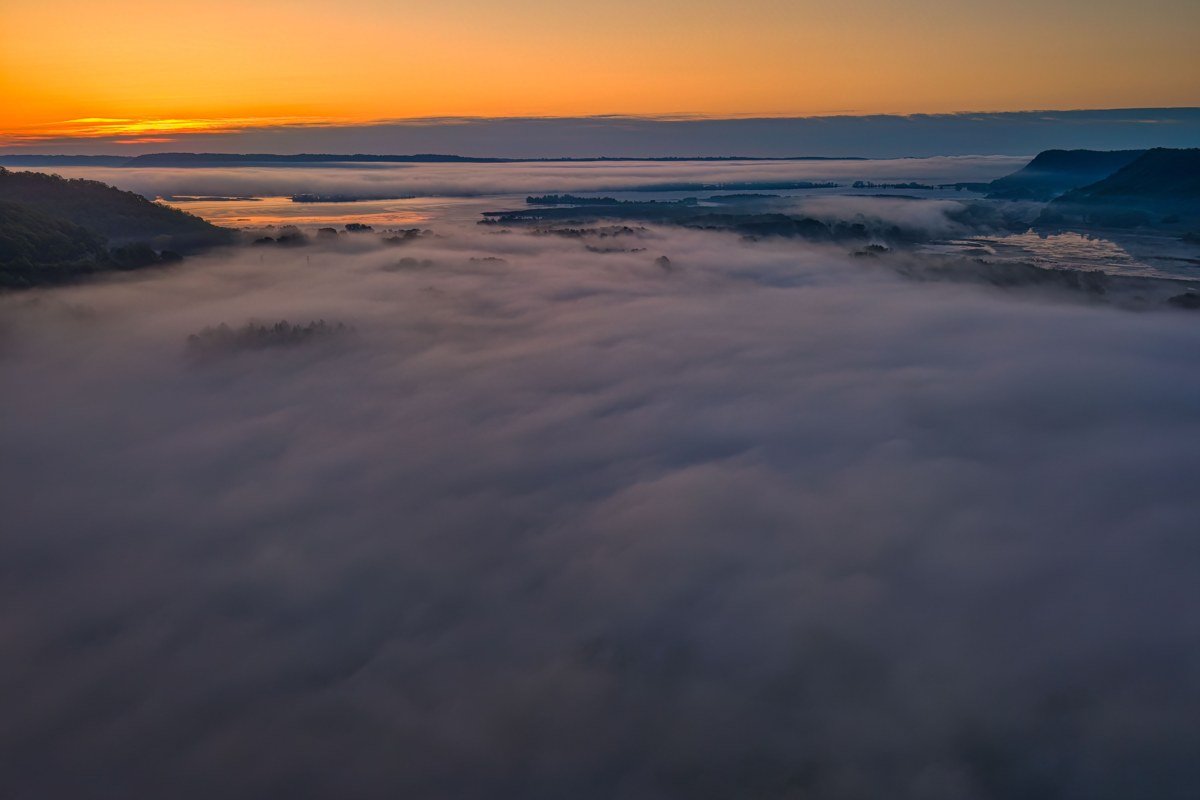
Where Foothills Parkway West gives you a wide, low-angle view across multiple hollows, Look Rock’s observation tower gives you a single dramatic vantage looking straight down into one basin, Tuckaleechee Cove, from above. On the right winter morning the entire cove fills with fog while the tower stays in clear air, like an island. The pattern to watch for is a warm rain moving out followed by a rapid clear-and-calm night, which pumps extra moisture into the cove just before the temperature drops enough to condense it. Check the point forecast at forecast.weather.gov for Look Rock’s coordinates the night before; a forecast calling for calm winds and a sharp overnight temperature drop is the signal. Skip a summer visit expecting the same effect: warm-season haze here is thinner and burns off within thirty to forty minutes of sunrise. There’s a short paved but steep quarter-mile walk up to the tower, so bring a headlamp since you’ll be climbing in the dark.
Clingmans Dome, Tennessee/North Carolina line, best in mid-October
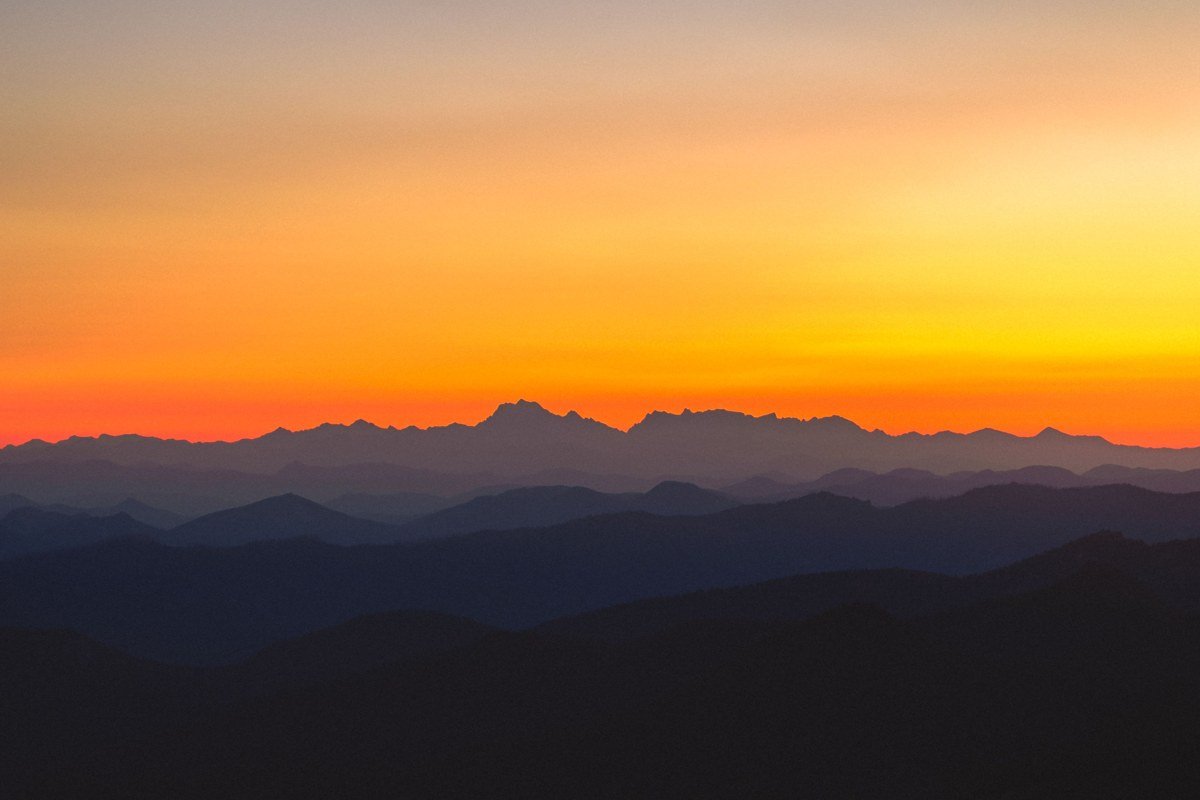
This is the one everyone means when they picture a Smoky Mountains sunrise: standing above the clouds instead of in them. At 6,643 feet, Clingmans Dome is the highest point in the park, and mid-October, when cold fronts start pushing through, is when temperature inversions trap fog in the valleys while the summit stays clear. The NPS Look Rock webcam (viewable on the park’s air quality site) is a useful proxy the morning of, since valley haze visible there often mirrors what’s pooling below Clingmans Dome an hour later. The half-mile paved trail to the tower is steep and often icy at dawn even in fall, so real traction matters more than a warm jacket. Parking fills fast in leaf season; arrive well before sunrise or plan on a walk from a backed-up lot. Note that Clingmans Dome Road closes for the winter (typically late November through early April), so this window is genuinely narrow.
Morton Overlook, Tennessee/North Carolina line, best in late October
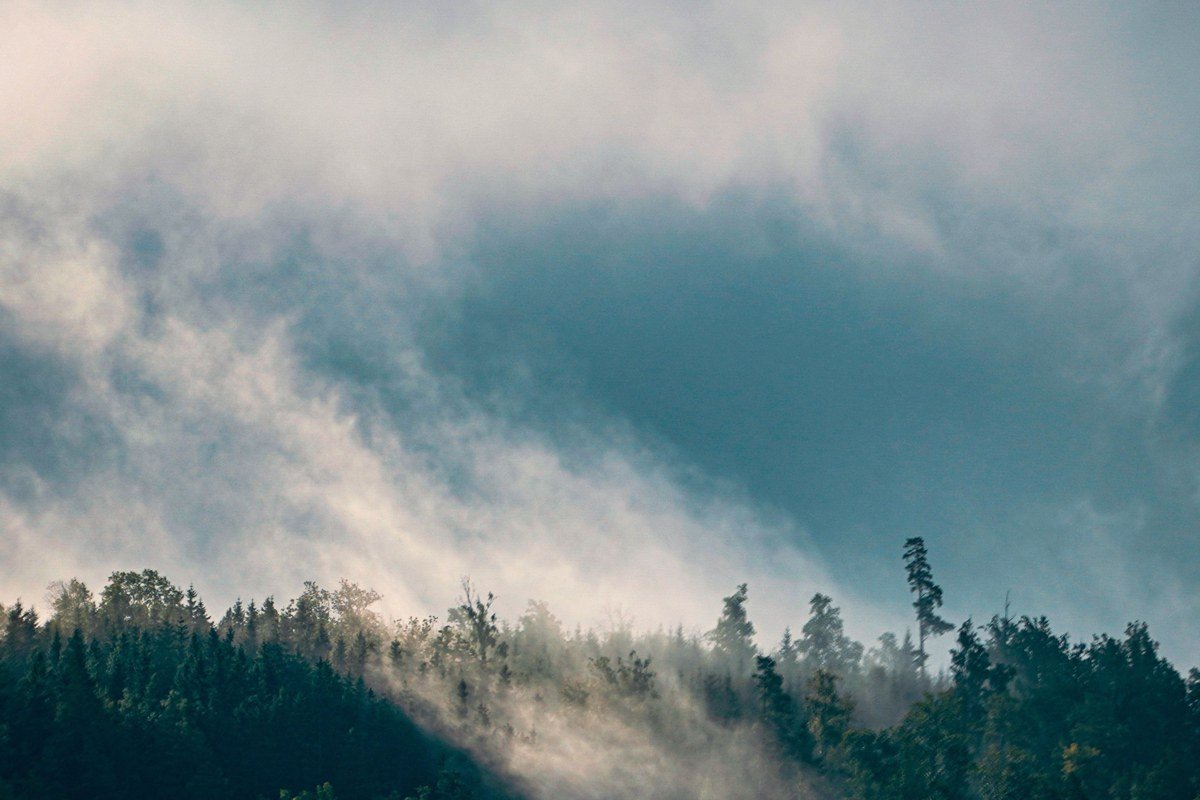
Morton Overlook, just off Newfound Gap Road, is famous for sunset light through fog and haze, but late October mornings deliver an underrated sunrise version of the same show, with mist catching low sun between the ridgelines. It’s a small pull-off, closer in size to a highway turnout than a proper lot, and on a fall weekend it fills before dawn. The fix is simple: come on a weekday, or park at the larger Newfound Gap lot a mile up the road and walk down. Sunrise in late October is close to 7:40 AM, and the ten minutes before and after are when the fog-lit color peaks. Outside fall, the light here is fine but forgettable; this is a leaf-season specialist, not a year-round destination.
Newfound Gap, Tennessee/North Carolina line, best in early November
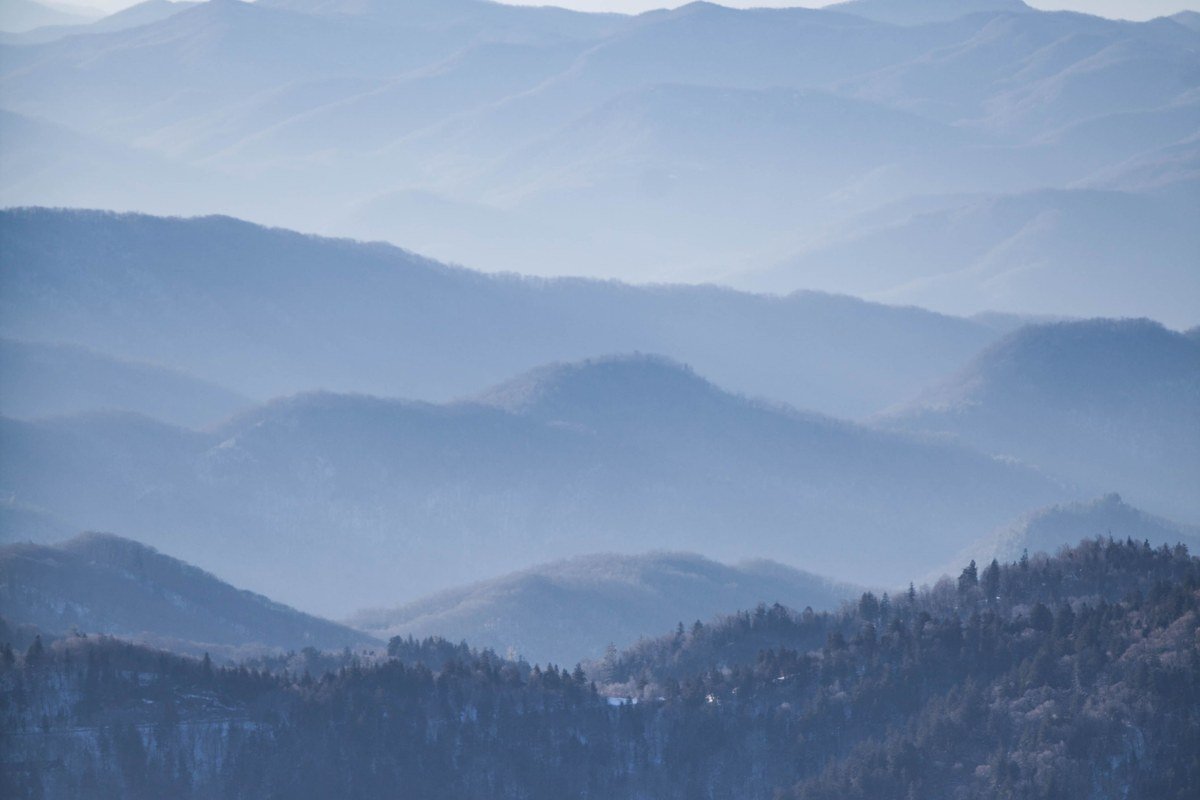
Newfound Gap sits at 5,046 feet directly on the state line, and it’s the most reliable sunrise spot in the park for one reason: it has a real parking lot, restrooms, and it’s open and plowed later into the season than Clingmans Dome Road. Early November, after peak leaf crowds thin out but before heavy snow, is the sweet spot: valley fog is common on mornings following a clear, calm night under high pressure, the crowds are smaller, and the drive up from Gatlinburg, Tennessee (about 30 minutes) is usually still easy. If you only have one sunrise attempt in this park and don’t want to gamble on road closures, this is the safe pick. It’s also the busiest overlook in the park at any time of year, so “best” doesn’t mean “quiet.”
Cataloochee Valley, North Carolina, best in mid-November
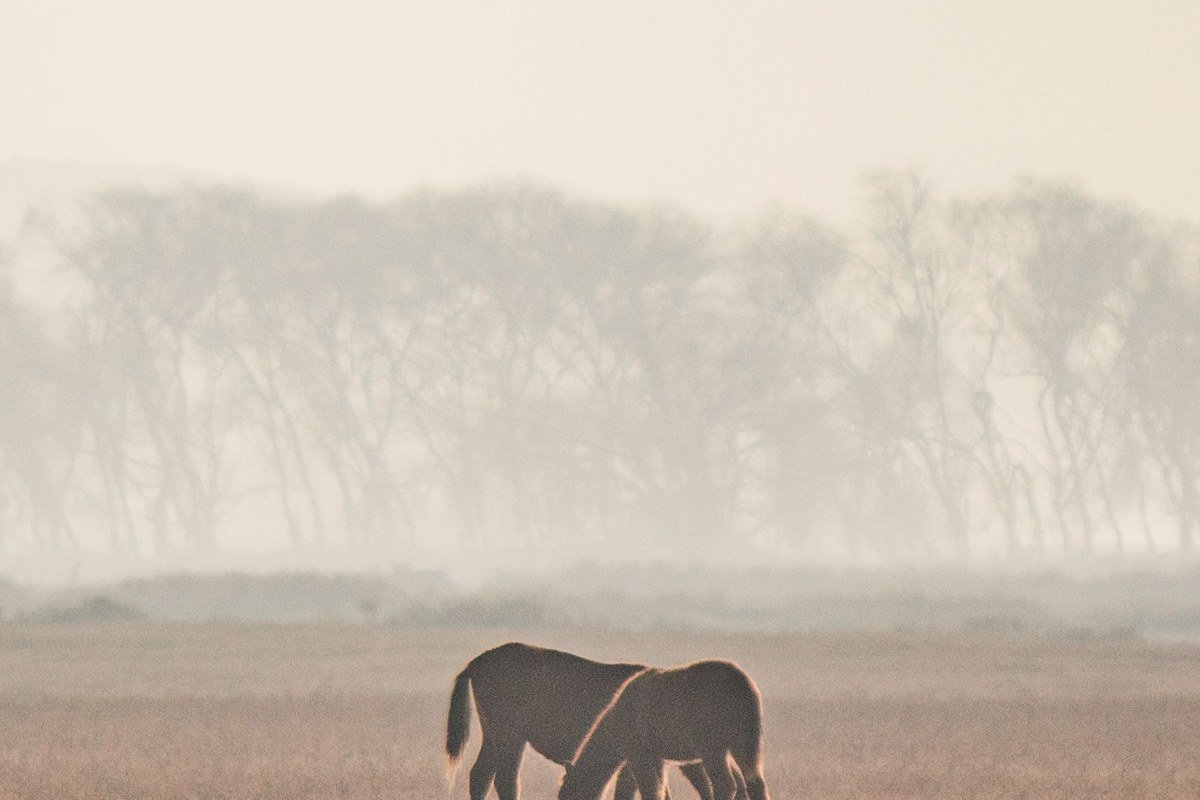
Cataloochee doesn’t get the drive-by traffic the main corridor does, and that’s exactly its appeal. The valley floor holds cold air and fog longer than the main corridor because it’s tucked away from through-traffic, reached by a winding gravel-and-pavement road that discourages casual visitors. Mid-November mornings bring fog pooling around the historic homesteads and churches, often with elk grazing in the mist, since this is one of the park’s reintroduction sites; a ranger stationed near the Palmer Chapel area once told me the elk tend to move down into the open fields right around first light, which lines up with when the fog is thickest. The access road has narrow, unpaved sections that get rough after rain, so a low sedan isn’t ideal; give yourself an extra 20 minutes over what your map app estimates. This is the spot to send people who call Cades Cove overrated and want fewer cars without giving up the atmosphere.
Cades Cove Loop Road, Tennessee, best in early December
Cades Cove gets called overrated constantly, and in July, with a bumper-to-bumper 11-mile one-way loop and wildlife jams every few hundred yards, that criticism holds up. Early December changes the math. The loop road often opens later for vehicles (check the park’s seasonal vehicle closure, since the road is sometimes reserved for bikes and pedestrians on certain mornings), crowds thin dramatically, and cold, calm nights under a high-pressure ridge fill the open fields with fog that sits low against the tree line well past sunrise. Coming from Knoxville (under an hour) or Gatlinburg (about 35 minutes), this is your best shot at Cades Cove without the gridlock. Deer and sometimes coyotes move through the mist at this hour, which is reason enough to bring a longer lens.
Foothills Parkway Bridge (the “Missing Link”), Tennessee, best in late December
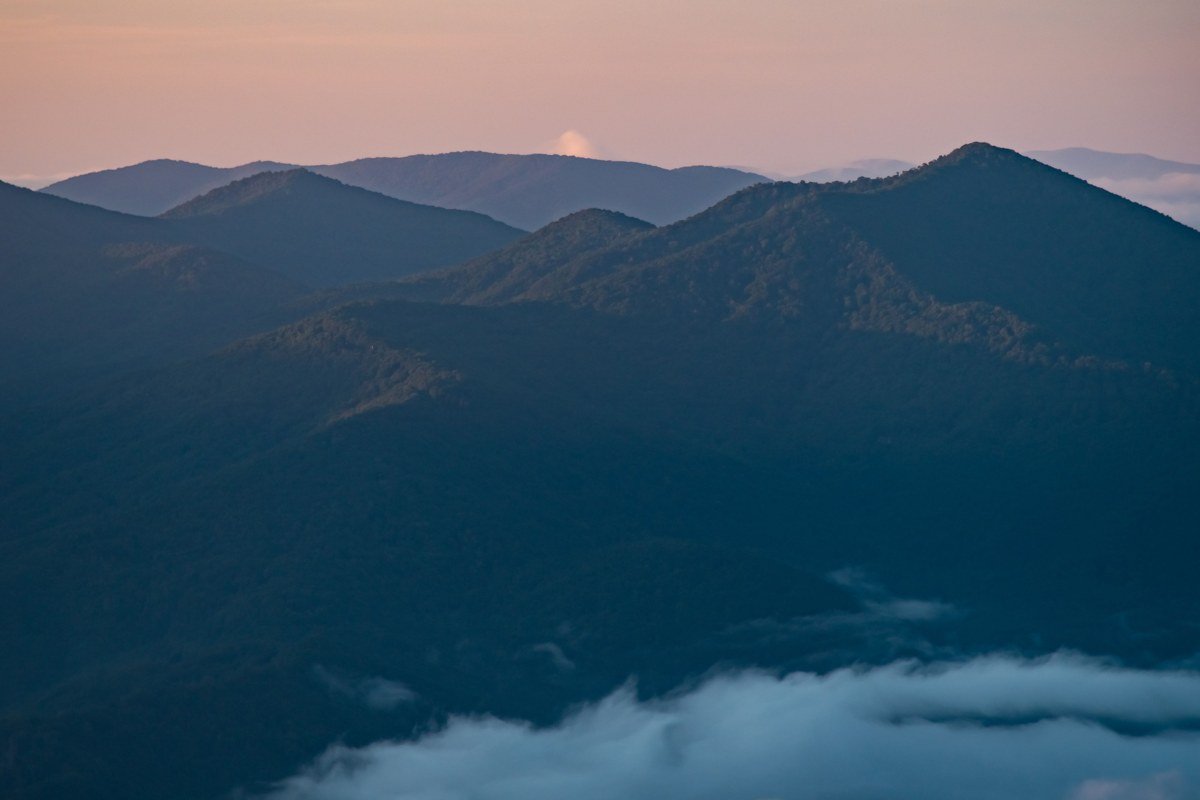
This newer stretch of parkway near Walland, Tennessee connected long-disconnected sections of the road, and its elevated bridge views over the valley toward Chilhowee Lake catch fog beautifully on cold, still late-December mornings. Because it’s a relatively recent addition, it’s less crowded than the park’s interior overlooks even during the holidays, when Gatlinburg and Pigeon Forge traffic is otherwise brutal. The parking here is limited to a handful of small pull-offs rather than a proper lot, so this works better as a stop on a slow drive than a destination with a set arrival time. Check the point forecast for Walland the night before and look for calm overnight wind speeds; the fog effect that makes this spot worth the trip depends on still air holding it in the valley, and any breeze scatters it fast.
Gatlinburg SkyLift Park (SkyPark), Tennessee, the no-effort alternative
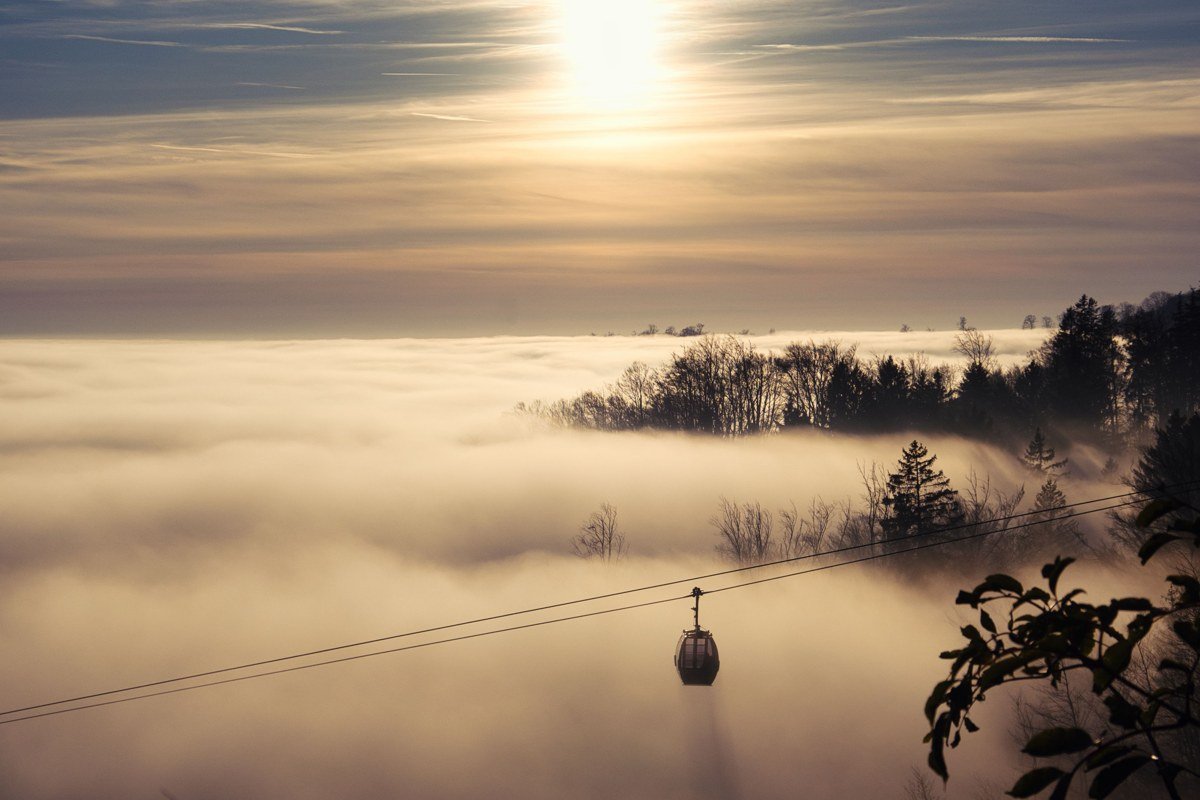
This one doesn’t compete on fog-timing precision the way the rest of this list does, it’s here for people who want a Smoky Mountains sunrise without hiking or driving mountain roads in the dark. The SkyPark’s chairlift and SkyBridge in downtown Gatlinburg deliver a genuine elevated view over the foothills, and around the winter holidays the town’s valley setting fills with fog that the lift rises straight above. It’s paid admission, unlike every national park overlook on this list, and it opens later than true sunrise for most of the year, so during peak season (Christmas week especially) check whether they run special early hours before you count on this. Outside winter, morning haze here is thinner and the effect is far less dramatic, so treat this as a convenient cold-season consolation prize, not a spot you’d time a trip around. It’s also the one entry here that isn’t inside the national park boundary, which makes it the easiest add-on for anyone staying in town without a car.
Smoky Mountains sunrise, month by month
- January: Foothills Parkway West, Tennessee
- February: Look Rock, Foothills Parkway East, Tennessee
- March through August: skip sunrise chasing here, haze is thin and unreliable; go for wildflowers or waterfalls instead
- September: early leaf color starts, scout Newfound Gap for practice runs
- October: Clingmans Dome (early to mid), Morton Overlook (late)
- November: Newfound Gap (early), Cataloochee Valley (mid)
- December: Cades Cove Loop Road (early), Foothills Parkway Bridge and Gatlinburg SkyPark (late)
For most travelers building a trip around a single Smoky Mountains sunrise, October and November do the heavy lifting: cool nights, warmer daytime air still lingering in the valleys, and the temperature swing that makes fog. Summer sunrise photos from this range are pretty. Fall and early winter ones are the reason the mountains got their name.