
Most people book a Colorado rafting trip based on a photo, not a river. They see whitewater crashing over a raft on some outfitter's homepage and assume that's what waits for them at mile three, then spend the drive up asking their guide increasingly nervous questions. The fix is simple: know the run's actual class rating, flow pattern, and permit requirements before you hand over a deposit, not after you're already wearing the wetsuit.
## Clear Creek, Idaho Springs, Colorado
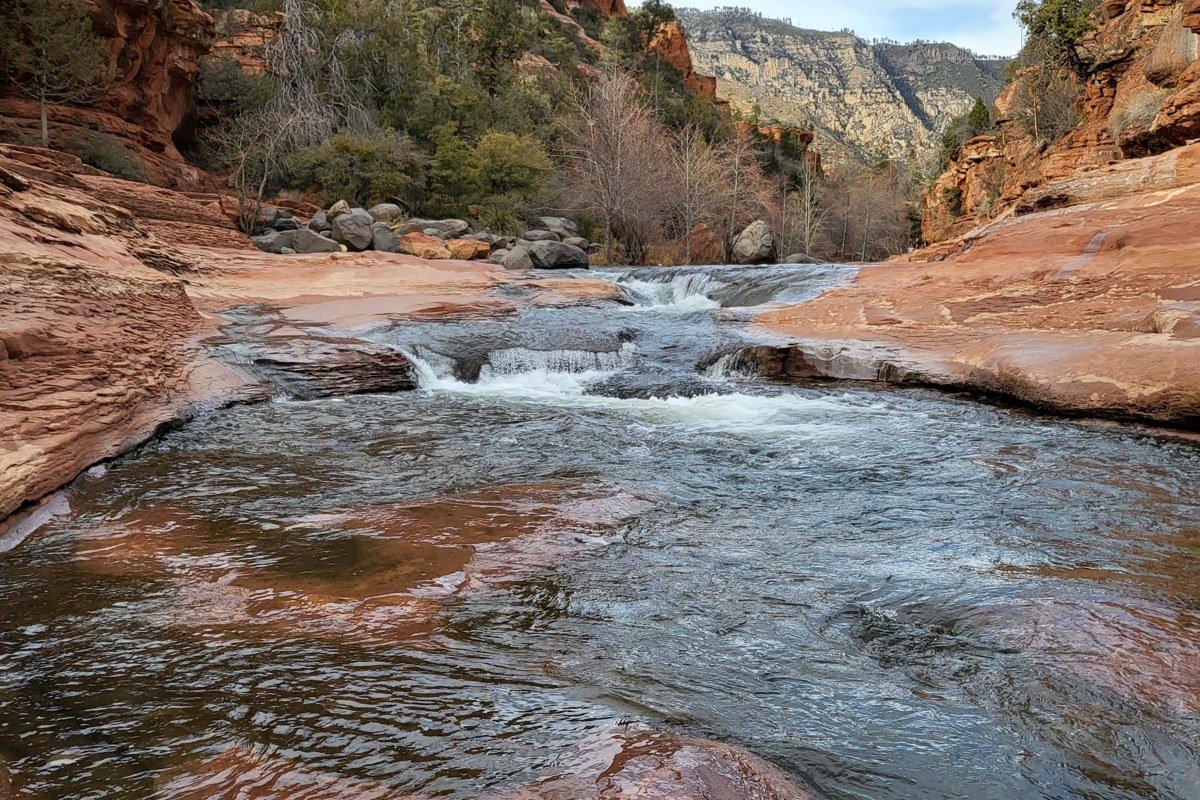
Clear Creek runs right alongside I-70 about 35 miles west of Denver, which makes it the default pick for anyone short on time and staying in the city. It's a tight, technical creek run, Class III to IV depending on the section and the year's snowpack, squeezed into a narrow canyon that feels more intense than its size suggests. Peak flow hits in late May and June, then drops fast, so the wild version of this run has a short window.
Most outfitters here run a half-day trip for around $60 to $95 per person, and the minimum age is typically 8 for the standard run (some raise that to 13 on higher-water weeks in June, so check the specific date, not just the outfitter's general policy).
**Worth knowing:** Multiple outfitters run out of Idaho Springs and Georgetown, and parking is easy to find right off the highway exits.
**Skip if:** You get carsick on winding canyon roads or want a mellow float, not moving water the whole way.
## Arkansas River (Browns Canyon), Colorado
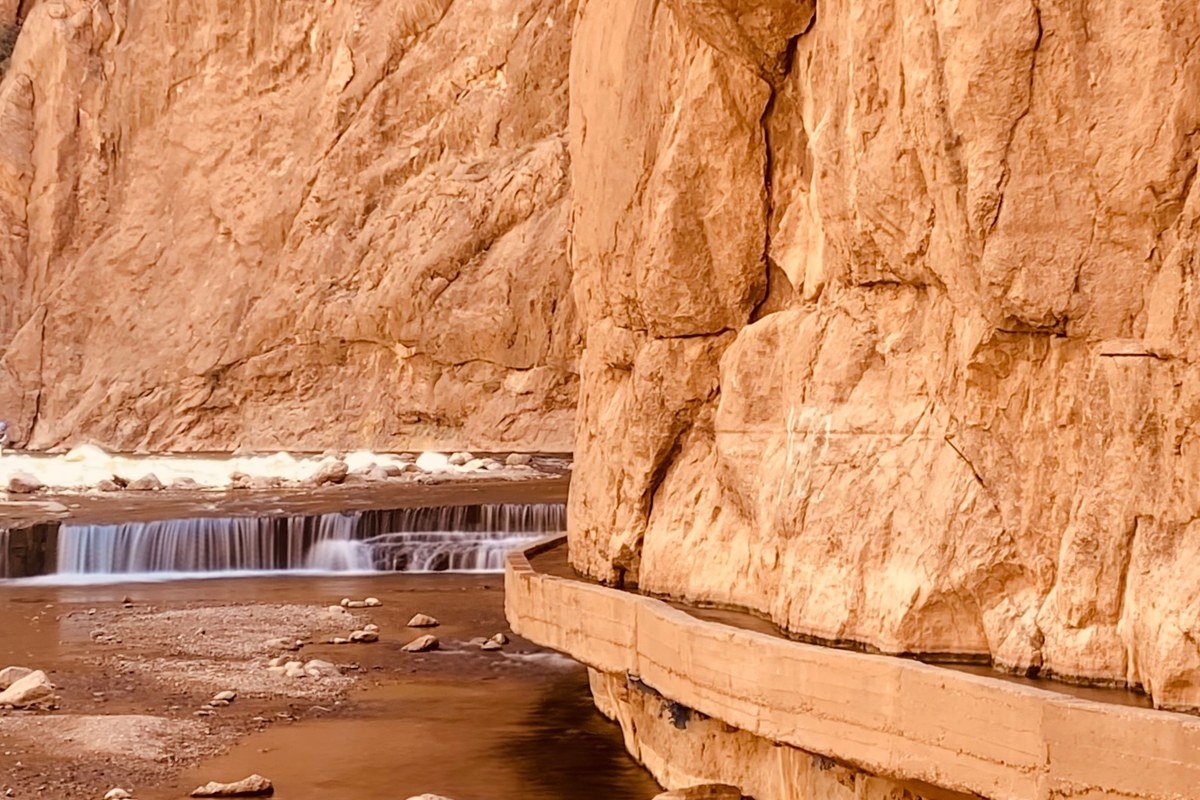
Browns Canyon National Monument, a couple hours southwest of Denver near Buena Vista, is the stretch several Arkansas Valley outfitters point to as their highest-volume trip of the season when asked. The river here runs Class III with a few punchier drops, through a granite canyon that stays scenic even when the water calms down between rapids. It's exciting without punishing anyone, which is likely why it fills up first on summer weekends.
A half-day trip generally runs $55 to $75, with most outfitters setting the minimum age at 6 to 8 depending on water levels. The Arkansas Headwaters Recreation Area, which manages this whole corridor, also collects a small daily river-use fee built into most trip prices.
**Worth knowing:** Flows are managed partly by upstream reservoir releases, so late-summer water levels hold up better here than on free-flowing creeks.
**Skip if:** You've already done Class IV elsewhere and want something that pushes you harder.
## Gore Canyon, Kremmling, Colorado
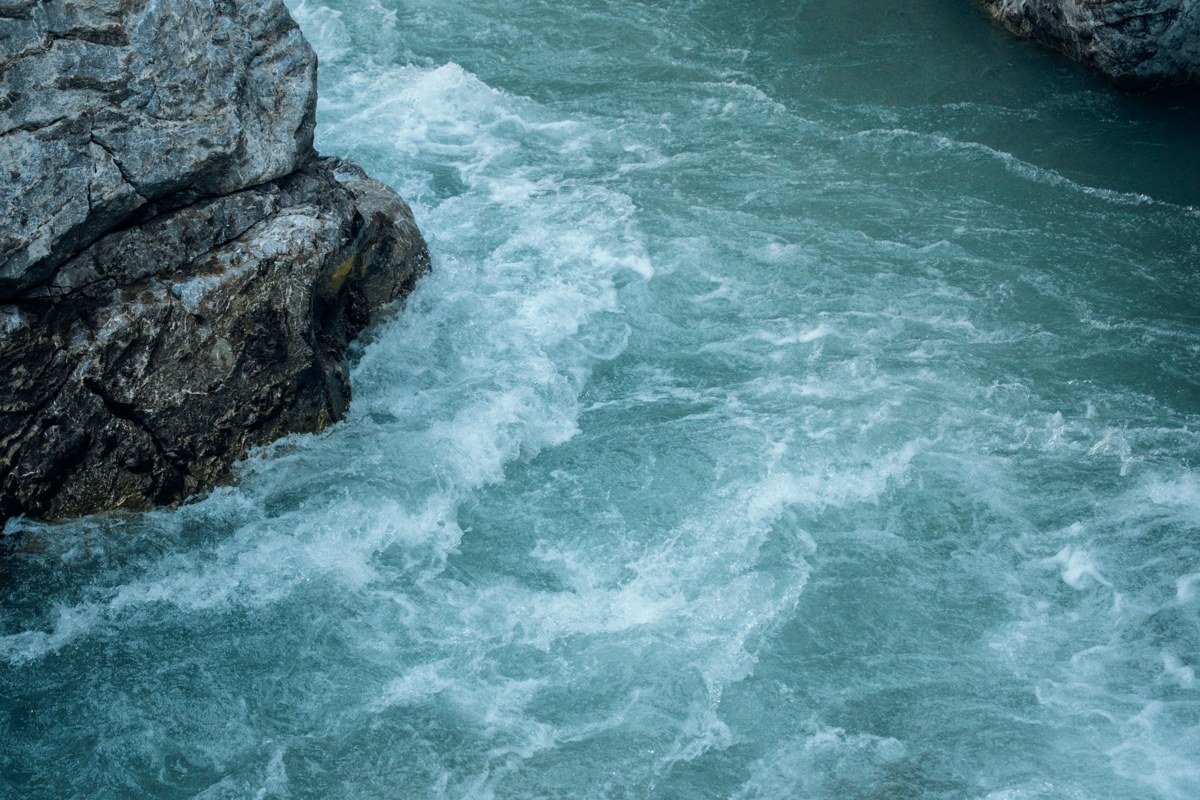
Gore Canyon, on the upper Colorado River near Kremmling in Grand County, is the run experienced rafters bring up when they want to sound intimidating at a campfire, and for once the reputation holds up. It's Class V, sustained, with rapids named things like Gore Rapid and Applesauce that require scouting even for guides who've run it dozens of times. A guide out of Kremmling once told me flat out that he walks every group past Applesauce on foot first, no exceptions, because the consequences of missing a line there are not the kind you talk your way out of.
Access is controlled through a BLM put-in permit system for the canyon, and commercial trips book limited slots well in advance during the short season. Expect to pay $150 to $250 for a full-day trip. Nearly every outfitter that runs it requires prior whitewater rafting experience, a minimum age of 18, and a signed waiver acknowledging the run's risk; this is not a trip that takes walk-ins or first-timers, and guides do turn people away at the put-in if they seem unprepared.
**Worth knowing:** Flows depend entirely on snowmelt and dam releases upstream, so the window is narrow, usually a few weeks in late spring.
**Skip if:** This is your first time in a raft. Full stop.
## Royal Gorge, Cañon City, Colorado
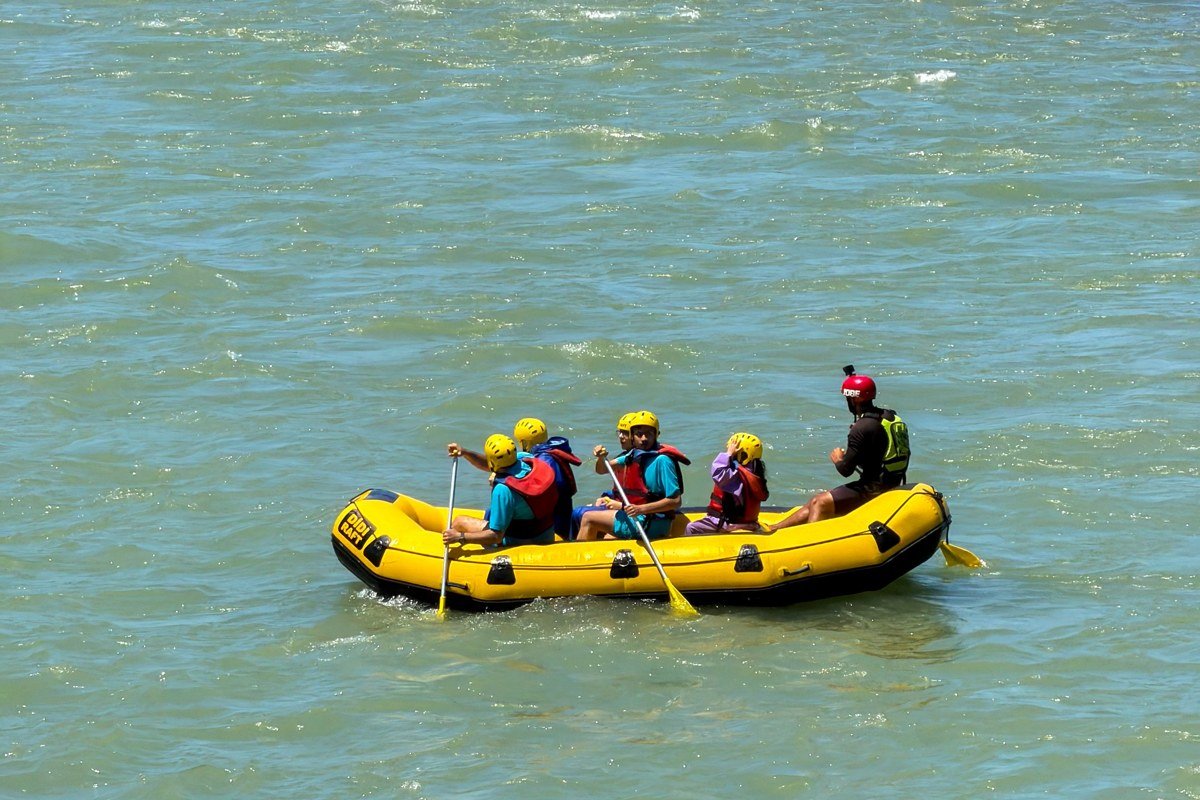
South of Browns Canyon, the Arkansas River drops into the Royal Gorge, a run with taller, steeper canyon walls and rapids that push into Class IV territory. You raft directly beneath the Royal Gorge Bridge, one of the higher suspension bridges in the country, which adds a strange scale to the whole trip. It's a step up in difficulty from Browns Canyon but still runs commercially all season, with a full-day trip typically priced $90 to $130 and a minimum age around 12.
**Worth knowing:** Cell service disappears almost entirely once you're inside the gorge walls, so tell someone your outfitter and put-in time before you go.
**Skip if:** You have a fear of tight, high-walled spaces; the canyon narrows enough that it can feel closed-in even on a calm stretch.
## Numbers Section, Arkansas River, Colorado
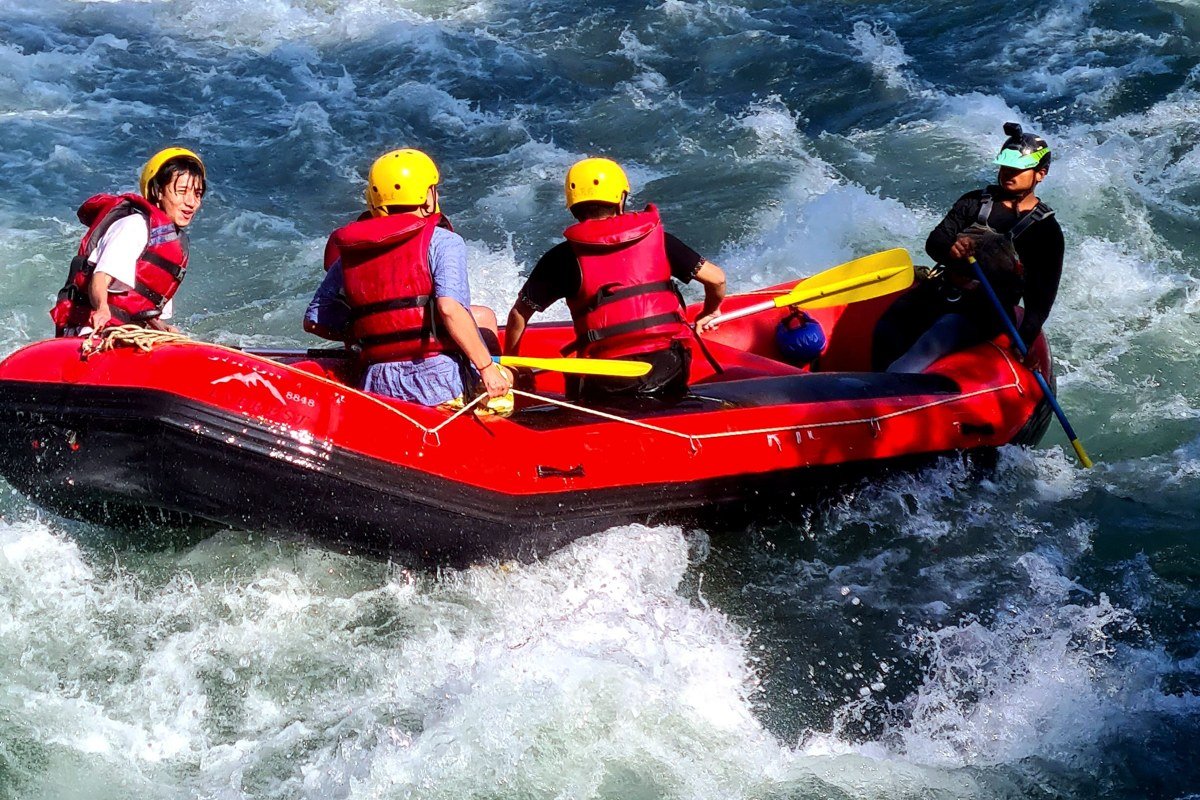
Upstream from Browns Canyon, near Buena Vista, the Numbers section is where the Arkansas gets genuinely technical: consecutive Class IV rapids named simply by number, back to back, with almost no flat water to recover between them. It's a shorter run than Browns Canyon but a far more physical one, and several Buena Vista guides describe it as the harder paddling test of the two runs, since there's no lull to reset your stroke or catch your breath.
Trips run $75 to $100 for a half-day, and most outfitters set the minimum age at 15 given the lack of recovery water. This stretch peaks during snowmelt in late May through June; by August it can be too low to run commercially at all.
**Worth knowing:** Book early in the season if this is the run you want; the window closes faster than Browns Canyon's does.
**Skip if:** You want time to relax and look at scenery. There isn't much of a break to do that.
## Cache la Poudre River, Fort Collins, Colorado
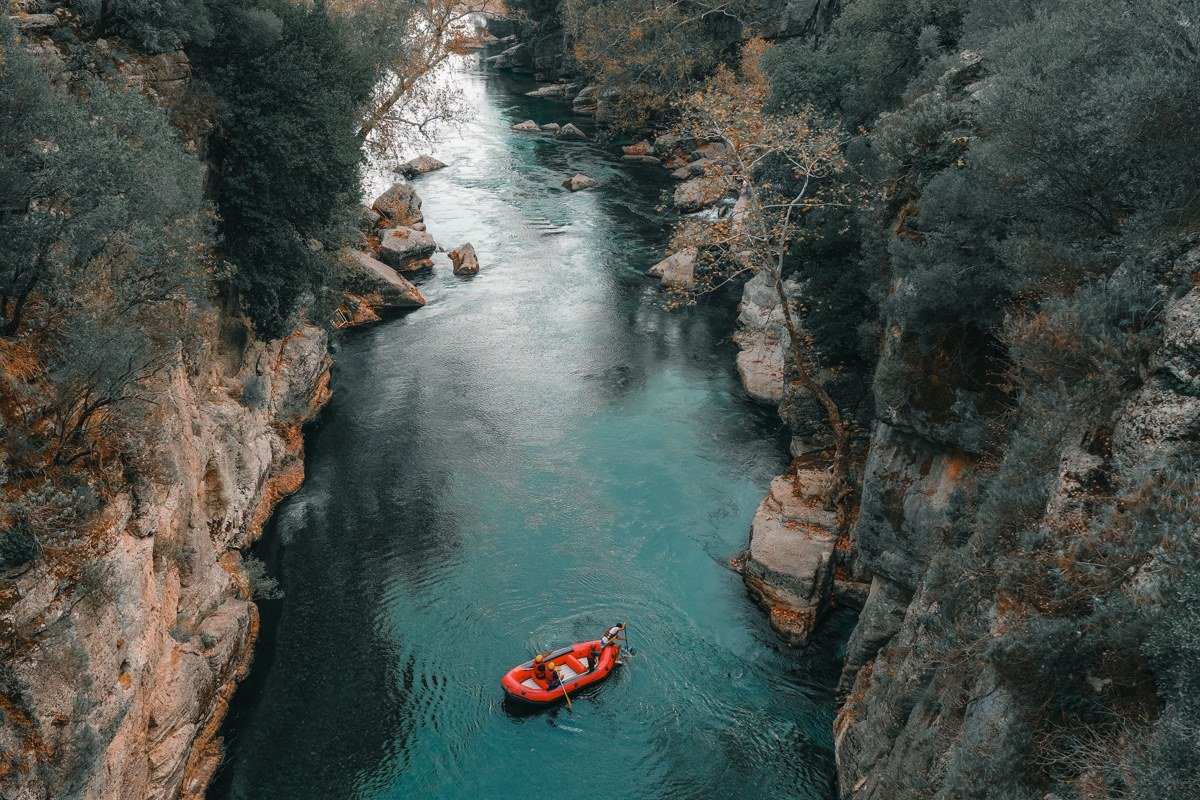
The Poudre is the easy answer on this list, and it doesn't need much dressing up. Running through its canyon northwest of Fort Collins, it's Colorado's only federally designated Wild and Scenic River, and the rafting matches that low-key status: mostly Class II with a few Class III moments, through a forested canyon that stays cooler and less crowded than the Arkansas corridor. Half-day trips run about $50 to $70, and outfitters here take kids as young as 4 or 5 on the mellower lower stretches, making it one of the few genuine family options on this list rather than a "family-friendly" trip that's really just a slower Class III.
**Worth knowing:** The canyon road (Highway 14) closes to all access after dark during peak runoff season in some years due to flood risk, so check current conditions before a late-day trip.
**Skip if:** You're chasing a big adrenaline hit. This river rewards people who want scenery over speed.
## Animas River, Durango, Colorado
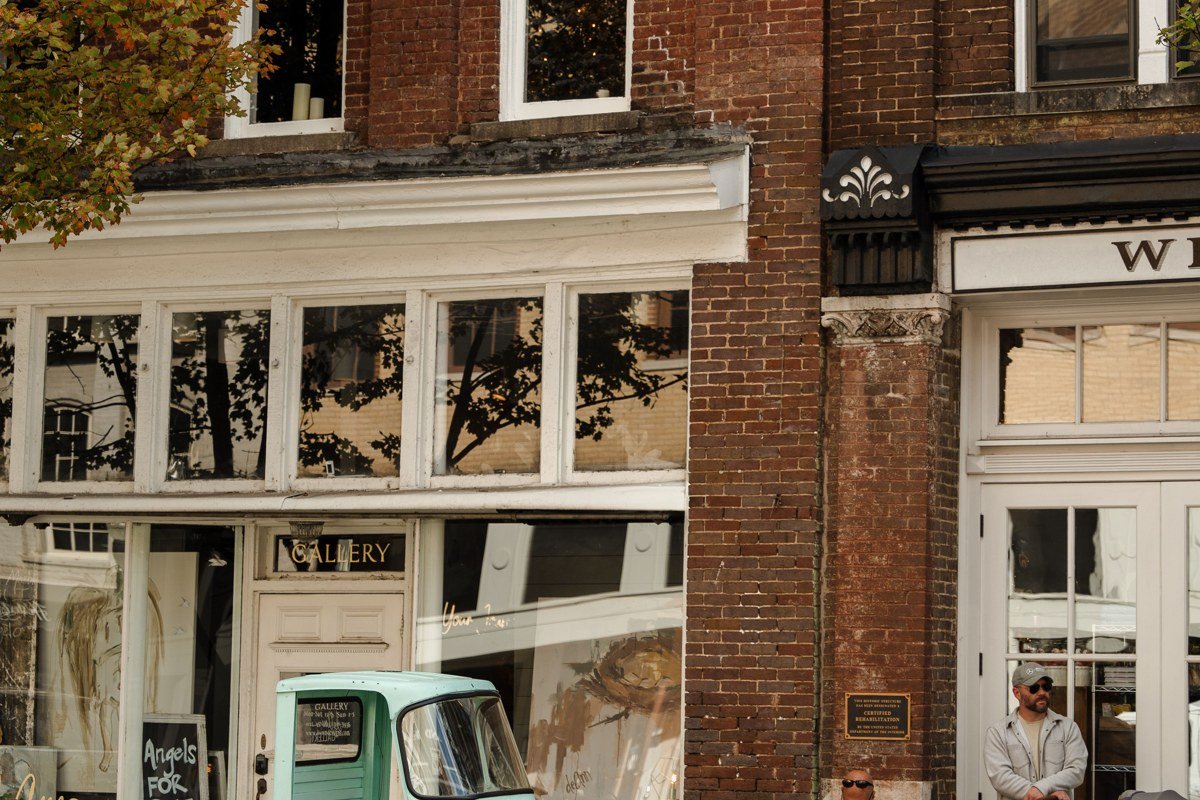
The Animas is unusual because part of it runs directly through downtown Durango in the state's southwest corner, a five-hour drive from Denver but worth building a whole trip around. The town run is a playful Class II to III float past historic buildings, priced around $40 to $60 for a couple of hours, with a minimum age of about 5. Upstream, the Upper Animas near Silverton is a serious Class IV to V expert run reachable partly by the narrow-gauge train, and most outfitters require the same prior-experience and 18-plus rules seen at Gore Canyon. Most visitors only ever raft the lower, friendlier section, and that's fine.
**Worth knowing:** Durango sits at higher elevation than the Front Range cities, so afternoon thunderstorms build fast in July and August; morning trips avoid most of them.
**Skip if:** You're expecting canyon wilderness. This run's charm is the town, not remoteness.
## Colorado River (Grand Canyon stretch, borders Arizona)
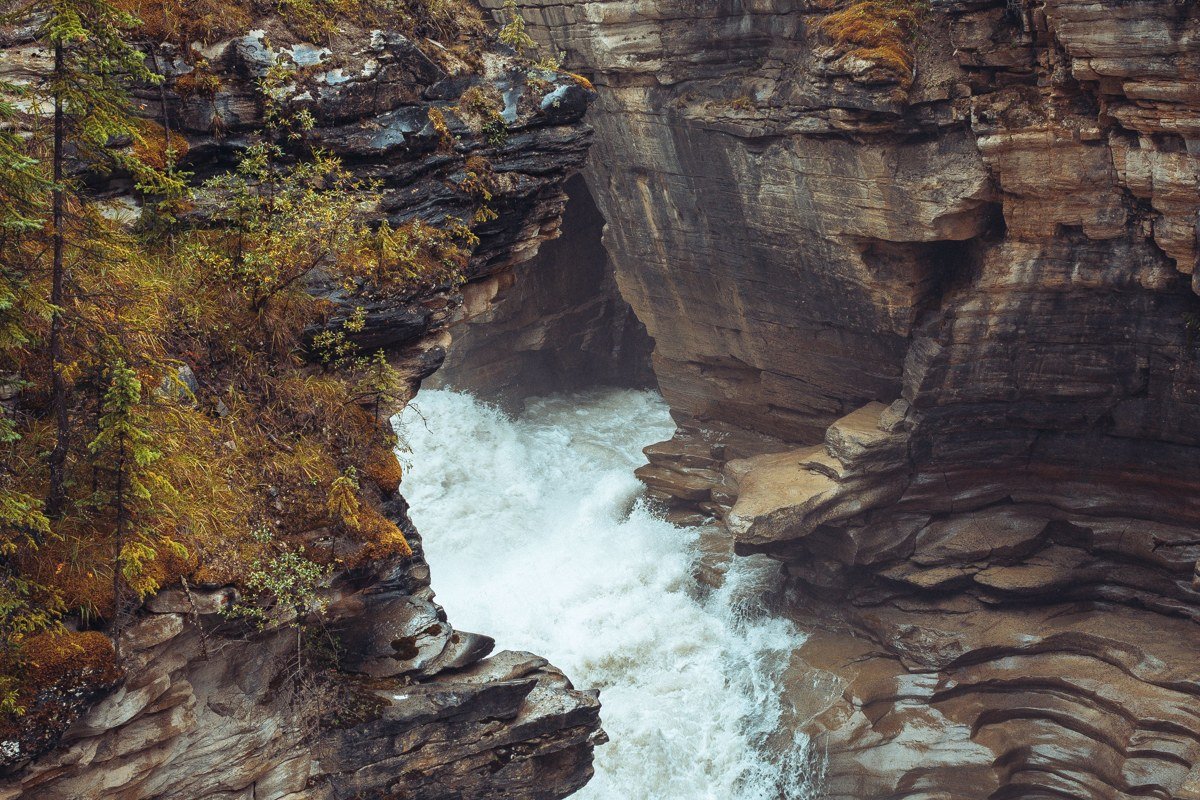
Here's a genuine point of confusion worth clearing up directly: Grand Canyon rafting is a real, famous trip, but it happens almost entirely within Arizona, on the river that starts in Colorado but does its most dramatic work hundreds of miles downstream. If a Colorado-based outfitter's website mentions Grand Canyon rafting, they're marketing the name, not the location. For actual in-state Colorado rafting, the river's upper sections near Kremmling, State Bridge, and Glenwood Canyon are the ones to look at instead.
Glenwood Canyon, along I-70 near Glenwood Springs, offers a solid Class II to III commercial run for roughly $60 to $85 a person, with a minimum age around 5 to 8 depending on the outfitter, plus easy highway access and a bike path alongside it for a non-rafting day.
**Worth knowing:** No permit lottery here, unlike the Arizona stretch downstream, which requires either a commercial booking years out or a hard-won private permit.
**Skip if:** You saw "Colorado River" and assumed you'd end up looking at the Grand Canyon's mile-deep walls. You won't, not from a Colorado put-in.
## Yampa River, Steamboat Springs, Colorado
The Yampa, running through Steamboat Springs in the state's northwest, is one of the last major undammed rivers in the region, which means its character changes more dramatically through the season than almost any other run here. Early summer (roughly late May into June) brings genuine Class III whitewater at $60 to $80 a trip, with a minimum age near 8. By late July it's often too low to raft commercially at all, and outfitters shift to scenic floats through ranchland instead, a gentler trip with a lower minimum age of around 3 or 4 since there's no real whitewater left to manage. That late-season float is arguably the most underrated entry on this whole list: no rapids to brace for, just herons, hay meadows, and a slow current, at a price that's usually a few dollars less than the early-season run.
**Worth knowing:** Because it's undammed, water levels here are the most weather-dependent on this list; a light snowpack year can shorten the whitewater season by weeks.
**Skip if:** You need guaranteed whitewater on a fixed date. Book Browns Canyon or Clear Creek instead for that certainty.
## Mistakes people make
- Booking a rafting trip by class rating alone without checking the month. A river rated Class IV in June can be a Class II float, or unrunnable, by September.
- Assuming the season runs all summer everywhere. Peak snowmelt runs (Numbers, Gore Canyon, Yampa) narrow to a few weeks; dam-controlled rivers like the Arkansas hold up much longer into September and even early October on warm years.
- Showing up in cotton and flip-flops. Most outfitters provide a wetsuit or splash jacket, but you'll want to bring your own water shoes; the water stays cold from snowmelt even when the air hits 85 degrees.