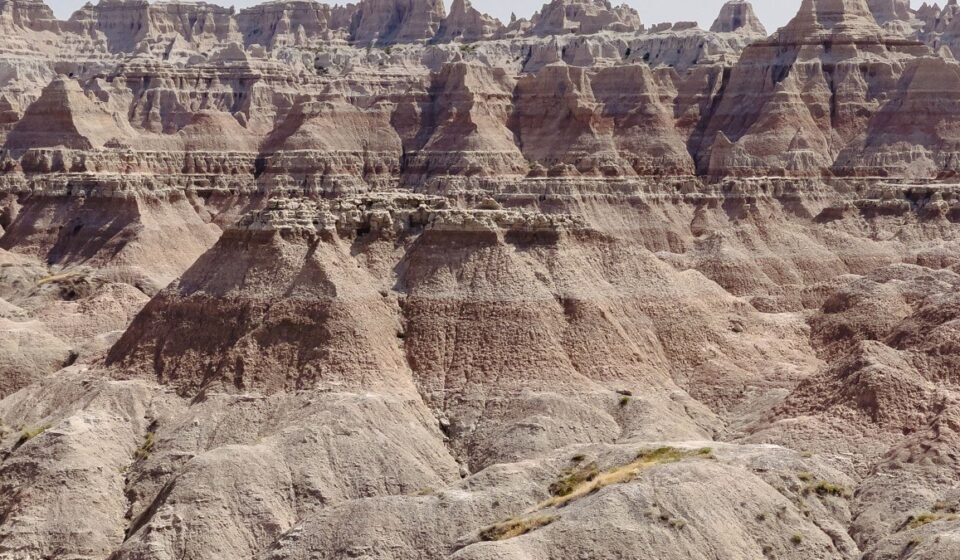

Everyone drives Badlands National Park in South Dakota between noon and 4pm, snaps the Big Badlands Overlook, and heads to Wall Drug. Panorama Point gets you a wide, honest view of the whole formation glowing under starlight without another car in sight, while Door Trail gets you close enough to touch the spires but only rewards you if the moon stays below the horizon. One is about scale, the other is about intimacy, and the gap between them is basically the whole case for coming back after sunset.
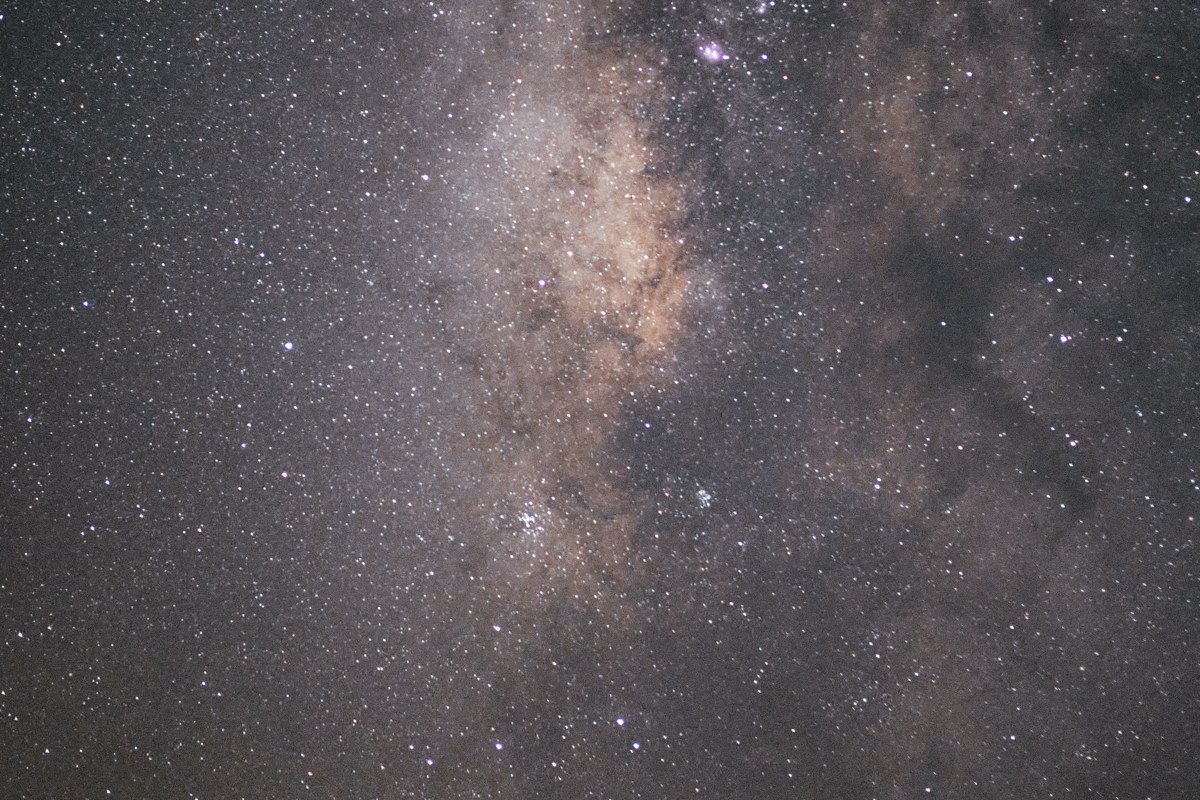
Badlands National Park earned Gold Tier certification from DarkSky International in 2019, the organization’s highest designation for night sky quality. On a clear, moonless night, practiced eyes can pick out the Milky Way’s core without a filter or app. That’s the real reason to rethink this stop.
A few logistics before you go: entrance is $30 per vehicle (valid seven days) or free with an America the Beautiful pass. The Badlands Loop Road (Highway 240) itself never physically gates shut and is open 24 hours, which is what makes night viewing possible at all, but the Ben Reifel Visitor Center and Pinnacles entrance station keep standard daytime hours (roughly 8am to 4pm or later in summer, shorter in winter). The Sage Creek Rim Road, a dirt route on the park’s west side, closes seasonally when wet weather makes it impassable and isn’t plowed in winter. Cell service is unreliable to nonexistent through most of the park interior; you may get a bar near the Ben Reifel Visitor Center and Interior, South Dakota, but treat the rest of the loop as offline. The nearest reliable gas is in Interior (a few miles from the Interior/Big Badlands entrance) or Wall, South Dakota, about 8 miles from the northeast entrance; do not count on finding fuel along the loop itself. Cedar Pass Campground, near the visitor center, is the most convenient base for a multi-overlook evening and has potable water and restrooms, though no hookups.
Here are the eight overlooks worth staying past dark for, counted up to the one I’d drive out of my way for.
8. Conata Basin Overlook, South Dakota
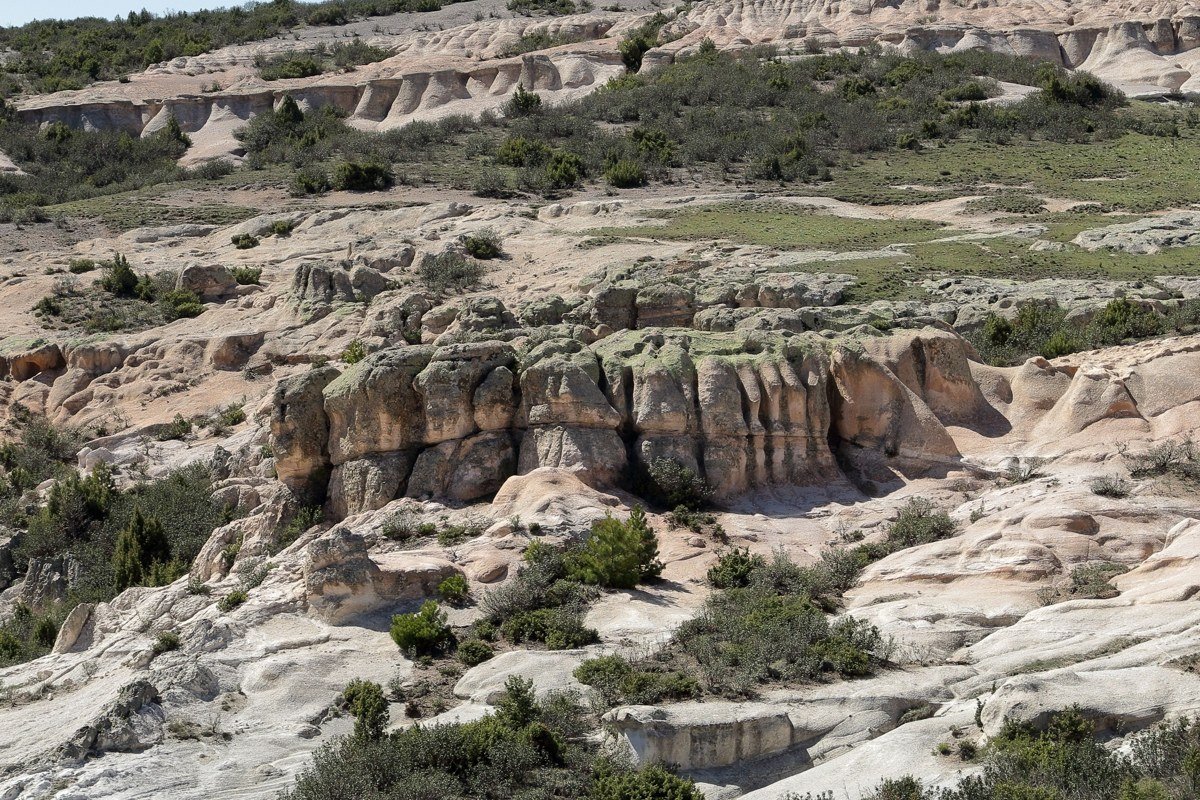
This pullout looks south over a broad, low basin where prairie dog towns and the reintroduced black-footed ferret population live largely undisturbed by foot traffic. By day it’s a decent wildlife-watching stop; by night it’s one of the darkest points along Highway 240 because there’s no facility, no restroom, nothing to draw a crowd. Bring a red-light flashlight, sit on the hood of your car, and give your eyes twenty minutes to adjust before you judge the sky. The downside is honest: there’s zero infrastructure, so if you need a bathroom or cell signal, you won’t find either here. It’s roughly a 15-minute drive west to Yellow Mounds if you’re sequencing a loop.
7. Yellow Mounds Overlook, South Dakota
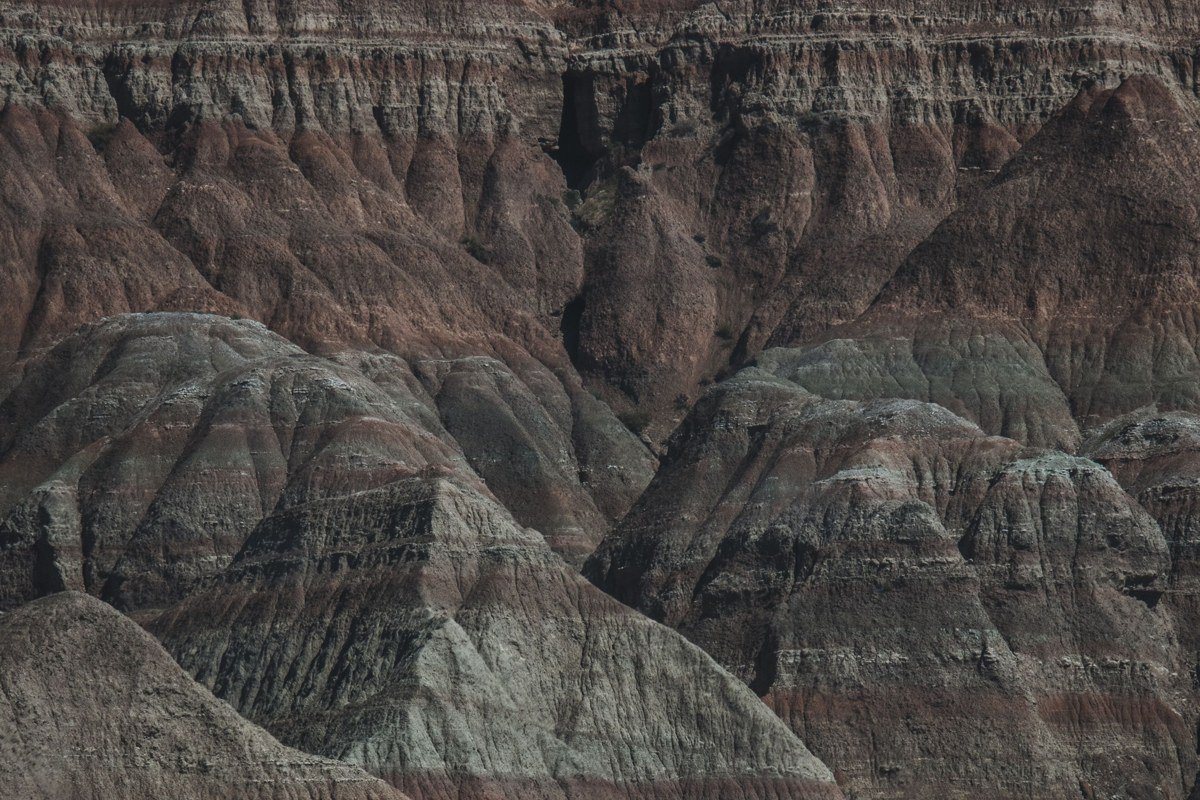
Yellow Mounds is famous for its daytime colors, ochre and rust mudstone that looks almost tropical against the tan plains. At night that color drains to silver-grey under starlight, which sounds like a downgrade until you realize the rounded, low mounds create a strangely lunar horizon line with zero jagged silhouettes to distract from the sky. Save this one for a moonrise; the soft topography doesn’t compete with it the way sharper formations do. The trade-off is that it’s a short pullout with limited parking, maybe four or five cars, so on a summer weekend with a meteor shower forecast you may not get a spot. From here it’s about 20 minutes east to Pinnacles.
6. Pinnacles Overlook, South Dakota
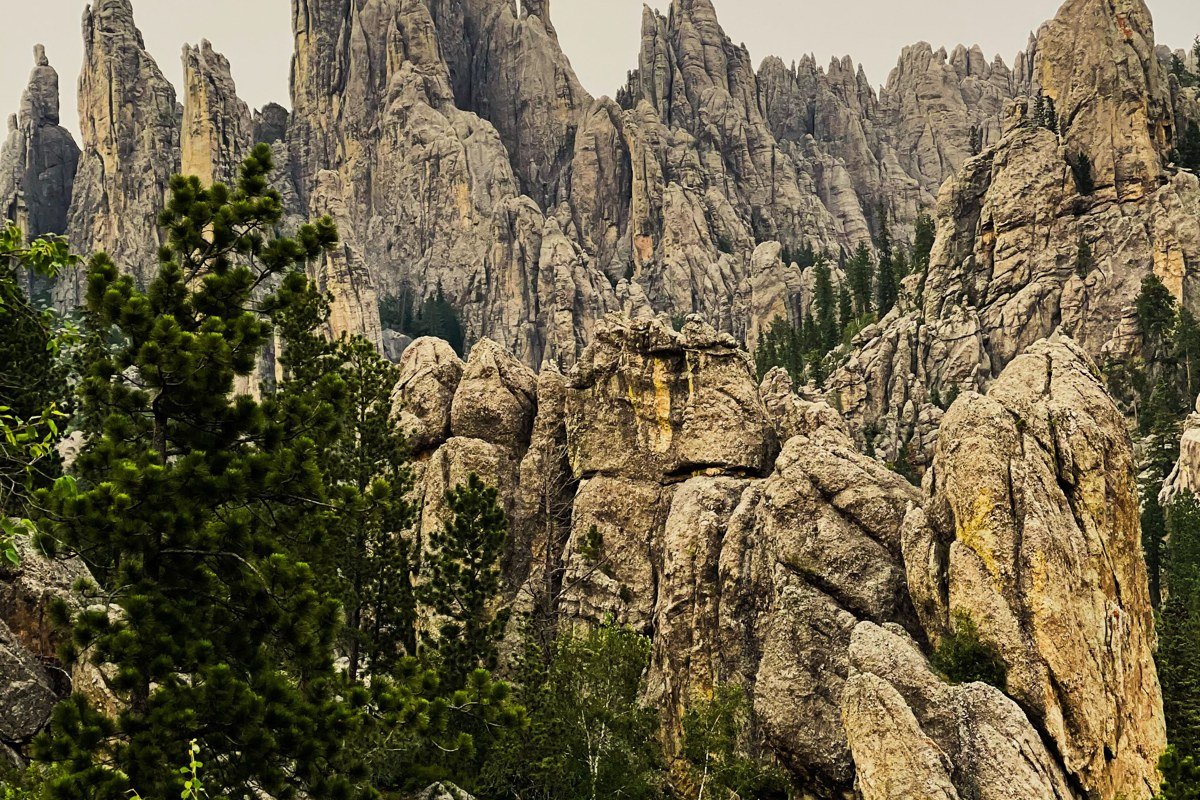
Pinnacles sits near the park’s northwest entrance off Highway 240 and gives you the sharpest, most dramatic skyline in the park, hoodoos and spires stacked like a bad dream in the best way. That jagged silhouette against the stars is the single most photogenic shot in the whole park, and it’s an easy stop if you’re driving in from Rapid City, South Dakota, only about an hour east. Ranger-led night programs sometimes set up here in summer, so check the visitor center schedule before you go, or you’ll end up sharing your dark sky with someone else’s telescope crowd, which honestly isn’t the worst outcome either. Norbeck Pass is about 10 minutes south on the loop road.
5. Norbeck Pass, South Dakota
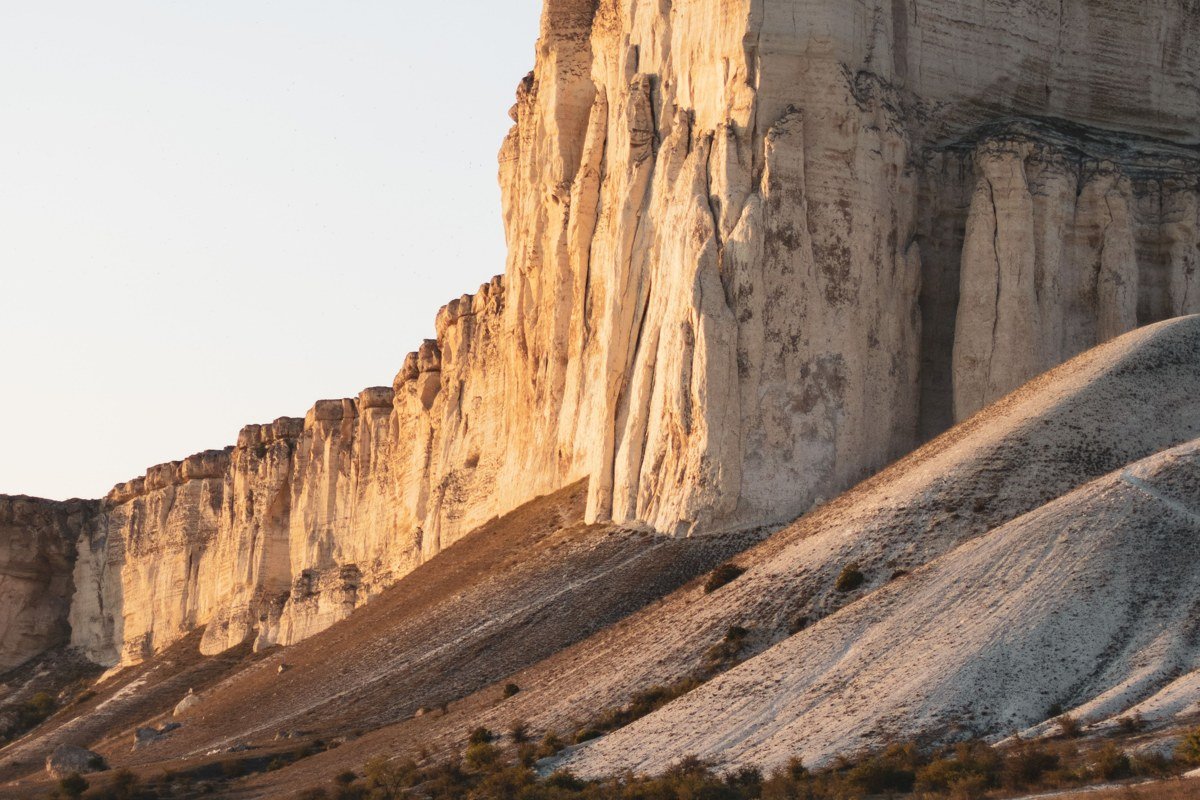
Norbeck Pass is where the Badlands Loop Road threads through the most canyon-like terrain in the park, narrow, walled-in, genuinely disorienting after dark. It’s less an overlook than a driving experience. Park at the small pullout just past the pass and walk fifty yards up the slope for a view back down into the corridor. There’s no real shoulder to pull onto, and the badlands are notorious for wildlife on the road at dusk, bighorn sheep especially, so keep your speed down. If you step off the pavement at night, watch your footing and your hands on rock ledges; prairie rattlesnakes are active after dark in warmer months, and a headlamp beam doesn’t always catch one in time. Door and Window is roughly 15 minutes further east.
4. Door and Window Trail area, South Dakota
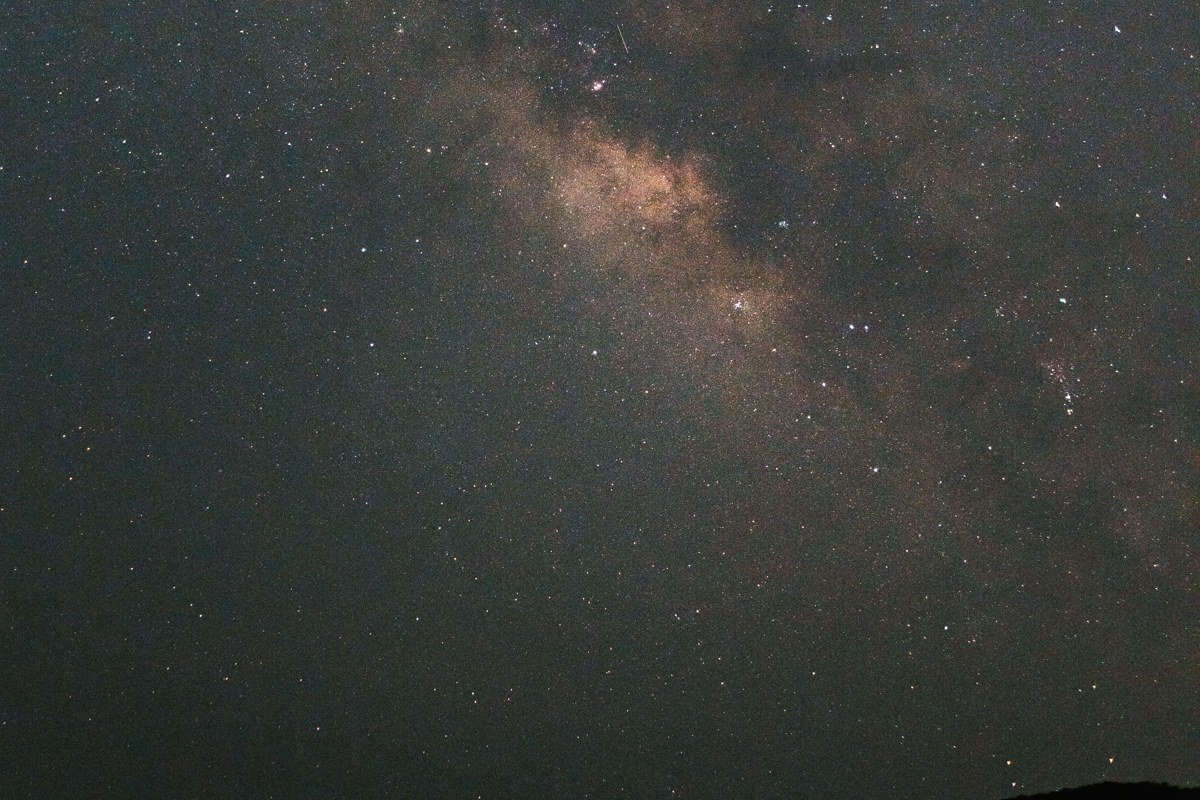
This is the closest you can get to the formations themselves without technical scrambling, a boardwalk that dumps you into a break in the wall where the spires close in on both sides. With a headlamp on red mode, you can walk the marked route (stick to it; the off-trail terrain is genuinely unstable and easy to twist an ankle on, and rattlesnakes den in the rock crevices beyond the boardwalk) and stand inside the rock instead of looking at it from a distance. Time your visit for new moon; the tall walls block a lot of sky, so you need the darkest conditions to make it worthwhile. This is also the most popular sunset spot in the park, so expect company for the first hour after dark before the crowd thins out. Big Badlands Overlook is about 5 minutes back toward the entrance.
3. Big Badlands Overlook, South Dakota
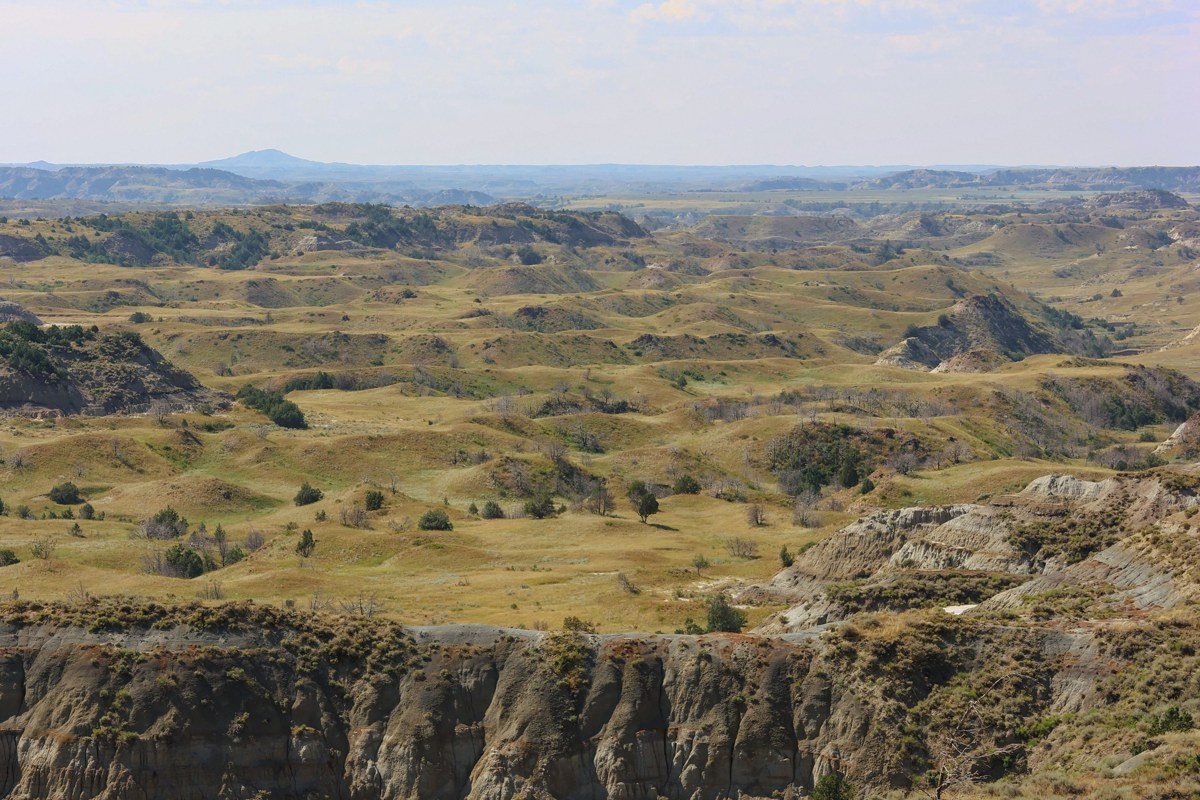
This is the first overlook most people hit coming from Interstate 90, and it earns its reputation as the classic Badlands postcard shot, layered pink and tan rock stretching to the horizon. At night it becomes a wide-open 270-degree view where the Milky Way rises directly over the formations with almost no light pollution, since the nearest town, Interior, South Dakota, is tiny. Arrive right at astronomical twilight and watch the transition: the rock loses its color first, then the stars come up behind it. It’s an easy stop, close to the entrance and to Cedar Pass Campground, but that also makes it the least private option on this list. Expect a few other cars. Hay Butte is close to an hour further along the loop road.
2. Hay Butte Overlook, South Dakota
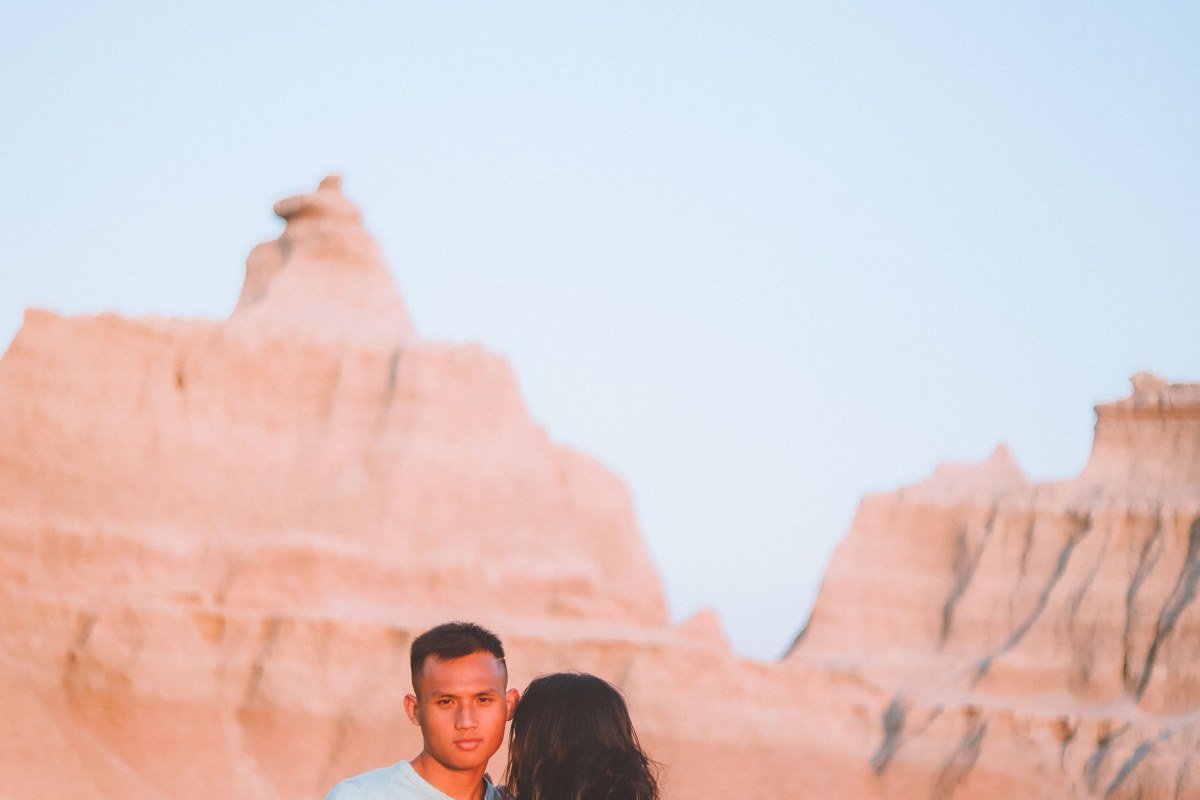
Hay Butte sits further along the loop road, past most of the day-trip traffic, and by the time the sun’s down this overlook is often empty. The butte itself becomes a black shape against a genuinely dense star field. Under exceptional conditions, a clear new-moon night, eyes fully dark-adapted for thirty-plus minutes, and no haze on the horizon, some visitors can pick out the Andromeda galaxy as a faint smudge with the naked eye, but it’s a real test of night vision, not something you’re guaranteed to spot on a casual look up. Bring a star chart or a basic astronomy app set to red-screen mode; this spot rewards patience more than a quick fifteen-minute stop. The drive out here from the main visitor center takes a while on a two-lane road with sharp curves, so budget real time and don’t attempt it if you’re exhausted from a full day of hiking. Panorama Point is roughly another 20 minutes east.
1. Panorama Point, South Dakota
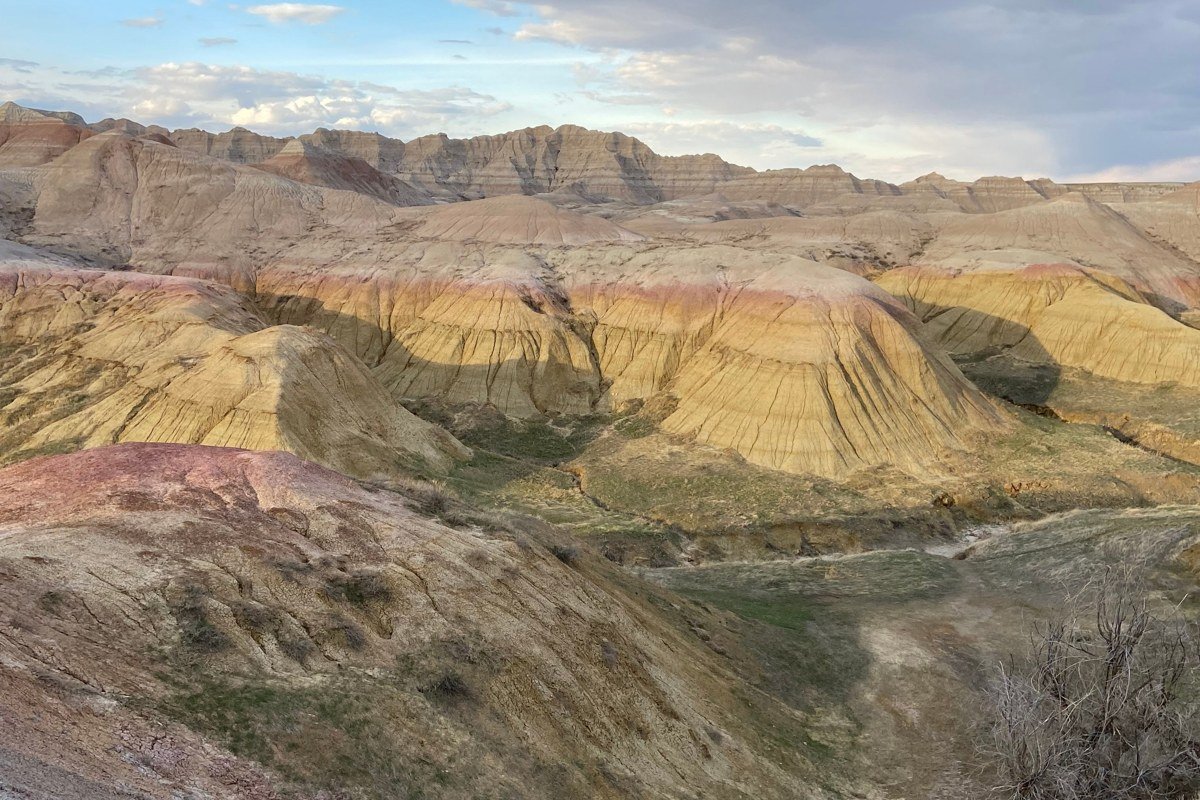
Panorama Point lives up to its name better after dark than during the day. It sits on the eastern side of the park, away from the main cluster of overlooks, and gives you an uninterrupted, almost 360-degree horizon with the entire badlands formation laid out below like a topographic map. This is where the park’s Gold Tier dark-sky status pays off at full strength: no rim wall or butte blocks any part of the sky, and on a clear night in fall or early winter you get the full Milky Way band from horizon to horizon, along with a real shot at seeing the zodiacal light before dawn. Bring a reclining camp chair and stay for at least an hour; your eyes need the time to fully adapt, and the show gets noticeably better after the first thirty minutes. The trade-off is real: it’s a longer, quieter drive to get out here, the pavement gives way to a rougher road toward the end, and there’s no facility of any kind, so this isn’t the stop for a quick look on your way to Mount Rushmore. It’s the one you plan around.
How I’d pick: first-timers with one evening should stick to Big Badlands Overlook or Pinnacles, both close to the interstate and to Rapid City hotels, easy in, easy out. A couple wanting something quieter and more atmospheric should drive to Hay Butte or Panorama Point and treat it as the whole evening’s plan, not an add-on. Families with kids do best at Door and Window, since the boardwalk is short, stars are still clearly visible, and there’s a real payoff without a long drive back in the dark. If you’ve got one weekend and you’re combining this with Mount Rushmore or camping in the park, base yourself at Cedar Pass Campground, gas up in Interior or Wall beforehand, catch sunset at Big Badlands Overlook, then loop out to Yellow Mounds or Norbeck Pass once full dark hits before turning back. Whatever you choose, check the moon phase before you book anything. A full moon will wash out every one of these skies just as thoroughly as a cloudy one.