
The single biggest mistake first-timers make with Zion canyoneering has nothing to do with rappelling technique. It’s showing up in the wrong month.
A slot canyon that’s a joyful, sun-dappled scramble in October can be a cold, flooded, permit-restricted nightmare in April, and the same route people call a bucket-list win in June gets a hard no from rangers after a monsoon storm in August. Canyoneering in Zion and the broader canyon country of southern Utah is a game of matching water levels, air temperature, and permit windows to your actual skill level, not just picking a canyon off a list. Below are eight beginner-friendly slots, all in the United States, ranked by when each one hits its sweet spot across the calendar. Get the timing right and you get a wetsuit-free wade through glowing rock. Get it wrong and you get a cancelled trip or, worse, a canyon that’s genuinely dangerous.
Zebra Slot Canyon, Utah – best in late March through April
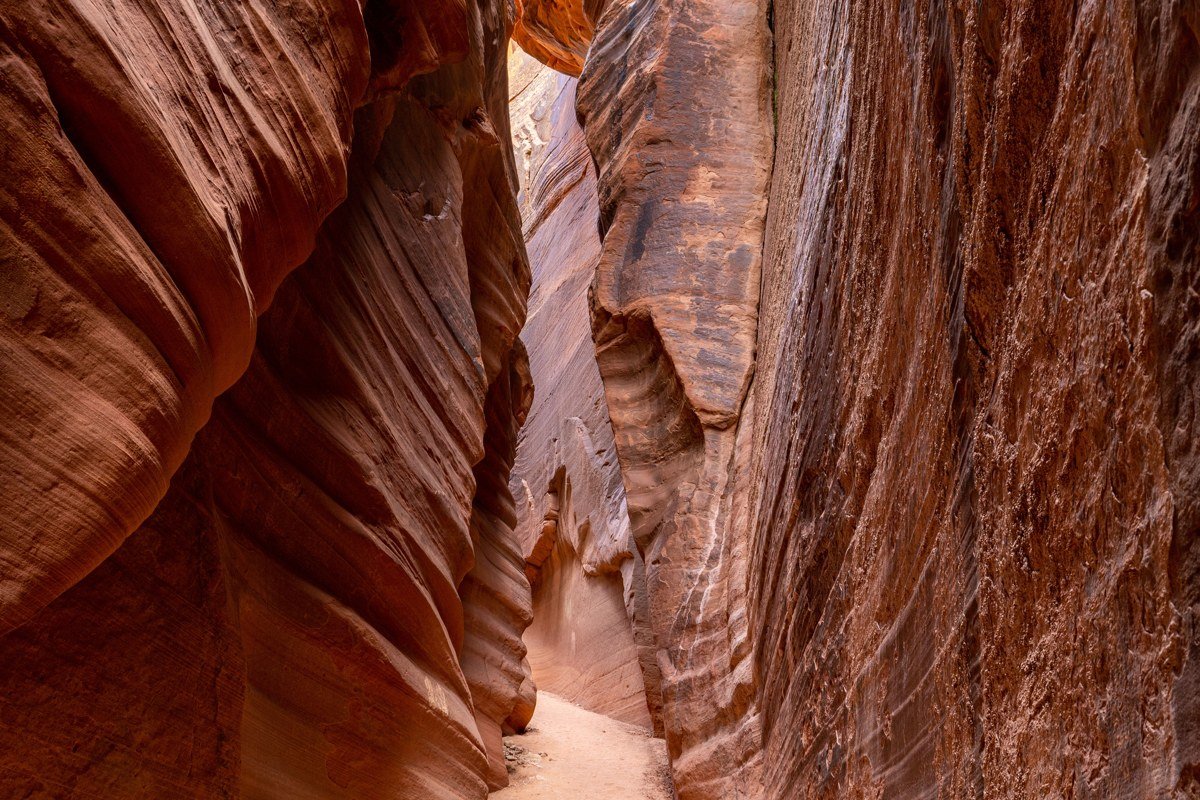
Zebra sits outside Escalante, roughly a three-hour drive from Springdale (about 140 miles via US-89 and Hole-in-the-Rock Road), and it’s the closest thing to a warm-up canyon that requires zero permit and zero rappelling gear. Late March and April give you cool hiking temperatures for the exposed approach hike and enough snowmelt runoff that the canyon’s namesake stripes look vivid rather than dusty. Go in high summer and you’re hiking two hours across slickrock in triple digits before you even reach the slot. The tip here: park at the Harris Wash trailhead before 9 a.m., because the pullout holds maybe a dozen cars and fills fast with photographers chasing the same striped walls.
The Subway (Bottom-Up), Utah – best in May
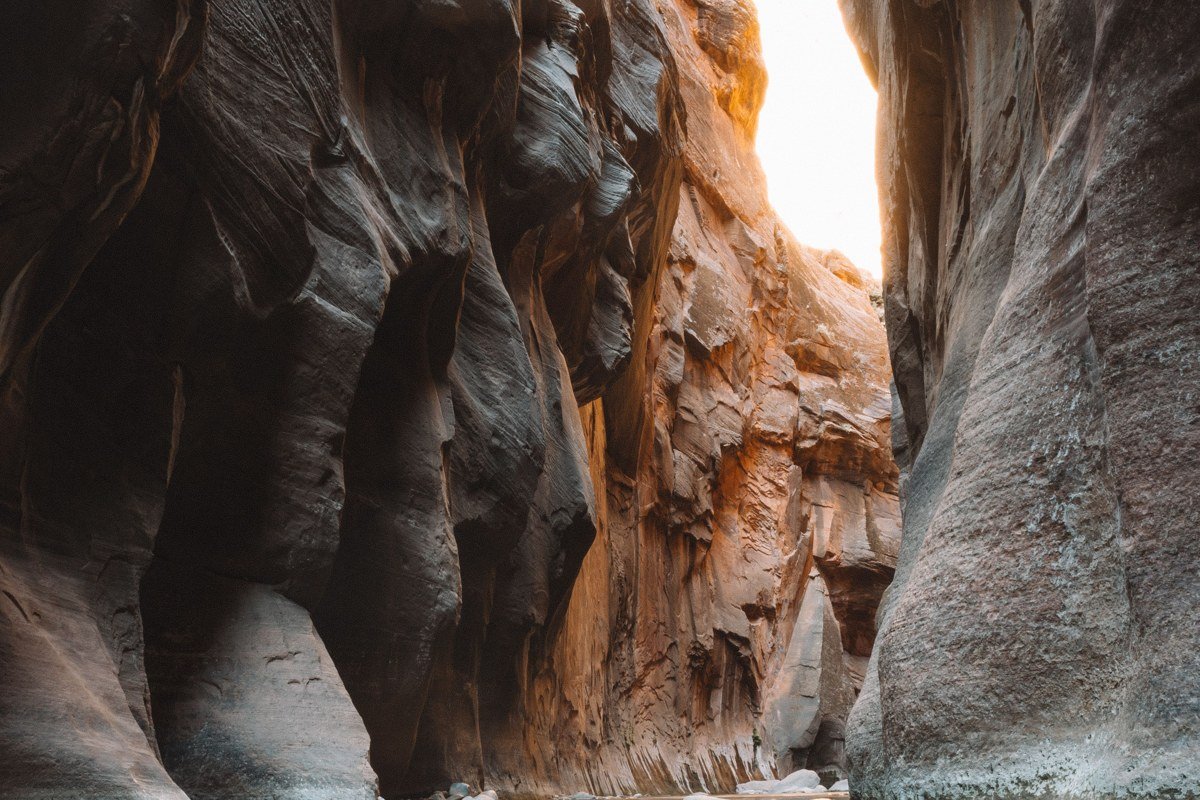
This is Zion canyoneering in its purest beginner form, technically inside Zion National Park’s Left Fork of North Creek, and the trailhead sits about 25 minutes (roughly 15 miles) from Zion Canyon Visitor Center along Kolob Terrace Road. It requires a permit through the park’s lottery system: apply during the seasonal advance lottery (Zion runs these on a recurring schedule, roughly three months out, with a small non-refundable application fee) or try the last-minute lottery, which opens at 12:01 a.m. two days before your hike date and closes that same afternoon. May threads the needle between manageable water temperature and manageable water volume; the creek crossings are still cold but no longer dangerous with runoff. Go too early (March) and the crossings can be thigh-deep and numbing. Go in August and you risk flash flood closures from monsoon storms. It fills constantly, so have backup dates ready and check the recreation.gov permit page the moment applications open.
Spry Canyon, Utah – best in May and June
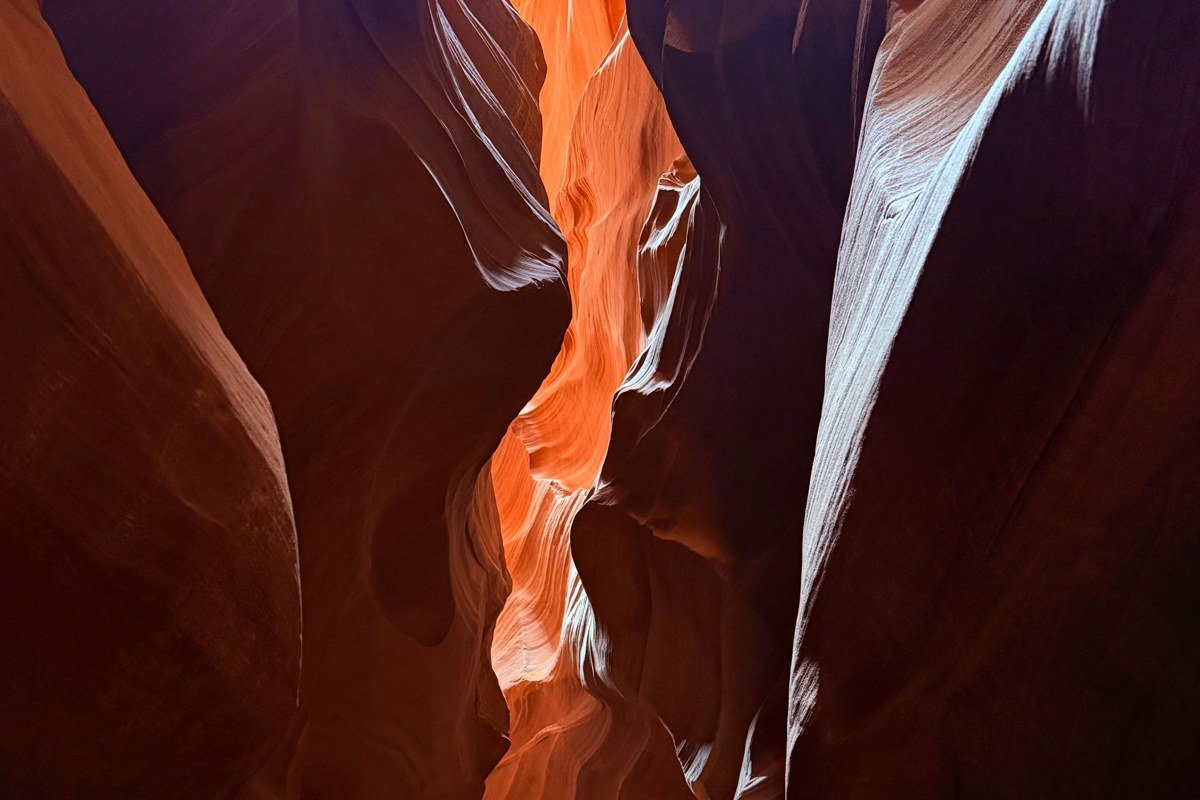
Spry starts near the Zion Canyon shuttle route, with the approach trailhead about 10 minutes (4 miles) from the Zion Canyon Visitor Center, and it’s one of the shorter, gentler introductions to actual rope work, with a handful of short rappels under 60 feet. Late May into June gives you dry rock, warm air, and long daylight, so a party that’s slow on their first rappels isn’t racing sunset. This is also when the shuttle system inside Zion Canyon is running full service, which matters because Spry’s trailhead access depends on shuttle timing. Outside this window you’re either fighting cold hands on wet rappels or dealing with limited shuttle hours that shrink your daylight window.
Pine Creek Canyon, Utah – best in June
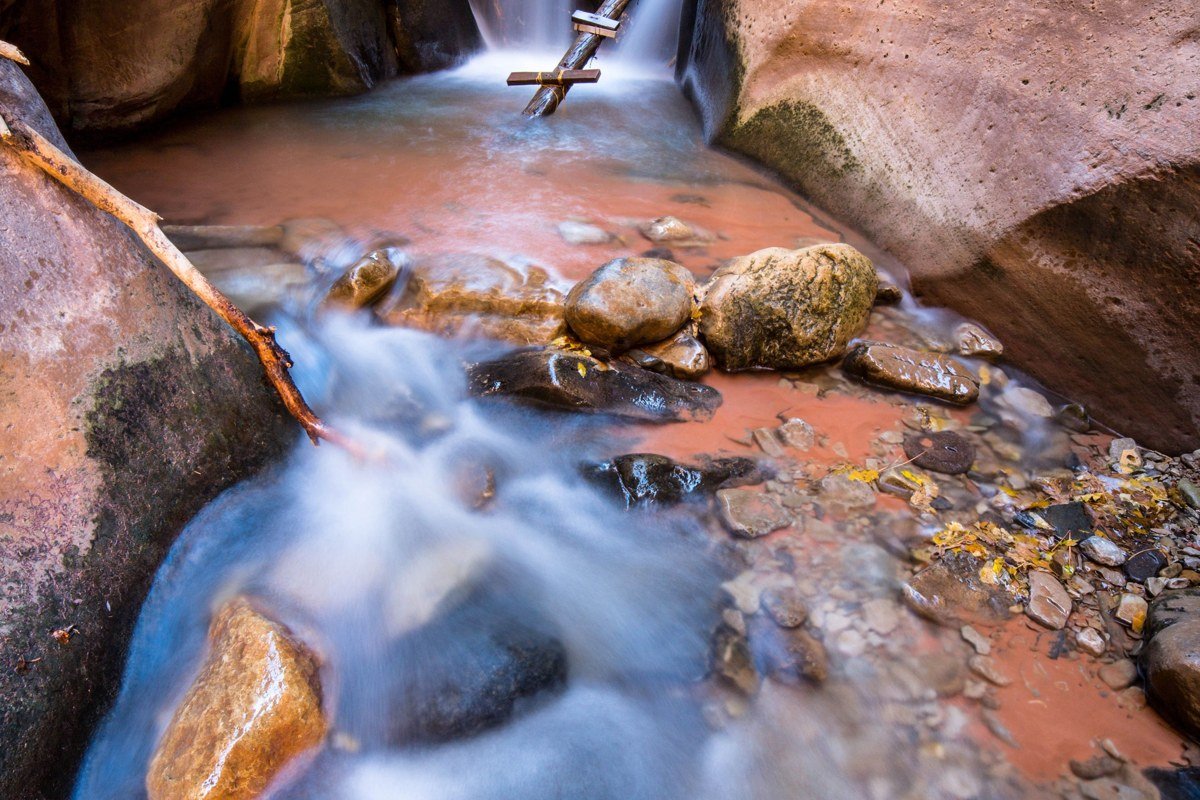
Pine Creek’s trailhead sits right on the park road about 8 minutes (2 miles) east of the Zion Canyon Visitor Center, no shuttle required, which is part of why guide services default to it for a first Zion canyoneering trip. June is when it runs friendliest: warm enough that the swims and wades feel refreshing instead of punishing, low enough flow that the rappels stay predictable. It requires a permit ($15-$20 per person depending on group size, booked through the same lottery system as Subway), and weekend slots go fast the moment the window opens. If you want the guided route instead of self-permitting, Zion Adventure Company and Zion Guru both run Pine Creek trips out of Springdale in June; book at least a month out; I made the mistake of calling two weeks ahead one July and every slot was gone until a last-minute cancellation. Skip late summer here unless you enjoy watching thunderheads build over the rim while you’re stuck at the bottom of a slot.
Egypt 3, Utah – best in June and early July
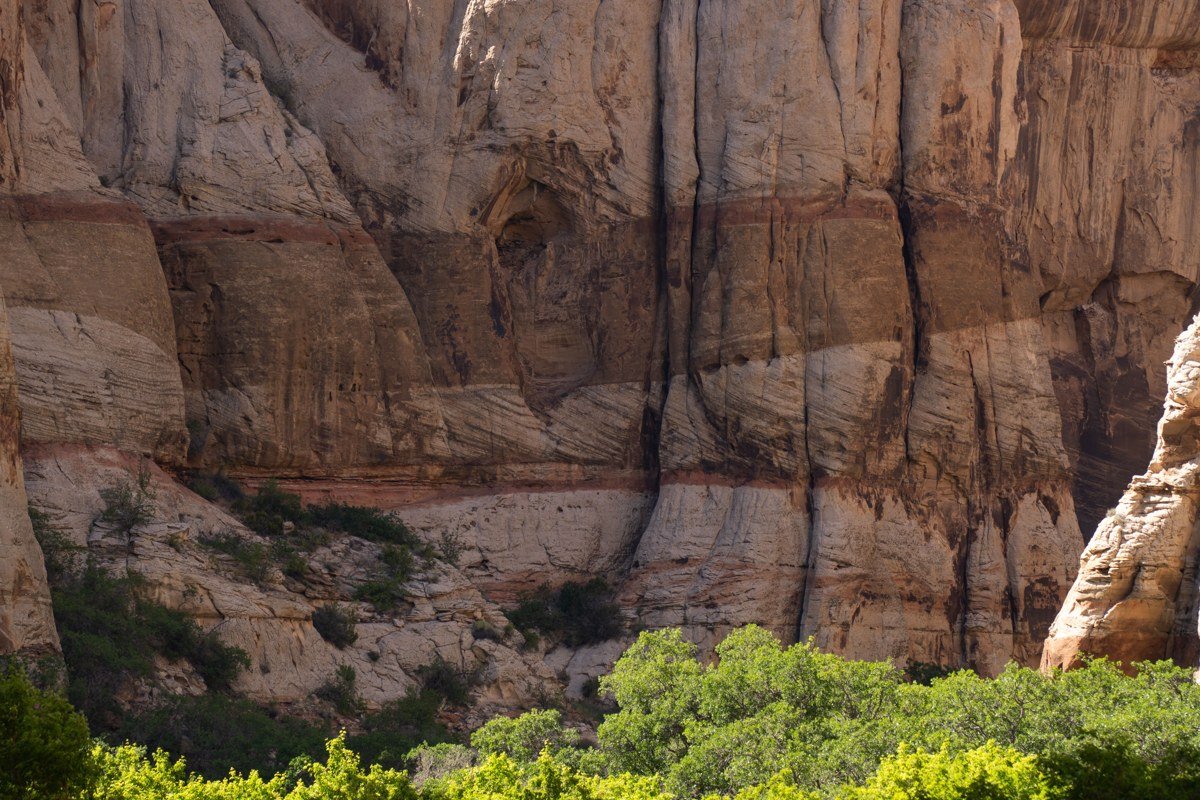
Egypt 3, near Escalante, is roughly a three-and-a-half-hour drive from Springdale (about 160 miles), a dry, technical-lite canyon with a handful of rappels and no permit requirement, which makes it a good pressure-valve alternative when Zion’s lottery isn’t cooperating. Early summer means dry rock, stable weather, and none of the flash flood anxiety that haunts this same route in late July and August. The approach road, Egypt Bench Road, is graded dirt that turns to slick, rutted clay after rain; local canyoneering forums and the BLM Escalante office both flag it as impassable in a standard car when wet, so call the Escalante Interagency Visitor Center before you drive out if there’s been recent rain. Go later in summer and you need a 4WD mindset and a genuine eye on the forecast.
Keyhole Canyon, Utah – best in July
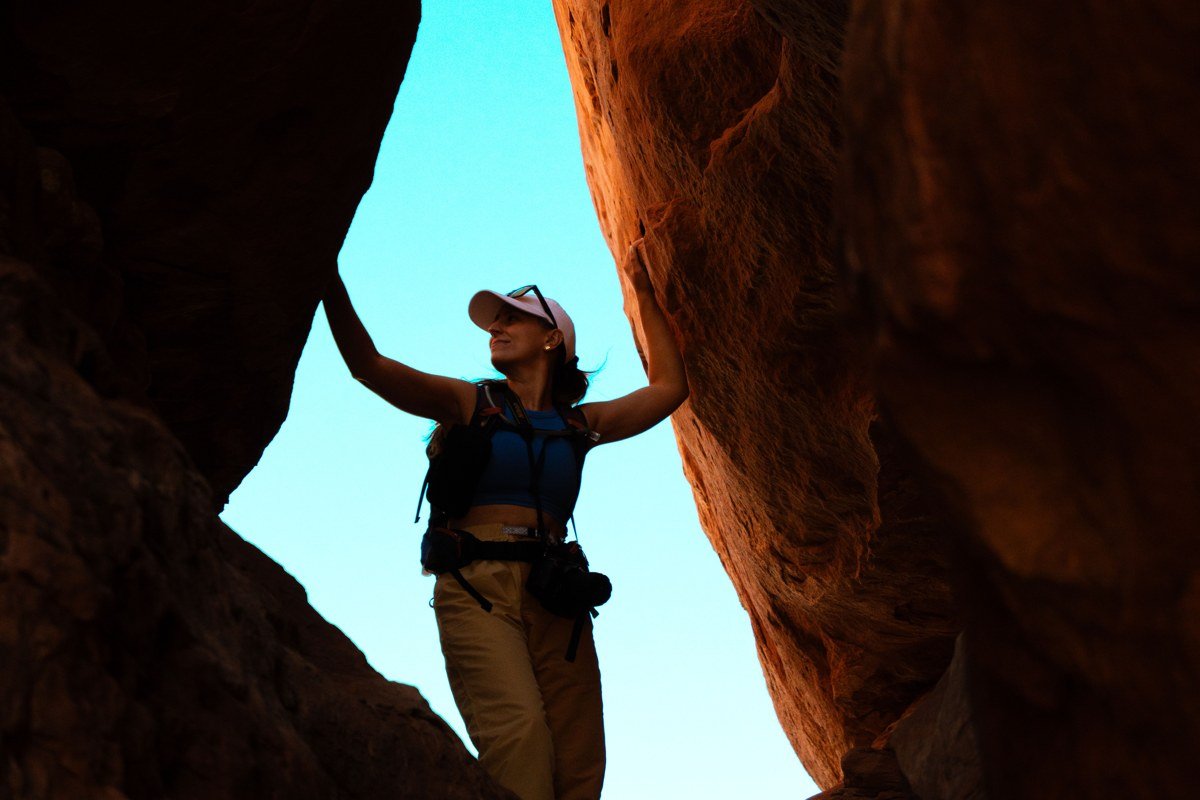
Keyhole’s trailhead is at the East Entrance, about 20 minutes (12 miles) from the Zion Canyon Visitor Center along Highway 9. It’s the shortest, most forgiving canyon on this list, often finished in two to three hours, and it’s frequently recommended as the true answer to “canyoneering in Zion for beginners.” July’s heat is exactly what makes the canyon’s cold plunge pools feel good rather than miserable, since you’re wet for only brief stretches. Permits run about $15 per person and are genuinely easy to get here, since demand is lower than for Subway or Pine Creek. The tradeoff: July is monsoon season in southern Utah, so check the park’s flash flood forecast the morning of, not the night before, and be willing to walk away if storms are building over the plateau.
Ashdown Gorge, Utah – best in August
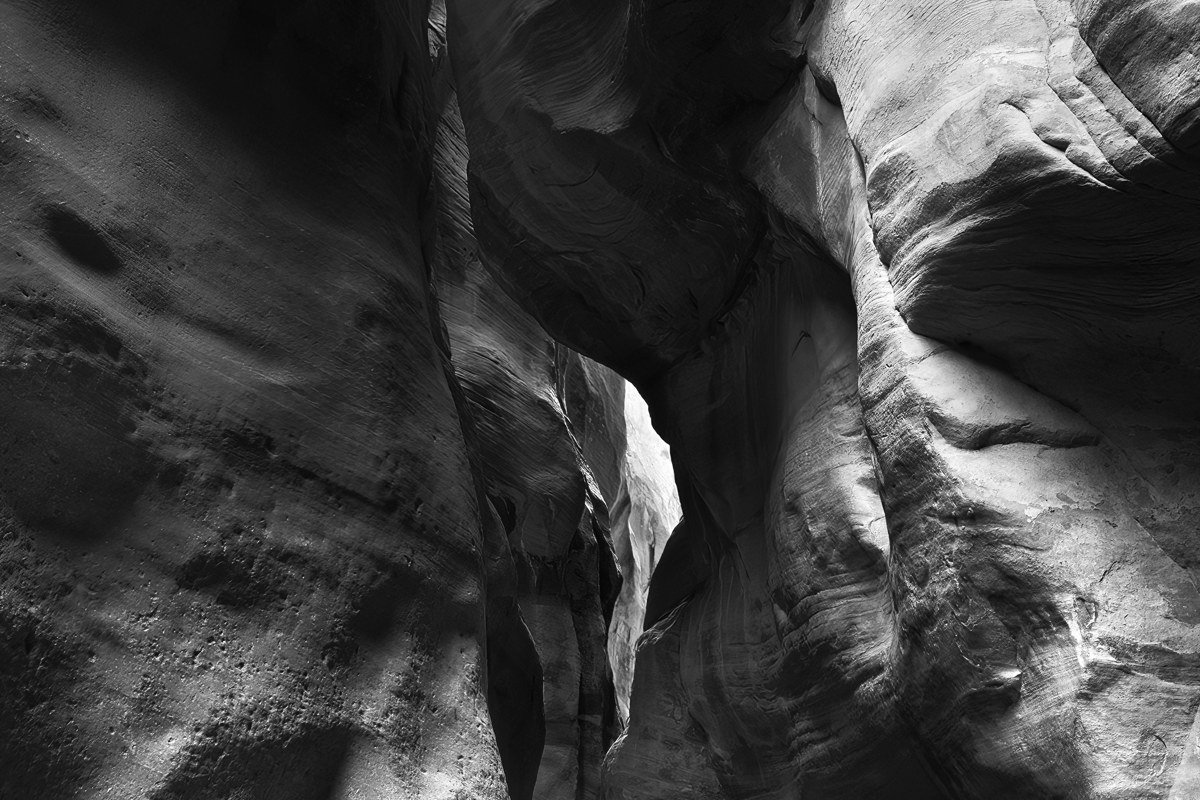
Ashdown sits near Cedar Breaks National Monument, about two hours (95 miles) from Springdale via I-15 and UT-14, and it’s a good pick when Zion’s own canyons feel over-visited or when Zion’s monsoon flood risk has you nervous. Elevation here is higher, so August, brutal everywhere else in canyon country, is actually comfortable. The shaded, narrow sections stay cool even on a 90-degree day down in Zion Canyon. There’s no permit fee structure like Zion’s, but access depends on Forest Service road conditions, so call the Cedar City Ranger District ahead in years with a wet spring, since runoff can wash out the approach.
Behunin Canyon, Utah – best in September
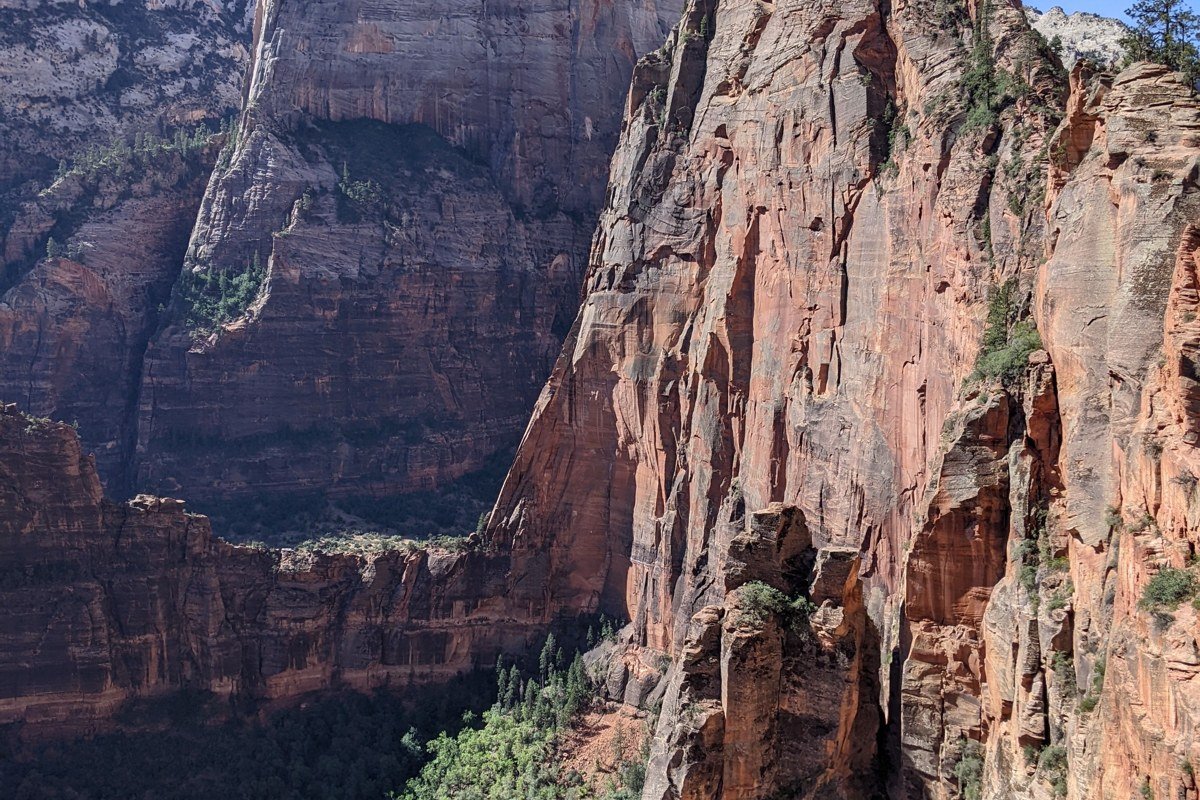
Behunin’s approach shares the first stretch of the Angels Landing trail, about 10 minutes (3 miles) from the Zion Canyon Visitor Center via shuttle to the Grotto stop. It’s a step up in commitment, with a long rappel and real exposure, but it rewards patient beginners who’ve done one or two easier canyons first. September is the answer because monsoon risk is fading, water flow is low and predictable, and the daytime heat that makes the approach hike miserable in July has broken. This canyon needs a permit (similar $15-$20 per-person fee bracket) and a full day, and the exit puts you on the West Rim Trail as day hikers are heading down, so start early to beat the crowd bottleneck. Bring a locking carabiner and a backup rappel device; this is one canyon where gear you never needed on Pine Creek or Keyhole suddenly matters, and it’s not the place to learn that lesson mid-rappel.
Order Paria Canyon, Utah/Arizona border – best in October
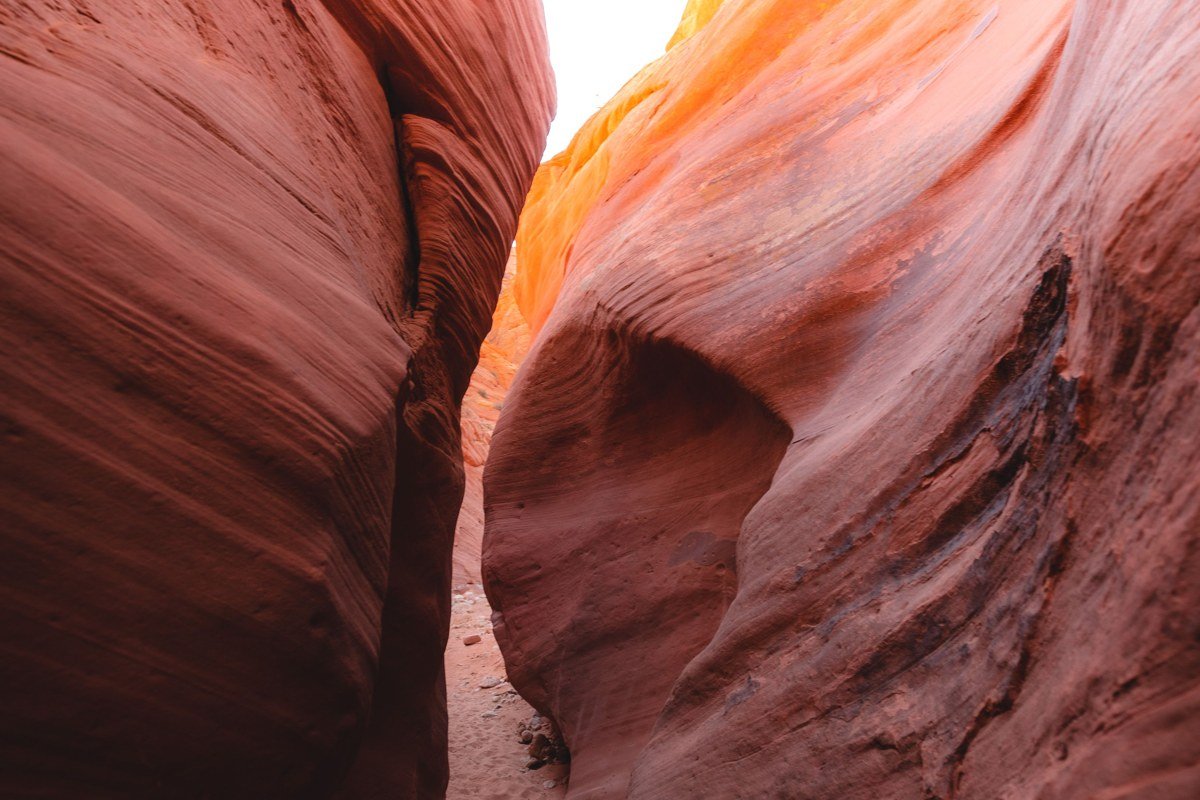
This one’s the payoff canyon, a longer, less technical slot system straddling the Utah-Arizona line, about three hours (135 miles) from Springdale via US-89 to the White House Trailhead, that rewards people who’ve built up confidence on the shorter routes above. October gives you low water, stable weather, and cottonwoods turning gold at the canyon mouth, plus cooler nights if you’re doing an overnight permit. Summer here means flash flood risk and brutal exposed sections; winter means the access road can ice over. Day-use and overnight permits are capped (the BLM limits overnight numbers per day) and need to be reserved through recreation.gov well ahead, so this is the one canyon on the list worth planning your whole trip around rather than slotting in last minute.
Month-by-month pick
- January to February: skip technical canyoneering, plan and book permits instead
- March: Zebra Slot Canyon, Utah
- April: Zebra Slot Canyon, Utah
- May: The Subway (bottom-up) and Spry Canyon, Utah
- June: Pine Creek Canyon and Egypt 3, Utah
- July: Keyhole Canyon, Utah
- August: Ashdown Gorge, Utah
- September: Behunin Canyon, Utah
- October: Paria Canyon, Utah/Arizona border
- November to December: canyons largely closed or too cold without a wetsuit