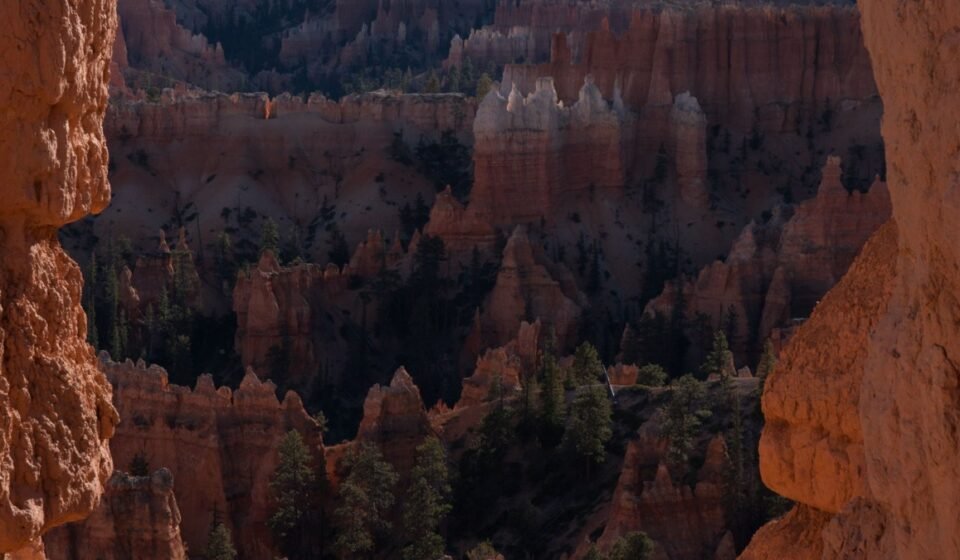

Sunset Point at 7:30 a.m. in January, thermometer reading around 12 degrees, and you’ll have the entire railing to yourself while the hoodoos below turn the color of a blood orange under fresh snow. That single moment is the whole argument for visiting Bryce Canyon National Park in winter rather than July: the orange and white contrast, the empty parking lots, the silence. Zion, an hour and a half away, still pulls steady winter traffic through its canyon floor. Bryce empties out almost completely once the snow sets in, and no other season lets you stand at the park’s best-known overlooks without fifty other people in the frame.
A logistics note before the list: Bryce Canyon National Park’s entrance fee is $35 per vehicle, valid for seven days, and an America the Beautiful annual pass covers it. In winter the entrance station is sometimes unstaffed early in the morning or during storms, in which case there’s a self-pay envelope box. Check the park’s road status by calling the visitor center at (435) 834-5322 before you drive up, since plowing schedules change day to day.
8. Fairyland Point
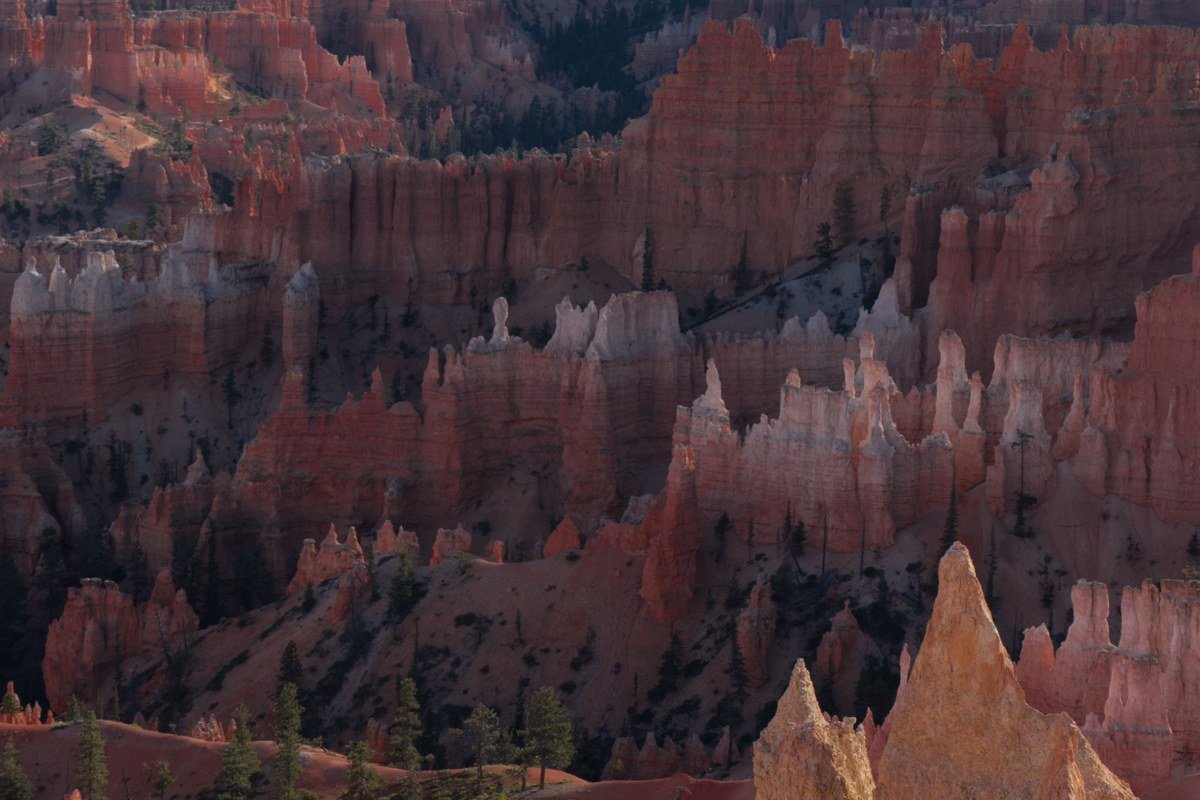
Fairyland Point sits off a spur road before the main entrance station, which means a lot of summer visitors skip it entirely on the way to the shuttle stops. In winter that oversight works in your favor: the small pullout (space for roughly a dozen cars) is usually plowed but rarely full, and the view down into Fairyland Canyon has a rougher, more chaotic hoodoo field than the postcard shots from Sunset or Sunrise. Walk just the first quarter mile of the Fairyland Loop trail, far enough to get below the rim without committing to the full 8-mile loop on packed snow. This stretch of spur road is also one of the first the park lets go icy overnight, well before the main park road, so a slow approach and decent tires matter more here than they would in June.
7. Bryce Point
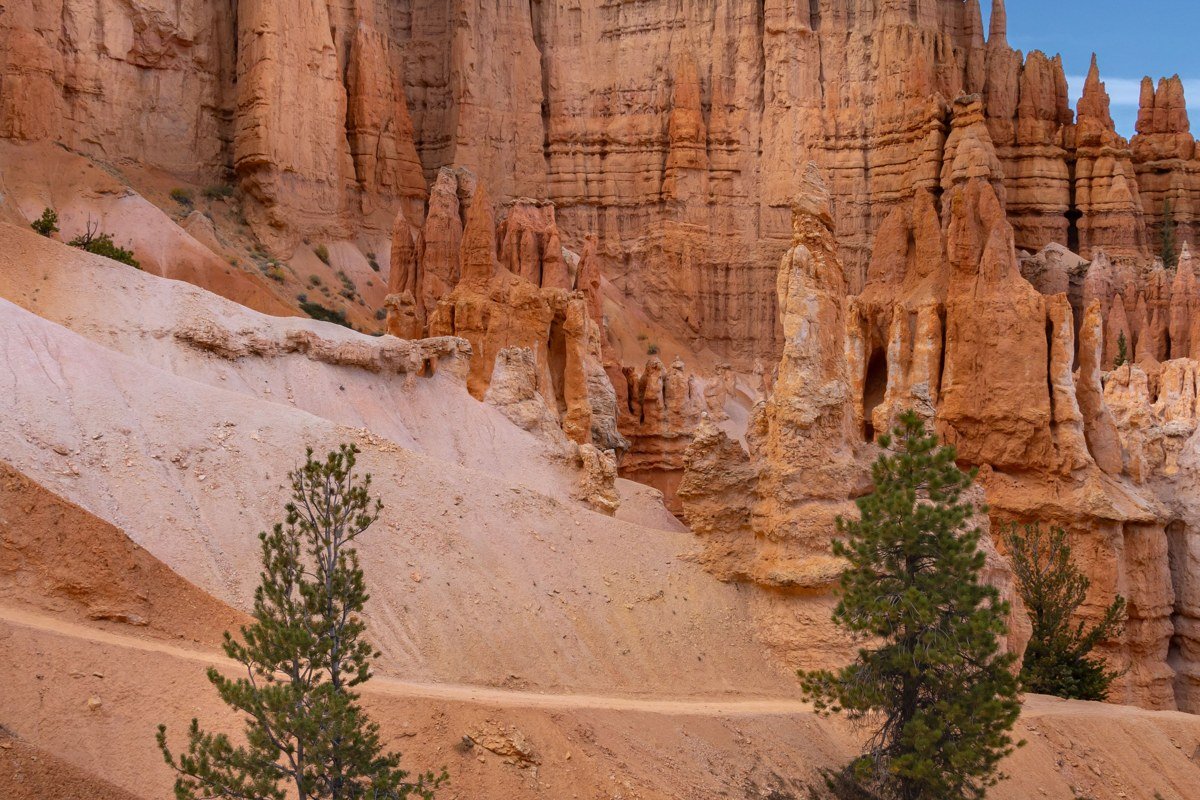
Bryce Point gives you the widest single view of the main amphitheater, and in summer that reputation means shoulder-to-shoulder crowds for sunrise. Snow changes the math. Fewer people are willing to stand on an exposed viewpoint at 15 degrees before dawn, so the ones who do get a nearly private panorama of thousands of hoodoos capped in white. Go for sunrise specifically, since the low winter sun rakes across the amphitheater at an angle you don’t get midday. This point catches more wind than Sunset or Sunrise, funneling straight up the open amphitheater face, and a clear cold morning here can feel a good ten degrees colder than the posted temperature suggests.
6. Inspiration Point
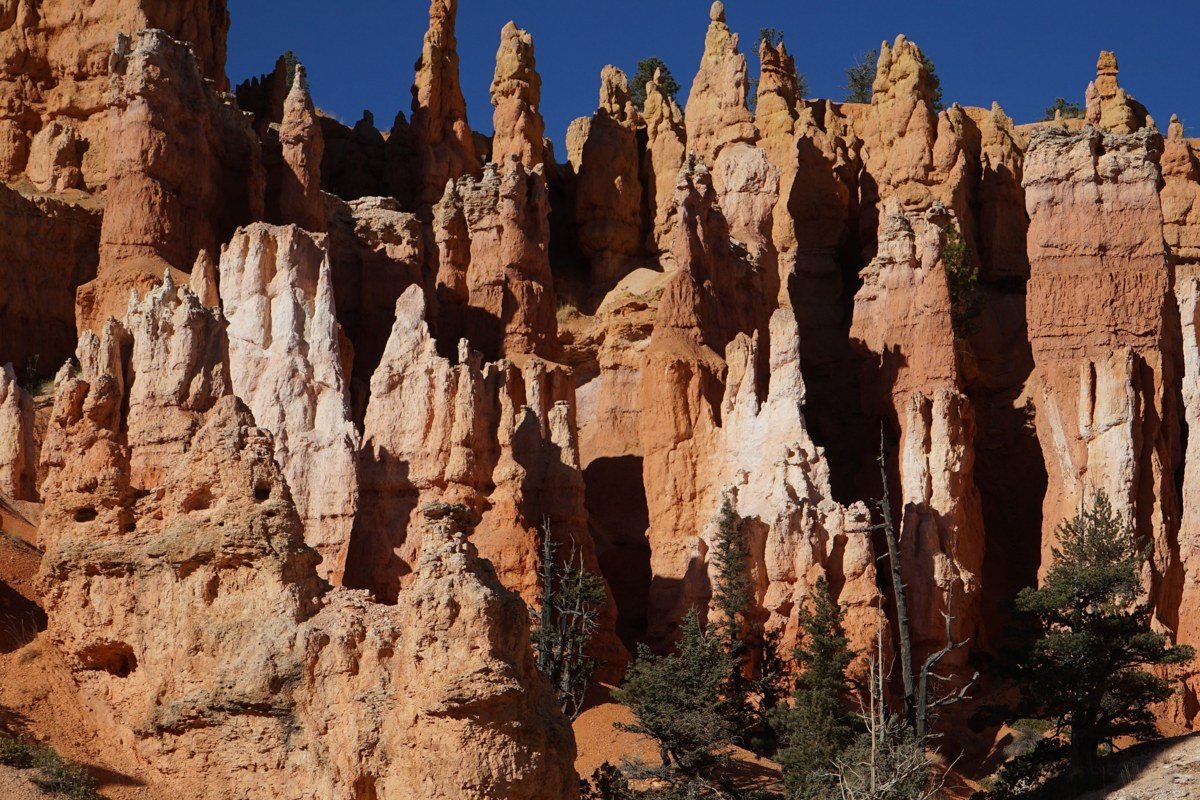
Inspiration Point has three tiers, and most summer visitors only make it to the lowest one before turning back. In winter, snow and ice on the upper tiers thin out the foot traffic even further. Microspikes are genuinely worth carrying here from November through March, and with them you can reach the upper viewpoint with almost no one else around. The reward is a steeper, more dramatic downward angle into the Silent City hoodoo cluster than you get from Sunset Point. A posted sign at the base of the upper tier trail warns of “extreme ice conditions” in winter months, and it isn’t an exaggeration: the trail up is short but can be genuinely slick, not a spot to attempt in sneakers after a fresh snowfall.
5. Sunset Point
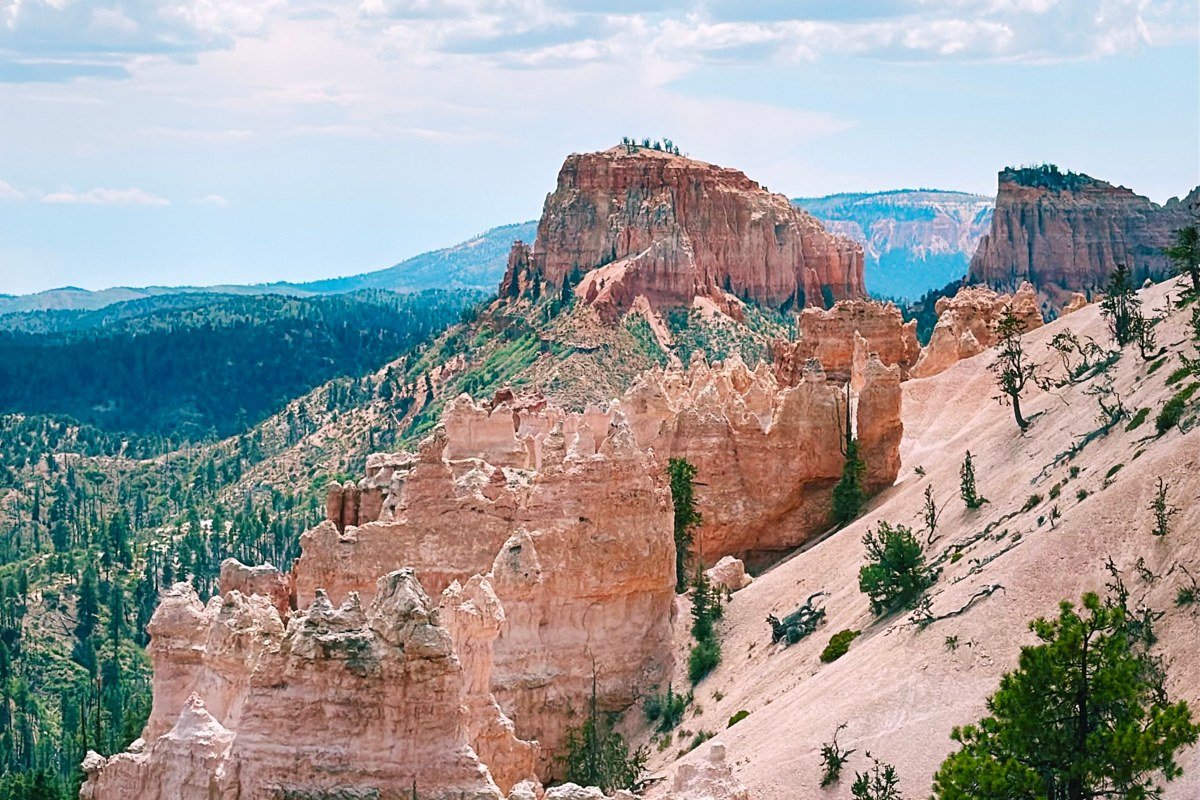
Sunset Point is the single most photographed overlook in the park, and it earns that reputation twice over in winter. The hoodoos here, including Thor’s Hammer visible from the connecting trail, hold snow on their flat caps in a way that exaggerates the layering of orange, white, and pale pink rock. Walk the short paved section toward Sunrise Point along the rim trail, which stays relatively clear and gives you three or four distinct compositions in under a mile. The parking lot here holds around 90 vehicles, and even in winter it fills by mid-morning on weekends, since this is an easy stop right off the main road. Don’t expect true solitude here the way you get at Fairyland or Bryce Point.
4. Sunrise Point
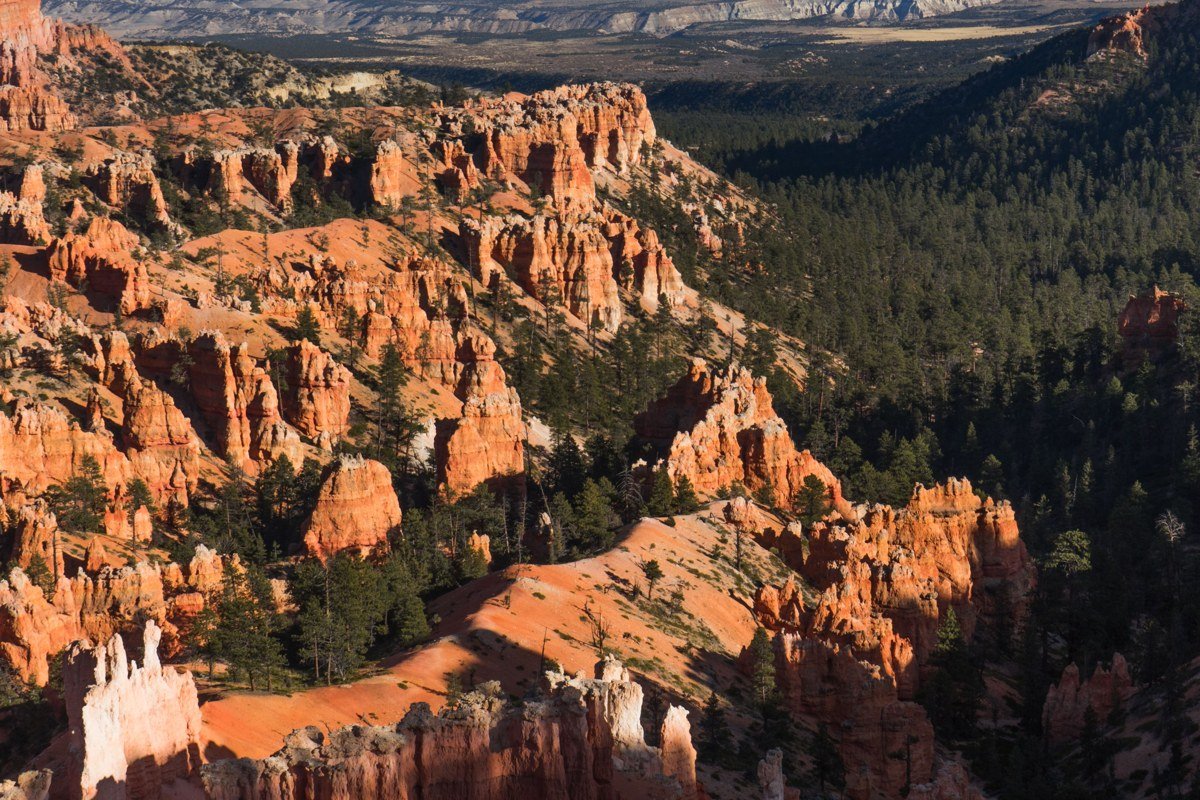
Sunrise Point earns its name in every season, but winter sunrise here has a softness that summer’s harsher light doesn’t produce. The snow on the canyon floor acts almost like a reflector, bouncing warm light back up into the hoodoo spires below the rim. Arrive 20 minutes before official sunrise and let your eyes adjust, since the color shift from blue to orange happens gradually over that window rather than in one dramatic burst. This is one of the closer overlooks to Bryce Canyon Lodge and the main parking area, a five-minute walk from the lodge steps, so on weekends and holiday weeks it still pulls a small crowd even in the cold.
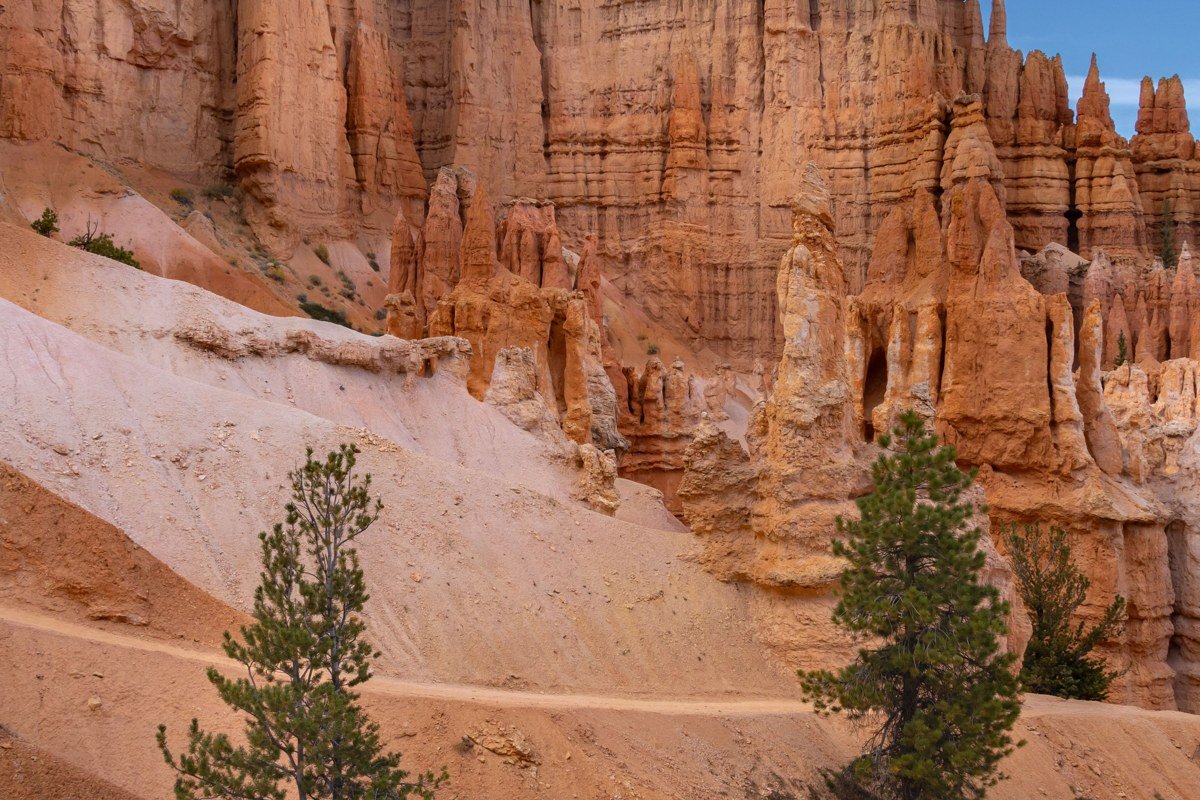
3. Natural Bridge
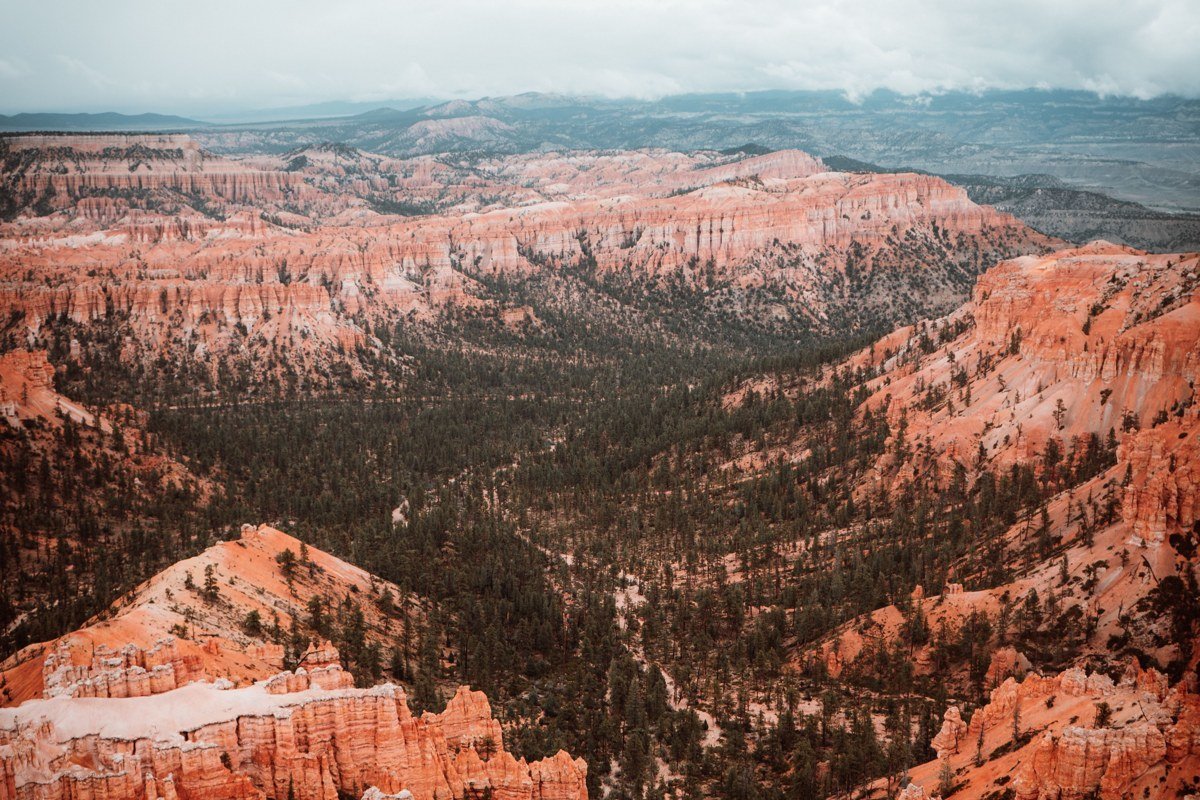
Natural Bridge sits at mile marker 12 on Highway 63, the scenic drive running south from the main amphitheater, and it’s the point where a lot of summer road-trippers rush past because it looks, from photos, like a simple roadside pullout. In winter, snow collects on the arch’s rim and the ponderosa pines growing improbably out of the rock face below it, and the whole scene reads more like a mountain postcard than a desert one. There’s nothing to hike here, just a short walk from the parking area to the railing, which makes it one of the easiest wins on this list for anyone short on time or mobility. Highway 63 beyond this point sometimes closes or narrows to a single plowed lane after heavy storms, so check the park’s recorded road status line, (435) 834-5322, before committing to the full drive south.
2. Rainbow Point
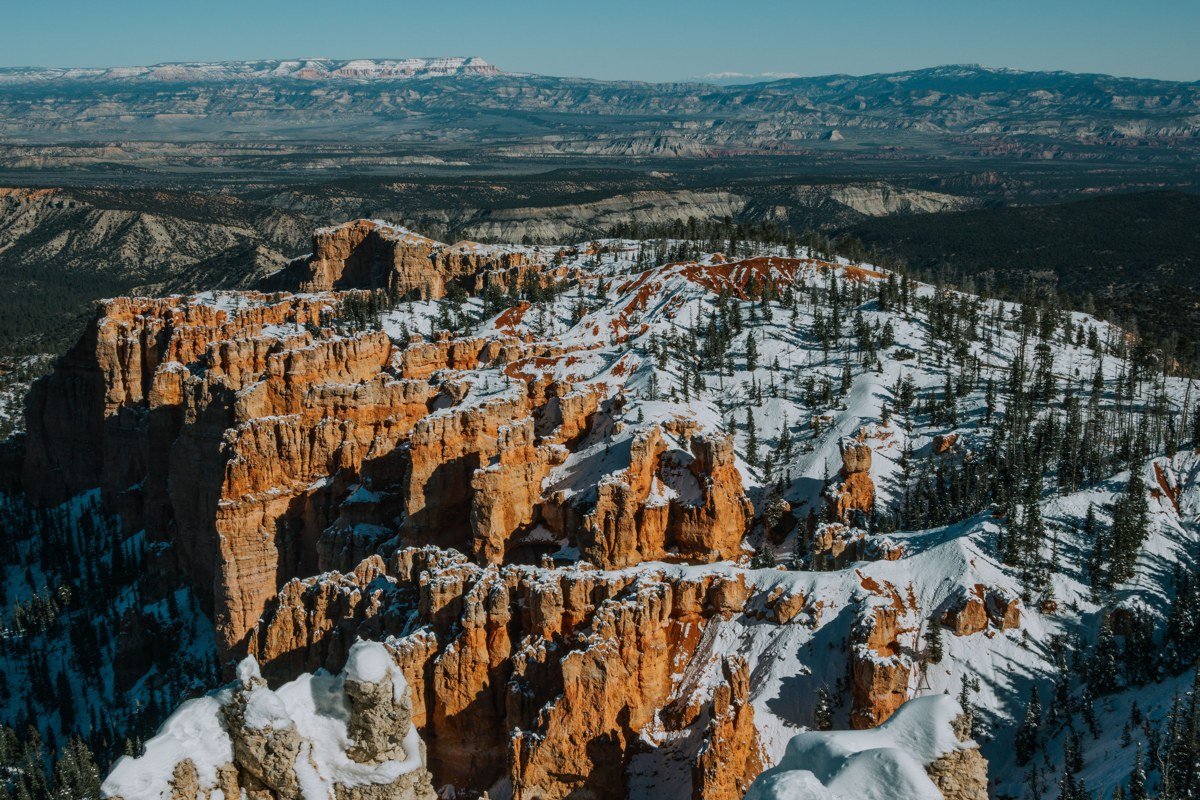
Rainbow Point marks mile 18 of Highway 63, the far end of the scenic drive and the highest elevation in the park at 9,115 feet, which means it holds snow longer and heavier than anywhere else on this list. That elevation also means the temperature at Rainbow Point can run 10 to 15 degrees colder than at the park entrance, so this is not a casual stop in a T-shirt. What you get for the drive is a view stacked with distant plateaus and canyons layered in white, plus the start of the Bristlecone Loop Trail among some of the oldest trees in the region. It’s a 40-plus minute round trip from the main amphitheater, and after a big storm this stretch of road is often the last one the park plows, sometimes staying closed for a day or more. One detail worth knowing before you go: the free park shuttle that runs the amphitheater loop in summer does not operate in winter at all, so reaching Rainbow Point means driving your own car the entire way, on whatever surface the plows left behind.
1. Sunset Point at First Light After a Fresh Snowfall
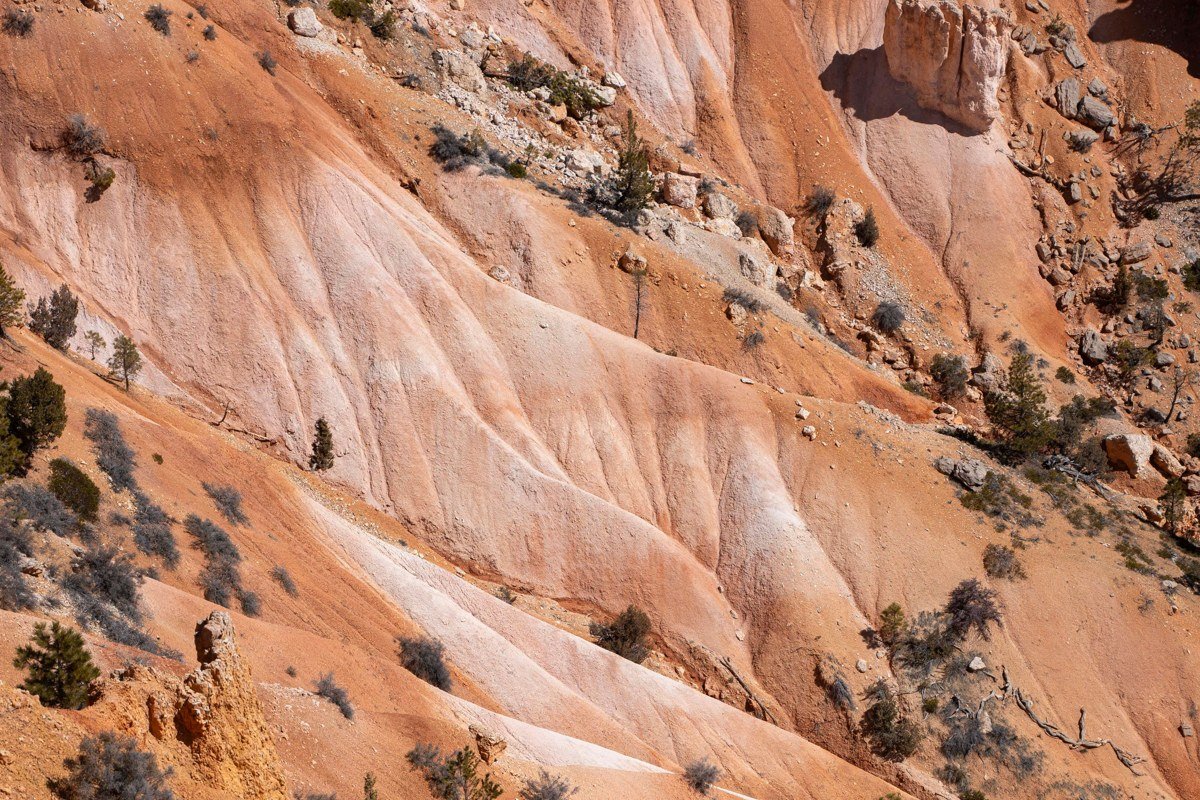
This is Sunset Point again, but specifically the narrow window of the first clear morning after a storm, before plows and foot traffic disturb the snow on the railing and the trail down toward Thor’s Hammer. Skip the navel-gazing about which overlook is “best” and just be here, camera or phone in hand, within an hour of sunrise. The timing is the entire difficulty: you need to be staying close enough to the park to catch that specific morning. Inside the park, Bryce Canyon Lodge closes for the season in late October and doesn’t reopen until early April, so it isn’t an option for this trip. Just outside the park in Bryce Canyon City, Best Western Plus Bryce Canyon Grand and Bryce View Lodge both stay open year round and put you within ten minutes of the entrance station, close enough to move fast when a storm clears overnight.
How I’d pick: A first-timer with one day should stick to Sunset and Sunrise Points and the connecting rim trail, both easy to reach and easy to bail out of if the cold gets uncomfortable. A couple chasing the best photos and willing to get up in the dark should aim for Bryce Point or Sunset Point right after a fresh snowfall. A family with kids does best at Sunset Point and Natural Bridge, since both require minimal walking on uncertain footing. Someone with a single weekend and their own car should drive the full length of Highway 63 once, ending at Rainbow Point, then come back to Sunset Point for the following morning’s light, keeping in mind there’s no shuttle to fall back on if the drive feels long. Late December through February is when the snow is most reliable, January mornings are the coldest and emptiest, and if you want snow without the deepest cold, the shoulder weeks of early March or late November are the best time to visit that most guides never quite mention.