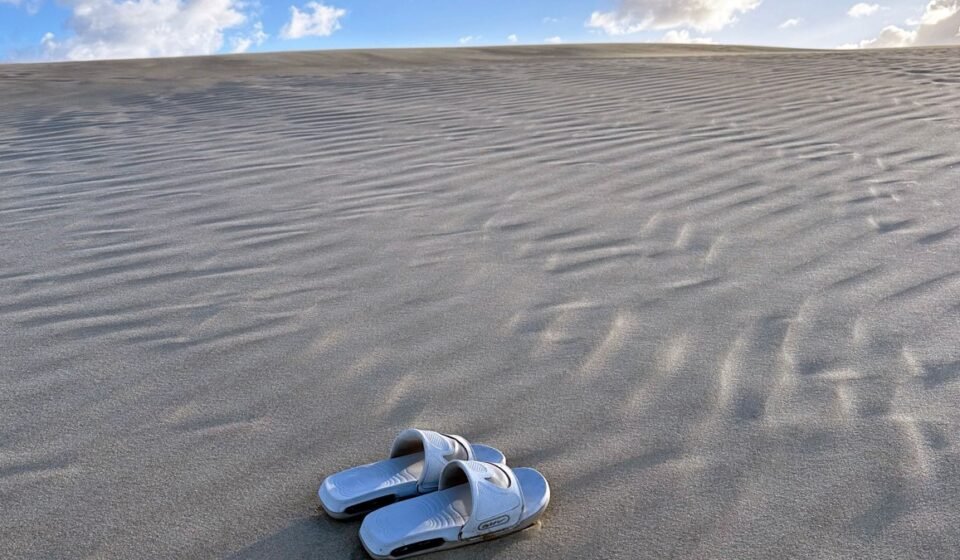

The dunes at White Sands National Park in New Mexico look like snow at noon and like rose quartz twenty minutes before sunset. Great Sand Dunes in Colorado, by contrast, stays a consistent tawny gold no matter what time you show up, because its sand is volcanic, not gypsum, and doesn’t bounce light the same way. That difference in mineral chemistry is the whole reason one park photographs like a different planet at dusk and the other just photographs well.
I picked these eight by asking a narrower question than “prettiest dunes in America”: which ones have a specific window of light worth planning a whole evening around, not just a nice sunset like anywhere else. A few didn’t make the cut for that reason alone.

| Place | Best for (golden hour) | Getting there |
|---|---|---|
| White Sands National Park, New Mexico | Pink gypsum dunes, 30 min before sunset | 1 hour from Las Cruces, 2.5 hours from El Paso, TX |
| Great Sand Dunes National Park, Colorado | Gold dune faces against snowcapped peaks | 4 hours from Denver |
| Death Valley National Park, California | Ripple shadows at sunrise on Mesquite Flat | 2 hours from Las Vegas, NV |
| Sleeping Bear Dunes, Michigan | Amber light over Lake Michigan from the Dune Climb | 3.5 hours from Detroit |
| Indiana Dunes National Park, Indiana | Sunset behind the Chicago skyline | 1 hour from Chicago, IL |
| Jockey’s Ridge State Park, North Carolina | Open-horizon sunset with hang gliders overhead | 20 minutes from Nags Head |
| Monahans Sandhills State Park, Texas | Empty dunes lit low, no crowd in frame | 30 minutes from Odessa |
| Silver Lake Sand Dunes, Michigan | Quiet-side dune light away from the ORV noise | 3 hours from Grand Rapids |
White Sands National Park, New Mexico
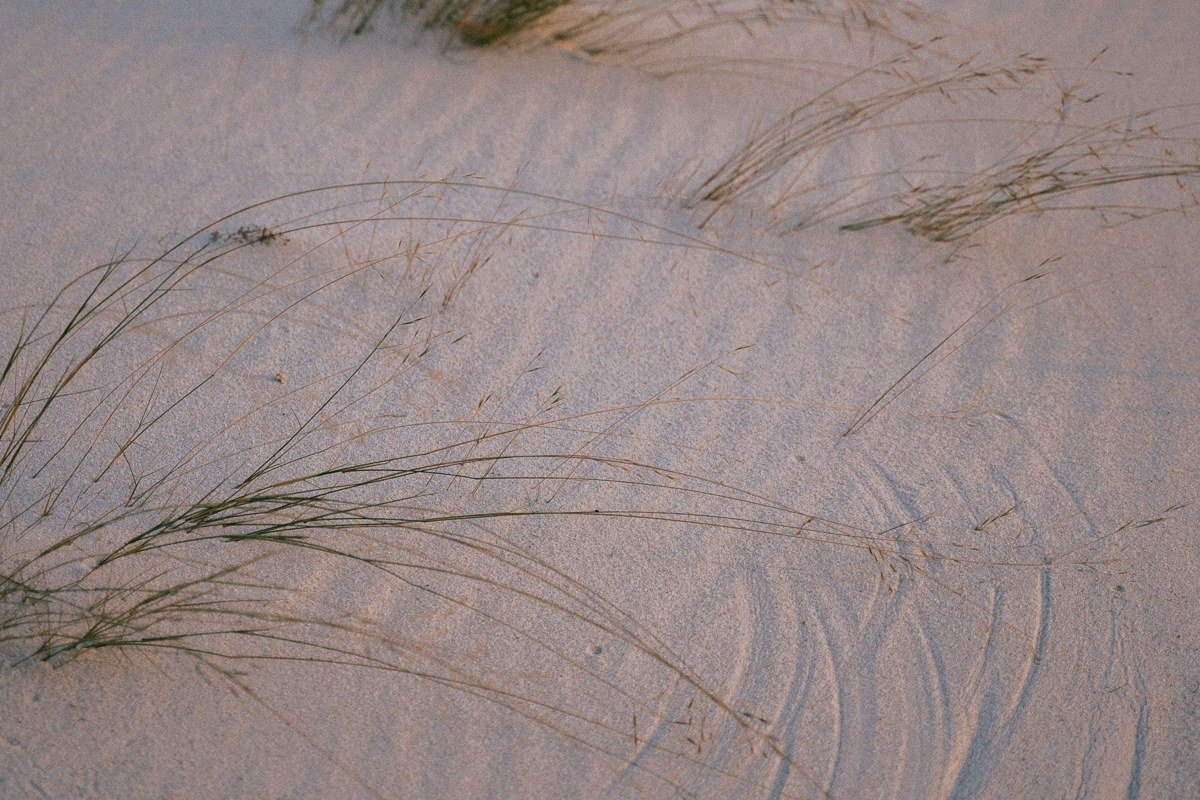
Here’s the detail most first-timers miss: the good light isn’t sunset itself, it’s the thirty to forty minutes before it, when the sun sits low enough to rake sideways across the dune crests and the gypsum starts throwing pink, peach, and lavender instead of blinding white. Bring water even for a short walk, since there’s no shade anywhere in the dunefield and the reflected glare off white gypsum sand is more intense than regular beach sand.
The park sells plastic saucer sleds at the visitor center gift shop, and gypsum sand is packed and slick in a way silica sand never is, so sledding down the dunes works better here than at Monahans, where the finer quartz sand is looser and slower underfoot. White Sands sits inside the White Sands Missile Range, an active military and former nuclear test site, so Dunes Drive sometimes closes for a few hours during testing. Check the park’s alert page before you drive out, especially if you’re timing a trip around golden hour.
Dunes Drive also closes at a set time that shifts with the season, so “sunset” and “park closing” aren’t automatically the same clock; pull up the current gate-closing time before you leave your hotel in Las Cruces or Alamogordo. Backcountry camping permits ($5 as of recent seasons) are first-come, issued at the visitor center on the day of your stay. Late spring and fall are the best time to visit; summer afternoons in the Tularosa Basin regularly climb into the high 90s and low 100s, which is miserable for walking sand at any hour.
Great Sand Dunes National Park, Colorado
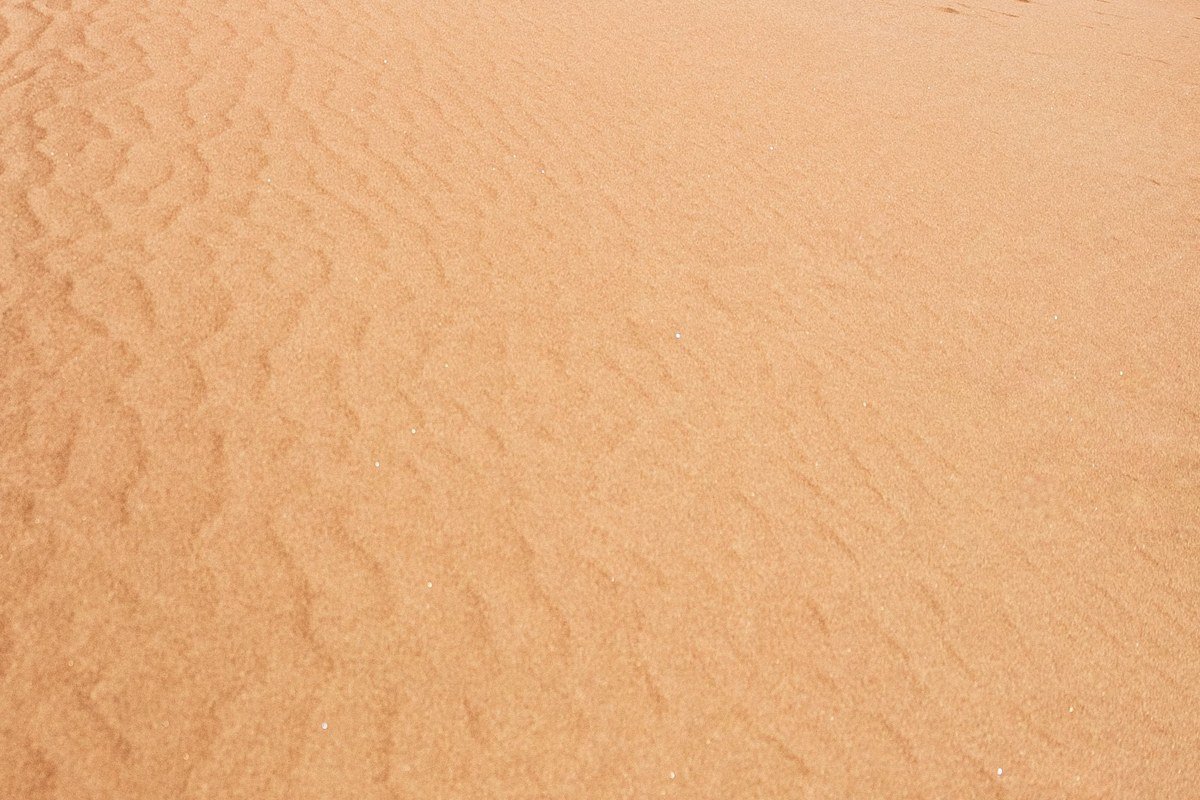
These are the tallest dunes in North America, rising against the same Sangre de Cristo range that runs down into New Mexico, and the contrast between snowcapped peaks and warm sand is the whole postcard. The light here goes gold, not pink, since this sand is a dark, iron-flecked volcanic sediment rather than gypsum. Medano Creek runs along the base of the dunes with seasonal, surge-flow water in late spring, which is when families come to wade at the foot of thousand-foot dunes. Entrance is $25 per vehicle, valid for seven days. It’s a four-hour drive from Denver, mostly two-lane highway once you leave the interstate, so this is a full-day trip or an overnight, not an afternoon detour.
Death Valley National Park, California
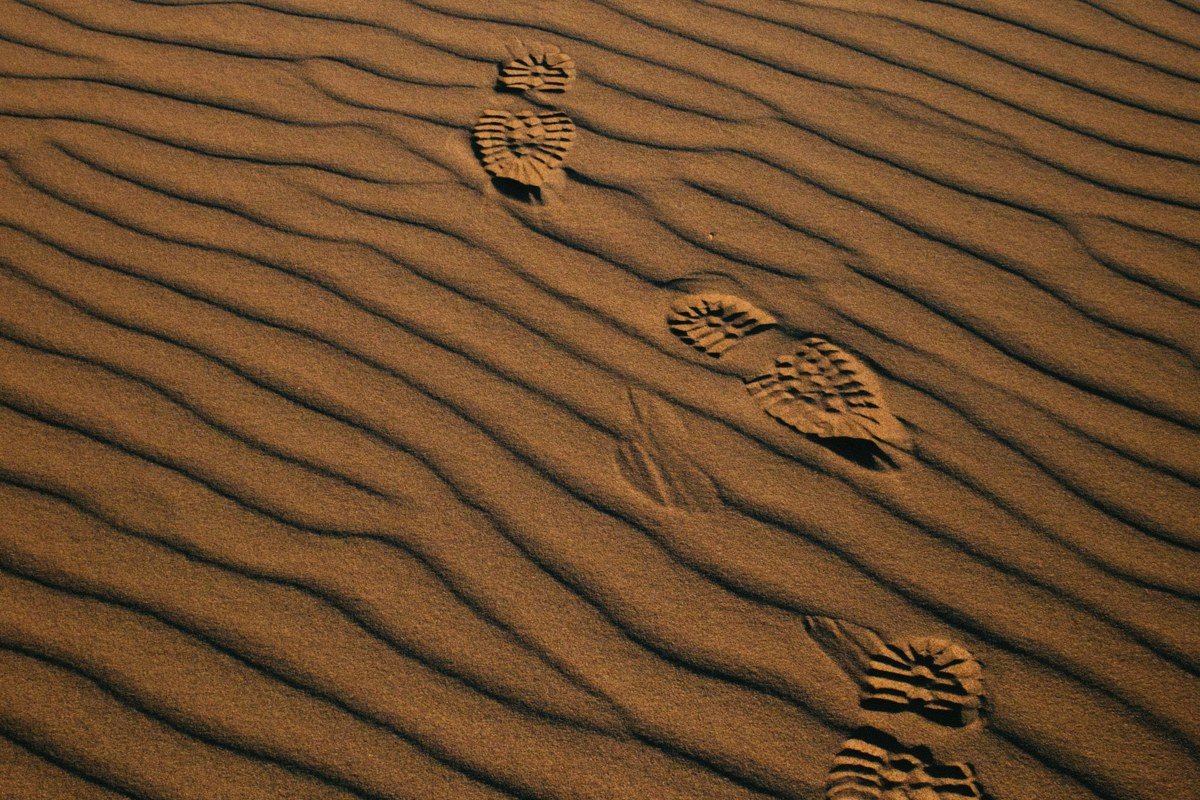
Mesquite Flat’s dunes are Death Valley’s most photographed spot for a reason: they’re close to the road, easy to reach on a flat unmarked 2-mile round-trip walk from the parking area, and the ripple patterns reset overnight with the wind. Go at sunrise rather than sunset if you can manage it, both because the light is just as good and because you’ll have the ripples to yourself before other visitors’ footprints show up in every frame. This is the hottest, driest national park in the country, and summer temperatures routinely pass 120 degrees, so anyone telling you to visit in July doesn’t hike much. Winter is the better call here, which flips the usual seasonal advice for sand-dune destinations.
Sleeping Bear Dunes, Michigan
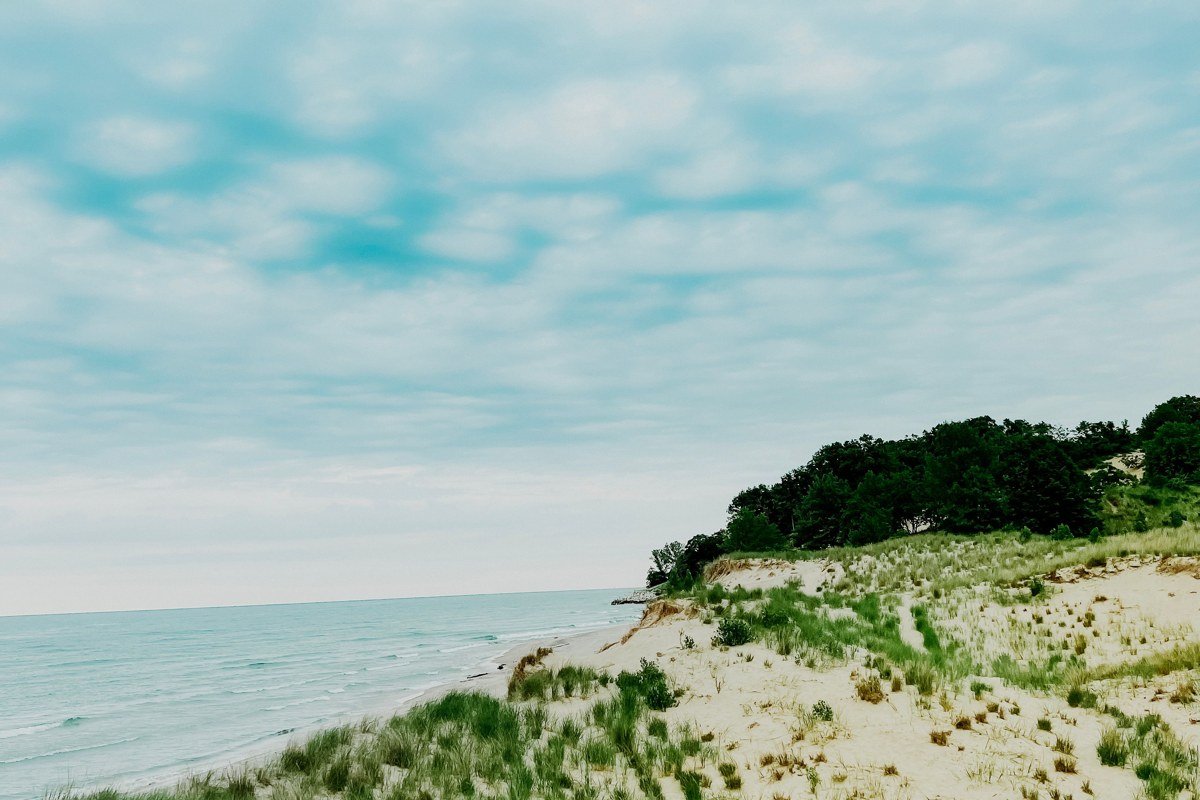
The Dune Climb here is a straightforward, steep slog up a 130-foot wall of sand that locals treat as both a hike and a rite of passage for visiting kids. What earns Sleeping Bear a spot on this list is the overlook at the top of the Empire Bluff Trail (1.5 miles round-trip) or from the Dune Climb summit itself, where Lake Michigan stretches out flat and silver-blue under a sinking sun. It’s a three-and-a-half hour drive from Detroit and closer to two from Grand Rapids, doable as a long day trip but better as an overnight in nearby Glen Arbor or Empire. Come in September if you want the crowds gone and the light already turning that low, amber late-summer angle.
Indiana Dunes National Park, Indiana
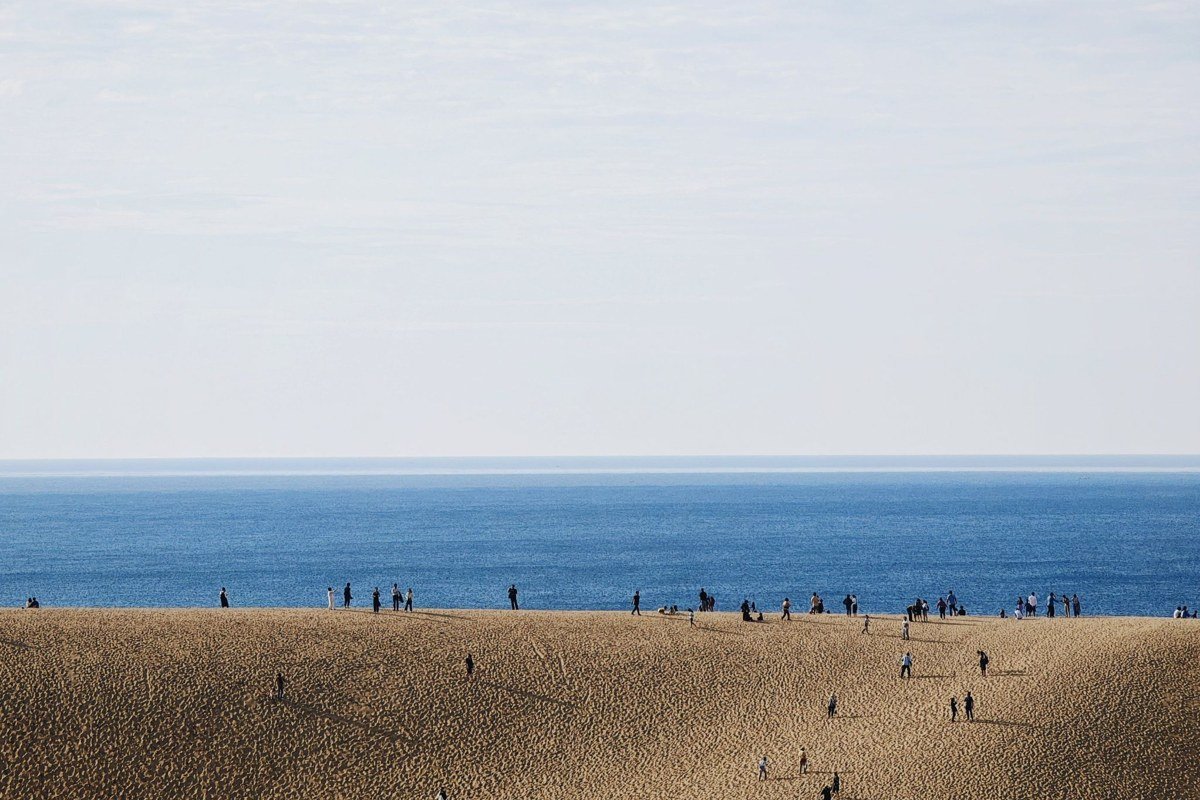
This is the dune trip nobody in Chicago seems to know is an hour away. Mount Baldy and the dunes along the West Beach trail sit right on Lake Michigan, and on a clear evening you can watch the sun set behind the Chicago skyline across the water. It’s a smaller park, easy to do as an evening trip from the city rather than a whole vacation day. Mount Baldy’s summit trail has been closed to unguided access since 2013 due to shifting sand hiding pockets of unstable ground, so check the park’s current trail status page before you build a visit around it specifically; West Beach remains open and is the more reliable golden-hour spot.
Jockey’s Ridge State Park, North Carolina
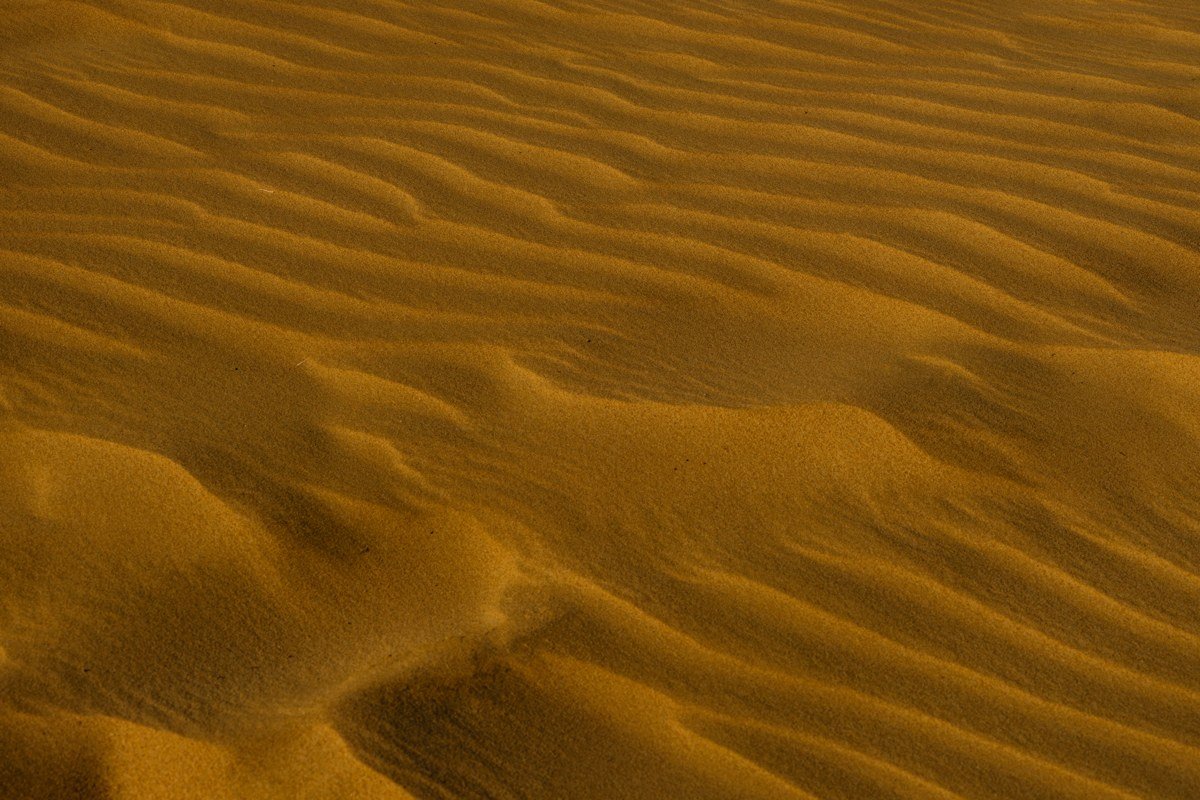
Jockey’s Ridge is the tallest natural sand dune system on the East Coast, and it sits right in the middle of the Outer Banks, a few minutes from the beach towns of Nags Head and Kill Devil Hills. Sunset here means walking out onto open sand with no trees and no buildings blocking the horizon, often alongside hang gliders launching off the dune’s steep face, since this is where the Wright Brothers tested some of their early gliders. The park is free to enter and closes at a fixed time that changes seasonally (as early as 6 pm in winter, as late as 9 pm in summer), so check the posted hours before you plan a sunset visit. Go in the two hours before closing, when the park empties out and the sand cools enough to walk barefoot.
Monahans Sandhills State Park, Texas
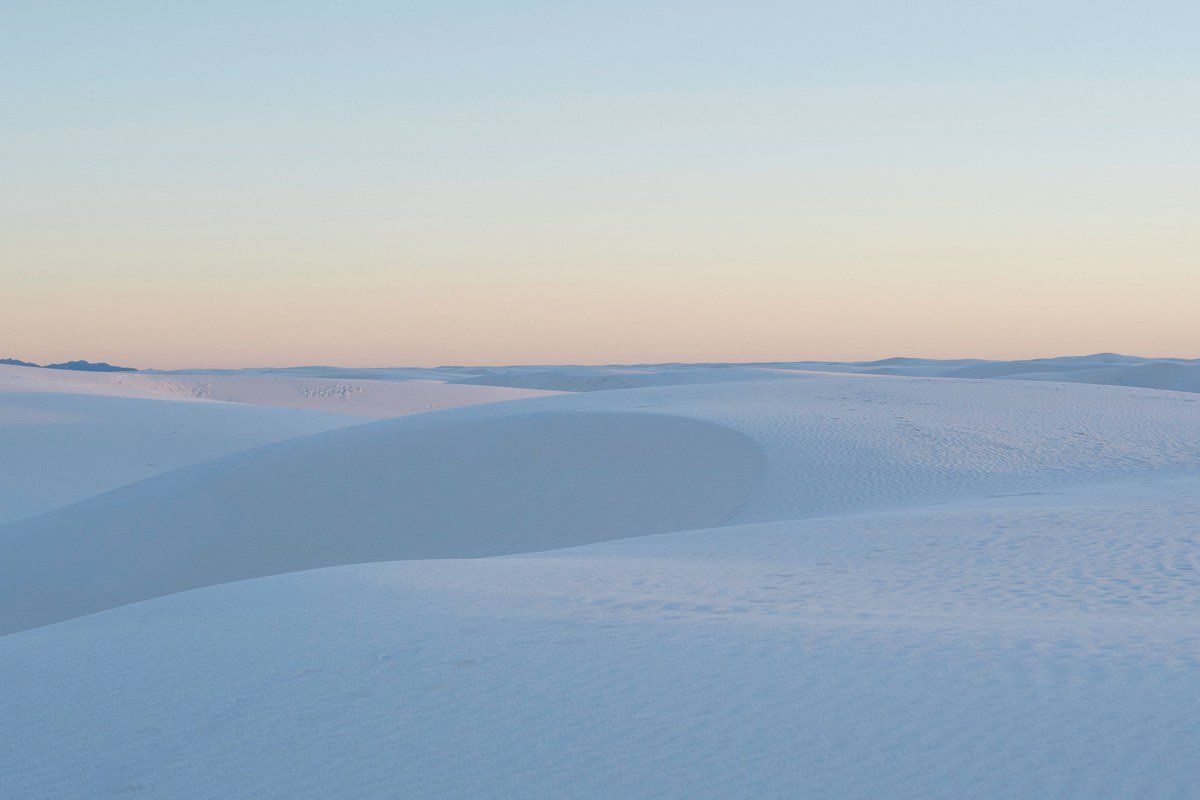
Most people driving I-20 between Midland and Odessa have no idea these dunes exist, which is exactly the appeal. Monahans is part of a much larger dune field that stretches up into New Mexico, and unlike the crowded parks on this list, you can often have an entire dune to yourself on a weekday evening. The park rents sand disks for sledding for a few dollars an hour, though the tan quartz sand here is finer and looser than White Sands’ gypsum, so it drags a bit more underfoot. Entrance is $4 per person. It’s an easy half-hour stop off the highway if you’re already driving through West Texas toward Big Bend or Carlsbad, and about a three-hour drive from White Sands itself if you want to compare the two dune fields back to back.
Silver Lake Sand Dunes, Michigan
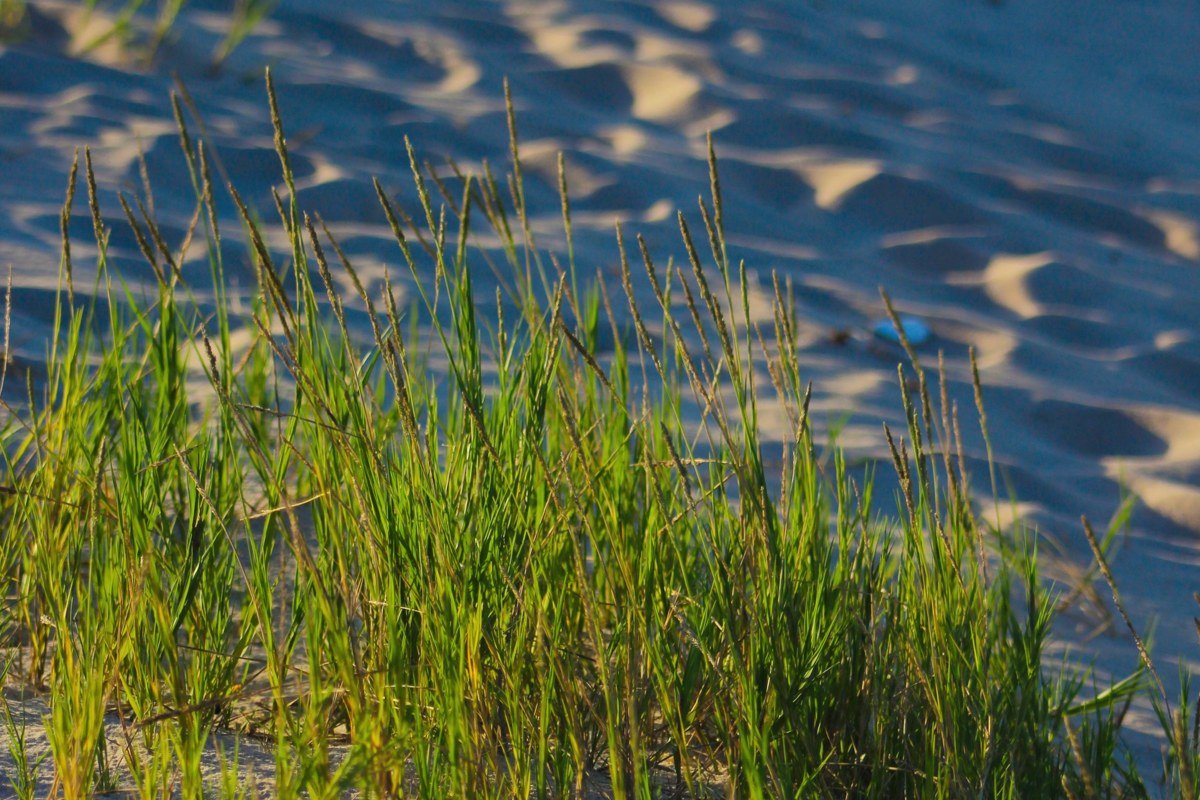
Silver Lake splits into three sections: one open to off-road vehicles, one restricted to hiking only, and Lake Michigan frontage. The quiet, foot-traffic-only section is where you want to be for golden hour, since the ORV area (open until 10 pm in season) gets loud and dusty right up until dark. It’s a three-hour drive from Grand Rapids and a popular Labor Day and Fourth of July weekend trip for Michiganders, so if you want the calmer version, aim for a weekday in September instead.
FAQ
What’s the best time of year to visit White Sands, New Mexico?
Spring and fall give you comfortable daytime hiking temperatures and clear evening skies for golden hour, without the summer heat that makes midday walks on the dunes genuinely dangerous. Late October through April also means the park’s shorter winter closing time is less of a scheduling headache, since sunset comes earlier anyway.
What time zone is White Sands National Park in, and does that affect sunset planning?
White Sands sits in the Mountain Time zone, same as the rest of New Mexico. Sunset time shifts by more than two hours across the year, from around 5:00 pm in December to nearly 8:30 pm in June, so always check the current sunset time for your specific visit date rather than assuming.
Can you still see footprints or fossil tracks at White Sands?
Yes, ancient fossilized footprints, some of the oldest human footprints found in the Americas, were discovered in the park’s Alkali Flat area, though that specific site isn’t open for casual walk-up viewing. Regular foot traffic on the dunes themselves gets erased by wind within a day or two, so the sand you’re photographing at golden hour is usually freshly rippled no matter how busy the park was that morning.
Is the Trinity Site near White Sands?
Yes. The Trinity Site, where the first atomic bomb was detonated in 1945, sits inside White Sands Missile Range about 90 miles north of White Sands National Park by road. It’s open to the public only twice a year, typically on the first Saturdays of April and October, and requires no advance permit, just proof of ID at the gate on those open days.