
Picture this: you have just crested the Bealach na Ba in second gear, hands tight on the wheel, a sheer drop to your left and a dry-stone wall to your right, and the car behind you has been there for four miles because neither of you can pass. Then the road tips downward, the bay opens below, and Applecross appears. White cottages, turquoise water, the smell of the sea. The effort is the point. Every village on this list requires something from you before it gives anything back, and that transaction is exactly why they still look the way they did a hundred years ago.
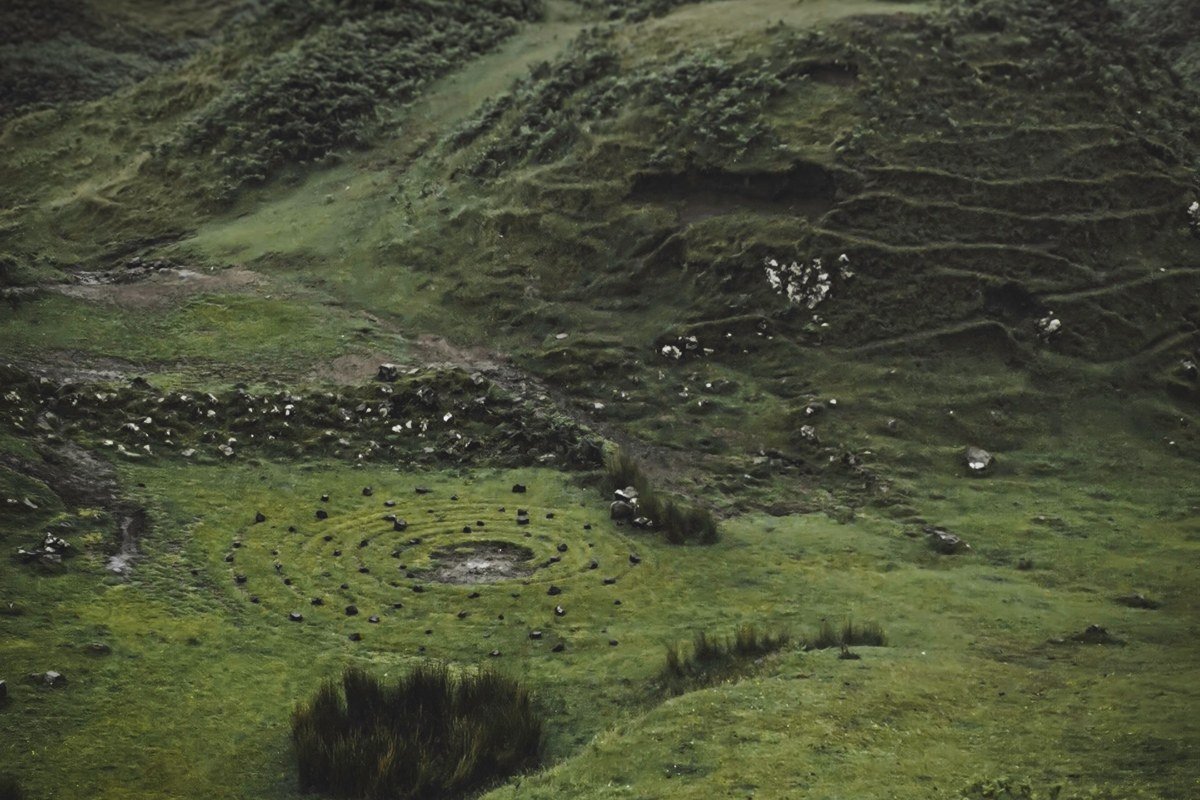
1. Applecross, Wester Ross
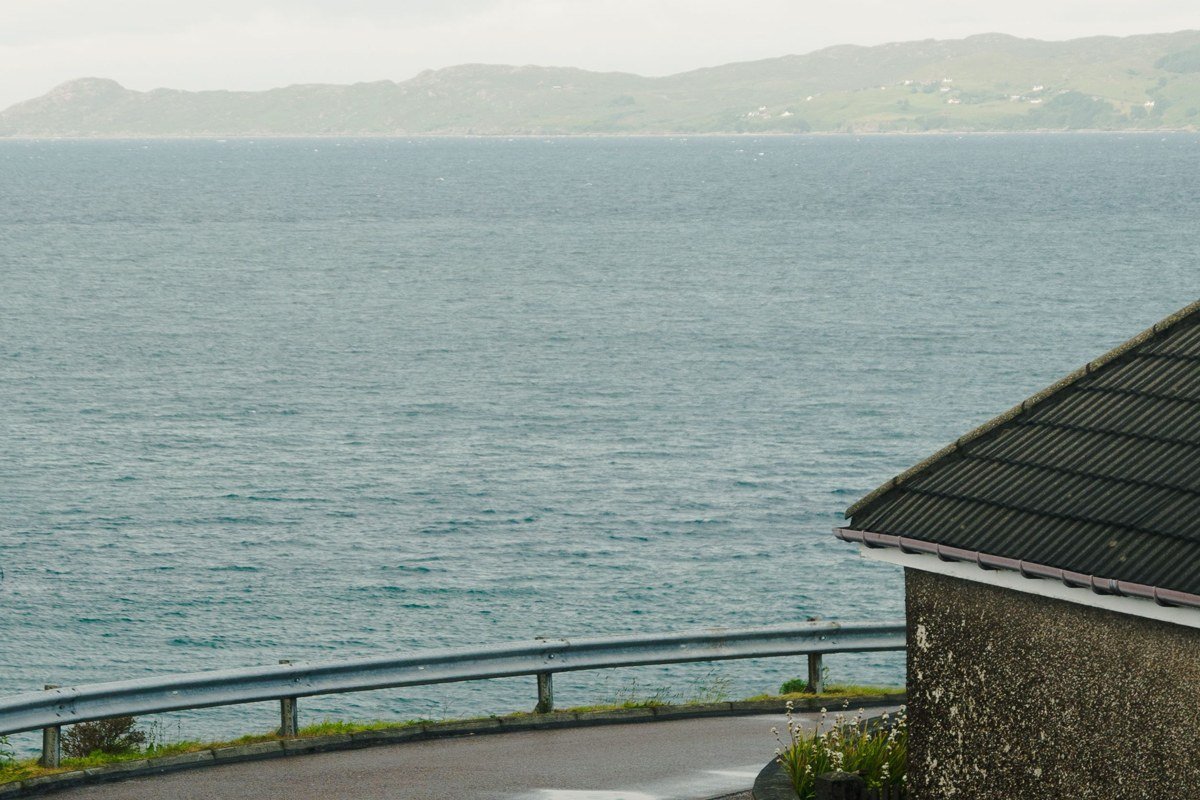
Roughly 75 minutes from Inverness via the new coastal road, or 45 minutes of concentrated focus over the Bealach na Ba, which climbs to over 2,000 feet on a single-track pass that carries a roadside warning advising inexperienced drivers to turn back. The new coastal road, completed in 2004, offers an alternative, but most people who have driven the Bealach once will tell you they’d drive it again without hesitation. The descent into the village, a crescent bay of improbably clear water with white-painted cottages and direct sightlines to Skye and Raasay, feels like emerging from something.
The Applecross Inn has been fully booked on Friday and Saturday nights from May through September for years running; if you want a table for dinner rather than a bar meal, reserve weeks in advance. The seafood, landed from the bay that morning, is as good as it gets on any Highland road trip. Go in late May or early June when the rhododendrons along the approach road are in full purple bloom and the midges are still mostly absent.
2. Plockton, Ross-shire
Roughly 80 minutes from Inverness by road, but the better approach is by rail. Inverness to Plockton takes approximately 2 hours 20 minutes on the Kyle of Lochalsh line, one of the great scenic railways in Britain, and Plockton station is a four-minute walk from the seafront. That is the kind of journey worth building a trip around rather than merely tolerating.
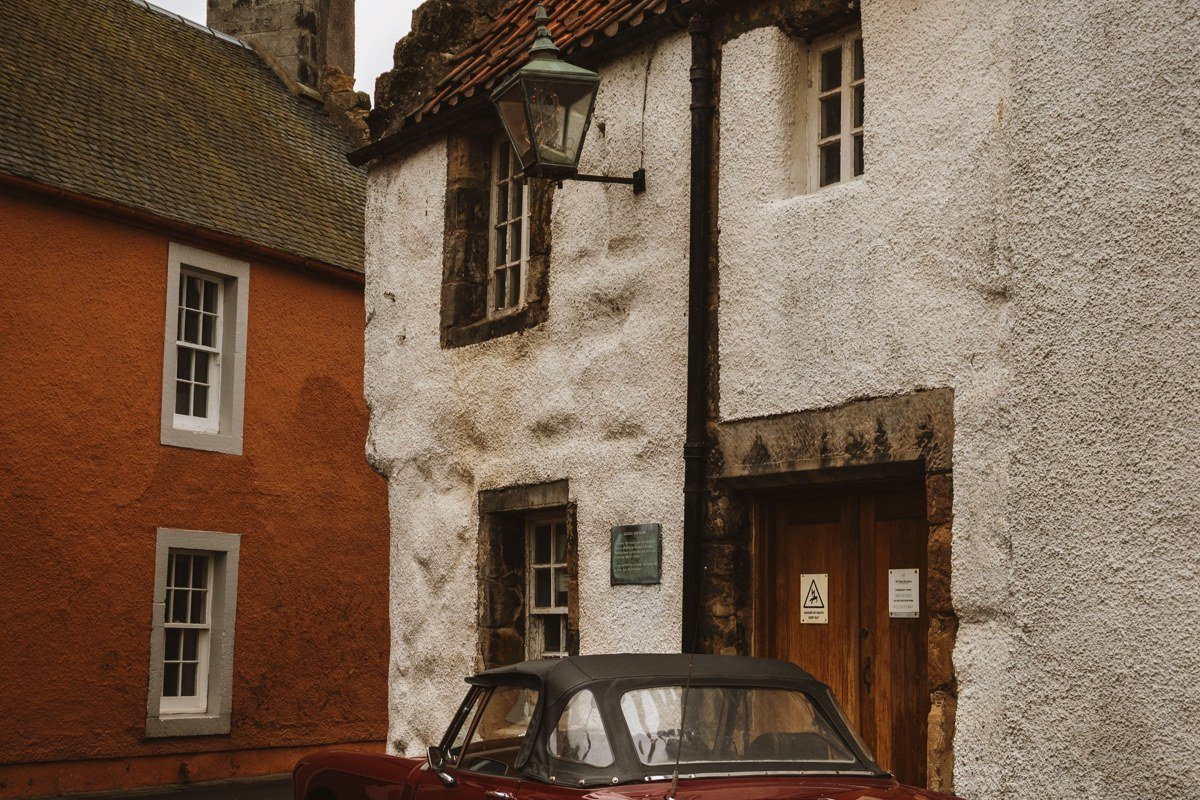
The village itself is arranged along Loch Carron in rows of painted stone houses, sheltered enough by the surrounding hills that palm trees grow on the seafront without irony. The visual dissonance stops you mid-step: this does not look like the Highlands, and yet it could not exist anywhere else. Kayaking on the loch in the early morning, when the water is still enough to mirror the houses exactly, is an experience people specifically plan return trips for. Avoid August if crowds bother you. Late September brings golden light, near-empty streets, and the loch at its most atmospheric.
3. Croick, Sutherland
About 90 minutes from Inverness, most of it on the A9 and then a long, unmarked single-track road up Strath Carron. The glen is so empty that the question of whether you’ve misread the map arises at least twice. Croick itself is barely a settlement: a tiny Episcopal church, a river, surrounding hills, and the sound of wind.
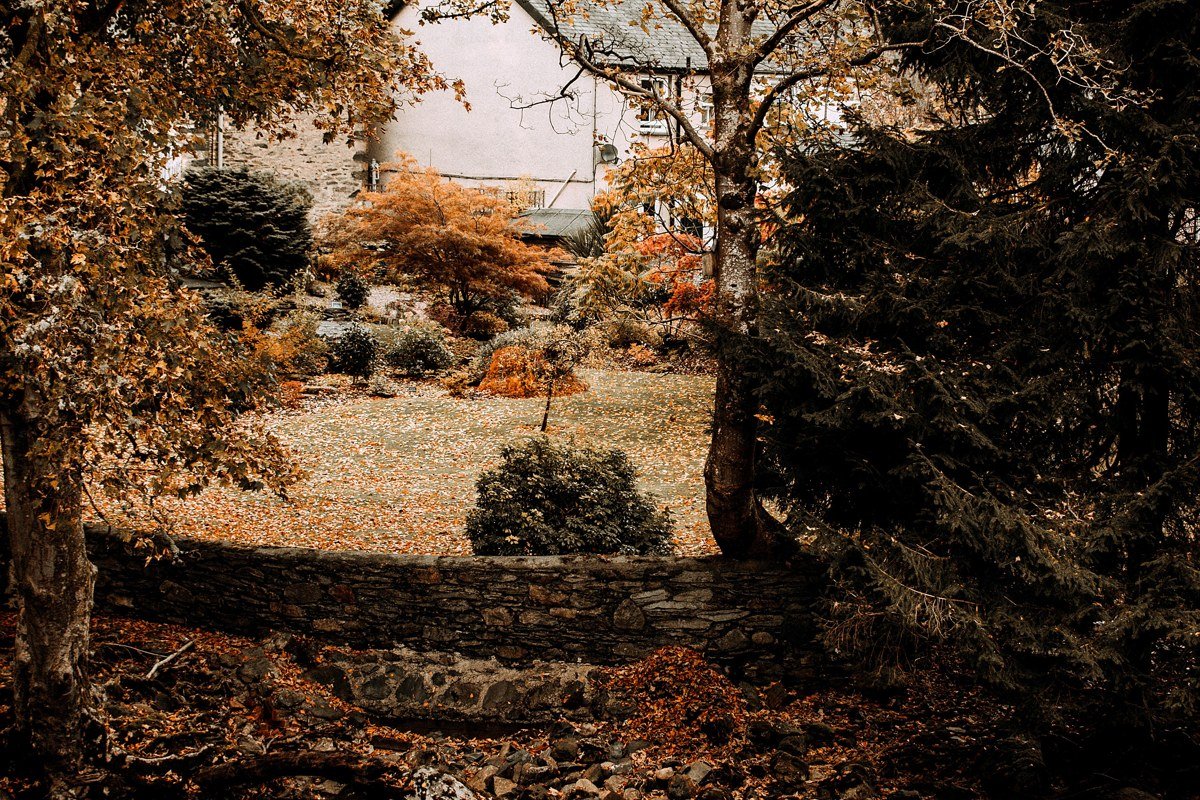
What makes it worth the drive is history made tangible. In 1845, families evicted during the Clearances sheltered in the churchyard and scratched messages into the east window glass. Those inscriptions are still legible. Reading them in a silent glen with no one else around is one of the more affecting experiences the Highlands offer. This is not a photogenic destination in the conventional sense, but as a fairy-tale landscape of bleak, unresolved beauty it is genuinely unmatched. Visit in October when the strath turns amber and rust, and allow yourself a full hour inside the churchyard before driving back out.
4. Shieldaig, Torridon
Approximately 90 minutes from Inverness, approached either along the north shore of Loch Torridon from Kinlochewe or via a narrow switchback from Lochcarron. Neither route is relaxing, which is part of the preparation for what you find at the end of it.
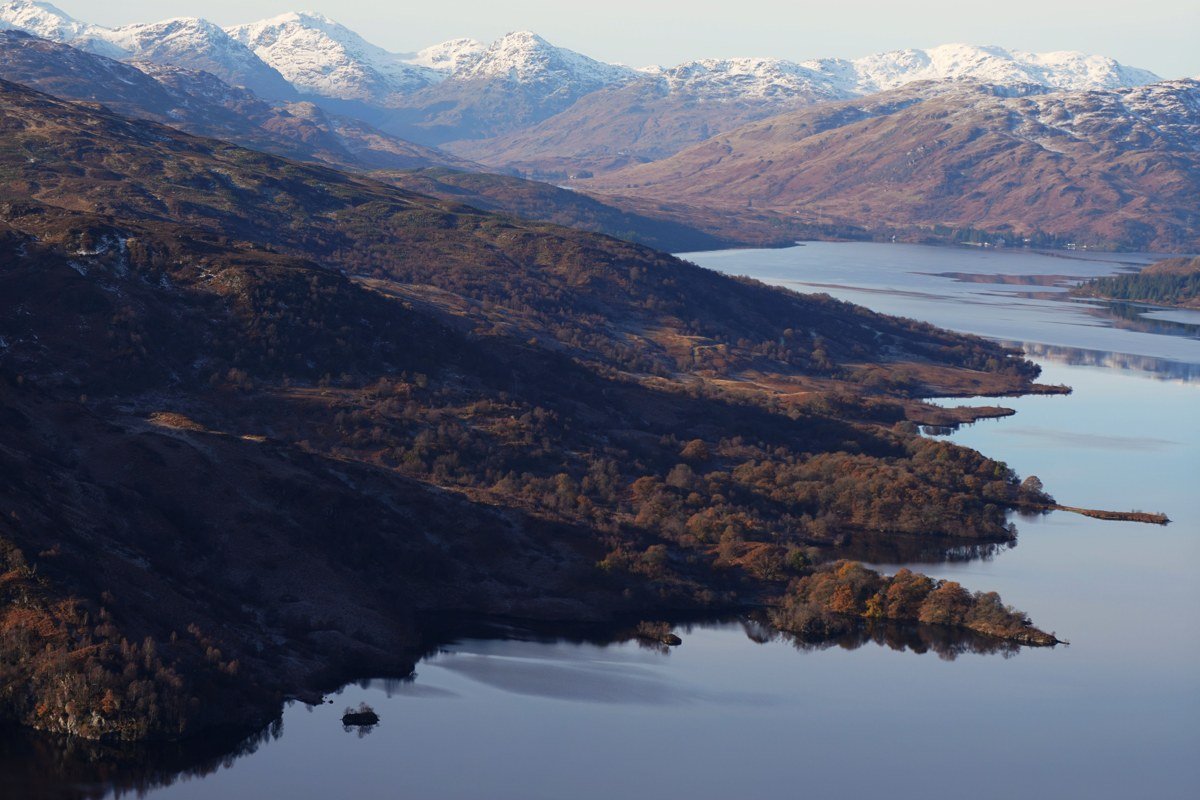
Shieldaig wraps around a small bay, its single row of white houses facing a National Trust island covered in ancient Scots pine, one of the last intact fragments of the Caledonian forest. The Torridon mountains behind the village are formed from some of the oldest rock on earth, Torridonian sandstone laid down around 800 million years ago, and on still mornings the entire scene reflects in the loch with a clarity that makes the camera work do itself. Walk out onto the small pier at dusk when the light goes pink behind Beinn Alligin. Book the Shieldaig Bar and Coastal Kitchen for dinner well in advance; they do not accommodate large groups and seats disappear quickly through the season.
5. Glenelg, Lochalsh
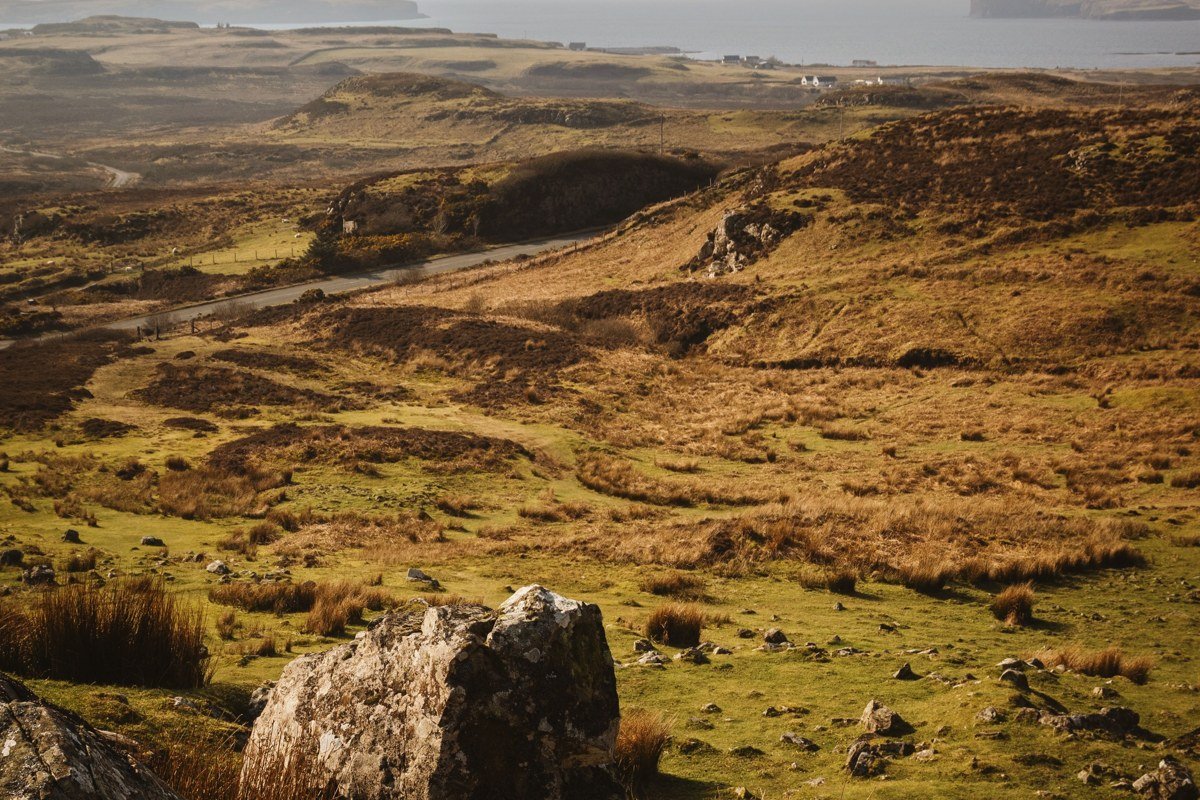
About 35 minutes from Kyle of Lochalsh, the final stretch being a military road over the Mam Ratagan pass with gradients touching 1-in-4. In a fully loaded car it is white-knuckle driving; in a motorhome or high-sided van it is inadvisable.
The reward is a village sitting in a hidden valley above the Sound of Sleat, with the back shore of Skye directly across the narrows. The Kylerhea crossing, operated by the last manually operated turntable ferry in Scotland, runs seasonally and carries approximately six cars per trip. Two Pictish brochs, Dun Telve and Dun Troddan, stand in a field just outside the village in better condition than almost any Iron Age structure on the mainland; the majority of visitors to Scotland never find them. Glenelg Inn sources locally, the bar has a fire burning most of the year, and rooms book out quickly once the season starts.
6. Diabaig, Torridon
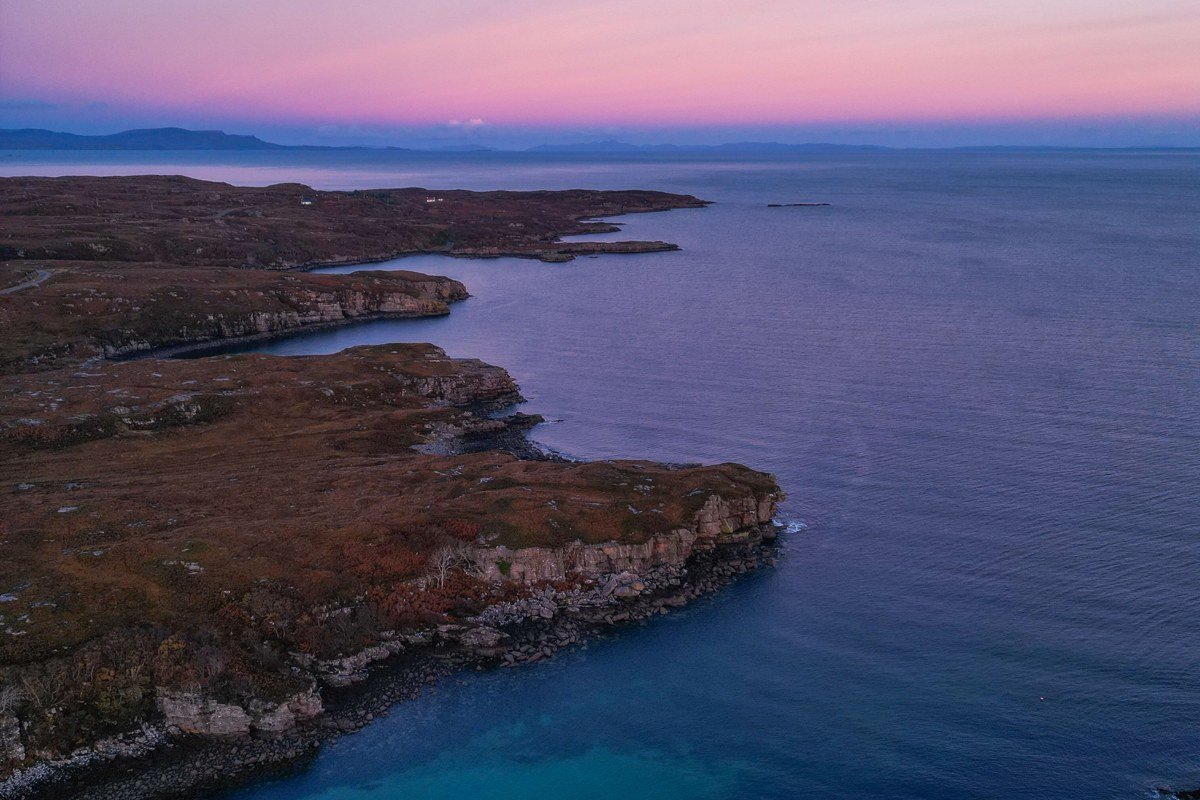
Diabaig (pronounced Dee-a-bay) is fewer than ten miles from Torridon village as the crow flies, but the single-track road that reaches it, hugging cliff edges above Upper Loch Torridon before dropping steeply into a sheltered bay, makes it feel like a different county. Allow at least 40 minutes from Torridon village for a road that would take 15 minutes anywhere else.
The settlement is small: a tearoom, a harbour, a handful of painted cottages, and scenery so extreme it can feel theatrical rather than real. The Diabaig to Craig coastal path, running along the shore toward Redpoint, is a half-day walk that delivers views no road in the region matches. Because the approach road deters a significant proportion of potential visitors, Diabaig receives a fraction of the footfall that Torridon village does, which is reason enough to make the drive. Arrive in a week with westerly winds, which clear the air and can produce extraordinary cloud formations above the peaks.
7. Achiltibuie and the Inverpolly Wilderness, Sutherland
A note on this entry: Inverpolly is included here as a wilderness area rather than a village in the conventional sense. The genuine settlement is Achiltibuie, roughly 60 miles from Inverness on roads that take around 90 minutes, the last stretch on single-track. The Summer Isles Hotel in Achiltibuie is a serious destination restaurant in an implausible location, worth the journey independently of everything else around it.
The surrounding Inverpolly National Nature Reserve, one of the largest in Britain, is the landscape that earns this entry its fairy-tale description. Stac Pollaidh, Cul Mor, and Cul Beag rise so abruptly from flat moorland that they look painted onto the sky rather than grown from it. Roads through the reserve are single-track and subject to flooding in wet seasons, and many of the most rewarding spots require walking two miles or more from any parking point. The summit of Stac Pollaidh, achievable in around two hours from the car park off the B869, offers a 360-degree view that is hard to match on any short walk in Scotland. Go in April, before the bracken comes up, when the spring light is long and the ground is still clear.
8. Achmelvich, Sutherland
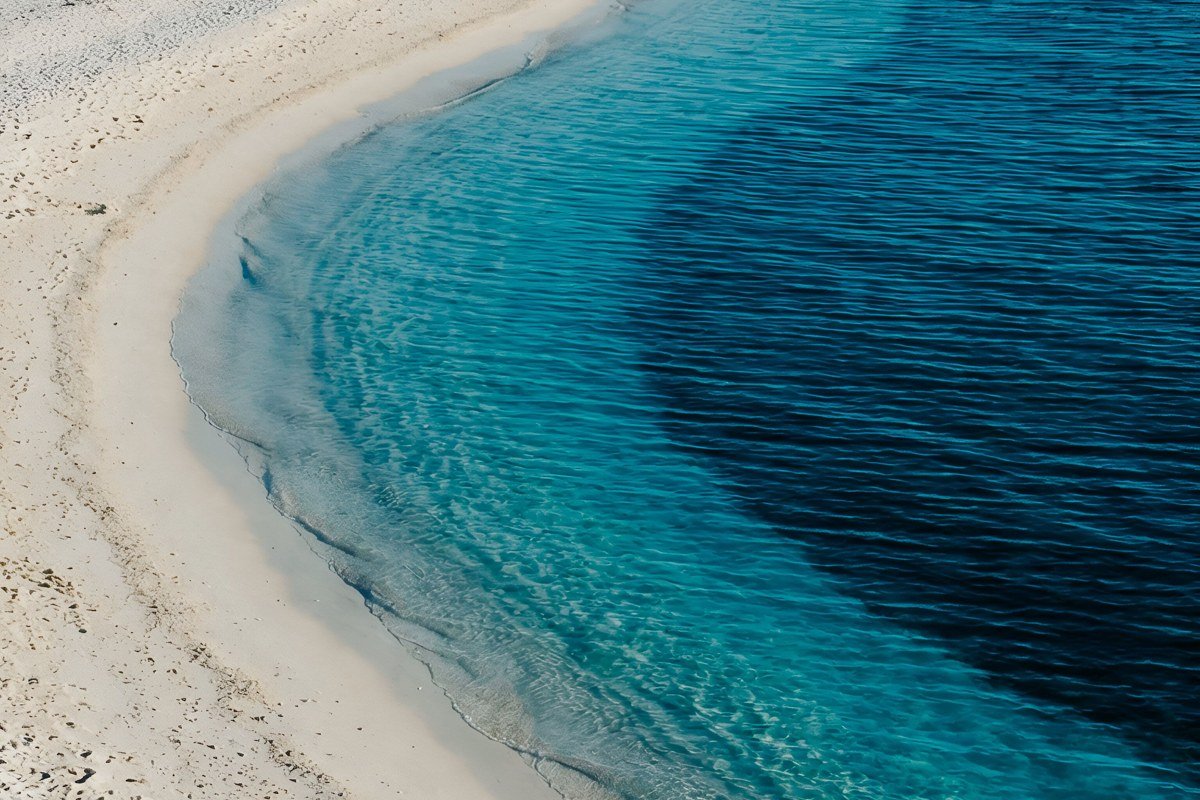
About 60 miles from Inverness, roughly 90 minutes on roads that narrow considerably after Ullapool. The approach gives no indication of what is coming: a narrow road off the A837 through uninspiring moorland, then a sudden descent to a beach with water that looks wrong for Scotland in the best possible way.
The colour of the sea here on a sunny day is not a photographic accident. It is the result of geology: the beach sits where Torridonian sandstone and some of the oldest rock on earth, Lewisian gneiss (around 3 billion years old), create the conditions for almost pure quartzite sand, white and fine enough to squeak underfoot. The combination of pale sand and clear shallow water produces that colour without any tropical assistance. A small cluster of croft houses and a basic campsite are essentially all there is. The coastal walk north toward Clachtoll, passing the Split Rock sea stack, is short enough to complete before lunch and striking enough to anchor a whole trip. Visit in June or early July: at midsummer this far north, the beach at 10 PM still has light.
9. Sanna Bay, Ardnamurchan
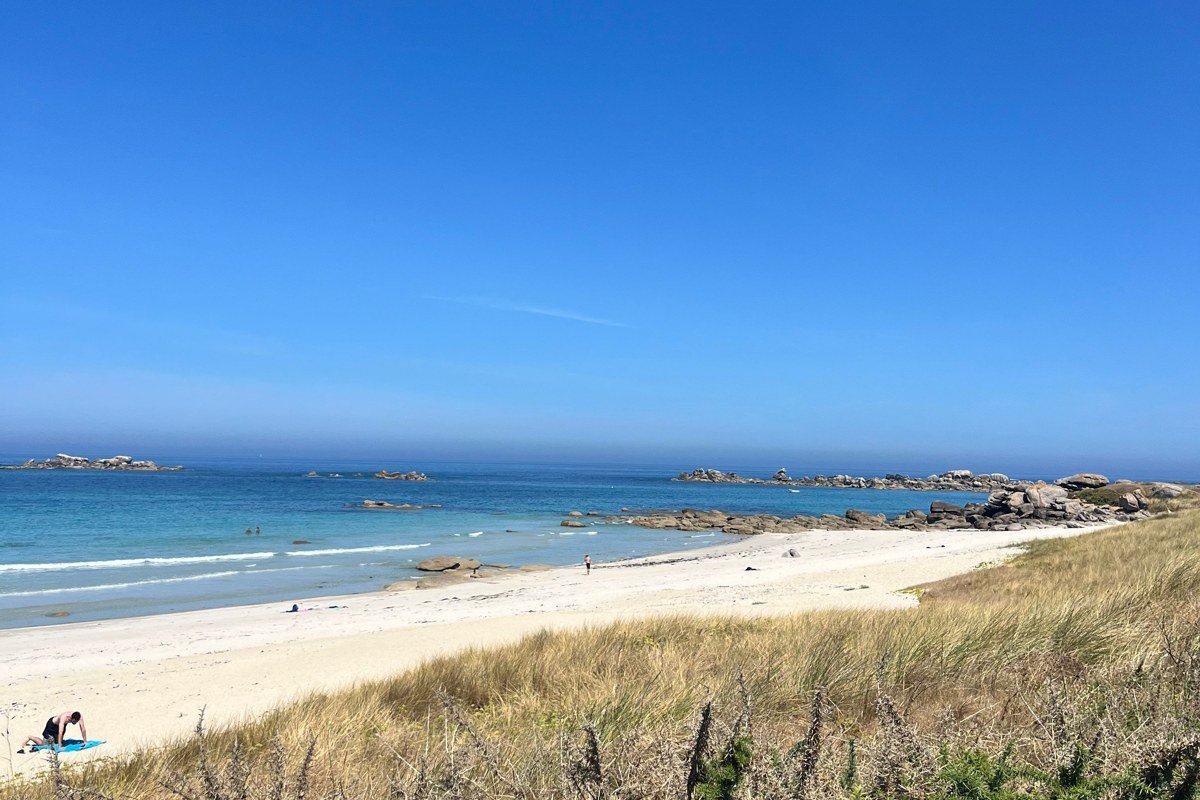
Two and a half hours from Fort William by the direct route, most of it on single-track roads through the Ardnamurchan peninsula where passing places require patience and the ability to reverse calmly under pressure. Ardnamurchan is the most westerly point on the British mainland, and the road earns that distinction.
Sanna Bay is a series of white shell-sand beaches divided by rocky headlands, facing Rum, Eigg, Muck, and Coll across the water. The evening light here, particularly in June and September, draws photographers who have planned the trip specifically around it. Behind the beaches, the machair is in full bloom through June: clover, orchids, yellow rattle, and the particular green of grass growing on shell sand. There are no cafes, no facilities beyond a basic car park, and no mobile signal. The ferry from Tobermory on Mull to Kilchoan, followed by a short drive to Sanna, is a slower but considerably more rewarding approach if you are coming from Mull.
Getting There Without Losing Your Mind: A Few Practical Notes
Single-track driving is a skill these roads will require rather than assume. Learn to reverse confidently, to read the road far enough ahead to reach passing places without confrontation, and to yield without ego. A smaller car is almost always better; a high-sided van is a genuine liability on Mam Ratagan or the Bealach na Ba.
Download offline maps before you leave any town of consequence. OS Maps and Komoot both work well for this. Do not plan around mobile data at any of these locations.
If you are driving an electric vehicle, identify your charging stops before you go. Rapid chargers are available in Ullapool, Lochcarron, and Fort William, but between those points and most of the destinations on this list, you are on your own. Plan your range conservatively.
Accommodation at the named places fills months ahead in summer. Applecross Inn and Glenelg Inn in particular should be booked as early as possible. If both are full, self-catering cottages through Sykes Cottages or Rural Retreats tend to have more availability and are well priced for the quality.
Midges are a genuine planning factor from June through August. A midge net and repellent containing DEET are not optional in still conditions. The coastal exposure of most villages on this list means more breeze and fewer midges than equivalent inland spots, which is one more reason to choose them.
May and September remain the best months across every destination here: decent weather, long light, and a fraction of the August footfall. That is the most practically useful advice for any Highland itinerary, and it bears repeating: resist the pull of August.