
Patagonia does not ease you in. The rivers here drop through basalt canyons carved by glaciers, run milky turquoise from glacial flour, and are often accessible only by horseback, floatplane, or a two-day trek. These are the runs that serious paddlers pass around quietly, and they are almost never covered in mainstream adventure travel content. The list below is organized for people who want the real logistics alongside the visuals.
Quick-Reference Matrix
Use this table as a saveable planning asset before reading the full entries.
| River | Grade | Access Difficulty | Best Month | Visual Signature |
|---|---|---|---|---|
| Rio Futaleufu | V (with IV sections) | Moderate (paved + gravel to town) | February | Cobalt blue water, granite canyon walls |
| Rio Baker | III-IV | Moderate (Carretera Austral) | December-January | Dual-color confluence with Rio Nef |
| Rio Serrano | III | Easy (2 hrs from Puerto Natales) | December | Grey Glacier left, Torres spires right |
| Rio Manso | III-IV | Easy (day trip from Bariloche) | April (color), Dec-Jan (water) | Crimson lenga beech forest, border crossing |
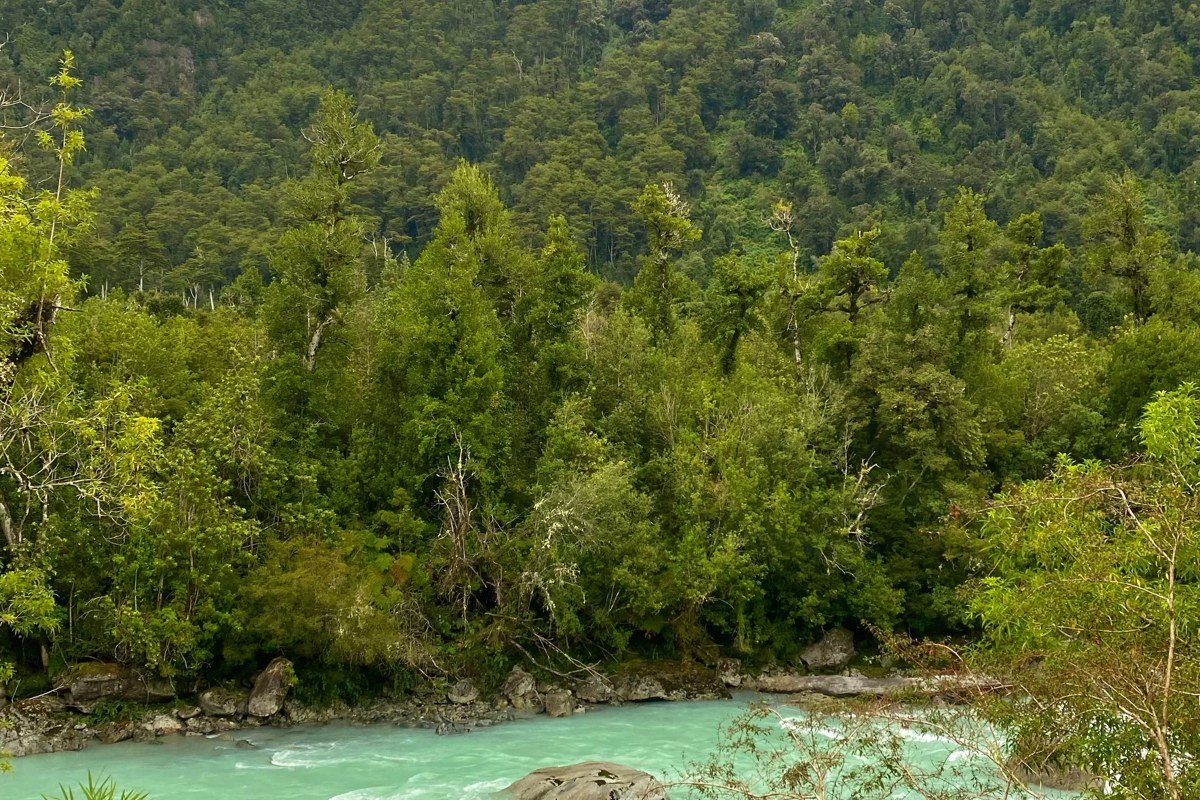
| Rio Palena | IV | Hard (gravel track, no cell coverage) | January | Dense rainforest canopy, filtered green light |
| Rio Simpson | III-IV | Easy (near Coihaique) | November-March | Slot canyon walls, amplified rapid sound |
| Rio Cisnes | III-IV | Moderate (Villa Amengual, Carretera Austral) | January-February | Andean condors on limestone thermals |
| Rio de las Vueltas | II-III | Easy (El Chalten village) | December-January | Fitz Roy and Cerro Torre skyline |
1. Rio Futaleufu, Chilean Patagonia
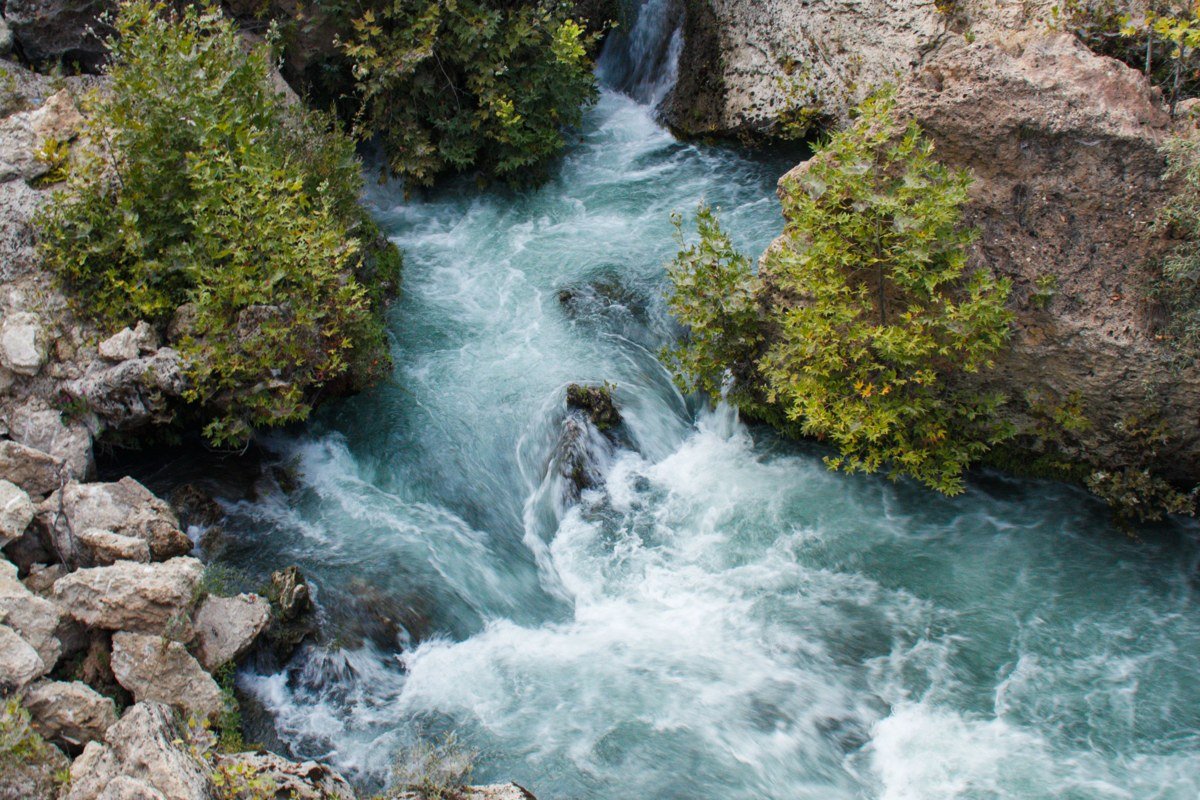
The Futaleufu, known universally as the Fu, runs a color so saturated it looks digitally altered in photographs. That cobalt blue is real, fed by Lago Espolon and filtered through Andean granite, and it contrasts with the deep green of lenga beech forest pressing in from both canyon walls. The signature rapid, Throne Room, is a Class V behemoth with a hydraulic that can hold a raft for several terrifying seconds, so most commercial trips have guests scout it from a cliff ledge before committing.
The best window is November through March, with February offering the most stable weather and the highest flows that make Class IV sections feel genuinely consequential. Book an outfitter running a multi-day camp on the river rather than day-tripping from Futaleufu town. Bio Bio Expeditions runs one of the most established multi-day Fu camps and has the river safety infrastructure to match the grade. Waking up to mist on the canyon at 6 a.m. is its own reward, but you need to be camped there to experience it.
Access note: from Balmaceda airport, drive south on the Carretera Austral (Route 7) to the junction at Villa Santa Lucia, then take the paved lateral road west toward the Argentine border crossing at Futaleufú. The town sits roughly 10 kilometers from the crossing. Most rental agreements permit this route, but confirm before you leave the agency lot.
2. Rio Baker, Aisen Region, Chile
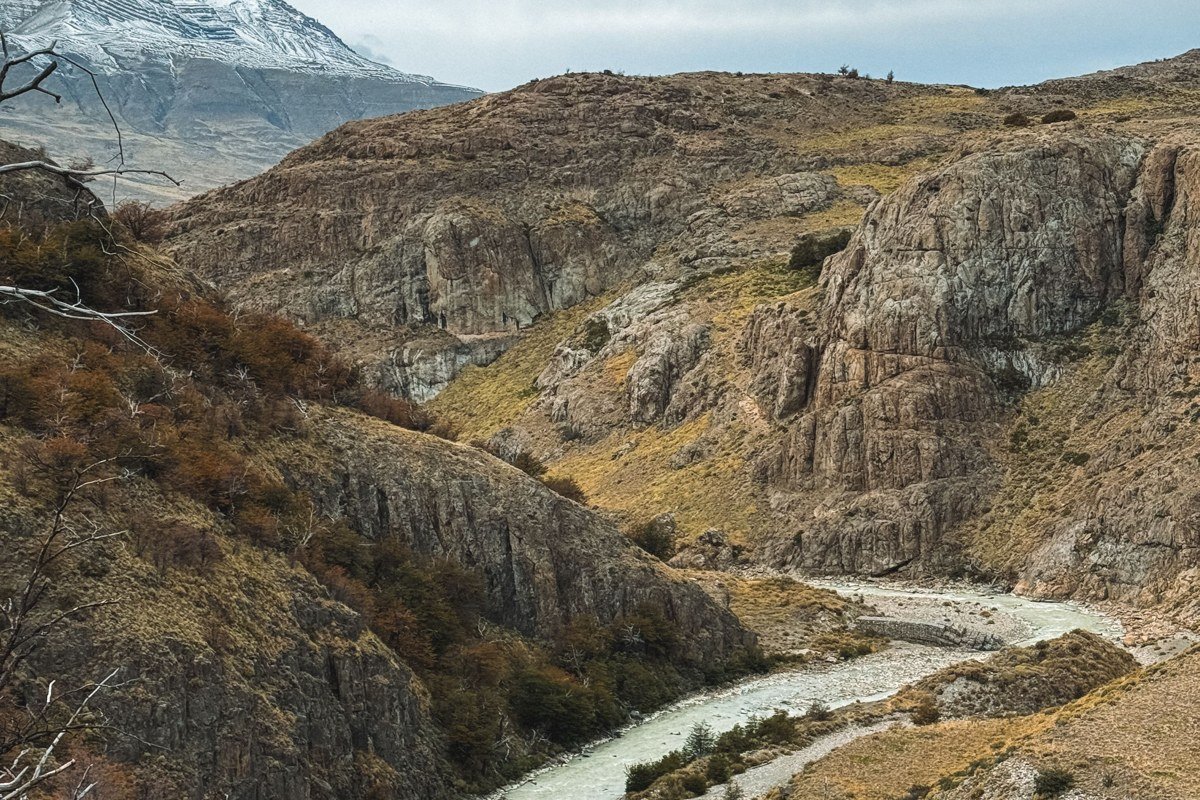
The Baker is Chile’s highest-volume river, a fact that becomes viscerally clear the moment you see it boiling around a mid-river boulder field near Cochrane. What makes it photographically unusual is the confluence with the Rio Nef, where a pale jade tributary meets the darker Baker and the two colors braid together for nearly a kilometer before fully mixing. Commercially, the Baker is less developed than the Fu, which is precisely the point if you want runs that still feel exploratory rather than packaged.
Most itineraries launch near Cochrane and cover sections that mix Class III and IV rapids with long, glassy pools that give you time to look up at the jagged peaks of the Jeinimeni range. Cascada Expediciones and several Cochrane-based operators run the river with small groups, and advance booking is far less competitive here than on the Fu. Avoid January long weekends; Chilean domestic tourism spikes sharply during that period and the put-in can become genuinely congested.
3. Rio Serrano, Torres del Paine, Chile
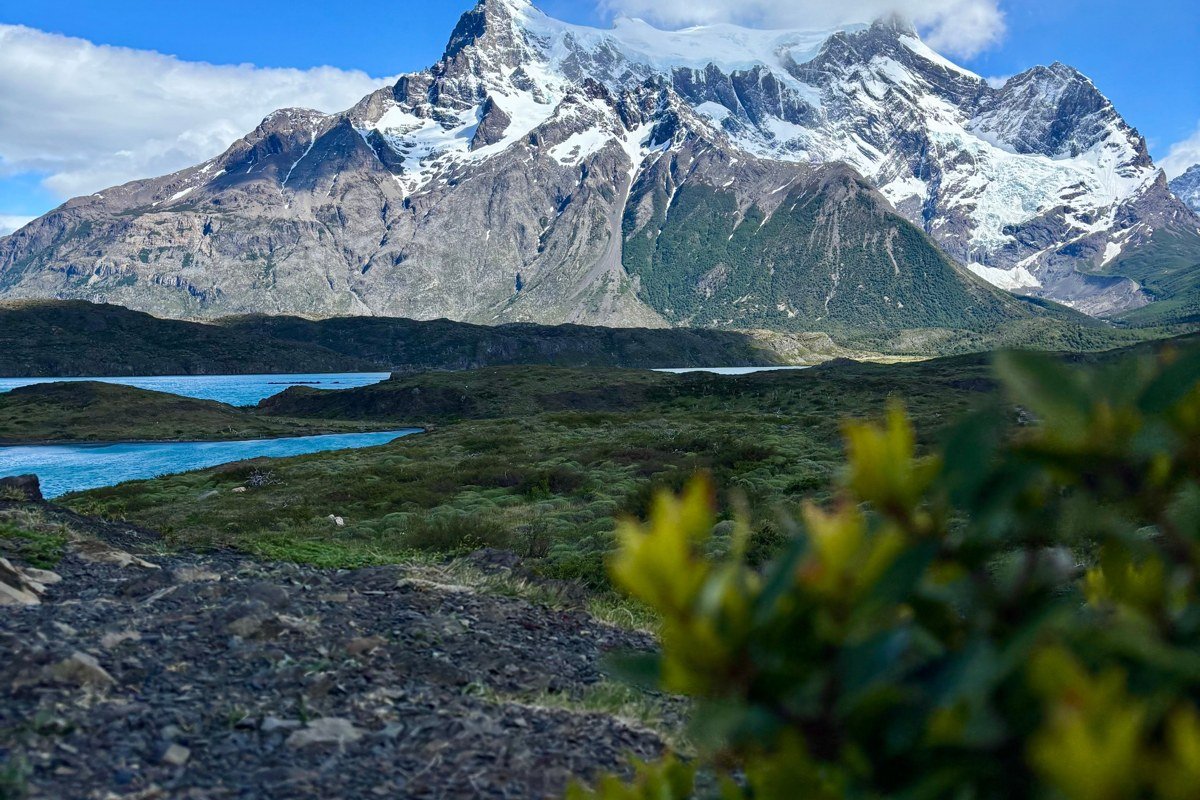
The Serrano drains Lago del Toro and flows south toward the Pacific fjords, passing within camera range of both the Grey Glacier and the iconic towers of Torres del Paine. At Class III, it is not a technical river by Patagonia standards, but the logistical and paddling context is worth understanding before you treat it as a purely scenic float. Current is consistent and read-and-run skills matter in the lower sections where the channel narrows against a moraine wall. Wind, a constant factor in the park, can push upriver against you in the afternoon and add meaningful resistance on flat-water stretches, so most operators time the put-in for early morning.
The visual payoff is genuine: morning light in December hits the Torres at an angle that turns the granite almost pink, and from the river you sit below the treeline with nothing interrupting the frame. Many operators combine the rafting section with kayaking on Lago del Toro, adding flat-water mileage while keeping the visual drama consistent throughout the day.
Permit and access notes: Torres del Paine is a fee-entry national park administered by CONAF. Park entrance fees for foreign visitors are substantial (check current rates directly with CONAF, as they are revised seasonally), and the park has implemented advance booking requirements for high-season entry. Confirm your entry reservation before committing to a river date, as outfitters cannot guarantee park access independently. Fly into Punta Arenas and drive north toward Puerto Natales on Route 9; the put-in is roughly two hours from Puerto Natales.
4. Rio Manso, Argentine Lake District
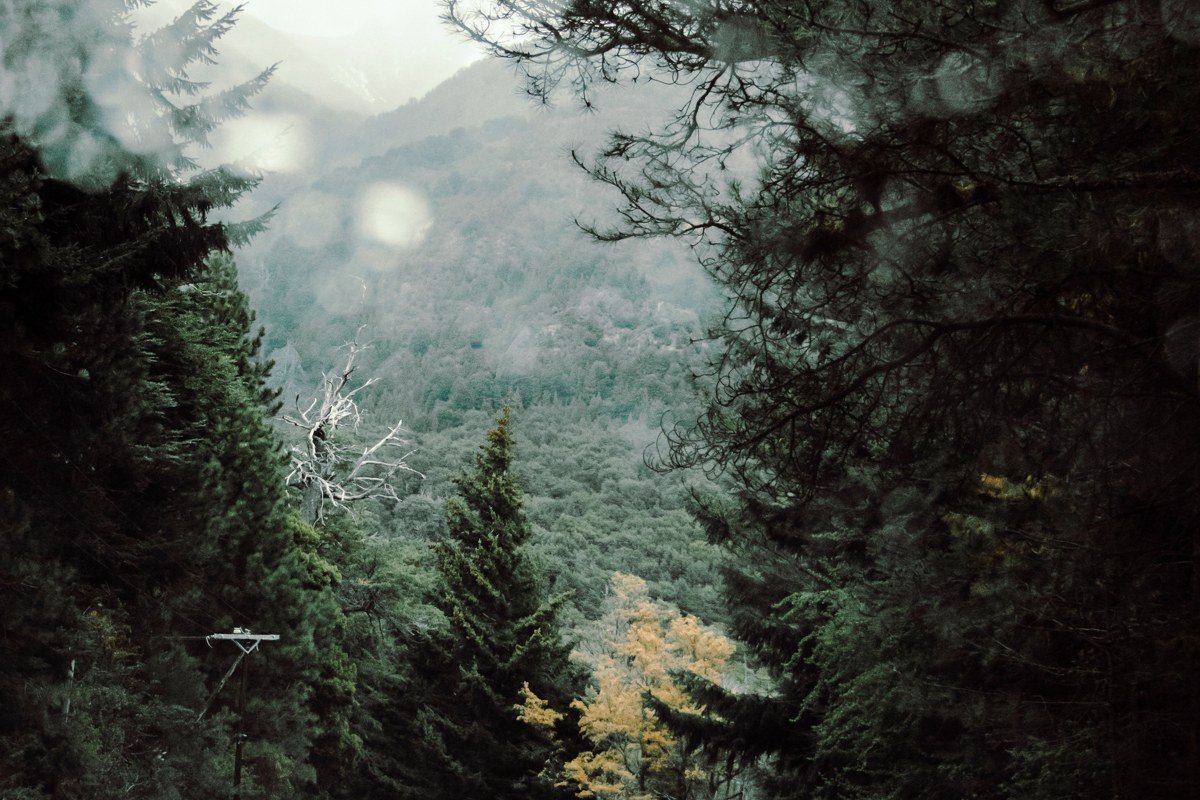
The Manso originates in Chile, crosses the border through a narrow cordillera canyon, and empties into Lago Steffen on the Argentine side, making a cross-border rafting trip possible and genuinely disorienting in terms of landscape transitions. The upper section near Bariloche runs Class III and is popular with families; the lower Manso Superior pushes into Class IV territory and sees far fewer people.
What separates the Manso aesthetically is the lenga beech forest: in April it turns deep crimson and burnt orange, making autumn the most visually dramatic season even as water levels drop. Most adventure travel itineraries skip Patagonian autumn entirely, which is a mistake if strong imagery is the primary motivation rather than maximum whitewater volume. Outfitters based in Bariloche, including Aguas Blancas, run the lower section as a full-day trip and typically include a riverside asado at takeout. Schedule your afternoon around it.
5. Rio Palena, Northern Chilean Patagonia
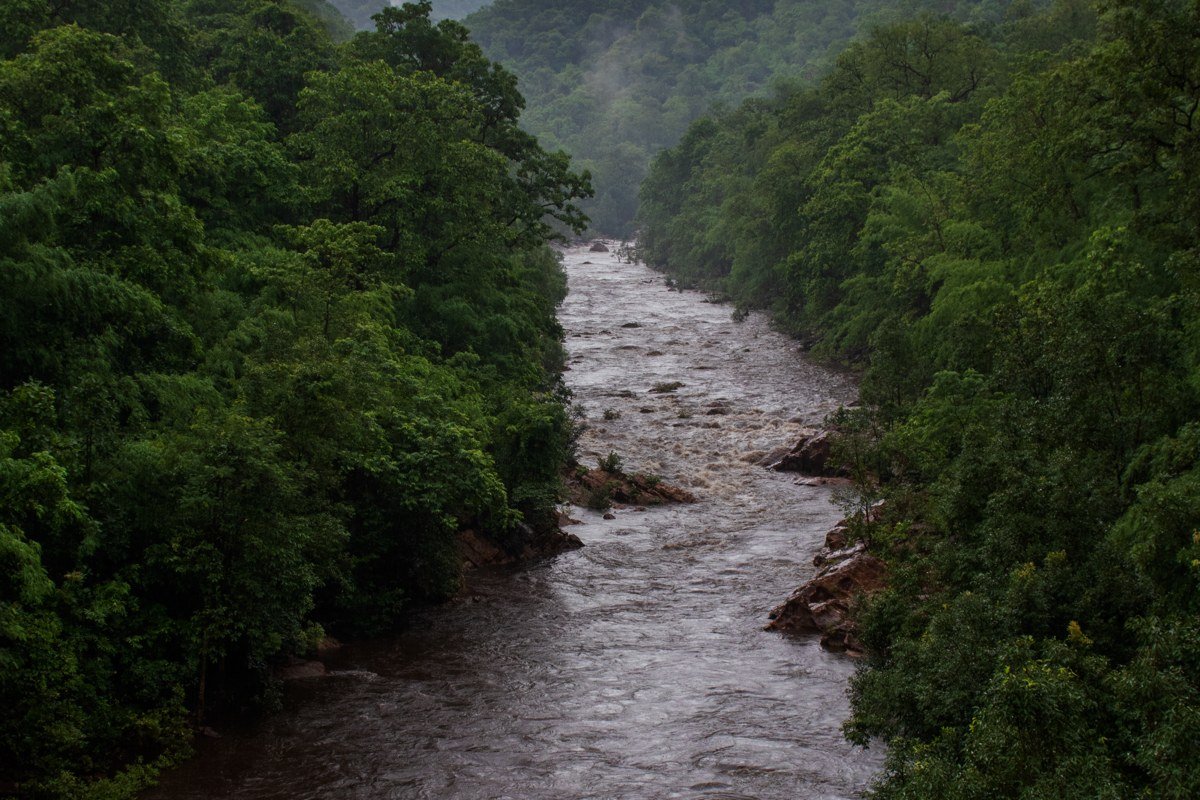
The Palena is where adrenaline travel content and expedition reality diverge sharply. The river runs through one of the least-visited corridors of Chilean Patagonia, in the area surrounding the Palena commune, where paved road ends and the Carretera Austral becomes a gravel track that many rental car agreements explicitly prohibit. Verify your rental contract before driving this section; the prohibition is common and the consequences of a breakdown here are significant.
The river itself is a consistent Class IV through most of its navigable length. Forested canyon walls are dense enough that the canopy closes overhead in places and you paddle in filtered green light that feels more like coastal British Columbia than Patagonia. Multi-day expeditions typically run four to six days and require camping on gravel bars, cooking on a fire kit, and accepting total cell silence. The reward is solitude; it is entirely realistic to complete the river without seeing another commercial party.
Access and permit notes: there is no formal permit system for the river itself, but coordinate entry with local operators in the Palena commune who can advise on current road conditions and any seasonal restrictions on the Carretera Austral gravel sections. Flying into Balmaceda and driving south on Route 7 is the standard approach.
6. Rio Simpson, Aysen Region, Chile
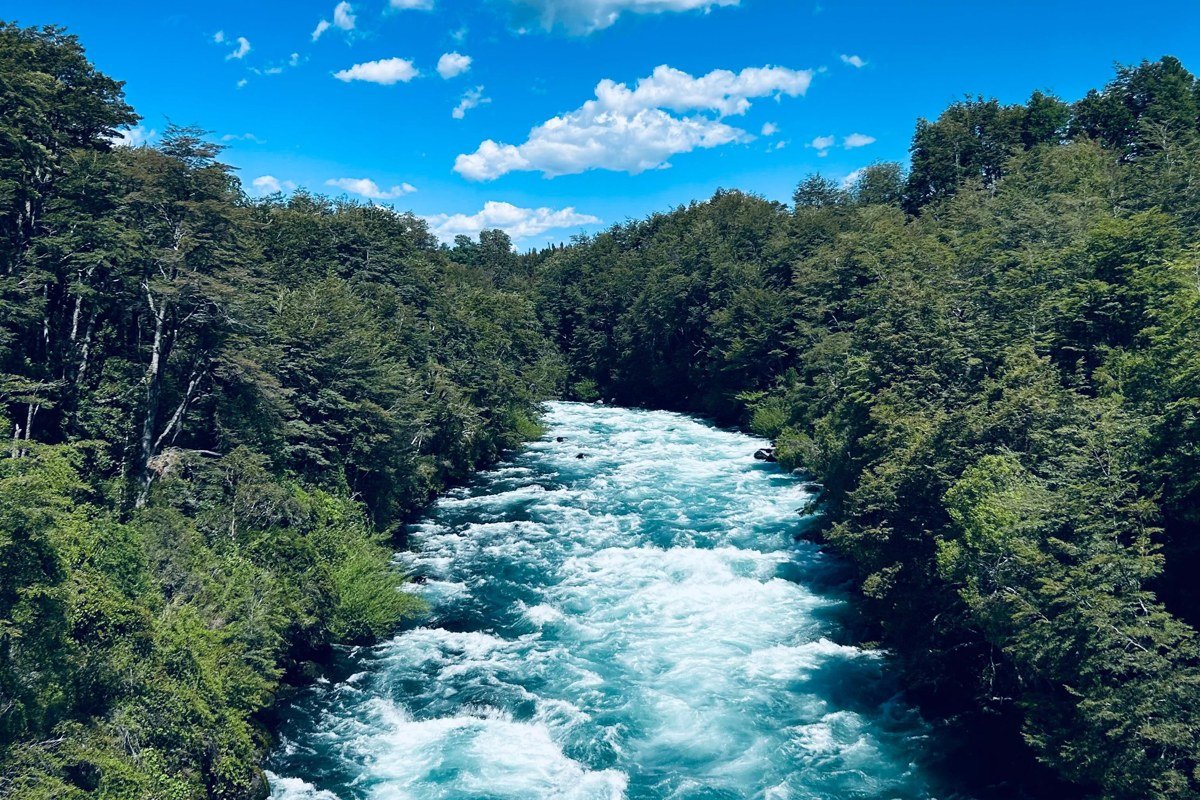
The Simpson sits in the shadow of the more famous Baker and Futaleufu but deserves genuine attention as a destination for intermediate paddlers who want remote atmosphere without expedition-level commitment. The river flows through Simpson River National Reserve near Coihaique, Patagonia’s largest interior city, which makes logistics unusually straightforward relative to everything else on this list.
Class III rapids dominate, with one Class IV drop called El Salto that earns its name. The vertical walls of the reserve canyon compress the river into a narrow slot in sections and amplify sound in a way that makes rapids feel bigger than their grade. Local Coihaique outfitters run half-day trips that pair well with a horsemanship excursion or a visit to the hanging glacier above Lago Elizalde. Rain is heavy in this region even by Patagonian standards. Pack fully waterproof layers and accept that overcast light is often flattering rather than problematic on turquoise water.
7. Rio Cisnes, Aysen Region, Chile
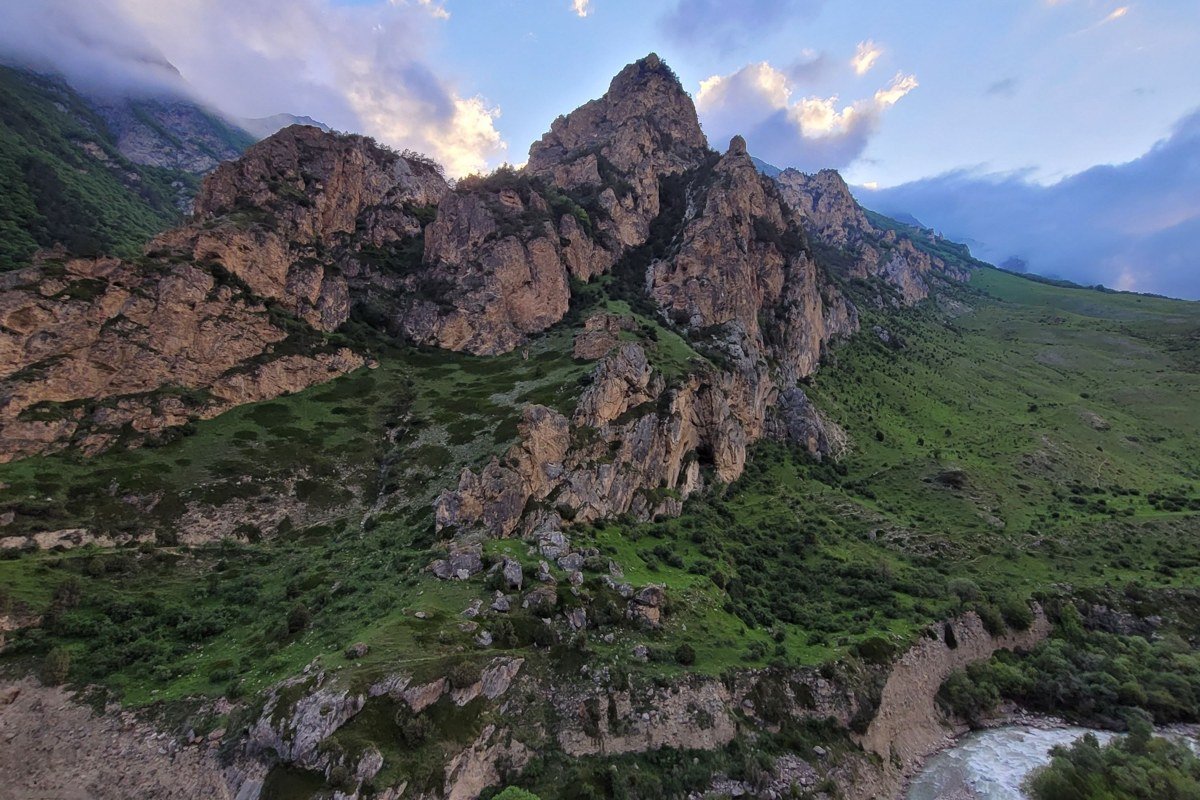
The Cisnes translates to “the swans,” a name that wildly undersells the experience of paddling its upper sections through vertical limestone walls that host nesting Andean condors. This is one of the few Patagonian rivers where condors overhead are a near-daily occurrence rather than a lucky bonus; the thermal columns rising from the canyon walls make it a preferred soaring corridor and sightings are reliable rather than incidental.
The river runs Class III through IV depending on section and season, and it drops toward the Pacific through a transition zone where Patagonian steppe on the eastern side gives way to temperate rainforest on the western approach. You watch the vegetation change around you over several days of paddling, which is a rarer experience than any single rapid. Access begins from the small town of Villa Amengual on the Carretera Austral, and most multi-day trips run westward toward Puerto Cisnes on the coast. The coastal takeout allows you to book a ferry north to Puerto Chacabuco rather than retracing your land route, a genuinely efficient way to structure a larger Patagonia circuit.
8. Rio de las Vueltas, Argentine Santa Cruz Province
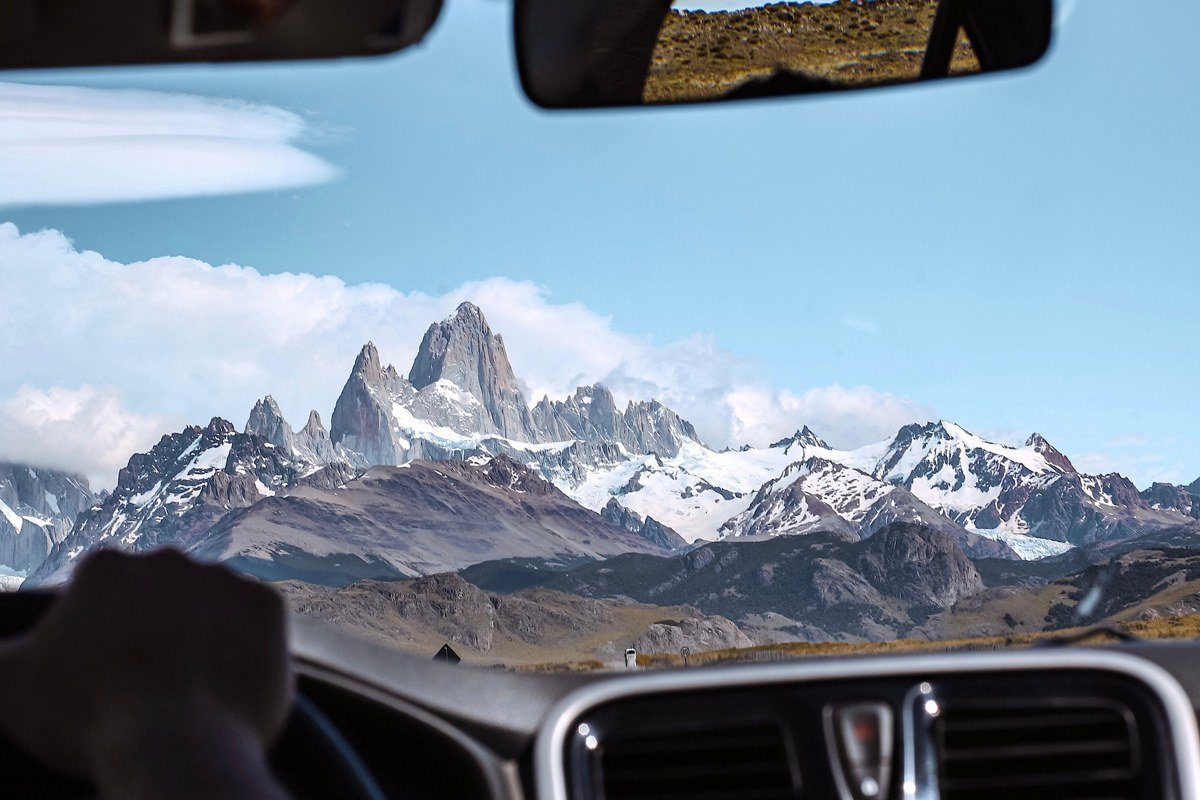
The Vueltas feeds Lago Viedma from the north and runs directly beneath the Fitz Roy massif. On a clear day you are paddling with Cerro Torre and Fitz Roy visible as a continuous granite skyline above willow-lined banks. Technically, the Vueltas is the mildest river on this list at Class II to III, but the photographic and emotional intensity of that mountain backdrop is not matched anywhere else in the Southern Andes.
El Chalten, the small mountaineering village at the river’s headwaters, has developed a credible outfitter scene in recent years, with operators including Patagonia Aventura offering half-day floats timed to morning alpenglow on Fitz Roy. The honest trade-off: Fitz Roy clouds over for days or weeks at a stretch, and a rafting trip on a socked-in morning is a genuinely different experience. Build at least four days of buffer in El Chalten, take the river on clear mornings, and use overcast days to hike the Laguna de los Tres trail. The patience will pay out.
Practical Takeaway for Planning These Trips
Patagonia’s rivers do not forgive poor preparation, and the remoteness that makes them compelling is exactly what makes a gear failure or a bad transport decision costly. A few specifics that will save significant friction.
Season: November through March covers the core summer window for all eight rivers. The Manso and Cisnes are worth serious consideration in April if autumn color is the priority and you accept lower water levels. Avoid June through August for any whitewater objective. This is austral winter in Patagonia: water temperatures drop to dangerously low levels across all river systems, some high-altitude sections carry ice, and the combination of cold water and limited rescue infrastructure makes immersion genuinely life-threatening rather than merely uncomfortable.
Entry points: Fly into Puerto Montt or Balmaceda for the northern and central Chilean rivers. Fly into Punta Arenas for the Serrano. Buenos Aires connects to Bariloche by air for the Manso, and to El Chalten via Calafate for the Vueltas.
Gear: Even on fully guided commercial trips, bring your own wetsuit booties, thermal underlayers, and a dry bag rated for full submersion. Most outfitters supply drysuits or wetsuits but their booties are often undersized and deteriorated from heavy use.
Booking lead times: The Futaleufu and Serrano fill six to nine months ahead for prime summer dates. The Baker, Manso, and Vueltas can often be arranged four to six weeks out. The Palena and Cisnes are expedition-territory arrangements requiring direct contact with small operators and genuine flexibility on start dates.
The common thread: Patagonia makes you earn the view. These rivers are the most efficient means of accessing terrain that hikers cannot reach and roads do not touch.