Blue Water, Stone Villages, Half the Price: 10 Adriatic Destinations That Nail the Greek Isle Aesthetic

Quick-scan guide: find your fit before you read
| Destination | Best for |
|---|---|
| Hvar Town | Blue-and-white aesthetic, lively harbor scene |
| Vis Island | Total solitude, unspoiled coves |
| Korcula Town | Blue-and-white aesthetic, walkable medieval streets |
| Bol (Brac) | Dramatic scenery, water-sports energy |
| Stari Grad | Total solitude, ancient atmosphere |
| Lopud (Elafiti) | Blue-and-white aesthetic, car-free village life |
| Kotor | Dramatic scenery, Venetian-Byzantine architecture |
| Perast | Dramatic scenery, baroque detail |
| Himara | Blue-and-white aesthetic, budget-friendly coast |
| Karaburun | Total solitude, raw wilderness |
Car or no car? Vis, Lopud, Korcula Town, and Kotor old town are all comfortably reached and explored without a rental. Stari Grad and Hvar Town are ferry-accessible as a foot passenger, though a scooter opens up the island interior. Himara and Karaburun essentially require either a rental car or a pre-arranged transfer; Albanian public transport to the Riviera is improving but remains limited.
The ferry from Split pulls into Vis harbor just after six in the morning, before the day-trippers arrive and before the konobas have unlocked their terrace chairs. The water in the harbor is the kind of still that makes the fishing boats look suspended rather than floating. A man is fixing a net on the dock. Nobody is performing anything for anyone. This is what the Greek Isle aesthetic actually looked like before it became an aesthetic, and this is what a string of towns along Croatia’s Dalmatian coast and Albania’s Riviera still offers, at prices that make a Santorini hotel quote feel like a formatting error.
1. Hvar Town, Croatia
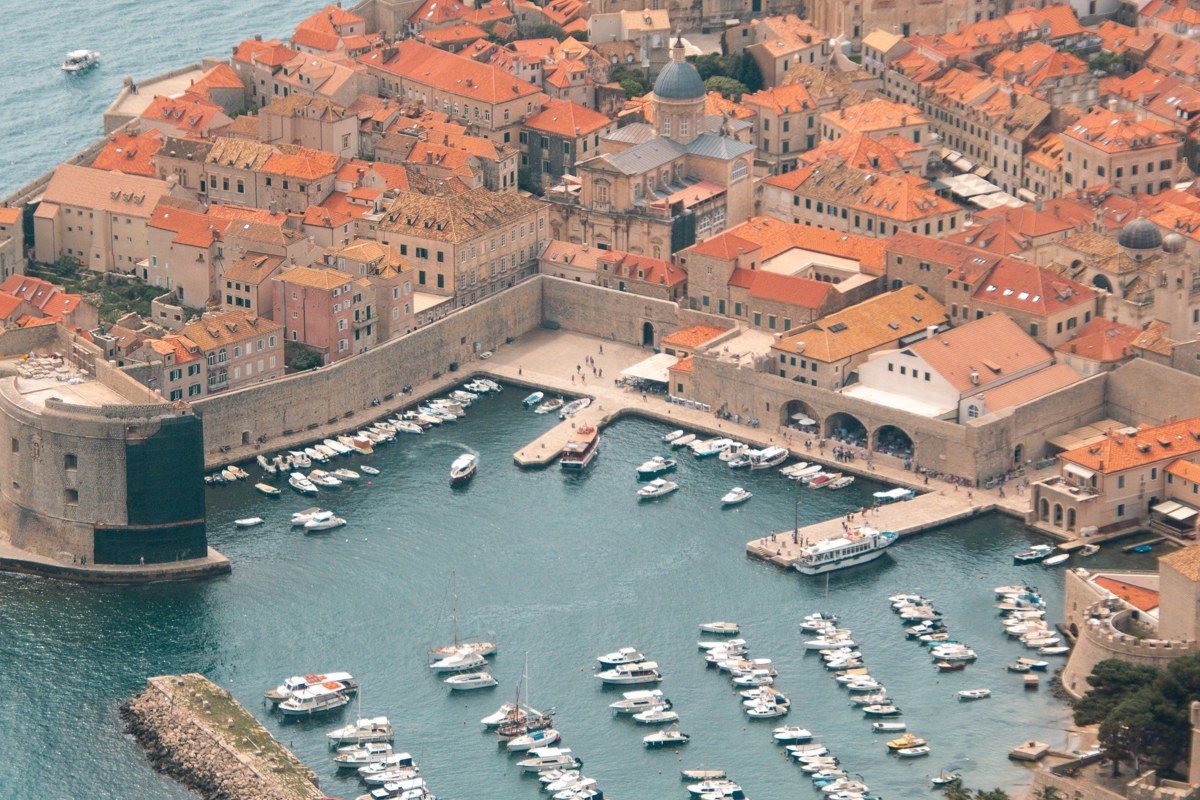
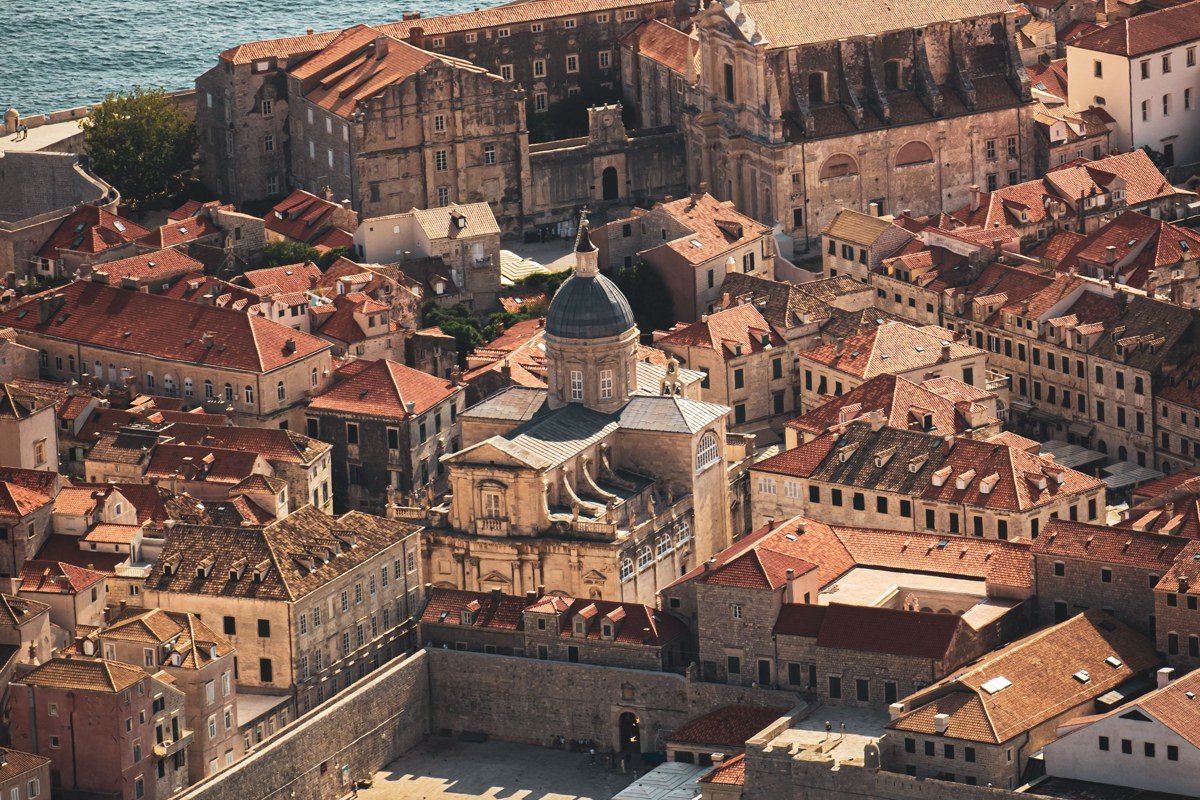
Hvar is the entry point for most travelers making this swap, and for good reason. The harbor front is genuinely cinematic: rust-orange Renaissance facades face a marina packed with wooden fishing boats, and the hilltop Spanish Fortress turns every late-afternoon photo into something that looks edited. The island also grows lavender commercially, so in late June the fields behind Stari Grad add a purple layer you will not find anywhere on the actual Greek islands.
The honest trade-off is that Hvar Town gets loud and expensive in July and August, nearly matching Mykonos energy on a Saturday night. Come in late May or September and you get the aesthetic without the crowd markup. Ferry prices drop, and the light is softer and more photogenic than the bleached-white glare of high summer.
Getting here: Foot-passenger ferry from Split with Jadrolinija, roughly two hours. No car needed for the town itself.
2. Vis Island, Croatia
Vis was a closed Yugoslav military base until 1989 and opened to foreign tourists only after that, which means it has aged more slowly than its neighbors. The town of Vis itself has the kind of quiet harbor promenade where fishermen actually fix nets rather than perform the activity for tourists.
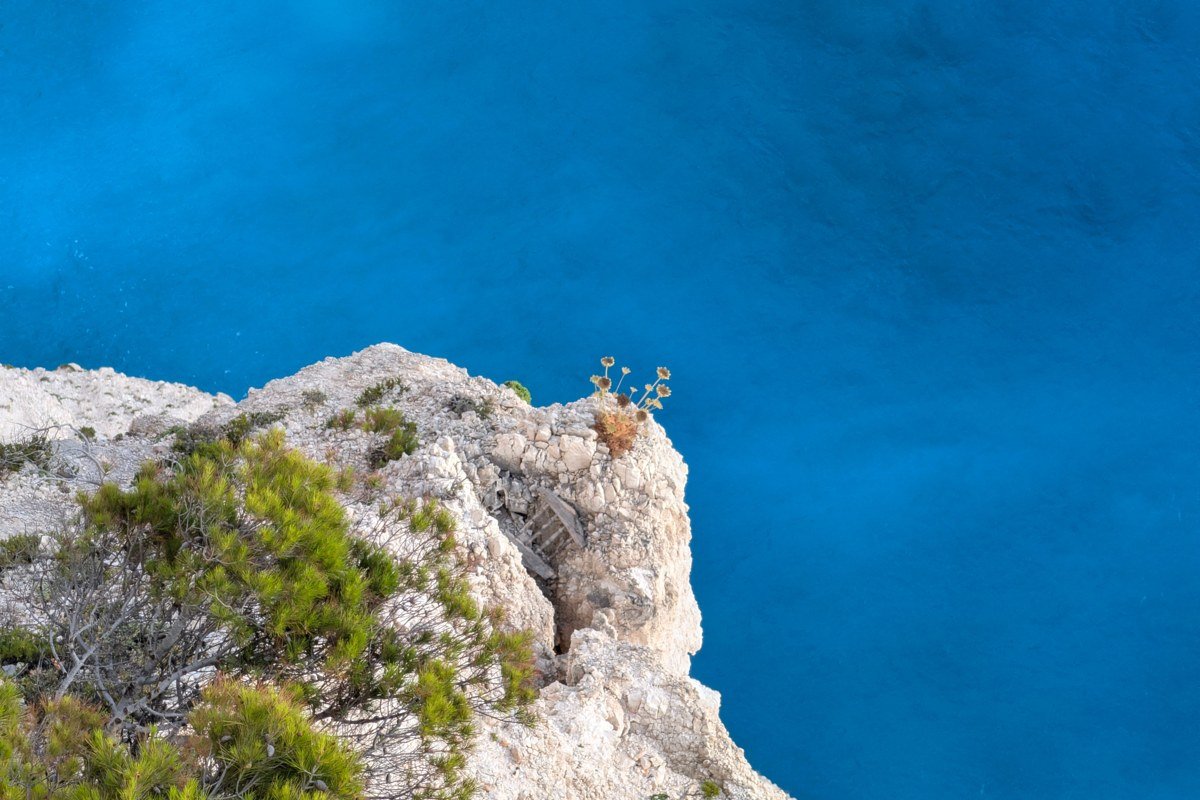
Stiniva Cove, a narrow slot through limestone cliffs that opens into a beach so sheltered and turquoise it photographs like a CGI render, is reachable by a 20-minute hike down a steep path or by boat taxi. Roki Tours operates regular taxi-boat runs from Vis town to Stiniva in season and can be booked at the harbor. For dinner afterward, Konoba Jastožera in Komiža is set inside a former lobster storage facility on the water and serves the kind of grilled fish that justifies the ferry journey on its own.
The local wine, Vugava, is made from a grape variety found almost nowhere else. Ordering a glass at a konoba with a water view is the correct move. Book accommodations well ahead even in shoulder season; the island has deliberately limited its bed supply.
Getting here: Ferry from Split as a foot passenger. A bicycle or scooter rental covers most of what the island offers.
3. Korcula Town, Croatia
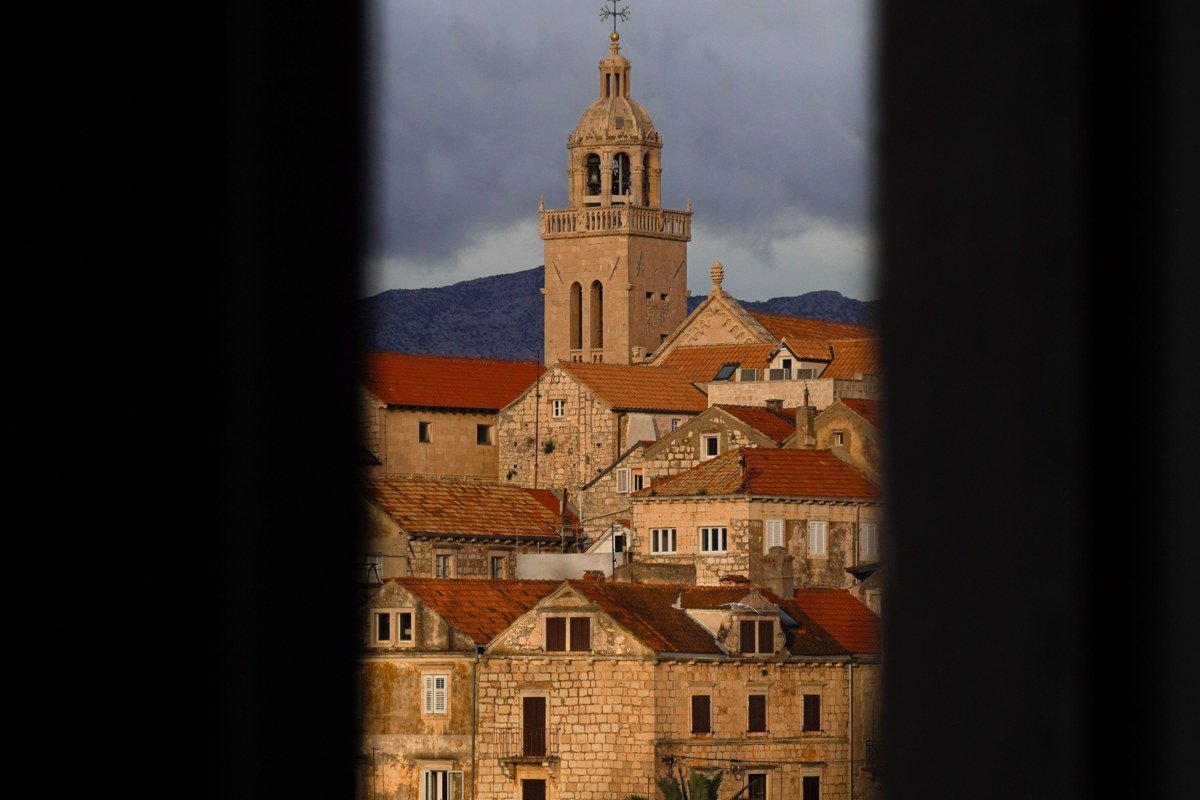
Korcula sits on a small peninsula and is occasionally called “Little Dubrovnik,” though it has a quieter, more residential feel that makes it more livable for a slow week. The old town walls are intact and you can walk their perimeter in under 20 minutes, catching views of the Peljesac Peninsula’s vineyards on one side and open Adriatic on the other.
Marco Polo was supposedly born here, a claim the town leans into cheerfully. The narrow lanes inside the walls follow a herringbone pattern designed to channel sea breezes while blocking winter winds, a piece of medieval urban planning that still works. The Moreska sword dance is performed regularly in summer and is genuinely worth attending rather than skipping as a tourist trap.
Getting here: Ferries and catamarans connect Korcula to Split and Dubrovnik. The old town is entirely walkable; no car needed.
4. Brac Island (Bol), Croatia
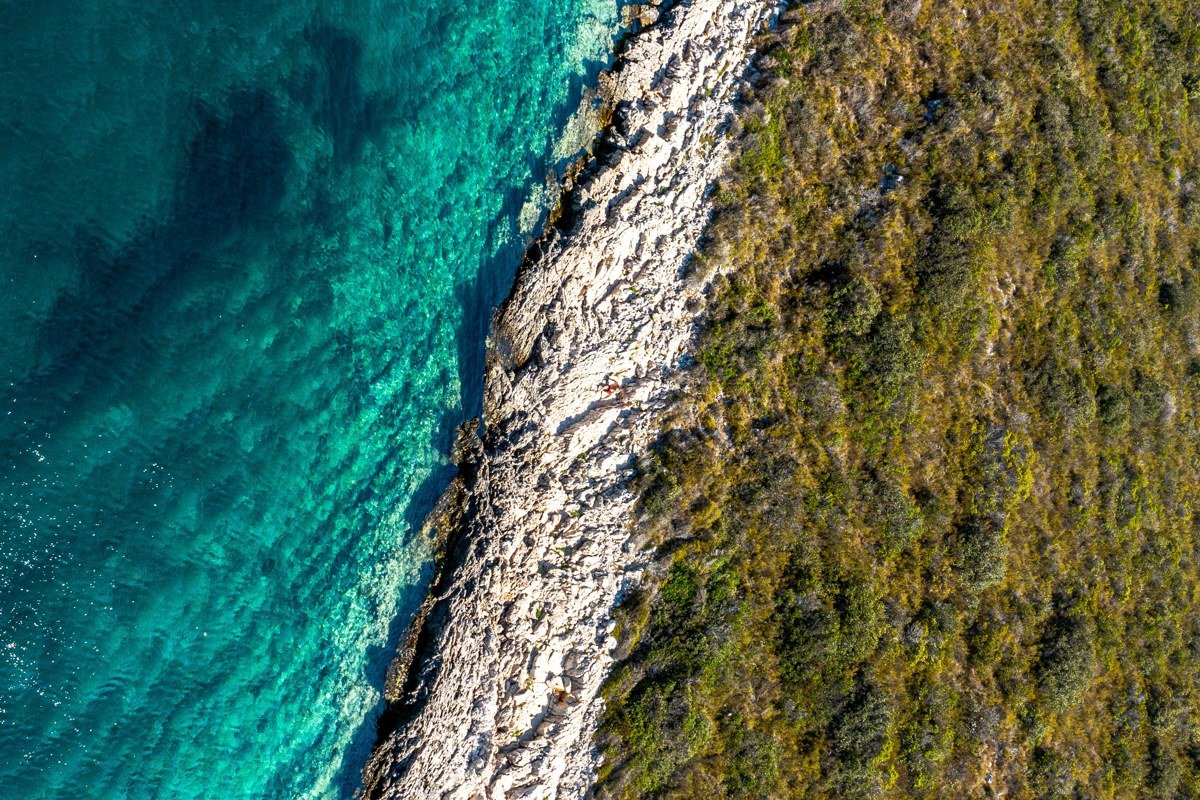
Zlatni Rat, the golden horn beach outside the town of Bol, is one of the most photographed strips of land in the Adriatic. It is a gravel spit that changes shape with the current and juts into water that shifts from green to deep blue depending on the angle of sunlight. The town of Bol itself is smaller and more genuinely local-feeling than Hvar, with a Dominican monastery from the 15th century perched on the rocky coast just east of the main beach.
The interior of Brac is worth a half-day by rental scooter. The island’s quarries produced the white limestone used in Diocletian’s Palace in Split, and local tradition credits this same stone as a source for the White House in Washington, though that claim is best held lightly. Windsurfers and kitesurfers are drawn to the reliable maestral wind, so the beach has a sporty energy that contrasts nicely with the postcard visuals.
Getting here: Car ferry or catamaran from Split. A scooter rental is worthwhile if you plan to explore beyond Bol.
5. Stari Grad, Croatia (Hvar Island)
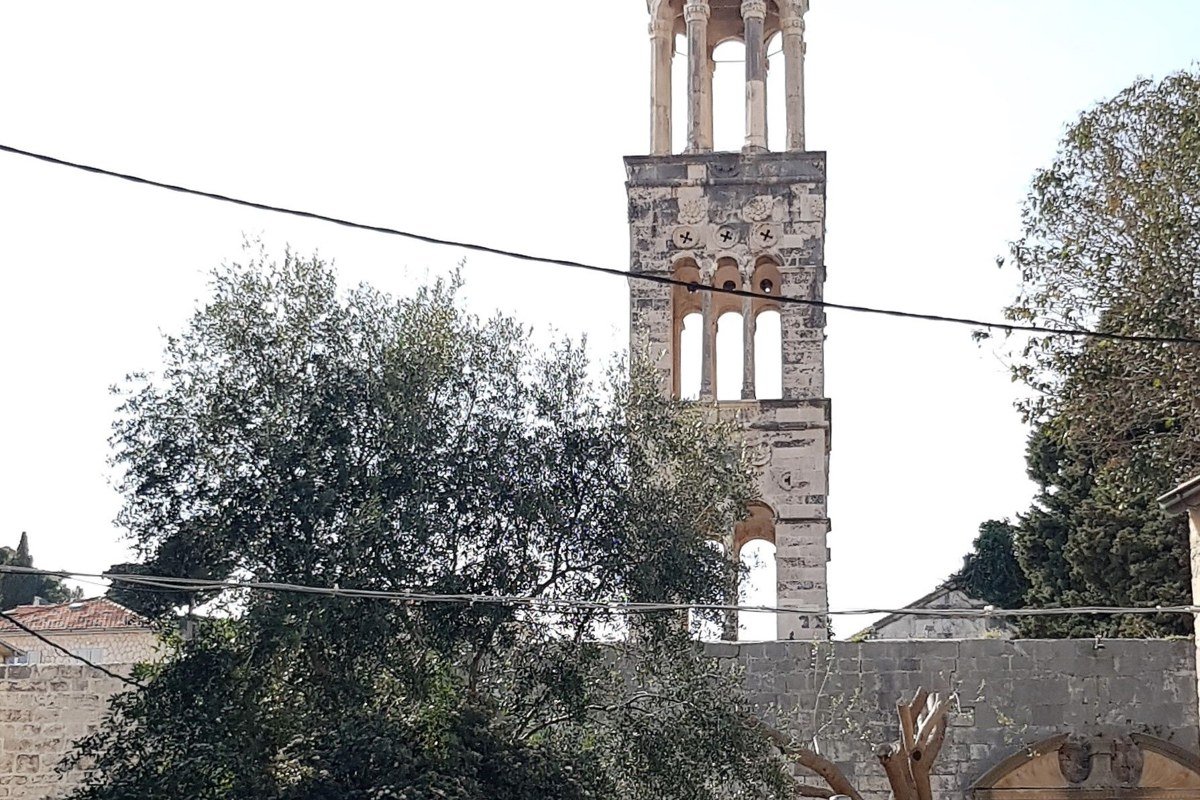
While Hvar Town parties, Stari Grad on the same island reads like a different century. It holds one of the oldest continuously inhabited settlements in Europe, and the agricultural plain behind it, divided into stone-walled plots by Greek colonists around 384 BC, is a UNESCO World Heritage Site. Walking those field paths at dusk, with olive and lavender plots extending to the hills, is about as close as you will get to ancient Mediterranean atmosphere without a flight to Athens.
The town harbor is genuinely sleepy: cats outnumber tourists on most mornings in June, and the main square has a coffee shop that has not updated its interior since the 1980s, which is charming rather than neglected. This is the base to choose if you want Hvar Island proximity without Hvar Town pricing.
Getting here: The main Hvar Island car ferry docks at Stari Grad, not Hvar Town, making this the quieter, cheaper arrival point for foot passengers and drivers alike.
6. Dubrovnik’s Elafiti Islands, Croatia
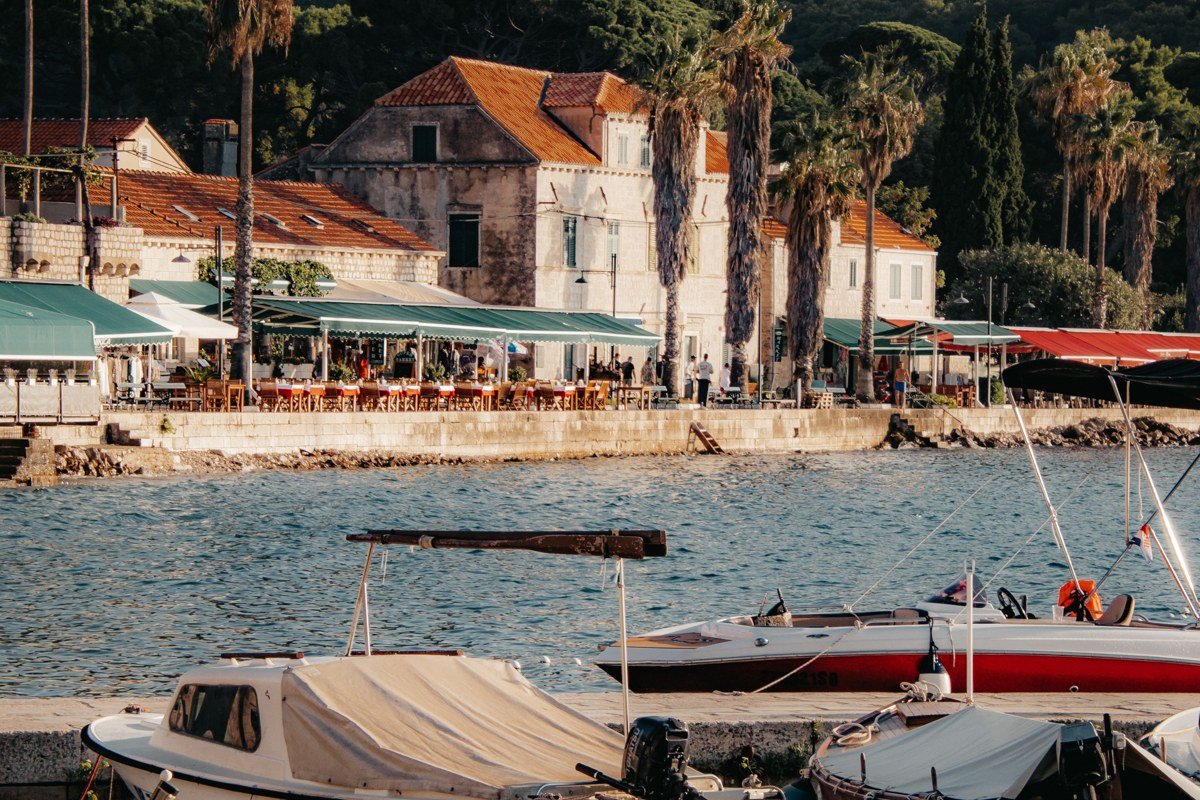
Three small islands, Kolocep, Lopud, and Sipan, sit a short ferry ride from Dubrovnik and are almost entirely car-free. Lopud is the most accessible and has a broad sandy bay called Sunj that is rare along this mostly rocky coast. Walking the lane from the ferry dock to Sunj takes about fifteen minutes past fig trees leaning over stone walls, a crumbling Franciscan monastery with a cloister garden open to visitors, and the occasional cat sleeping in a windowsill. It is a specific, self-contained prettiness that has nothing to do with Greece and everything to do with this particular island’s pace and scale.
Day-trippers from Dubrovnik arrive by catamaran but tend to cluster and leave by late afternoon, which means anyone staying overnight gets the island nearly to themselves in the evening. Options are limited but Vila Lafodia, a recently renovated property on the harbor, is the most reliably bookable choice. Sipan is the largest and most agricultural of the three, with a quiet port and Renaissance summer houses built by Dubrovnik nobles who wanted sea breezes in summer.
Getting here: Regular Jadrolinija ferry from Dubrovnik’s Gruz harbor. No car needed or permitted on Lopud.
7. Kotor, Montenegro
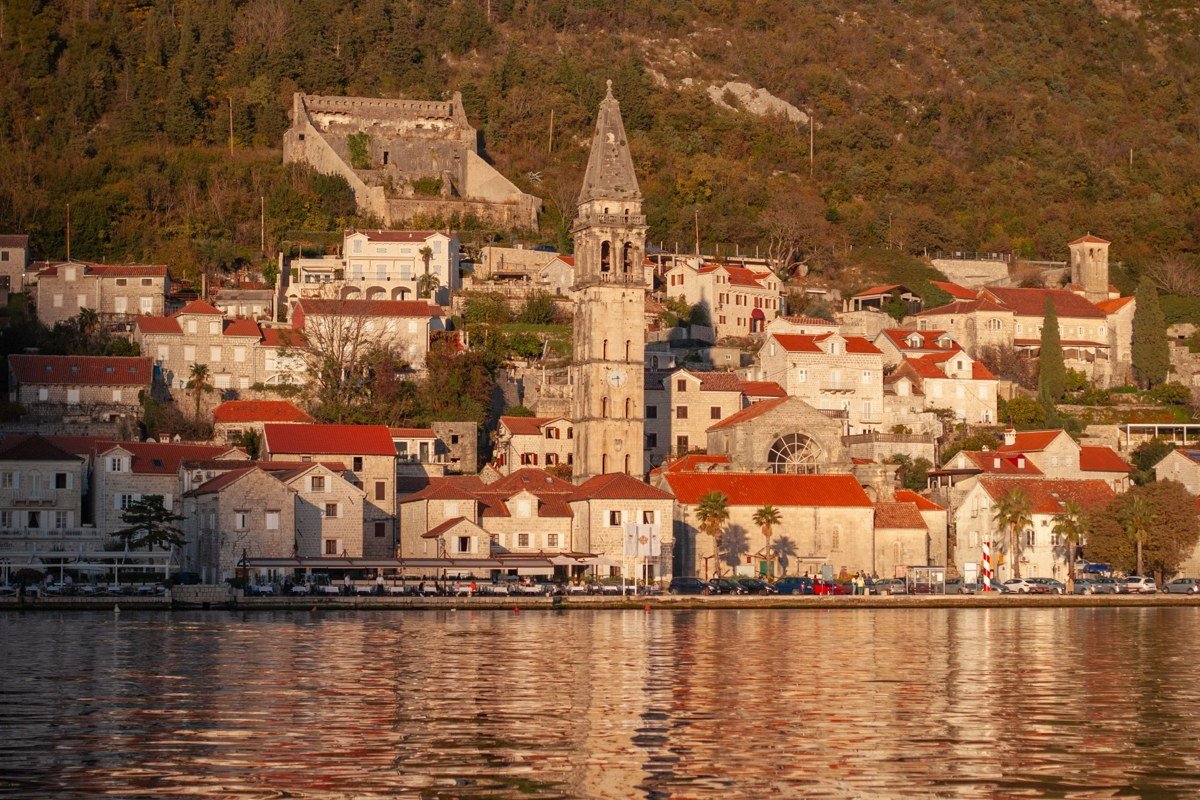
Kotor is technically on the Adriatic but feels like a Venetian-Byzantine hybrid tucked into a fjord, making it visually unlike anywhere else on this list. At eight in the morning, when fog is still burning off the bay walls and the mountains behind the city are shifting from grey to green, the light here is extraordinary in a way that has nothing to do with the predictable blue-sky postcard. By dusk those same mountains go purple above the terracotta roofline of the old town.
The old town walls climb straight up the limestone cliff behind the city, and hiking to the fortress of San Giovanni takes about 45 minutes and rewards you with a perspective that captures the entire bay. The Cathedral of Saint Tryphon has a mosaic floor and a treasury worth seeing rather than walking past. The honest caveat is that Kotor’s main square gets extremely crowded when cruise ships dock; arriving before 9 am or after 5 pm puts you in a completely different city.
Getting here: Bus from Dubrovnik or Tivat airport. The old town is walkable. A car is useful for day trips around the bay to Perast.
8. Perast, Montenegro
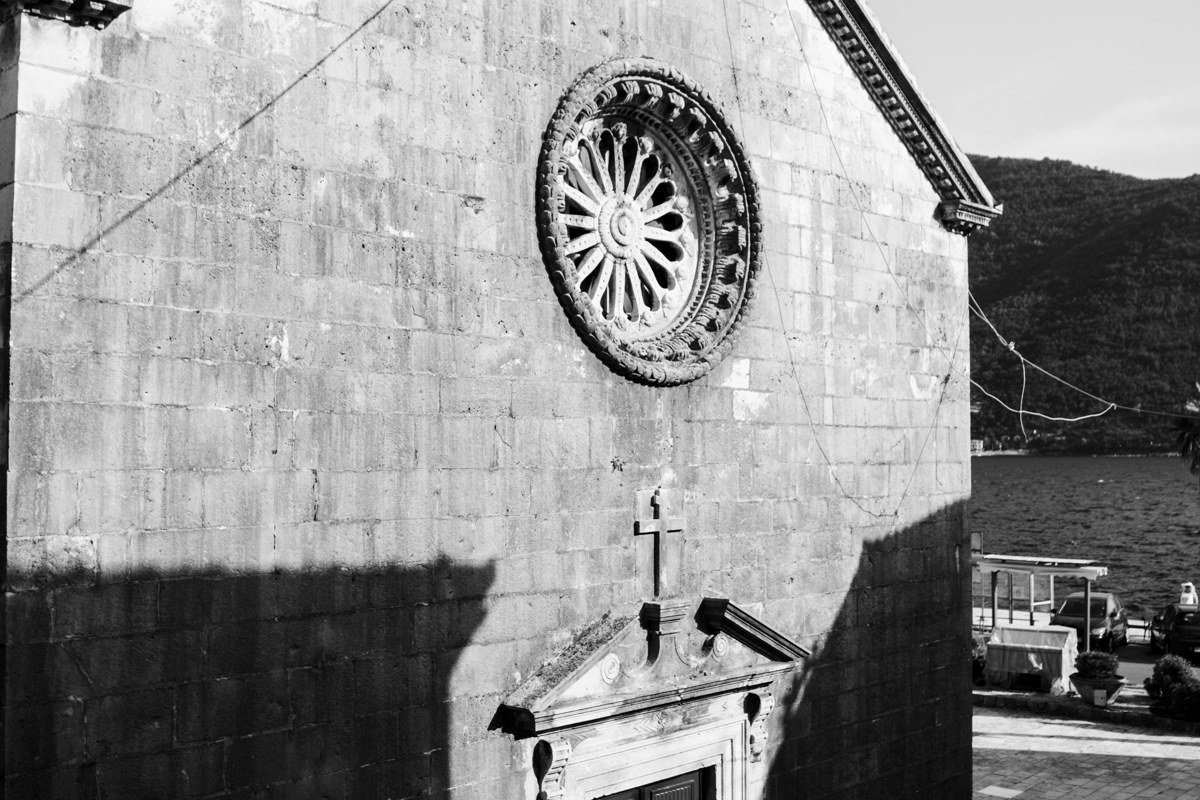
A 20-minute drive around the bay from Kotor, Perast is a single-street baroque village with 16 churches and two small islands sitting just offshore. The more famous island, Our Lady of the Rocks, is artificial, built up over centuries by sailors dropping stones every time they passed safely through the bay. The church on it is covered in silver votive tablets and 17th-century embroidery stitched by a local woman who worked on it, according to the guide notes inside, for 25 years.
Perast was once wealthy enough to have its own naval academy, and Peter the Great sent officers here to train. The old palaces lining the waterfront still have the proportions of serious money even in their faded state. Because most visitors do Perast as a quick stop between Kotor and Budva, arriving for lunch and staying until the afternoon boats thin out gives you a quieter, more generous version of the place. Hotel Palazzo Radomiri, a restored 18th-century building on the waterfront, is the named option for anyone wanting to stay.
Getting here: No direct bus; a taxi from Kotor or a rental car is the practical choice.
9. Himara, Albania
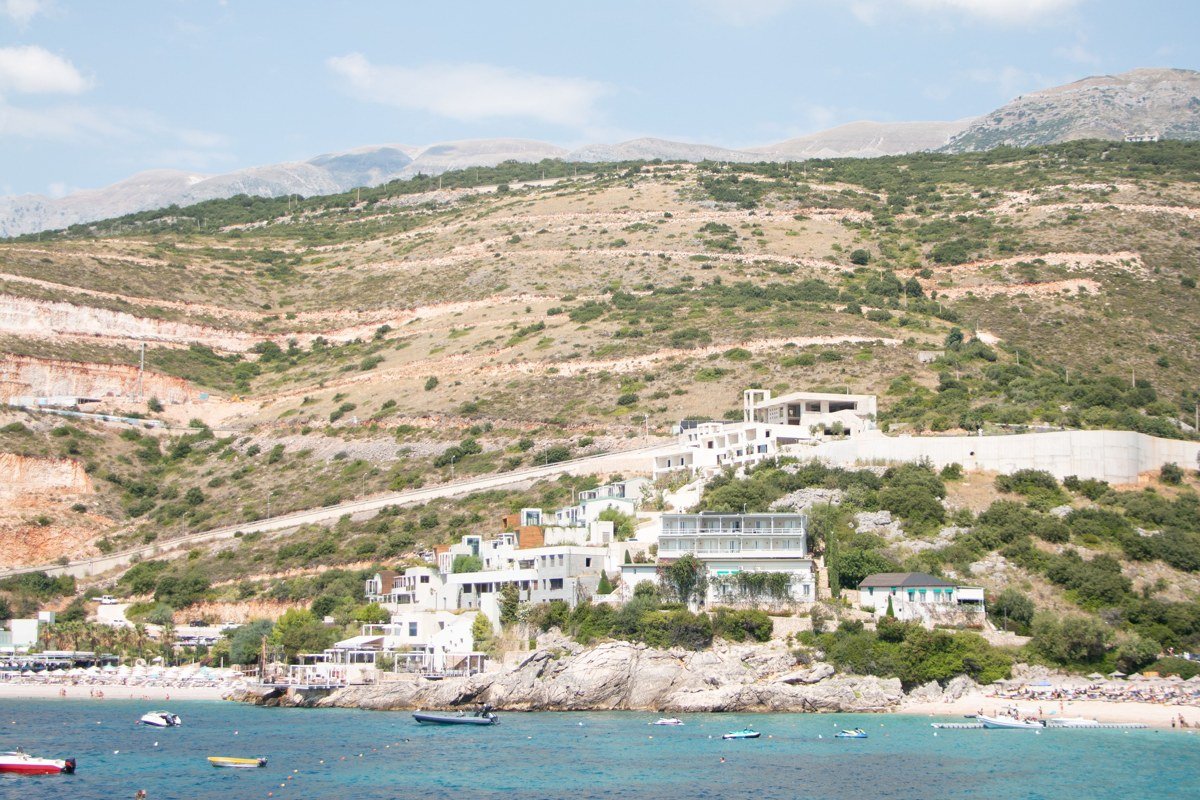
Albania’s southern coast is the current open secret of Mediterranean travel, and Himara is its most balanced entry point. The water at the town beach is a specific shade of lapis that appears in almost no other sea at this latitude, and photographs taken here are routinely mistaken for Lefkada or Kefalonia.
Above the modern town, the old castle village is Kalaja e Himarës, a partially inhabited, partially ruined settlement that you walk through alone most mornings. Inside the castle perimeter, Orthodox frescoes from the 17th century are still visible on the interior walls of the small church of Saint Athanasius, faded but recognizable, with no rope barrier between you and them. That level of unmediated access to something genuinely old is increasingly rare on this coast.
Food costs are dramatically lower than anywhere in Croatia: a fresh grilled fish and a carafe of local wine at a waterfront restaurant runs to something a Dubrovnik visitor would consider implausible. For a reliable mid-range stay, Guesthouse Himara View offers rooms with direct sea sight lines and is consistently reviewed for cleanliness and helpfulness with local logistics. The trade-off is infrastructure: roads can be rough, and accommodation ranges from boutique-quality to genuinely basic, so reading reviews carefully before booking matters here.
Getting here: A rental car from Tirana or Corfu ferry crossing to Saranda and onward by bus or taxi. This destination is difficult to reach comfortably without either a car or a pre-arranged transfer.
10. Sazan Island and Karaburun Peninsula, Albania
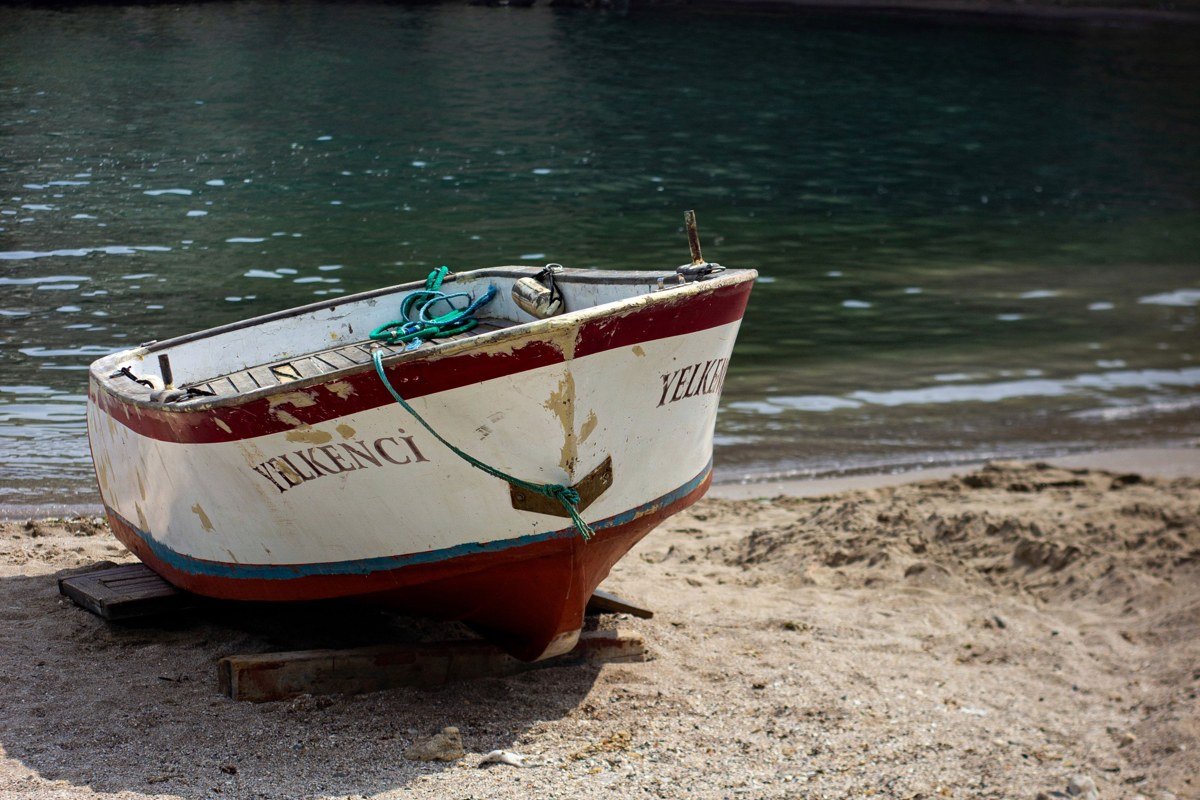
This entry is for travelers who want the untouched version of the Mediterranean aesthetic rather than the polished one. The Karaburun Peninsula, accessible only by boat from Vlora, is a protected nature reserve with sea caves that glow emerald from the inside due to the angle of sunlight through submerged openings. Sazan Island next to it was a heavily fortified military base until the 1990s and still has the air of a place that has not caught up with tourism.
Day boat trips from Vlora combine both and are affordable by any standard. Karaburun Sailing, based at Vlora harbor, runs regularly scheduled day trips and can accommodate small private groups. This is not a place for a relaxed harbor lunch and aperitivo. It is a place for people who want to feel like the first visitors somewhere genuinely wild on a coast that is rapidly being discovered.
Getting here: Vlora is reachable by bus from Tirana. The boat trip itself replaces any need for a car, but getting to Vlora without one requires planning.
Practical Takeaway
The Adriatic corridor from Split down through Albania offers a more budget-friendly, less crowded path to the Greek Isle aesthetic, but a few logistics matter.
Ferry planning is the central skill. Croatia’s island ferry system is run by Jadrolinija and is reliable but limited in off-peak months. Book vehicle ferries weeks in advance in July and August. Foot-passenger spots are almost always available, which is one reason traveling without a car simplifies things considerably.
The best timing for most of these destinations is late May through mid-June, or September into early October. Prices are lower, the water is warm enough for swimming, and the light in shoulder season is genuinely better for photography than the bleached midday white of August.
Albania requires a small mindset adjustment. ATM coverage is not universal, and some areas run on cash. Bring euros, which are widely accepted alongside the lek. The reward for that minor friction is a coast that looks like the Ionian islands did before mass tourism found them.
For the Greek Isle aesthetic specifically, blue-and-white architecture is most pronounced in Hvar, Korcula, and Himara. For dramatic scenery with Venetian overtones, Kotor and Perast are the call. For true solitude with raw natural color, Karaburun is in a category by itself.