
A darecation is a trip built around physical fear as the primary itinerary driver, not scenery or relaxation. New Zealand’s South Island is the ideal place to build one: no other landmass this size stacks glacier access and Grade V whitewater within a single afternoon’s drive. You can step off a glacier in the morning and be chest-deep in a Grade V rapid by afternoon, all within two hours. If you have been eyeing Patagonia for your next big trip, read this first.
1. Franz Josef Glacier and Waiho River, Westland
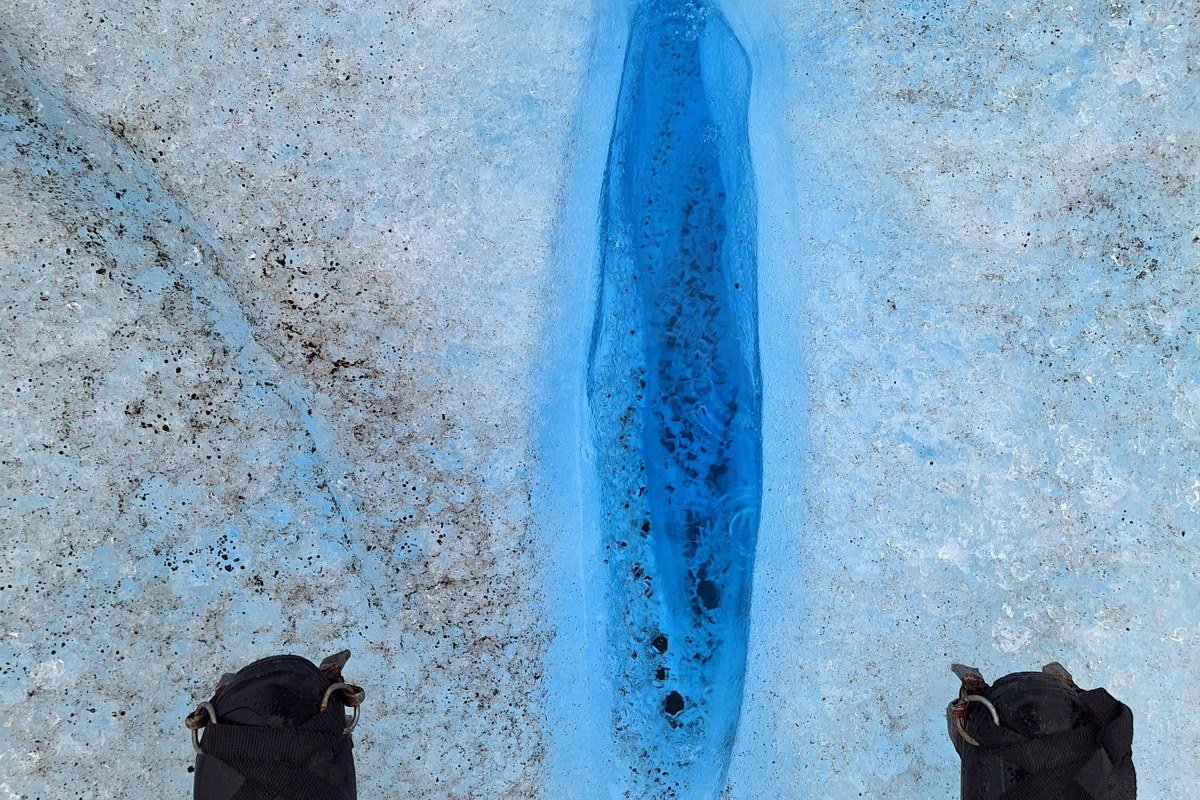
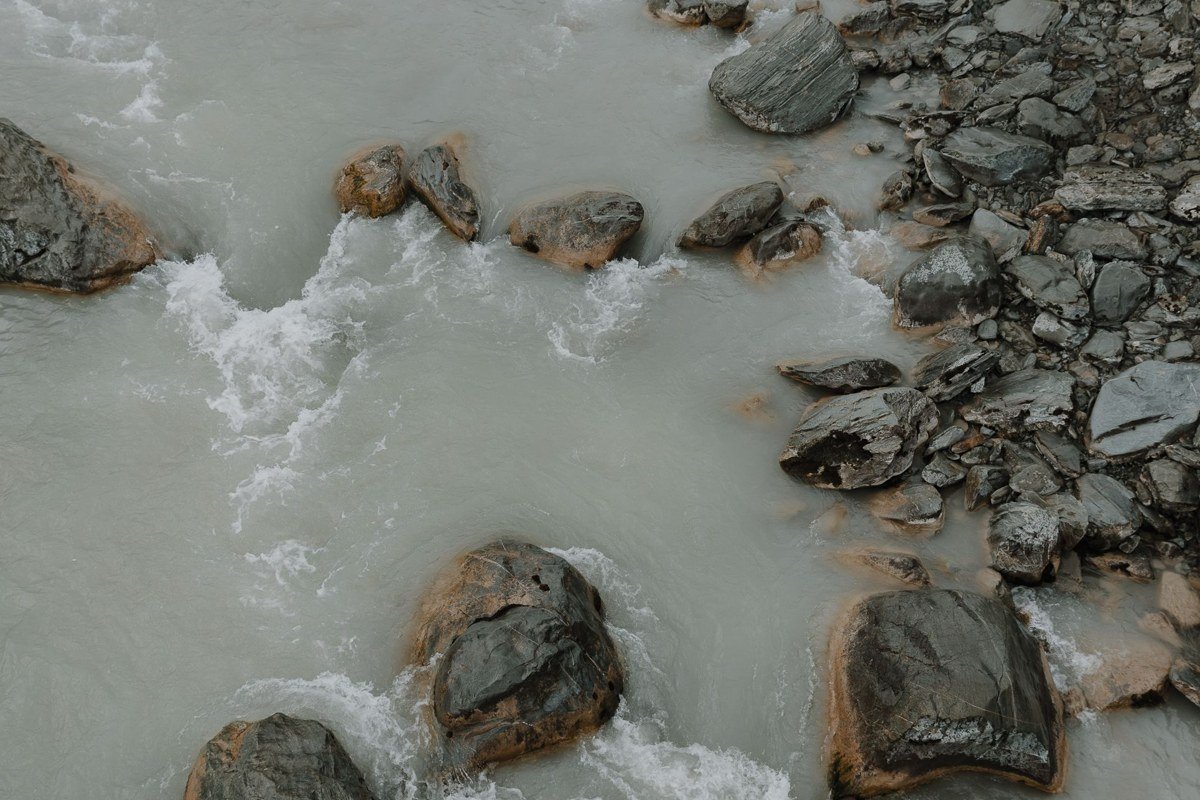
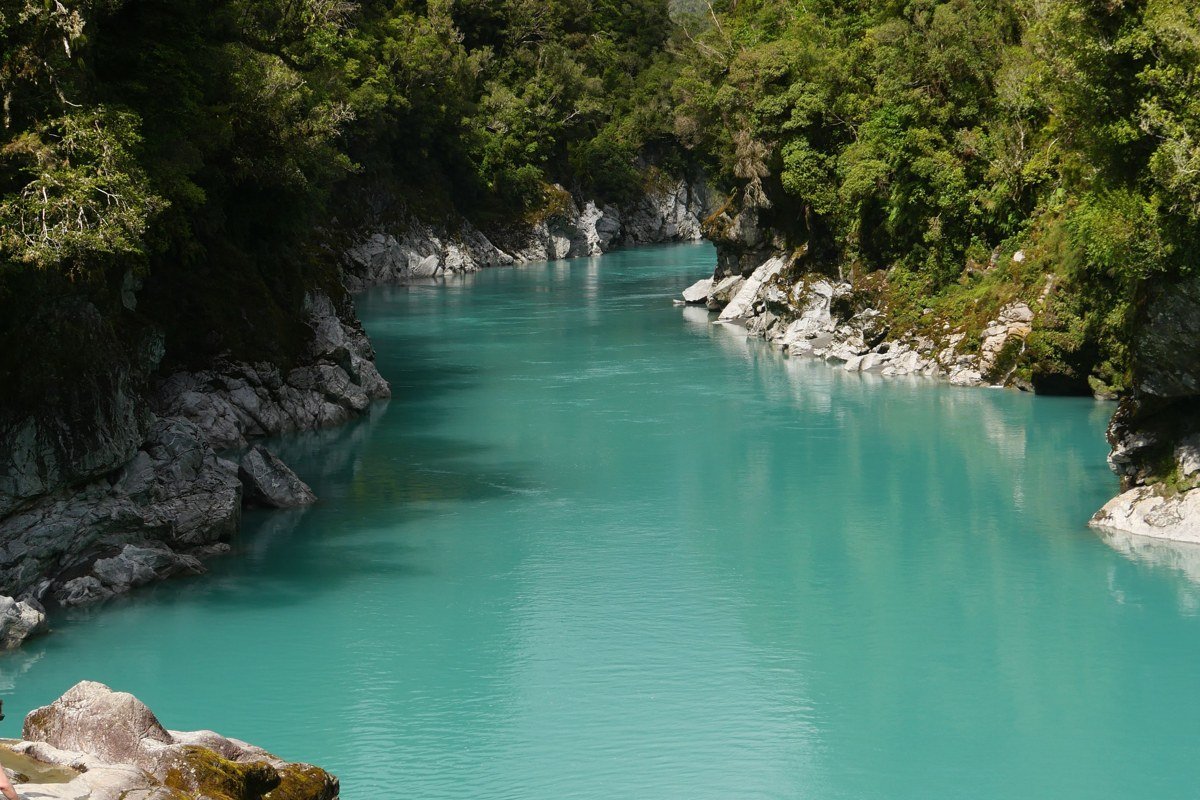
Franz Josef is the headline act on the West Coast, and for good reason: the glacier descends to roughly 240 metres above sea level, making it one of the lowest-altitude temperate glaciers on Earth. The standard heli-hike drops you onto the upper neve where ice towers glow an almost ultraviolet blue in direct sun. After the helicopter returns you to the valley floor, local operators (including Franz Josef Glacier Guides, the longest-established outfit on the ice) run half-day raft trips on the Waiho, a short but punchy river fed directly by glacial meltwater whose milky turquoise colour photographs brilliantly against the rainforest walls. The insider tip is to book the earliest heli slot (usually 7:30 a.m.) before cloud rolls in from the Tasman, then be at the river by noon when the light is still catching the canyon walls.
2. Fox Glacier and Cook River, South Westland
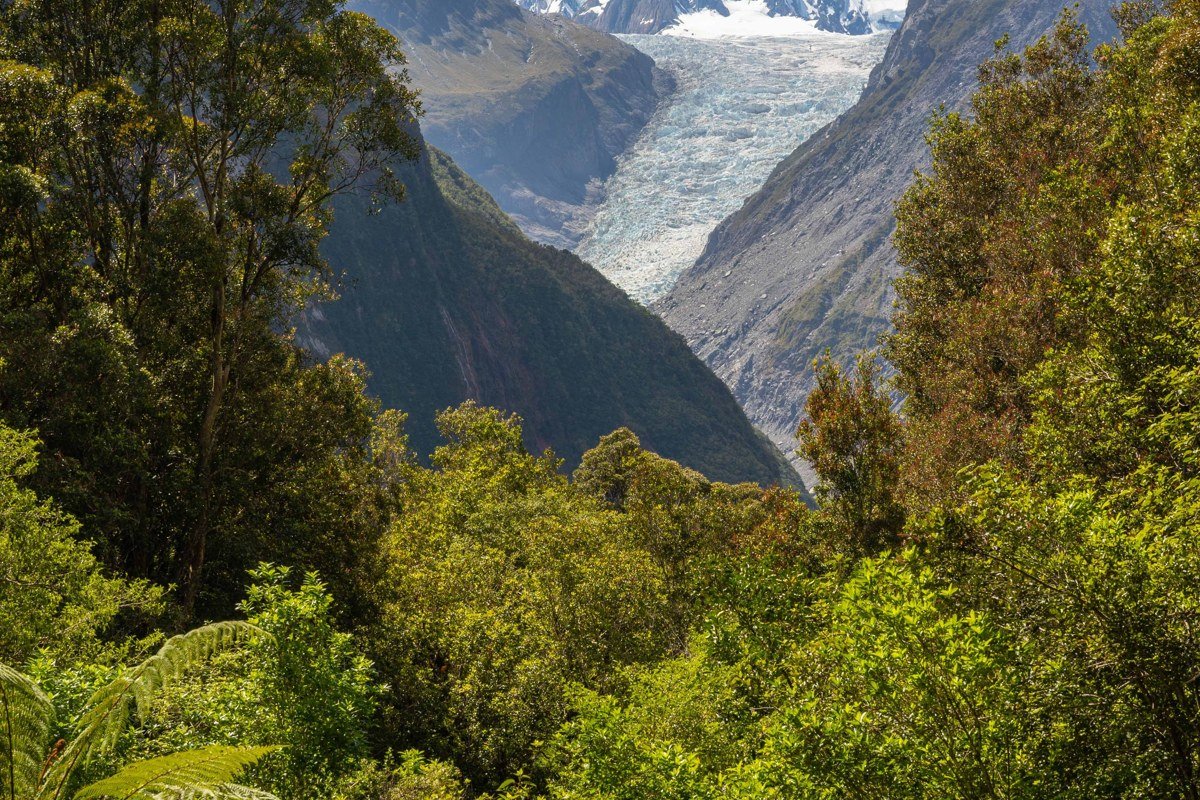
Fox Glacier sits just 25 kilometres south of Franz Josef and gets a fraction of the visitor numbers, which matters on the ice because smaller groups mean more time to explore side crevasses with your guide. The terminal face is dramatically closer to the valley road than most people expect, and the surrounding podocarp rainforest, full of kahikatea and rimu, creates a genuinely surreal backdrop of green meeting white. The Cook River downstream from the glacier runs a technical Class III-IV stretch through a gorge that most mainstream operators skip entirely, favouring the Waiho. Book with a smaller West Coast outfitter such as Wilderness Rafting, which scouts lower-traffic runs on request, and you will almost certainly have the canyon to yourself. Timing note: river levels are highest and most photogenic in late spring (November) when snowmelt volume is peaking.
3. Haast River and the Southern Alps Divide, Haast Pass
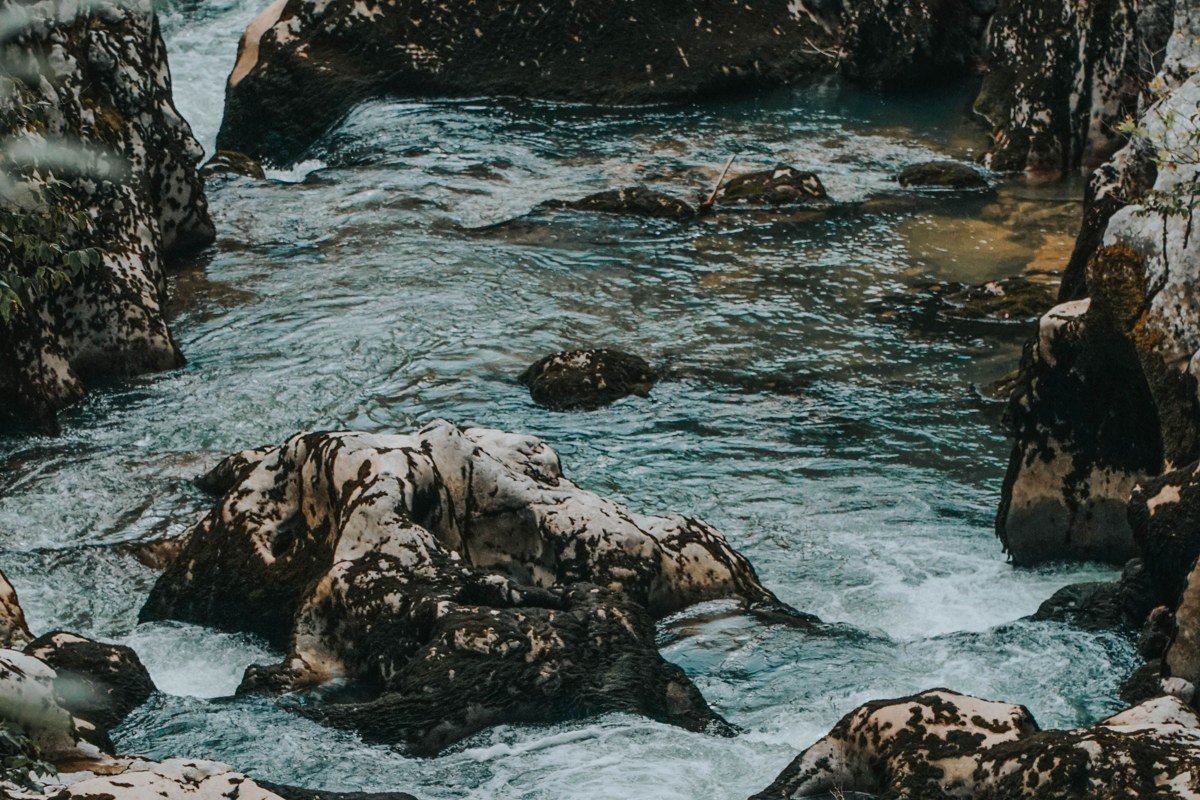
The Haast Pass corridor is the only road in New Zealand that connects the West Coast to the inland basins through genuinely wilderness-scale terrain, and the river that shares its name is the country’s most voluminous. Multi-day raft expeditions on the upper Haast push through towering schist gorges where cell service does not exist and resupply by road is impossible. The nearby Balfour Glacier and the hanging glaciers above the Gates of Haast are close enough to be visible from the river, lending the surreal quality of drifting past 3,000-metre ice walls while reading whitewater at your feet. This is the most committing darecation option on this list: a genuine expedition, not a day trip. Go in February when the weather window is most stable and the river is running full but not in flood.
4. Rangitata River and Aoraki/Mount Cook Corridor, Canterbury
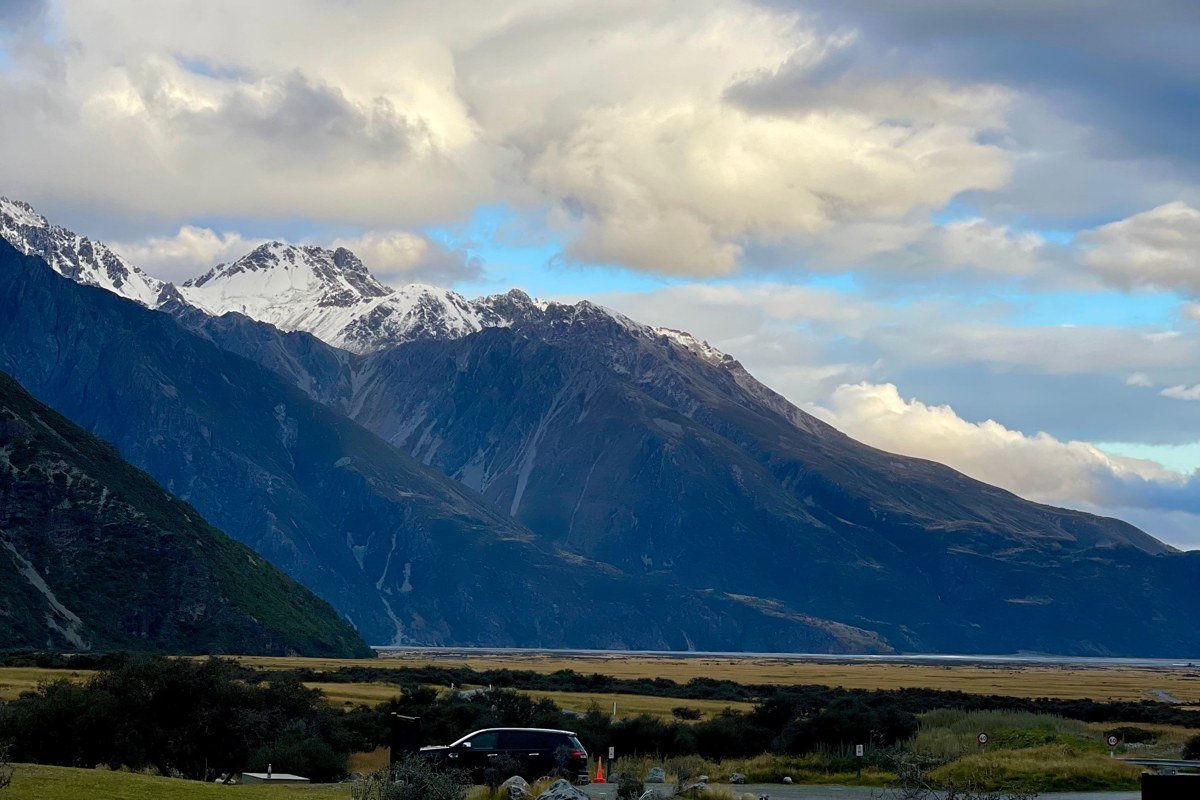
The Rangitata’s Grade V gorge section is frequently cited by professional kayakers as one of the best commercially rafted runs in the Southern Hemisphere, with a sequence of named rapids including the Toilet (formally known on operator safety briefings as “The Toilet Drop,” a hydraulic that recirculates and commands genuine respect, and whose name is a real quirk of New Zealand river culture rather than marketing). The river drains from the Main Divide glaciers, and if you drive the upper catchment road past the rafting take-out point, you reach the Potts River junction with clear sightlines to the glaciated peaks of the Two Thumb Range. Aoraki/Mount Cook, home to the Tasman Glacier (the longest in New Zealand at roughly 23 kilometres), is a 90-minute drive northeast. A practical two-day itinerary puts you on the Rangitata on day one and on a Tasman Glacier hike or ski-plane landing on day two. Operators such as Rangitata Rafts run the gorge section daily during the season and book out fast in January and February when availability competes with domestic summer holiday traffic.
5. Landsborough River and Bonar Glacier, Southern Alps
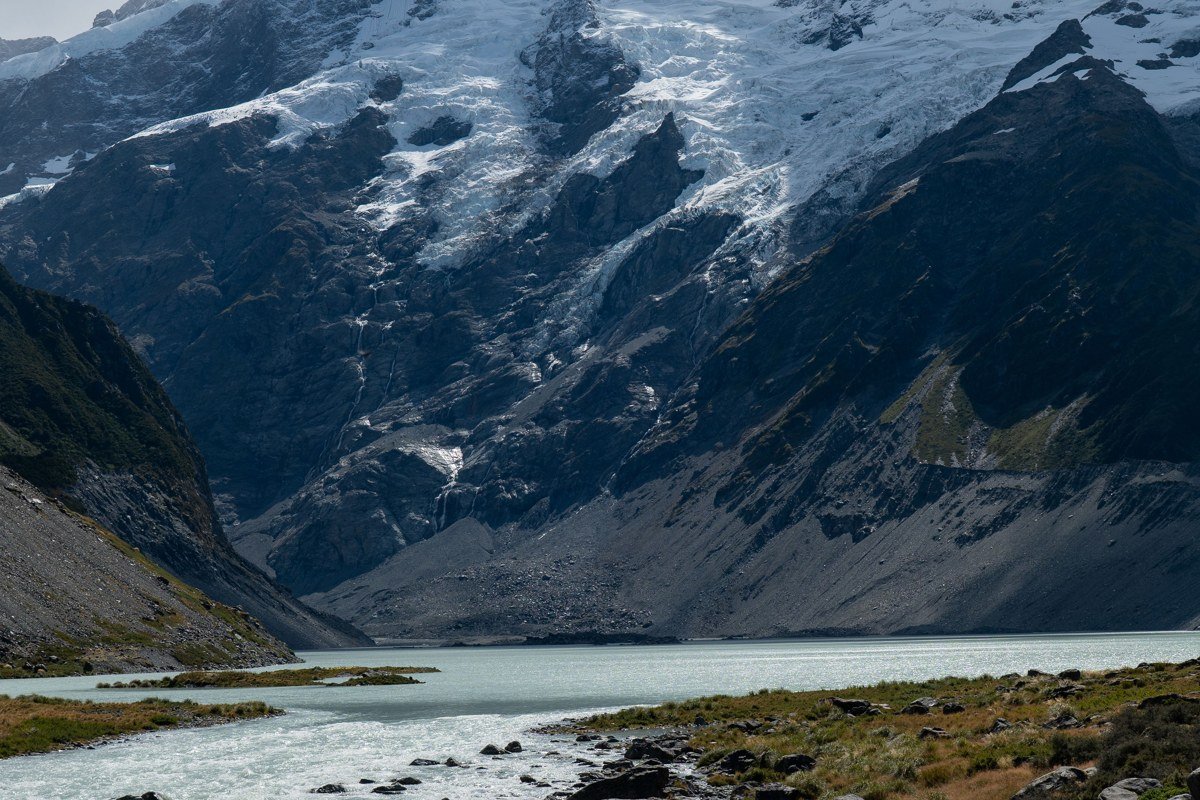
The Landsborough is a name known primarily to serious wilderness rafters and hunters, and that exclusivity is exactly the point. Access requires a helicopter drop into the upper valley, and the multi-day journey out involves continuous technical paddling through a gorge that has no road egress. The Bonar Glacier on the Mount Aspiring massif drains into the same catchment, and guided mountaineering parties descend it to reach the valley floor. The unusual logistic here is that some operators coordinate a combined package: mountaineers and rafters share helicopter costs in, and the rafters float out while the climbers exit via a different ridge route. This is a trip for people with strong paddling skills or a willingness to paddle with a highly experienced guide, not a beginner tour.
6. Shotover River and Mount Aspiring, Queenstown Region
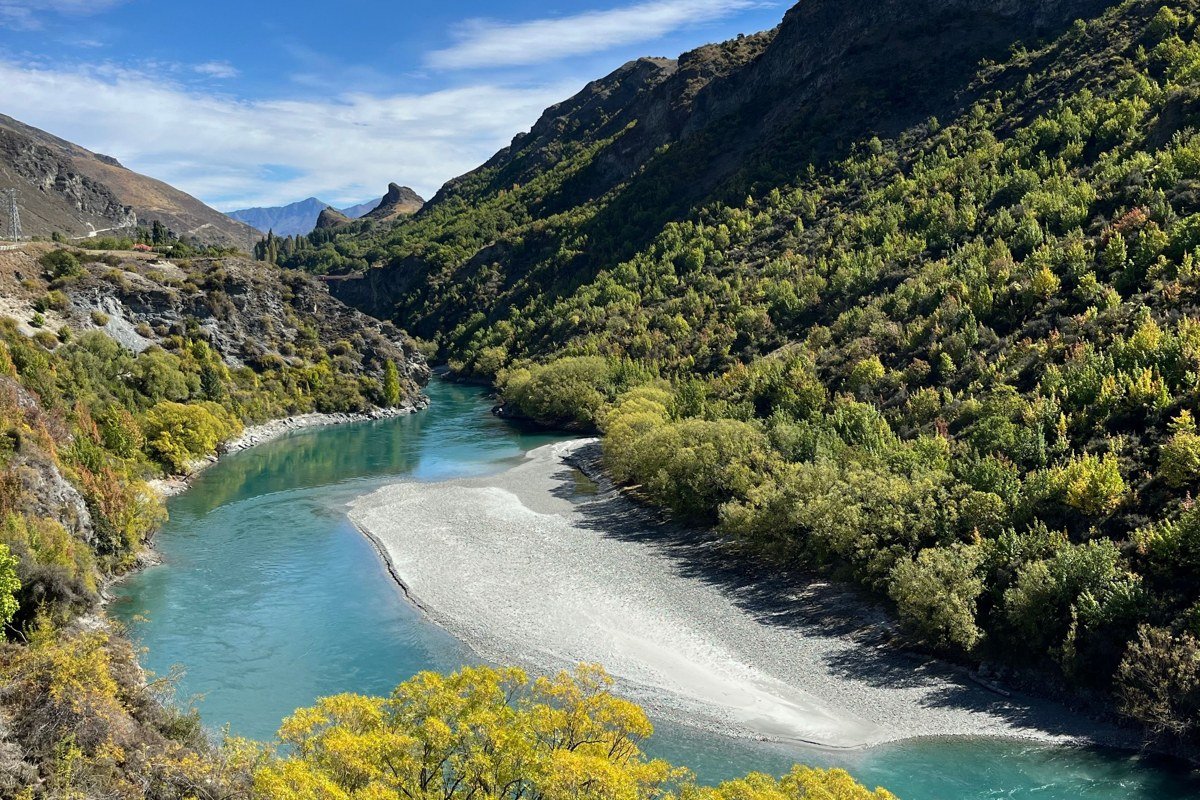
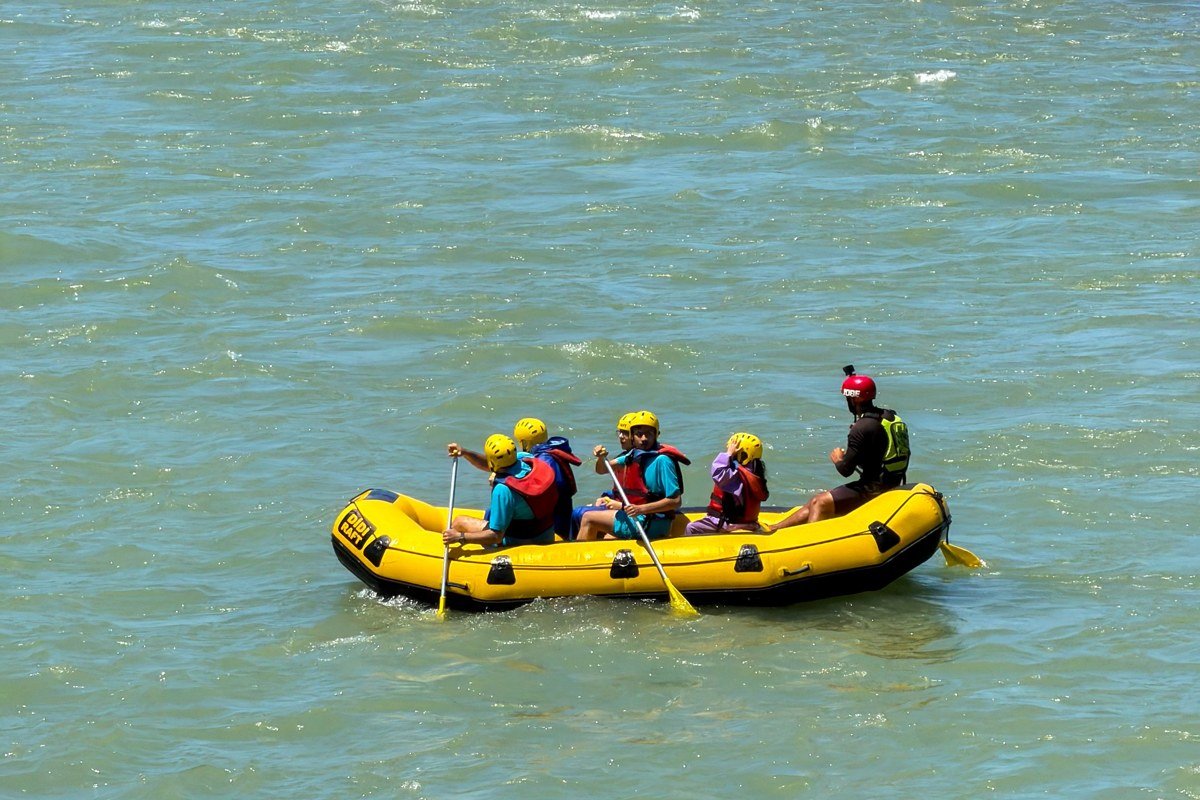
Queenstown built its adventure economy around the Shotover, and the river absolutely delivers: the canyon walls are vertical schist, the gradient is relentless, and the Toilet and Jaws rapids are technical enough to keep experienced paddlers honest. (The Shotover’s Toilet rapid is a separate feature from the Rangitata’s rapid of the same name, and the coincidence is a genuine quirk of New Zealand river-naming culture.) The infrastructure around Queenstown is the best-developed on this list, which means you can combine river time with a guided glacier flight to Mount Aspiring’s northwest ridge glaciers on the same calendar day without logistical heroics. Queenstown-based operators including Queenstown Rafting run the Shotover daily, though morning slots in peak summer (December to February) will have multiple rafts on the water simultaneously. Book a late-afternoon slot to get softer golden-hour light on those canyon walls, and choose an operator who runs smaller six-person rafts rather than the larger commercial boats.
7. Kawarau River and Harris Mountains Glaciers, Central Otago
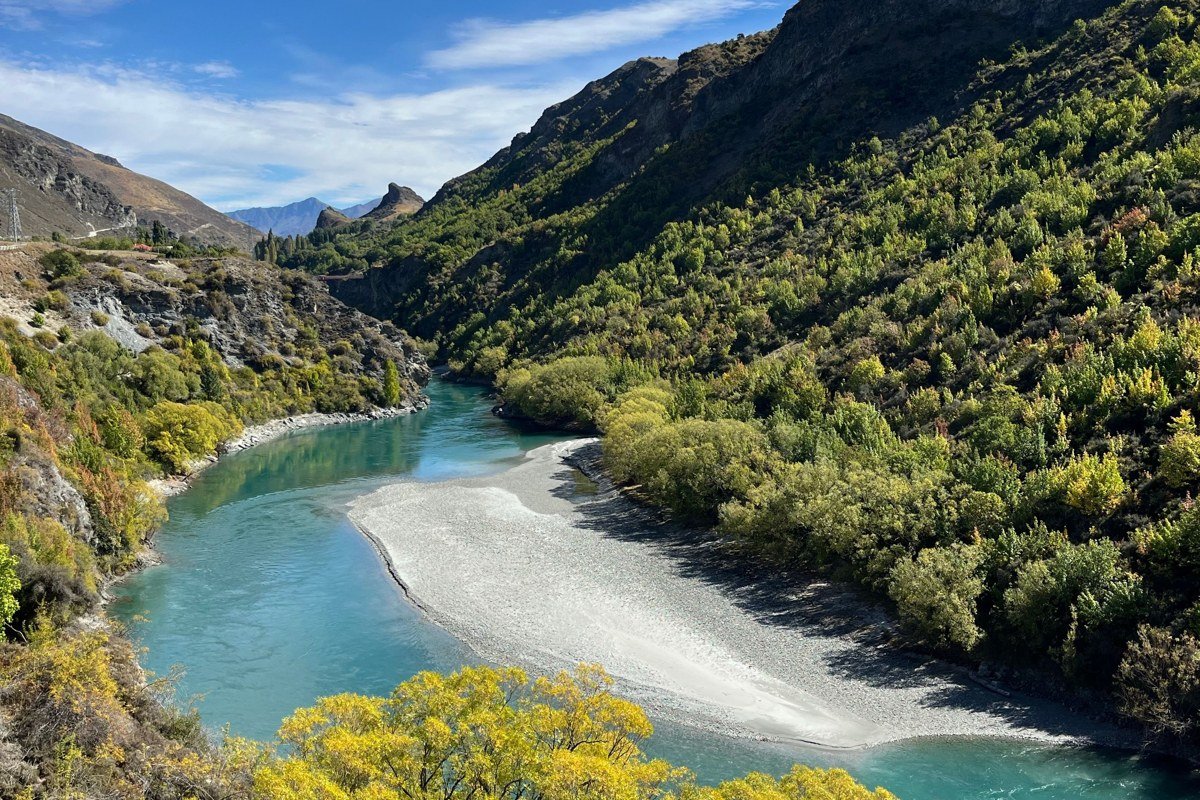
The Kawarau is best known as the birthplace of commercial bungee jumping, but its rafting is frequently overlooked in favour of the flashier Shotover. That is a mistake. The river runs through the Gibbston Valley, which in autumn (March to May) turns a deep amber and gold from planted vineyards and native shrubs, creating colour combinations that are exceptional for photography. The water volume is larger and more forgiving than the Shotover, making it a better choice for mixed-ability groups where some paddlers are new to moving water. The Harris Mountains above Wanaka hold permanent glaciers with year-round ski-plane access through Glacier Southern Lakes Helicopters, and the drive from the Kawarau take-out to Wanaka’s airport takes under an hour. This pairing works well for anyone who wants genuine glacier access without committing to a full mountaineering objective.
8. Clarence River and the Seaward Kaikoura Range, Marlborough
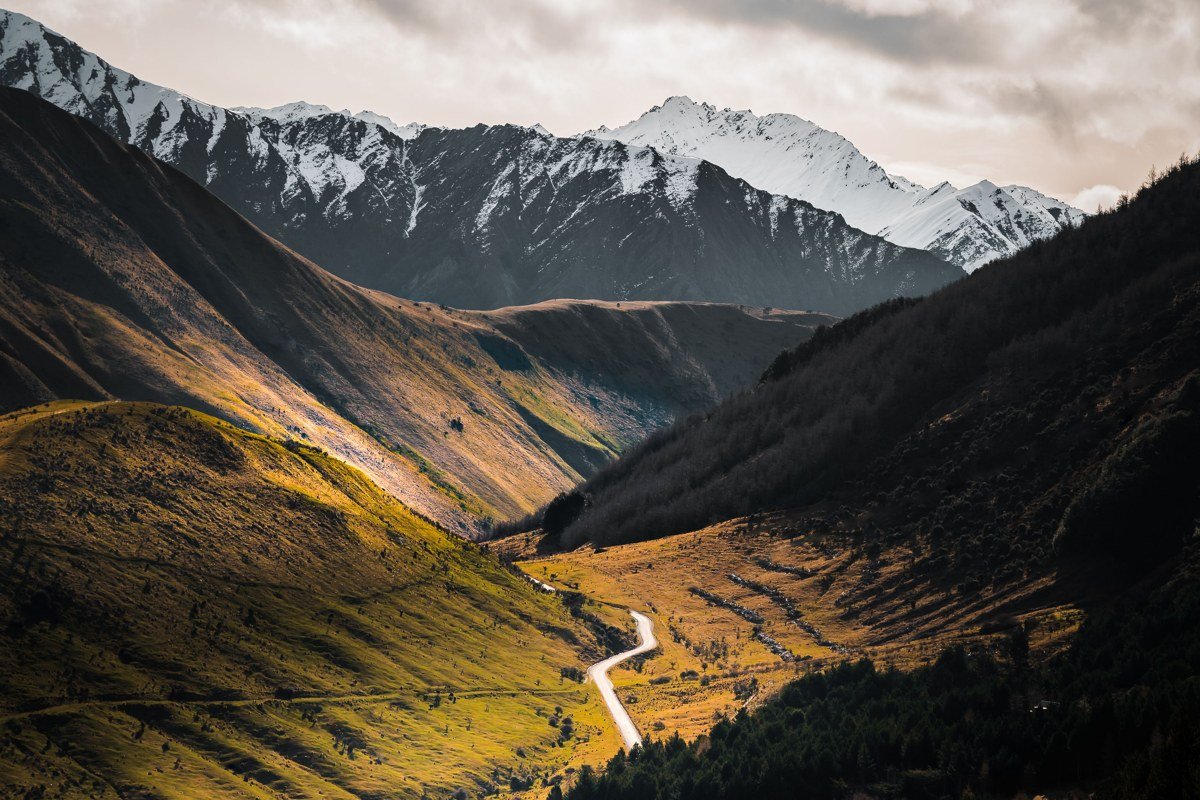
The Clarence is the South Island’s longest undammed wild river and one of its least-visited rafting destinations, running from the inland Molesworth Station through progressively deeper limestone gorges before emptying near the Kaikoura coast. Multi-day journeys (typically four to six days) feel genuinely remote, passing through private high-country stations where the only other traffic is merino sheep. The Seaward Kaikoura Range, visible for much of the lower journey, carries remnant glaciers and permanent snowfields (though retreat has accelerated significantly since 2010) on its summit ridge, and the juxtaposition of those white peaks above the braided green river is the defining visual of this trip. There is no helicopter glamour here: this is tent-on-a-shingle-bank, cook-your-own-dinner rafting, and that rawness is precisely what makes it a darecation outlier compared to the Queenstown circuit.
9. Waitaha River, Wild Westland
The Waitaha runs through one of the most botanically intact river gorges in New Zealand. Its designated wilderness-area status means no mechanised access is permitted once you are inside the catchment boundary. Getting in requires either a multi-day walk through old-growth rainforest or, for the rafting descent itself, a permitted helicopter drop to the put-in. The river is pool-drop in character: short, violent rapids separated by long, glassy pools so clear you can see individual stones on the bottom at three metres depth. The glaciers draining from the Main Divide above the catchment feed the river a consistent cold temperature year-round, and that clarity is a direct result of the glacial contribution to baseflow. Rafting the Waitaha requires genuine Class IV-V skills and is not commercially guided in the mainstream sense. Go with an experienced private party or a specialist outfit such as Natural High, which limits Waitaha groups to four people and treats the permit process as part of the service.
10. Rakaia River Gorge and Lyell Glacier, Canterbury High Country
The Rakaia is one of those Canterbury rivers that most international visitors drive over on State Highway 1 without realising what lies upstream. The gorge section above Methven is a compact, photogenic half-day raft with a turquoise glacial colour so saturated it reads almost artificially in photographs. Drive another hour up the Mt Hutt Road network toward the Main Divide and you reach the trailhead for the Lyell Glacier approach, a solid but non-technical day walk that brings you to the snout of a glacier that most New Zealanders have never visited. Operators like Ultimate Descents Canterbury run the gorge on request for small groups and can advise on current river levels. This combination is the most accessible on the entire list: suitable for moderately fit travellers without specialist skills, achievable in a single long day from Christchurch, and cheap relative to everything Queenstown-adjacent. The Rakaia gorge is at its most dramatic in early morning before the Canterbury nor’west wind builds.
Practical Takeaways for Planning Your Darecation
The South Island’s glacier-and-river pairings work best when you build an itinerary from west to east: start on the West Coast (Franz Josef, Fox, Waitaha), move through Haast Pass to the Queenstown-Wanaka basin (Shotover, Kawarau, Landsborough), then finish in the Canterbury high country (Rangitata, Rakaia, Clarence). This routing follows the prevailing weather pattern and keeps long driving days in the same direction.
Book glacier flights and heli-hikes at least 60 days out in peak summer (December to February). These activities are weather-dependent and operators oversell slots knowing a percentage will be cancelled. River trips have more flexible cancellation windows, but the best private guides fill up equally fast.
Carry a dry bag rated for full immersion on every river, regardless of what the operator tells you about stability. Glacial rivers are cold enough that an unexpected swim becomes a serious situation within minutes, not hours. Wetsuit or drysuit rental is worth the cost on any West Coast run.
If you have to choose one pairing for a first South Island darecation, make it the Rangitata gorge combined with a Tasman Glacier ski-plane. It delivers the most dramatic single itinerary on this list, it is commercially viable for most travellers with a reasonable fitness level, and the visual contrast between the braided glacial outwash plain and the river canyon is unlike anything else in the Southern Hemisphere.