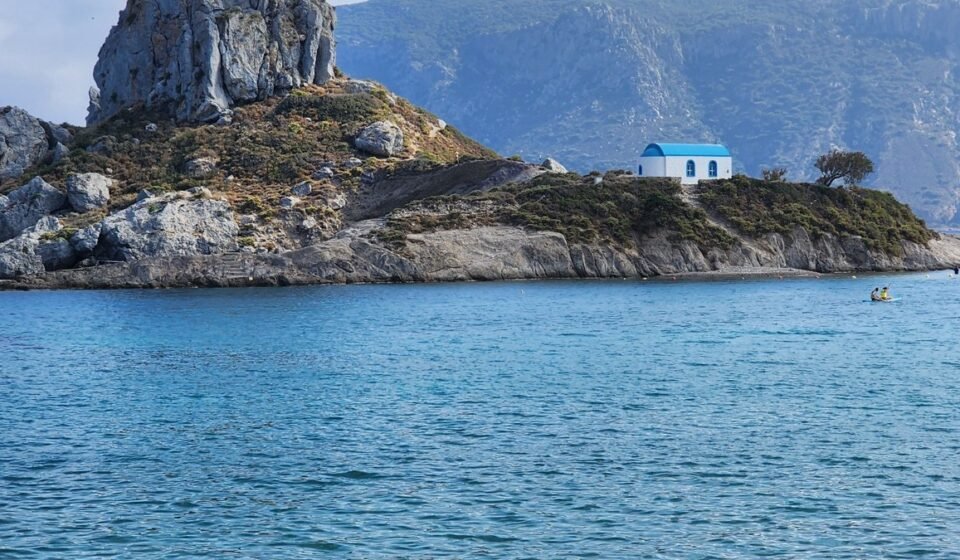

At 7 p.m. in Oia, you are standing shoulder-to-shoulder with several hundred people holding phones aloft, waiting for a sunset that is objectively beautiful and completely impossible to experience. At 7 p.m. on Folegandros, forty minutes away by fast ferry, the cruise-day-trippers have gone home, the Chora smells of jasmine and grilling fish, and the only sound is a kafeneion chair scraping across stone. Same Aegean light. Entirely different island. These nine places are where that contrast lives: bone-white architecture, turquoise water, and jasmine-draped alleys that still exist at a human scale, without the performance.
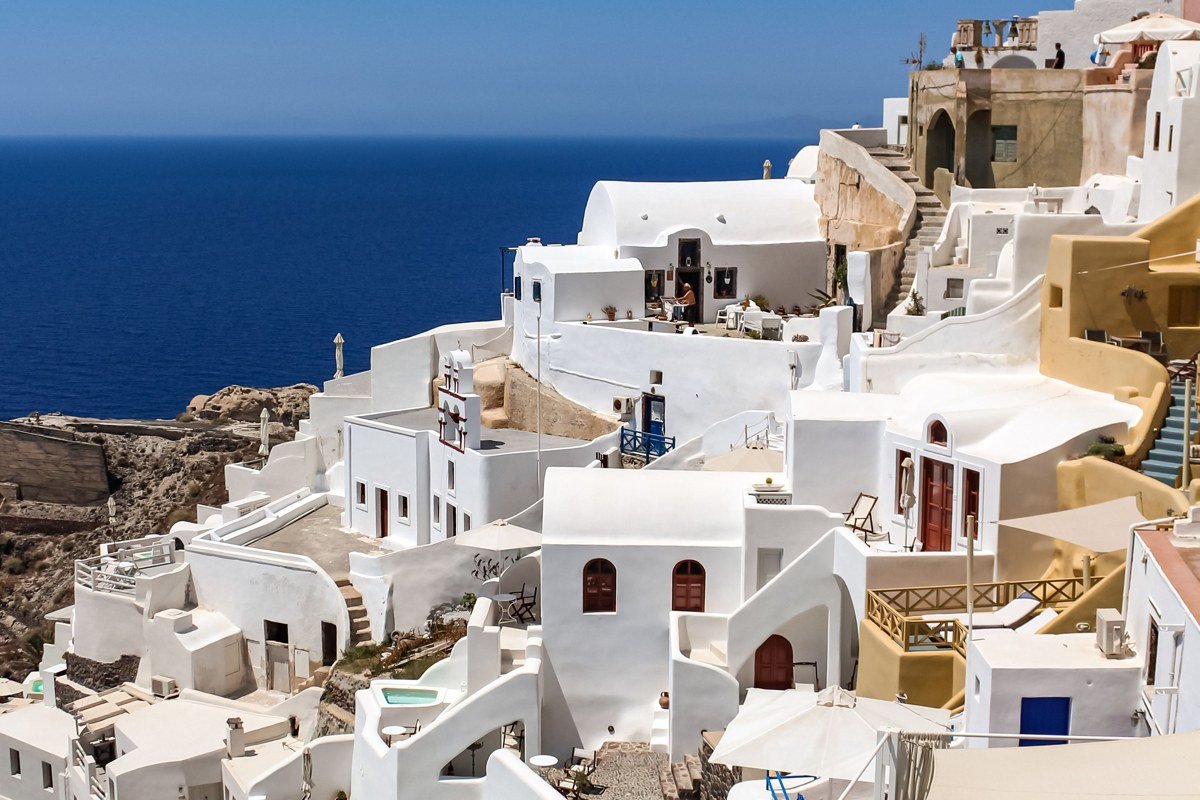
1. Folegandros, Cyclades
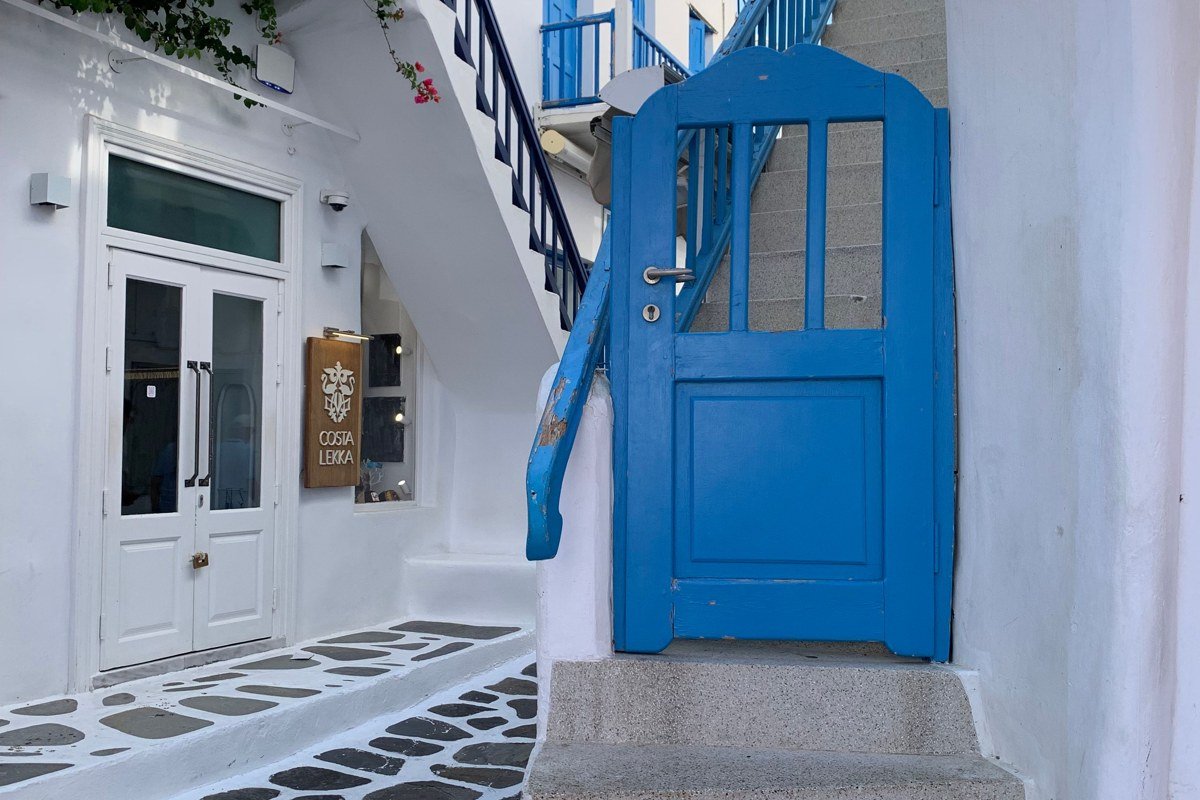
Folegandros sits on a dramatic basalt cliff above the Aegean and its Chora, the main village, is genuinely one of the most beautiful medieval settlements in the entire island chain. The town unfolds through a sequence of interlocking squares, each framed by low white walls and flowering lemon trees, with no vehicles allowed inside. The best single thing to do is walk the old Venetian castle quarter at golden hour, when the light turns the plaster a deep amber and the day-trippers from nearby Santorini have already left. The timing matters: arrive before noon, spend the afternoon at Agali beach, and the Chora is effectively yours by early evening.
For a booking anchor, Anemi Hotel sits just outside the Chora on the cliff edge, a small property with a terrace that looks directly over the caldera-free drop to the sea below. It books out fast in August, which tells you something about how many people have already found this island.
Who this island is wrong for: Anyone who needs reliable nightlife or a wide choice of restaurants. Folegandros has maybe a dozen places to eat, most of them small, and the island goes quiet early.
2. Ikaria, Eastern Aegean
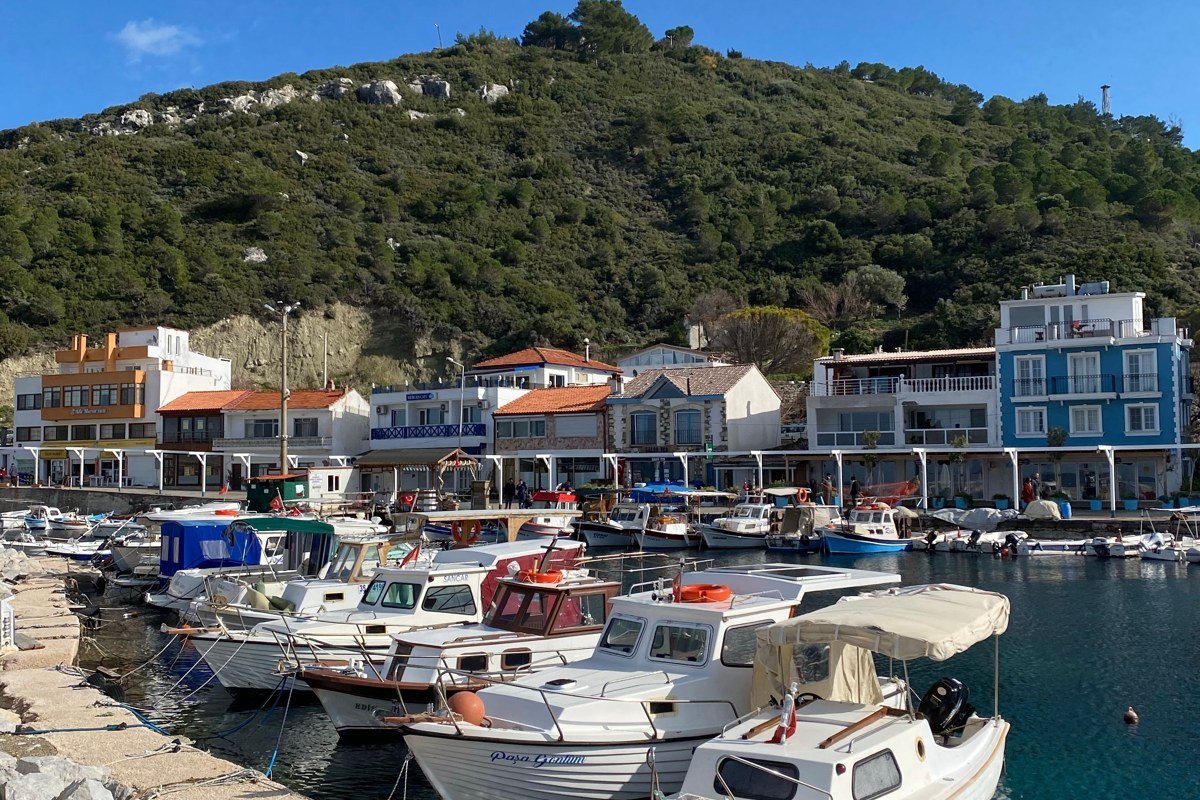
Ikaria is one of the world’s documented Blue Zones, a designation given to regions where people routinely live past ninety at unusually high rates. The explanation researchers most often point to is not one dramatic habit but an accumulation of ordinary ones: a diet built around legumes, wild greens, olive oil, and small amounts of locally produced wine; afternoon rest taken seriously as a daily rhythm rather than an occasional indulgence; and a social structure in which older people remain embedded in community life rather than separated from it. You notice this on the ground. Lunch happens late, closer to three than one, and the village square in Armenistis fills up again after dark with people of every age rather than clearing out once the younger visitors head to a bar.
The villages of Armenistis and Nas are small clusters of rough stone and whitewash tumbling toward wild, rocky beaches with no beach clubs, no umbrellas for rent, and no signs directing your attention. The water at Nas, fed by a small river mouth, has a brackish, dream-like quality that photographs unlike anything else in the Aegean. Go in late June or early September: the famous Ikariot panigiri festivals, outdoor all-night parties held in the villages throughout summer, are occasions where locals genuinely invite strangers to dance, and the invitation is real.
3. Halki (Chalki), Dodecanese
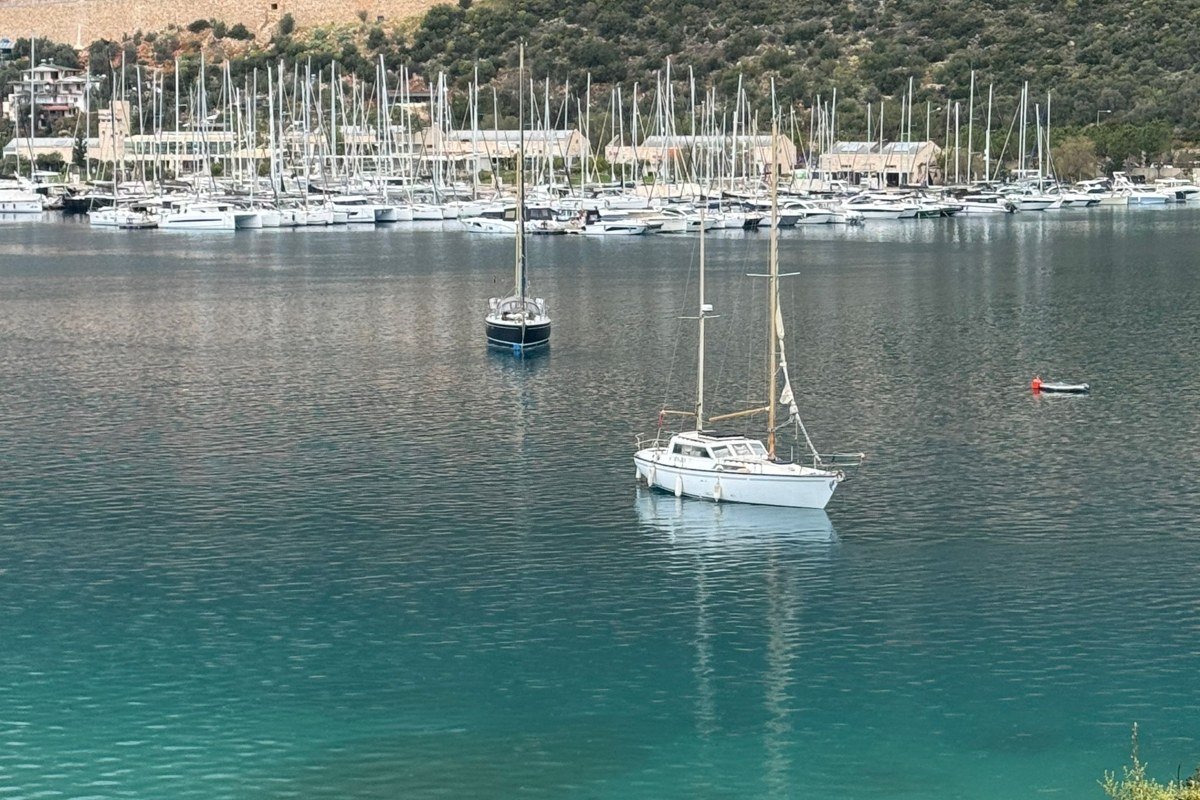
Halki is tiny, fewer than three hundred permanent residents, and sits just west of Rhodes, but it feels a century removed from Rhodes Town’s tourist corridor. The harbor, Nimborio, is lined with pastel neoclassical mansions built by sponge merchants in the nineteenth century, their facades in ochre, dusty rose, and faded terracotta rather than the pure white most visitors expect. This is worth stating plainly: Halki does not read as a traditional Cycladic island. It reads as an aristocratic Italianate fishing port. There are no cars, no ATMs (bring cash from Rhodes), and only a handful of tavernas. One of them, To Fterotos, is known for fresh catch grilled over olive wood. The ferry from Rhodes takes about ninety minutes and runs daily in summer.
4. Anafi, Cyclades
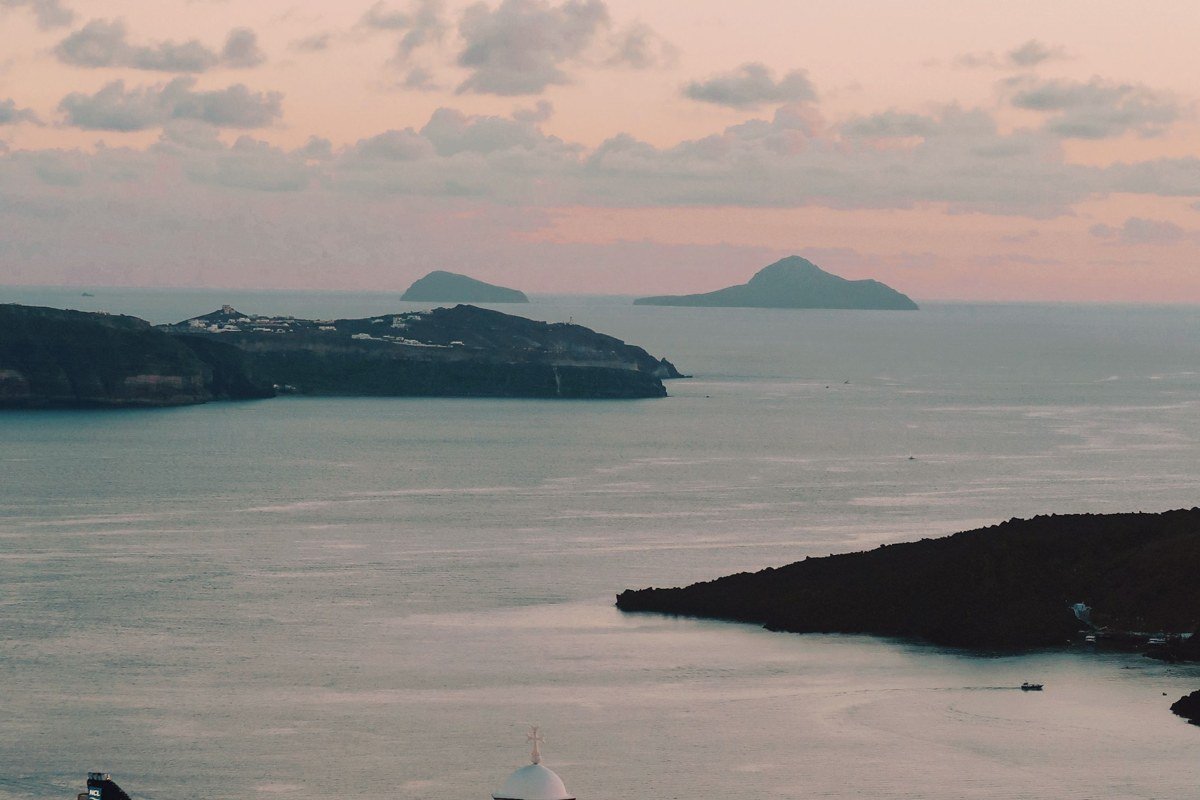
Anafi is the last island before open water in the southern Cyclades, and it behaves accordingly: slow, stripped-back, and almost aggressively quiet. The Chora is a textbook whitewashed hill village with a Byzantine monastery perched above it on an enormous monolith of volcanic rock. Hiking up to that monastery, about forty-five minutes on a donkey path, gives you a view that Santorini simply cannot match, because there is nobody else in the frame.
The trade-off is genuine. Ferry connections run infrequent schedules, accommodation options are limited to a small number of rooms and studios, and the island has one paved road. If you arrive on the late ferry from Santorini (the connection that typically docks around midnight in summer), Taverna Roussos near the port is usually still open, the kitchen running as long as passengers are arriving. It is a practical detail, but on Anafi practical details are the ones worth knowing.
Who this island is wrong for: Anyone with a tight schedule or a low tolerance for logistical uncertainty. Anafi’s ferry connections can change with weather and season in ways that will strand you an extra day if you are not willing to be stranded.
5. Tilos, Dodecanese
In 2018, Tilos became the first island in the Mediterranean to run on renewable energy as its primary source, achieving near-complete coverage of electricity demand through a combination of wind turbines and solar panels, with a battery storage system managing supply between them. The project was a European Union-funded pilot and has been cited since as a model for small-island energy transition. That context matters because it is not a vague claim about sustainability: it is a documented infrastructure fact about a place that most visitors have never heard of.
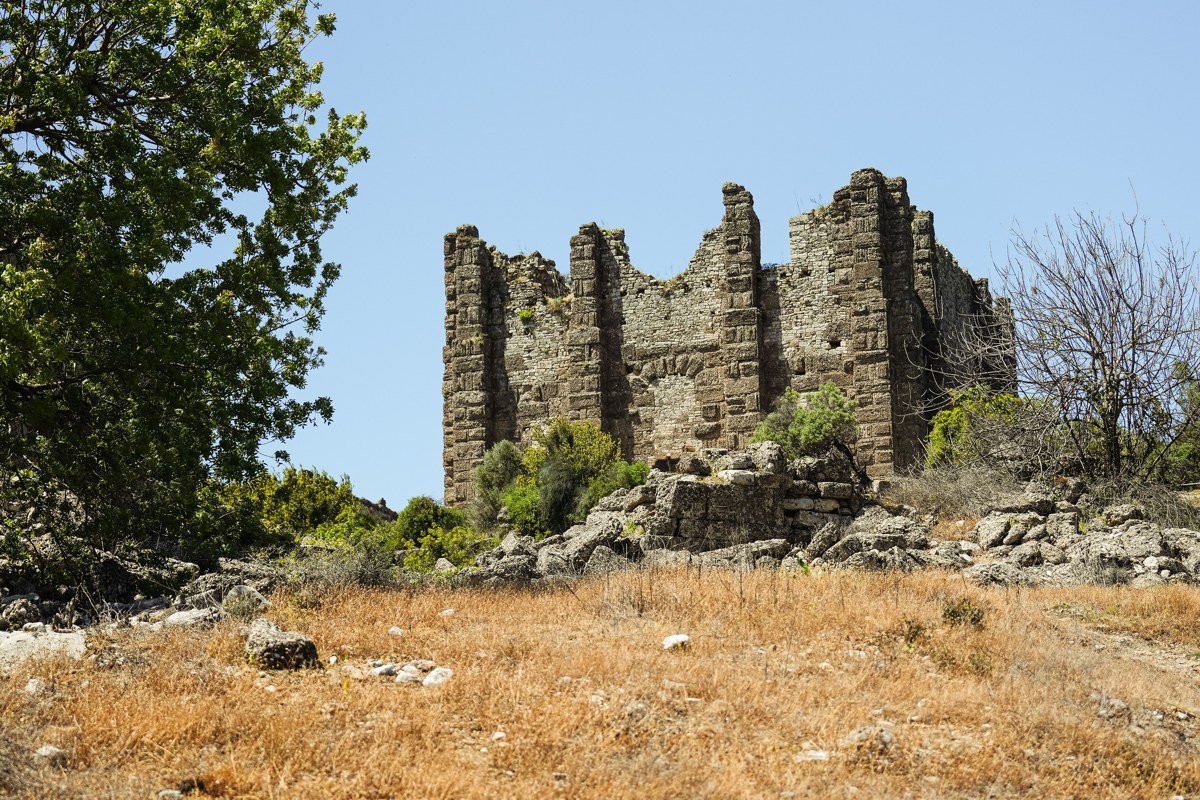
The island also protects a conservation zone hosting rare wildlife, including the Eleonora’s falcon. Its aesthetic draw, though, is the abandoned medieval village of Mikro Chorio, which sits roofless on a hillside above the main settlement and is slowly being reclaimed by wild oregano and caper plants. Walking its empty stone lanes in the early morning, with mist still sitting in the valley below, is one of the most genuinely cinematic experiences on this entire list. The working village of Megalo Chorio, just downhill, has a small but excellent local museum and a traditional kafeneion where coffee is served in a glass with a side of cold water, as it always has been.
6. Lipsi, Dodecanese
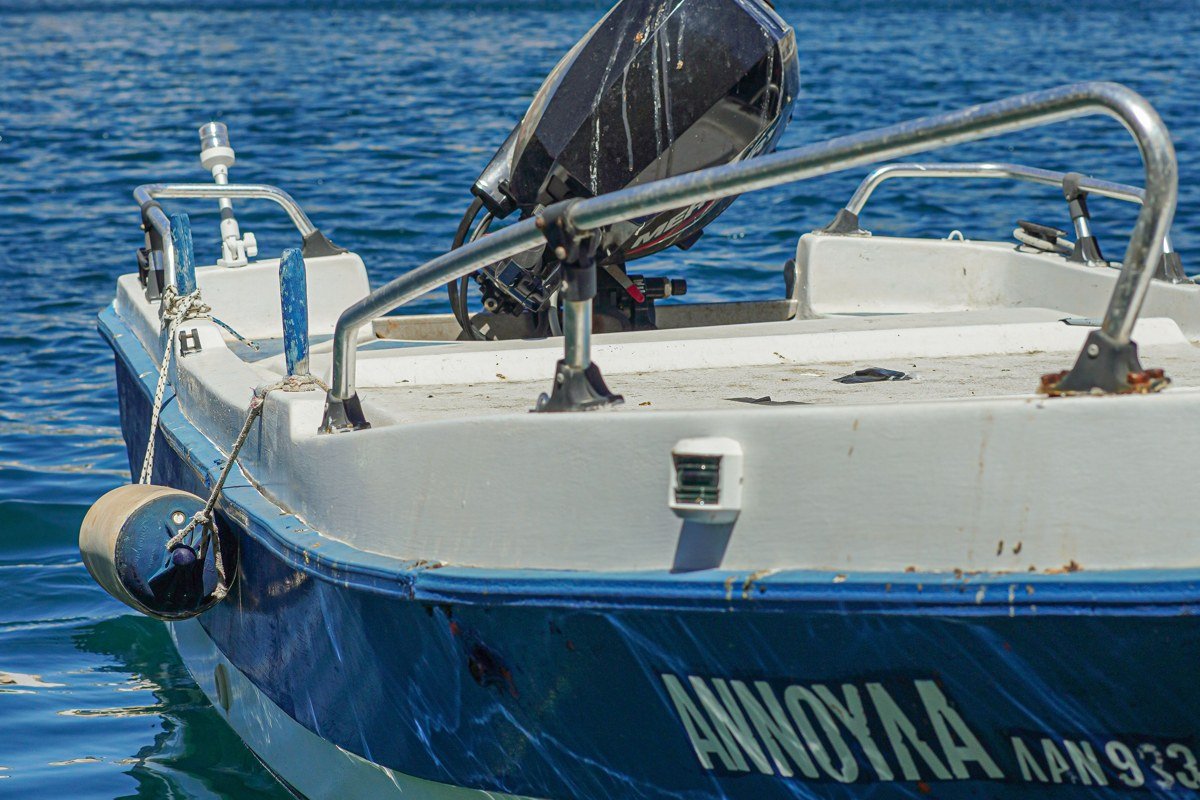
Lipsi is a twenty-minute ferry hop from Patmos but receives a fraction of Patmos’s visitors, possibly because it has no famous monastery and no dramatic topography to anchor a travel pitch. What it does have is an achingly pretty harbor, a series of small coves accessible only on foot or by water taxi, and a genuinely local rhythm. The island has fewer than eight hundred permanent residents and the main square functions as a real community gathering point rather than a tourist stage set.
The island produces its own wine from a single small cooperative, and the local thyme honey is sold in unlabeled jars from a house near the port. For accommodation, Apartments Kalypso, a small family-run property a few minutes’ walk from the harbor, gives you a base that is close enough to walk everywhere and quiet enough to hear the water at night. Stay at least two nights: the second morning, the owner of the kafeneion will already know how you take your coffee, and that small fact will tell you everything about the scale of this place.
7. Astypalea, Dodecanese
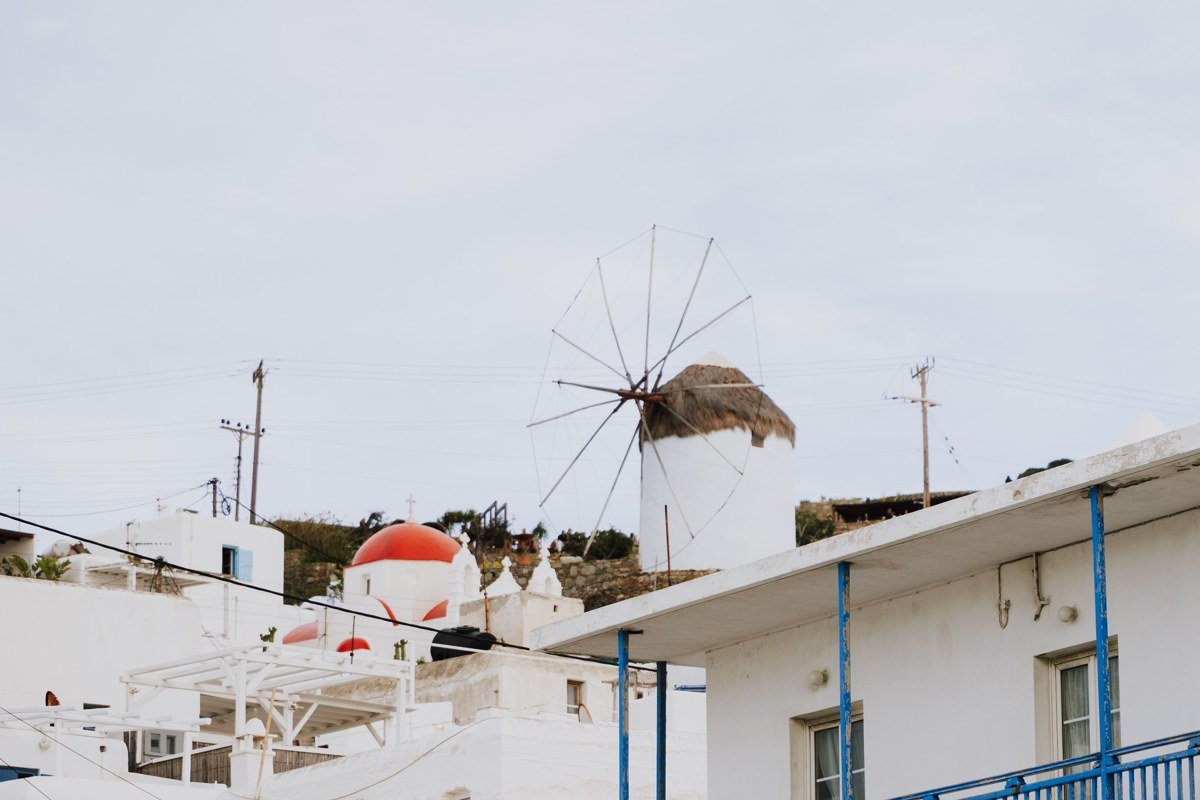
Astypalea sits at the westernmost edge of the Dodecanese, geographically and culturally halfway between the Cyclades and the Dodecanese, and that in-between identity shows in its architecture. The Chora, climbing steeply to a Venetian kastro at its peak, is legitimately one of the most photogenic hilltop villages in the Aegean: white cubic houses step up the slope below the restored windmills, and the kastro walls turn orange at sunset. The island is shaped like two landmasses connected by a narrow isthmus, which gives it two completely different personalities. The harbor side is busier and more connected; the western side, with its olive groves and tiny hamlets, feels like it belongs to an earlier version of the same place.
Direct flights from Athens have increased access in recent years. The best window to visit is May or early October, when the light is extraordinary and crowds are negligible. For a place to stay, Studio Venetos in the Chora occupies a restored building just below the kastro and offers the kind of rooftop view that makes the Instagram shortlist without the island itself feeling like it was designed for one.
8. Donoussa, Small Cyclades
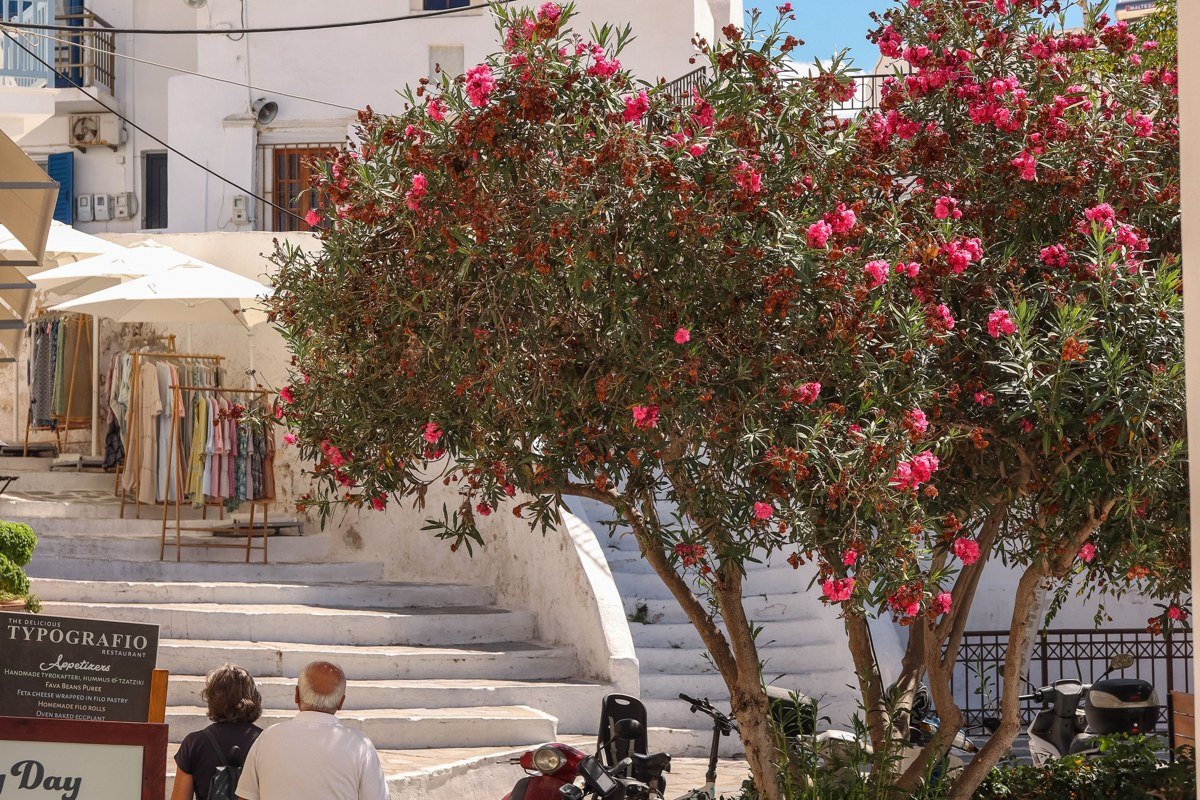
The Small Cyclades, a cluster of four tiny islands between Naxos and Amorgos, are collectively one of the best-kept secrets on this list. Donoussa is the smallest and least visited of the group. The entire island population sits around one hundred and seventy people, and in peak season perhaps three hundred tourists are present at any given time, which means a genuinely empty beach at a Cycladic island in July, something that sounds implausible but is real.
The village harbor is anchored by a single blue-painted wooden caique that has been moored in the same spot long enough that locals give directions using it as a landmark. Kafeneion Iliovasilema, the older of the two establishments facing the water, opens before the ferries arrive and closes when the owner decides the day is done. That is the rhythm of Donoussa: unhurried in ways that feel structural rather than performed. The ferry from Naxos is the main connection and schedules shift frequently, so build a buffer day into your itinerary.
Who this island is wrong for: Anyone traveling with children who need structured activities or reliable meal times. Donoussa operates on its own schedule, and it will not adjust for you.
9. Gavdos, Crete’s Southern Satellite
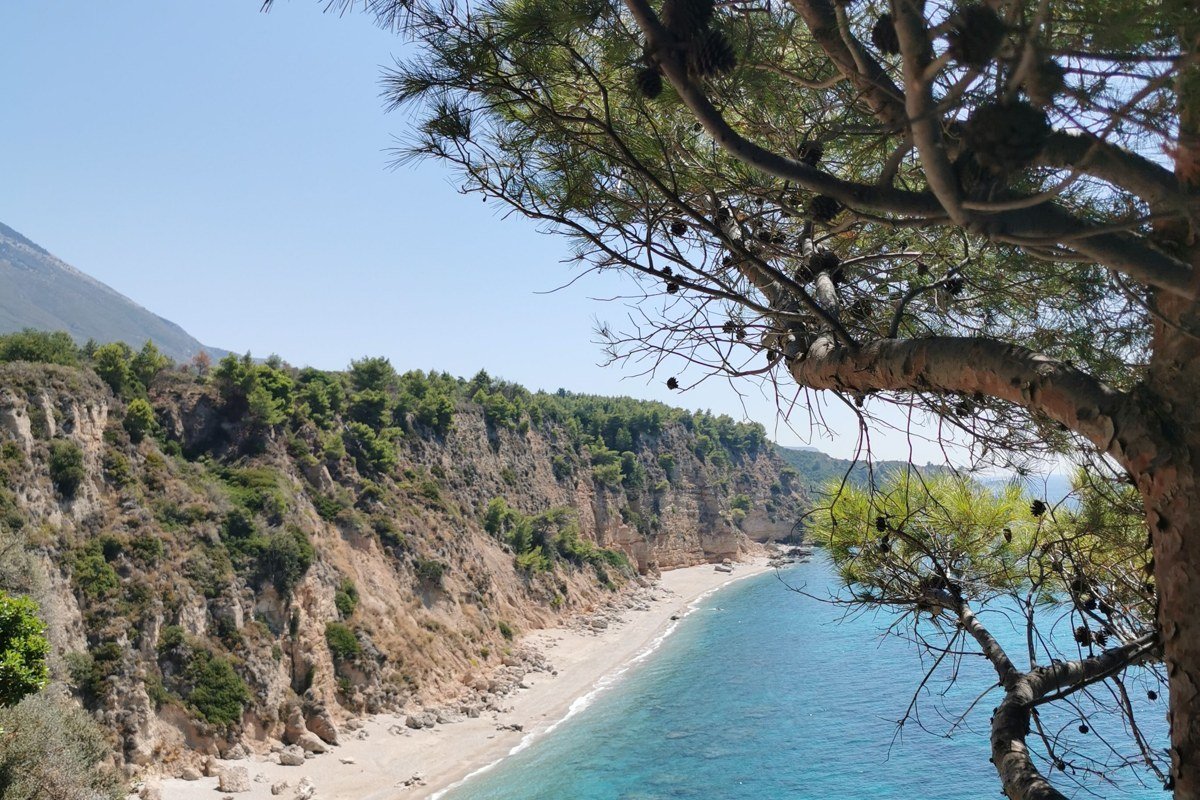
Gavdos is the southernmost point of Europe, a cedar-forested island south of Crete’s Sfakia coast, and it operates on rules it invented for itself. There are no hotels in the conventional sense, only simple rooms rented from local families, a handful of tavernas that close when the cook decides the day is over, and beaches (Sarakiniko, Potamos, Vatsiana) that look like they belong somewhere far warmer except that the landscape behind them is Cretan scrubland and juniper.
The aesthetic here is not the polished whitewash of a Cycladic postcard. It is wild, sandy, deeply personal, and completely unpredictable. You reach Gavdos by ferry from Sfakia or Paleochora, and the crossing is sometimes rough, particularly when the Libyan Sea is running a swell. The effort is the point, and most people who make it once spend the rest of the year working out how to come back.
How to Use This List Practically
Hidden Greek islands share a few consistent logistical realities. Ferry connections are the spine of any itinerary: use the Ferryhopper or OpenSeas platforms to map routes before you commit to an island combination, because some of these places connect to each other only once or twice a week. Carry cash (most small islands have one ATM or none at all), and book accommodation early if you are visiting in July or August. The smallest islands often have the fewest beds, not more.
For first-time visitors who want the full whitewashed village experience without the crowds, Folegandros and Astypalea offer the most complete version of the Greek isle aesthetic alongside reasonable ferry access. For those willing to trade some convenience for genuine solitude, Donoussa and Anafi reward the extra effort in a way no brochure can adequately prepare you for.
The best travel months across most of this list are May, early June, and September. The light is spectacular, the water is warm enough, and the islands are running at a pace that actually resembles local life rather than logistics management. That is the version of Greece worth finding.