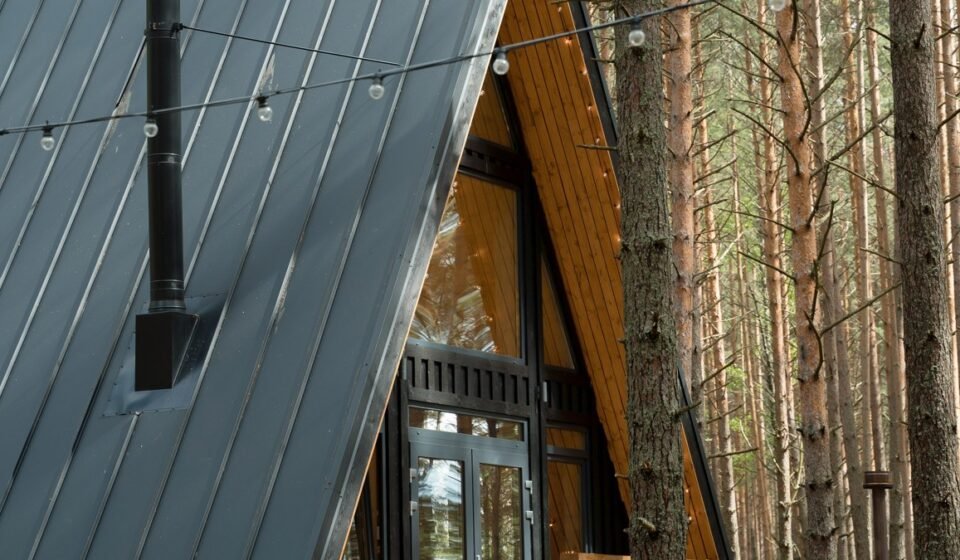

Appalachia does not care what season your calendar says it is. The hollows shift color like a slow film reel, and the towns tucked into them have quietly become some of the most visually compelling cozy cabin getaway destinations in the country. These are not resort developments or manufactured “rustic” experiences. These are actual mountain towns where the fog sits low until noon, the porches face ridgelines, and the light in late afternoon could make a photographer weep.
1. Hot Springs, North Carolina
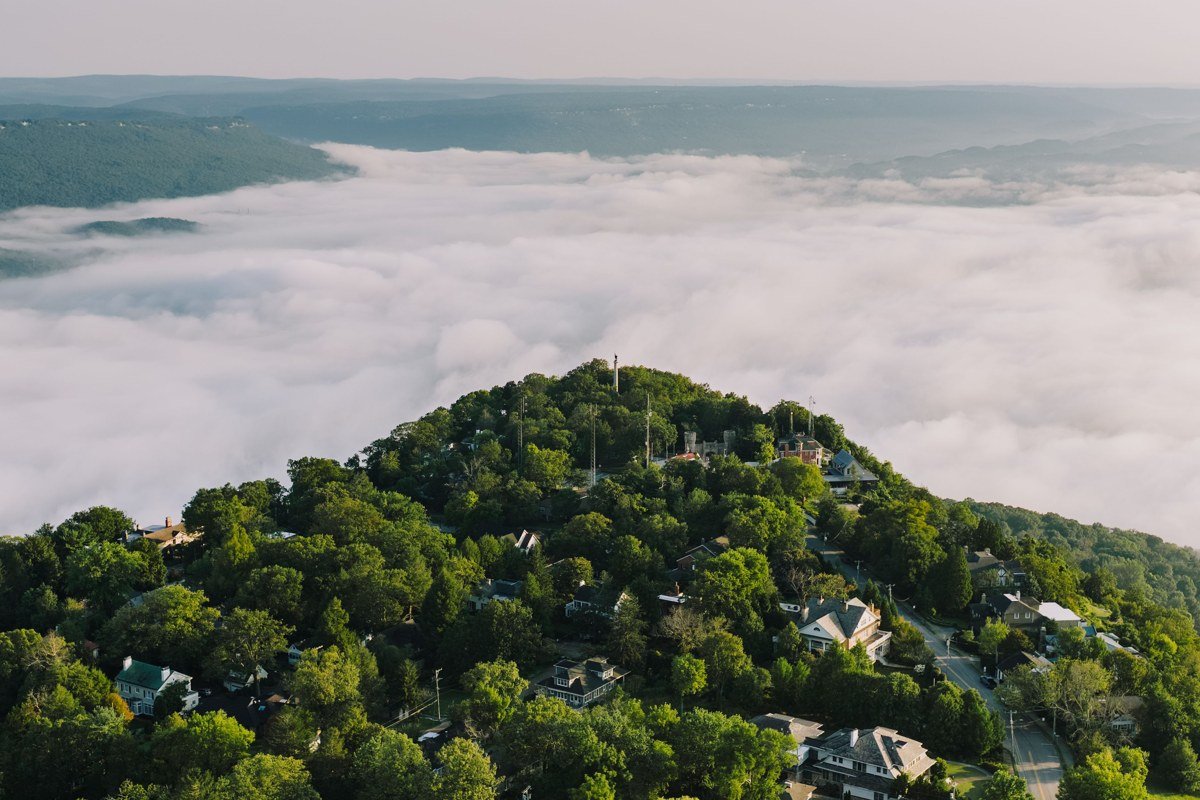
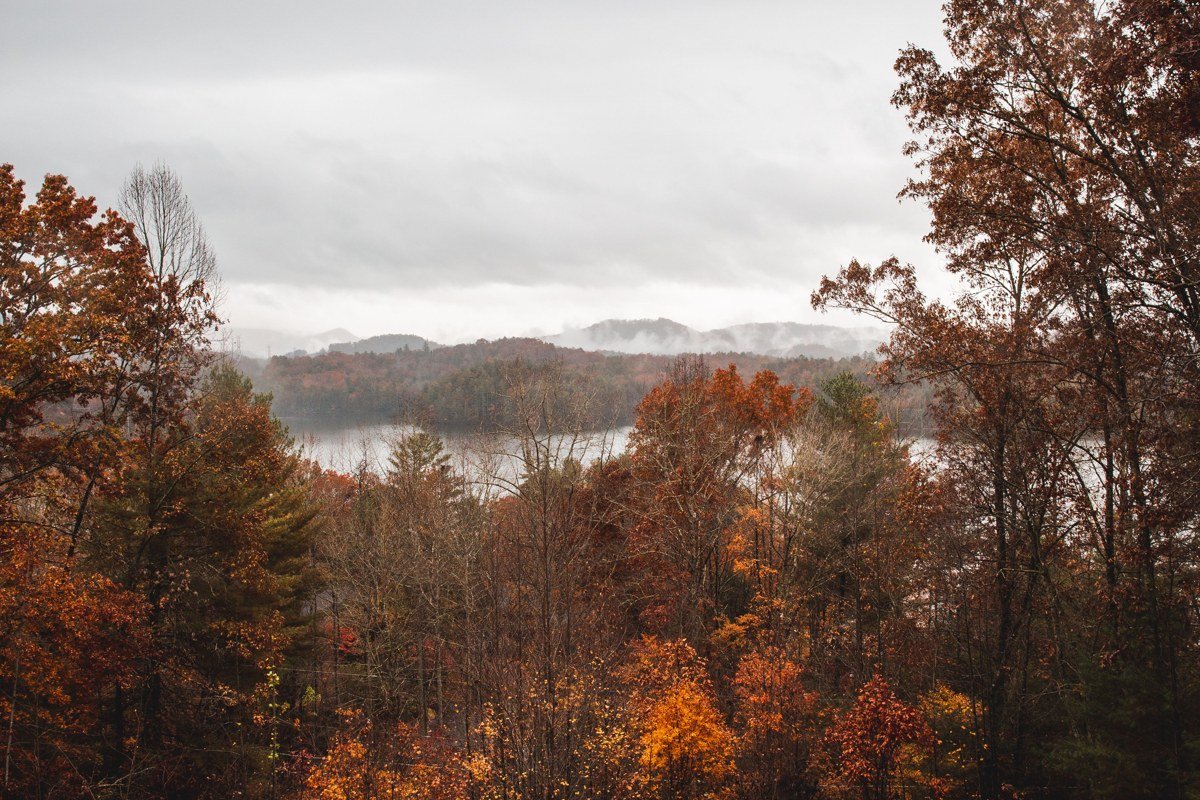
Hot Springs sits right where the Appalachian Trail crosses Main Street, which tells you almost everything you need to know about its character. The French Broad River cuts through the center of town, and the natural hot spring soaking tubs (run by Spring Creek Spa) sit close enough to the river that you can hear the water moving while you soak. The town is tiny, maybe 600 residents, which means the aesthetic stays intact. There are no chain restaurants, and the cabins on the surrounding ridges have unobstructed views because the development pressure that hit Asheville has not fully arrived here yet. Come in November when the leaf color has dropped and the bare ridgelines reveal the full bowl shape of the valley, a topography that is almost impossible to appreciate under full summer canopy. The honest trade-off is that dining options are genuinely limited, so bring groceries if you are renting a cabin for a long weekend.
2. Elkins, West Virginia
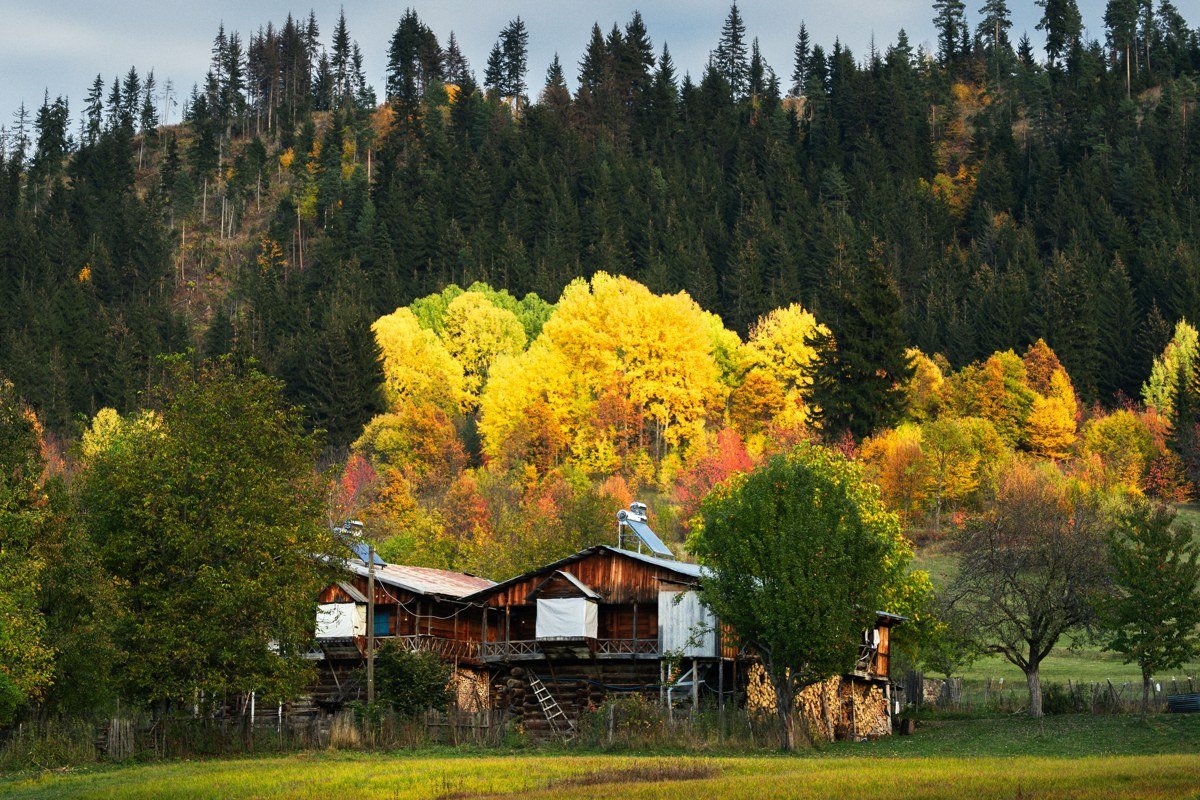
Elkins is the practical gateway to Monongahela National Forest and the Canaan Valley, and the town earns its place as a base camp rather than a mere pass-through. The downtown has a real working-town quality: a flour mill turned events venue (the Augusta Heritage Center at Davis and Elkins College), Victorian architecture that has not been sanitized into a shopping district, and a rail yard that gives the edge of town a moody industrial layer. Cabins in the surrounding area range from primitive to polished, and the proximity to Spruce Knob, the highest point in West Virginia, means you get genuine subalpine meadow scenery within an hour. The Tygart Valley River runs through the county and offers float trips in spring and early summer when the water is high. Time a visit for late January when Snowshoe Mountain nearby has snow coverage but the crowds are thinner than the holiday window.
3. Brevard, North Carolina
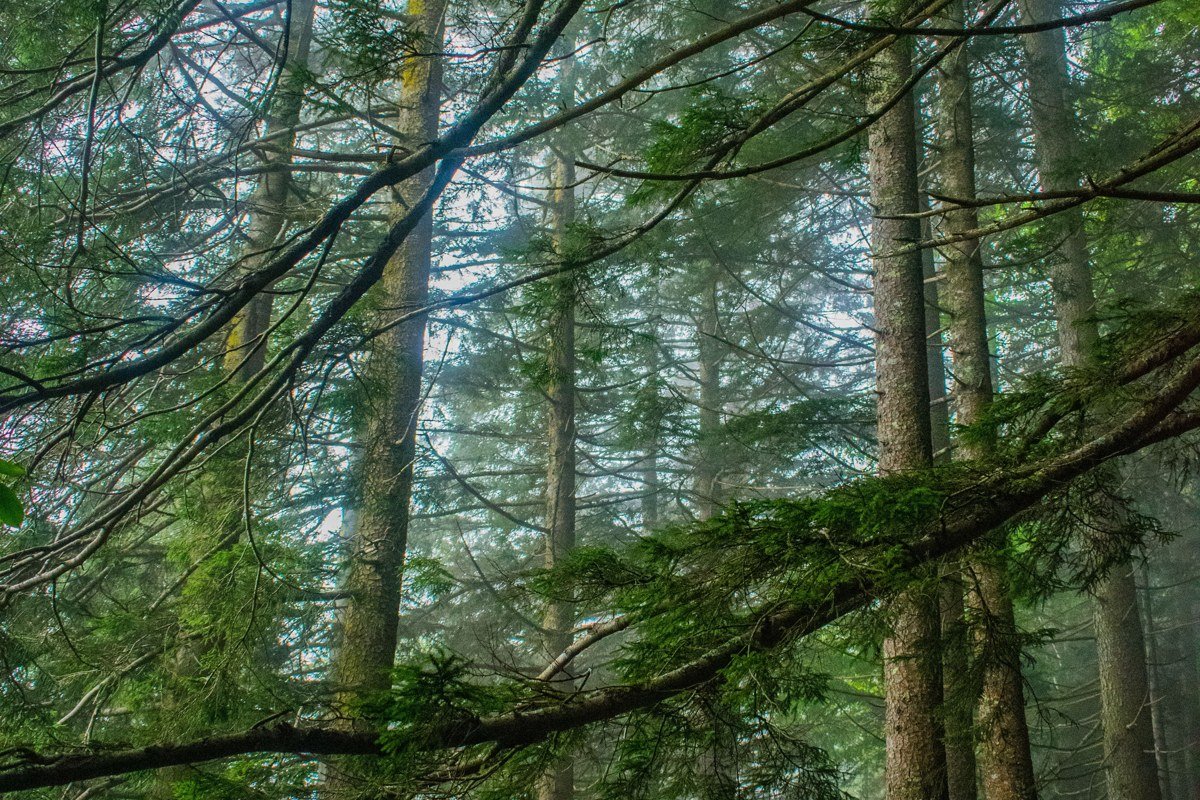
Brevard is a cozy cabin getaway town that manages to feel genuinely lived-in rather than curated for tourists. It has a music hall (Brevard Music Center hosts a summer festival that draws serious classical musicians), a surprisingly good independent bookstore, and direct trailhead access to Pisgah National Forest within a few minutes of downtown. Looking Glass Falls alone is worth the drive: a wide, curtained waterfall that you can walk right up to from a paved pullout, and it photographs beautifully in flat overcast light. The white squirrel population (a genuine genetic quirk of this specific town) is the kind of charming oddity that Pinterest loves and that actually exists in real life. Late February to early March is underrated here because the waterfalls run full from winter rain, the rhododendron has not yet leafed out so the forest floor stays open and dramatic, and you will have the trails nearly to yourself.
4. Abingdon, Virginia
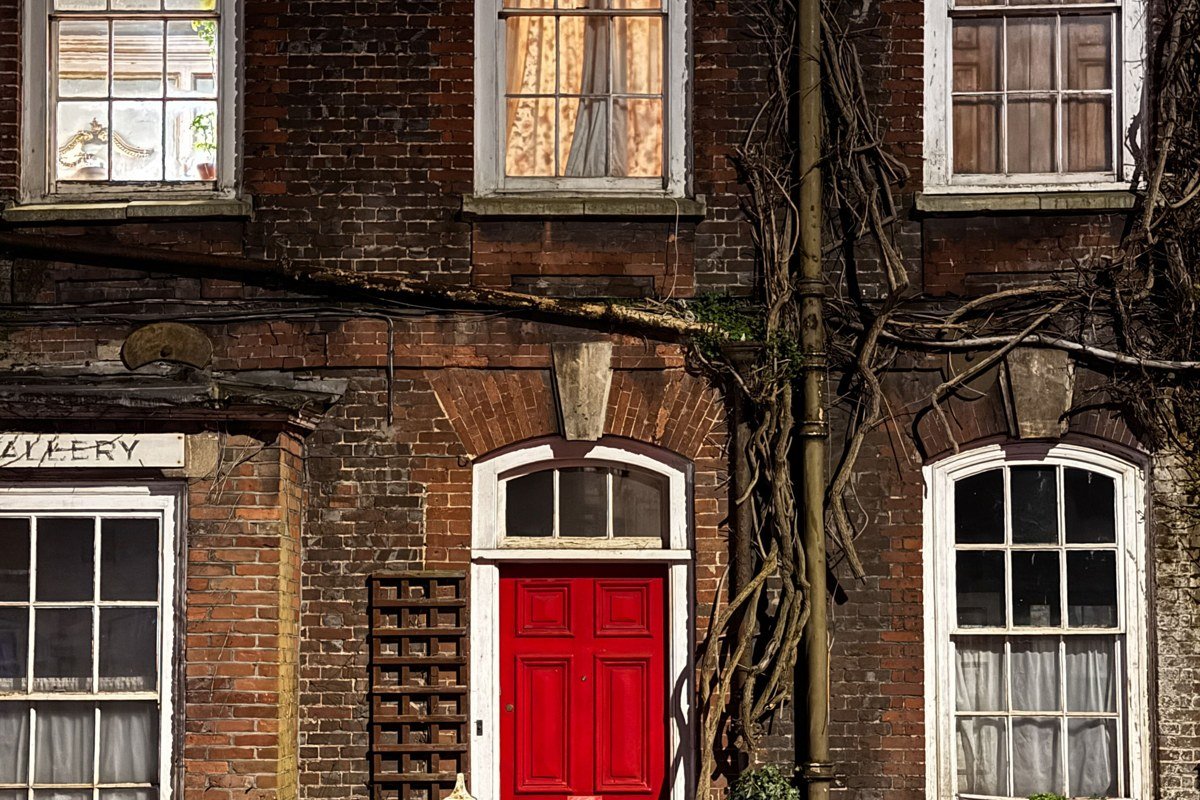
Abingdon is the kind of town where the aesthetic infrastructure is already done for you. The Barter Theatre, one of the oldest professional theaters in America, anchors a brick Main Street that is genuinely photogenic at any hour. The Virginia Creeper Trail starts here and runs 34 miles through farmland and forest to the North Carolina border. For cabin renters, the surrounding Washington County has a mix of working farm properties and wooded ridge lots that rarely show up on the major booking platforms because the owners list locally. Virginia Creeper Trail Cabins, one of the longer-established local management operations in Washington County, handles a range of properties along the trail corridor and is worth contacting directly for availability before you search the national platforms. The Martha Washington Inn, a Greek Revival antebellum hotel, is worth a dinner even if you are not staying there. The bar in particular has the kind of dark wood and candlelight that makes October feel like a costume.
5. Lewisburg, West Virginia
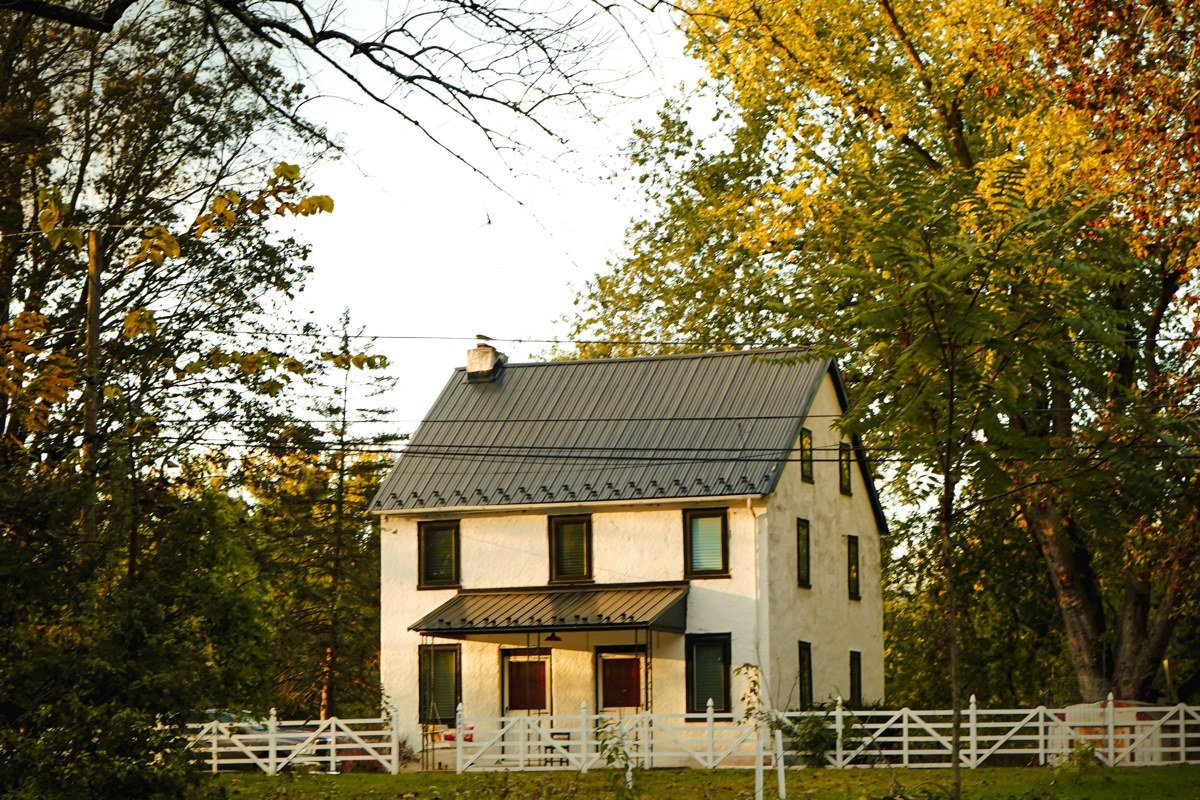
Budget Travel named Lewisburg “Coolest Small Town in America” in 2011, and while that kind of label can ruin a place, Lewisburg has mostly absorbed the attention without losing its core. The Carnegie Hall here is an actual Carnegie-funded building that now functions as an arts center, and the town has a density of working galleries and chef-driven restaurants that makes no demographic sense for a town of 4,000 people. The Greenbrier River Trail, a converted rail bed, runs along the namesake river and provides some of the flattest, most accessible scenic riding and walking in the entire Appalachian region. Fall is the obvious peak, but Lewisburg in late spring when the redbuds and dogwoods are blooming against the limestone outcroppings is a genuinely underappreciated window. Cabins in Greenbrier County tend to be clustered near Frankford and Alderson; both areas offer river access and minimal light pollution for star shooting.
6. Blairsville, Georgia
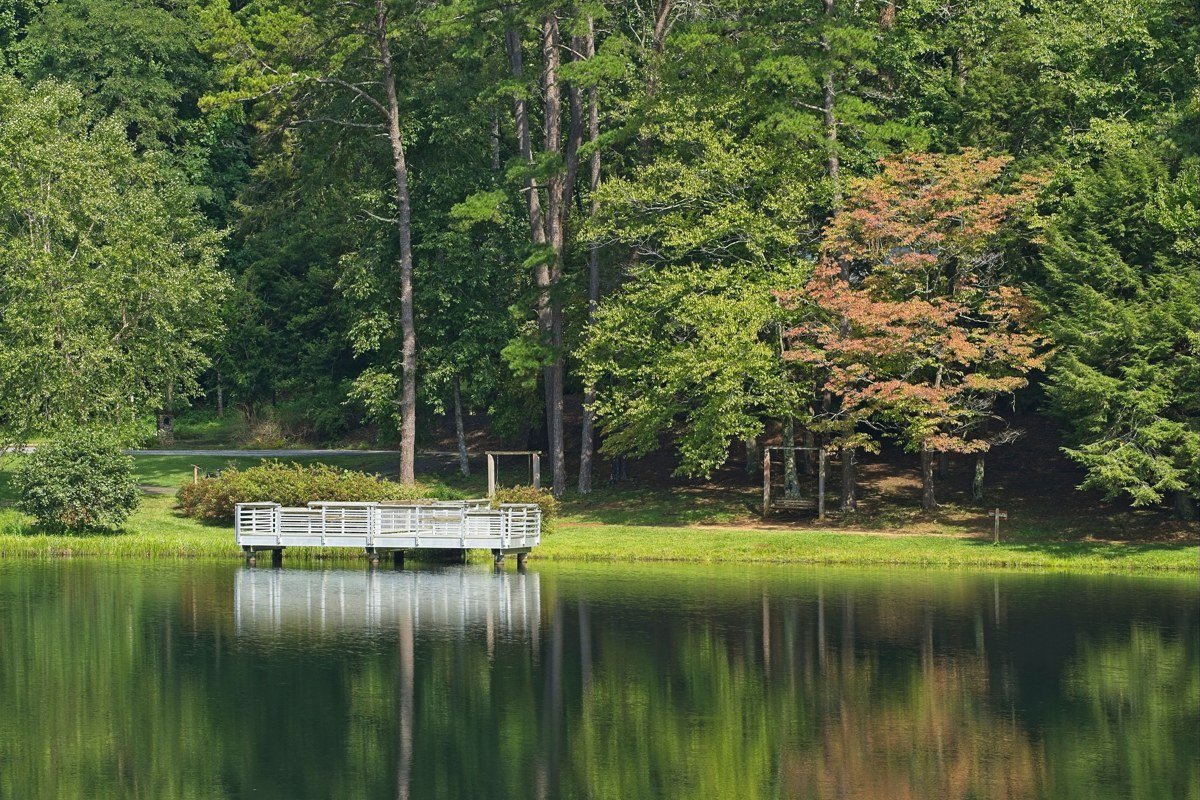
Blairsville sits in the far northeastern corner of Georgia, close enough to the North Carolina border that it shares the same elevation and the same Blue Ridge topography without the same tourist infrastructure. Vogel State Park, one of Georgia’s oldest, has a small glacial lake ringed by hardwoods that turns into a mirror shot every single October morning before the wind picks up. The town square is quiet and practical rather than boutique-ified, which means the cabin rental prices in Union County stay significantly lower than comparable spots across the state line. Blood Mountain, accessible via the Byron Reece trailhead just outside town, is the highest peak on the Georgia AT and offers full 360-degree views that photograph as dramatically as anything in the southern Appalachians. Come in mid-October for peak color, but check the Vogel campground reservation calendar in August because it fills faster than most people expect.
7. Highlands, North Carolina
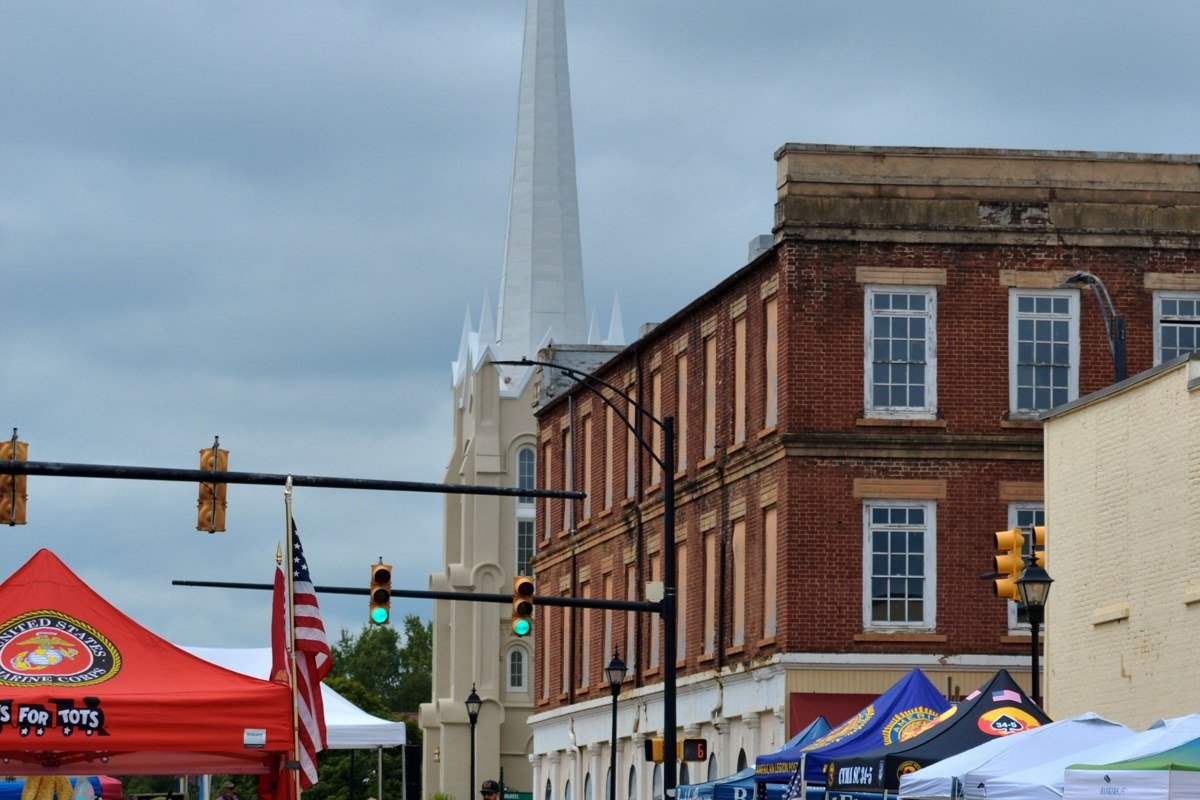
Highlands sits at nearly 4,000 feet, which makes it genuinely cooler in summer than most of the South, and that has shaped its character for over a century. The town has a long-standing reputation as a summer retreat for Lowcountry families from Georgia and South Carolina, and the architecture reflects that: shingled cottages, wide porches, stone walls, window boxes. The Highlands Biological Station and its nature center give the town a quiet intellectual texture that is not just marketing. Cliffside Lake Recreation Area and the Glen Falls trail system provide waterfall access within a short drive, and the falls along the Cullasaja Gorge road (particularly Bridal Veil Falls, which you can drive behind) are legitimately spectacular.
For a dinner reservation, Wild Thyme Gourmet on Main Street has been a reliable benchmark for the local dining scene and books out quickly in July. On the rental side, Highlands-Cashiers Rentals manages a range of properties across the plateau and is a reasonable starting point for finding vetted cabin inventory. Plan on spending more here than you would in Brevard or Bryson City: cabin rates in and around Highlands typically run 30 to 50 percent higher than equivalent properties in those towns, reflecting the elevation, the cooler summers, and decades of demand from the coastal retreat crowd. Shoulder season, specifically May and early November, gives you the scenery without the pricing pressure.
8. Bryson City, North Carolina
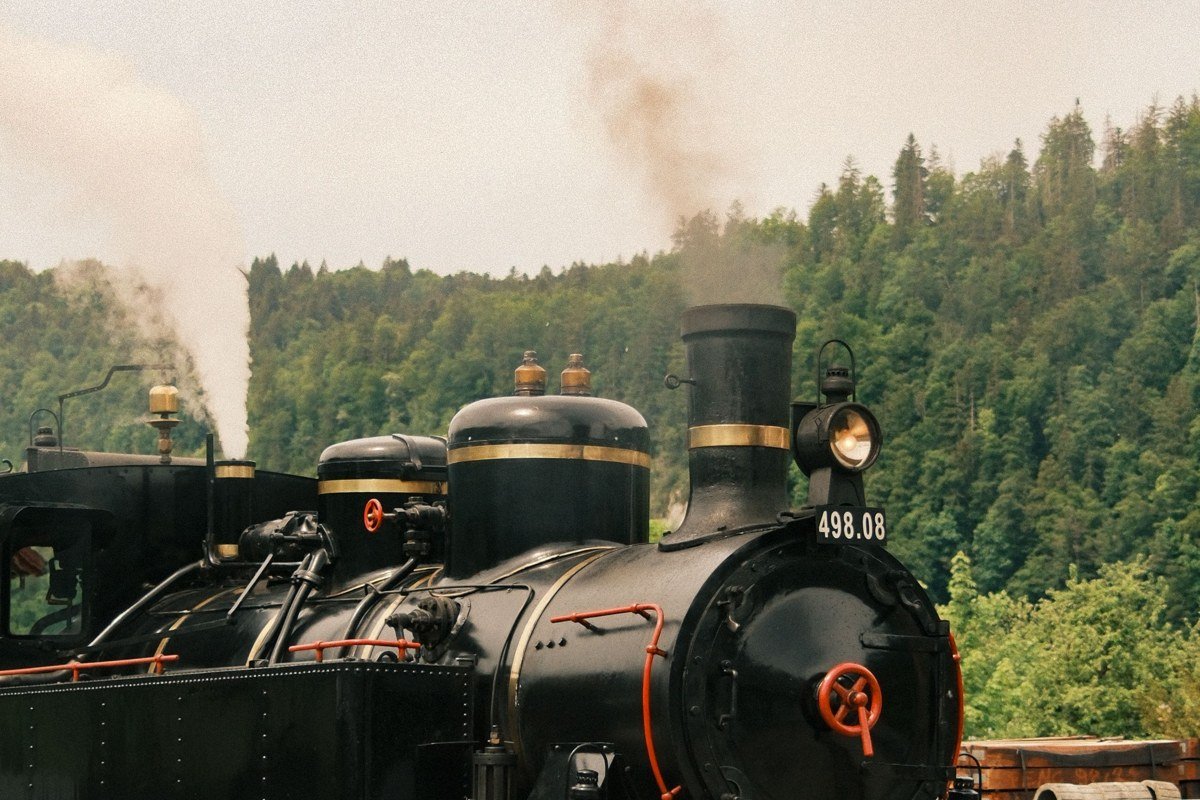
Bryson City is one of those towns that keeps getting “discovered” because it keeps delivering. The Great Smoky Mountains Railroad runs steam and diesel excursions through the Nantahala Gorge, which sounds like a tourist gimmick until you are actually on it watching the river appear and disappear through hardwood forest. The Nantahala Outdoor Center, a few miles upstream, has been running whitewater trips since the 1970s and remains genuinely good. Bryson City’s main street has filled in nicely over the last decade with breweries, a solid independent outfitter (Slow Lane Bikes and Brews), and restaurants that actually close early enough that the town feels authentic rather than performative.
For cabin rentals, the Deep Creek area just north of town has some of the best value properties in the Smokies corridor, with creek access and proximity to three named waterfalls on the Deep Creek Trail: Indian Creek Falls, Juney Whank Falls, and Tom Branch Falls. Each one is reachable within a short walk from the trailhead, and the combination of moving water and hemlock canopy photographs well in any season. Avoid the town entirely on mid-October weekends; the Smokies corridor traffic can turn a 20-minute drive into 90.
9. Damascus, Virginia
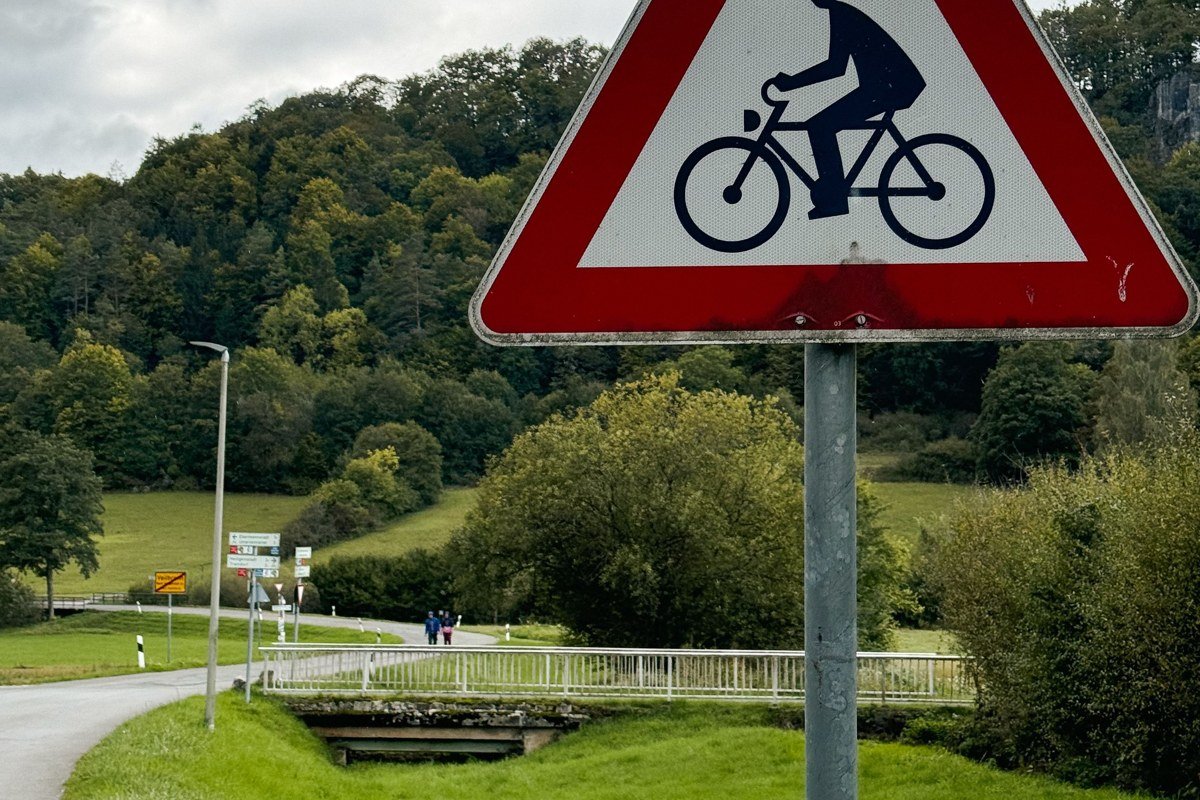
Damascus is called “Trail Town, USA” not as marketing but as topographical fact. The Appalachian Trail, the Virginia Creeper Trail, the TransAmerica Bicycle Route, and several other long-distance trails converge here. The town is genuinely tiny, under a thousand residents, but it has precisely the infrastructure that makes a cozy cabin getaway work: a solid outfitter (Mt. Rogers Outfitters has been here for decades), a diner open early, and rental cabins within walking distance of the trails. The surrounding Mount Rogers National Recreation Area contains Virginia’s highest peak and one of the only wild pony herds in the eastern United States, grazing on Grayson Highlands. In winter, when snow dusts the spruce and fir on the high balds, the photography possibilities are striking relative to how few people make the drive. The town’s hostel and hiker inn culture means you will meet genuinely interesting travelers here even in the off-season, which adds an unexpected social texture to a cabin weekend.
Planning Your Cozy Cabin Getaway: Practical Notes
Pin this: The nine towns on this list span four states and a thousand feet of elevation change. What they share is more useful to know than what separates them.
The towns on this list share a few logistical patterns worth knowing before you book.
Cell service is unreliable in most of these hollows. Download offline maps via Gaia GPS or AllTrails before you leave the last town with a strong signal.
Booking lead time matters differently by season. Spring and fall weekends fill 60 to 90 days out in the most popular spots (Bryson City, Brevard, Highlands). Winter and late-spring shoulder windows often open up two to three weeks in advance when last-minute cancellations clear.
Local property managers consistently outperform national platforms for cabin quality in this region. Search the town name plus “cabin rentals” and “management company” and contact them directly. You get better-vetted properties, direct communication, and often lower fees. This approach is especially productive in Abingdon, Damascus, and the Greenbrier County towns, where local inventory rarely surfaces on the major booking sites at all.
Budget accordingly by location. Highlands and the surrounding Cashiers plateau run 30 to 50 percent higher than equivalent cabins in Blairsville or Damascus. Brevard and Bryson City sit in the middle of the range. Hot Springs and Elkins are consistently the most affordable on this list, which makes them worth serious consideration if the itinerary is flexible.
Pack for two extra seasons. Appalachian weather runs 15 to 20 degrees cooler at elevation than valley towns, and a sunny valley afternoon can mean fog and wind on the ridge. A waterproof layer and real hiking footwear are not optional if you want to reach the views that make these destinations worth the drive.