
The scotland highlands aesthetic, all low cloud and ancient stone and brooding silence, does not stop at the Highland Line. The Scottish Borders, the rolling country between Edinburgh and England, holds a quieter version of that same magic, and on most mornings you will share it with nobody but a few sheep. These ten villages are the ones worth knowing.
A note on what this list leaves out: Jedburgh and Kelso are both genuinely beautiful and both worth visiting, but they appear on enough mainstream itineraries that including them here would undermine the list’s purpose. This is a guide to the Border country mood that exists off those itineraries. If you already know Kelso Abbey, start at Denholm and work outward from there.
1. Innerleithen, Peeblesshire
Best for: moody Victorian atmosphere, literary connections, flat-light photography.
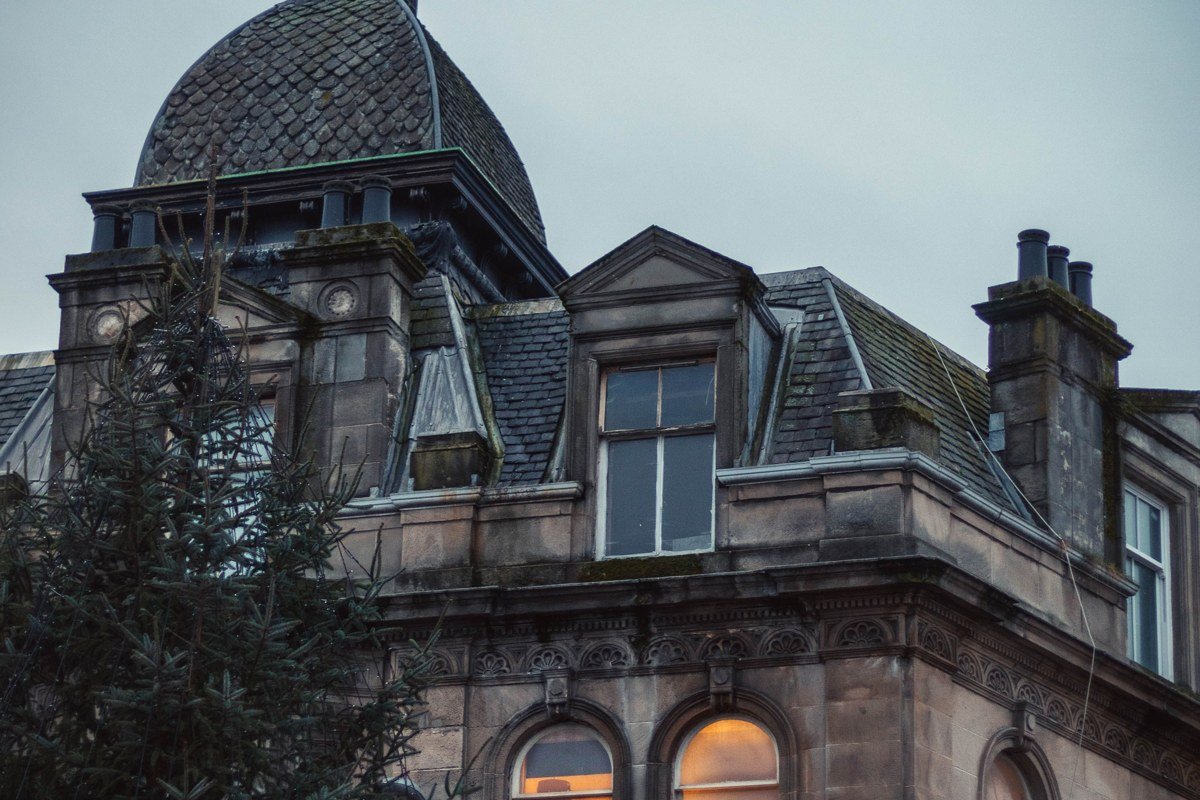
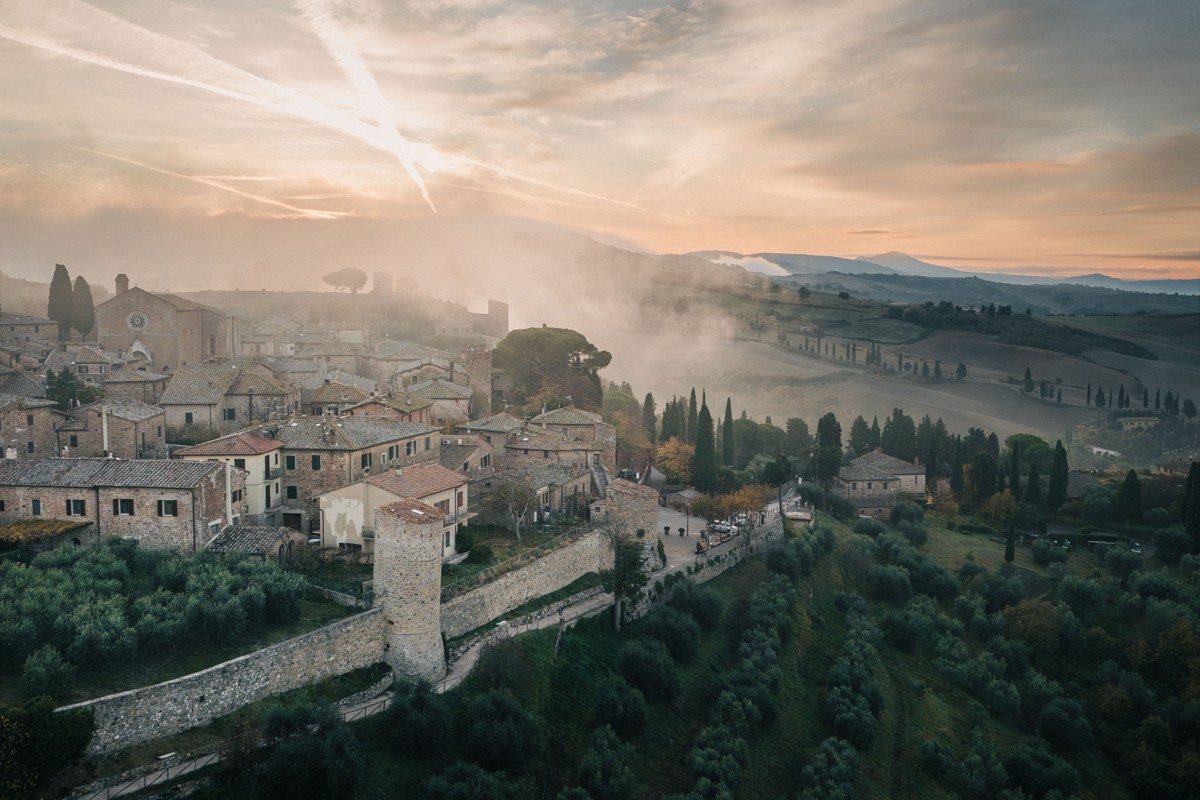
Innerleithen sits in the Tweed valley where the river curves tight against wooded hillsides. On autumn mornings the mist pools so low that only the church steeple and the tops of the Victorian mill chimneys break through. It was once a fashionable spa town, and the handsome stone architecture of that era gives the high street a composed, unhurried dignity that photographs beautifully in flat light.
The best single thing to do here is visit Robert Smail’s Printing Works, a fully operational Victorian print shop preserved by the National Trust for Scotland, where the ink smell and the clatter of century-old machinery feel genuinely transported. If you are shooting for the moody, gothic side of the Southern Uplands atmosphere, arrive on a weekday in late October when the beech trees above the town are copper-orange and the mist rarely lifts before eleven.
2. Clovenfords, Selkirkshire
Best for: solitude, confluence photography, no visitor infrastructure whatsoever.
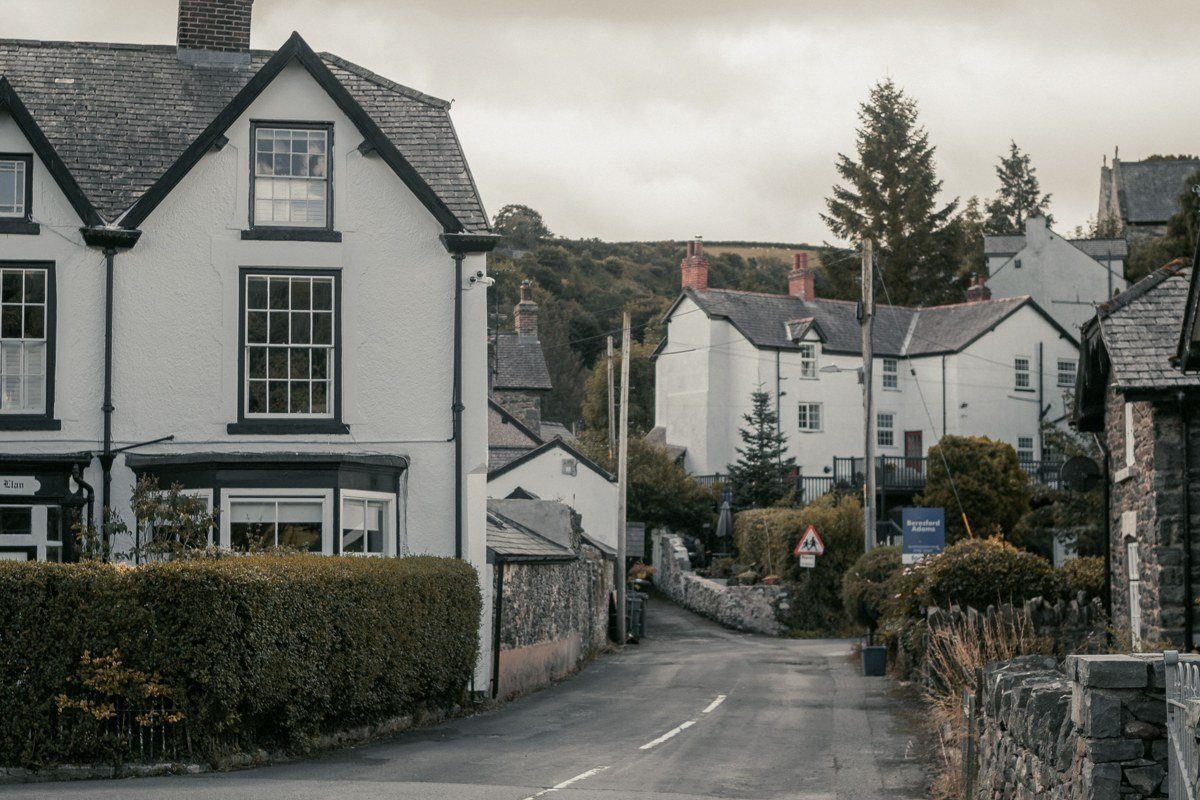
Clovenfords is so small it barely qualifies as a village, which is precisely why it makes this list. A single road, a whitewashed hotel that dates from coaching days, a vine house connected to a now-vanished winery that Sir Walter Scott apparently visited regularly. The surrounding countryside is the kind of open, hedge-lined pastoral landscape that looks like it was painted rather than grown.
Walk west along the Tweed toward Caddonfoot and you will find a confluence of rivers that, in low morning light, produces mirror-flat water and a stillness that feels prehistoric. Do not expect cafes or visitor infrastructure. Bring a flask and treat the absence of signage as the point.
3. Newcastleton, Liddesdale
Best for: Reiver history, deep forest drives, a planned village that feels quietly surreal.
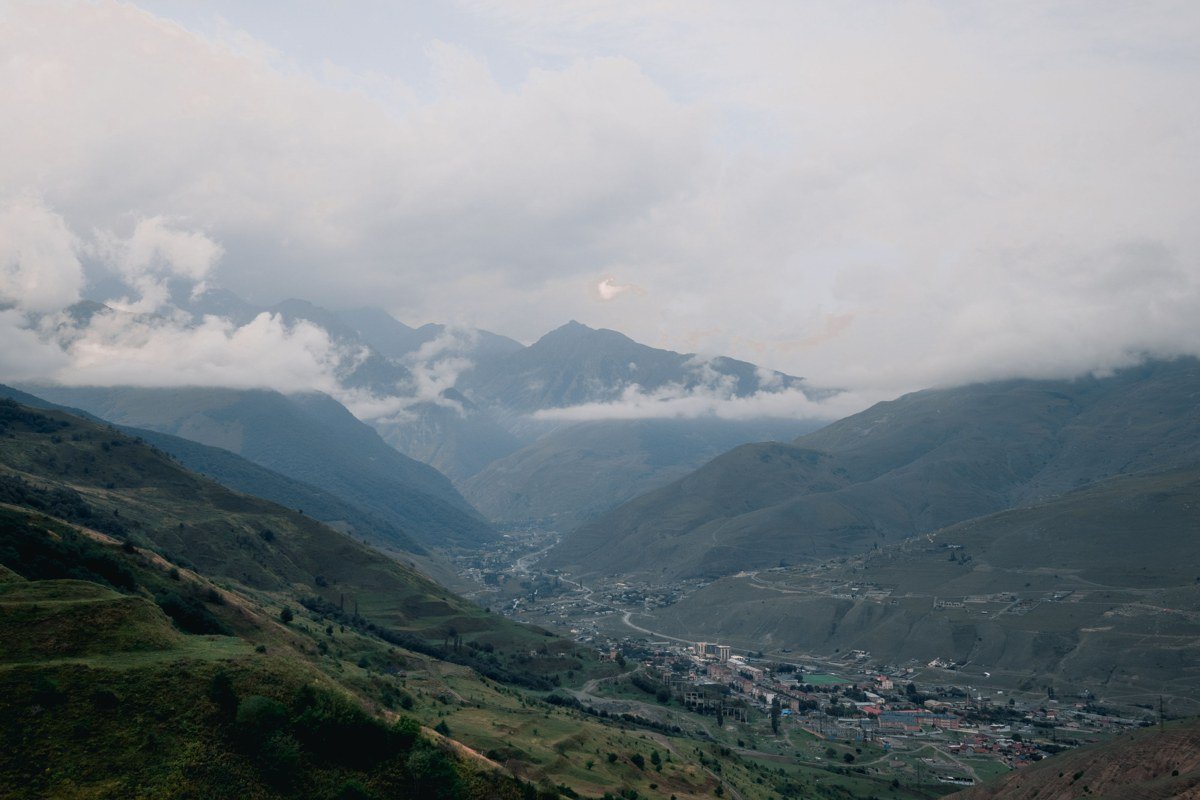
Newcastleton was laid out in a grid in 1793 as a planned weaving village, and that orderly geometry, wide straight streets lined with two-storey sandstone terraces, reads as quietly surreal once you realise it is sitting in the middle of one of the most remote valleys in southern Scotland. Liddesdale is Reiver country, the borderland where feuding families raided across the line for centuries, and the landscape carries that tension still: bare ridgelines, defensive farmhouses with thick walls, forest plantations that swallow the light.
The Liddesdale Heritage Centre in the village holds a surprisingly deep archive of Border Reiver genealogy, worth an hour if the drizzle sets in. The drive south along the B6357 through Kielder Forest rewards a slow speed and a full battery on your camera. The most rewarding single stop is the layby at Saughtree, roughly six miles south of Newcastleton, where the forest opens briefly onto a wide moorland view across the border ridge and the road ahead disappears into the trees in a way that stops most drivers without their quite knowing why.
4. Denholm, Roxburghshire
Best for: village green photography, early-morning fog, quiet riverside walking.
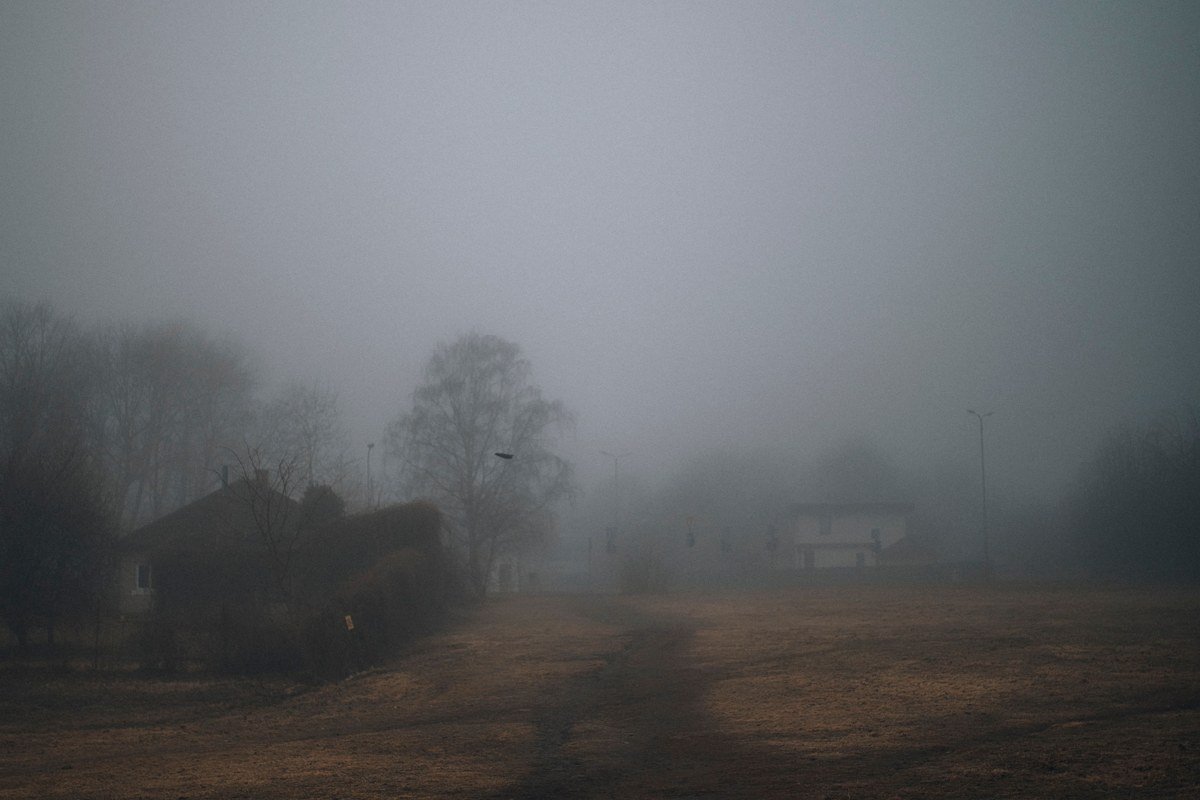
Denholm is arranged around one of the most photogenic village greens in southern Scotland: a wide triangle of grass with a monument to the poet John Leyden at its centre, ringed by 18th-century stone cottages that have been barely touched. On misty mornings the green fills with a ground-level fog that makes the monument look like it is floating.
The River Teviot runs just below the village and the old sandstone bridge is the kind of foreground element that makes landscape photographers stop mid-stride. Denholm is only a few miles from Hawick but feels considerably further away in spirit. Go before ten in the morning if you want the green to yourself, because it is not entirely unknown to photographers who live in the region.
5. Melrose, Scottish Borders
Best for: Gothic ruins in haar, literary history, the best base for exploring the central Borders.
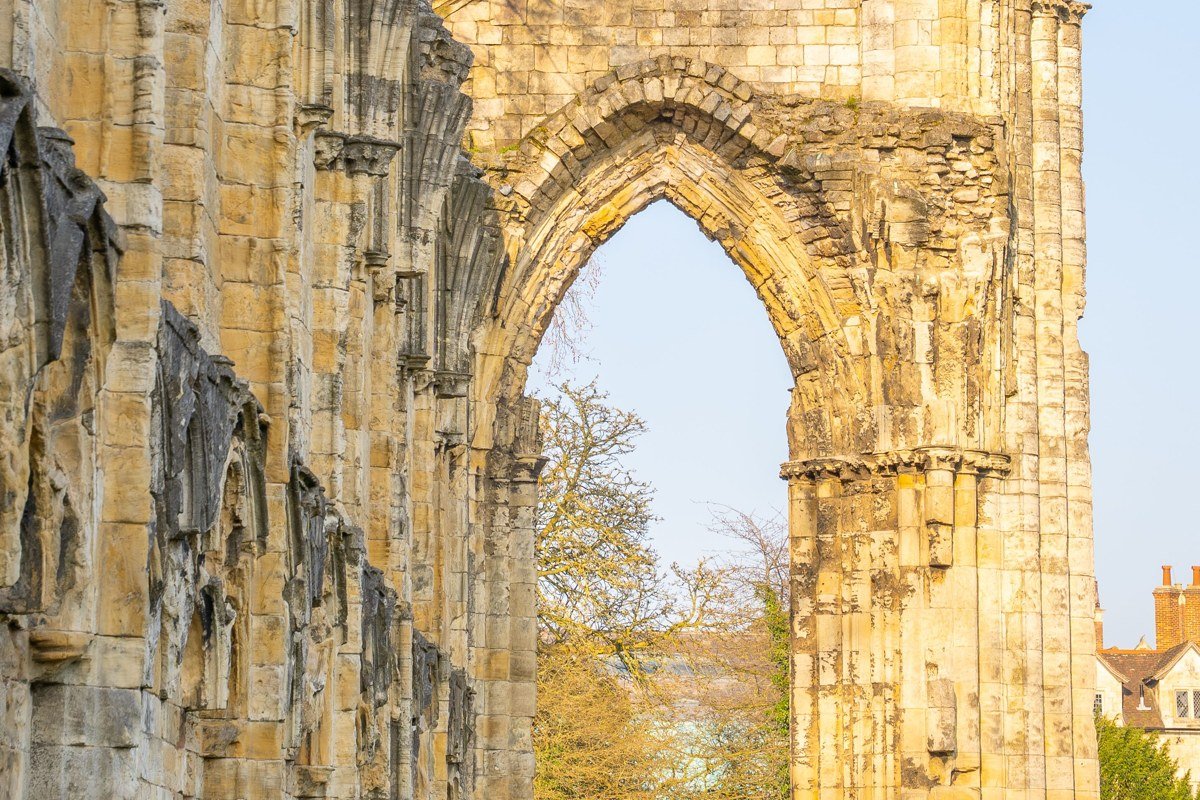
Melrose gets more visitors than the others on this list, and it earns them. The abbey ruins, pink sandstone arches standing open to the sky, are among the most beautiful Gothic structures anywhere in Britain, and they are specifically designed by centuries of exposure to look extraordinary in soft, overcast light.
The insider move is to arrive for the abbey at opening time on a weekday in spring when haar, the North Sea coastal fog, rolls inland up the Tweed valley and turns the whole ruin into something from a Caspar David Friedrich painting. The Eildon Hills rise directly behind the town and a two-hour walk to the summit ridge gives you a view of the entire Borders landscape laid out like a map.
The town itself is compact and warm. The Townhouse Hotel on Market Square is comfortable, well-regarded locally, and within walking distance of every reason to be in Melrose. There is a farmers market that runs through the season and good independent food throughout the week.
6. Yarrow Valley Villages, Selkirkshire
Best for: loch reflections, literary pilgrimage, the most remote pub fire in the Borders.
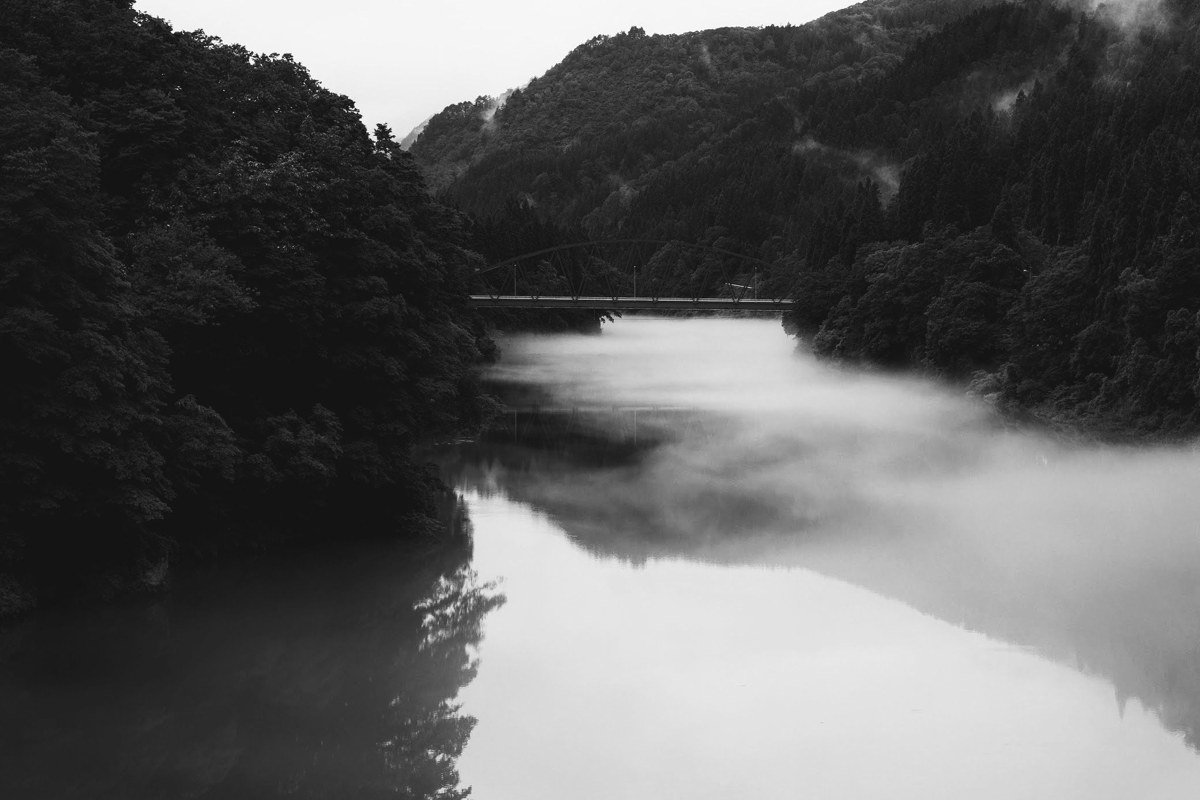
On a still morning, St Mary’s Loch is a long, narrow mirror. The surrounding Ettrick hills reflect in the water with a clarity that looks digitally enhanced but is simply what happens when the wind drops and the light comes in low from the east. That image is the reason to come. Everything else is supporting texture.
The supporting texture is considerable. The Yarrow Valley, technically a collection of hamlets rather than one village, runs along the B709 between Selkirk and Moffat. Gordon Arms, Mountbenger, and Yarrowford together form a loose community with a deep literary history: James Hogg was born in this valley, and Wordsworth visited. The Gordon Arms Hotel, one of the most remote pubs in the Borders, serves good food and has a log fire that you will be genuinely grateful for in any month outside July. The road through the valley sees very little traffic outside summer weekends.
7. Ettrick, Ettrick Forest
Best for: genuine remoteness, Border ballad atmosphere, no amenities and no apology for it.
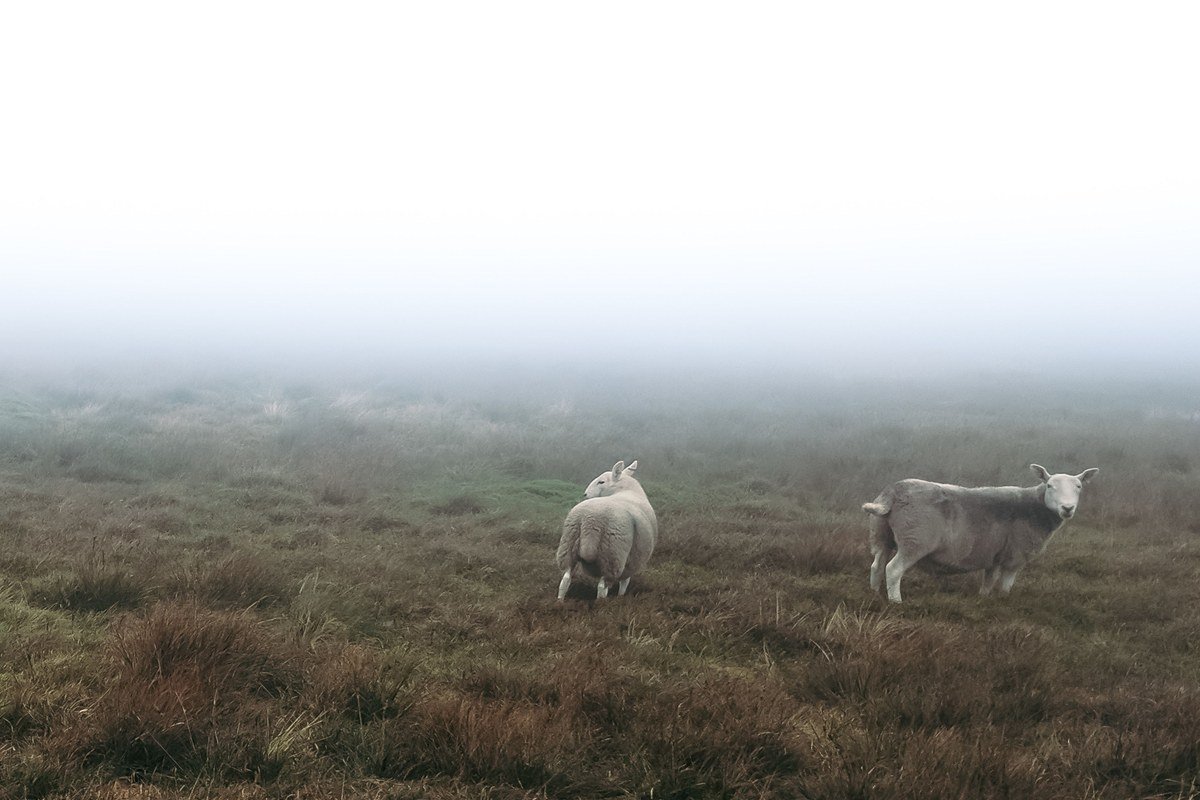
Ettrick is the valley beyond Yarrow, reached by a single-track road that follows the river upstream until the hills close in on both sides. The village itself is a church, a manse, a handful of farms, and the grave of James Hogg, the Ettrick Shepherd, who was born here and is buried in the kirkyard.
This is as genuinely remote as the misty Borders aesthetic gets without actually crossing into the Highlands. The surrounding moorland is open and treeless and in wet weather genuinely elemental. It is not a destination for anyone who needs amenities. It is exactly right for anyone who wants to understand why Border ballads sound the way they do.
8. Peebles, Tweed Valley
Best for: the best base on the list, Neidpath Castle, riverside walks that most visitors miss entirely.
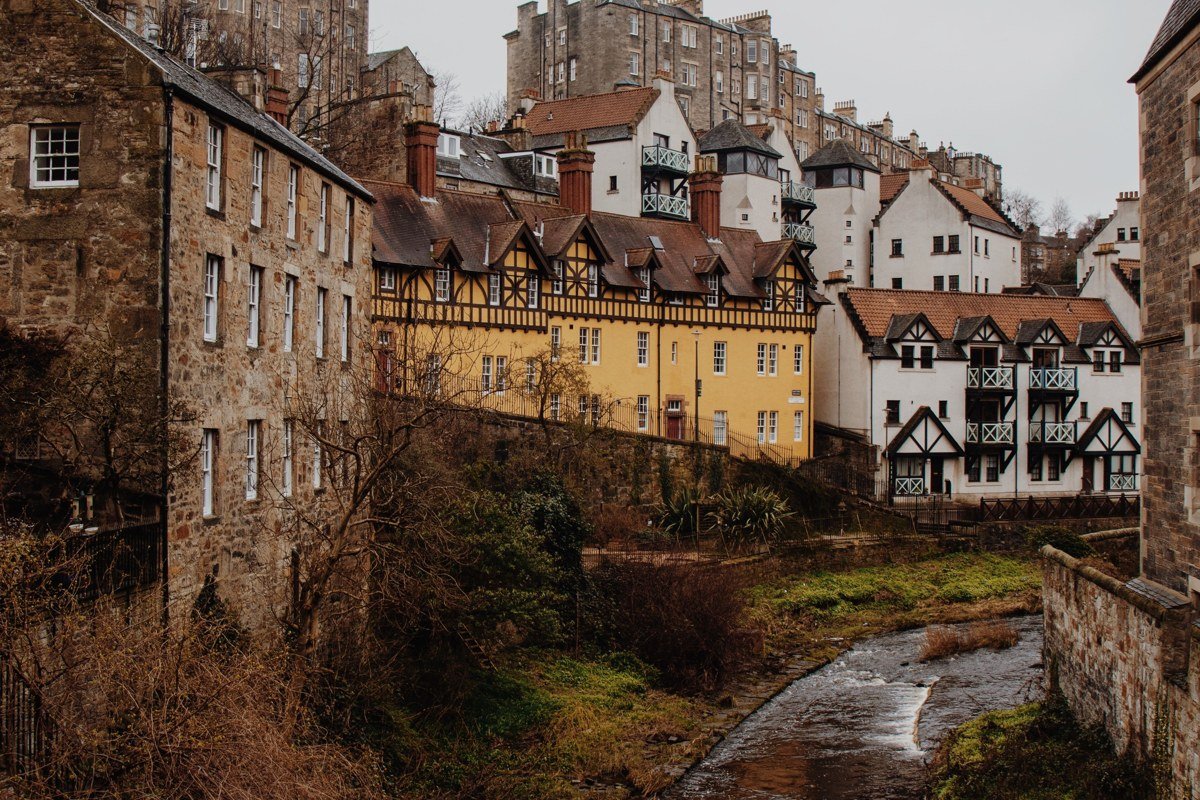
Peebles is the largest place on this list and the only one where you will find a hotel you might describe as comfortable without qualification. The Tontine Hotel on the High Street has been at the centre of the town’s social life for two centuries and remains the most practical base for exploring this part of the Tweed valley.
But the town earns its place because of what surrounds it rather than what it contains. Neidpath Castle, a medieval tower house that rises from a wooded gorge just upstream, is exactly as dramatic as it sounds and almost no one seems to know it is there. The riverside walk from the town toward the castle on a November morning, with the Tweed running pewter-coloured between bare ash trees, is one of the most quietly beautiful short walks in the country.
For practical sustenance: Coltman’s Deli and Bakery on the High Street is the stop worth arriving early for, particularly on cold mornings when the pastry case is at its best. There are enough coffee stops in town that you can spend a full day without feeling stranded.
9. Greenlaw, Berwickshire
Best for: the horizontal beauty of the Merse, Georgian architecture in an empty market square, undervisited eastern Borders driving.
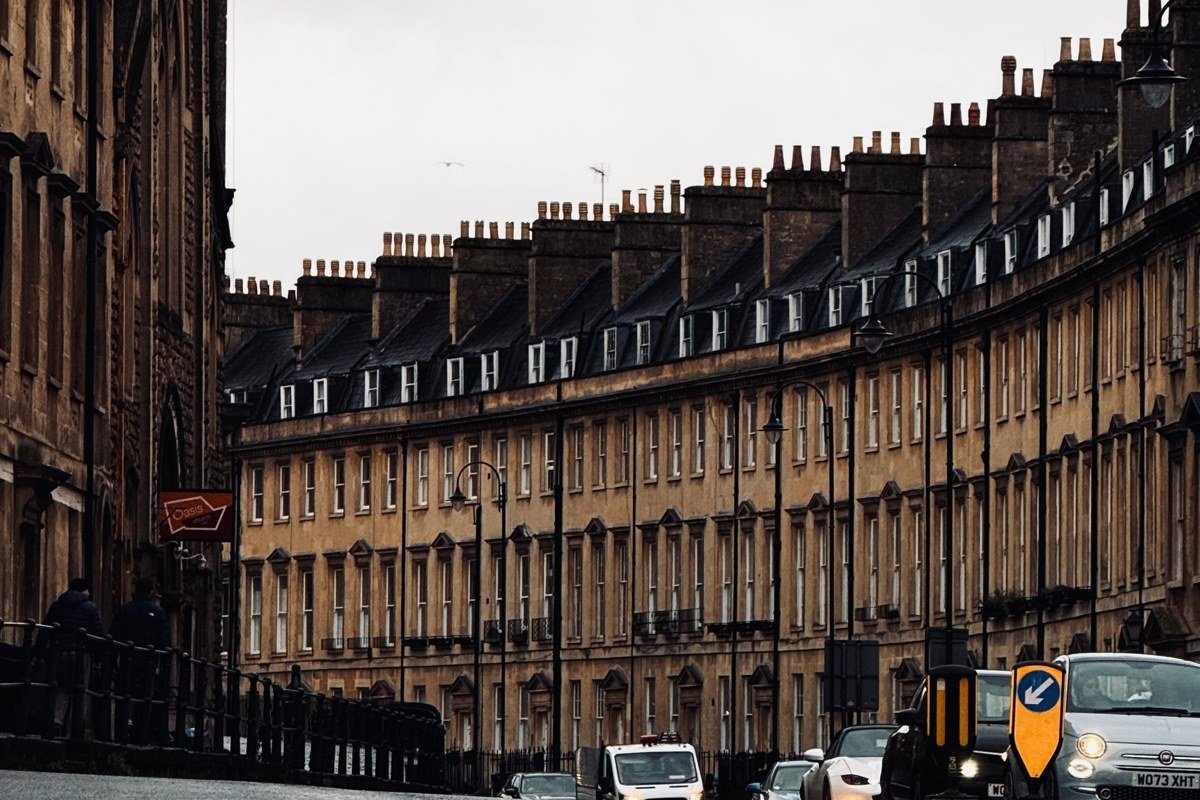
In late October, when the harvest is finished and a low mist sits on the flat fields of the Merse, the landscape around Greenlaw produces a particular quality of light that has almost nothing in common with the dramatic upland scenery further west. It is horizontal, melancholy, and completely arresting in a way that takes most visitors by surprise. Drive east from the town toward Coldstream on a still morning and the light across those open fields is the Border country mood at its most understated.
Greenlaw itself provides historical grounding for that atmosphere. It was the county town of Berwickshire until 1903 and still carries the architecture of a place that once expected more of itself: a court house, a tolbooth, a wide market square lined with Georgian stone. Now the square is quiet in a way that is almost startling, a perfect specimen of a Scottish market town caught in amber.
The Hirsel, the estate outside Coldstream, has woodland walks through managed grounds that are particularly good in bluebell season, and makes a natural second stop on any eastern Borders day.
10. Roberton, Upper Clydesdale
Best for: stepping off the map entirely, ancient church atmosphere, the furthest point from other tourists this list reaches.
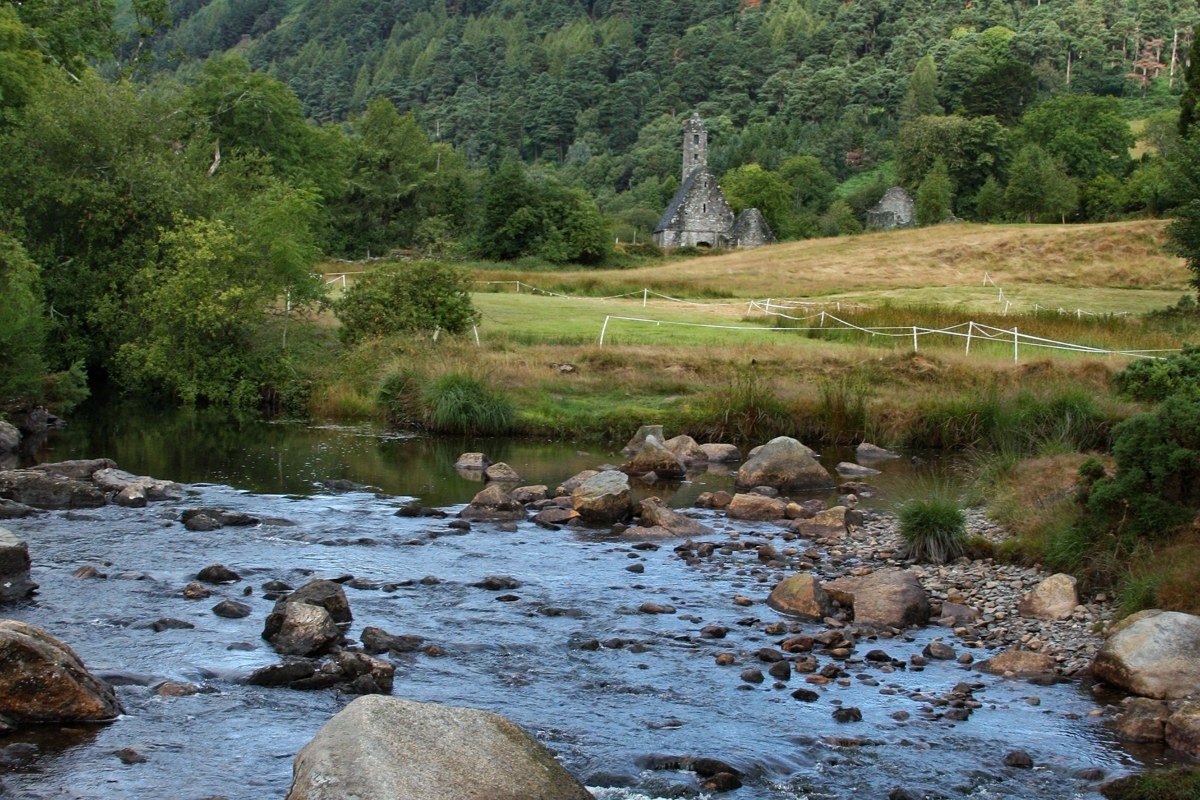
Roberton sits at the edge of where the Borders shades into Upper Clydesdale, a narrow valley running south from Lanark toward the watershed hills. The hamlet is almost entirely agricultural: a handful of farms around a medieval church that is half ruined but half still in use, which is the most characteristically Scottish arrangement imaginable.
The hills above the valley are rounded and smooth. In late November, under the flat grey overcast that follows two or three days of rain, they turn a specific shade of olive-green that no photograph ever quite captures but that you remember for years afterward. The Duneaton Water runs below the village and provides the kind of quiet bankside walking that requires no equipment beyond waterproof boots.
This is the furthest from the typical tourist route that this list goes, and it is worth the drive precisely because it delivers the Southern Uplands atmosphere without a single other visitor in the frame.
How to Use This List Practically
None of these places require booking far in advance except Melrose during peak summer weekends, when accommodation fills quickly. The Borders are best reached by car since public transport is limited outside the main towns. The A68 from Edinburgh to Jedburgh is the backbone road and most of these villages sit within an hour of it.
Late September through November is the peak season for the misty, moody conditions that photograph best, but snowfall in January and February adds another layer entirely. Pack waterproofs for every outing regardless of the forecast. The weather changes fast and the forecast is optimistic by habit.
If you base yourself in Peebles or Melrose for three nights you can reach every village on this list as a day trip. You will spend considerably less than you would in Inverness or Fort William for the same number of nights. The trade is a smaller tourist infrastructure and a quieter road, which is exactly the trade most people reading this want to make.