
At the rim of Erta Ale’s lava lake, at two in the morning, the heat hits your face from thirty metres away and the ground glows orange through the dark. Most people have no idea this is possible in Africa without a film crew. While the adventure travel crowd keeps recycling Queenstown and Torres del Paine, an entire continent of genuinely wild, infrastructurally improving, and visually stunning thrill seeker destinations sits largely unclaimed. These ten spots are not obscure for lack of excitement. They’re obscure because the algorithm hasn’t caught up yet.
1. Batoka Gorge, Zambia
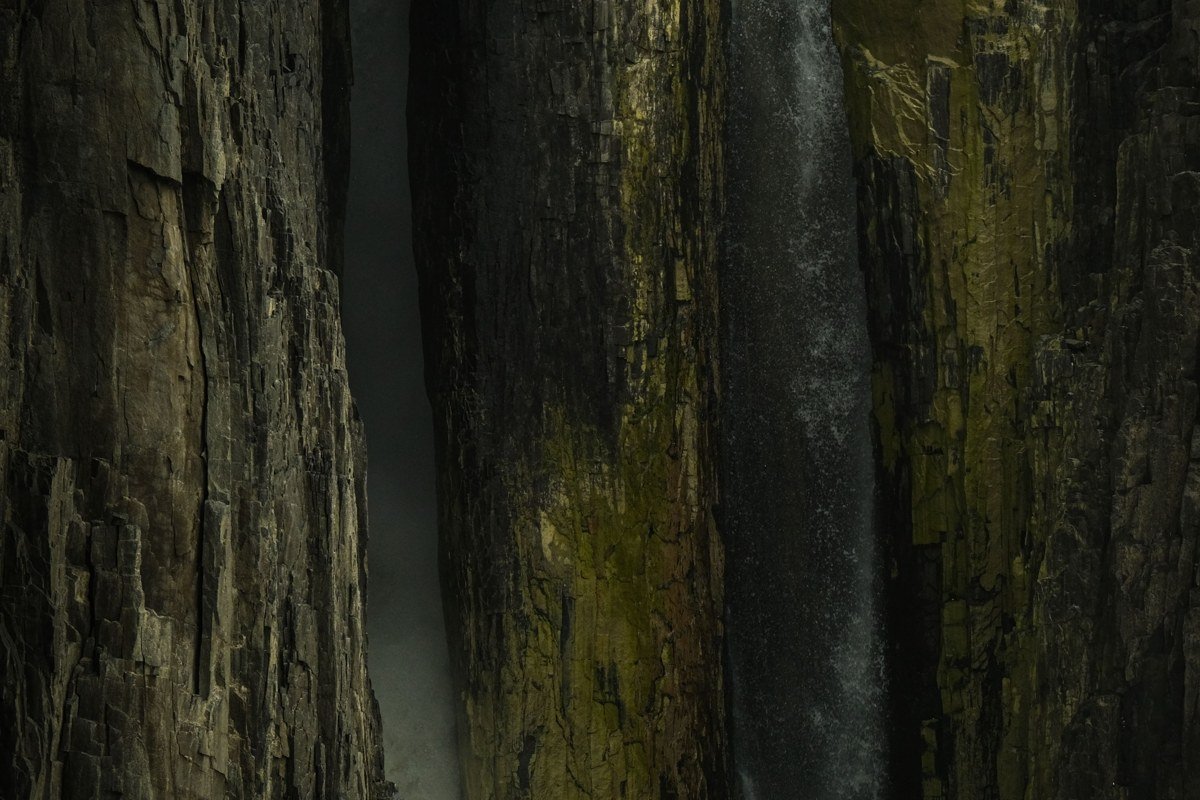
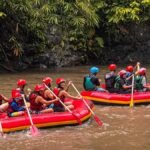
Victoria Falls gets all the credit, but the real action starts downstream. Batoka Gorge is one of the most technically demanding commercial white-water runs on the planet, a roughly 120-kilometre stretch of the Zambezi River where the water drops through basalt walls in a series of Grade IV and Grade V rapids with names like “Overland Truck Eater” and “The Washing Machine.” The gorge walls reach close to 200 metres in places and the scenery is savage in the best way: burnt orange rock, wheeling raptors, and the occasional crocodile on a sandbar far enough below to be beautiful rather than alarming. Rafting operators run full-day and multi-day expeditions out of Livingstone, and the multi-day trips include walking sections and camping on sandbars that feel genuinely remote. Go in August or September when the water level drops to its most rafting-friendly and the gorge is dry enough that you are not fighting both the river and the rain. Multi-day trips with operators like Bundu Adventures run in the range of $250 to $400 per person depending on group size and duration ($).
2. Simien Mountains, Ethiopia
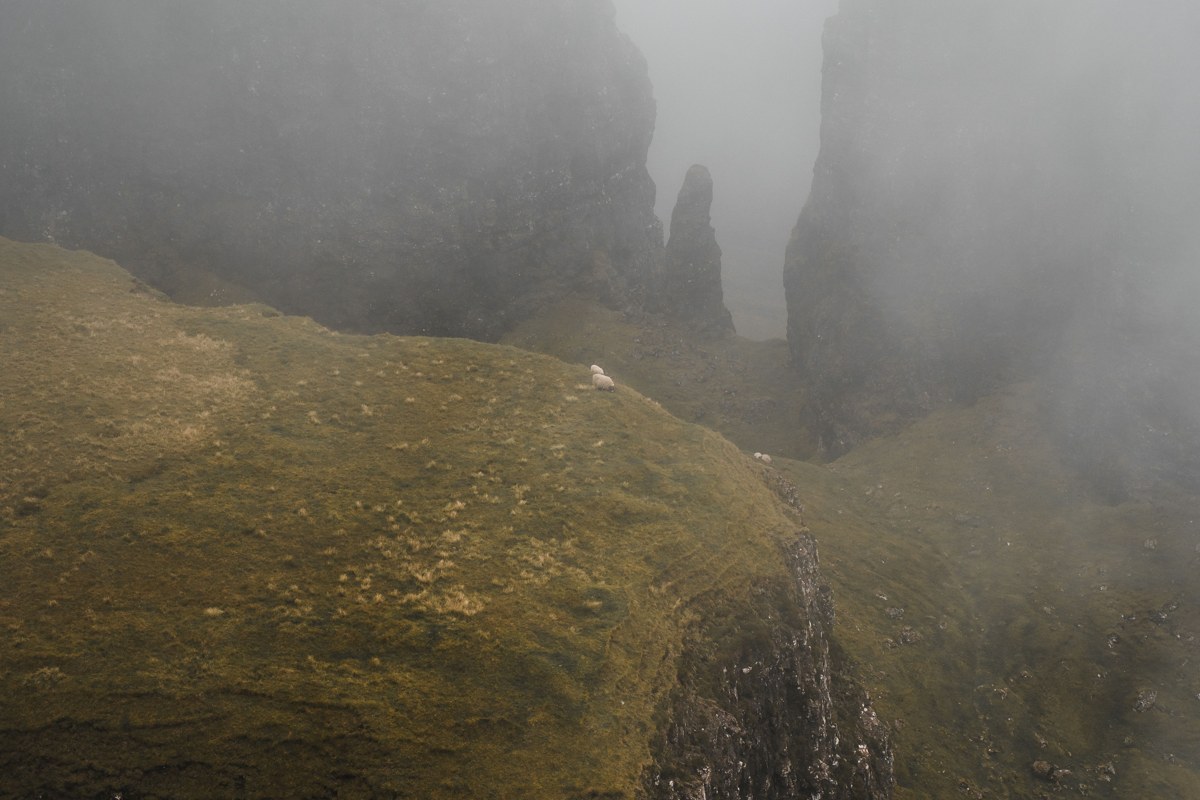
Most people know the Simiens exist. Very few actually go. That is a genuine error in judgment, because the Ethiopian Highlands contain some of the most photogenic high-altitude terrain anywhere in Africa. The escarpment at Imet Gogo drops more than a kilometre almost vertically, and you share the clifftop with troops of gelada baboons so accustomed to hikers that they graze within arm’s reach. For thrill seekers, the draw is a multi-day traverse from Debark toward Ras Dashen, Ethiopia’s highest peak at roughly 4,550 metres, which involves real altitude, real weather, and sections of scrambling on crumbling basalt that keeps you honest. Logistics require a local guide and scout by law, and the trail infrastructure is basic, which adds to the feel rather than detracting from it. March and April bring short rains but dramatically moody light; October through February is the dry, clear window. Budget roughly $40 to $60 per day for guides, scouts, and park fees when booked through Debark’s park office ($).
3. Toubkal Circuit, Morocco
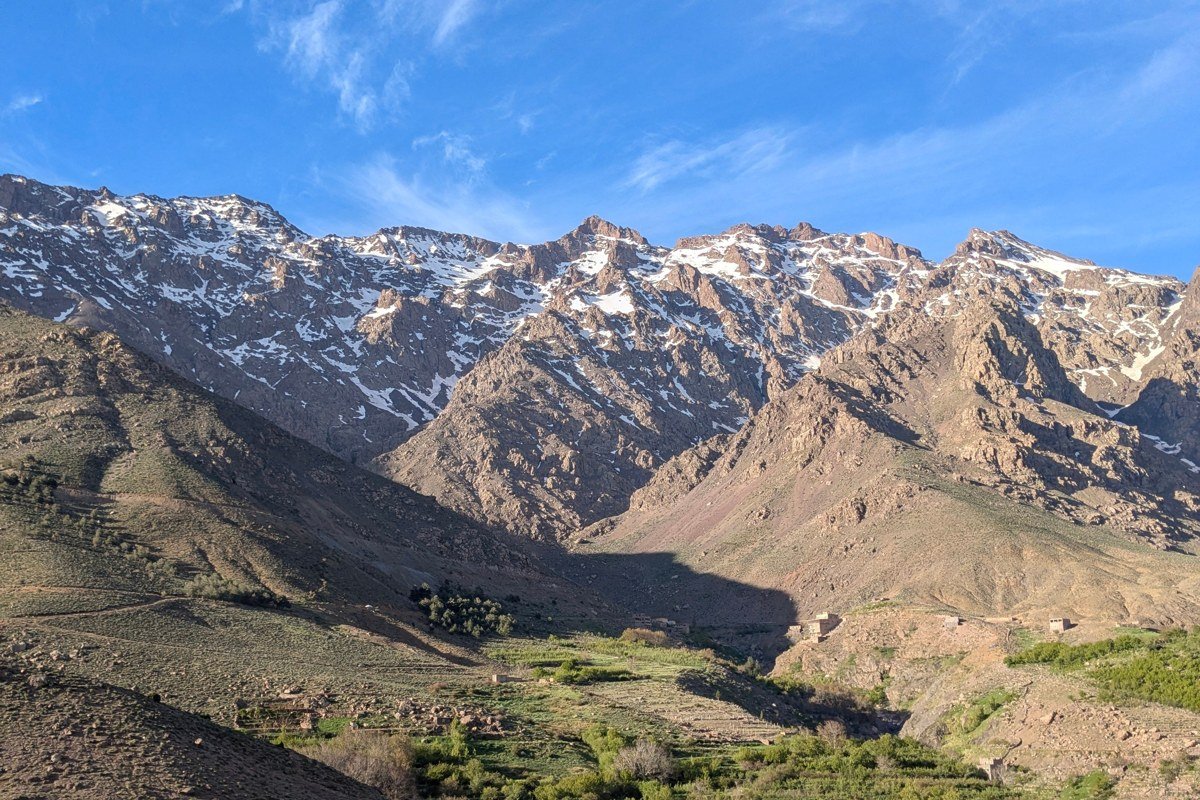
Jebel Toubkal, at just over 4,160 metres, is the highest peak in North Africa and it sits within a day’s drive of Marrakech. The two-day standard summit route is genuinely achievable for fit hikers with no technical climbing experience, but the multi-day circuit around the massif is where this becomes a proper thrill seeker destination. You are crossing high mountain passes above 3,600 metres, descending into Berber villages that see a fraction of the Toubkal summit crowd, and moving through a landscape that looks more like the high Andes than anything most people picture when they think Morocco. The contrast is half the appeal: you can eat pastilla in Marrakech, sleep in a riad, and 48 hours later be breaking ice in your water bottle at a mountain refuge. June and September hit the sweet spot between snow-free passes and oppressive summer heat. A guided five-day circuit through operators based in Imlil runs roughly $300 to $500 per person all-in ($).
4. Quirimbas Archipelago, Mozambique
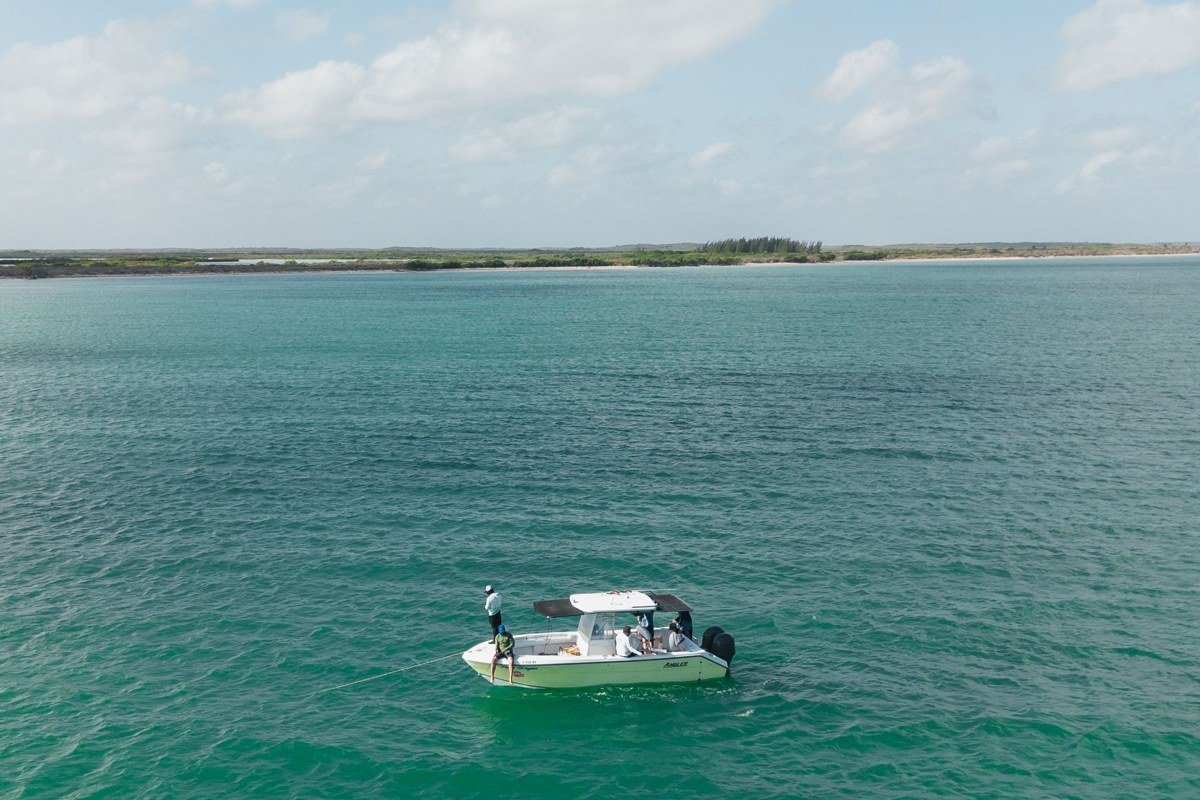
Mozambique’s adventure credentials lean hard into the ocean, and the Quirimbas chain in the far north is where the water gets genuinely wild. Inter-island crossings by traditional dhow through open channels with strong tidal currents qualify as an adventure in themselves, but the real headline is the diving and free diving. The reefs here are among the least dived in East Africa and the fish biomass shows it: potato grouper, whale sharks on seasonal passage, and manta ray cleaning stations that feel like a private showing. For the adrenaline-specific crowd, surfing on Ibo Island’s outer reef breaks during the austral winter swell (June to August) is an almost completely unreported option. Getting here is logistically involved, with a flight to Pemba followed by a charter or boat transfer, and accommodation options are either expensive at the high end or genuinely rustic at the low end. That friction keeps the crowds away. Expect to spend upward of $400 per night at established lodge properties; budget travellers can cut that significantly by staying in Ibo town itself ($$$).
5. Chimanimani Mountains, Zimbabwe
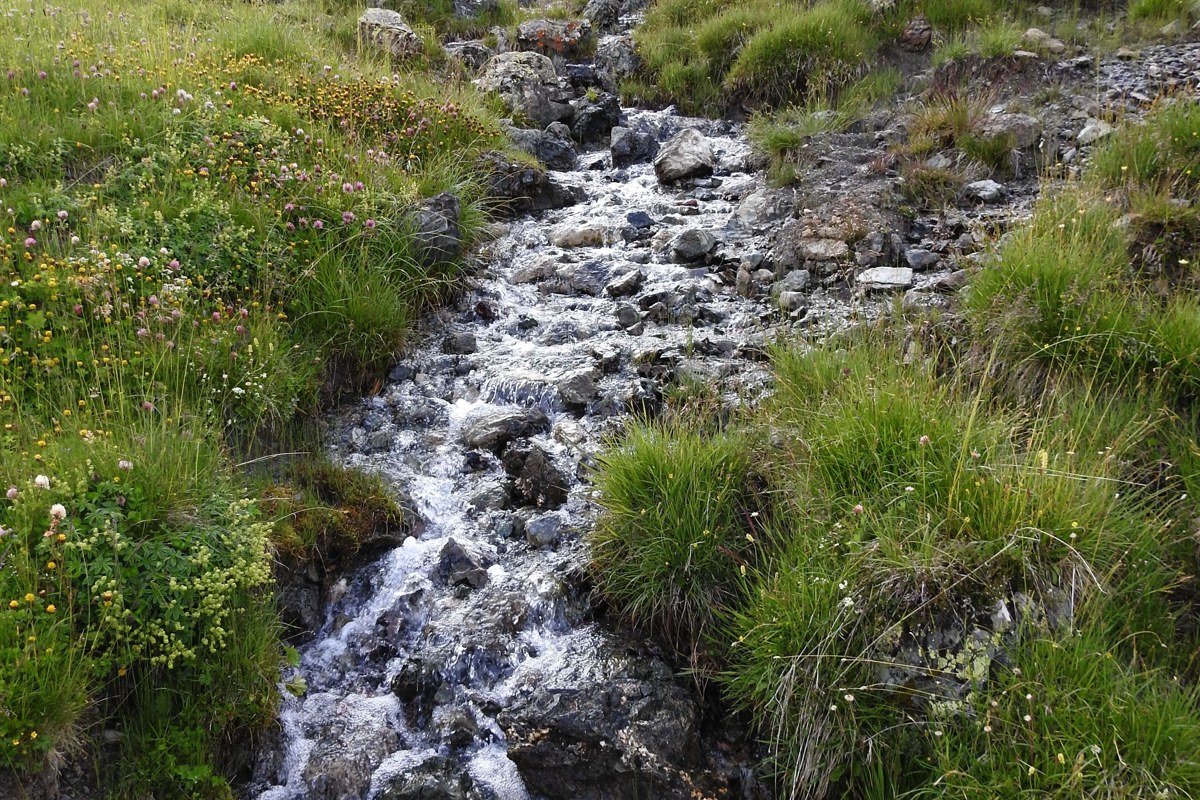
Most Zimbabwe itineraries stop at Victoria Falls and Hwange. Chimanimani sits in the eastern highlands near the Mozambique border and it rewards the travellers who bother to keep driving. The quartzite peaks are old and strange-looking, smoothed by time into whale-back ridges laced with streams and waterfalls, and the national park has almost no visitor infrastructure beyond a basic mountain hut, which is precisely the point. The classic adventure is a cross-border traverse into Mozambique’s Chimanimani National Reserve, a route that requires navigation skills, river crossings that can turn serious after rain, and a comfort level with genuine remoteness. Leopard, klipspringer, and eland are common sightings. The wildflower display in October and November, just before the rains, is quietly spectacular and barely photographed. Park fees and hut accommodation are modest by regional standards, running under $30 per person per night ($).
6. Blyde River Canyon, South Africa
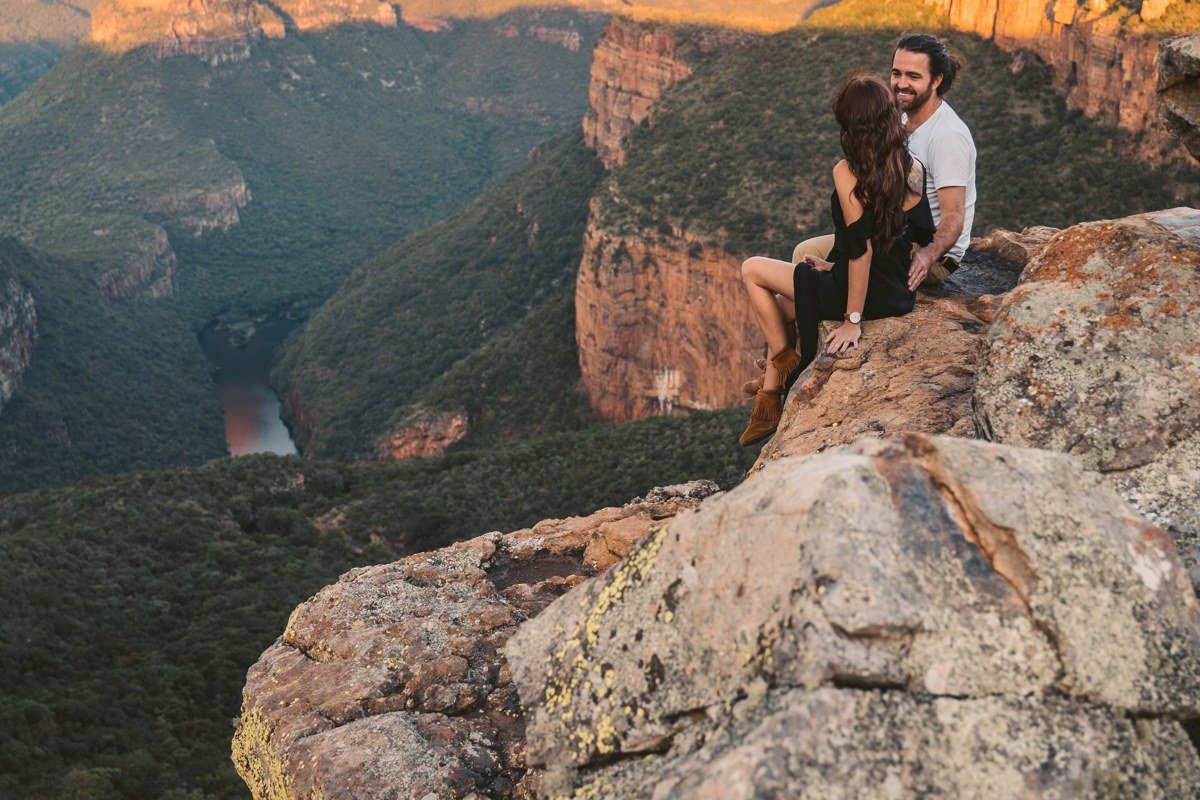
South Africa’s adventure tourism conversation defaults to the Garden Route and the Drakensberg. Blyde River Canyon, one of the largest canyons in the world and certainly the greenest, tends to appear only in scenic overlook photographs and then get skipped. That is unfortunate because the canyon is a serious via ferrata and multi-pitch climbing venue. The closest named commercial product is the Rietvlei via ferrata near Graskop, where bolted routes along the quartzite faces place you at elevation with the full 26-kilometre canyon length visible on both sides. The Kadishi Tufa waterfall route involves navigating through forest, wading knee-deep river sections, and scrambling to reach one of the tallest tufa waterfalls in the world. Outside of South African public holidays, the canyon stays quiet enough that you can have a sunrise overlook at Three Rondavels entirely to yourself. Avoid the mid-winter months (June and July) when the high canyon sections can get bitterly cold with zero facilities for warmth. Via ferrata day rates through local guiding outfits start around R1,200 (approximately $65) per person ($$).
7. Erta Ale, Ethiopia
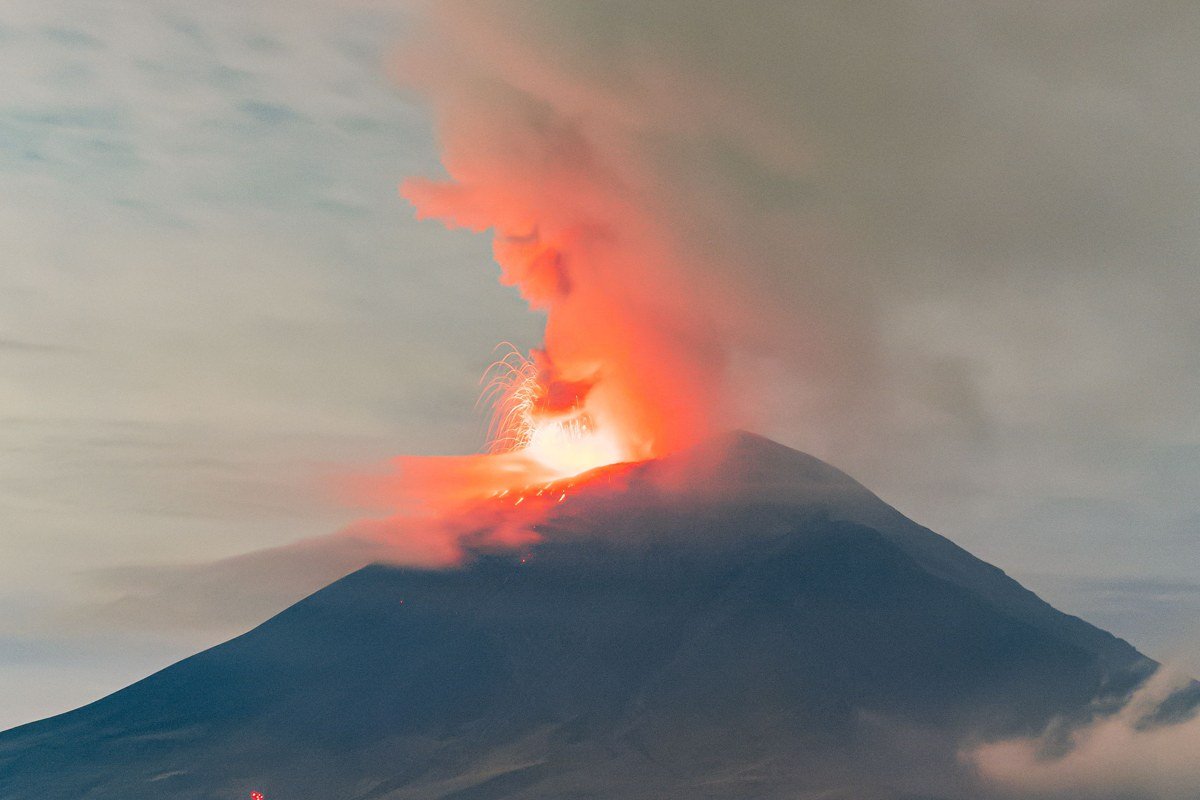
Two Ethiopia entries on one list is not padding. Erta Ale earns its place independently and for a completely different reason: it is one of the world’s few persistently active lava lakes and reaching it is an adventure in its own right. The approach is an overnight walk across the Danakil Depression, one of the hottest and lowest places on Earth, starting around midnight to avoid the worst of the heat. By the time you reach the caldera rim, the lava lake below glows in the dark and radiates heat you can feel from thirty metres. It is an almost aggressively hostile environment and it produces one of the most genuinely otherworldly photographs available to any traveller willing to do the work. Go with an established operator from Mekele and verify the current security situation with recent traveller forums before booking, as the remote region has had access issues that fluctuate seasonally. All-inclusive Danakil tour packages from Mekele typically run $300 to $500 for a three-day itinerary covering Erta Ale and the salt flats at Dallol ($$).
8. Tassili n’Ajjer, Algeria
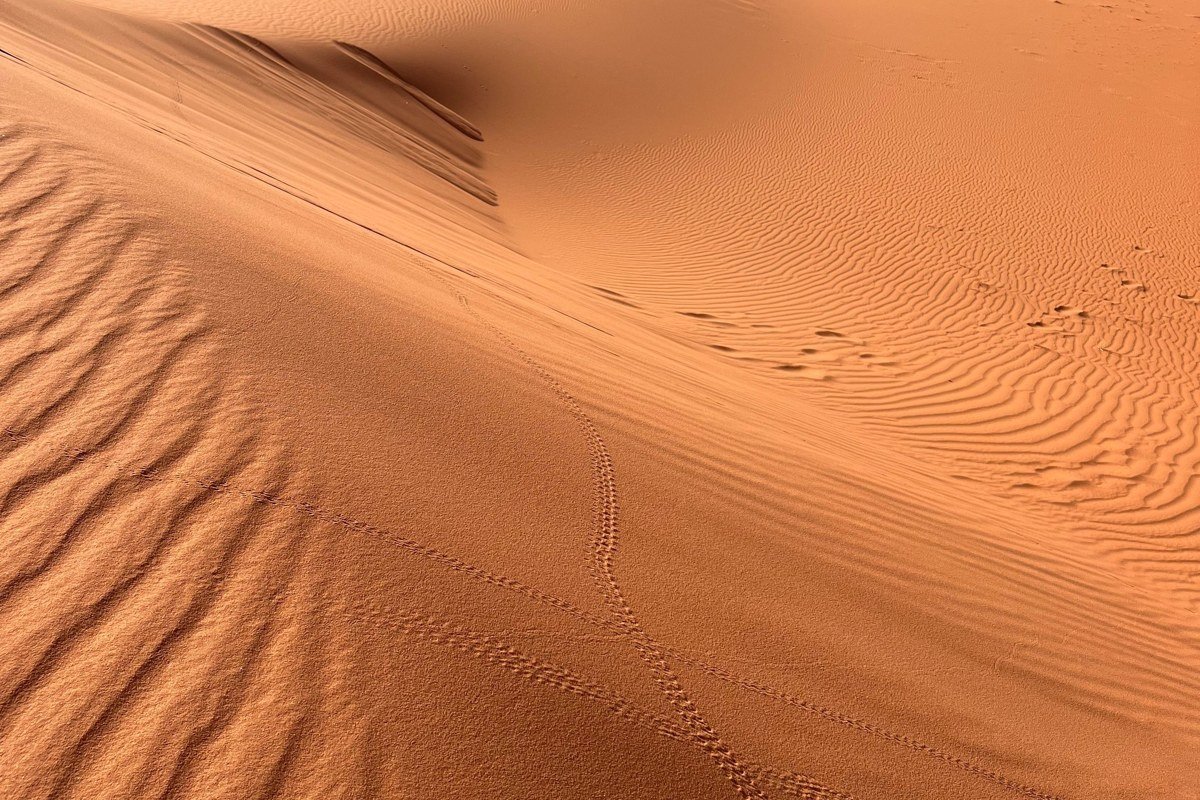
Algeria drops off the Africa adventure map almost entirely in Western travel content, which creates an unusual opportunity. Tassili n’Ajjer is a UNESCO World Heritage plateau in the central Sahara containing thousands of pieces of prehistoric rock art alongside sandstone formations that look like a science fiction set: eroded arches, needle spires, and canyon mazes in deep ochre and terracotta. Trekking through the plateau requires a licensed Tuareg guide and several days of carrying supplies, and the navigation is genuinely challenging with no marked trails. Before you plan anything else: Algerian tourist visas are not available as an e-visa for most nationalities, processing takes four to six weeks, and applications typically require a confirmed itinerary through an approved operator. That bureaucratic step is the real friction point for this destination, not the logistics on the ground. Summer temperatures in the Sahara are prohibitive; plan for October through March and build your itinerary through an established Algerian tour operator. Week-long guided plateau treks run roughly $800 to $1,200 per person including guides, permits, and camel or 4WD support ($$).
9. Skeleton Coast, Namibia
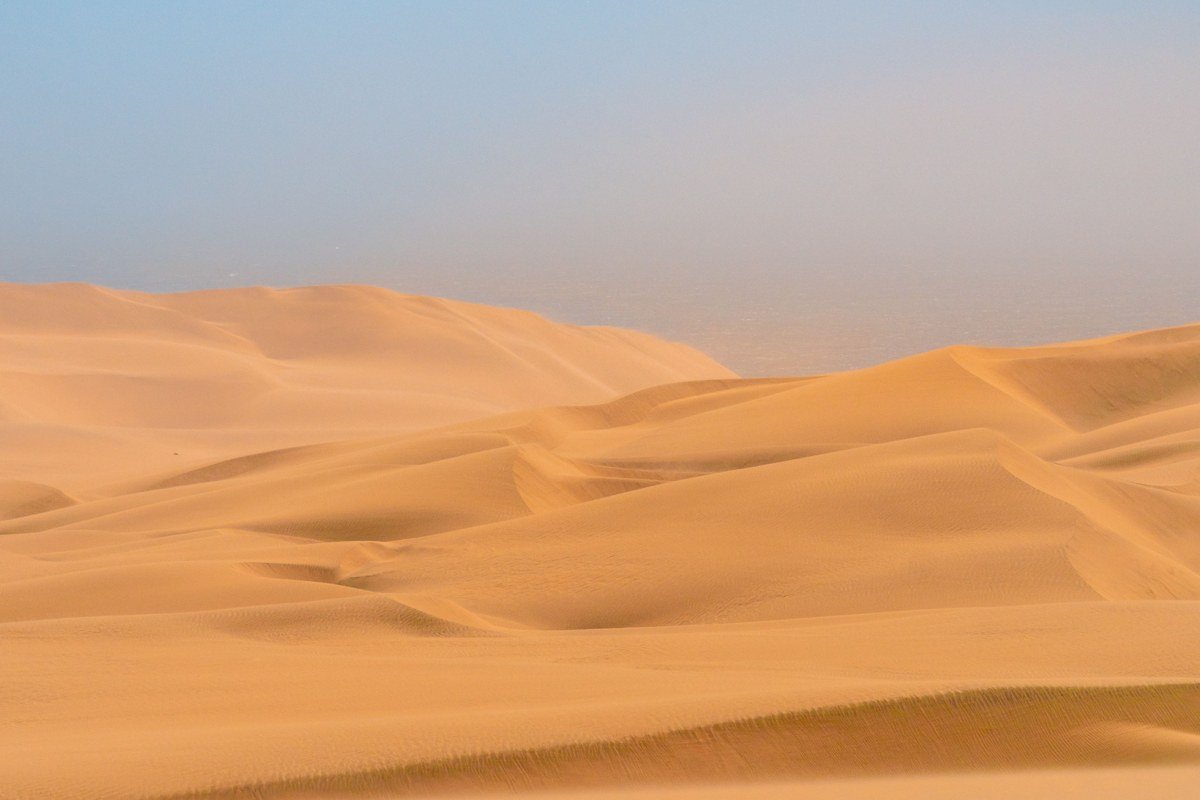
Namibia’s north-western coastline earned its name from the bleached whale bones that once lined the beach and the sailors who did not survive being wrecked here. The fog-shrouded dune system, the rusted shipwrecks half-buried in sand, and the colonies of Cape fur seals that attract desert-adapted lions make this one of the most photogenic and genuinely eerie coastal environments on Earth. One detail that rarely makes the standard Namibia feature: the Eduard Bohlen, a cargo steamer that ran aground in 1909, now sits approximately 12 kilometres inland. The coastline shifted around it over the following decades, stranding the wreck in open desert, and the image of a full-sized ship rusting in sand dunes with no ocean in sight is among the more surreal things you will encounter anywhere on this continent. For thrill seekers the experience is as much psychological as physically demanding: quad biking across the coastal dunes, fly-in expeditions to the restricted Skeleton Coast National Park, and sea kayaking among the seals in swells that arrive uninterrupted from Antarctica. The northern park zone requires a fly-in permit and stays extremely limited in visitor numbers, which pushes cost up significantly but keeps the experience intact. Fly-in safari packages for the restricted northern zone start at around $1,500 per person per night ($$$). Aim for the austral winter months when the cold Benguela Current fog is at its thickest and most atmospheric.
10. Ruwenzori Mountains, Uganda
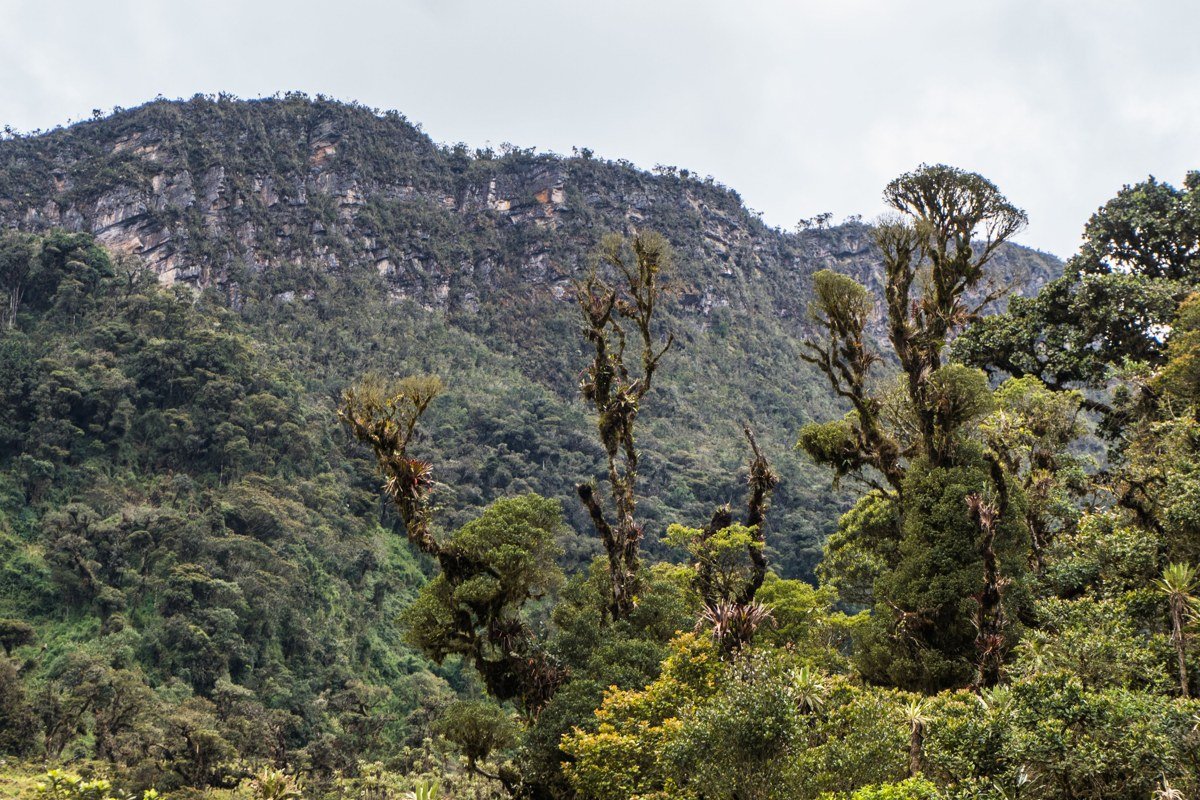
The Mountains of the Moon have a name that already sounds like an adventure, and the reality matches it. The Ruwenzori range on the Uganda-DRC border contains permanent glaciers on the equator, a fact that remains slightly hard to believe until you are standing on one. The standard Kilembe trekking route takes six to nine days and moves through a sequence of bizarre high-altitude vegetation zones: giant heather forests, then alien-looking giant lobelias and groundsels, then the glacial zone on peaks like Margherita at just over 5,100 metres. Everything is wet. The trails are muddy, the cloud sits in permanently, and the conditions make the Ruwenzori one of the more genuinely demanding multi-day treks in Africa without requiring technical mountaineering skills below the summit zone. January and February are the driest months and offer the clearest summit windows, making them the best planning target for anyone prioritising glacier access over guaranteed solitude. That sustained physical difficulty is exactly the point for thrill seekers who want more than a scenic walk. Hire a guide through the Uganda Wildlife Authority; multi-day permits run approximately $700 per person and include mandatory guide and porter fees ($$).
Getting Started: Practical Takeaways for Africa’s Thrill Seeker Destinations
Most of these destinations require more lead time than equivalent adventures in Europe or South America, but less than people assume. A few consistent principles apply across all ten.
Book through locally owned operators where possible. For Batoka Gorge, Absolute Adventure and Safari Par Excellence both have long track records. For the Simiens and Ruwenzori, booking through the respective national park authorities directly avoids margin-stacking middlemen and puts money into the local management structure.
Travel insurance for adventure activities is non-negotiable, and standard policies exclude most of what is described above. World Nomads and Battleface both offer activity-specific extensions; read the fine print on altitude limits and white-water gradings before you pay. Critically, for remote destinations like Tassili n’Ajjer, the Ruwenzori glacial zone, and the Skeleton Coast’s northern park, verify that your policy covers emergency medical evacuation. Ground ambulance is not a realistic option in any of these locations, and a medevac helicopter or fixed-wing evacuation to a regional hospital can cost $50,000 or more without coverage.
Visa complexity varies sharply across this list. Algeria is the most demanding: tourist visas require a confirmed operator itinerary, are not available on arrival, and processing runs four to six weeks for most Western passport holders. Ethiopia, Mozambique, and Uganda all offer e-visa options with shorter lead times, but check current processing windows at least six weeks before departure regardless.
Currency norms differ by destination and matter in practice. In Zambia, Mozambique, and Namibia, USD is widely accepted alongside local currency for tour deposits and park fees. In Ethiopia and Algeria, local currency is expected for most ground transactions and access to USD at good exchange rates can be inconsistent outside capital cities. Carry a mix and do not rely on card access in remote zones.
Timing matters more in Africa than almost anywhere else because wet season and dry season create entirely different landscapes and risk profiles. Most of these destinations have a clear optimal window; build your trip around that window rather than around flight prices.
Finally, resist the urge to stack too many countries into one itinerary. The honest version of any of these trips rewards slower travel. Two weeks at one destination beats five destinations in ten days, every time.