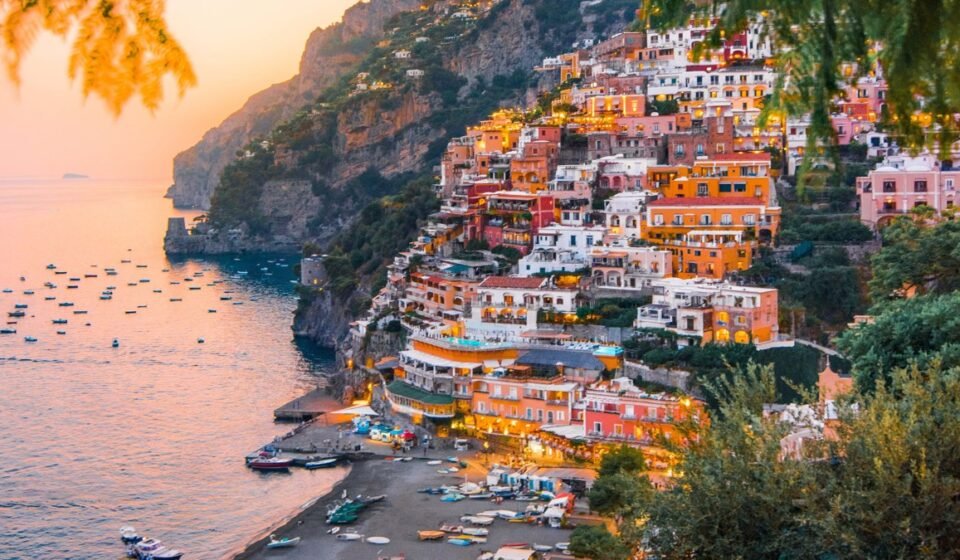

The whitewashed walls, the cobalt water, the way afternoon light turns every stone building amber at 5pm: this is not a look that Greece has any monopoly on. Nine destinations across the basin deliver the same effect, often with smaller crowds, lower prices, and a local culture that feels less packaged for export.
1. Matera, Italy (with a Night on the Ionian Coast)
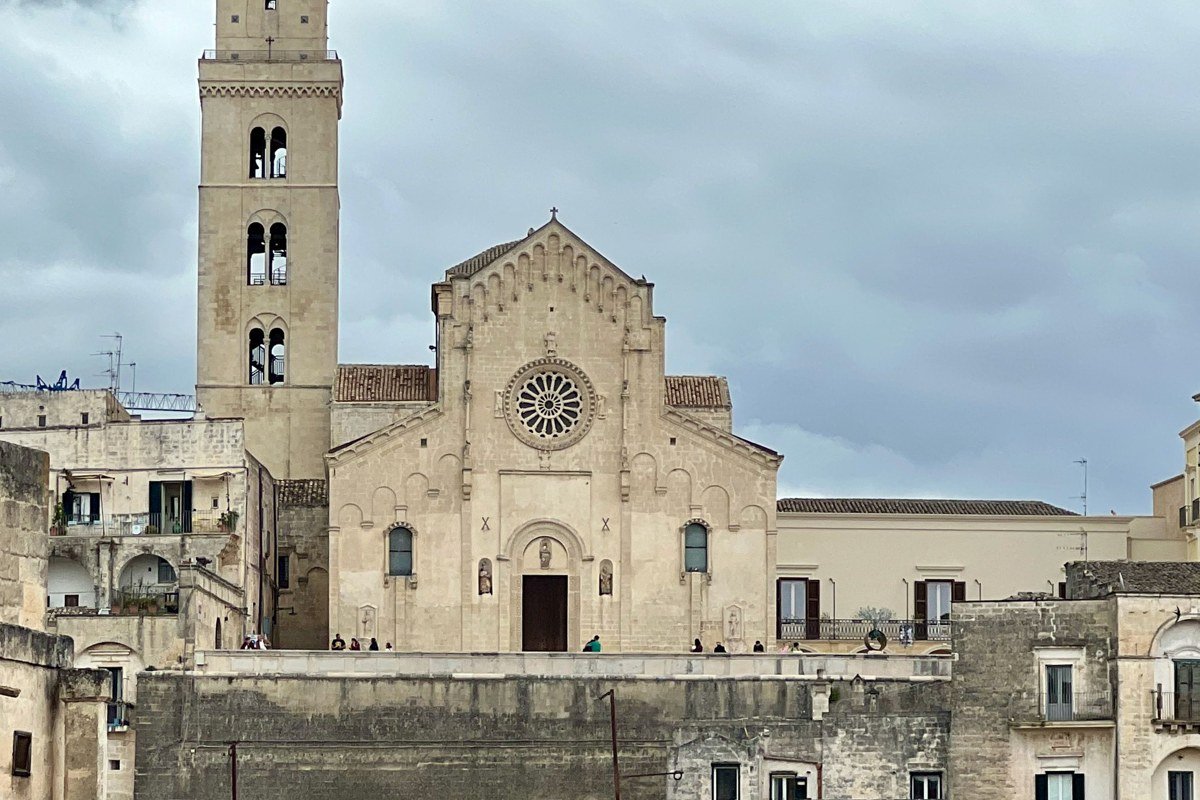
Matera sits inland in Basilicata, and it earns its place here entirely on its own terms. The Sassi districts, two ravines packed with cave dwellings carved from pale tufo limestone, photograph almost identically to Santorini’s caldera cliffs when the light is low and the stone glows white-gold. Rent a scooter at dawn, ride the rim of the Gravina canyon before tour groups arrive, and stop at the Belvedere di Murgia Timone viewpoint. That is the visual heart of the trip.
If you want to add water to the itinerary, the Ionian coast is an hour’s drive south. Spend two nights in Matera, then one night in Metaponto, where Greek colonial ruins sit directly alongside a long, flat beach. The ruins of the Tavole Palatine temple, standing columns against open sky, and the uncrowded sandy shore make a genuinely odd and rewarding combination. It is not Santorini, but that is the point.
One caveat on timing: July and August are punishing in Basilicata. Aim for late May or October, when the stone holds warmth without burning.
Skip if: You need a beach as your base. Matera is a destination for the architecture and the light, full stop.
2. Kotor, Montenegro
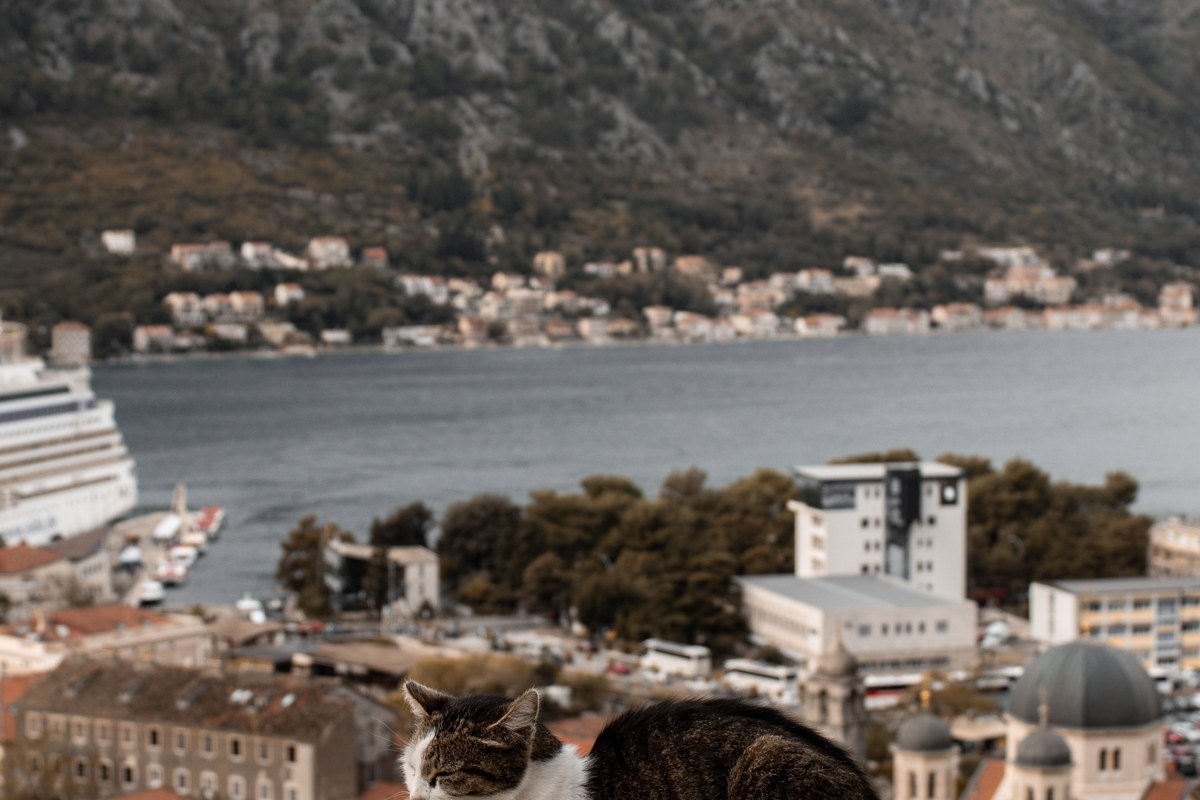
Kotor is what happens when Venetian architecture, Byzantine churches, and Adriatic water meet inside a perfectly preserved medieval bay. The inner harbor is compact enough to cover in a single morning session: the pale stone walls, the narrow cat-dotted alleys, the water so still it mirrors the mountains behind. Climb the 1,350-step fortress wall to the Church of Our Lady of Remedy at sunrise, before the cruise ships dock and the light goes flat.
One honest caveat: the bay itself is calm and beautiful but not the clearest for swimming. For that, take the ferry across to Perast or drive twenty minutes to the Lustica Peninsula.
3. Valletta and Gozo, Malta
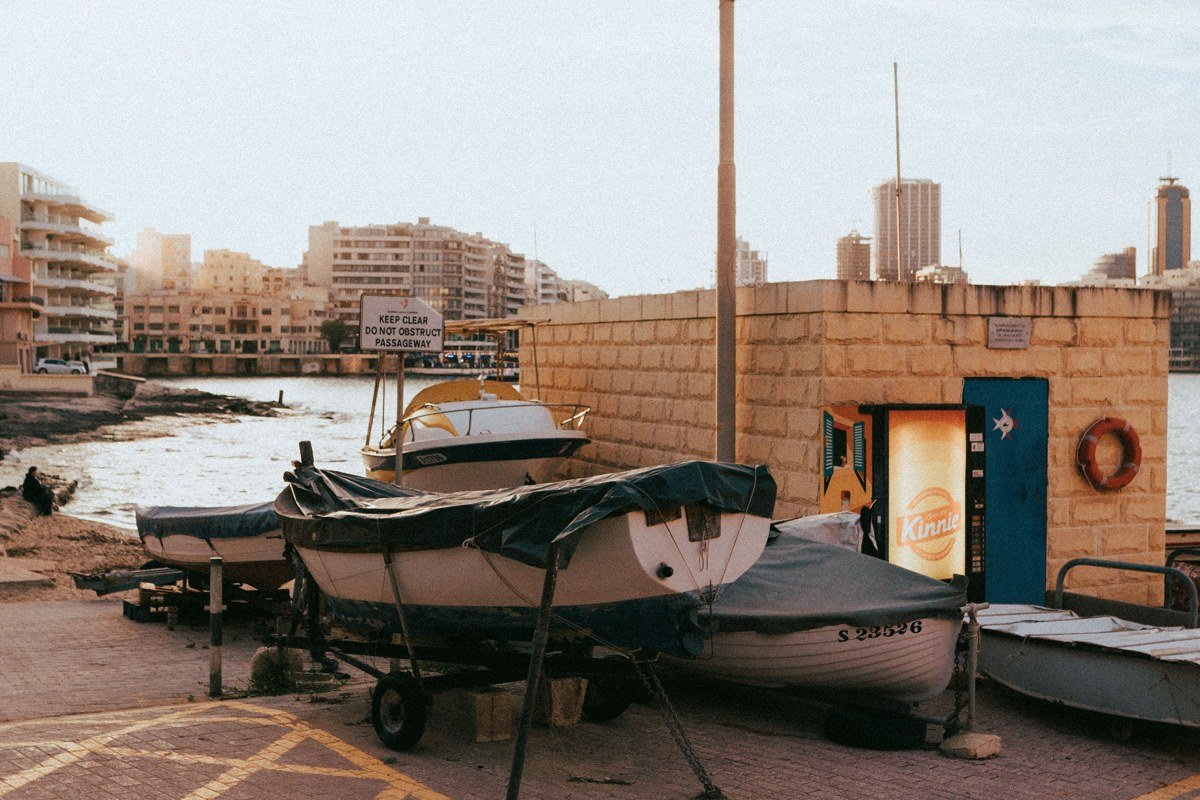
Malta gets overlooked because it reads as a city-break destination, but its visual identity is intensely Mediterranean. The entire island is built from the same glowing honey-colored limestone that turns amber in evening light. The fishing village of Marsaxlokk, with its luzzu boats painted in red, yellow, and blue, is genuinely striking and almost entirely free of the tourist infrastructure that surrounds similar scenes elsewhere.
For the Greek-isle fix specifically, take the short ferry from Malta to Gozo. The Azure Window is gone, but the Inland Sea at Dwejra still delivers: a sheltered lagoon connected to the open sea through a rock arch, ringed by jagged cliffs. For swimming, Ramla Bay on Gozo’s north coast offers a broad red-sand beach with clear water and relatively gentle crowds, while Xlendi on the southwest gives you a narrow cove flanked by cliffs that feels closer to the Aegean in scale and mood. Visit Gozo mid-week in shoulder season (April or October) to avoid the dive-boat traffic that clutters the Dwejra lagoon by mid-morning.
4. Bonifacio, Corsica
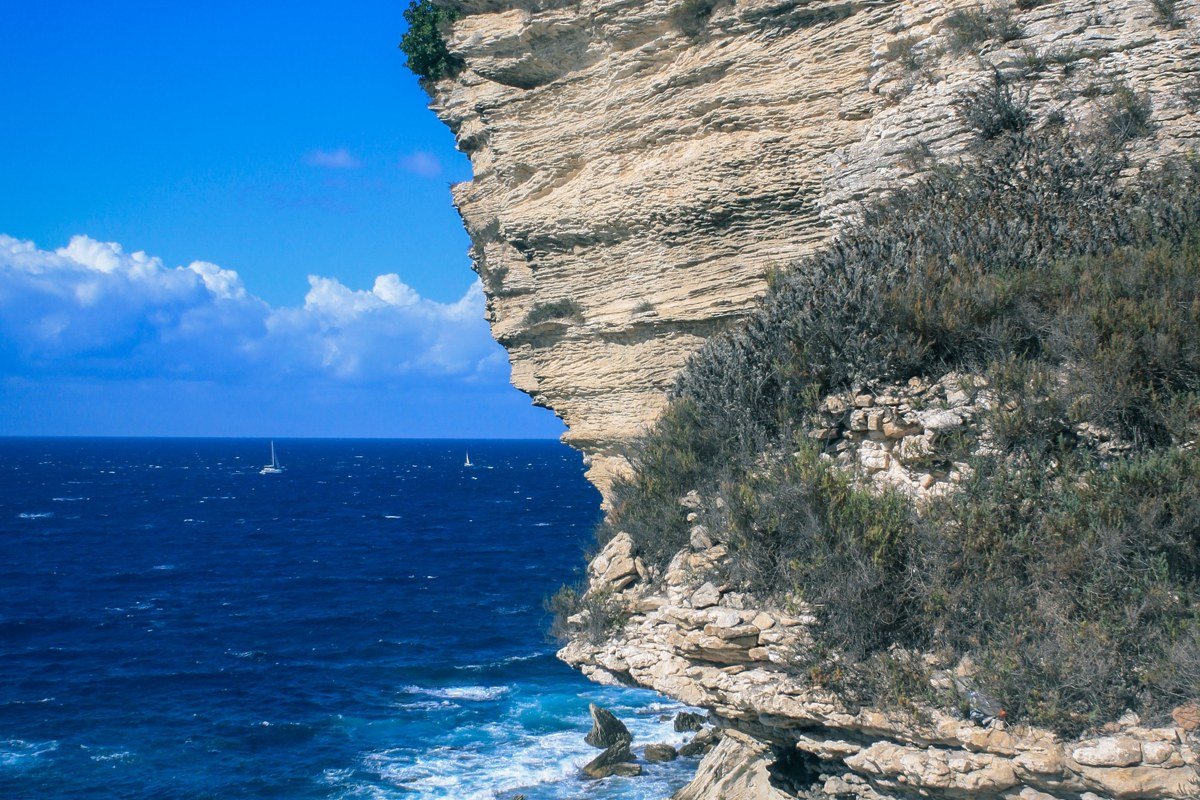
Bonifacio sits on top of chalky white limestone cliffs at the southern tip of Corsica, looking directly across the strait at Sardinia. From the water, it looks like a miniature Oia: the town appears to overhang the cliff edge, buildings stacked so tightly they seem to lean over the sea. Take a boat tour through the sea caves and grottos beneath the cliffs (Les Grottes de Bonifacio), which glow an improbable cobalt inside from refracted light.
French prices apply throughout Corsica, and Bonifacio specifically is not cheap. The saving grace is that it draws a fraction of Santorini’s crowd, and the ferry connections to Sardinia make it straightforward to combine both in one trip.
5. Chefchaouen, Morocco
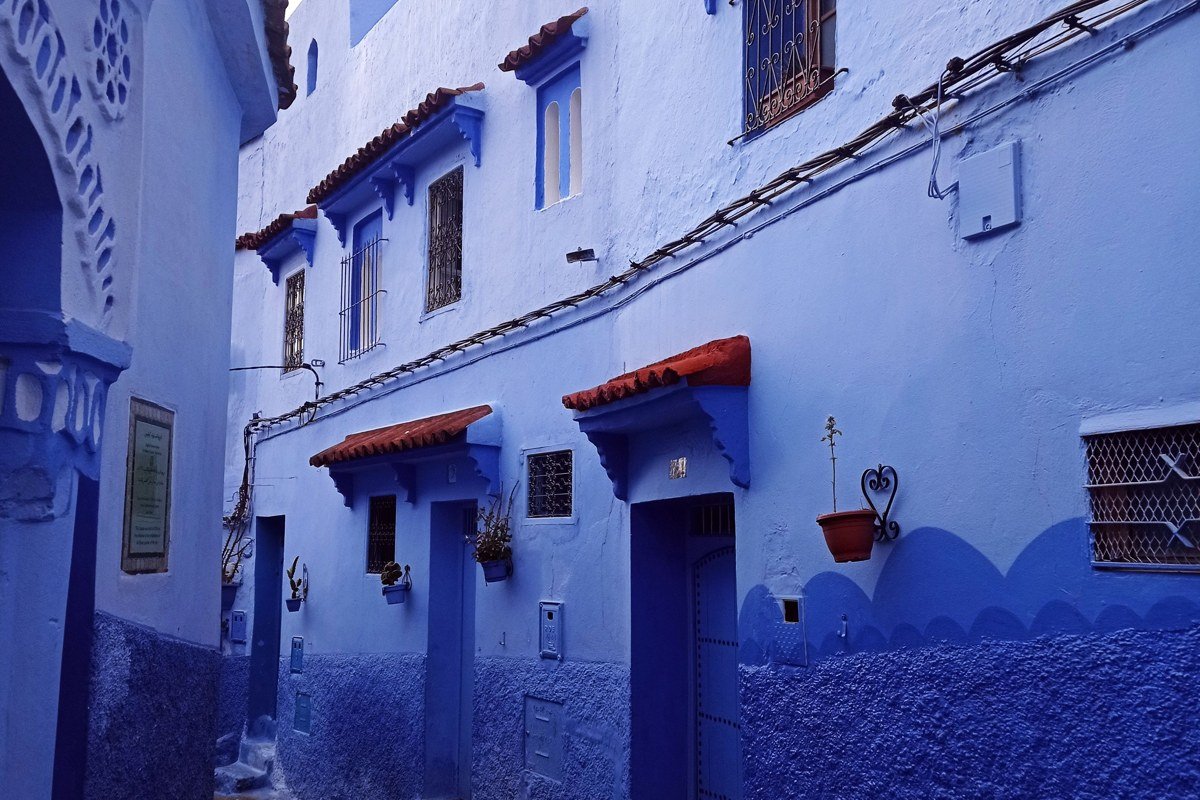
The Rif Mountain medina of Chefchaouen replicates the Cycladic color palette most literally of any destination on this list: every surface in the old town is painted in variations of blue and white, from cobalt to lavender to periwinkle. There is real debate about why the blue tradition started (theories range from Jewish residents in the 16th century to a 1970s tourism initiative), but the visual effect is undeniable. The best session is between 7am and 9am, before the main square fills with other photographers doing exactly what you are doing. Prioritize the Ras El Maa waterfall lane and the terrace view from the Spanish Mosque above town, which are the two angles that still feel genuinely uncrowded.
US, EU, and UK passport holders do not need a visa for Morocco for stays up to 90 days, which removes one planning friction entirely.
6. Hvar and Vis, Croatia
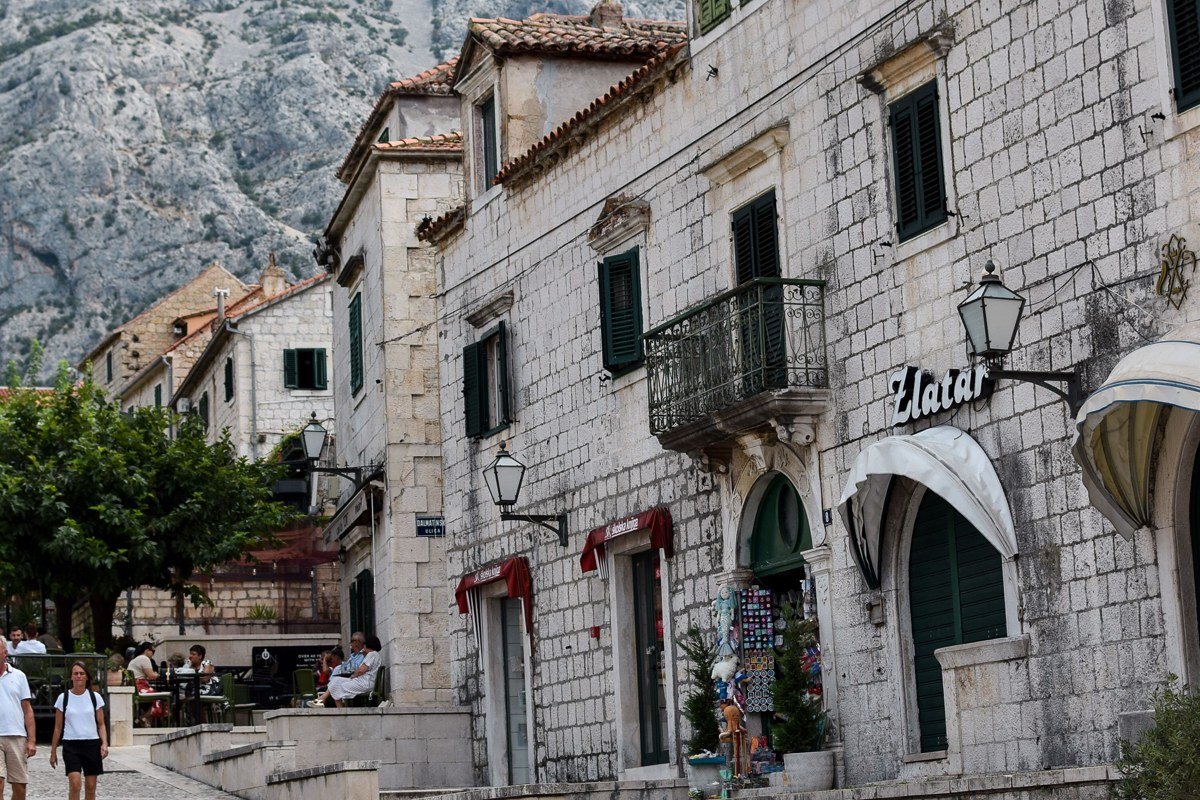
Croatia’s Dalmatian coast is the most direct Greek-isle equivalent outside Greece, partly because the limestone architecture and the Adriatic color are genuinely very close, and partly because the Croatian islands range from very busy (Hvar town in peak season) to beautifully quiet (Vis, which was a closed military island until 1989).
Hvar delivers the aesthetic most completely: the stone-paved Pjaca square, the 16th-century fortress overhead, and the lavender fields behind town that bloom purple in June. On that last point: the lavender and the crowds peak simultaneously. The final week of June is the sweet spot, when the flowers are at full bloom but the main August rush has not yet arrived, and you can still find a table in Hvar town without a two-hour wait. Arrive before or after that window and you will likely miss the lavender entirely.
Vis is the insider choice. No mass-market resorts, a genuine fishing-town feel at Komiža, and the Modra Špilja (Blue Cave) on nearby Biševo island, which rivals anything in Capri. Ferry connections between the islands are frequent in summer, so doing both in one trip is straightforward.
Skip if: You are visiting Hvar in the first two weeks of August and expecting a quiet, undiscovered village. It is not that in peak season, and pretending otherwise wastes your expectations.
7. Polignano a Mare, Italy (Puglia)
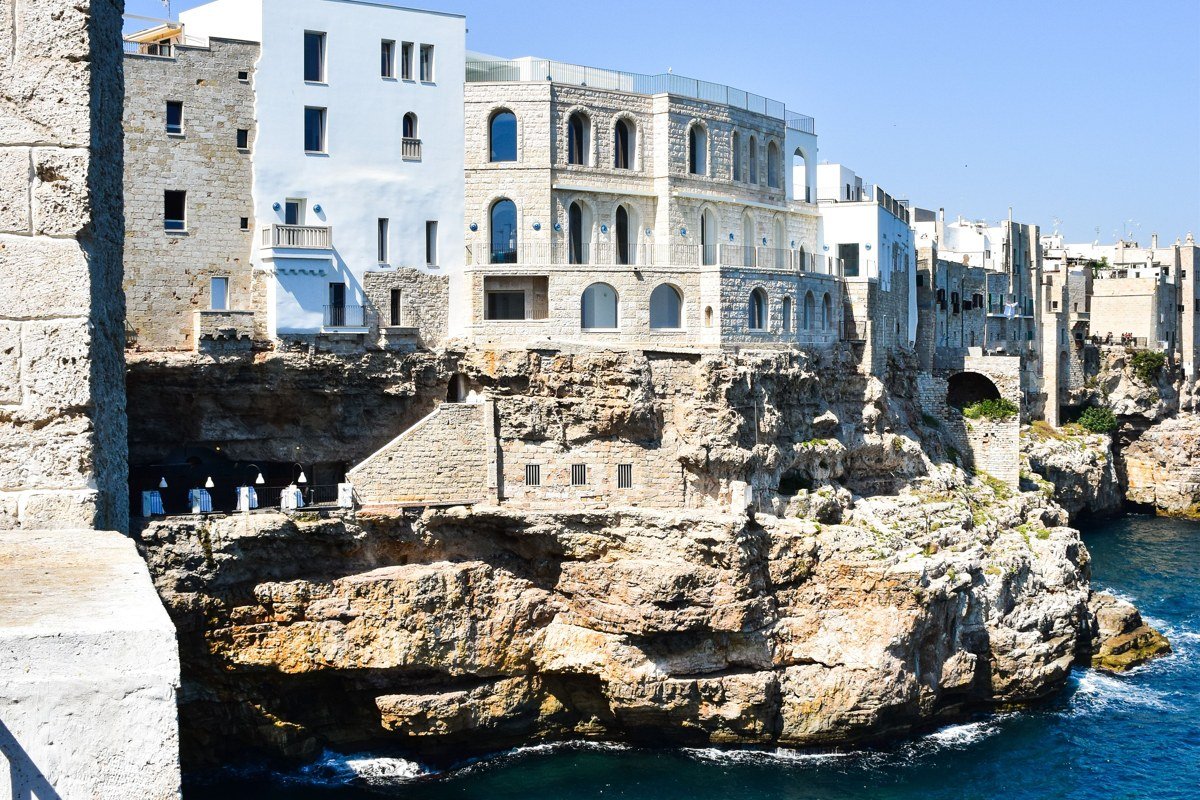
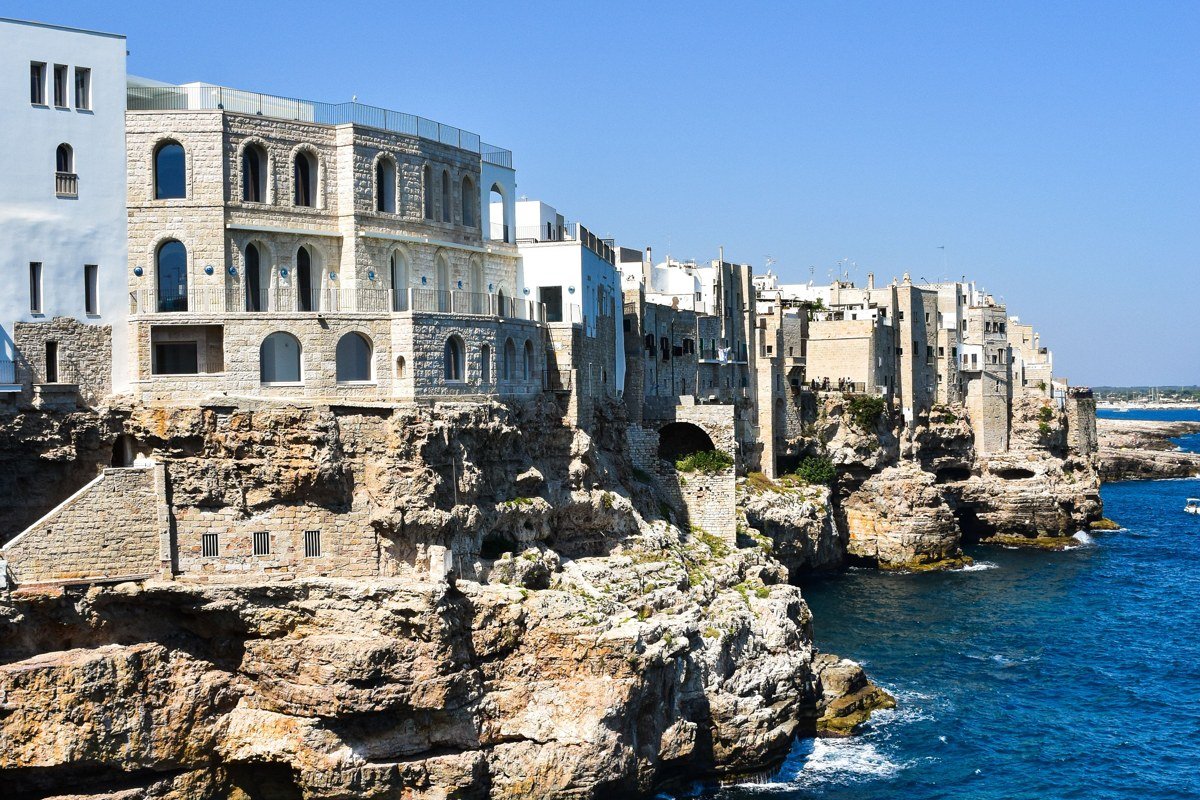
Puglia has been building a slow, genuine reputation in travel culture, and Polignano a Mare is its most photogenic village. A small town perched on low white limestone cliffs above the clear Adriatic, its dramatic element is vertical: the sea caves cut into the cliff base, and the terraces of the Grotta Palazzese restaurant (built inside an actual sea cave, with tables overhanging the water) have become something of a visual shorthand for Pugliese luxury. Dinner there is expensive and reservation-only, but walking the cliff path at sunset costs nothing and delivers the same view.
Time a visit here with a broader Puglia road trip through Ostuni, the Trulli of Alberobello, and Lecce, and you have a two-week southern Italian itinerary that makes Greece look like it has real competition.
8. Sidi Bou Said, Tunisia
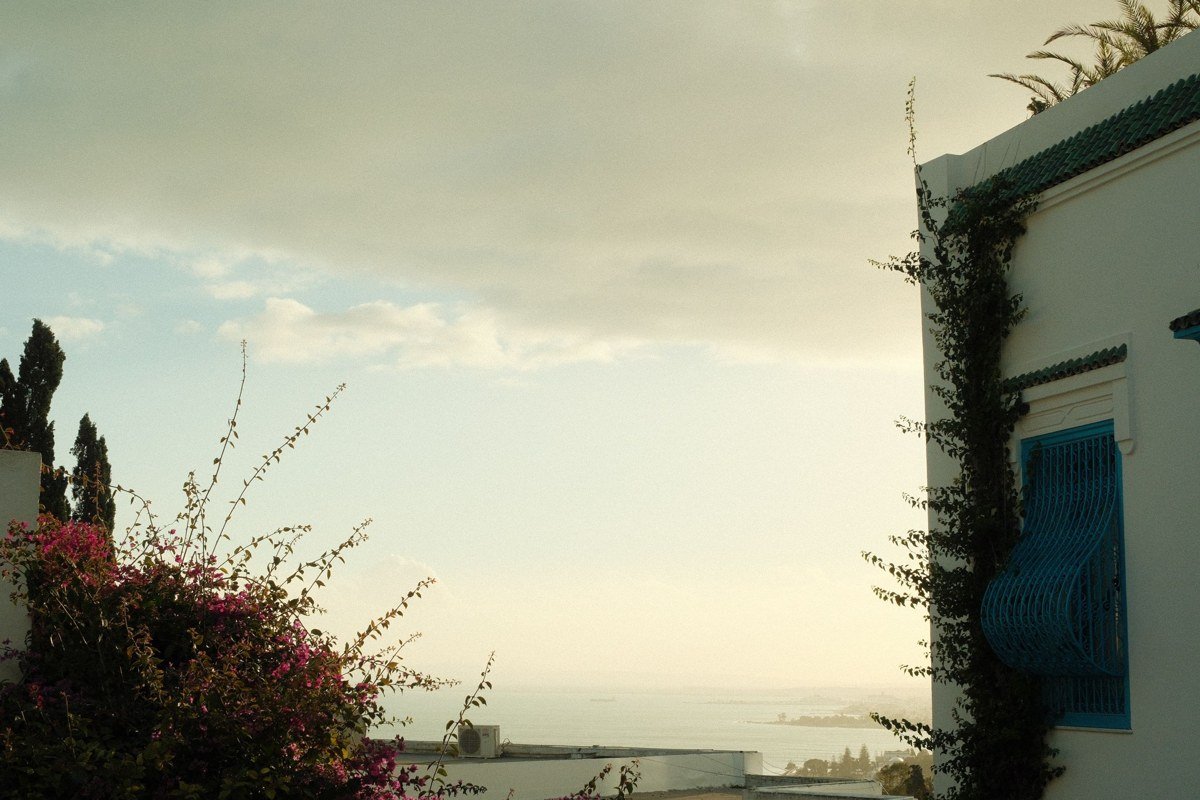
Twenty kilometers north of Tunis, Sidi Bou Said sits on a clifftop above the Gulf of Tunis with views across to the ruins of Carthage. The village has been blue and white by municipal decree since the 1920s, when French artist Rodolphe d’Erlanger established a preservation ordinance that protected its aesthetic. The result is one of the most visually consistent towns in the Mediterranean: every door is a specific shade of cobalt, every wall is lime-washed white, and bougainvillea drapes over nearly every roofline. The main cafe, Cafe des Nattes, is a mandatory stop for mint tea on low cushioned benches.
This is the most underpriced destination on the entire list. Tunisia’s weak dinar makes it extraordinarily affordable, and pairing a few hours here with a morning at Carthage makes for a dense, entirely underrated day trip from Tunis. US, EU, and UK passport holders can enter Tunisia visa-free for stays of up to 90 days, though entry requirements can change, so confirm current status before booking.
9. Sperlonga and the Pontine Islands, Italy (Lazio)
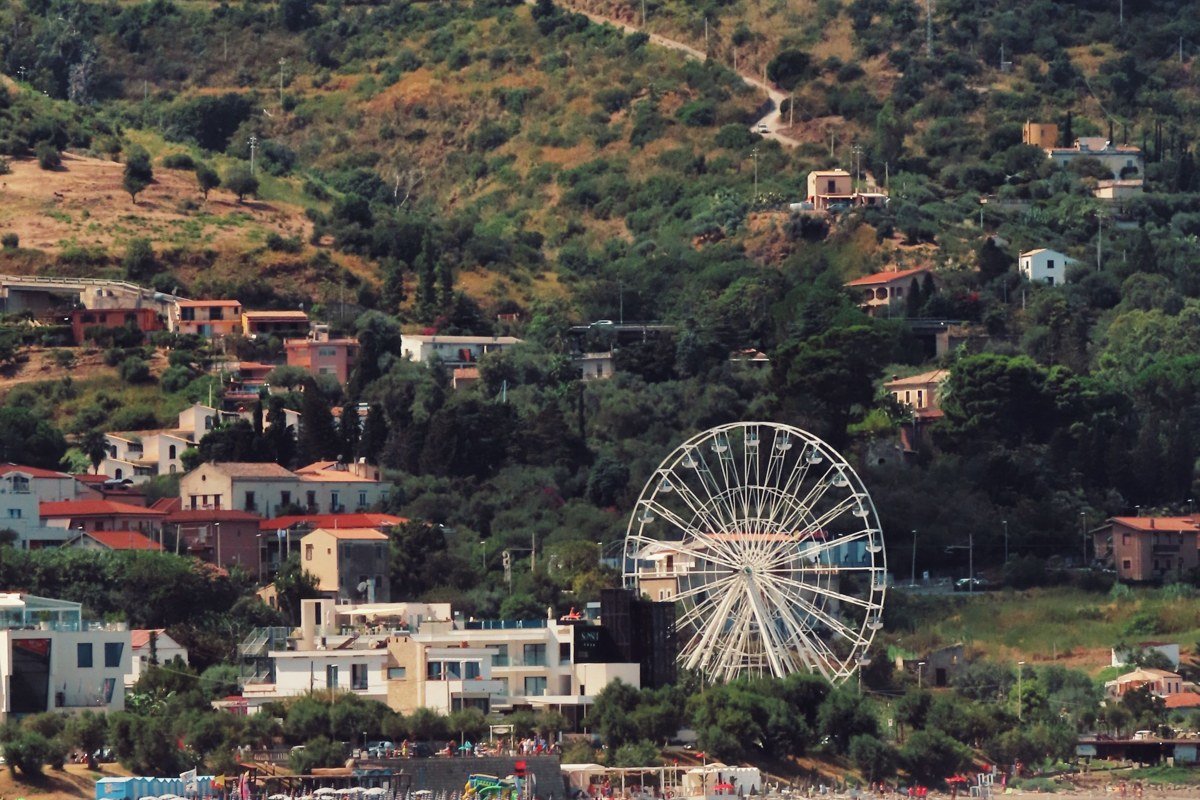
Sperlonga is not on many international itineraries yet, which is precisely why it earns its place here. This small hilltop village on the Lazio coast, about two hours south of Rome, is a stack of whitewashed cube houses on a promontory between two sandy bays. It reads Cycladic from a distance and remains remarkably uncrowded even in summer, because most Italian vacationers skip it for the more famous Amalfi coast.
The local beach at Torre Truglia is lined with bright wooden beach cabins and clear water. From Sperlonga, ferries run to Ponza, the nearest Pontine Island: a volcanic island with cobalt sea caves, pastel-painted port buildings, and very few non-Italian tourists. Ponza is where Romans with boats go when they want to feel like they are in Greece without quite admitting it.
Skip if: You need reliable public transport. Sperlonga works best with a car, and Ponza requires planning the ferry schedule in advance. Arriving without both sorted makes the trip feel harder than it should.
Before You Book
The visual thread running through all nine of these destinations is limestone, whitewash, and clear water at roughly the same latitude. If you are planning a trip around aesthetics (and there is nothing wrong with that), a few logistics make the difference between a rushed day and a properly photographed one.
Shoot at the edges of the day. Every destination above looks flat and crowded between 11am and 3pm. The hour before sunset and the 45 minutes after sunrise are not a cliche; they are genuinely when the light does what you came to see.
Shoulder season over peak season, consistently. Late April, May, and October hit a sweet spot across the western Mediterranean: warm enough to swim in most of these locations, uncrowded enough to actually walk down an alley without queuing, and significantly cheaper for accommodation.
Combine destinations that are geographically logical. Bonifacio and northern Sardinia are a ferry apart. Hvar and Vis share a ferry line. Sidi Bou Said and Carthage are twenty minutes apart. Sperlonga and Ponza require a car and a ferry but fit into a long weekend from Rome.
The Greek-isle aesthetic is a visual language more than a geography. Light, stone, and water produce it across the whole basin, and the less-traveled versions often deliver it more completely precisely because the crowds are not there to interrupt the frame.