
These are not the kind of places where you zip-line above a resort pool and call it adventure. These are destinations where the terrain itself is the experience: raw, remote, and visually overwhelming in every direction.
1. Queenstown, New Zealand (Otago Region)
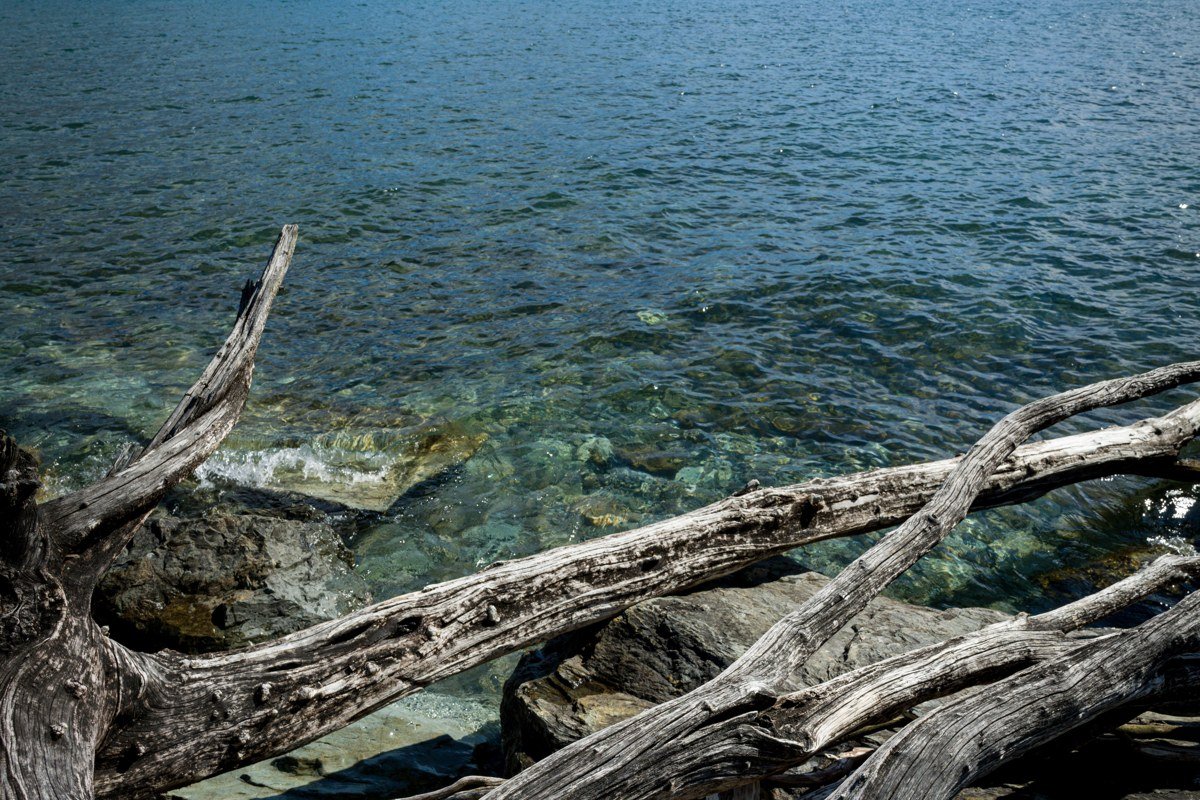
Queenstown earns its “adventure capital of the world” reputation not through marketing but through sheer geographic luck. It sits on the edge of Lake Wakatipu with the Remarkables mountain range rising straight out of the water behind it, giving every activity a backdrop that looks digitally enhanced but is completely real. The original commercial bungee jump still runs at Kawarau Bridge, where you freefall toward turquoise glacial water framed by schist rock walls. The honest trade-off: Queenstown is well-touristed, so book any guided activity at least a week ahead in peak summer (December to February) and consider basing yourself in Wanaka for a quieter version of the same landscape.
For photography, the Remarkables catch direct alpenglow in the thirty minutes after sunrise, shooting from the lake’s eastern shore.
Logistics difficulty: moderate. Infrastructure is excellent; the challenge is competition for permits and guided slots, not access.
2. Zhangjiajie, Hunan Province, China
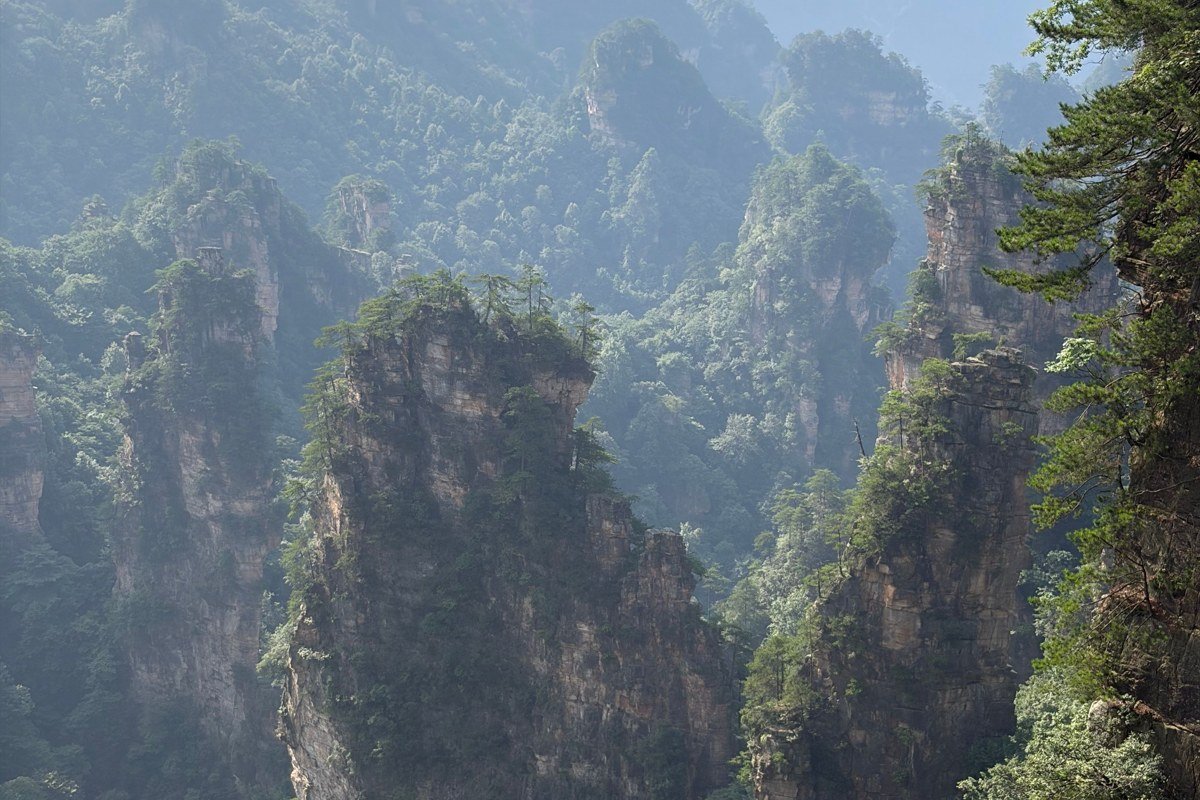
Start with the Bailong Elevator: 326 meters of exposed cliff face, ascending by glass elevator with no rock wall between you and a 300-meter drop. It is the most concentrated vertical landscape experience on this list, and no hiking trail replicates the perspective. The sandstone pillar formations surrounding it are so visually extreme that they later inspired the floating mountains in Avatar, but the film reference undersells how disorienting the place actually is. Tianmen Mountain and the Avatar Hallelujah Mountain trail sit inside Zhangjiajie National Forest Park, where glass-floored walkways cantilever off sheer cliff edges above forested gorges. Come in late October or November: autumn color floods the valleys between the pillars and the summer crowds have cleared.
Logistics difficulty: moderate. Domestic flights connect easily to Zhangjiajie Hehua International Airport; the park infrastructure handles volume, though peak holiday weeks are genuinely congested.
3. The Faroe Islands, Denmark
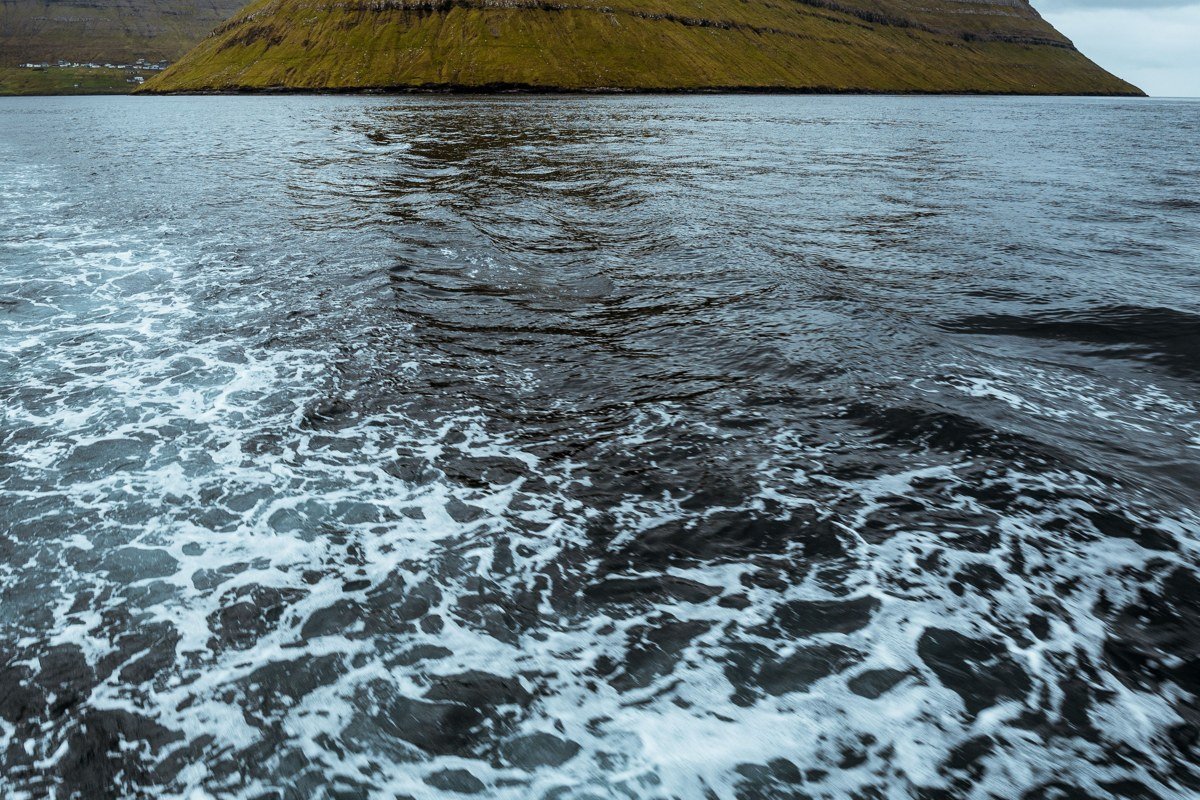
The Faroes are where thrill seeker destinations tip into something almost surreal. Eighteen volcanic islands in the North Atlantic, collectively the size of a small city, with no trees above valley level, sheer 600-meter sea cliffs, and a weather system that changes every twenty minutes. The hike to Drangarnir sea stacks on Vagar involves scrambling across a narrow ridge with open ocean on both sides, and there is no safety railing because there is no infrastructure at all. Photography here rewards patience rather than planning: the soft, directional light that arrives in the hour before the Atlantic overcast closes again produces images that are almost impossible to replicate in clearer conditions. The trade-off is that the weather can shut down hiking for days, so build at least five nights into your itinerary and carry full waterproofs every single day.
Logistics difficulty: moderate. Atlantic Airways flies direct from Copenhagen and Edinburgh. The challenge is weather dependency, not cost or permits.
4. Wadi Rum, Jordan
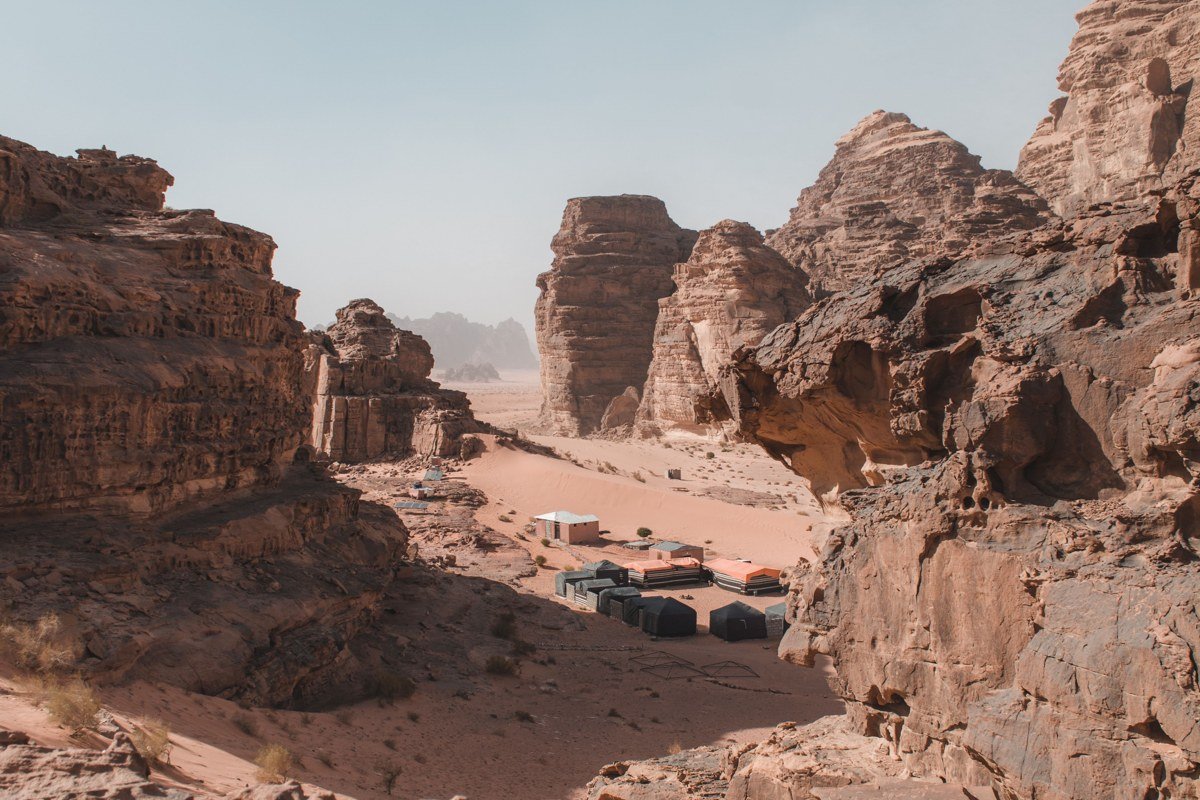
Wadi Rum is a protected desert valley of red sandstone and granite, and it manages to feel like a thrill seeker destination even when you are standing completely still, because the scale is so disorienting. Rock faces rise hundreds of meters from flat desert floor, the color shifts from burnt orange to deep crimson across a single afternoon, and the silence is total. The best activity here is scrambling and via ferrata on the sandstone routes with a local Bedouin guide, the kind of climbing that uses natural cracks in the rock and requires no prior climbing experience. Stay at a Bedouin camp rather than a pod hotel for practical reasons: you get a guide relationship that puts you at sunrise viewpoints before the day-trip crowds arrive from Aqaba. Late afternoon is the strongest photography window, when the low sun rakes across the sandstone faces and every surface becomes a different shade of red.
Logistics difficulty: low to moderate. Well-connected from Amman and Aqaba; the main planning task is choosing a reputable Bedouin operator rather than booking through a generic tour platform.
5. Patagonia, Chile (Torres del Paine)
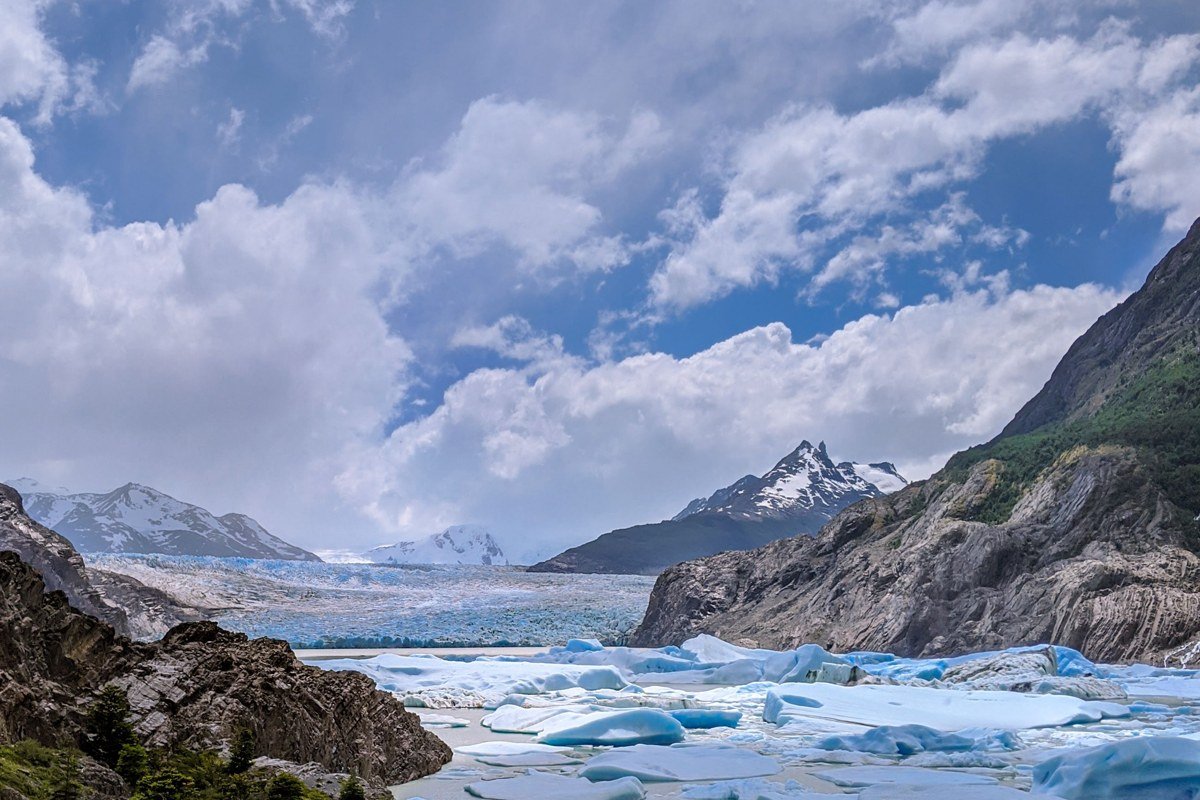
Torres del Paine is not just a hiking park. It is a weather system you have to physically negotiate, and that negotiation is the adventure. The granite towers, Los Torres, rise nearly 2,500 meters and change from invisible (cloud-wrapped) to blindingly lit in the space of fifteen minutes. The W Trek is the most popular multi-day route, but the O Circuit, which loops the entire massif over eight to ten days, takes you through terrain that very few people reach: Valley del Frances in full autumn color, the Grey Glacier from lake level, and the windy backside of the park that gets almost no photographs because almost nobody goes there. Book CONAF campsites the moment they open each year, usually around August for the following season. They fill completely.
Logistics difficulty: high. Permit and campsite booking requires planning six to twelve months ahead. Weather adds genuine physical difficulty to every day on trail.
6. Kyrgyzstan (Tian Shan Range, Karakol Region)
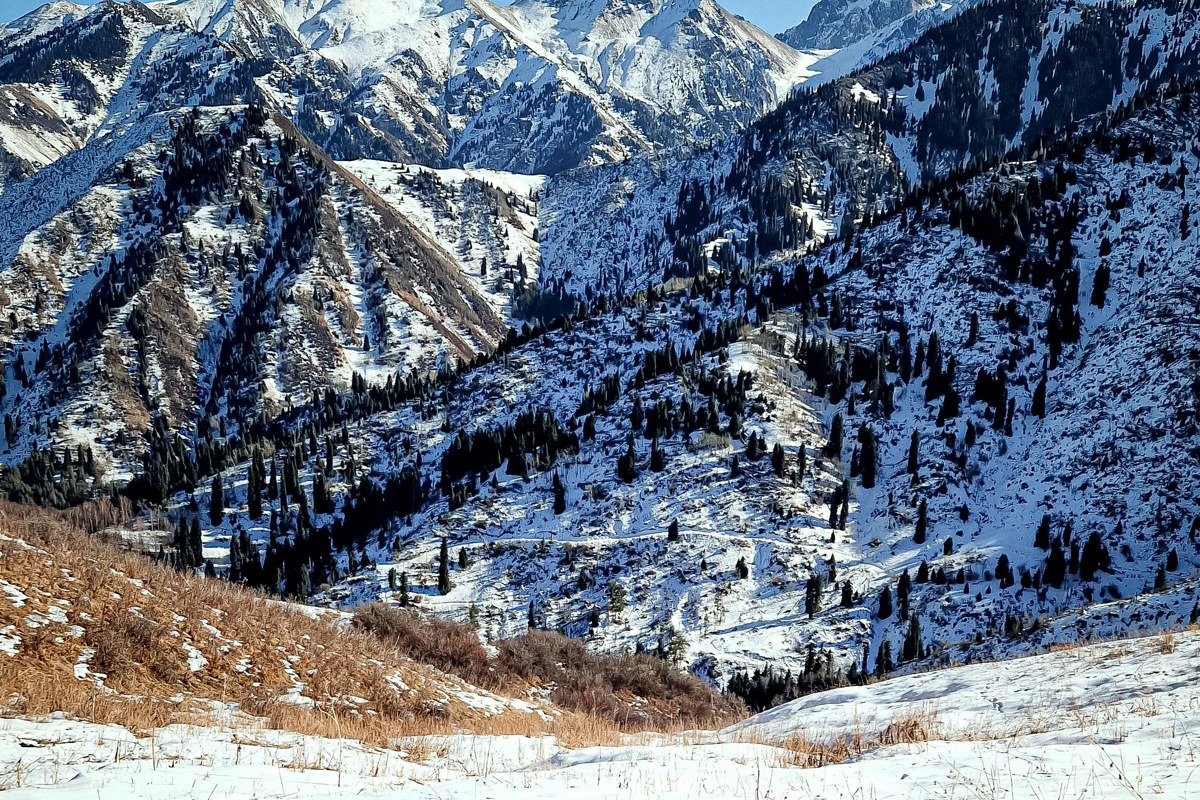
Kyrgyzstan is the most genuinely off-grid destination on this list. The Tian Shan range covers most of the country, and the Karakol region specifically gives you access to canyons of layered red and white rock at Skazka, where the canyon walls reach around 50 meters at their highest point and the full circuit hike runs approximately 5 kilometers, a turquoise alpine lake at 1,600 meters (Issyk-Kul), and serious ski terrain at Karakol ski resort, all within a two-hour drive. The landscape is not polished for tourism: you stay in yurt camps run by local families, you hire horses for access to passes that have no trail markers, and that rawness is exactly the point. July and August are optimal for trekking and horse travel. Outside those months, high passes close and the whole experience narrows significantly.
Logistics difficulty: high. Independent travel is possible but demanding. Hiring a local agency out of Bishkek or Karakol is the practical baseline, not a luxury.
7. Iceland’s Westfjords
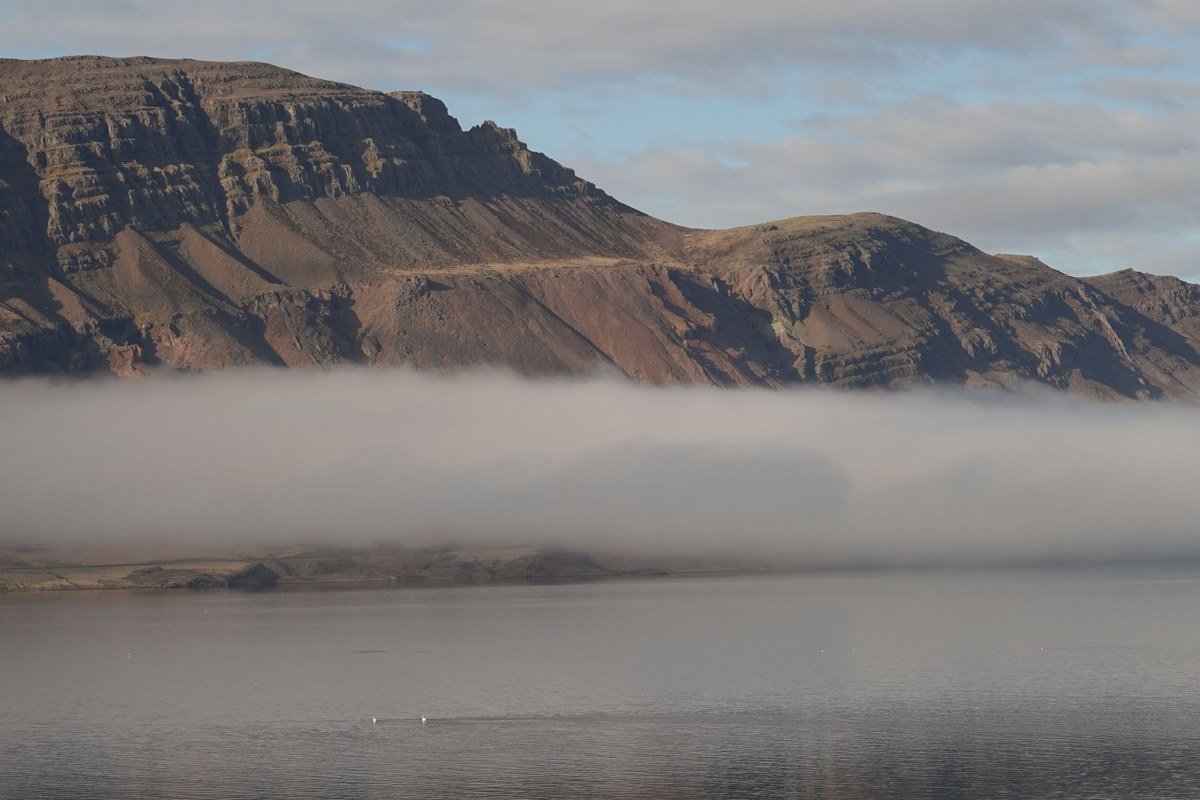
The Westfjords receive a fraction of the visitors that the Golden Circle attracts, and the reason is simple: they are hard to reach and the roads are slow. That inaccessibility is a genuine competitive advantage for anyone willing to make the effort. Dynjandi waterfall drops in a broad fan across a series of smaller cascades for a total height of around 100 meters, and there are often no other people there at all. Sea kayaking through the fjords puts you at water level against vertical basalt walls, with a real chance of seeing Arctic foxes on the shoreline. The Hornstrandir Nature Reserve at the northwestern tip is hike-in only, no roads, no facilities, and the wildlife density (Arctic foxes, seabirds) is the highest in Iceland. Fly into Isafjordur rather than driving from Reykjavik; it cuts eight hours of road time each way.
Logistics difficulty: high. Small-aircraft schedules are weather-dependent, ferry crossings to Hornstrandir require advance booking, and the gravel road network demands a capable vehicle.
8. Tsum Valley, Nepal (Gorkha District)
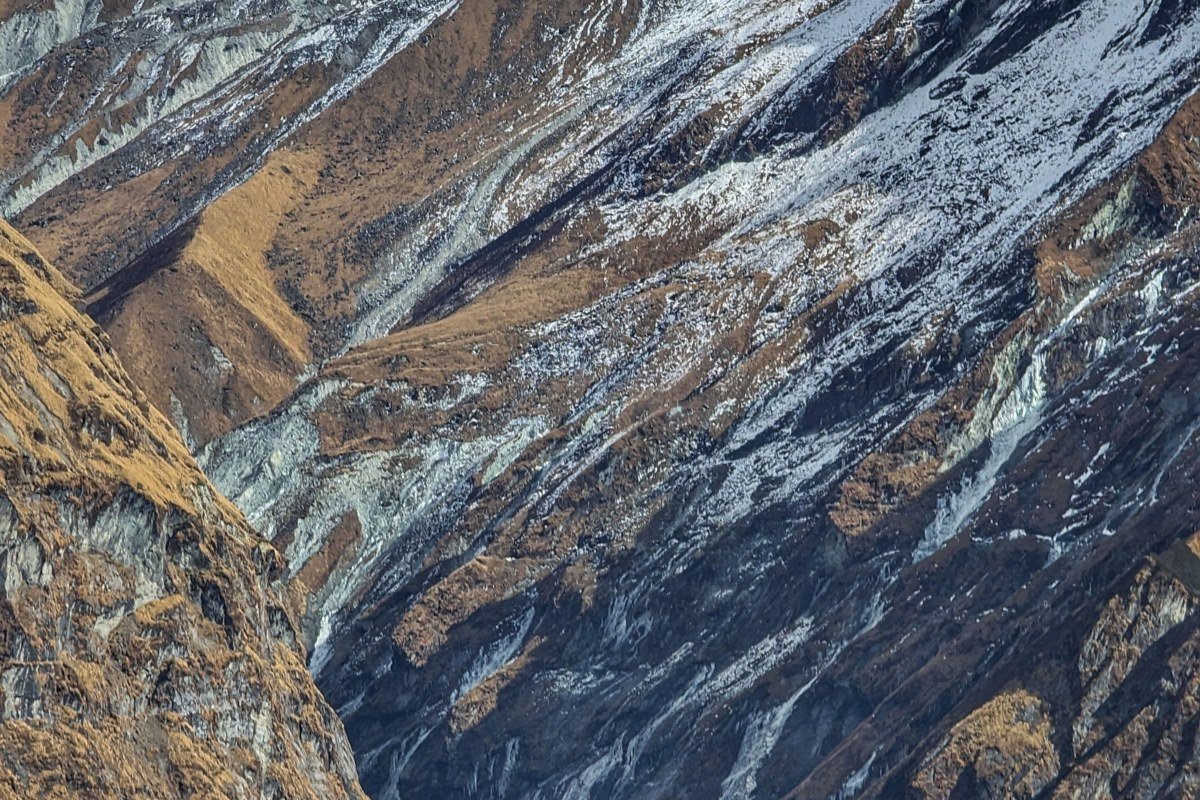
The Tsum Valley in the Gorkha district of Nepal remains genuinely restricted in a way that the Everest Base Camp trail and even the Annapurna Circuit no longer are. A special permit is required beyond the Manaslu Conservation Area entry, and that layer of bureaucracy is precisely why the valley still looks the way it did several decades ago. For context, the kind of controlled-access trekking that Queenstown’s adventure operators simulate with infrastructure, Tsum Valley achieves simply by limiting who can enter. Tibetan Buddhist culture is intact here: the villages are built of flat stone and surrounded by mani walls with prayer flags, and the mountains behind them, Ganesh Himal and Baudha Himal, are enormous and almost never photographed. The adventure is cultural and visual as much as physical. The permit system requires you to go with a registered agency, which is actually useful rather than restrictive, because good agencies hold relationships with village homestay hosts that no independent itinerary can replicate.
Logistics difficulty: expedition-level. Permits, a registered agency, and a minimum twelve to sixteen days on the ground are all non-negotiable. Book six months ahead for autumn (October to November) departures.
9. The Azores, Portugal (Sao Miguel Island)
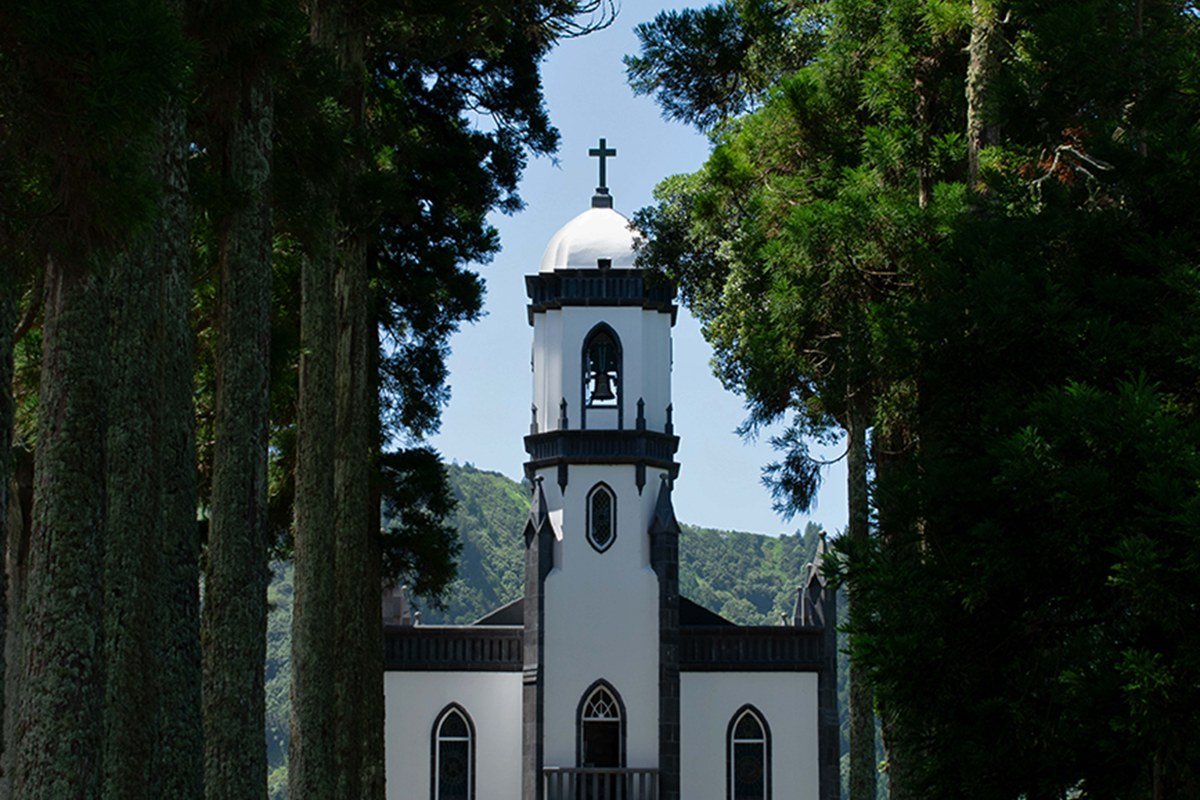
The Azores sit in the mid-Atlantic and punch far above their size for visual drama. Sao Miguel specifically has two crater lakes at Sete Cidades (one green, one blue) separated only by a narrow ridge, active geothermal areas where steam rises from the ground at Furnas, and coastline made of black volcanic rock with massive Atlantic swells. The adventure angle that most visitors miss is coasteering along the lava rock coastline on the western end of the island, where you jump from basalt formations into deep cold Atlantic channels with visibility to the volcanic seafloor. Whale watching is exceptional because the deep-water channel between islands is a cetacean migration corridor. Go in May or June for peak whale season and smaller crowds before summer peaks.
Logistics difficulty: low to moderate. Regular direct flights from Lisbon and several European cities. The main planning consideration is weather windows for coasteering and whale-watch departures.
10. Skeleton Coast, Namibia
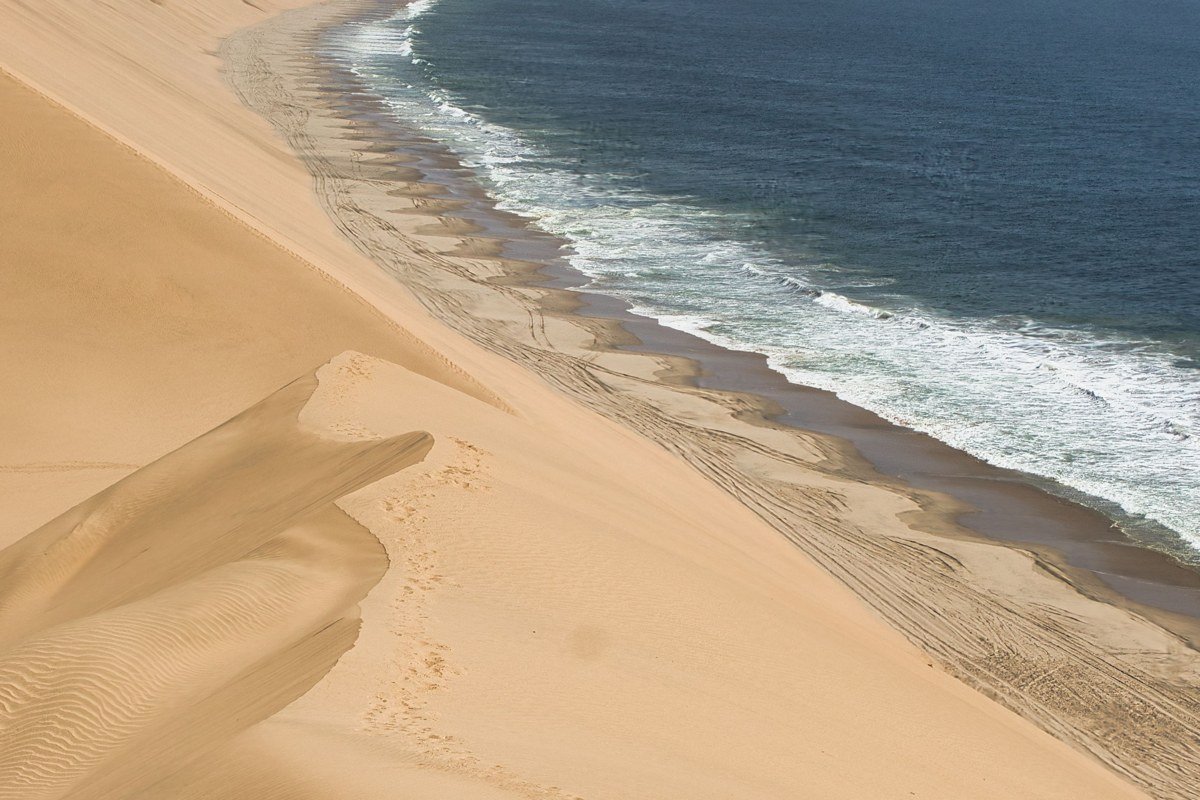
The Skeleton Coast is one of the few places on Earth where a desert meets a cold ocean at full force, and the result is a landscape that looks genuinely hostile to human life. Vast dunes push directly into surf, shipwrecks rust in the sand where the Benguela Current drove them ashore, and the seal colonies at Cape Cross number in the hundreds of thousands. The adventure here is a fly-in safari experience: the northern section of Skeleton Coast National Park is accessible only by small aircraft with a licensed operator, which keeps it as wild as it looks. The Benguela fog that rolls in most mornings creates a photographic window that is completely unlike any other African landscape: soft, diffuse light over dune ridges, rusted metal, and enormous seal aggregations, with brown hyenas in the frame if you are patient enough. This is not a budget destination, but nothing about the Skeleton Coast is ordinary.
Logistics difficulty: expedition-level. Licensed fly-in operators are the only legal access to the northern park. Plan twelve months ahead; operators run limited annual departures and availability is genuinely scarce.
Practical Takeaways

The single thing all ten of these destinations have in common is that the landscape imposes its own rules. That means planning with more flexibility than you would for a city trip.
Book guided access early. In Torres del Paine, Tsum Valley, and the Skeleton Coast, capacity limits are real and fill months out. A missed booking cannot be replaced on the ground.
Pack for transitions. In Wadi Rum temperatures drop sharply after dark. In the Faroe Islands it rains sideways in August. In the Azores the sea conditions change the coasteering schedule daily. Layering systems and waterproofs are not optional.
Arrive with buffer days. The most common mistake in adventure travel is a tight itinerary. One weather delay in the Westfjords or Kyrgyzstan and you lose the entire objective. Build in at least one recovery day per four days of planned activity.
Hire local guides wherever permit systems exist. In Wadi Rum and Tsum Valley this is mandatory. In Zhangjiajie and Kyrgyzstan it is technically optional but practically transforms the trip, because local guides hold access to viewpoints and timings that no travel blog can document accurately.
The thrill seeker destinations worth your time are the ones that ask something of you before they give you the view.