
Stand at the edge of Siglufjordur’s harbor on a flat, overcast evening, with red and yellow boathouses reflected in still water and snow still patched across the ridgeline above, and the Faroe Islands stop feeling like a necessary pilgrimage. These eight fairy-tale villages sit in Iceland’s fog-seamed fjords and lava-edged coastlines, delivering every visual and emotional beat that draws people to the Faroes, but with far more accessible logistics and significantly lower flight costs. Flights from the US to Iceland routinely run between $400 and $700 return; equivalent flights routing through the Faroes typically add $300 to $600 on top of that, before the inter-island legs. The villages below close that gap entirely.
1. Siglufjordur
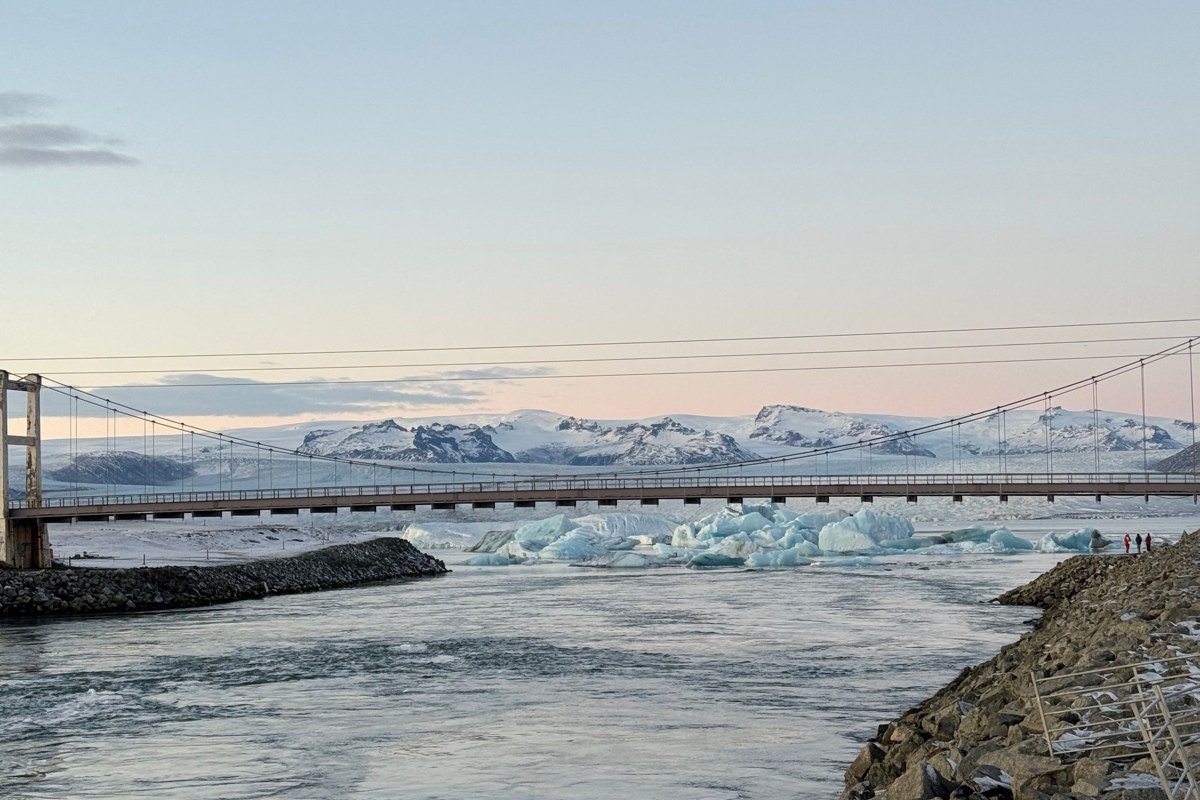
Tucked into a narrow fjord at the northernmost point of Iceland’s ring road spur, Siglufjordur feels genuinely cut off from the rest of the country, and that isolation is entirely the point. The harbor is painted in the same saturated primary colors you see plastered across Faroese mood boards, with fishing boats rocking against red and yellow boathouses that photograph beautifully in flat, overcast light. The Herring Era Museum here is a multi-building complex that reconstructs the industry that once made this the most crowded town in Iceland, and it is consistently overlooked by visitors who do not stop long enough to find it. Come in late May or early June when the midnight sun hangs just above the ridgeline and the surrounding slopes are still patched with snow, giving you that exact combination of warmth and wildness the Faroes trade on. Park near the old slipway on the eastern edge of town rather than the main lot, and you will have the best unobstructed harbor views almost entirely to yourself.
For accommodation, Hotel Siglo sits directly on the harbor and is worth the splurge for the water-facing rooms, particularly when the evening light bounces off the boathouses opposite.
2. Seydisfjordur
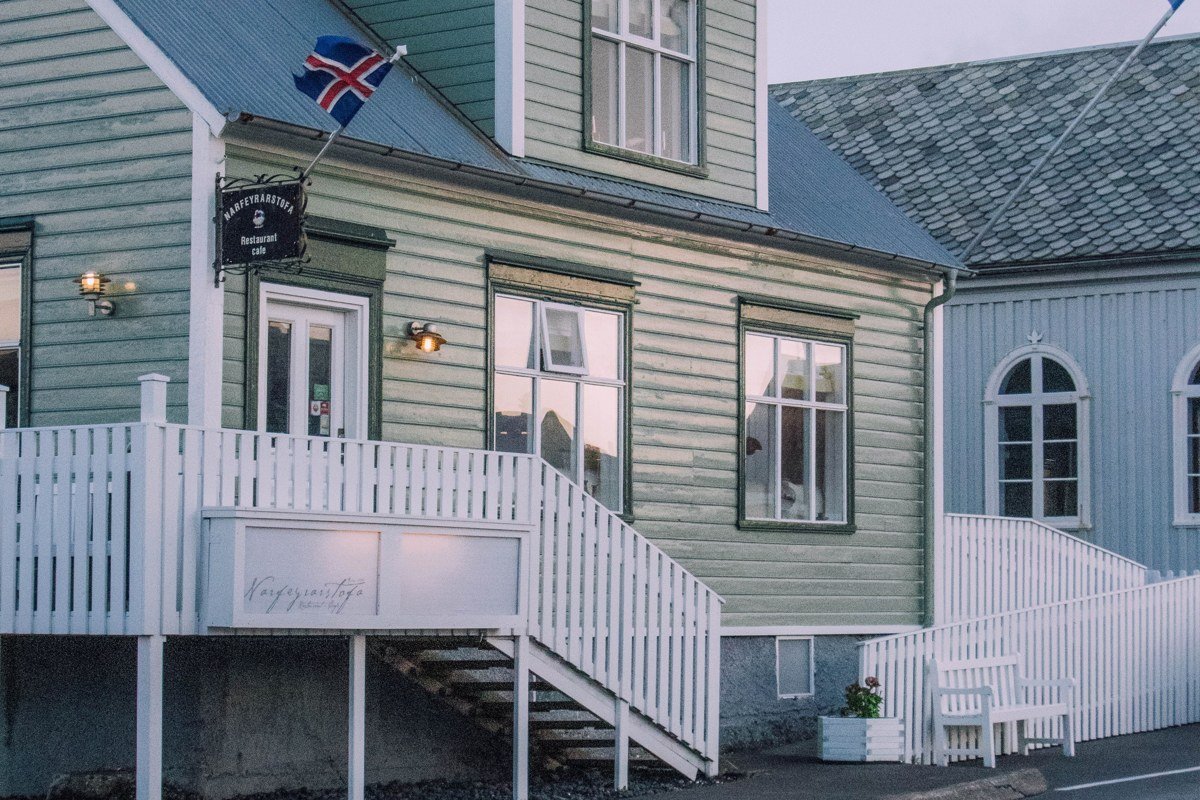
Seydisfjordur is the one East Iceland village that regularly appears on mood boards, and it earns the attention honestly. The approach alone justifies the detour: a winding mountain road drops through a waterfall-laced valley and deposits you at a fjord-side town of brightly painted corrugated-iron houses that look assembled by a Scandinavian production designer. The rainbow-painted road leading to the blue timber church is one of the most photographed spots in Iceland, but the wider town is genuinely charming beyond that single frame. The ferry from Denmark and the Faroe Islands actually docks here, which means this village has a real, functional connection to the islands people compare it to.
Go in August for the LungA art festival, when the town fills with Nordic creatives and the fjord light hits at an angle that makes everything glow copper and gold. (Check lunga.is directly to confirm annual dates, as the schedule can shift between editions.) Avoid mid-day in peak summer and shoot during the hour before midnight instead.
Guesthouse Aldan, a restored bank building from 1919, is the most atmospheric place to stay in town and is central enough to walk everywhere.
3. Flatey Island
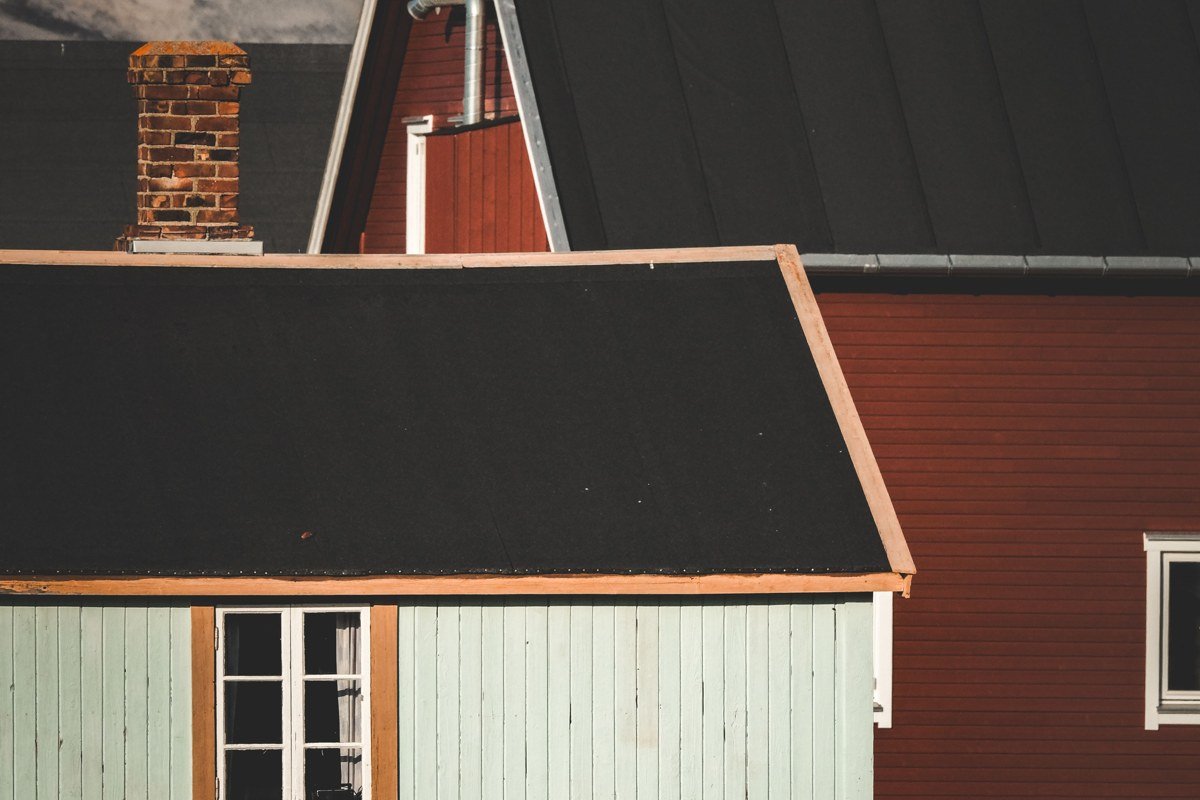
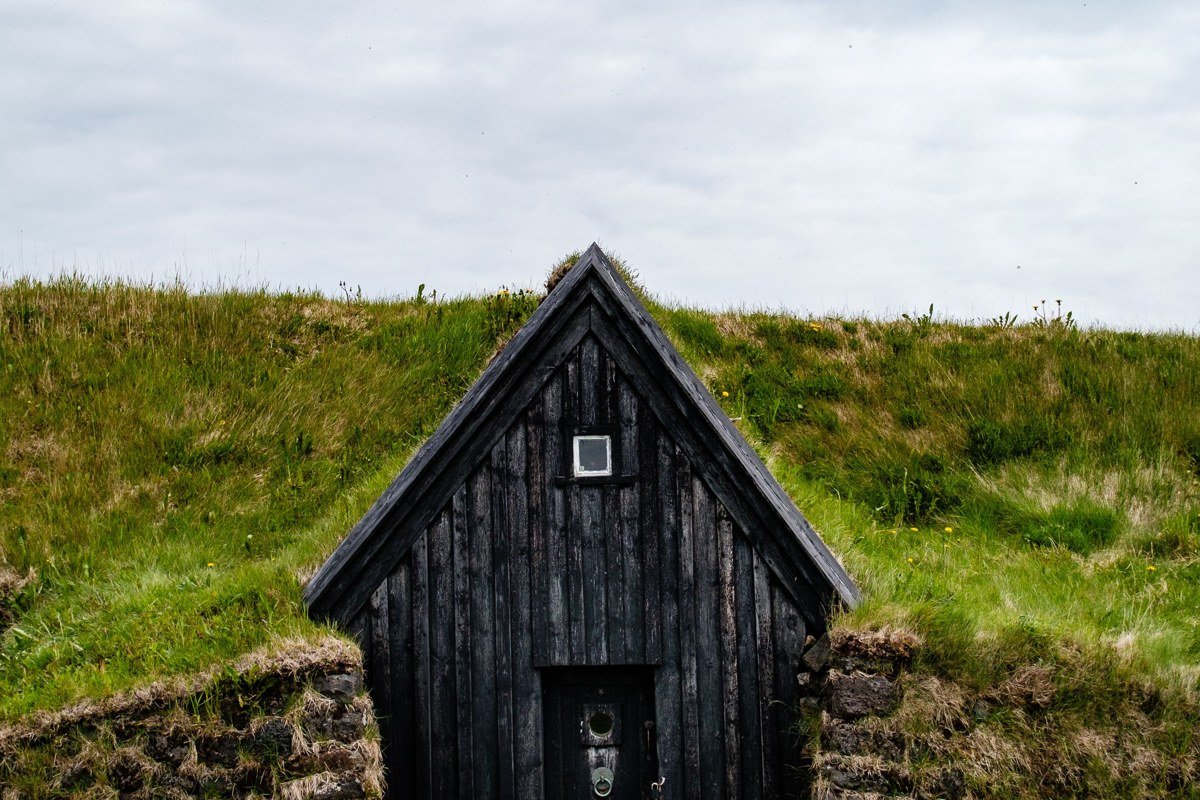
Flatey is not a village people stumble onto. The island sits in Breidafjordur Bay, reachable only by ferry, and its permanent year-round population is approximately four to five people. What you get is a cluster of brightly painted wooden houses, a few turf-roofed structures, a library in a converted boathouse, and an overwhelming sense that time stopped sometime around 1970. There are no paved roads, no cars, and no background noise beyond seabirds and lapping water. The fairy-tale village quality here is completely unperformed, which is exactly what separates it from more tourist-ready stops.
Stay at least one night at Hotel Flatey, the island’s small guesthouse-style hotel, because the island empties when the afternoon ferry leaves and the light in the late evening becomes extraordinary. Bring every layer you own; even in July the bay wind is relentless.
4. Djupivogur
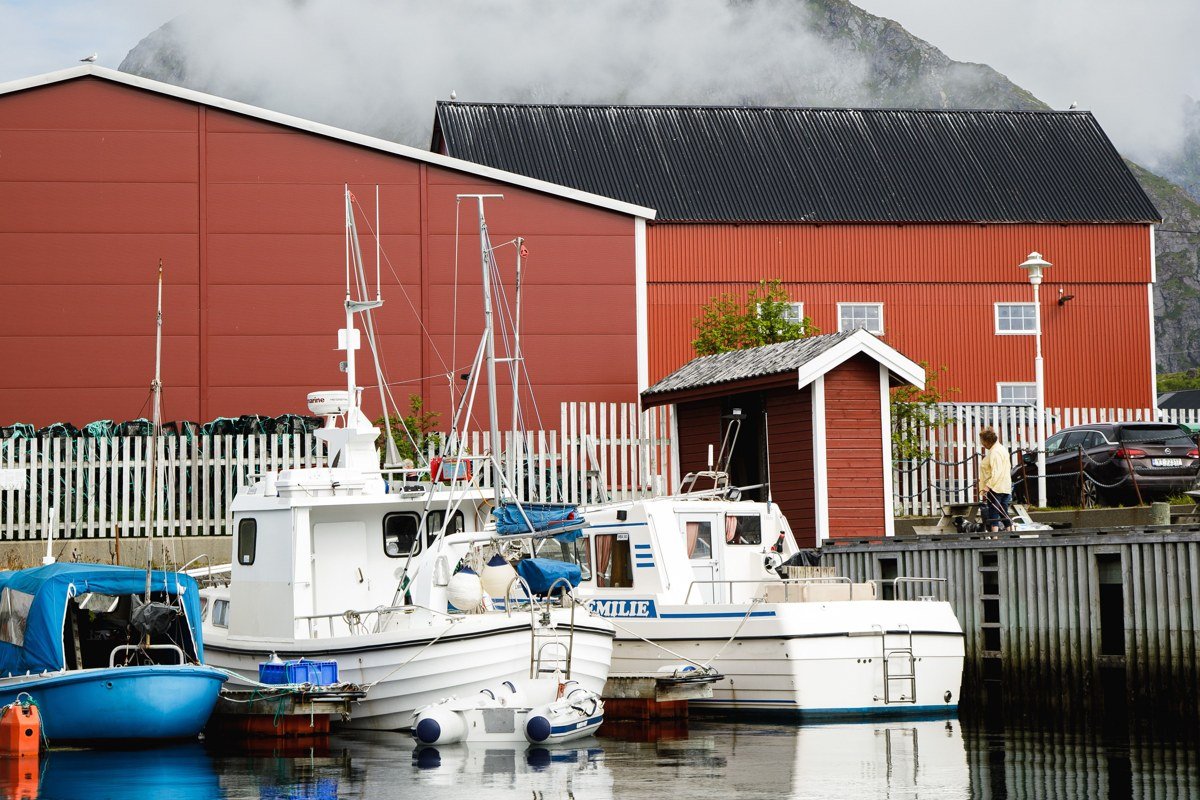
Djupivogur is a working fishing village on Iceland’s southeast coast that most people drive past on their way to the glacier lagoon. That is their loss. The village has a compact, photogenic harbor lined with low painted buildings, and the surrounding landscape offers the kind of volcanic-meets-fjord drama that costs considerably more to experience in the Faroes. The Langabud cultural center, a long red wooden warehouse from the 19th century, is the architectural anchor of the harbor front. Scattered across the headland outside town are 34 large granite eggs designed by local sculptor Sigurdur Gudmundsson, each representing a different bird species native to the area, adding an unexpected and quietly surreal visual element to the shoreline walk.
Timing matters here. The fog that rolls in off Berufjordur in the morning creates a genuinely moody, isolated atmosphere that burns off by midday, so arrive early or check the weather for overcast windows. Guesthouse Framtid, on the harbor front, is the obvious base and books up faster than its size suggests.
5. Hofsos
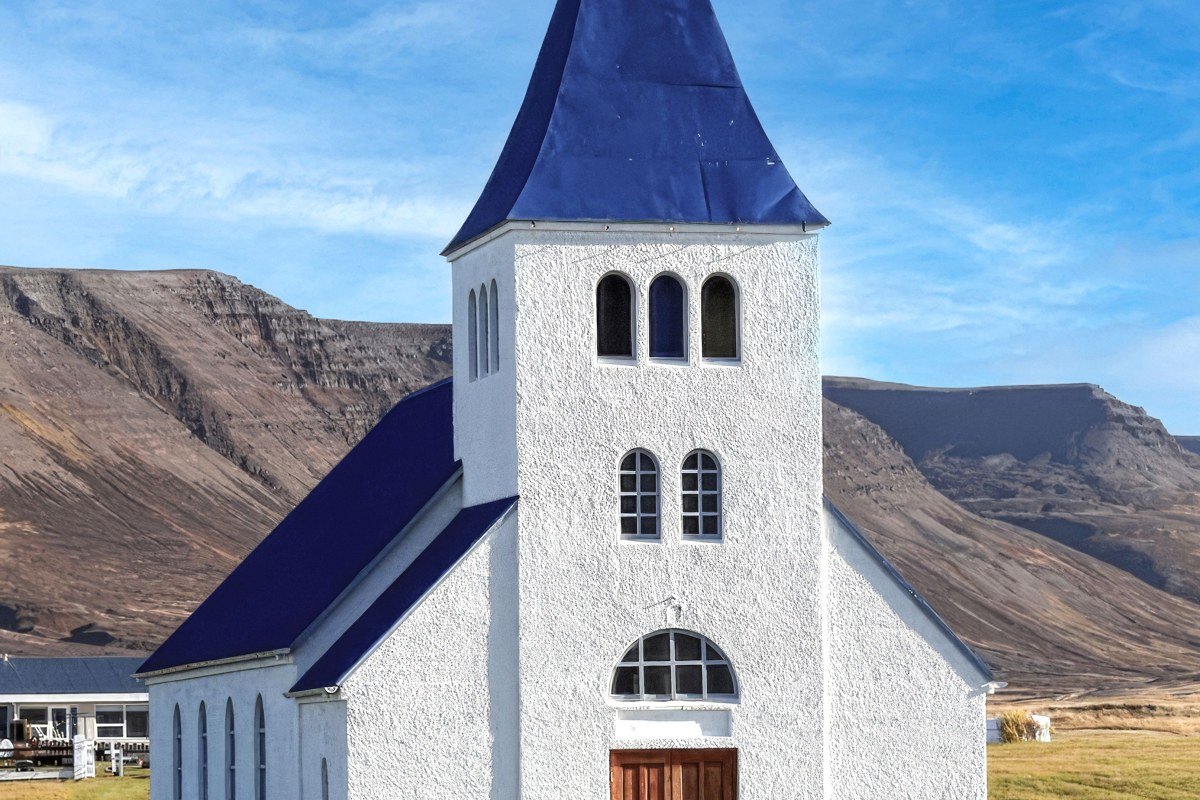
Hofsos (roughly pronounced “HOHF-ohs”) is a fairy-tale village that almost no one outside Iceland can name, and almost none of the tourist infrastructure points toward it. That is the whole reason to go. It sits on the eastern shore of Skagafjordur in northern Iceland and has one of the oldest merchant trading post buildings in the country: a collection of turf-and-stone warehouses that could pass for a film set if they were not completely real and completely unrestored. The Icelandic Emigration Center chronicles the story of 19th-century emigration to North America with real archival depth.
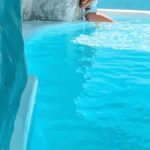
The infinity swimming pool perched above the fjord is justifiably famous among those who know it, offering the surreal experience of swimming in geothermally heated water while looking directly across open water to the mountains on the other side. Guesthouse Sunnuberg sits a short walk from the pool and the harbor, and its rooms fill quickly in July. Visit on a weekday in September when the summer crowds have evaporated and the fjord takes on a gray-green color that is genuinely Faroe-worthy.
6. Borgarfjordur Eystri
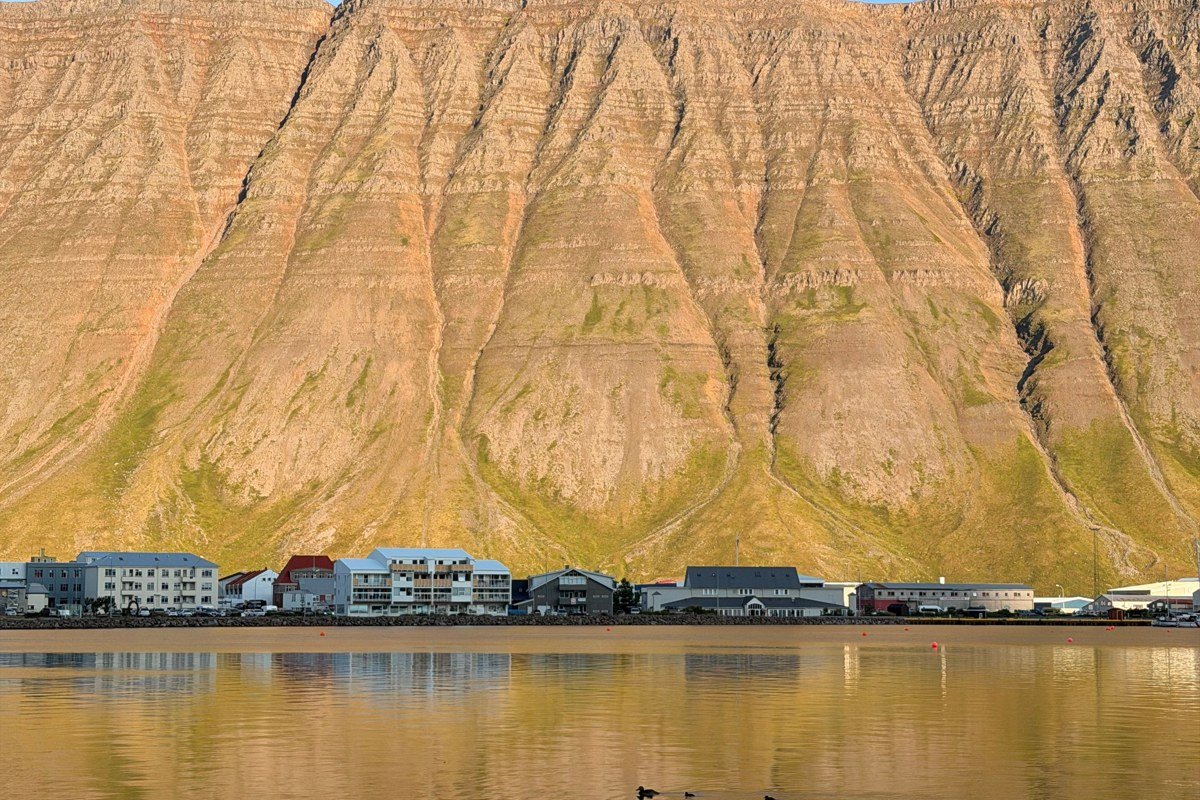
Borgarfjordur Eystri appears on maps under that name, but locals call it Bakkagerdi. Set your GPS to Bakkagerdi to avoid the confusion that sends some visitors down the wrong track entirely. Reaching it requires committing to a 70-kilometer road, partly gravel, that winds through some of the most geologically surreal landscape in Iceland. The rhyolite mountains surrounding the village shift through pink, green, and ochre depending on the light, a color palette that feels genuinely otherworldly and is almost impossible to replicate anywhere else in northern Europe. The tiny turf-roofed church set against those mountains has become one of the most photographed in Iceland, and the adjacent puffin colony at Hafnarholmi, where the birds nest in burrows a few meters from a wooden viewing platform, is one of the most accessible in the country.
The village has a population that qualifies as a hamlet by any definition, and the social infrastructure reflects that. Guesthouse Bakkagerdi is small, unpretentious, and the only real option in the village, which is itself part of the appeal. Come between June and mid-August for the puffins, and stay long enough to hike the Viknaslódir trail network, which connects this village to its equally isolated neighbors along the coast.
7. Husavik
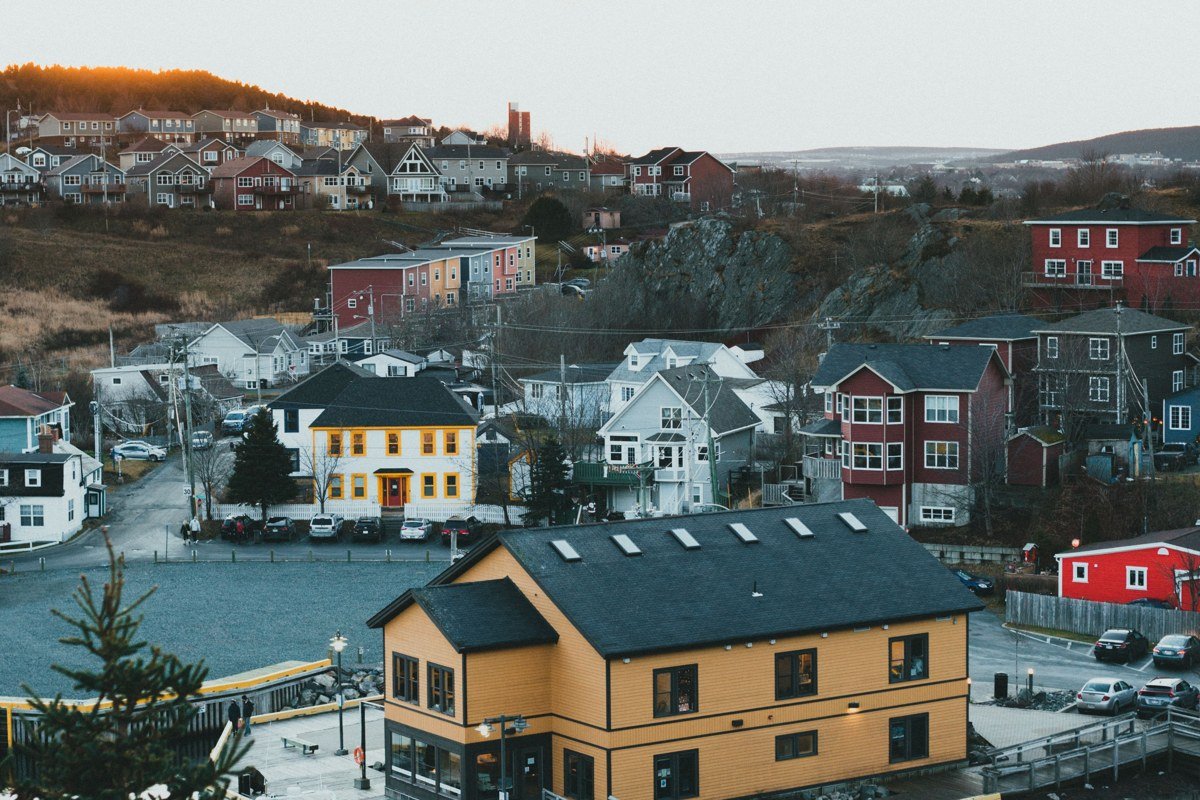
Husavik sits on Skjalfandi Bay in northern Iceland and has just enough tourist infrastructure to be comfortable without ever feeling like it has sold out its character. The harbor is the visual heart of the place: a line of painted wooden buildings descends to the waterfront where whale-watching vessels share space with working fishing boats, and the white-and-red timber church on the hill above frames the whole composition perfectly. It has a distinct Faroese harbor-town quality without requiring a small-plane connection or a two-day ferry crossing.
The whale watching is genuinely exceptional, and the reason is specific geography. Skjalfandi Bay functions as a natural feeding trap: cold, nutrient-rich water upwells along its floor, concentrating the capelin and krill that humpback whales follow in from the open Atlantic. Humpbacks are reliably present from May through September and are known for extended surface activity here, including breaching and extended lunge-feeding sequences that give photographers real time to frame shots. North Sailing, one of the older operators on the harbor, is particularly well regarded among wildlife photographers for its traditional oak boat fleet, which runs quieter and lower to the water than the larger high-speed vessels.
The Exploration Museum and the Husavik Whale Museum are both small but genuinely interesting, avoiding the generic and leaning into local history in specific, honest ways. Stay at Fosshotel Husavik, which has fjord-facing rooms worth requesting at booking. Go in the shoulder season of late May or early September when the light is lower, the boats are less crowded, and the town has space to breathe.
8. Vik i Myrdal

Vik is the southernmost village in Iceland and the most dramatically situated of all eight. It does not have harbor charm in the traditional sense because there is no harbor: the sea here is too violent for one. What it has instead is a black sand beach flanked by sea stacks that rise from the surf like broken battlements, a red-roofed church perched on a basalt ridge above the village, and a backdrop of glacier-capped volcanoes that should, by all logic, appear in every fairy-tale illustration ever made. The village itself is small and low-key, with a main street that takes about four minutes to walk end to end.
For the church, shoot from below using a wide-angle lens (16 to 24mm equivalent) at a low angle as weather rolls in from the south; the compression of dark cloud against the red roof against green hillside is the frame that earns its place. For the sea stacks at Reynisdrangar, shoot from the western end of the beach in the hour before dusk when side light picks up the basalt texture. The practical caution: the beach has dangerous sneaker waves and the warning signs are serious. Watch the ocean for several minutes before you approach the waterline. Hotel Katla, just outside the village center, is the most reliable base for early-morning access to the beach before the tour buses arrive. Come in October or March for the storms, when the sky turns bruise-purple and the waves against Reynisdrangar are genuinely awe-inspiring without the summer crowds.
How to Plan This Route Practically
These eight villages are not all on the same road, and pretending otherwise would waste your time. The most efficient approach is to divide them into two regional clusters. The northern group (Siglufjordur, Hofsos, Husavik, Borgarfjordur Eystri, and Seydisfjordur) works well as a ten-to-twelve day loop from Akureyri, which has regular domestic flights from Reykjavik and its own car rental options. The southern and western group (Flatey, Djupivogur, and Vik) connects more naturally along the ring road from Reykjavik, with Flatey requiring a planned ferry day from Stykkisholmur.
Gravel road readiness matters for Borgarfjordur Eystri especially. A small SUV is sufficient for most of these routes in summer, but check road conditions at road.is before each leg. Accommodation in these villages is limited and genuinely fills up in July and August, so booking three to four months ahead for that window is not overcautious; it is necessary. In May, September, and October you will find more flexibility, lower prices, and the kind of moody, dramatic light that makes these fairy-tale villages look exactly as atmospheric as the images that sent you searching for them in the first place.