
Most people land in Athens, island-hop to Santorini and Mykonos, and leave convinced they have seen Greece. They have seen a Greece, but not the one that keeps seasoned travelers coming back year after year, chasing quieter bays, crumbling Byzantine towers, and tavernas where the owner’s mother still makes the recipes. These ten places are what those repeat visitors are quietly hoping you never find out about.
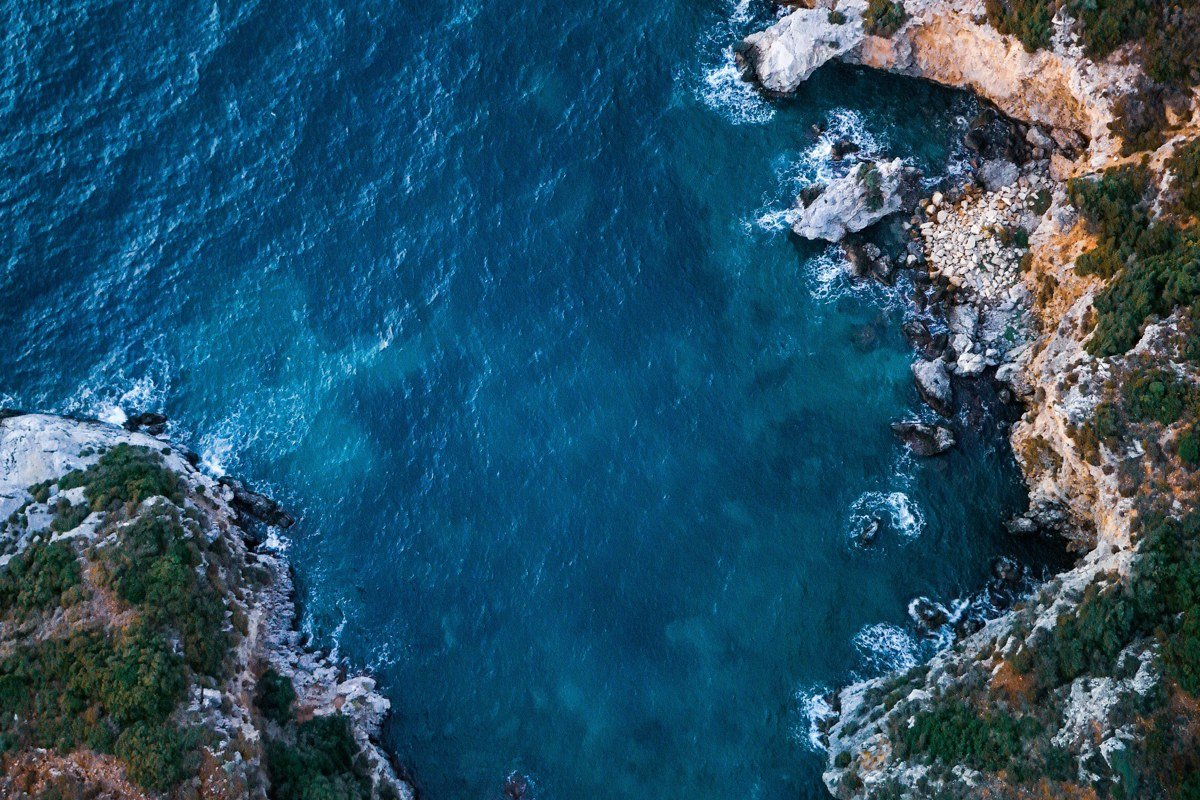
Planning note: Folegandros, Halki, and Elafonisos form a natural Aegean loop for travelers with limited time. Each is reachable within a day of the others, and together they cover cliff-top Cycladic drama, a neoclassical Dodecanese harbor, and one of the finest beaches in southern Greece without significant backtracking.
1. Folegandros, Cyclades
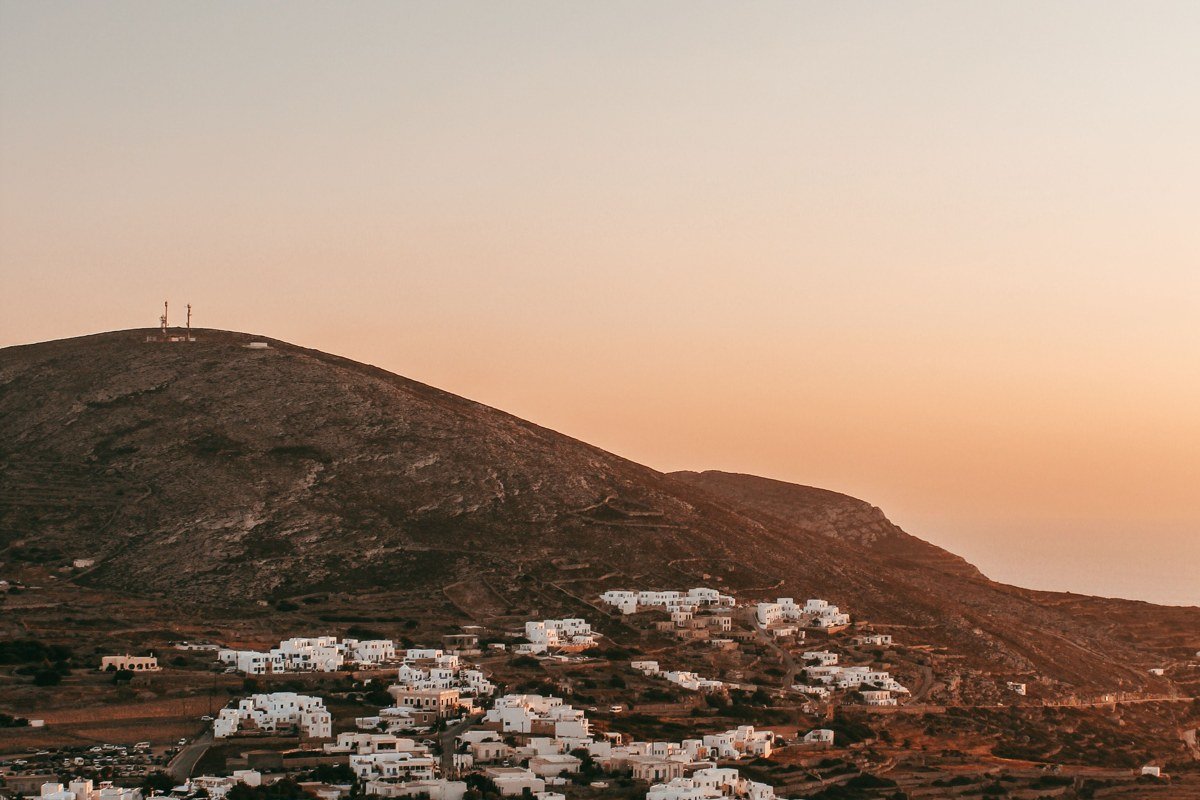
Folegandros sits roughly two ferry hours southwest of Santorini and attracts a fraction of the crowds despite offering arguably more drama per square kilometer. The main village, Chora, is built right on the edge of a 200-meter cliff, and the path up to the Church of Panagia at sunset is one of the genuinely great walks in the Cyclades. There are no ATMs in the port, barely any motorbike rentals, and the beaches require either a long hike or a small boat taxi, which keeps the atmosphere refreshingly calm. The best insider move is booking a room in Chora itself rather than the port of Karavostasis, so you can walk to dinner without a taxi and stay up late watching the lights of passing ferries from the kastro walls.
Best shot location: Photograph the Church of Panagia from the path below it during the last twenty minutes of light, when the whitewash turns gold and the cliff drops away behind it into open sea.
2. Monemvasia, Peloponnese
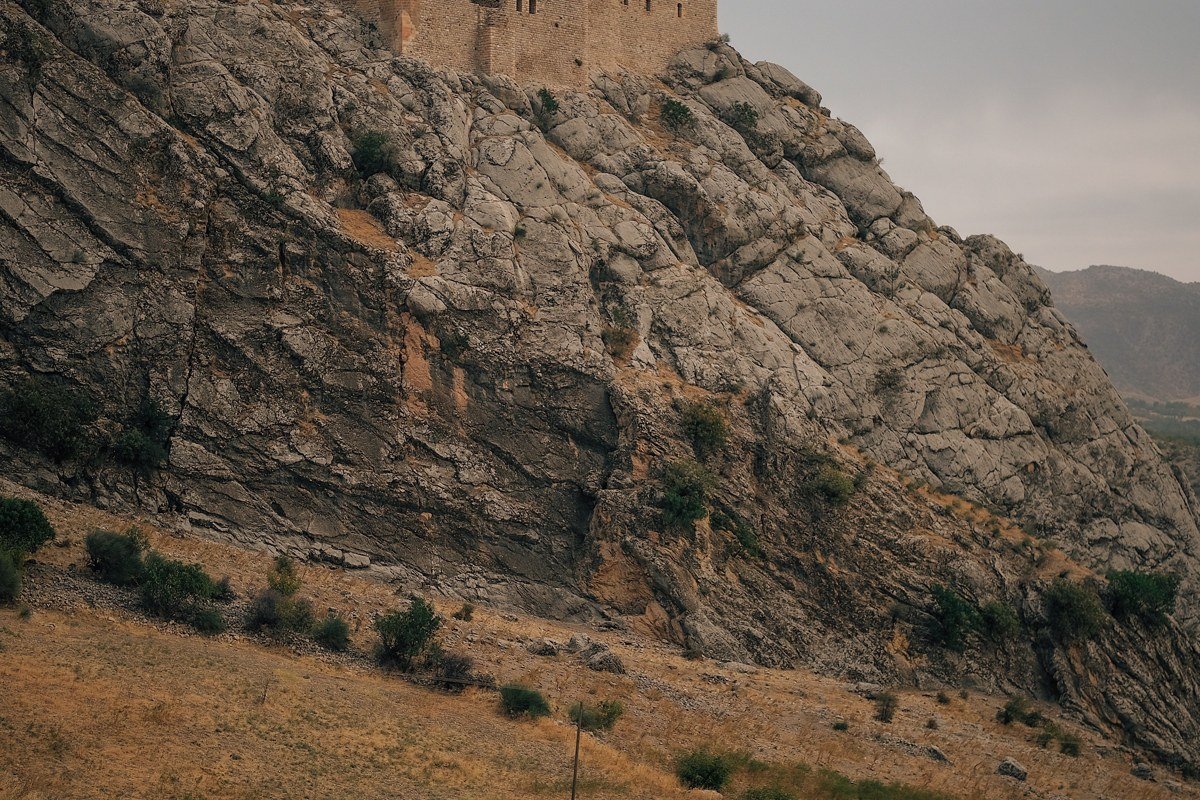
Often called the “Gibraltar of Greece,” Monemvasia is a fortified Byzantine town attached to the southeastern Peloponnese by a single narrow causeway. The lower town is a living neighborhood of restored stone mansions, hidden Orthodox churches, and bougainvillea-draped lanes so narrow two people can barely pass. What makes it genuinely special is that the upper fortress, reached by a steep path above the lower town, is almost always empty even in August, and the views from the ruined Cathedral of Agia Sofia are extraordinary. The honest trade-off is that accommodation inside the rock is expensive and limited, but staying even one night inside the walls rather than in the modern village across the causeway changes the experience entirely. Visit on a weekday if possible, as weekend day-trippers from Athens do arrive in numbers.
Best shot location: Climb to the upper fortress in the early morning before day-trippers arrive. The Cathedral of Agia Sofia with the open Aegean behind it photographs best in the soft, low light before 9am.
3. Ikaria, Eastern Aegean
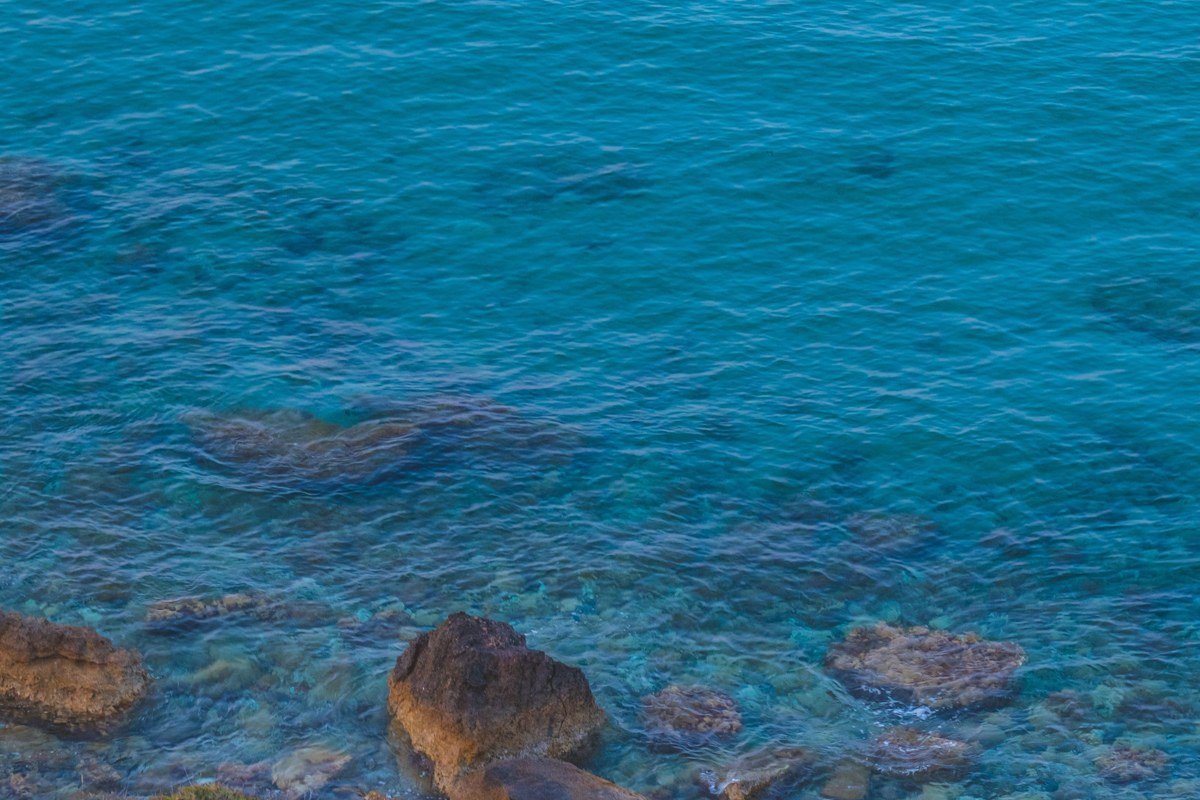
Ikaria is the island that made international headlines for the longevity of its population, but the real draw for travelers is how fundamentally different it feels from standard Greek island tourism. Roads wind through pine forests and cross rivers, festivals called panigiri run through the night into dawn with live traditional music, and the island operates on a schedule that ignores the clock in a literal sense. The hot springs at Therma on the north coast are genuinely medicinal, radioactive enough that pregnant women and children are advised to limit their time, and locals have been bathing there for centuries. If you go in July or August, find out the date of the local panigiri in Raches or Christos and show up without a plan. That single night will likely reorder your priorities for the rest of the trip.
When to photograph: The panigiri gatherings run past midnight and into pre-dawn, when the light from lanterns and the surrounding dark create images almost impossible to replicate in daylight. Bring a fast lens.
4. Zagori Villages, Epirus
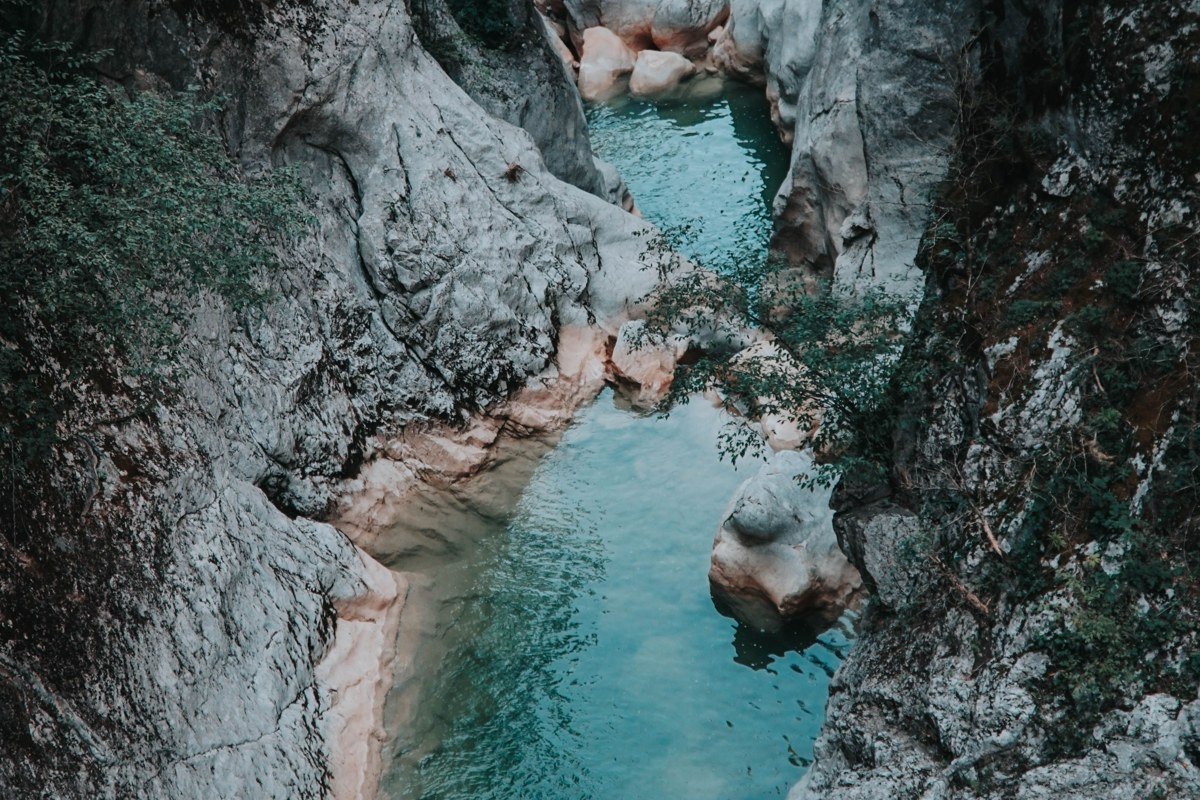
The Zagori region in northwestern Greece is 46 traditional stone villages connected by ancient mule paths and Ottoman-era arched bridges, folded into the Pindus Mountains above the Vikos Gorge. The gorge walls reach 900 meters at their highest point above the riverbed, making the two-day hike through it as rewarding as anything you will find in Switzerland, with a fraction of the trail traffic. Villages like Monodendri, Papingo, and Kipi each have distinct characters: Monodendri for the gorge viewpoint, Papingo for the natural rock pools called Ovires where cold mountain water pools in smooth limestone, and Kipi for the concentration of old bridges within easy walking distance. This area rewards slow travel. Budget at least three nights and pack layers, as the altitude means cool evenings even in summer.
Best shot location: The triple-arched Kalogeriko bridge near Kipi, photographed from the riverbank below, is the classic Zagori frame. Arrive before 8am in summer to shoot it without other hikers in the scene.
5. Halki, Dodecanese
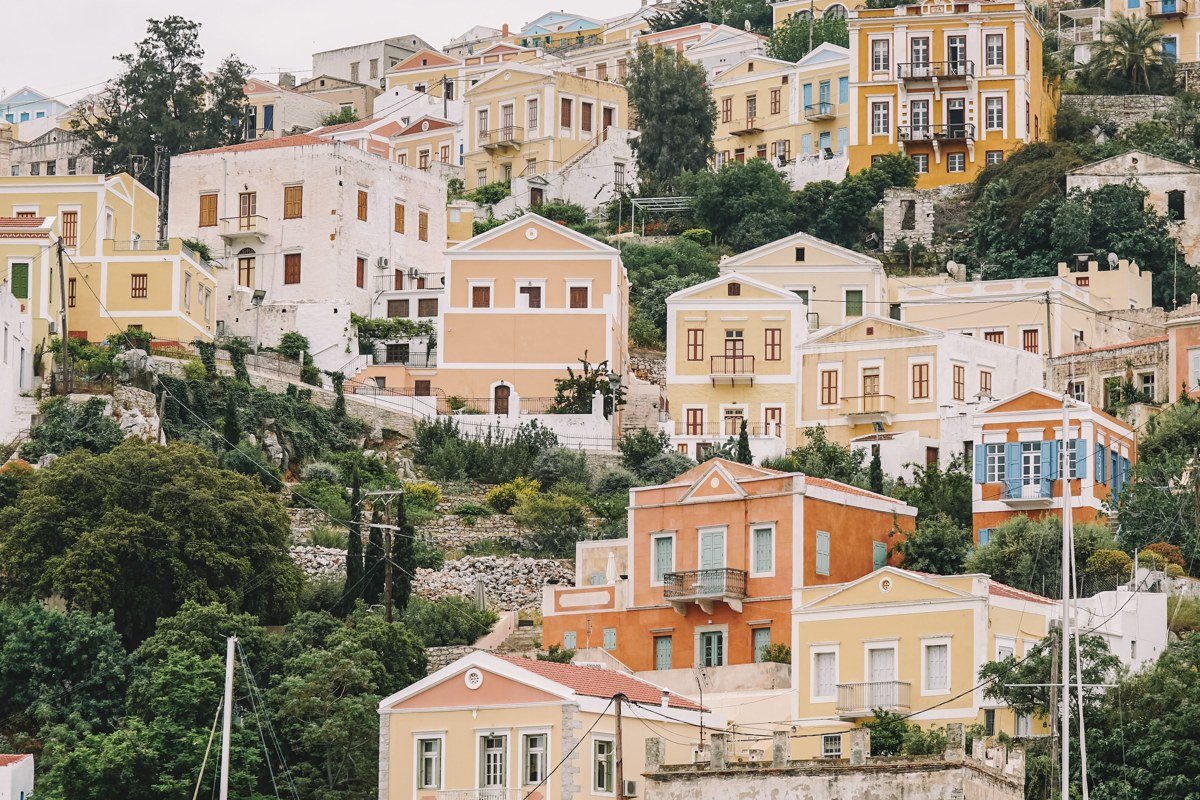
Halki is a tiny island roughly an hour by ferry from Rhodes but occupying a completely different world. The harbour village of Emborio is one of the best-preserved neoclassical harborfronts in the Dodecanese, lined with pastel Italian-era mansions in ochre, terracotta, and faded rose. Cars are banned on the island and there is exactly one settlement with a handful of tavernas, a bakery, and a couple of small hotels. The best thing to do is rent a small boat for a day and find your own bay around the island’s coastline, where the water is absurdly clear over pale limestone. The practical note is that Halki has almost no shade on its hiking paths, so starting any walk before 8am is not a suggestion. In summer heat it is a genuine necessity.
Best shot location: The harbourfront at Emborio reflects almost perfectly in the water in the windless early morning, usually between 6:30 and 8am, before the day’s ferry traffic disturbs the surface.
6. Apeiranthos and the Tragea Plain, Naxos, Cyclades
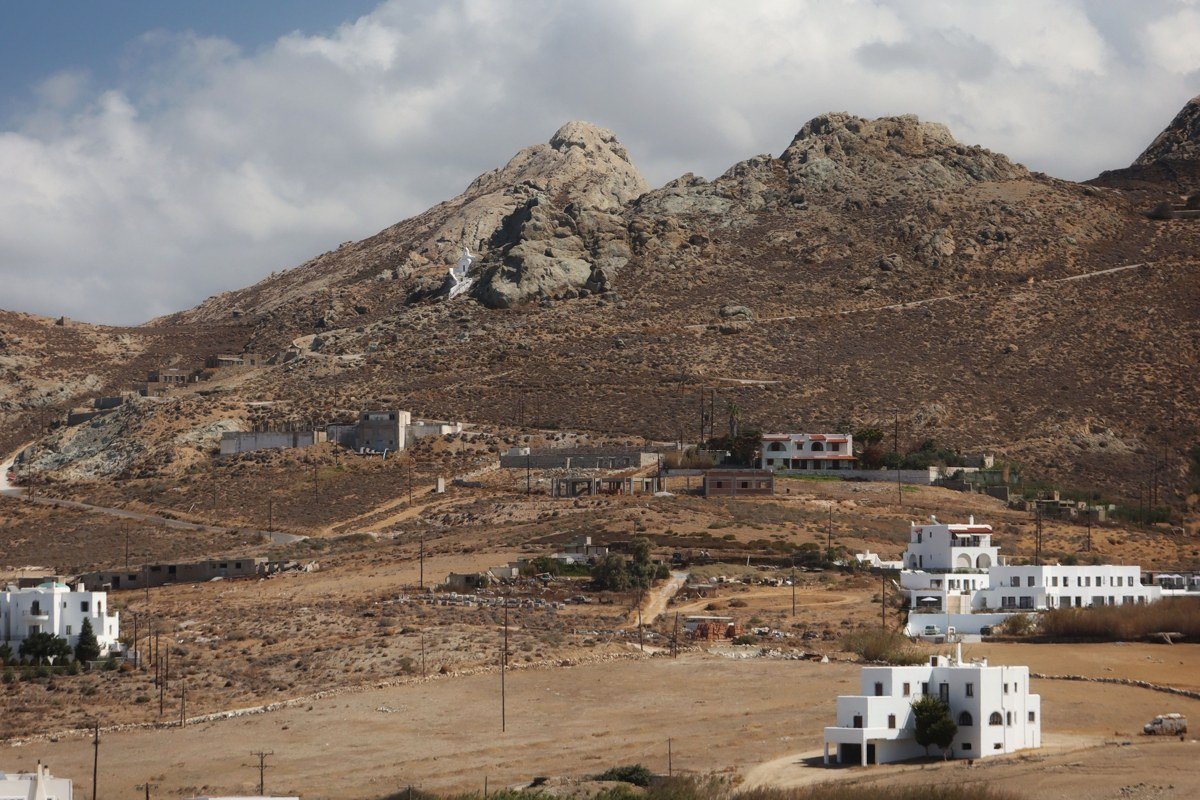
Most visitors who stop in Naxos spend their time on Agios Prokopios beach and leave thinking of the island as a quieter Mykonos. The interior is a completely different proposition. Apeiranthos is a marble-paved mountain village in the northeastern part of the island, built from local grey-white stone, with a fierce local identity and four small museums crammed into its narrow lanes, covering archaeology, geology, and natural history. Below the village, the Tragea plain is an unexpected inland landscape of Byzantine chapels, ancient olive groves, and dry-stone walls that could plausibly be somewhere in rural Tuscany. For those interested in antiquity, the Temple of Demeter near Sangri, a partially reconstructed 6th-century BC sanctuary in open farmland, is one of the least-visited ancient sites in the Cyclades. Budget half a day for Apeiranthos and half for the Tragea and Sangri; a small rental car makes both straightforward from Naxos Town.
Best shot location: The marble lanes of Apeiranthos narrow to arched stone passages that frame the mountain valley behind them. Late afternoon light, when the sun drops toward the western coast, catches the pale stone at its warmest.
7. Elafonisos, Laconia
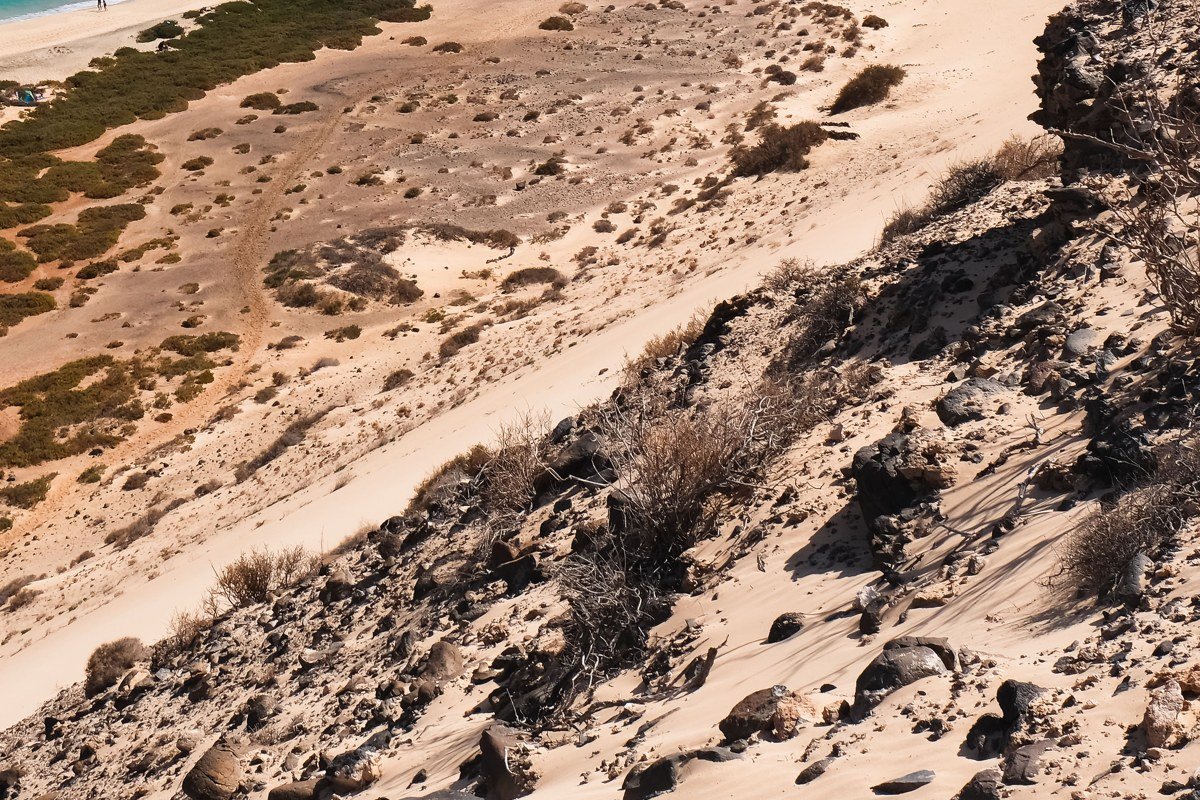
Elafonisos is a small island just off the southern Peloponnese, reached by a frequent ferry crossing from the village of Pounta. In summer the crossing runs roughly every fifteen minutes and costs around two euros each way, making it one of the most accessible short hops on the mainland coast. The reason to make the trip is Simos beach, a double-sided sandy spit flanked by shallow turquoise lagoons that consistently appears on best-beaches-in-Europe lists but remains genuinely uncrowded outside of Greek national holidays. Flamingos occasionally appear in the lagoons during spring migration, a detail most travel guides omit entirely. The small harbor district has a cluster of straightforward fish tavernas where the catch is local and the pricing honest by Greek island standards. The island itself is small enough that a day trip from the Peloponnese works, but staying overnight means you have Simos almost to yourself in the early morning, which is the version worth experiencing.
Best shot location: Walk to the far western tip of the Simos sandbar at sunrise. The lagoon on the sheltered side is flat, the sand is untouched, and on clear mornings the color gradient from white sand through pale green to deep turquoise is the kind of image that looks edited even when it is not.
8. Kastoria, Western Macedonia
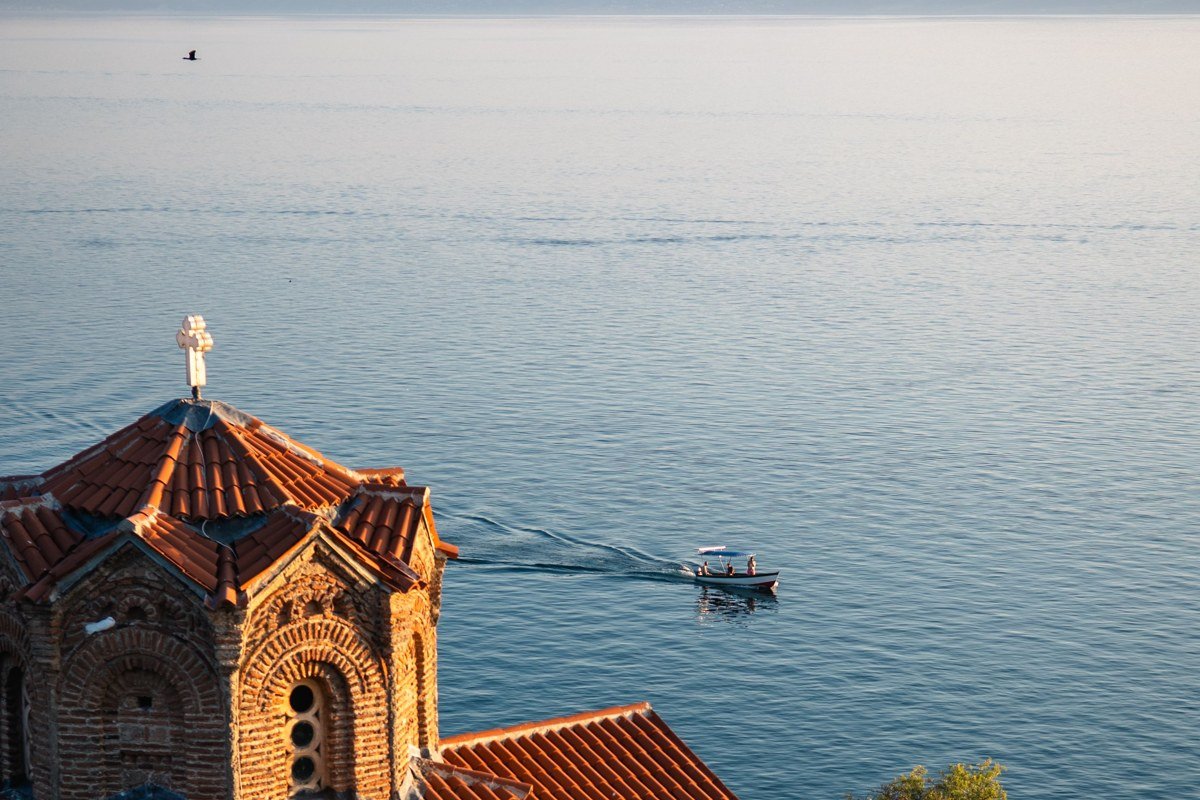
Kastoria is about as far from postcard Greece as it is possible to get while still being firmly, distinctly Greek. The town sits on a peninsula jutting into a large freshwater lake in the mountains of western Macedonia, and it contains more Byzantine churches per square kilometer than almost anywhere in the country, over 50 within the town boundaries. The neighbourhood of Doltso along the lake has a row of Ottoman-era mansions built by wealthy fur traders, and several are open to the public. The lake itself is a genuine wildlife habitat with herons, cormorants, and turtles visible from the waterside path. This is a destination for winter or shoulder season: the light on the lake in November is spectacular, accommodation is inexpensive, and the local cuisine (hearty meat stews and walnut-based pastries) matches the colder air.
Best shot location: The waterside path through Doltso at dusk, when the mansion facades and the church silhouettes reflect in the still lake, is the defining Kastoria image. November and March offer mist on the water that adds another layer entirely.
9. Samothrace (Samothraki), Northern Aegean
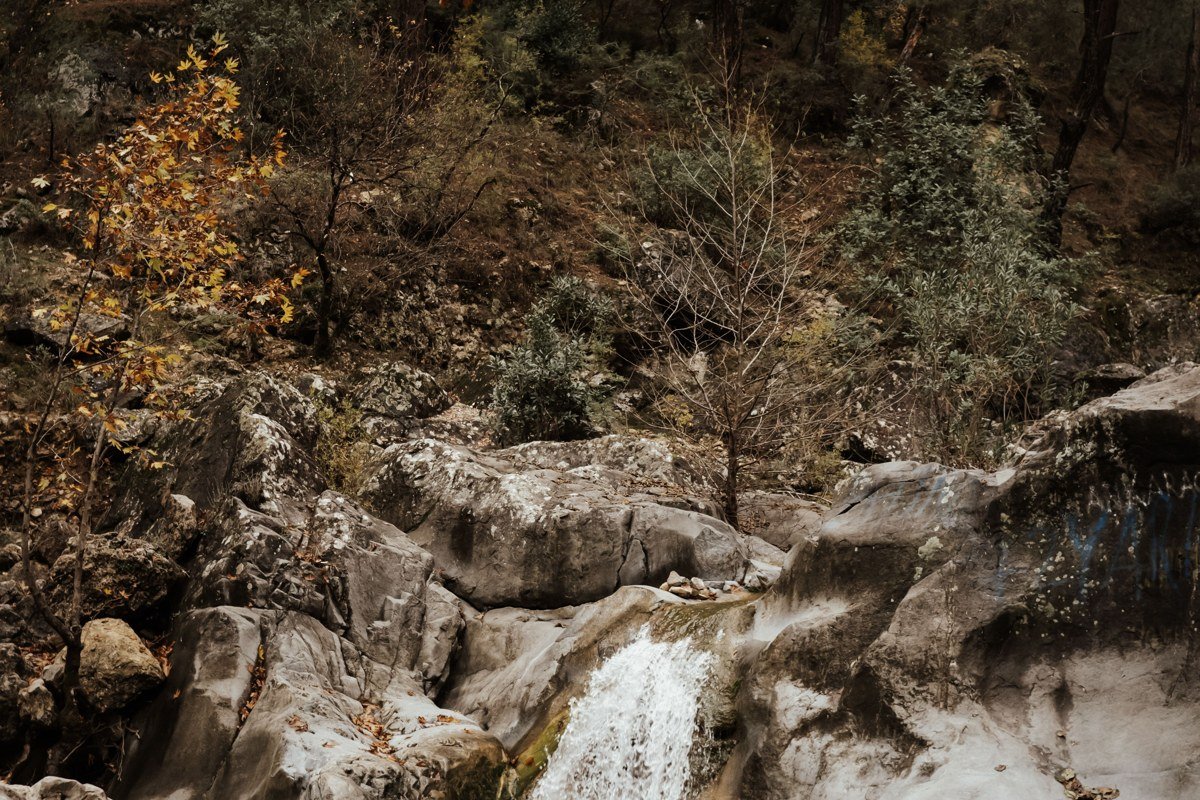
Samothrace is the sort of island that attracts people who have already done everything else. It has no airport, the ferry crossing from Alexandroupoli is weather-dependent enough to occasionally leave visitors stranded for an extra day or two, and the accommodation is basic. What it offers in return is the Sanctuary of the Great Gods, one of the most important religious sites in ancient Greece and still hauntingly atmospheric among the ruins, and the mountain of Fengari, the highest peak in the Aegean, associated in mythology with Poseidon watching the Trojan War. The Fonias river gorge, which leads through forest to a series of natural pools and a dramatic waterfall, is among the best half-day hikes in the entire Greek archipelago. Go in June or early September when the ferry runs reliably and the hiking weather is manageable.
Best shot location: The main waterfall at the end of the Fonias gorge hike photographs best from the large flat boulder at its base in mid-morning, when direct light reaches down through the tree canopy to catch the water.
10. Areopoli and the Mani Peninsula, Peloponnese
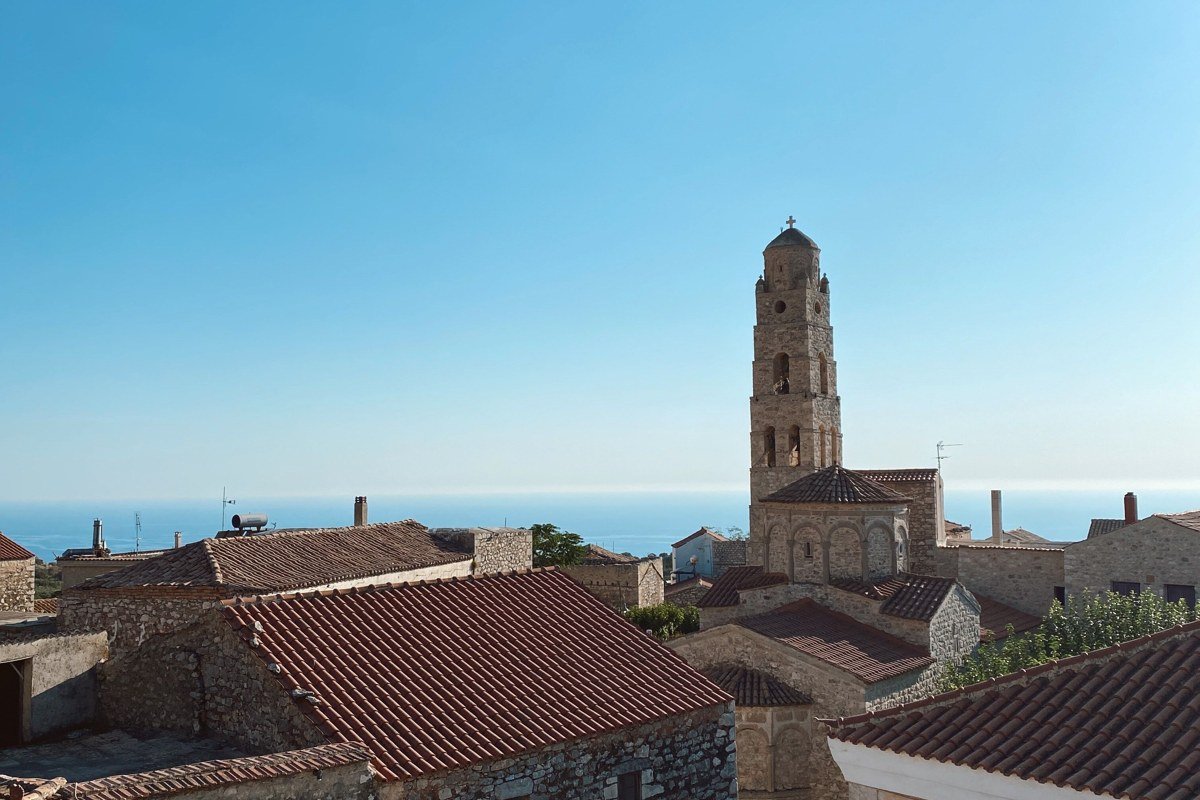
The Mani is the middle finger of the Peloponnese, a semi-arid peninsula of stone tower houses, abandoned villages, and deep sea caves that has historically been one of the most isolated parts of Greece. Areopoli is the main town and the right base for exploring the region: a cluster of dark stone buildings around a central square, with a handful of good tavernas and restored tower houses converted into small hotels. The Diros Caves, reachable from Areopoli in under twenty minutes by car, involve a boat tour through an illuminated underground lake system that is genuinely unlike anything else in Greece. The honest trade-off is that the Mani in July and August is extremely hot, extremely dry, and the landscape provides almost no shade. Late April and October are significantly better months, and the light in October on the stone towers and silver olive trees is the kind of thing that ends up framed on walls.
Best shot location: The abandoned tower village of Vathia, a few kilometers south of Areopoli, is the visual heart of the Mani. Photograph it in the late afternoon from the road just below, when the towers cast long shadows across the rocky hillside behind them.
How to Actually Use This List
These ten places share a few practical realities. Most require a car, an extra ferry connection, or a willingness to leave the main tourist circuit. None of them should be crammed into a two-week itinerary that also includes Santorini, Athens, and a cruise. Choose two or three that share a geographic region, rent a small car, and slow down.
For logistics, ferry schedules in Greece are reliable between May and mid-October and less so outside that window. Openseas.gr and the direct operator apps (Hellenic Seaways, SeaJets, Anek Lines) carry real-time schedules and are the tools Greek ferry travelers actually use. For islands like Halki, Folegandros, and Samothrace, check onward connections before booking the outbound ticket, as return frequency drops sharply in shoulder season.
The best single thing you can do before any of these trips is find one local-facing Greek travel blog or Facebook group for the specific region and read three months of posts. The detail available there, about which taverna actually sources local fish, which beach path the road sign no longer marks, which panigiri is worth rerouting for, is the difference between a good trip and one you spend the next decade telling people about.