
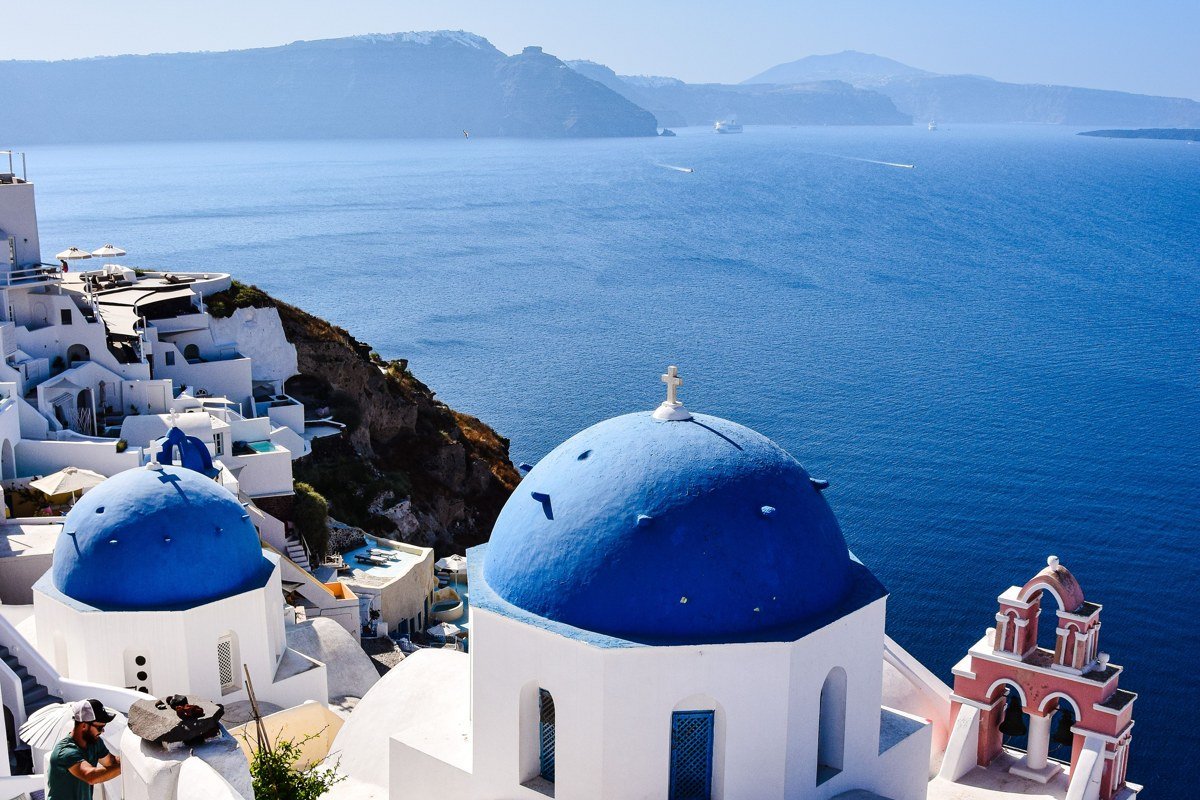
Picture this: it is six in the morning on Folegandros, you are the only person on the kastro steps, and the light hitting the white plaster is the color of warm bone. No cruise ships. No queue for a photograph. No one charging €22 for a cocktail with a caldera view. Pull back a little further and you will find eight more islands across the Aegean and Ionian that are doing this quietly, every season, for travelers willing to look past the obvious. These nine islands have been outperforming Santorini on every measure that actually matters to a discerning traveler: light, color, texture, and the rare feeling that you stumbled onto something real.
1. Folegandros
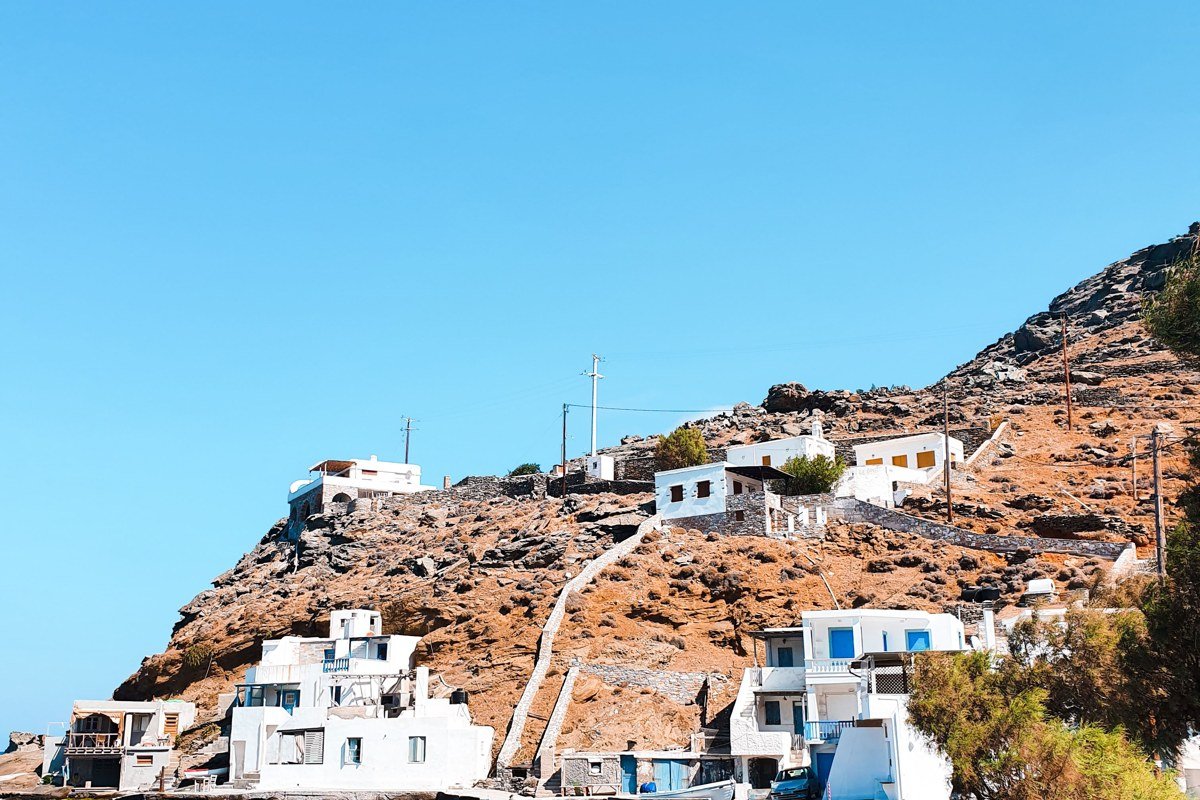
Getting there: easy to moderate (direct ferries from Piraeus, journey 5–7 hours depending on route).
Folegandros sits on a dramatic basalt cliff above the Aegean and has somehow stayed off the mass-tourism radar despite being one of the most structurally beautiful settlements in the entire Cyclades. The Chora here is a medieval kastro district of interlocking houses so tightly packed they form the village wall itself, and the main square spills out under enormous plane trees strung with fairy lights that glow amber against the white plaster at night. For photographers, the walk from Chora down to Agali beach involves a light shift around 4pm that turns the limestone path genuinely golden. Book accommodation inside the kastro itself, not below it, because the light at sunrise over the caldera-free sea is completely different in character from anything you will find in Santorini.
A harbor-front double here in peak season runs roughly €70–110 per night, compared to €300 or more for a comparable cliff-side room in Oia. Come in late May or September when the island’s one main road is navigable without a traffic jam and Pountes restaurant still has tables available without a week’s notice.
The kastro at sunrise is the quietest, most photogenic moment on any island in the Cyclades. Set your alarm.
2. Halki (Chalki)
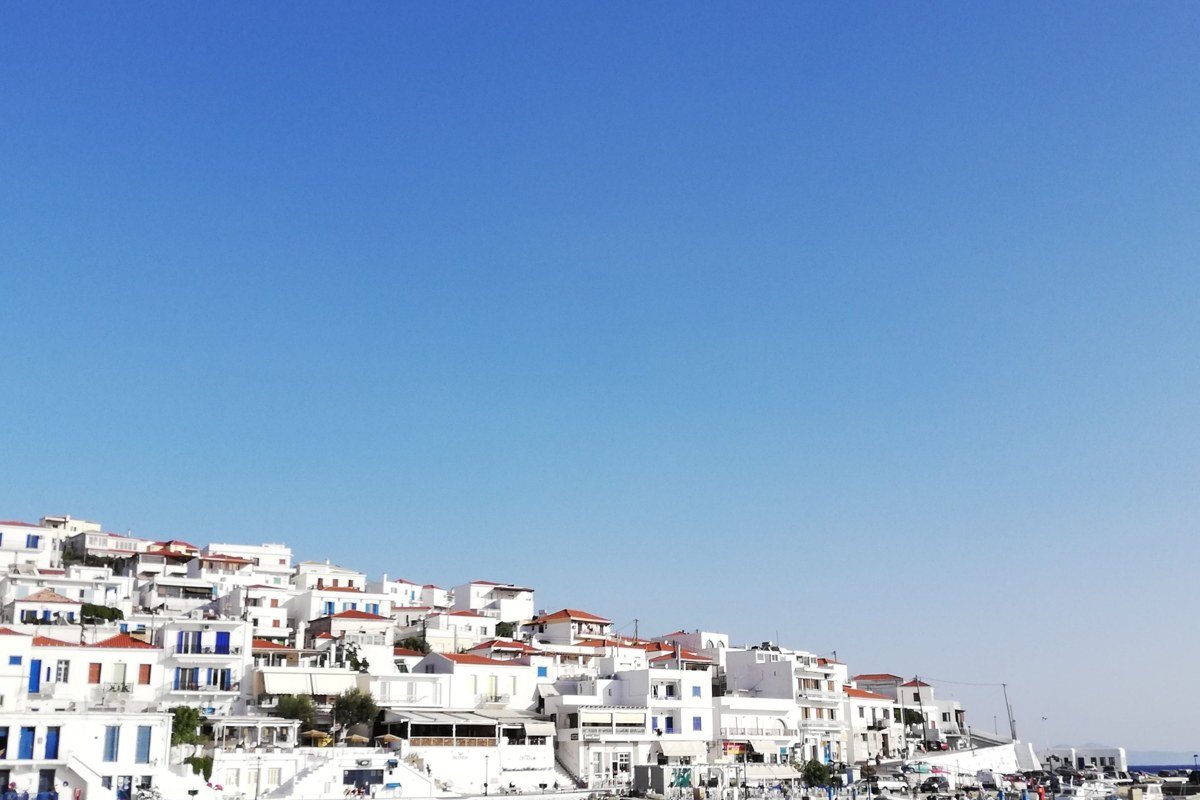
Getting there: easy (short ferry from Rhodes, roughly 1.5 hours).
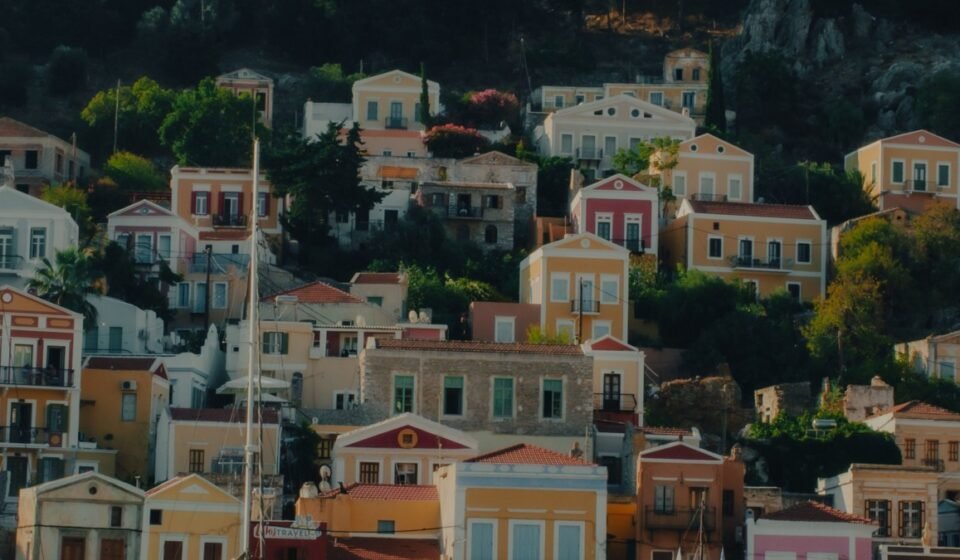
Halki is a tiny island a short ferry ride from Rhodes that most visitors overlook entirely in their rush to reach the Dodecanese’s bigger names. What makes it visually arresting is its harbor: an arc of neoclassical mansions in ochre, terracotta, and faded rose, built by sea captains in the 19th century and largely frozen since, because the island has deliberately kept large hotels and package tourism out. The buildings are not perfectly restored, which is exactly the point. Peeling stucco over carved stone corbels is a more honest and more photogenic look than a freshly whitewashed theme-park version of Greece. Spend an afternoon walking to the Knights’ castle above Chorio village for a view of the harbor that no postcard has quite captured yet.
A harbor-front double on Halki in peak season runs €60–90 per night, against €300 or more for a comparable cliff-side room in Oia. Because the island has almost no nightlife, prices stay low across the board. For food, Captain’s House taverna near the waterfront serves grilled fish at prices that match the unhurried pace of the place.
Halki’s harbor at mid-morning, before the Rhodes day-trippers arrive, is one of the most painterly scenes in the Dodecanese.
3. Tilos
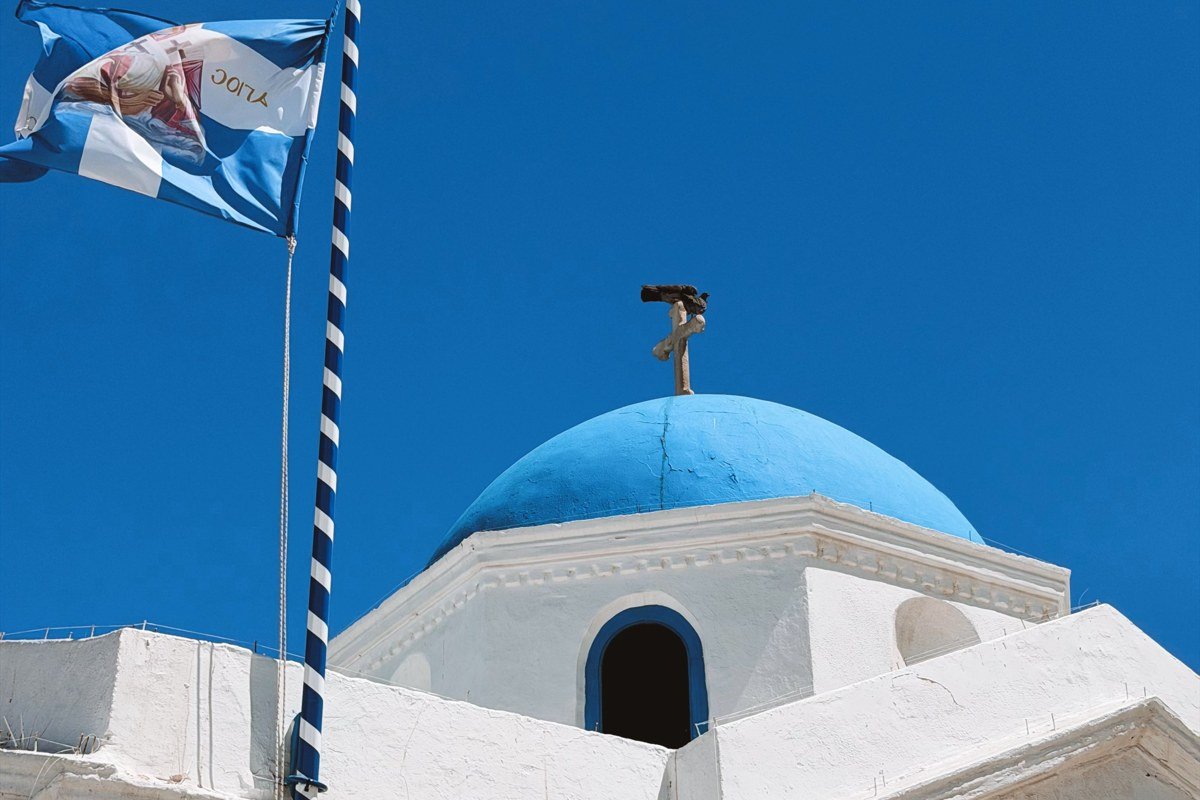
Getting there: moderate (ferry from Kos or Rhodes, connections can require advance planning).
Tilos is the Dodecanese’s quiet environmentalist island. By around 2018 it was operating primarily on wind and solar power, making it among the first islands in the Mediterranean to achieve that milestone, and it looks like a place that has been taking care of itself for a very long time. The landscape is layered in a way that reads beautifully in photographs: terraced fields climbing behind white cubic houses, Byzantine chapels the color of old bone, and coves where the water shifts between four distinct shades of blue depending on depth and cloud cover.
The best single image on Tilos is the church at Mikro Horio, a half-abandoned interior village where 17th-century frescoes are slowly returning to raw pigment. Arrive on the morning boat from Kos, hire a scooter from the rental place near the dock, and you will have the Eristos beach valley almost entirely to yourself before noon. For lunch, the Blue Sky taverna in Livadia serves the kind of slow-cooked lamb that belongs nowhere near a tourist menu. Avoid August, when the island’s small accommodation stock fills with Greeks who already know the secret.
Mikro Horio at midday, the frescoes half in shadow, is a photograph that no filter can improve.
4. Lipsi
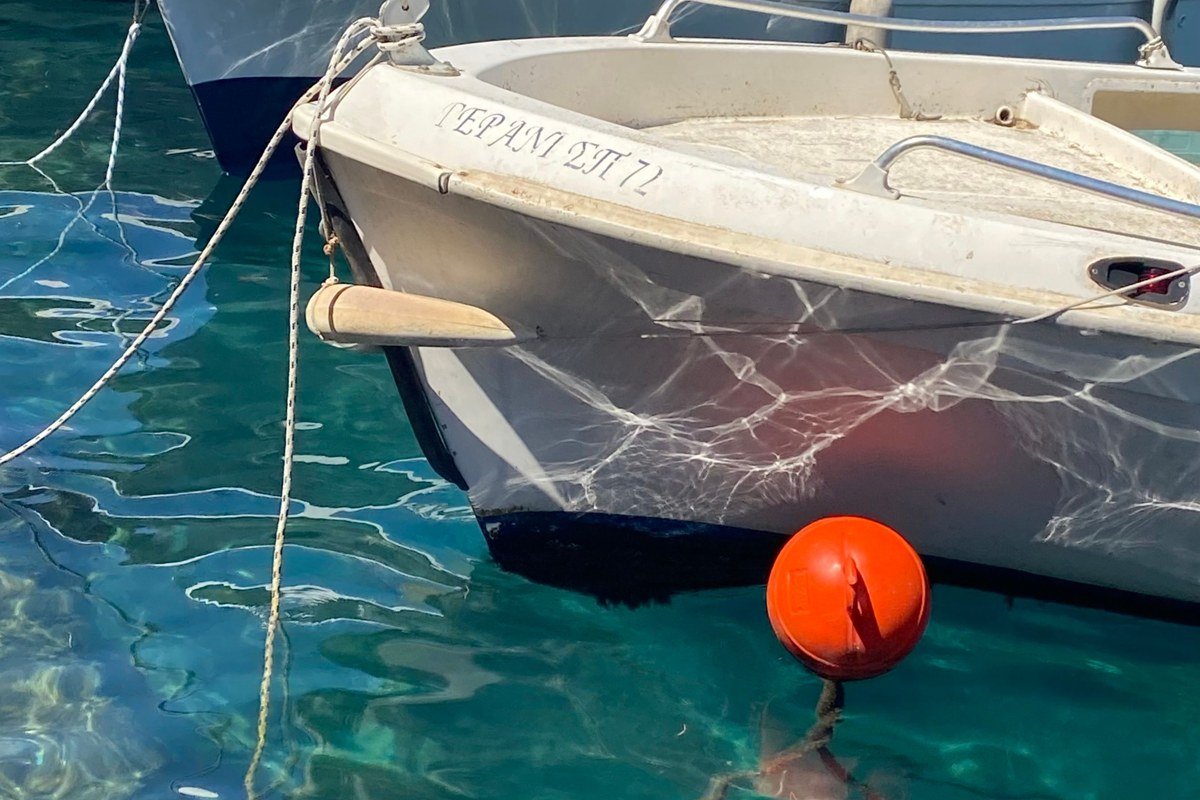
Getting there: moderate (ferry connections via Patmos or Leros; service is less frequent than on larger islands).
Lipsi is so small that most ferry schedules list it as an afterthought between Patmos and Leros, which is precisely what keeps it perfect. The harbor is ringed with tavernas that still chalk prices on boards rather than printing menus, and the bougainvillea here is not the cultivated, hotel-courtyard variety but genuinely invasive and spectacular, climbing over stone walls and into the streets in purple and magenta cascades. The island has a handful of sandy beaches within walking distance of the port, and the water clarity is exceptional because there is so little boat traffic.
Lipsi’s annual wine festival in late August is an actual village event, not a tourism product, and arriving then means eating grilled octopus that has been drying on a line outside the same family kitchen since morning. For something more structured, Manolis taverna on the harbor serves freshly caught fish with a directness that bigger islands have long since traded away. Stay at least two nights to feel the rhythm of the place, which slows measurably after the day-tripper boats from Patmos leave around 4pm.
The harbor at Lipsi after 4pm, bougainvillea still warm from the afternoon sun, is the version of Greece most people are actually looking for.
5. Donousa
Getting there: committed (infrequent ferries from Naxos or Amorgos; schedule research is essential).
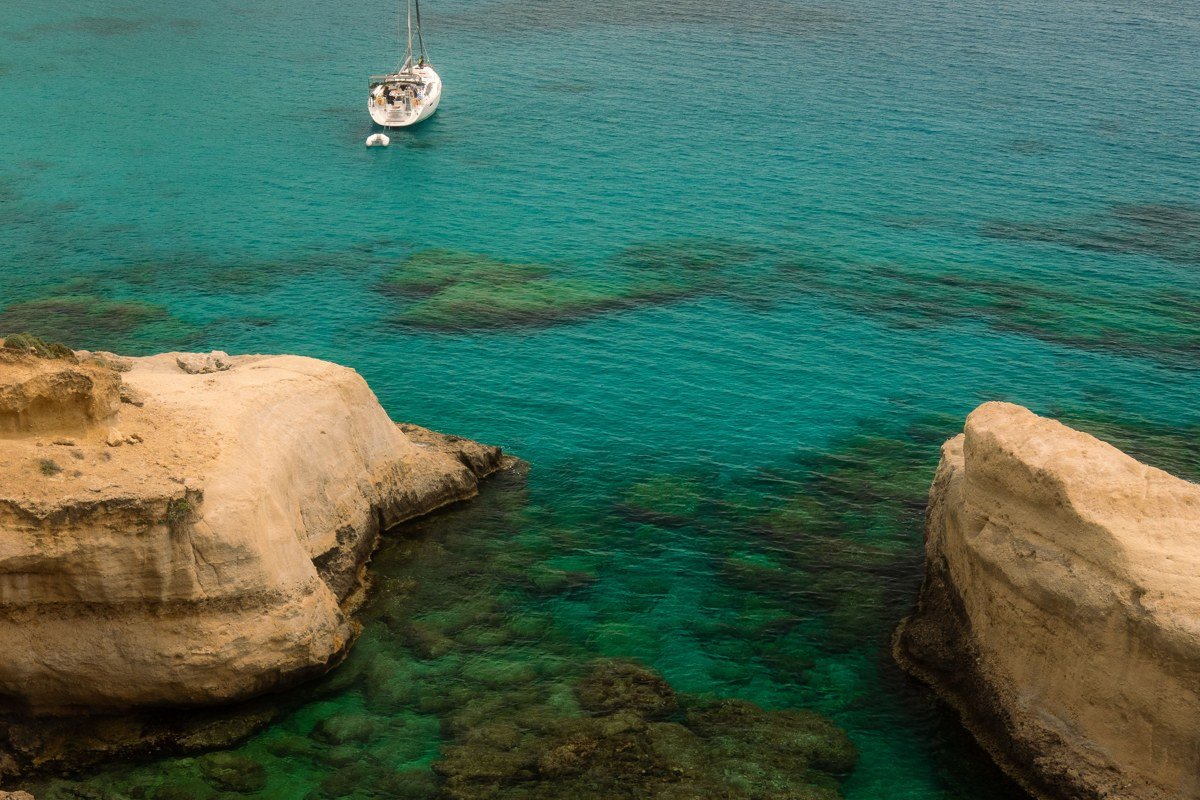
Donousa is the forgotten island in the Small Cyclades group, overshadowed by its more Instagram-familiar neighbor Koufonisia, and it rewards that obscurity with something increasingly rare: genuine silence. The main settlement is a single whitewashed cluster above a harbor that fits about four fishing boats, and the island’s best beach, Kedros, requires a 40-minute walk along a path that is partly goat track. That walk is also where some of the most compelling landscape photography in the Aegean is possible, because the views back over the sea are unobstructed in every direction.
There is no ATM on Donousa, no car rental, and electricity runs on a generator that shuts off around midnight, so come prepared. The single kafeneion near the harbor, run by a family who have been doing it across at least two generations, will remember your coffee order by day two, which is the closest thing to hospitality data this island keeps. The trade-off is an island that feels like Greece did before Greece became a brand.
Kedros beach in the early morning, reached before anyone else has made the walk, is worth every minute of ferry logistics.
6. Kastellorizo (Megisti)
Getting there: committed (small plane from Rhodes or an infrequent weekly ferry; this is not a spontaneous detour).
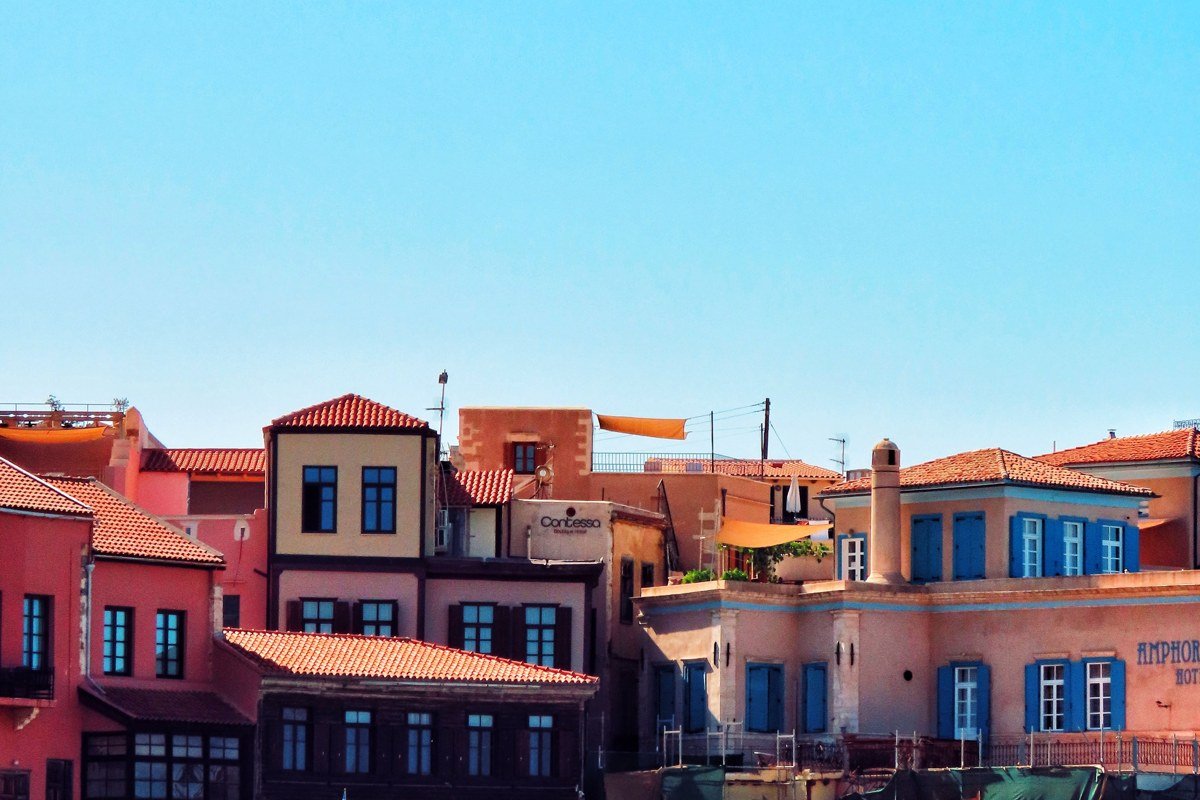
Kastellorizo is the most remote inhabited island in the Aegean, closer to the Turkish coast than to Rhodes, and its harbor has the surreal quality of a stage set maintained by sheer communal pride. The houses are painted in colors that exist nowhere else in the Cycladic or Dodecanese palettes: deep burgundy, cobalt, sage green, and burnt sienna, reflected in harbor water that is almost perfectly still on calm mornings. The island’s famous Parasta sea cave is the kind of iridescent blue that looks retouched in photographs and somehow looks even more retouched in person.
Kastellorizo has fewer than 500 year-round residents, so every meal and every conversation carries an intimacy that a larger island cannot replicate. Platanos restaurant on the waterfront is the kind of place where the menu depends entirely on what came off the boats that morning. The only realistic access is by small plane from Rhodes or a ferry that runs a few times a week. That is not a limitation but a filter.
The harbor reflected at first light, before the wind picks up, is one of the most color-saturated scenes in the entire Aegean.
7. Ikaria
Getting there: moderate (regular ferry from Piraeus, journey 8–10 hours; small airport with seasonal Athens connections).
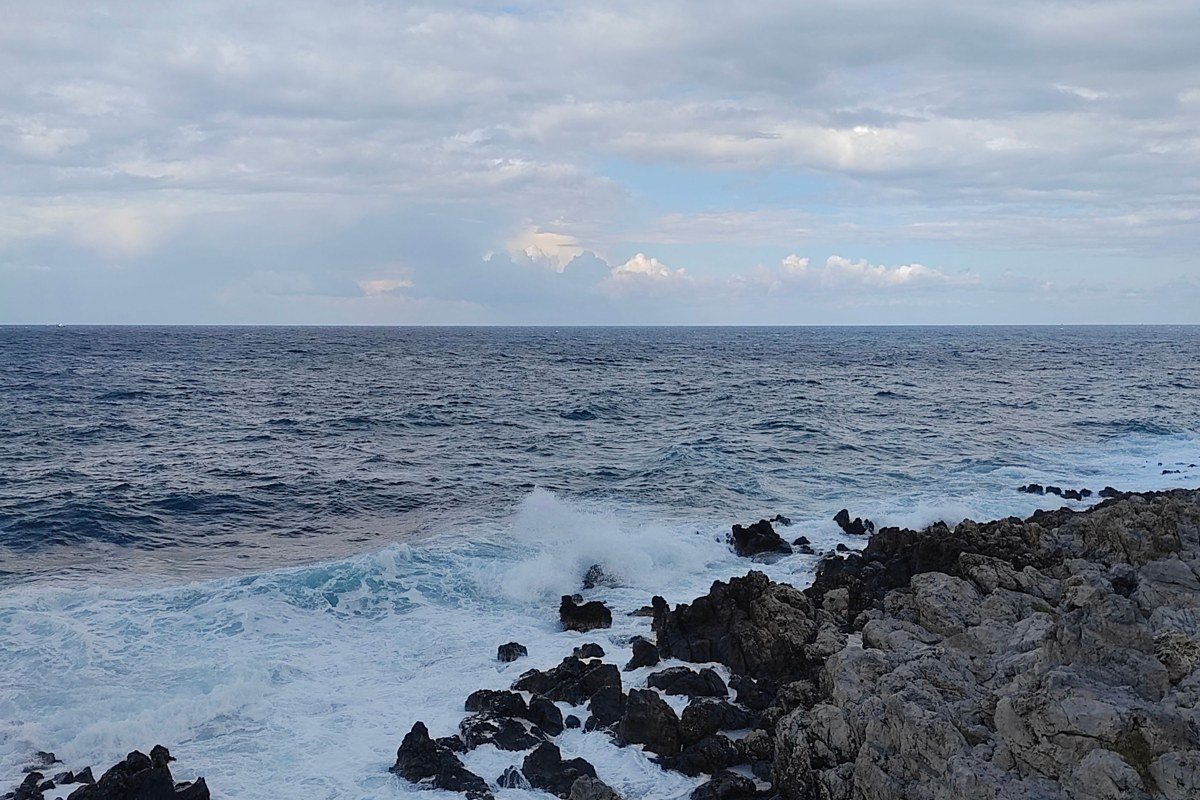
Ikaria is one of the world’s five Blue Zones, a place where people routinely live past 90, and the island’s indifference to conventional tourism is almost a personality trait. The landscape is lush and dramatic in a way that feels closer to a wet Atlantic cliff coast than a Cycladic postcard: dark pine forests, boulder-strewn hills, and waterfalls running through ravines to beaches below. The villages of Nas and Armenistis are both architecturally quieter than anywhere on Santorini, with stone-built houses in organic, unplanned arrangements that photograph beautifully precisely because nothing matches.
Ikaria’s panigiri festivals, traditional all-night village dances running from July through September, are the best free cultural experience in the Greek islands and routinely outlast their own participants. For something to eat before the dancing starts, Thea’s Inn restaurant in Armenistis is a local institution serving slow-cooked goat and mountain greens that have not been adjusted for tourist expectations. The island’s wine is strong, local, and sold in plastic bottles. Accept this as part of the experience.
An Ikarian panigiri at 2am, the village square still full, is a photograph and a memory that no curated resort can manufacture.
8. Anafi
Getting there: committed (infrequent ferries from Piraeus or Santorini; connections require planning and flexibility).
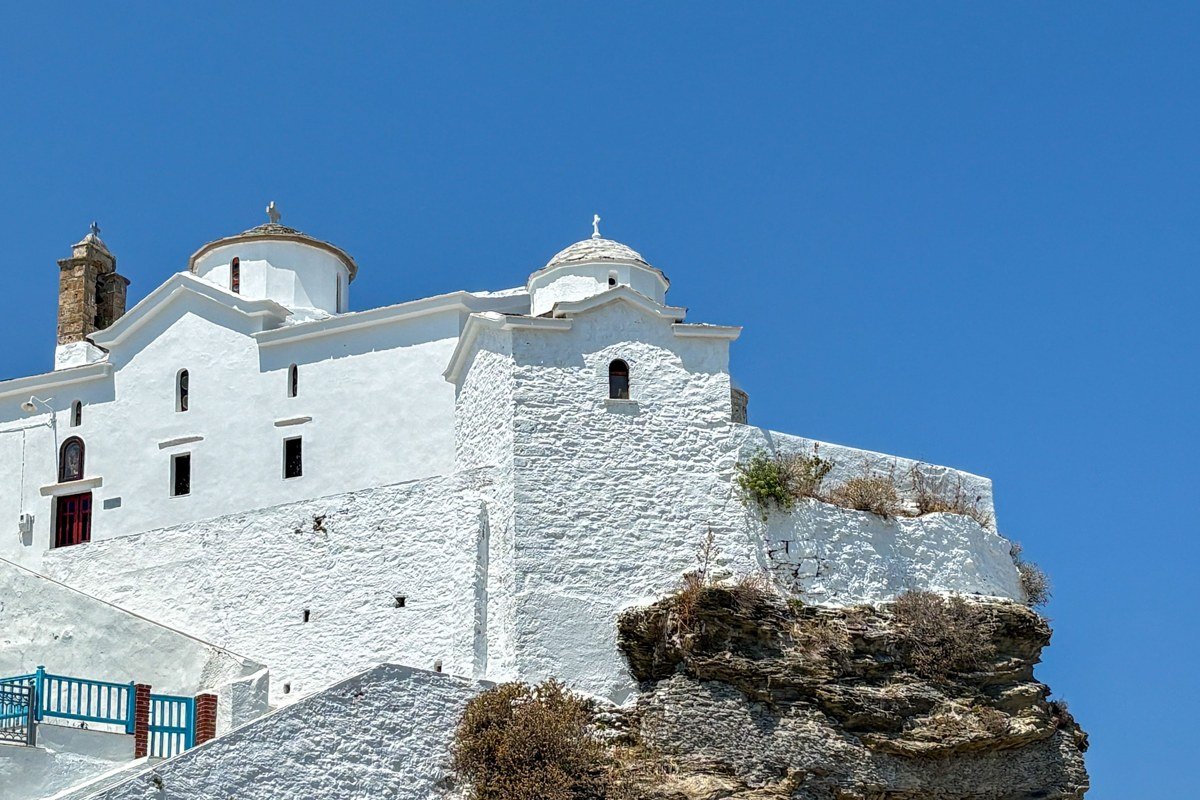
Anafi is Santorini’s nearest neighbor and its absolute opposite in atmosphere. The same caldera eruption that formed Santorini’s famous cliffs also blasted Anafi with volcanic rock, and the resulting landscape is stark, cinematic, and almost completely undeveloped. The island’s defining visual feature is a massive 470-meter monolith called the Kalamos rock at its eastern end, topped by a Byzantine monastery that you can reach by a two-hour hike through terrain alternating between scrub-covered ridge and sheer white cliff.
The Chora is everything Oia used to be before the boutique hotels arrived: a small, functional, genuinely inhabited village of blue-domed churches and cats sleeping on warm stone steps. To Steki taverna in the Chora serves grilled fish and whatever vegetables came up from the port that morning, on a terrace with a view of the Kalamos rock that makes it almost impossible to look at your plate. Ferry connections from Piraeus are infrequent enough that most travelers skip Anafi for something more convenient, which is why the beaches at Roukounas and Katsouni are accessible even in late July. Accommodation is basic and honest. Do not arrive expecting luxury.
The Kalamos monolith at dusk, the monastery just visible at its peak, is the kind of image that stops a Pinterest scroll cold.
9. Meganisi
Getting there: easy to moderate (ferry from Nidri on Lefkada, roughly 20–30 minutes; Lefkada itself is road-connected to the Greek mainland).
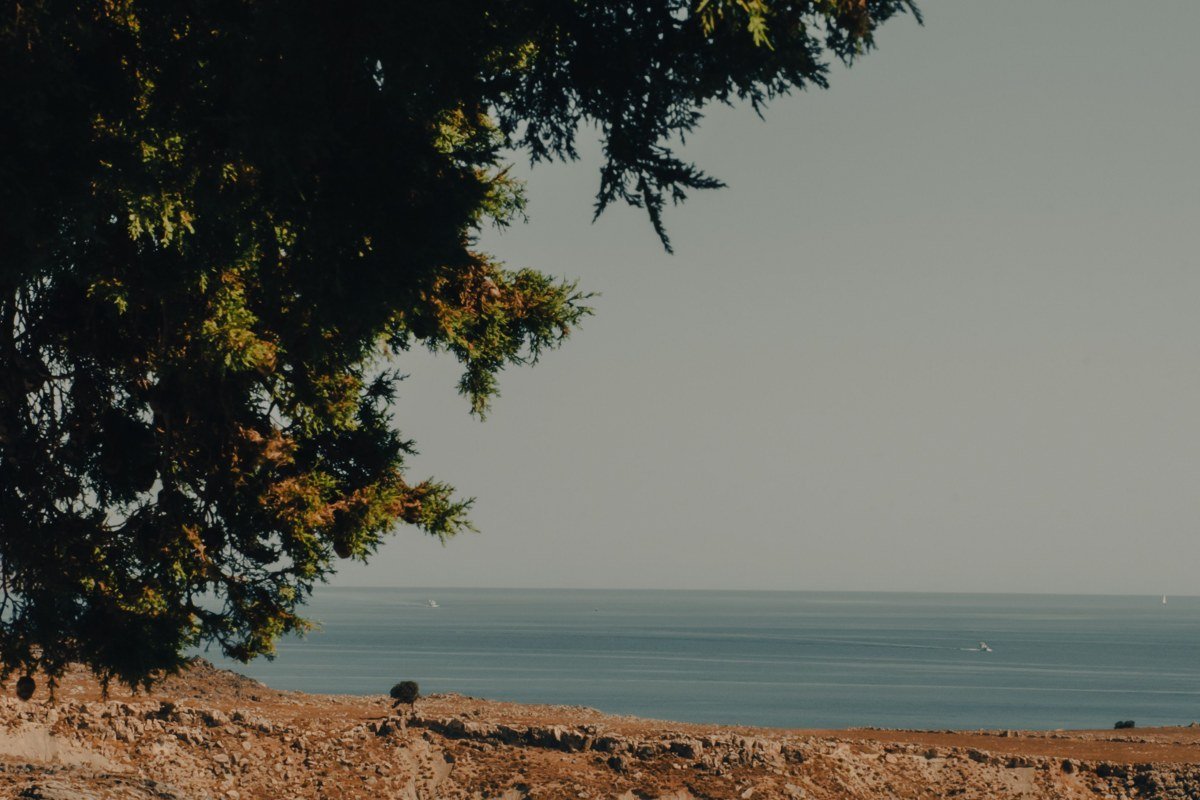
Meganisi sits off the coast of Lefkada in the Ionian Sea and belongs to a completely different visual vocabulary from the Cyclades. Where the Aegean gives you bleached stone and blue domes, Meganisi gives you deep green hills sliding into bays of extraordinary water clarity, the kind of water that shifts from jade to turquoise to near-black depending on depth, and looks artificially colored until you are actually swimming in it. The three villages, Spartochori, Katomeri, and Vathi, are connected by winding lanes and stone steps, and Spartochori in particular sits on a ridge above the sea with views that rival any in Greece without appearing in any travel countdown you have likely read.
The island’s connection to sailing culture means you can occasionally charter a small boat for a day from the harbor at Vathi for very reasonable rates, which unlocks coves with no road access at all. For dinner, Porto Vathi taverna on the water serves fresh-caught sea bream under a vine canopy that the visual team of any travel publication would rearrange their schedule to photograph. Come here if you want the Mediterranean in full saturated color rather than the bleached-out pastels of the Cycladic aesthetic.
Spartochori at golden hour, the Ionian stretching south below it, is the image that converts Aegean loyalists.
How to Plan Your Trip
Most of these islands are reached by ferry from Athens (Piraeus), Rhodes, or Kos, and the journey time is often the point rather than the obstacle. The logistics rating attached to each entry above is a reliable guide to how much planning each island requires: “easy” means you can book a week out and adapt on arrival; “committed” means research the ferry schedule before you book anything else.
Accommodation on smaller islands fills fast in July and August even when the islands themselves feel uncrowded, so aim to reserve two to three months ahead for peak season. May, June, and September consistently offer better light, lower prices, and fewer fellow travelers than the height of summer. Carrying cash is not optional on the smallest islands. Ferries run on Greek time, meaning the published schedule is an aspiration rather than a contract, so build flex days into any itinerary involving onward connections. Pack light: most of these harbors involve stone steps, no luggage trolleys, and accommodation owners who are also doing three other jobs simultaneously.