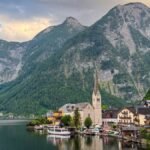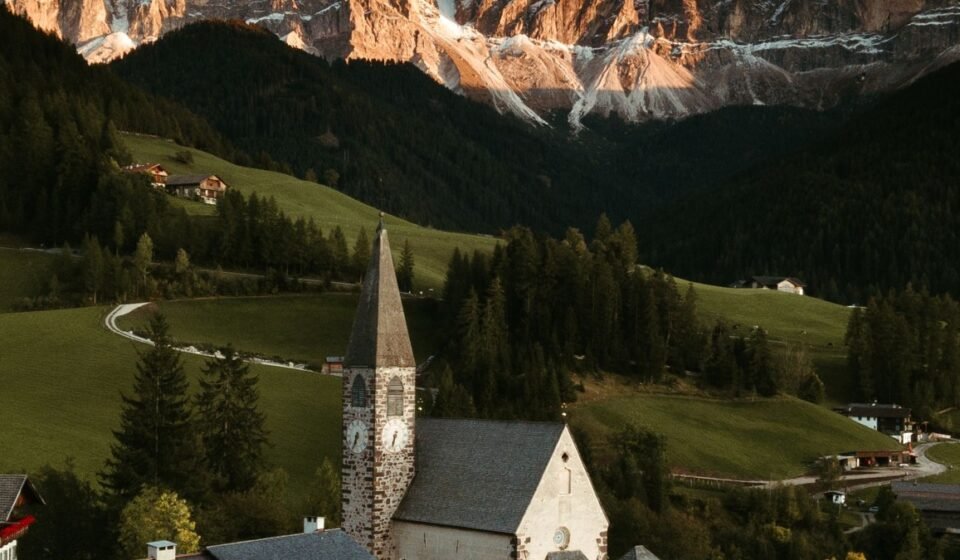

By 7 a.m. on a summer morning, the wooden viewpoint platform above Hallstatt already has a queue, tripods outnumbering tourists three to one, and someone’s drone circling the church spire for the fourth pass. If you have watched that scene play out in your feed and wondered whether any equivalent place still feels like a discovery, these eight do.
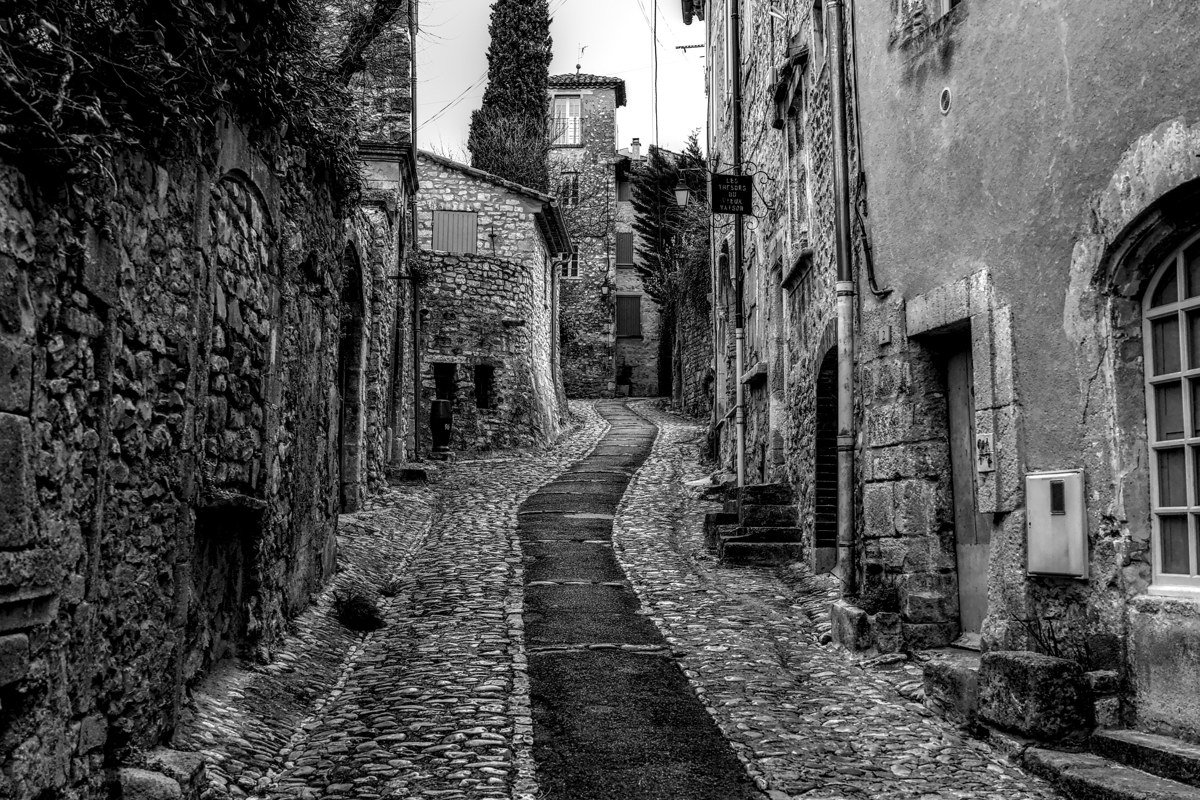
1. Gjirokaster, Albania
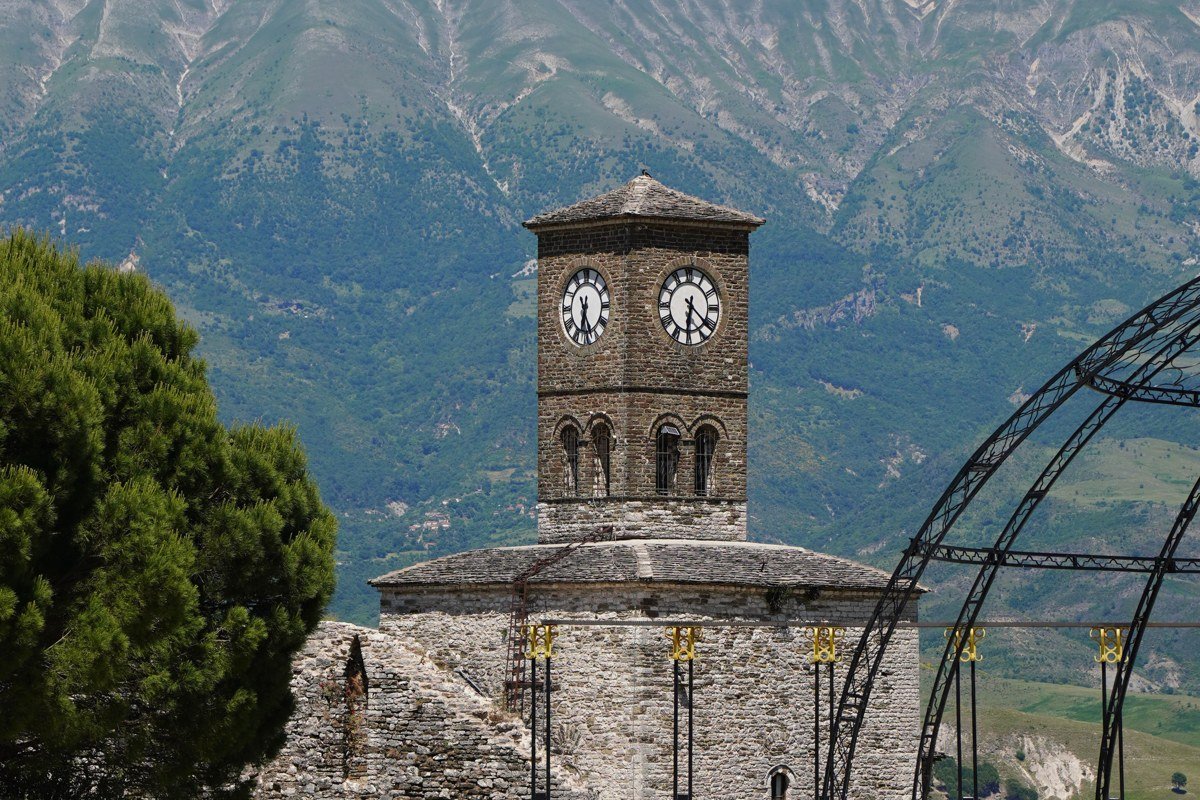
Gjirokaster is the kind of city that makes you feel like you wandered into the wrong century. The old bazaar climbs uphill on slate-paved lanes flanked by tower houses with overhanging upper floors, all built from the same grey limestone as the 13th-century castle looming above. UNESCO listed it, but visitor numbers have stayed low enough that you can walk the bazaar at 8 a.m. and have it to yourself. The single best thing to do here is walk up to the castle at dusk, when the Drino Valley fills with haze and the Ottoman rooftops below turn amber. Trade-off: accommodation options in the old town are charming but limited, so book Kalemi Boutique Hotel or Old Bazaar Guesthouse at least a month ahead in summer.
Practicalities note: most Western passports enter Albania without a Schengen visa. The economy is largely cash-based. LOK and Albanian bank cards are accepted in cities, but carry euros or lek in physical notes for anywhere rural, including villages in the interior.
2. Civita di Bagnoregio, Italy
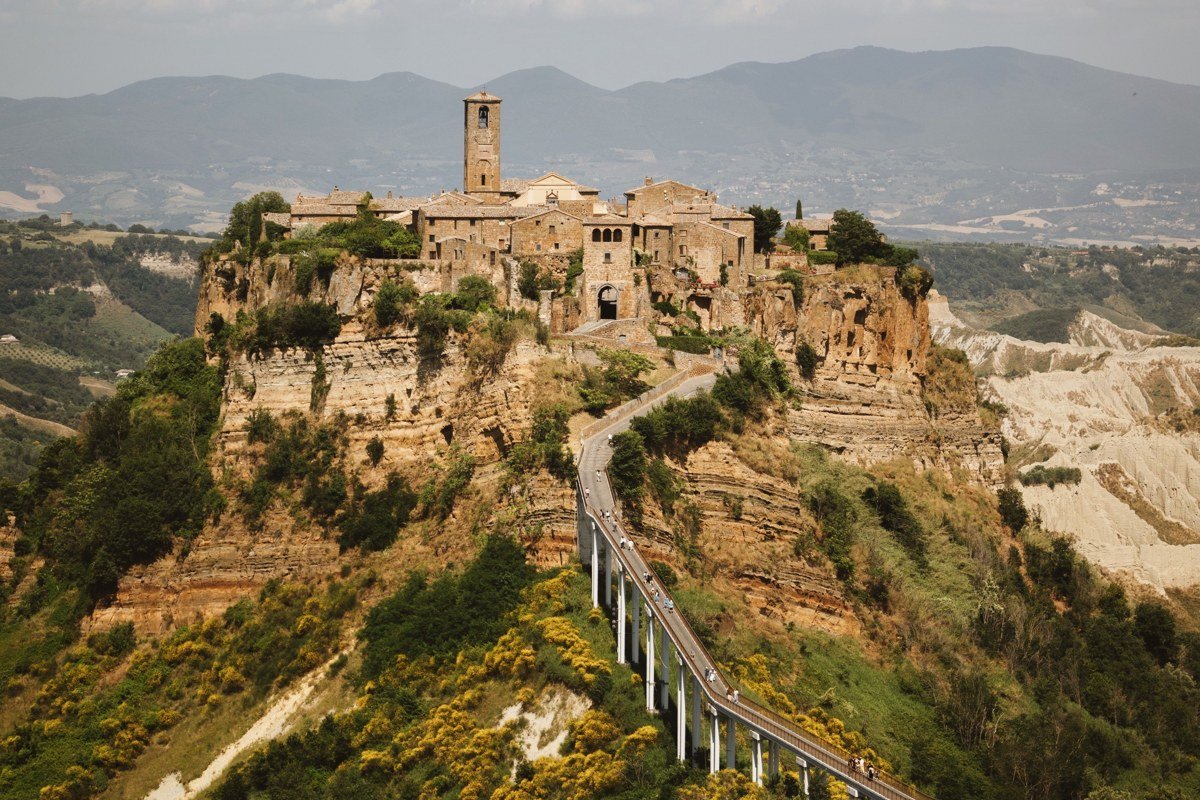
Called “la città che muore” (the dying city) because its tufa plateau erodes a little more every year, Civita di Bagnoregio is reached only by a long pedestrian footbridge over a ravine. Fewer than a dozen people live here year-round, which means the stone piazzas and Romanesque church feel genuinely abandoned rather than performatively preserved. The photography angle from across the valley, especially in early morning fog, rivals anything in Tuscany without the tour buses. The bridge toll is currently 5 euros per person for non-residents, which is worth knowing before you arrive. Arrive before 9 a.m. or after 5 p.m., and walk the rim path around the plateau for views looking back at the bridge. One honest caveat: the village itself takes under an hour to explore, so pair it with a night in nearby Orvieto rather than treating it as a full-day destination.
3. Monsaraz, Portugal
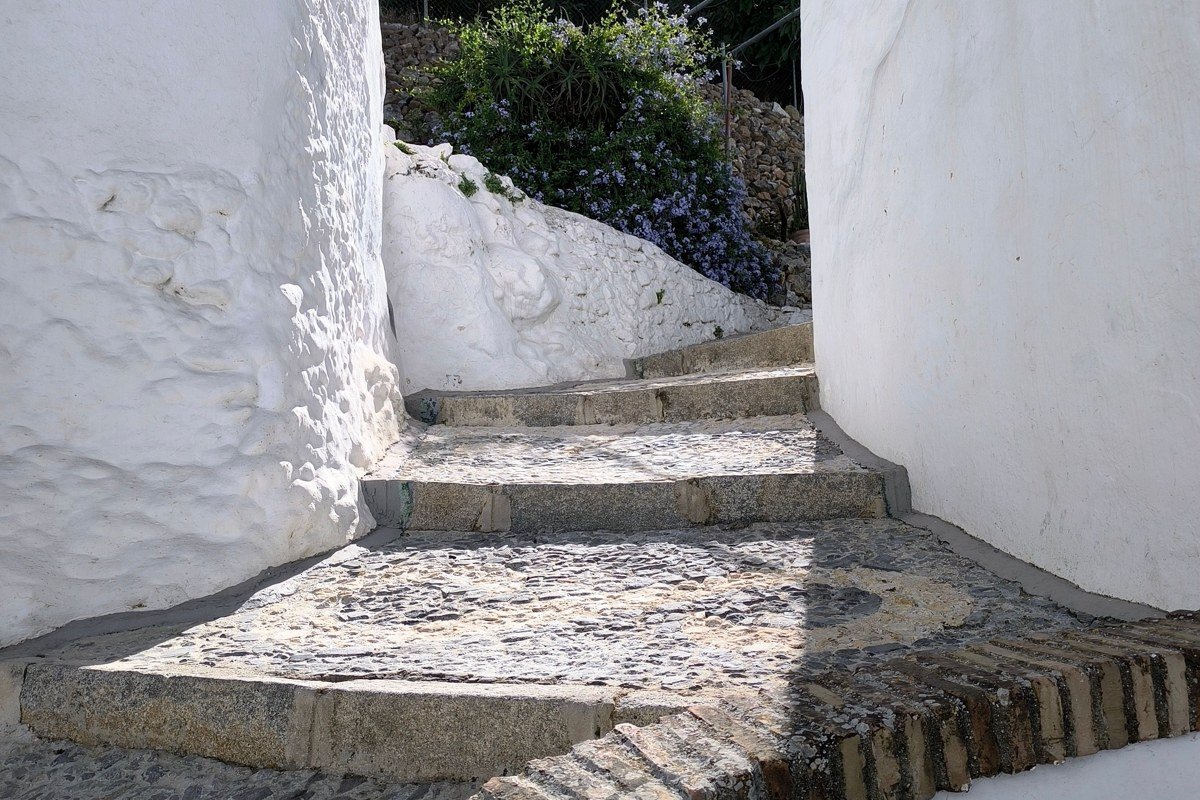
Perched on a ridge above the Alqueva reservoir in the Alentejo, Monsaraz is a walled medieval village that doubles as one of Europe’s certified Dark Sky reserves. The village is almost entirely white and terracotta, with a single main street wide enough for one car that winds between a Moorish-era castle and a small bullring still used today. Daytime is for the architecture and the views over cork-oak plains where the silver-grey canopy stretches to the horizon in a pattern that shifts with every hour of light. Night is for the stars: the reservoir below acts as a mirror and the Milky Way reflects in it on clear nights, which is a combination you will not find replicated anywhere else on this list. Visit in September or October when harvest activity adds life without adding crowds, and the light turns that particular thick amber that makes Alentejo photography so striking.
4. Rochefort-en-Terre, Brittany, France
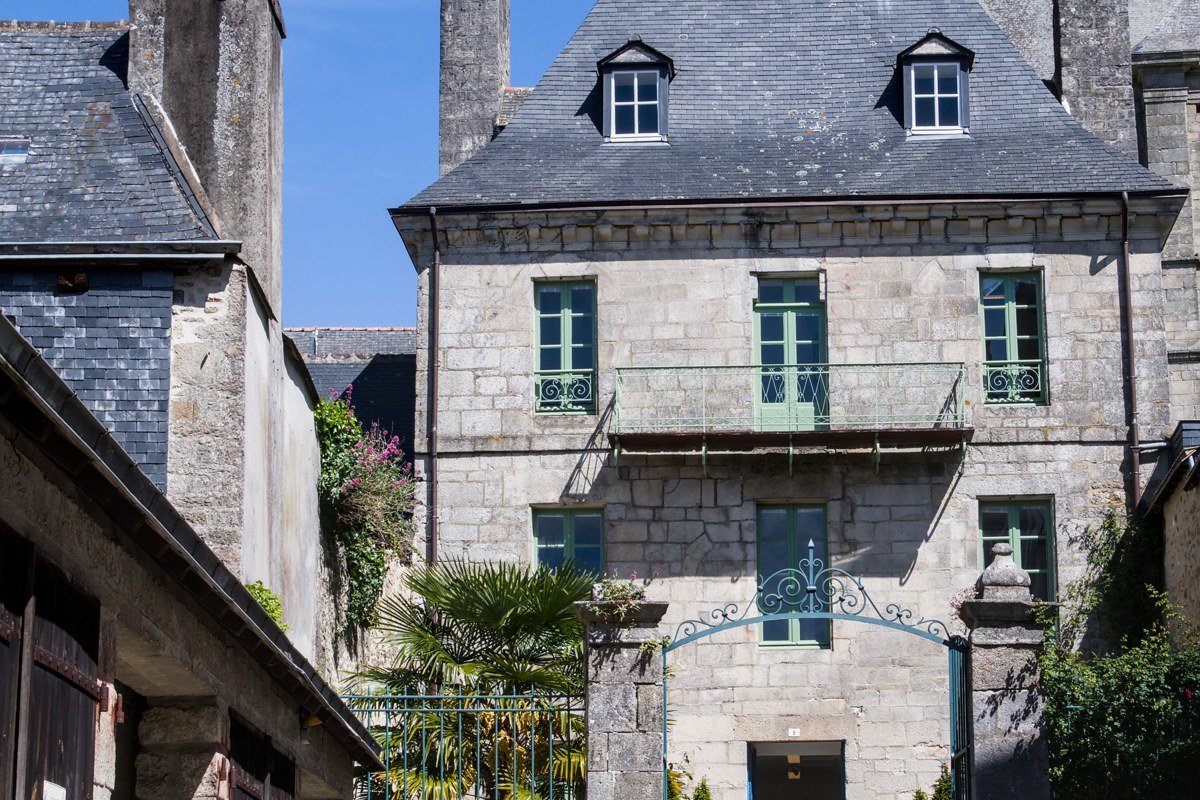
Voted France’s Favorite Village by Le Figaro readers in 2016, Rochefort-en-Terre somehow remains less visited than French heavy-hitters like Les Baux-de-Provence or Eguisheim. The village is obsessed with flowers. Every windowsill, balcony, and granite doorstep overflows with geraniums and hydrangeas from June through September, and the effect is genuinely theatrical without feeling manicured. The 16th-century chateau at the top of the village houses a fine arts museum with a collection of local Breton painters that is worth an hour. For photographers, the rue du Porche alley is the classic shot, but walk ten minutes downhill to the Moulin du Chaos watermill for something almost nobody posts. Timing note: come during the Fête des Fleurs in July if you want the village at full decorative intensity, or come in late October when the hydrangeas dry on the vines and the whole place goes quiet and melancholy in a beautiful way.
5. Burg Eltz village path, Rhineland-Palatinate, Germany
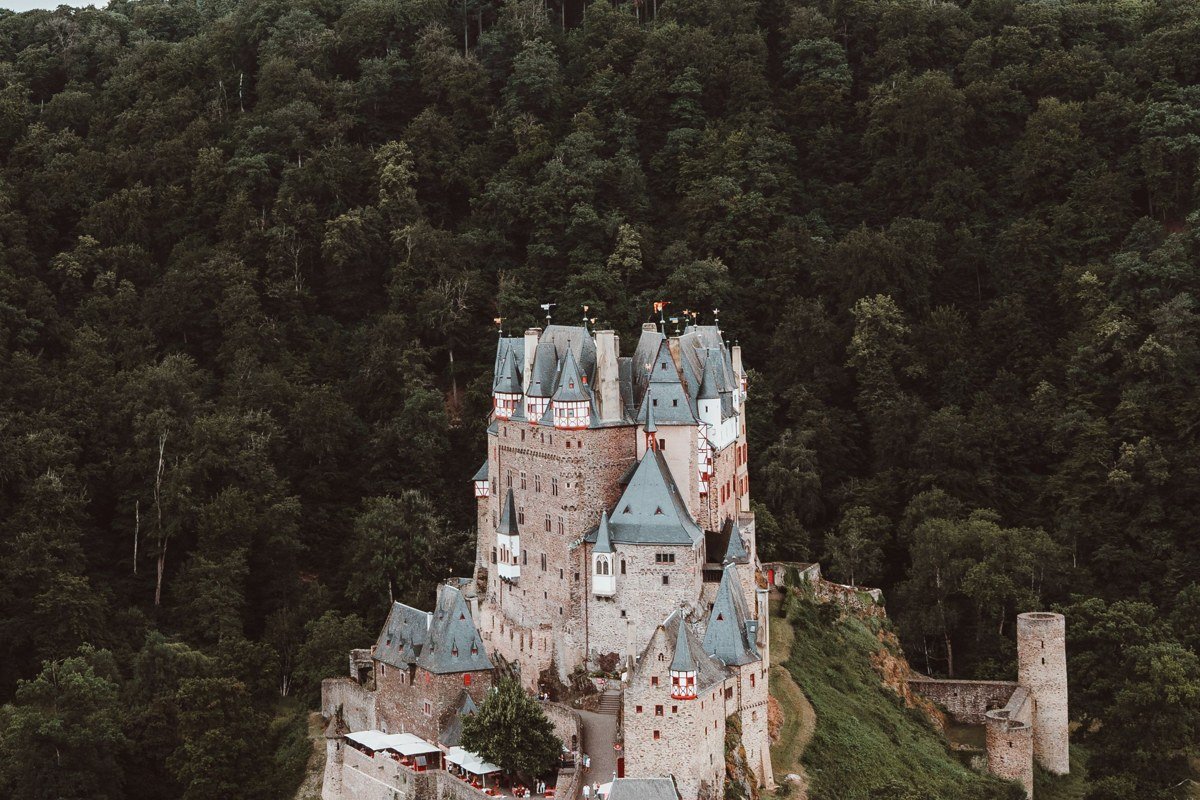
Burg Eltz itself is moderately well known among castle enthusiasts, but the experience of walking to it through the Eltz Valley is the actual secret. You park at the ridge, then descend a forested path for about twenty minutes as the castle reveals itself in stages through the beech canopy. No road runs directly to the gate, which means no coach tours and no food trucks at the bottom. At the base of the path, the Eltzbach stream runs fast and cold over mossy stones directly beneath the castle walls. Most visitors photograph the castle from the standard upstream angle and leave without crossing the small footbridge to the opposite bank, where you look back at all three of the castle’s towers simultaneously with the stream in the foreground. That is the composition that does not appear in the brochures.
Inside, the Rodendorf wing contains rooms still furnished with original 16th-century pieces, including carved credenzas and canopied beds that have not been restaged for tourism. The castle has been owned by the same family for over 33 generations, and guided tours of the interior are managed by the Eltz family directly rather than outsourced. Go on a weekday morning in mid-October for peak autumn color and near-empty paths, and consider continuing past the castle along the Eltz stream on the Kempenich loop trail for an extra few kilometers of forest that feels genuinely unvisited.
6. Holloko, Hungary
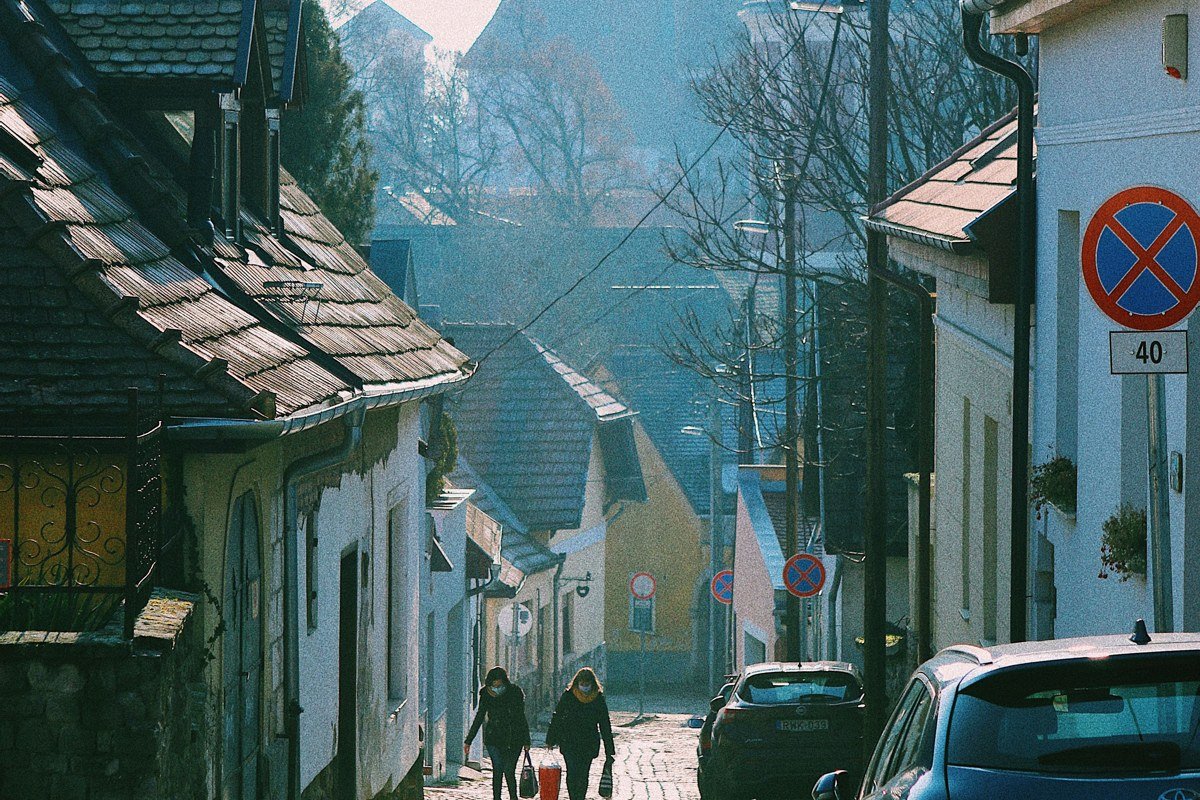
The more famous Hungarian alternative to a Budapest day trip is Szentendre, but Holloko, a UNESCO-listed Paloc village about 100 kilometres northeast of the capital, is the more honest recommendation. While Szentendre draws heavy cruise-ship and day-tripper traffic by mid-morning in peak season, Holloko sees a fraction of that footfall and retains the thing Szentendre has partly lost: a sense that the village exists for its own reasons. The traditional white-rendered houses with their dark-wood porches and painted gate posts are the real architecture of northern Hungary rather than a Baroque import. The village castle, destroyed and rebuilt multiple times between the 13th and 17th centuries, sits on a forested ridge above and is reached by a short steep path. Come at Easter when local women wear full Paloc embroidered dress for the festival, or come on a Tuesday morning in September when the village is yours almost entirely. The train from Budapest Keleti to Pásztó takes about ninety minutes, followed by a local bus or taxi the final stretch to the village.
7. Kruje, Albania
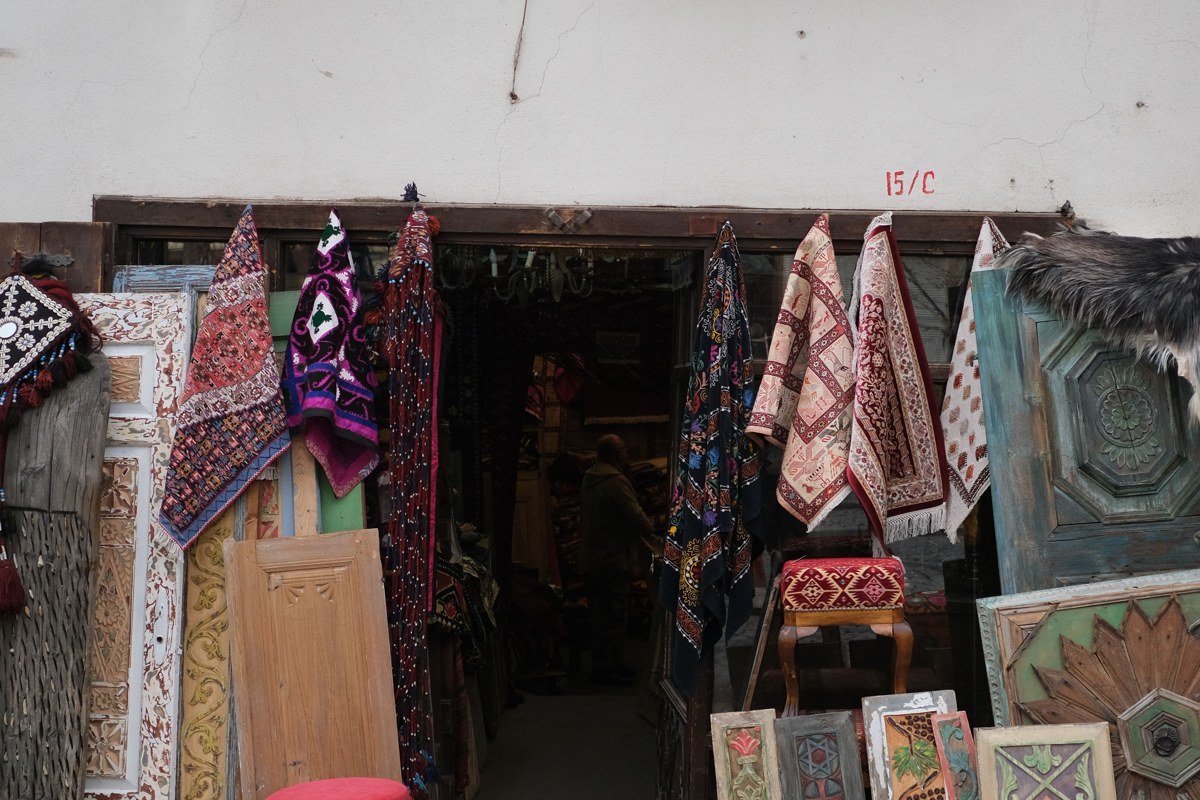
Yes, two Albanian destinations on one list. That is not an accident. Kruje sits on a mountain spur north of Tirana and is best known for the castle where Skanderbeg held off the Ottoman army in the 15th century. But what makes it worth a photographer’s trip is the Pazari i Vjetër, an old bazaar of wooden-shuttered shops selling antiques, kilims, copper pots, and embroidered textiles in a strip that looks identical to photographs taken here 100 years ago. Locals genuinely use it as a shopping street rather than a tourist prop, which changes the entire atmosphere. The hilltop views over the Adriatic coastal plain on clear days are extraordinary and completely unheralded. Get there mid-morning on a Saturday when the antique dealers have everything laid out, and bring cash since card readers are rare. The same practicalities that apply to Gjirokaster apply here: carry physical currency and do not rely on finding an ATM in the bazaar itself.
8. Piodao, Portugal
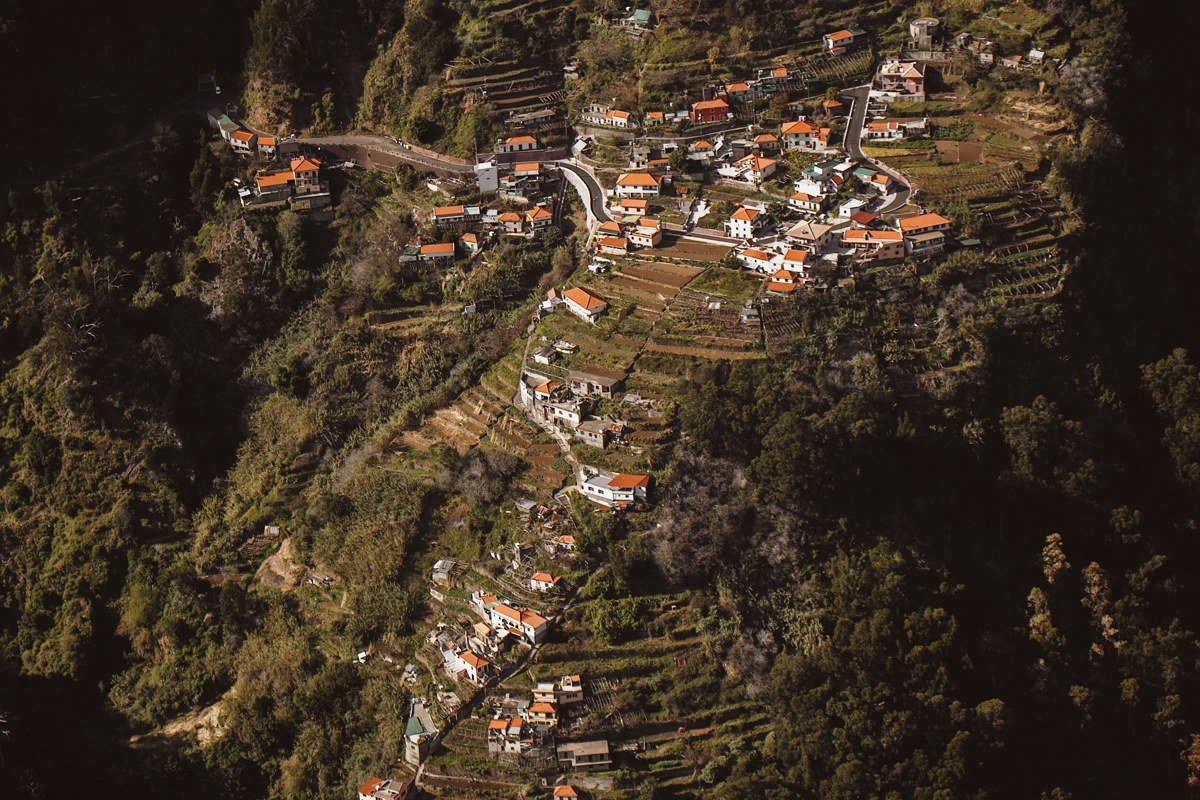
Piodao is the most genuinely remote village on this list, tucked into the schist highlands of the Serra do Açor in central Portugal. Every house is built from local grey-blue schist stone with a single pop of color: bright blue painted doors and window frames, a contrast that reads as deliberate and almost surreal in photographs. The village has no large hotel, the approach road involves a single-lane mountain pass, and the population hovers around 100 people. None of that should deter you.
Where Monsaraz spreads horizontally along a ridgeline under an enormous sky, Piodao folds vertically into its valley. The terraced vine gardens stack up the hillside in narrow shelves of green and grey, and the village sits at their base like something that grew out of the rock rather than being built on it. The walk up to the ridge above takes about 45 minutes and delivers a view straight down into that geometry of schist and blue: rooftine stacked on roofline, the whole village compressed into a shape that barely seems to fit its own valley. Visit in September when the grape harvest is active and the village has a rare buzz of seasonal life. Pair it with the Aldeias do Xisto network, which links Piodao to nearby Foz d’Egua and Avô for a two-day itinerary that covers some of the least-visited terrain in Western Europe.
Planning Your Fairy-Tale Village Trip: Practical Takeaways
A few things hold true across all eight of these destinations that will make or break your visit.
Arrive early or stay late. The photogenic quality of these places depends almost entirely on light and absence of crowds. Both of those conditions exist before 9 a.m. and after 5 p.m. If you are driving between two of them, schedule your arrival around golden hour rather than convenience.
Rent a car for the Iberian entries. Piodao and Monsaraz are both reachable by public transport in theory, but the connections involve long waits and missed context. A car gives you the freedom to stop at the valley overlook, not just the village itself.
Book accommodation inside the walls when it exists. Civita di Bagnoregio and Monsaraz both have a small number of rooms within the actual medieval perimeter. Sleeping inside changes the experience completely: you get the village after the day visitors leave, which is the version worth traveling for.
The shoulder season is not a compromise. October and March are not consolation prizes for people who could not get time off in August. For most of these destinations, those months are the correct months. Better light, fewer people, lower prices, and in several cases, more authentic local activity.
Think in itinerary pairs. Gjirokaster pairs with the Albanian Riviera. Civita di Bagnoregio pairs with Orvieto. Rochefort-en-Terre pairs with the Gulf of Morbihan. Monsaraz and Piodao are six hours apart by car but share a schist-and-whitewash visual language that makes them a natural two-stop Portuguese interior route. Building these into logical geographic pairs turns a single-village day trip into a genuine trip.
The fairy-tale village is not dead. It has migrated. Find it somewhere like Piodao in the first light of a September morning, when the blue doors are still shut, the schist is cold and dark, and the only sound in the valley is the water running down through the terraced vines.