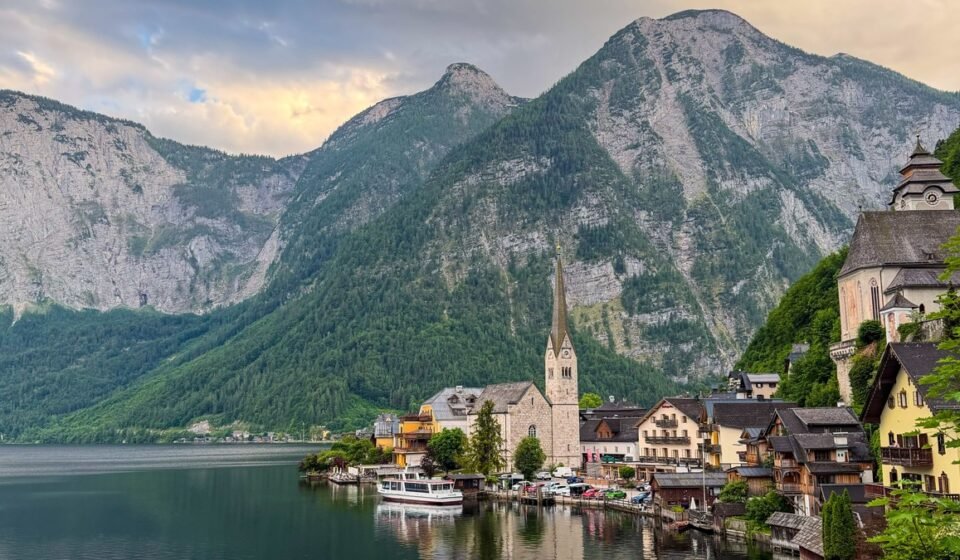

The wooden dock at Seeley Lake, Montana still has frost on its planks at seven in the morning, and the lodgepole pines on the far shore are throwing a perfect doubled reflection on glass-still water. That image, unrepeatable and unstaged, is what the best lake towns offer. Each of the nine towns below has a specific visual identity built from geology, local history, and a particular quality of light. These are the destinations Pinterest users save obsessively, and the ones worth planning a real trip around.
1. McCall, Idaho
Best for: winter snow-sculpture photography and frozen-lake reflections
Peak window: late January through early February
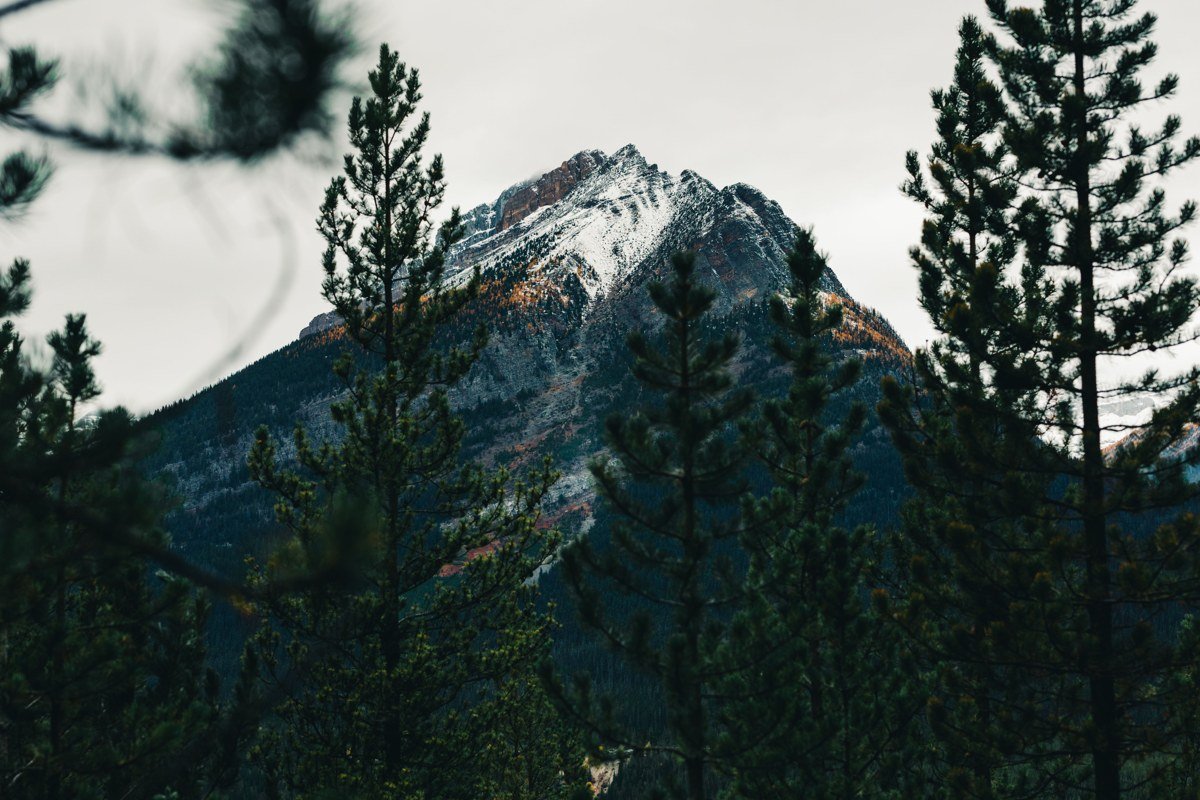
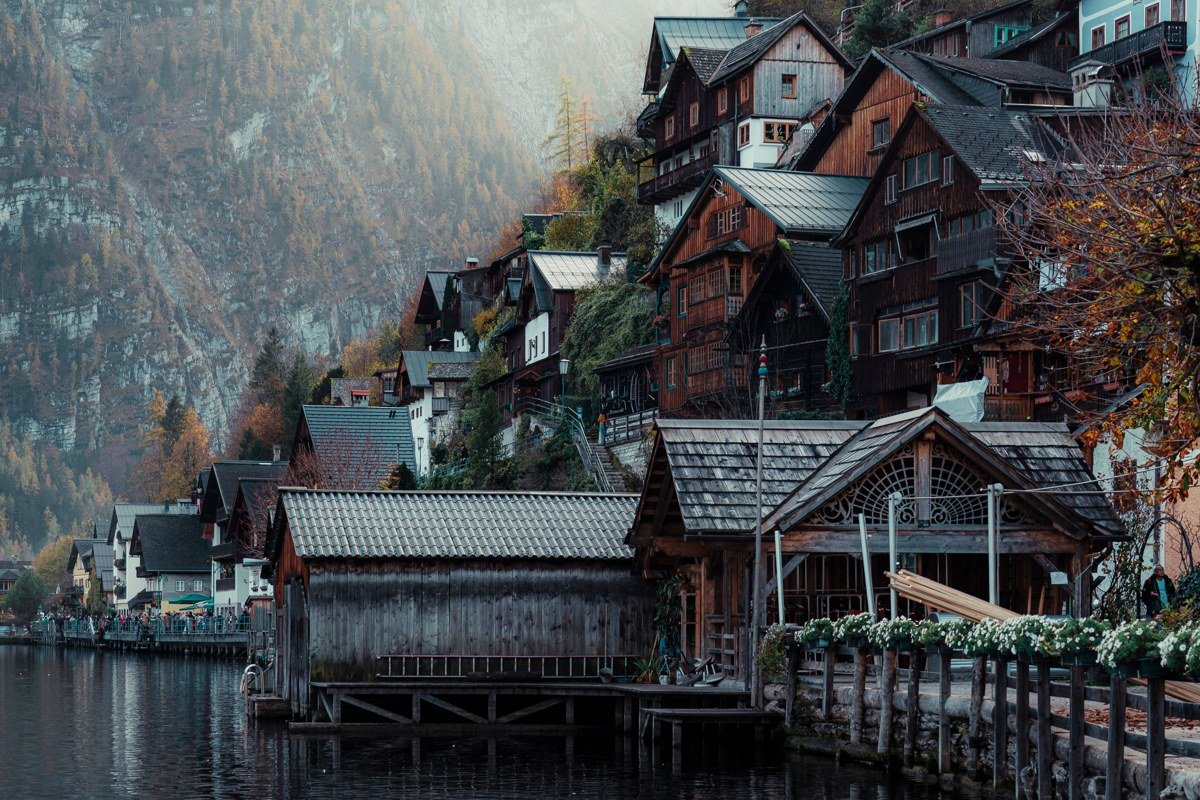
McCall sits at the northern edge of Payette Lake with a backdrop that looks borrowed from a Norwegian fjord. The water is a deep ink-blue that photographs beautifully in flat winter light, and the town’s low-slung cedar buildings and string lights give Main Street a genuine coziness that doesn’t feel manufactured for tourists. In winter, the McCall Winter Carnival transforms the lakefront with massive hand-carved snow sculptures, some of them architectural in scale. Crowds are surprisingly manageable compared to bigger mountain resort towns. Book lodging on Lakeview Drive if you can, so you get an unobstructed morning shot of the Salmon River Mountains reflected in the water. Summer brings paddleboarding and sunset cruises, but January through early February is the best-kept secret here, when the ice is thick, the sculptures are fresh, and the light on the lake has a blue-white quality that requires almost no editing.
Stay at: Shore Lodge, a lakefront property on Payette Lake that puts you within walking distance of the carnival grounds and the best dawn reflection angles.
2. Beaufort, North Carolina
Best for: golden-hour waterfront architecture and wild-horse encounters
Peak window: late April through May
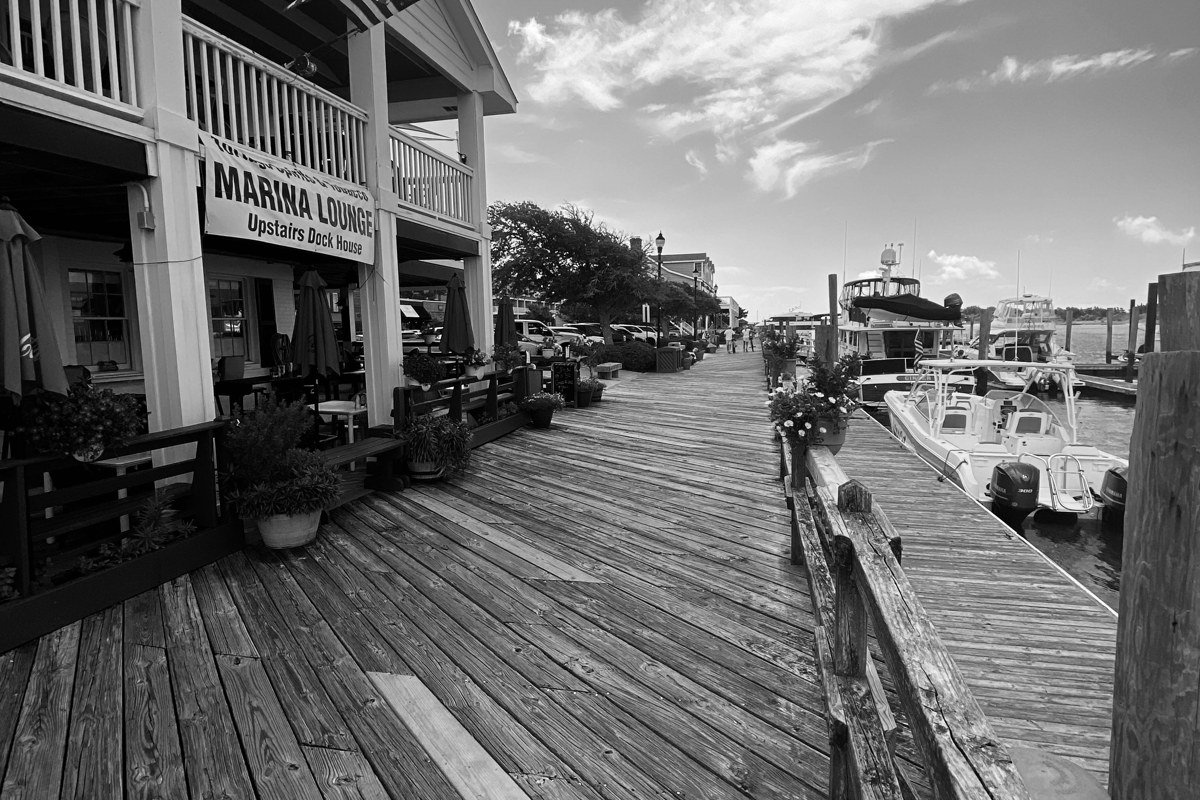
Beaufort (the one in North Carolina, not South Carolina) is a working coastal town that doesn’t pander to visitors, which is exactly why it photographs so well. The historic district along Front Street is lined with 18th and 19th century homes painted in faded yellows, sage greens, and chalky blues. Across Taylor Creek you can watch wild horses on Carrot Island doing absolutely nothing except being beautiful. Visit in late April or May before summer humidity settles in and boat traffic multiplies. The best move here is to rent a kayak, paddle across to the Rachel Carson Reserve at low tide, and walk among those horses on the sandflat. The golden-hour light reflecting off the creek onto those painted facades earns thousands of Pinterest saves without any filters, and that experience is the reward this town saves for people willing to show up with a paddle instead of a tour ticket.
Stay at: The Beaufort Inn, a Federal-style property on Ann Street within a short walk of the Taylor Creek waterfront and kayak rentals.
3. Ephraim, Wisconsin
Best for: monochromatic white-village compositions and fall foliage
Peak window: late September through mid-October
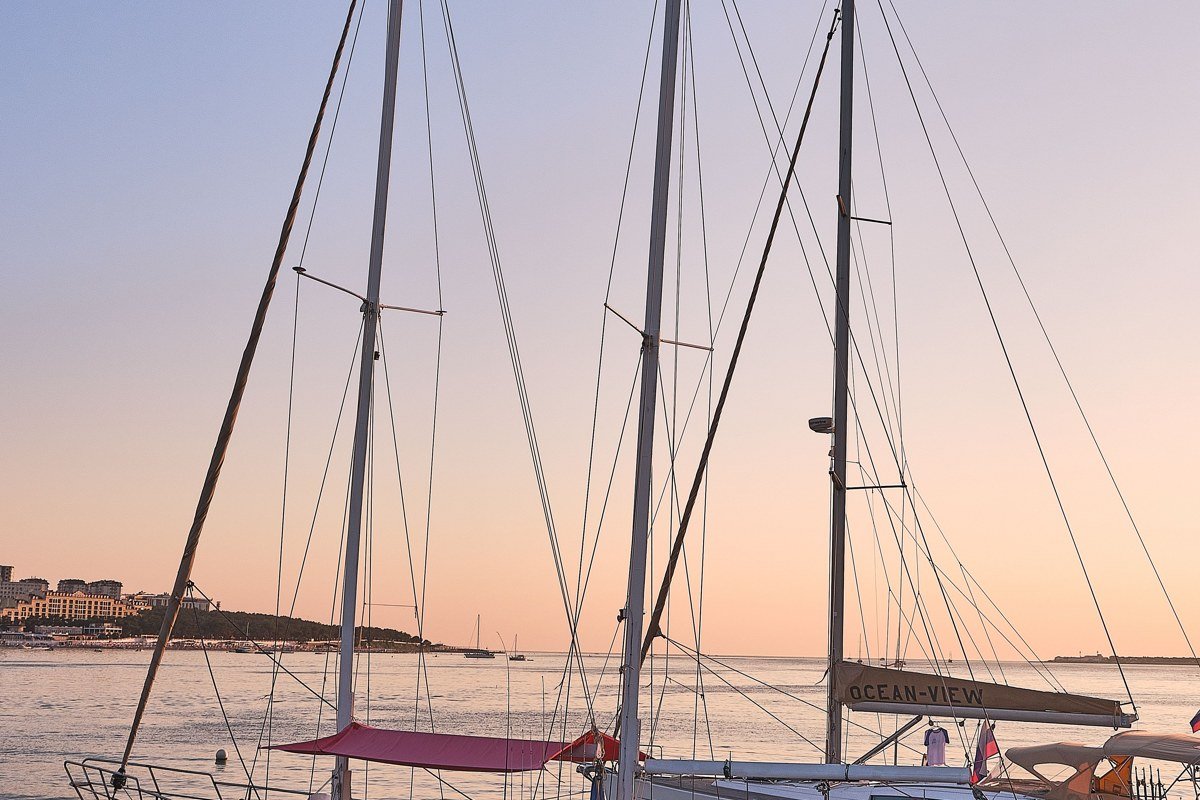
Door County gets the attention, but Ephraim is the village within it that actually looks like a New England postcard despite being solidly Midwestern. Founded by Moravian settlers, the town carries their no-frills white-painted aesthetic forward in an almost monochromatic streetscape of white clapboard churches, white inns, and white picket fences that frames the blue of Eagle Harbor behind them. Some restaurants close after mid-October, so check schedules before you go. The best move here is to get a cherry pie from Wilson’s Restaurant, which has been scooping ice cream and serving pie on that same porch since the 1950s, and eat it on the dock at sunset. Ephraim’s shoulder seasons in September and October are spectacular for leaf color against the water, lodging prices drop significantly after Labor Day, and the village empties out enough that you can photograph the harbor without a single car in the frame.
Stay at: Eagle Harbor Inn, a white-clapboard property on Ephraim’s main street with water views that match the village’s signature aesthetic from the moment you open the curtains.
4. Rangeley, Maine
Best for: logging-camp atmosphere, fall foliage, and moose sightings
Peak window: late September through mid-October
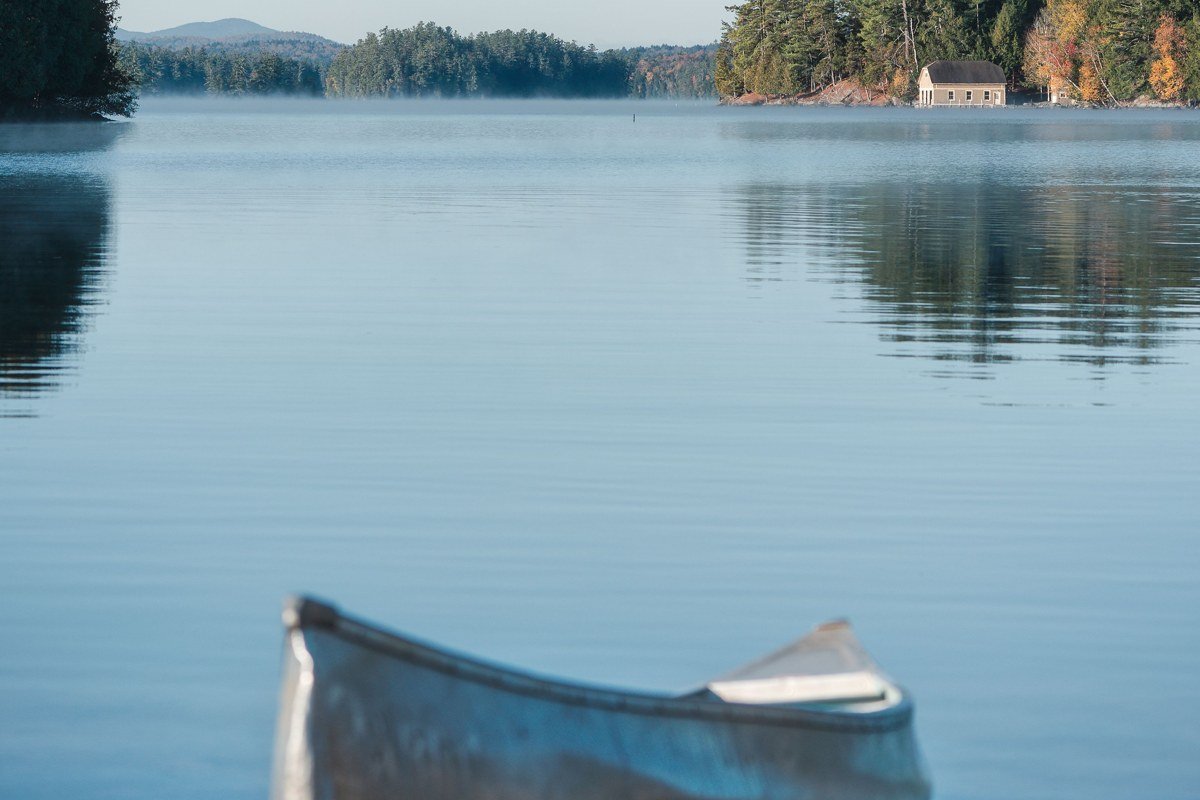
The smell of balsam fir comes first, then the lake opens up through the tree line: Rangeley Lake is wide, cold, and ringed by unbroken forest that turns crimson and amber in late September in a way that feels almost excessive. Rangeley is a working western Maine lake town with a logging-camp aesthetic still intact in its architecture, from the low-pitched tin-roofed lodges to the hand-lettered bait shops along Main Street. That visual authenticity is exactly what makes it photograph so differently from manicured New England destinations. Moose sightings are common on the Rangeley Lakes Trail Center roads in early morning, and the lakes themselves connect in a chain that rewards multi-day canoe trips. The town is small and the shoulder-season crowds are thin, which means you get the fall color, the mist on the lake at dawn, and the logging-country character without competing for a parking spot. That combination of texture, color, and wildness is rare anywhere in the Northeast.
Stay at: Rangeley Inn, a century-old property in the center of town with Rangeley Lake views and a classic Maine lodge dining room that looks exactly as it should.
5. Bigfork, Montana
Best for: wildflower-to-mountain foreground compositions and summer theater
Peak window: late June through July
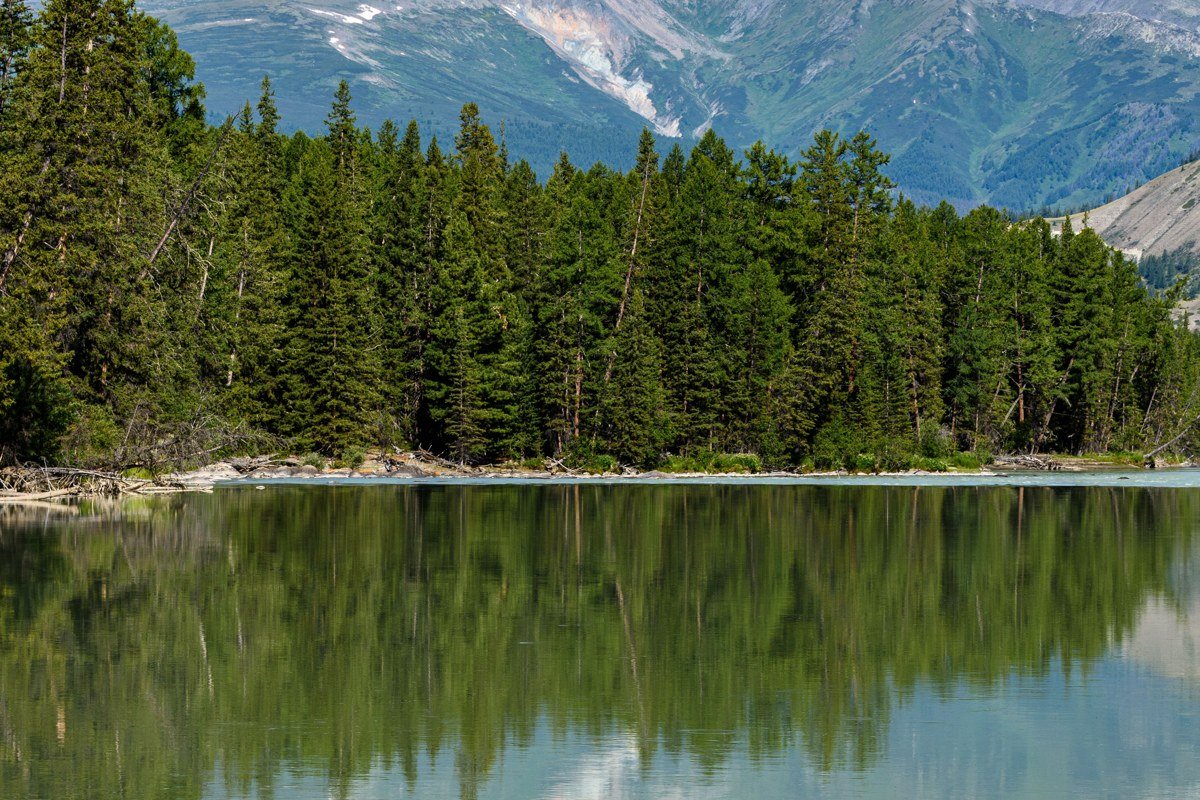
Bigfork occupies a small bay where the Swan River empties into the northeastern corner of Flathead Lake, the largest natural freshwater lake in the contiguous western United States. That geographic specificity matters here because the bay creates a protected inlet with the calm-mirror water you want for photography, while the main lake is often choppy. The town itself is tiny, with a main street of art galleries, a genuinely excellent live theater company (the Bigfork Summer Playhouse has been running for decades), and a Wednesday farmers market that spills into the marina parking lot. Avoid the Fourth of July weekend unless you’ve booked months ahead, as lodging fills completely. The wildflower meadows on the lower slopes of the Swan Range bloom from late June through July and give you that classic Montana foreground-to-mountain composition with the lake sitting perfectly in the middle distance, the kind of layered shot that requires almost no cropping.
Stay at: Marina Cay Resort, a lakefront property on the Bigfork Bay with dock access and direct views of the Swan Range that make pre-dawn setups entirely practical.
6. Lake Placid, New York
Best for: Adirondack fall foliage reflections and Olympic heritage
Peak window: late September through mid-October
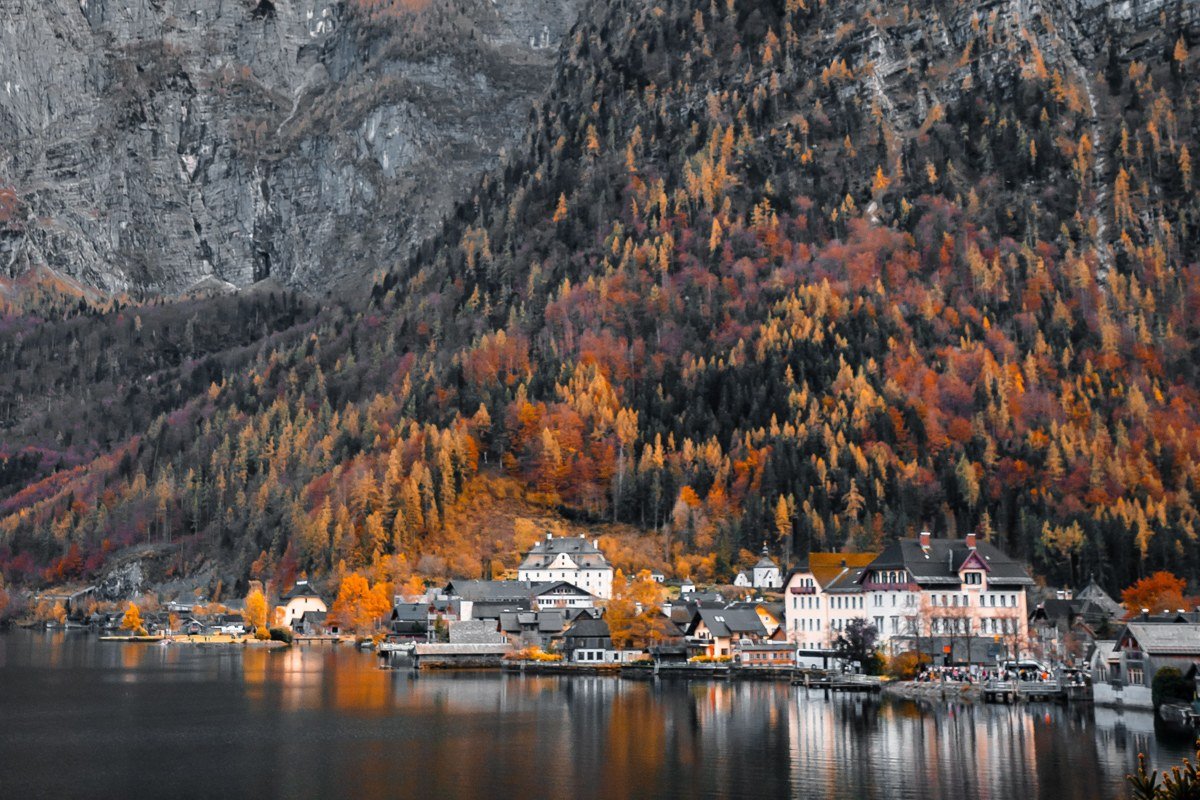
Most people associate Lake Placid with the 1980 Olympics, but the town’s real visual draw is Mirror Lake, a smaller, calmer body of water that sits right in the village and throws back a still-water reflection of the Adirondack peaks that outdoor brands have been using in their catalogs for years. The walkable main street has independent outfitters, old-school diners, and upscale inns at a scale that feels human rather than resort-sprawl. The Olympic venues are genuinely worth a visit, and you can ride a public bobsled on the same track used in the 1980 Olympics, a specific experience you won’t find anywhere else in the Northeast. The best seasonal window is the last week of September through the second week of October, when warm afternoon light falls on orange and red maple canopies and the whole tableau reflects in the glassy water below, giving you a composition that justifies the drive from anywhere within a day’s reach.
Stay at: Mirror Lake Inn Resort and Spa, a historic lakefront property whose back lawn sits directly on the water, giving guests the reflection shot from ground level at any hour.
7. Seeley Lake, Montana
Best for: raw wilderness photography and Nordic skiing
Peak window: February for skiing; July for canoe camping
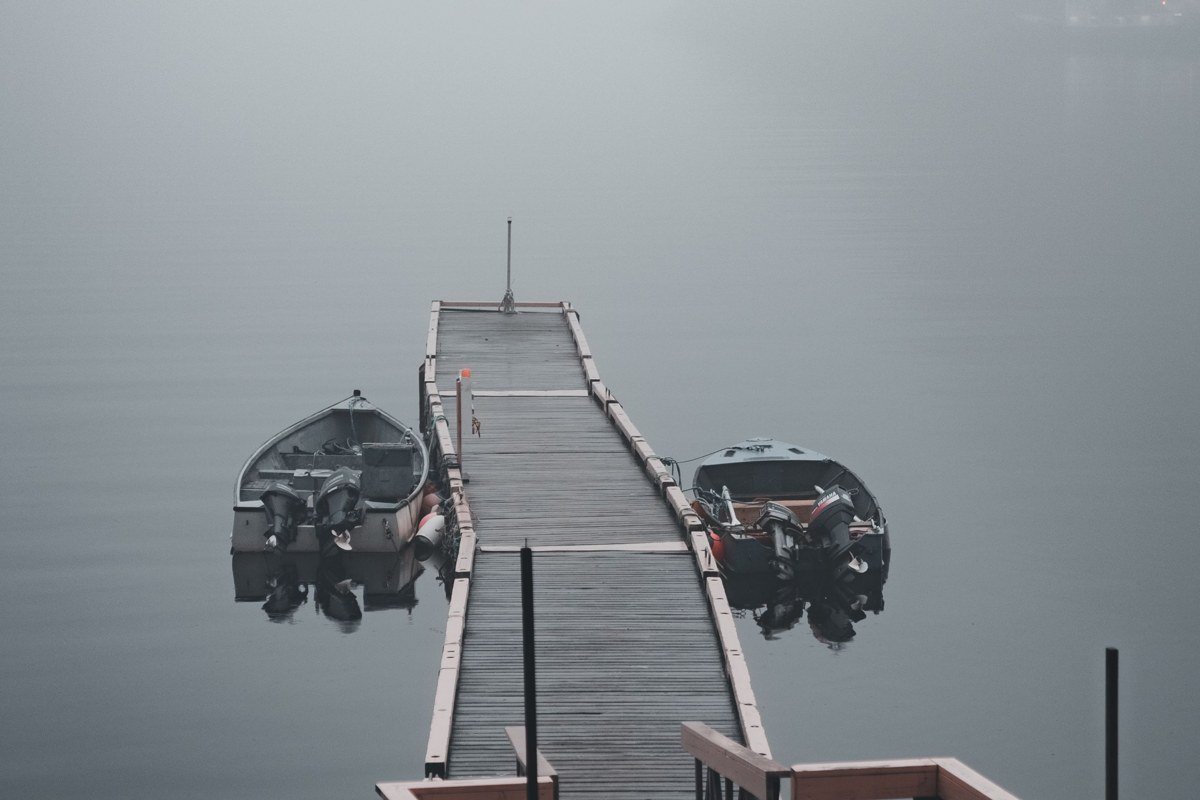
Seeley Lake is the less-famous Montana lake town that outdoor photographers consistently return to because it hasn’t been polished. The lake sits in a long narrow valley within the Clearwater chain of lakes, surrounded by lodgepole pine and Mission Mountain views, and the town is genuinely small with a gas station, a handful of lodges, and a local bar that closes when it feels like it. The town has the fewest services on this list, so bringing your own groceries is practical advice rather than a caveat. The photographic appeal is in the rawness: old wooden docks, handmade signs, and morning mist that sits on the water until mid-morning and turns the whole lake into something from a nineteenth-century landscape painting. Cross-country skiing on the Seeley Creek Nordic Trails in winter is exceptional, and in summer the chain of lakes connected by the Clearwater River makes for multi-day canoe camping that very few people are doing compared to more marketed Montana destinations. This is a place that rewards showing up without a packed itinerary.
Stay at: Double Arrow Lodge, a working ranch and lodge property just south of Seeley Lake with cabin accommodations, direct lake access, and the kind of quiet that makes five a.m. wake-ups feel worth it.
8. New Braunfels, Texas
Best for: cypress-and-limestone river photography and German Hill Country architecture
Peak window: early June or December
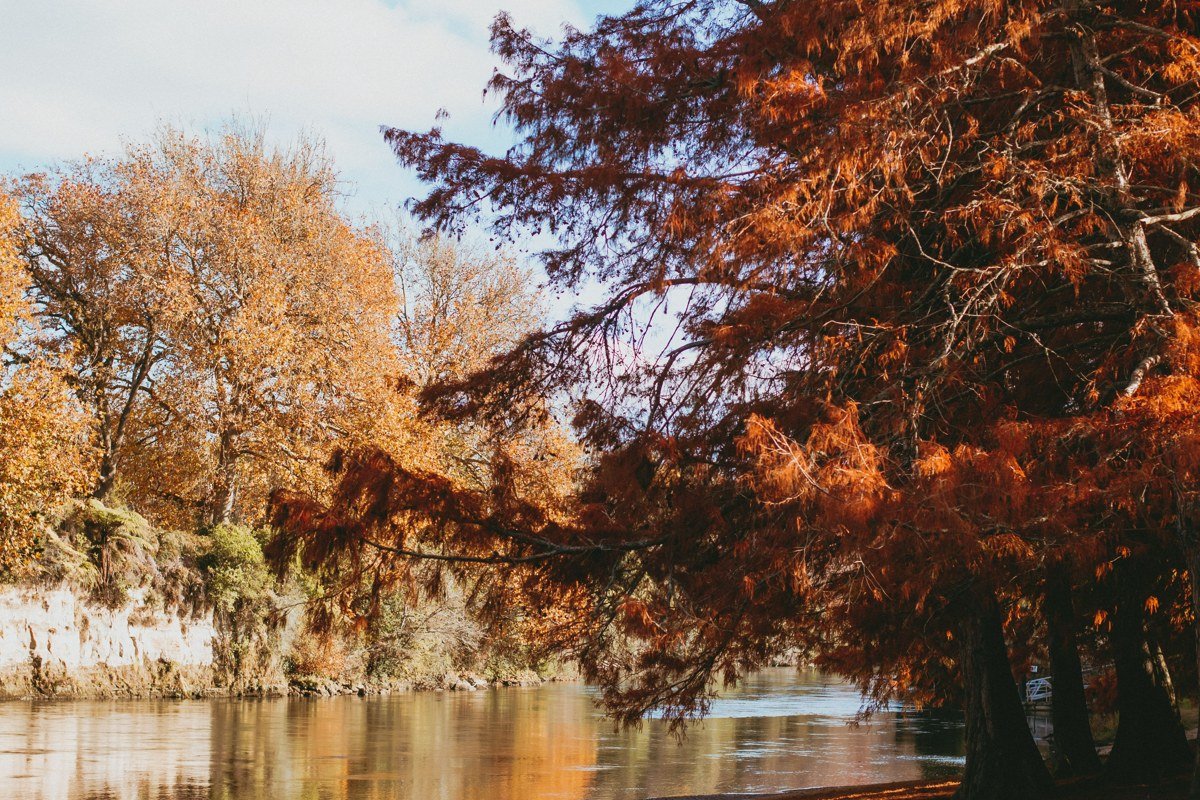
New Braunfels surprises people because it doesn’t look like what most travelers expect from Texas. The Comal River, one of the shortest rivers in the world, runs cold and spring-fed through a downtown that has German Hill Country architecture, live oaks draped in Spanish moss, and a visual palette of limestone white, deep green cypress, and clear blue water that photographs extremely well in summer. Come in early June before the summer crowds peak, or visit in December when the town shifts to a full German Christmas market and the aesthetic flips completely. Tubing the Comal is the defining local activity, legitimately fun and visually striking in the filtered light through cypress canopy. The historic Gruene district, a separate community now absorbed into New Braunfels, has Gruene Hall, the oldest continually operating dance hall in Texas, and the surrounding Victorian storefronts photograph beautifully in late-afternoon light, their limestone facades going warm gold in the hour before sunset.
Stay at: Gruene Mansion Inn, a Victorian-era bed and breakfast in the Gruene historic district set on a bluff above the Guadalupe River with views that put the Hill Country landscape in your window frame every morning.
9. Sandpoint, Idaho
Best for: long-bridge landscape photography and mountain-town culture
Peak window: October, or weekday visits in summer
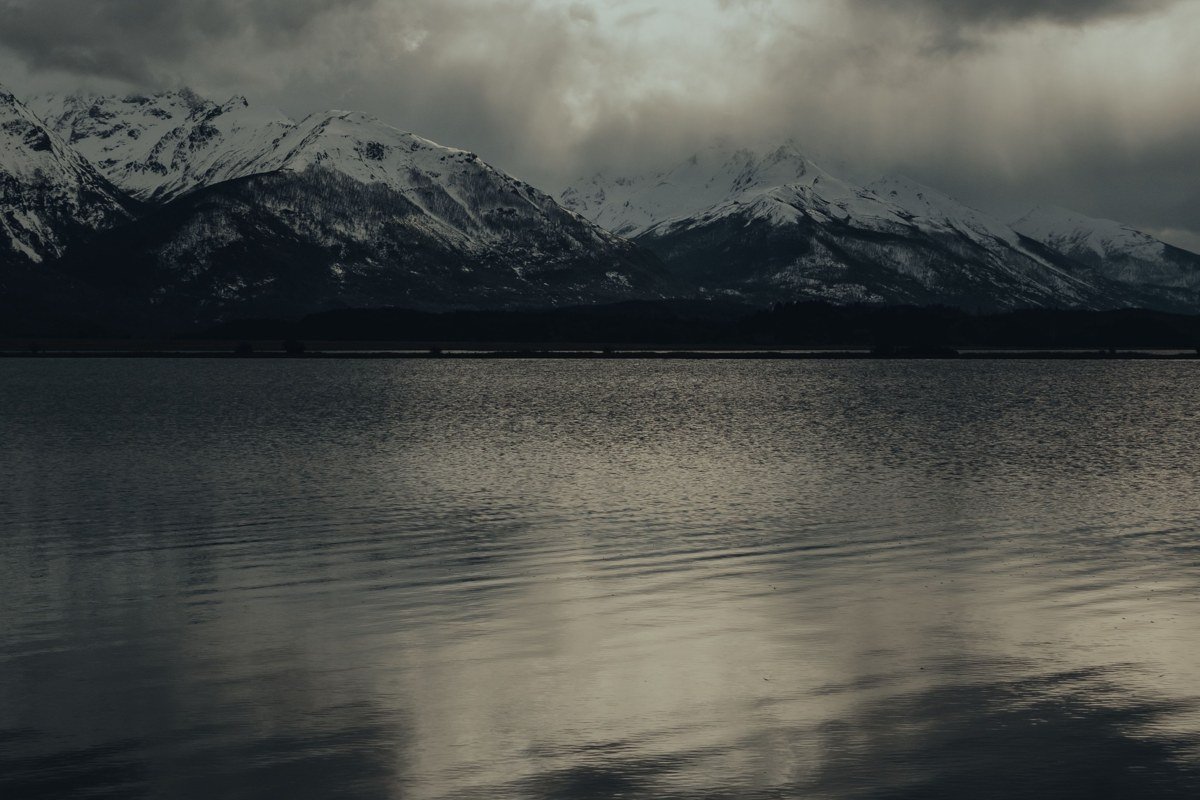
Sandpoint has one image that does most of its marketing work: the long railroad bridge over Lake Pend Oreille with the Cabinet Mountains reflected in the water below. It is genuinely as dramatic in person as in photographs, and it’s a free, walkable experience from downtown. Summer weekends from July through August bring real crowds to the waterfront, so a weekday visit or a shoulder-season trip in October gives you the scenery without the competition for parking. The town itself is the most culturally active small lake town in the Pacific Northwest, with a bookstore that hosts national authors, a strong arts scene anchored by the Panida Theater, and a farmers market that runs spring through fall. Schweitzer Mountain Resort sits above town and gives Sandpoint a year-round outdoors draw, with skiing in winter and mountain biking in summer feeding into the same lakefront town below. In October, the Cabinet Mountains carry their first snow and the bridge reflection gains a new layer of drama that the summer shots simply cannot replicate.
Stay at: Hotel McCall is Idaho. For Sandpoint specifically, the Lakeside Inn sits directly on Lake Pend Oreille at the edge of downtown, putting the bridge view and the main street arts scene within a ten-minute walk in either direction.
Practical Takeaways for Planning Your Trip
The best lake towns share a few logistical patterns worth keeping in mind before you book.
Why shoulder season almost always wins
The visual peak at most of these destinations, whether fall foliage, morning mist, or wildflowers, happens outside of peak summer booking windows, and room rates reflect that. The crowds thin out at exactly the moment the light gets best.
Why driving beats flying for lake-town trips
Most of these towns sit near small regional airports with limited service. Driving in lets you stop at the viewpoints that don’t have parking lots, which is usually where the actual best shots are. The road into Rangeley or along Lake Pend Oreille is part of the visual experience.
Why waterfront lodging is worth the budget stretch
The specific visual identity of each of these towns comes from the water. Staying on or near it changes the entire experience. A room with a lake view gives you access to light conditions at dawn, dusk, and in morning fog that day visitors simply miss. Book the waterfront room first and adjust other budget lines around it.
How to find the best local compositions before you arrive
Every one of these towns has at least one local photographer documenting the specific angles and seasonal timing that outsiders spend days trying to find. Twenty minutes looking at local Instagram or Pinterest accounts before you go saves a full day of wandering and often surfaces a location you would never have found on a map.
Why the visual identity of a lake town is never accidental
The best lake towns look the way they look for a reason: a particular geology, a founding community’s building traditions, a local industry that shaped the waterfront. When you understand why Ephraim is all white clapboard, or why Rangeley’s lodges have tin roofs, you start seeing the town differently. And so do your photographs.