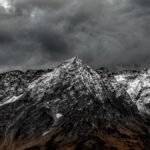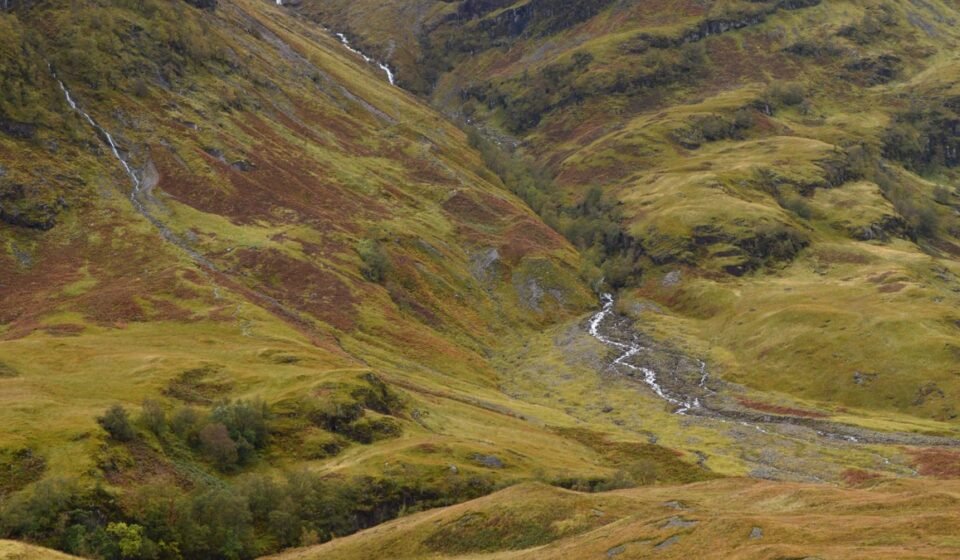

On a Tuesday morning in November, standing at the eastern shore of Eilean Donan while the mist sits unbroken on Loch Duich and the only sound is water against stone, it becomes obvious why this kind of landscape has been inspiring painters and photographers for two centuries. These ten castles earn their cinematic quality not through tourist infrastructure but through sheer, stubborn drama. Pack waterproofs, charge your camera, and go in the off-season.
1. Eilean Donan Castle, Dornie
Access: drive-up to car park, short walk to eastern shore
Eilean Donan sits on a small island where three sea lochs converge, and on overcast mornings the water is so still that the reflection looks more real than the castle itself. It has appeared in films including Highlander and The World Is Not Enough, which means most visitors arrive expecting a quick snapshot from the causeway car park and leave without walking around to the eastern shore, where the light is softer and the crowds thin to nothing. The interior is genuinely furnished and worth the entry fee, particularly the Banqueting Hall with its original stonework and the clan relics in the lower rooms. Go between late October and early March when tour coaches are rare and the mist sits low on the water for hours after sunrise.
2. Dunnottar Castle, Stonehaven
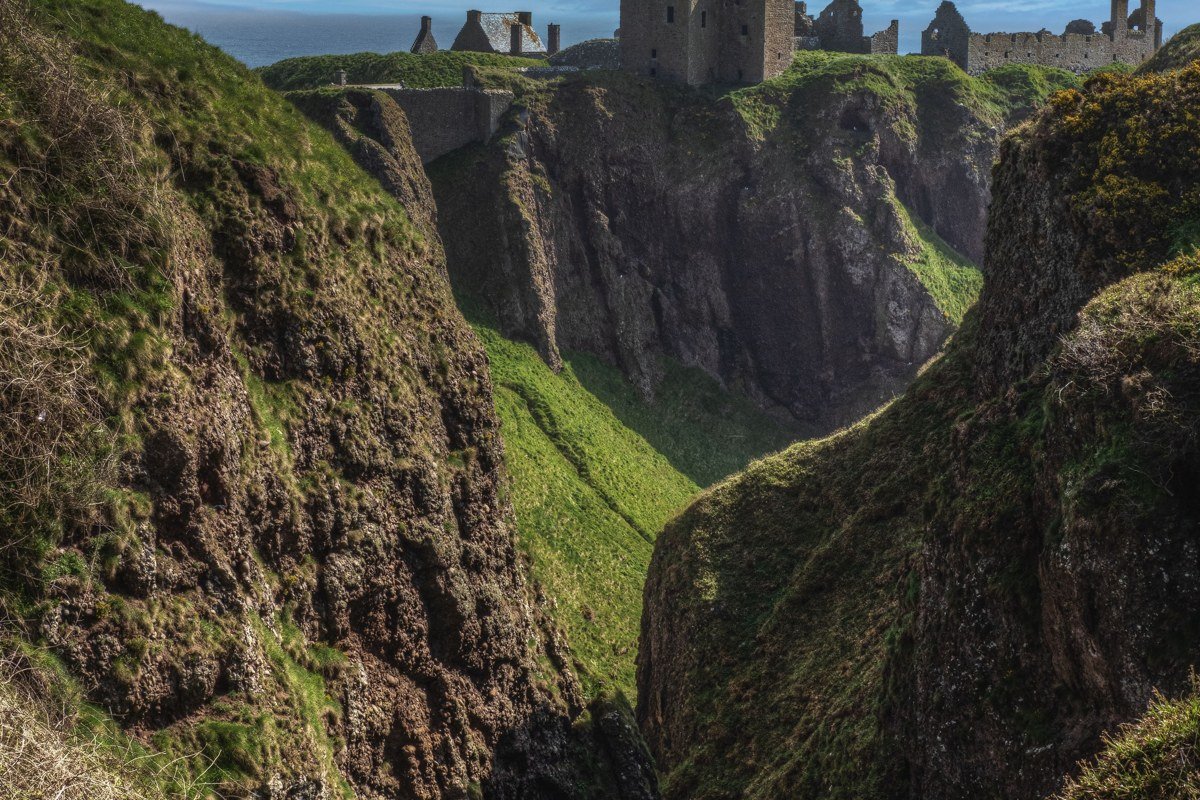
Access: 10-minute coastal path walk with steep descent to sea gate
Dunnottar is perched on a 160-foot sea stack just south of Stonehaven, and the approach from the coastal path delivers one of the most genuinely heart-stopping views in Scotland. The castle held the Scottish crown jewels against Cromwell’s forces in 1652, and the ruined tower house, stables, and chapel are spread across the headland in a way that rewards slow exploration rather than a single wide shot. What most visitors miss is the walk down to the sea gate, where the cliffs frame the ruined drawbridge in a way that photographs like a fantasy novel cover. Aim for a morning after overnight rain when the stone is dark and the sea is grey-green and rough.
3. Kilchurn Castle, Loch Awe
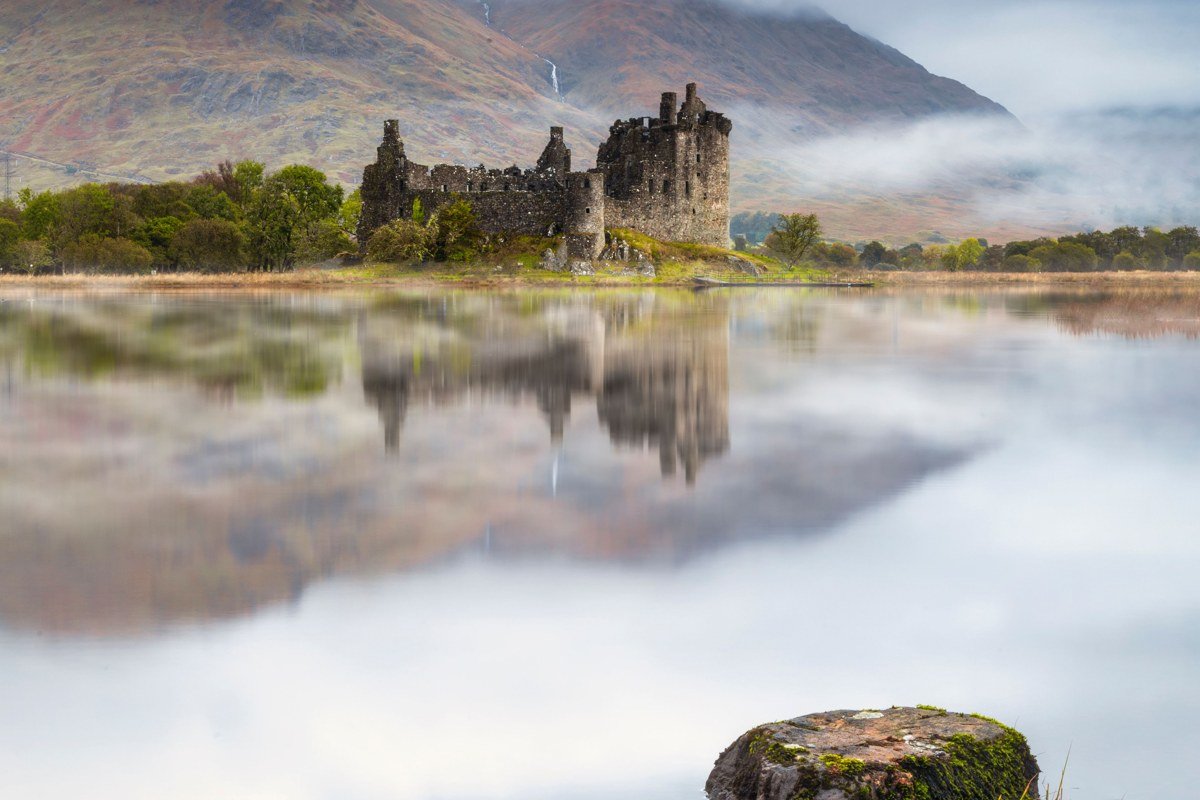
Access: short walk through farm gate off the A819, path can be waterlogged
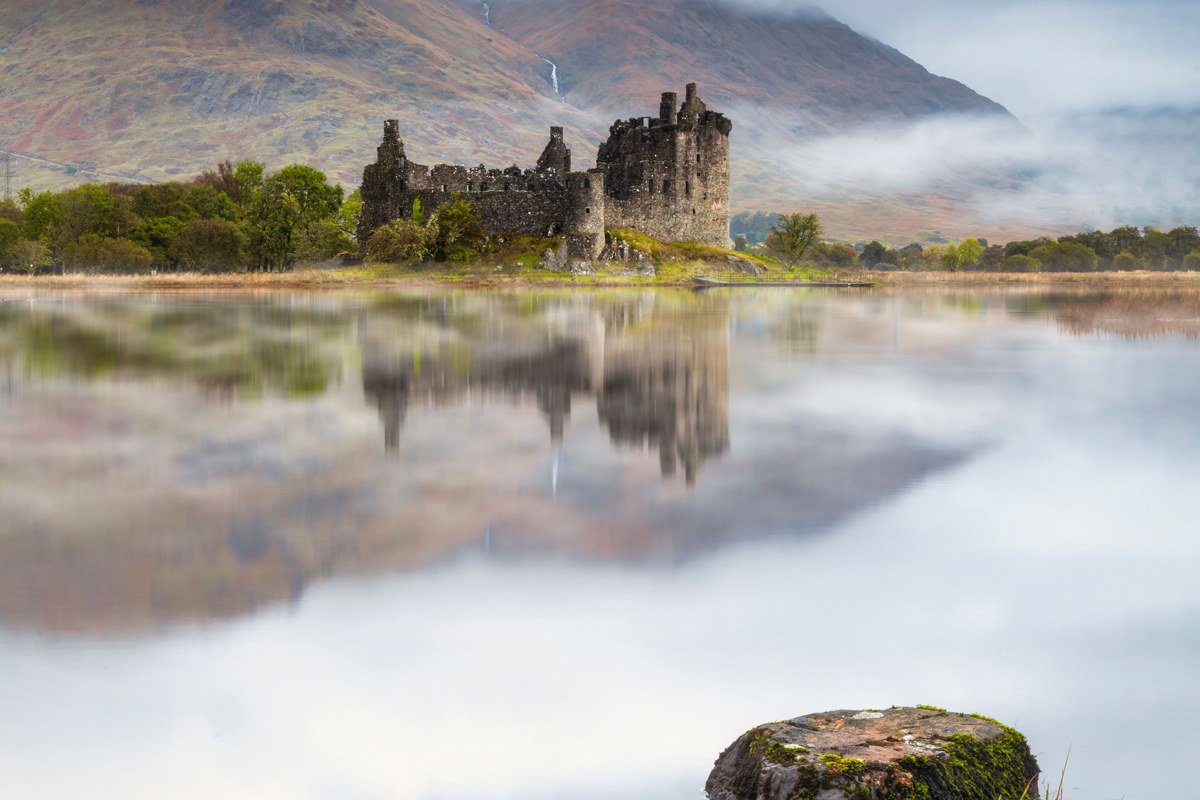
Kilchurn sits at the northeastern tip of Loch Awe on a gravel spit, and in autumn the loch fills with low mist that sometimes submerges the base of the ruins entirely, leaving the tower floating above a white cloud. It is a free ruin managed by Historic Environment Scotland: no entry fee, no set hours, and no crowds beyond whatever other photographers decided to show up at 6 a.m. The interior walls are largely intact and the main tower is still navigable on the ground floor, giving strong vertical compositions against the surrounding mountains. Proper boots are non-negotiable.
4. Urquhart Castle, Loch Ness
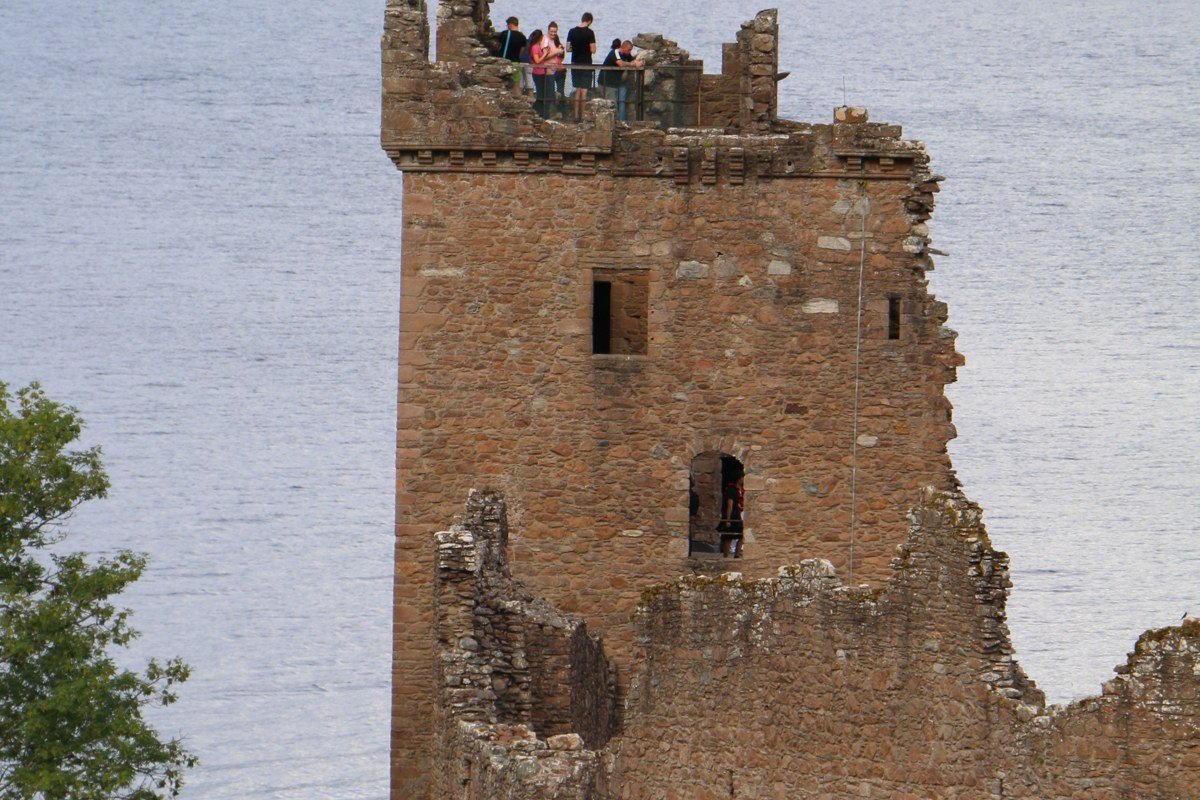
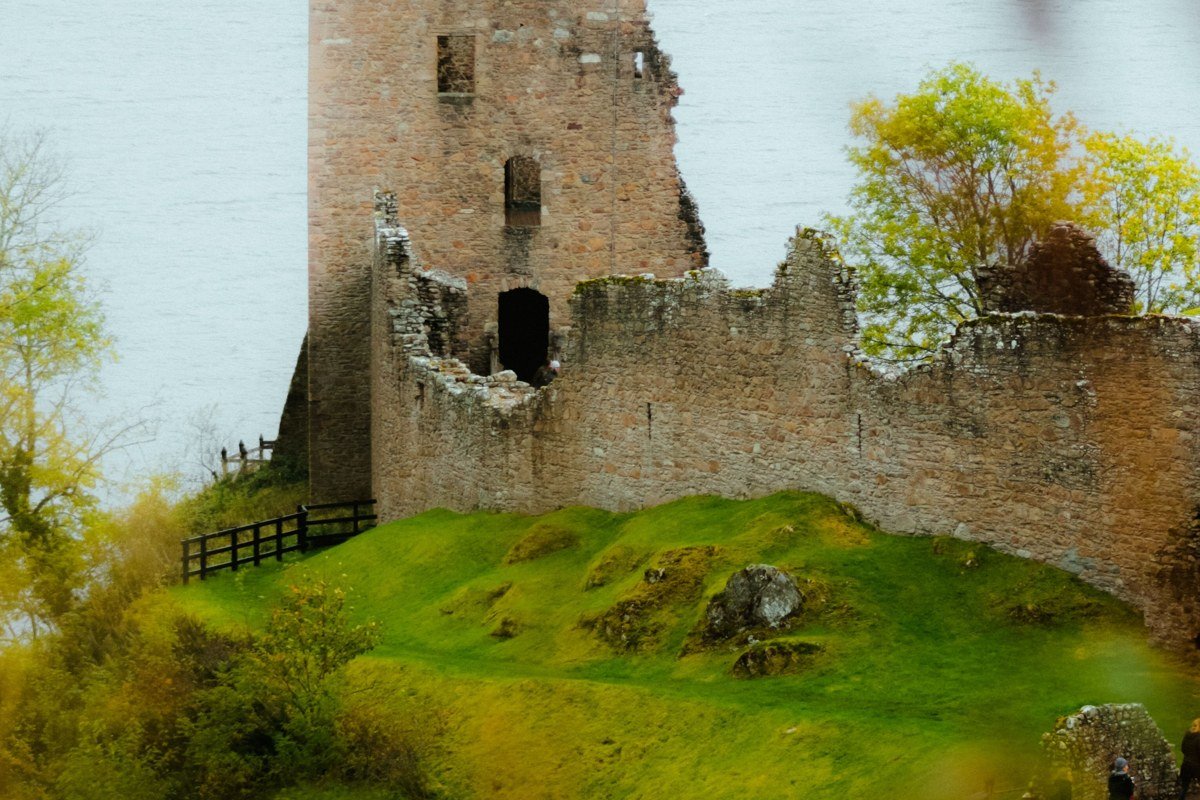
Access: drive-up visitor centre, paid entry, short walk to tower
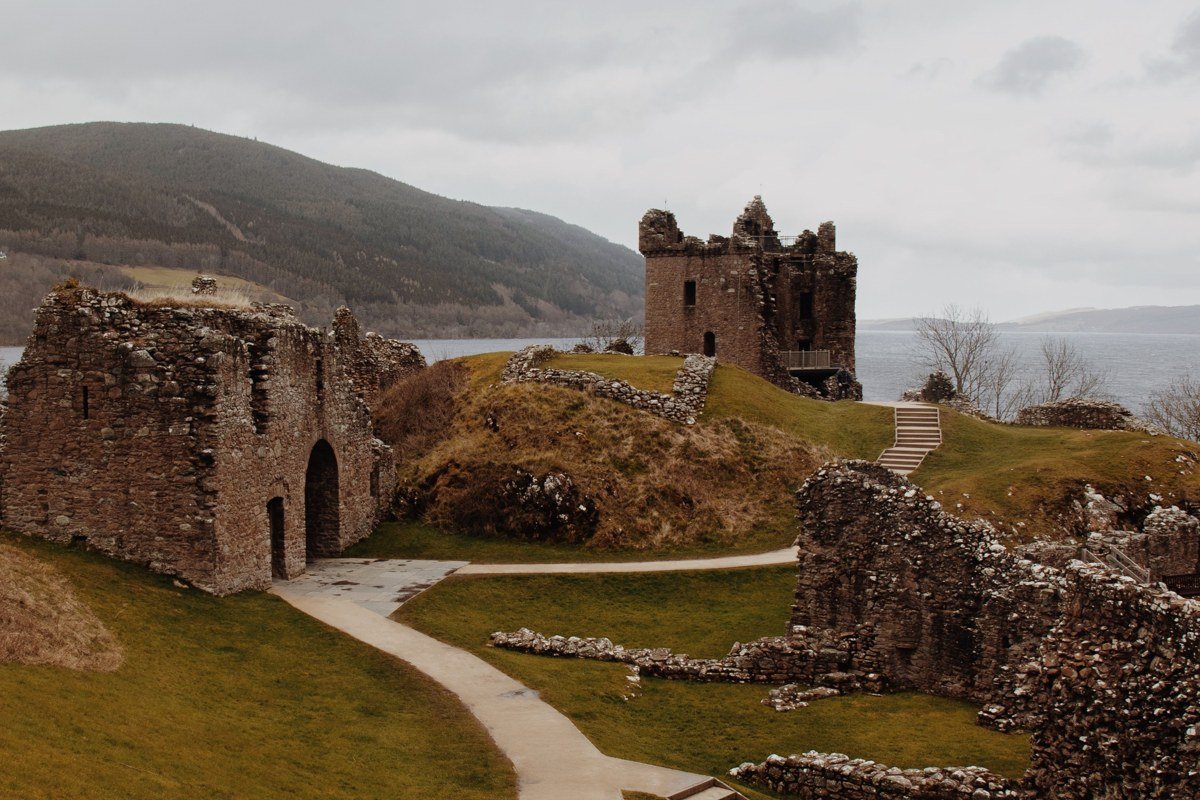
Yes, Loch Ness is on every itinerary, but Urquhart at dawn in November is a completely different experience from the afternoon bus-tour version. The Grant Tower, the best-preserved section, rises above the loch in a way that photographs cleanly against the dark water. When the haar (North Sea sea fog) rolls in from the northeast, the far shore disappears and you are left with pure atmosphere. In autumn the haar typically arrives by mid-morning, so getting there at opening time is not just pleasant advice, it is the difference between a clear composition and a blank grey frame. Historic Environment Scotland runs the visitor centre here, which has a good short film on the castle’s history and genuine artefacts including a trebuchet replica outside. Arrive on a weekday in shoulder season and walk the lower levels before the coach groups appear.
5. Caisteal Maol, Isle of Skye
Access: 5-minute walk from Kyleakin village car park, free
The legend attached to Caisteal Maol is almost too good. A Norse princess called Saucy Mary is said to have built the tower here to chain the strait between Skye and the mainland and charge passing ships a toll, which is exactly the kind of specific, slightly unverifiable history that makes a place feel alive. Most visitors to Skye sprint straight to Dunvegan or the Fairy Pools, ignoring this ruin, which sits in the village of Kyleakin almost within reach of the Skye Bridge. The ruin is small, roofless, and free to access, and from certain angles across the slipway it frames Beinn na Caillich behind it in a composition that looks lifted from a Tolkien illustration. The early evening light in summer catches the west-facing stone in a warm orange that contrasts beautifully with the blue-grey water.
6. Inverlochy Castle, Fort William
Access: informal roadside parking, 5-minute walk across soft ground
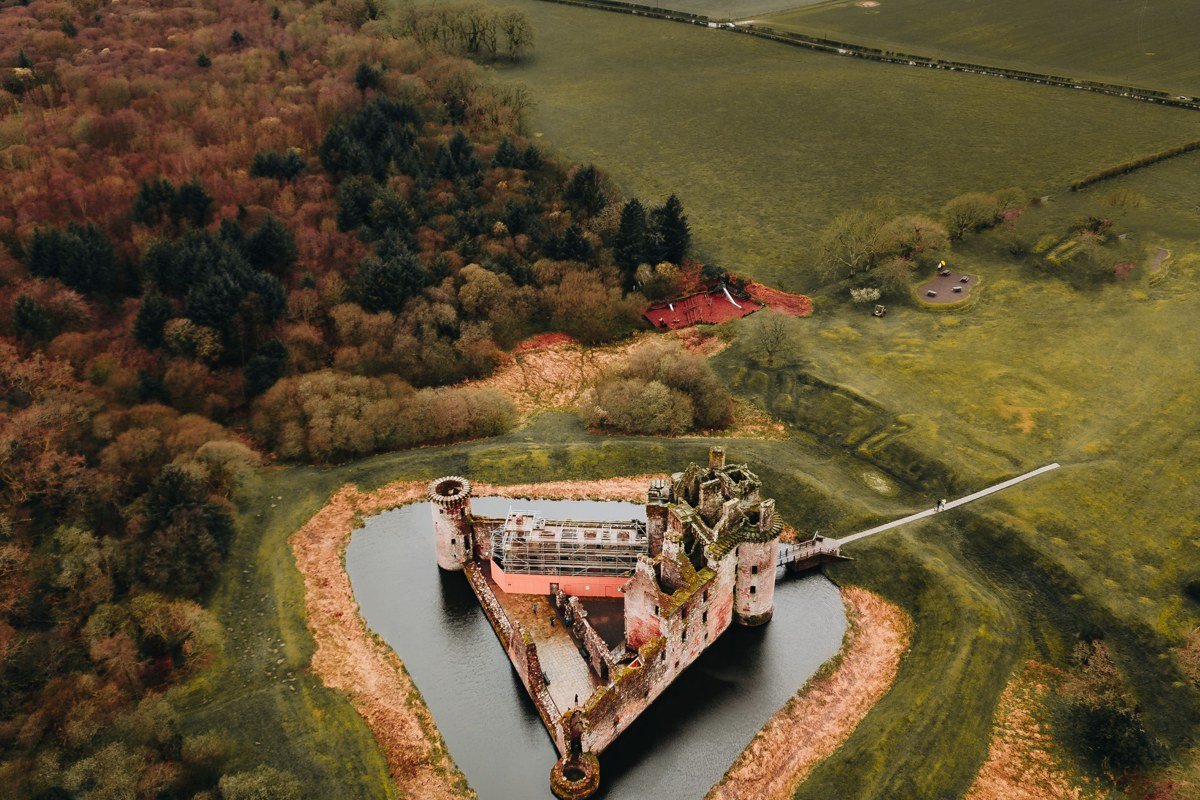
Stand at the northern curtain wall of Old Inverlochy on a clear winter morning and look south: Ben Nevis fills the sky behind the cylindrical round tower, with the flat water of the Caledonian Canal running across the foreground. Frame the tower against the Ben with the canal as a horizontal anchor and you have one of the most compositionally complete shots in the western Highlands. The castle itself is a 13th-century courtyard fortress, and it was here in February 1645 that the Marquess of Montrose defeated the Campbell forces of the Earl of Argyll in a night march and surprise attack that became one of the most celebrated actions of the Scottish Civil War. That history gives the place a weight that its modest footprint does not immediately suggest. Because Old Inverlochy shares a name with the well-known luxury hotel nearby, it gets overlooked in searches, the ruin has almost no signage, and visitor numbers stay low. The cylindrical corner towers are still largely standing and the curtain walls create strong geometric framing. The ground is soft, so proper boots matter.
7. Ardvreck Castle, Loch Assynt
Access: small layby on A837, 5-minute walk across rough grass
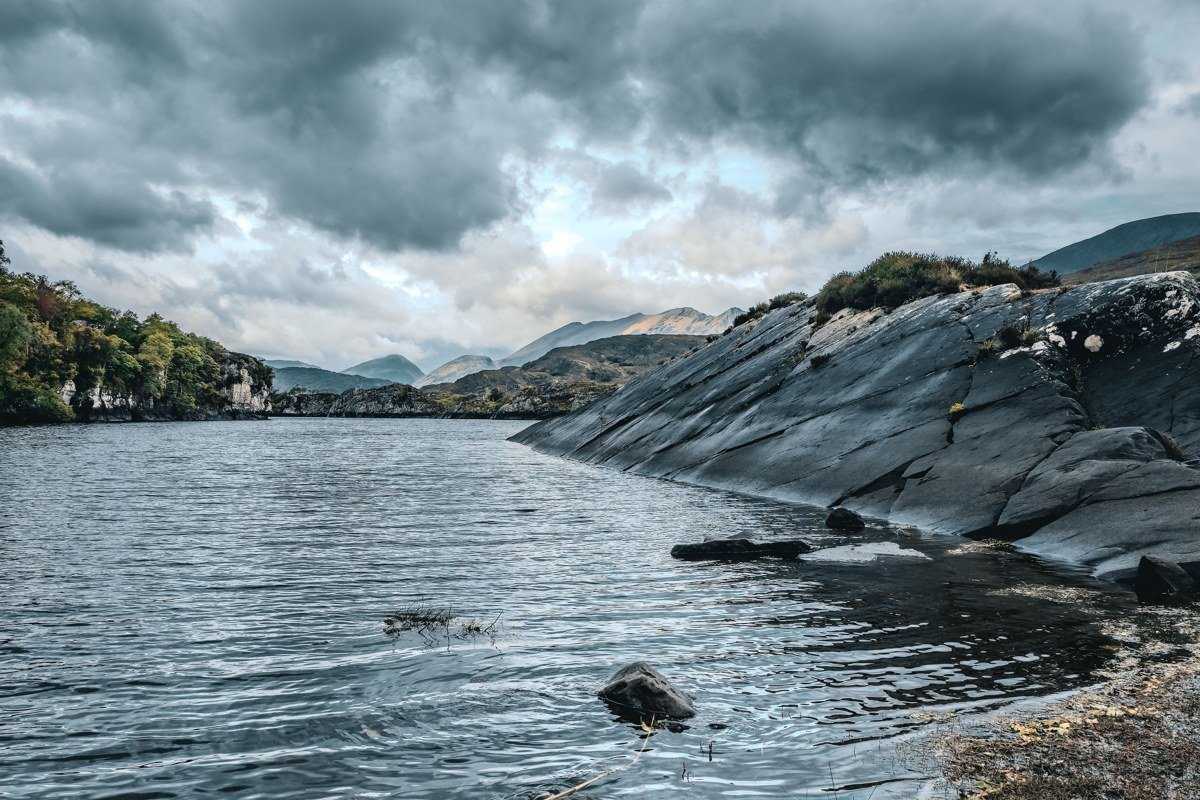
The quartzite peaks of Suilven and Quinag rise on the horizon to the west and south. The loch is the colour of pewter. The peninsula ahead is a thin limestone finger running into the water, and at the end of it, not quite where you expect it, stand the jagged walls of Ardvreck. The castle comes into focus slowly as you walk out from the A837 layby, which is part of what makes arriving here feel earned rather than staged.
Ardvreck is in Sutherland, far enough north that most drivers on the North Coast 500 treat it as a brief roadside stop. That is a mistake. The ruin stands on that narrow peninsula in Loch Assynt, and the surrounding landscape gives this light its most elemental, end-of-the-world quality. The castle held the Covenanting general James Graham, Marquess of Montrose, in 1650, after he was handed over to his enemies here following his final defeat. He was executed in Edinburgh shortly after. That specific, grim history is part of what makes standing at Ardvreck in a November gale feel weighted with something more than scenery.
8. Gylen Castle, Isle of Kerrera
Access: passenger ferry from Oban, then 45-minute walk south along coastal path
Getting to Gylen requires a small act of commitment, and that is exactly why so few people make it. The passenger ferry to Kerrera is operated by CalMac and runs from the North Pier slipway in Oban, with a return fare of roughly £3 to £4. The crossing takes minutes, but from the ferry landing it is a 45-minute walk south along a path that climbs above the coastline before dropping the castle into view dramatically against the open Firth of Lorn, with the Isle of Mull sitting on the horizon.
Gylen is a 16th-century tower house built by the MacDougall clan and burned in 1647, leaving a roofless shell with remarkably intact corbelled stonework and carved detail above the main entrance. The turf growing across the upper walls, the coastal position, and the near-total absence of other visitors make this one of the most photogenic and least-visited castles in the western Highlands. Check the CalMac timetable before you go: crossings are infrequent and missing the last ferry means a very long alternative route home.
9. Castle Tioram, Ardnamurchan Peninsula
Access: 2-hour drive from Fort William on single-track roads, low-tide walk to island
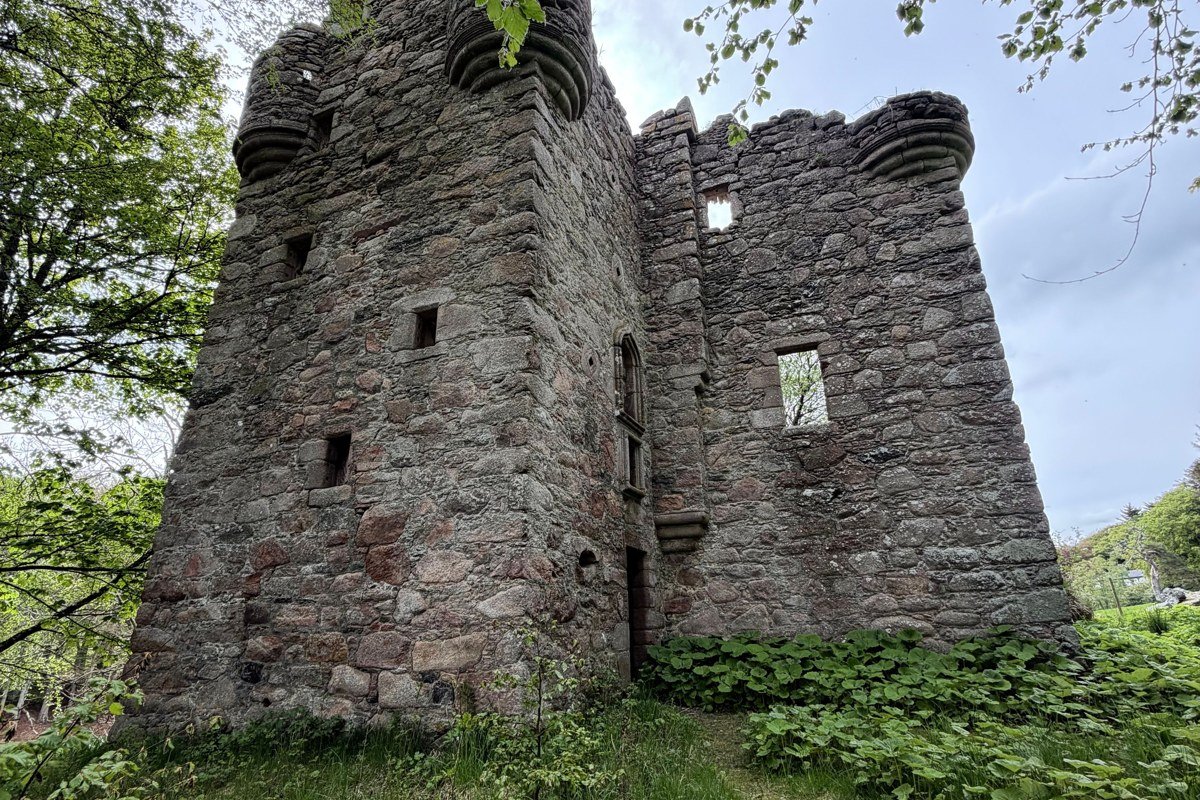
Castle Tioram sits on a tidal island in Loch Moidart, accessible on foot at low tide and completely surrounded by water at high tide. Its visual character changes entirely depending on when you arrive: a mirror of estuary mud and birch reflection at low tide, an isolated island fortress at high. The Ardnamurchan Peninsula is genuinely remote, and that journey on single-track roads filters out everyone who is not serious. The ruins are currently closed for structural safety reasons, but the exterior and the island approach are still accessible, and the photographic composition from the western shore at low tide is extraordinary. Tide tables are not optional here: a rising tide can strand you on the island or leave you wading back.
10. Dunvegan Castle, Isle of Skye (in winter)
Access: drive-up, paid entry, gardens open year-round
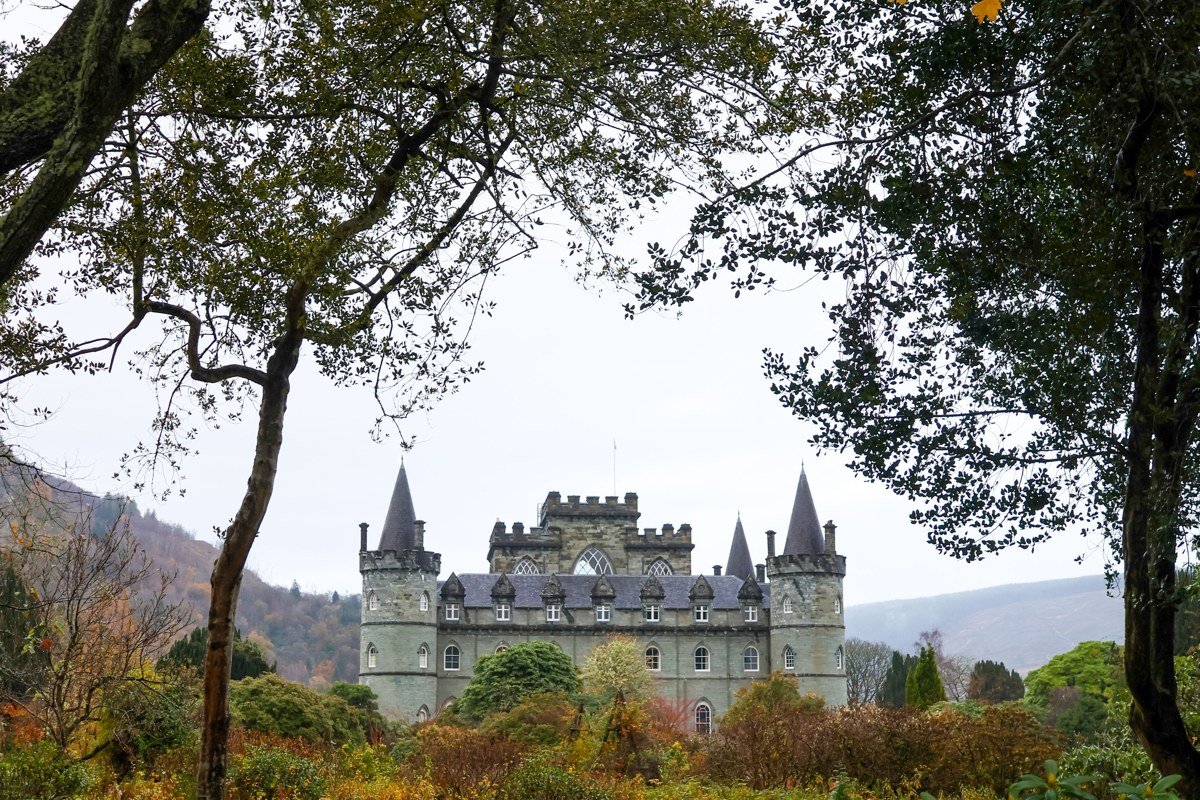
Dunvegan is the only inhabited castle on this list, continuously occupied by the MacLeod clan for over 800 years, and in summer it can feel busy. In January or February, though, the gardens are bare, the loch is pewter-grey, and the castle’s whitewashed walls go flat and ghostly in the diffuse winter light in a way that summer photographs simply do not capture. The interior holds genuinely important artefacts including the Fairy Flag, a fragile silk relic the clan believes protects them in battle, and the history on display is specific and well-interpreted rather than generic period-room staging. The boat trips to the seal colony on the loch run year-round, and in winter you often have the boat to yourself.
Practical Takeaway: Making the Most of These Locations
Check access and tide conditions before anything else. Several castles on this list have variable access: Castle Tioram depends entirely on the tide, storm damage occasionally closes paths at free-access ruins, and Gylen requires working around a ferry timetable. Confirm current access status at historicenvironment.scot and download tide tables for Tioram and any other tidal site before you leave. Getting this wrong costs an entire day.
Timing within the day matters as much as the season. Arrive at or before sunrise whenever the castle is free-access, and shoot during the blue hour before direct sun burns off the mist. For Urquhart specifically, the haar typically arrives by mid-morning in autumn, so early arrival is the difference between atmosphere and a grey blank.
October, November, and February are the most reliable months: enough light to work with, far fewer visitors than summer, and the mist and low cloud that make this kind of landscape cinematic rather than merely pretty. Avoid December if short daylight hours are a problem.
On gear: a wide-angle lens handles the scale of Highland landscapes without distortion, but a short telephoto (85 to 135mm equivalent) isolates a castle against background mountains more effectively. A tripod rated for wind is worth the inconvenience on exposed sites like Ardvreck and Dunnottar. Pack layers that compress small, real waterproof boots rather than fashion hiking boots, and accept that the conditions you want cannot be manufactured. They show up when the weather and the hour align, and the only strategy is to already be there, waiting.