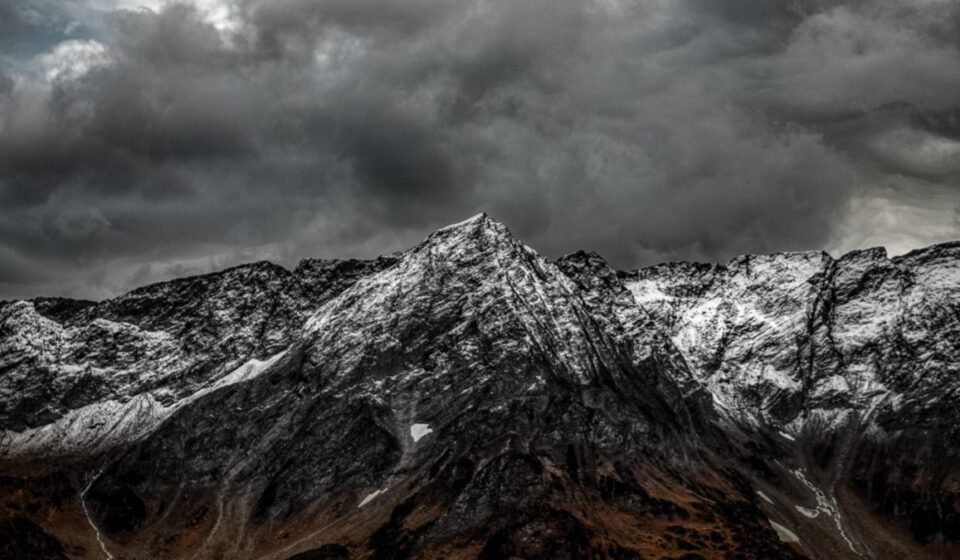

The places filling Pinterest boards right now are not the Amalfi Coast or Santorini. They are stranger, quieter, and far harder to categorize. Pinterest’s 2024 trend reports flagged a measurable surge in searches for “surreal landscapes,” “alien terrain travel,” and “bioluminescent caves,” with saves on those boards outpacing conventional beach and city content by a significant margin. Influencer migration patterns tell the same story: accounts that built audiences on Santorini sunsets have been pivoting to Namibia, Bolivia, and Iceland’s interior since 2023, chasing terrain that still registers as genuinely unfamiliar to a visually saturated audience. These nine dramatic landscapes represent that shift: terrain that feels mythological, light that feels borrowed from another planet, and in most cases, access conditions that have changed just enough in 2025 and 2026 to make now the specific right moment to go.
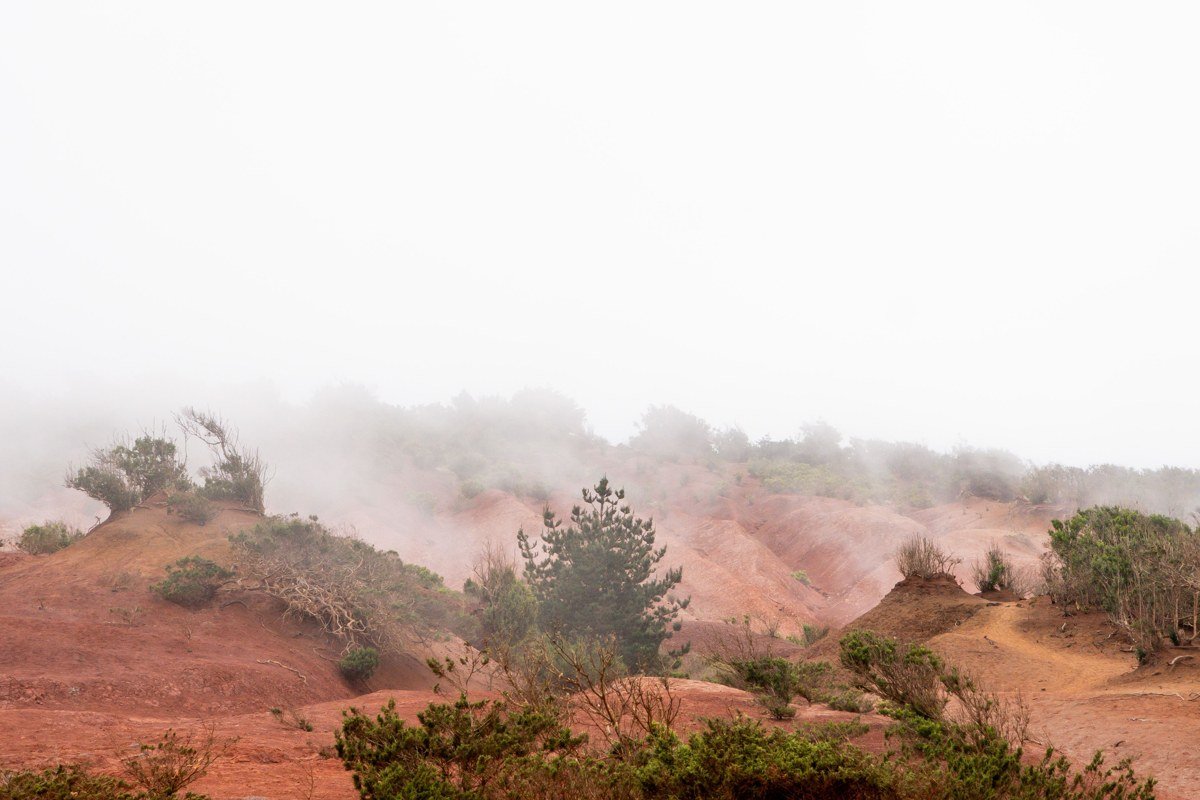
1. Danakil Depression, Ethiopia
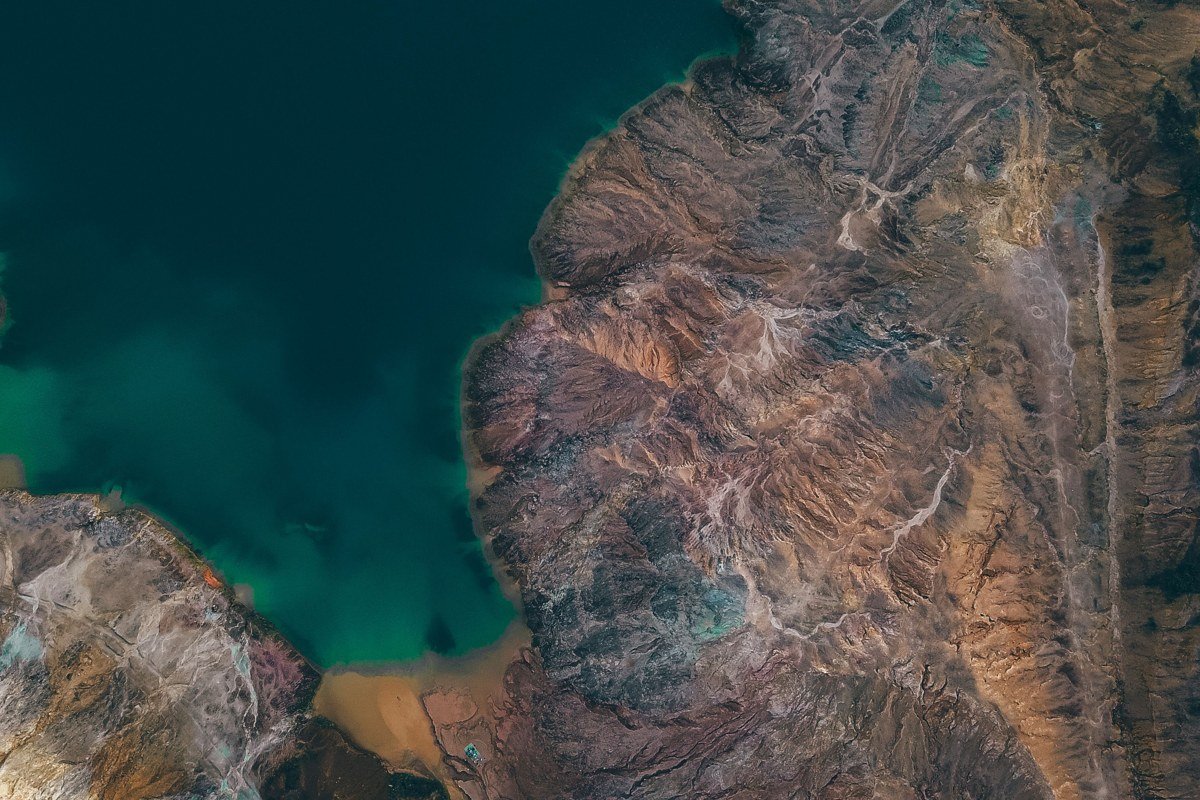
The Danakil sits at roughly 125 meters below sea level and is regularly cited as one of the hottest inhabited places on earth, which makes the fact that travelers go there voluntarily feel almost defiant. The appeal is the Dallol hydrothermal field: pools of acid brine ringed by sulfur crusts in shades of chartreuse, mustard, and rust that look digitally altered in photographs but are entirely real. The best approach is to hire a local Afar guide through a licensed operator based in Mekelle and walk the salt flats at dawn before the heat becomes physically dangerous. Timing matters enormously. November through February keeps daytime temperatures closer to 35 degrees Celsius rather than the 50-plus of midsummer. The road from Mekelle is rough and requires a 4×4 convoy, but that difficulty is exactly why the site still feels unspoiled.
For 2026 access: Ethiopian Airlines launched increased frequency on the Addis Ababa to Mekelle route in late 2024 following a period of reduced service, meaningfully shortening the logistical chain for international travelers who previously faced multi-day overland legs or expensive charter connections.
2. Zhangye Danxia Geopark, China
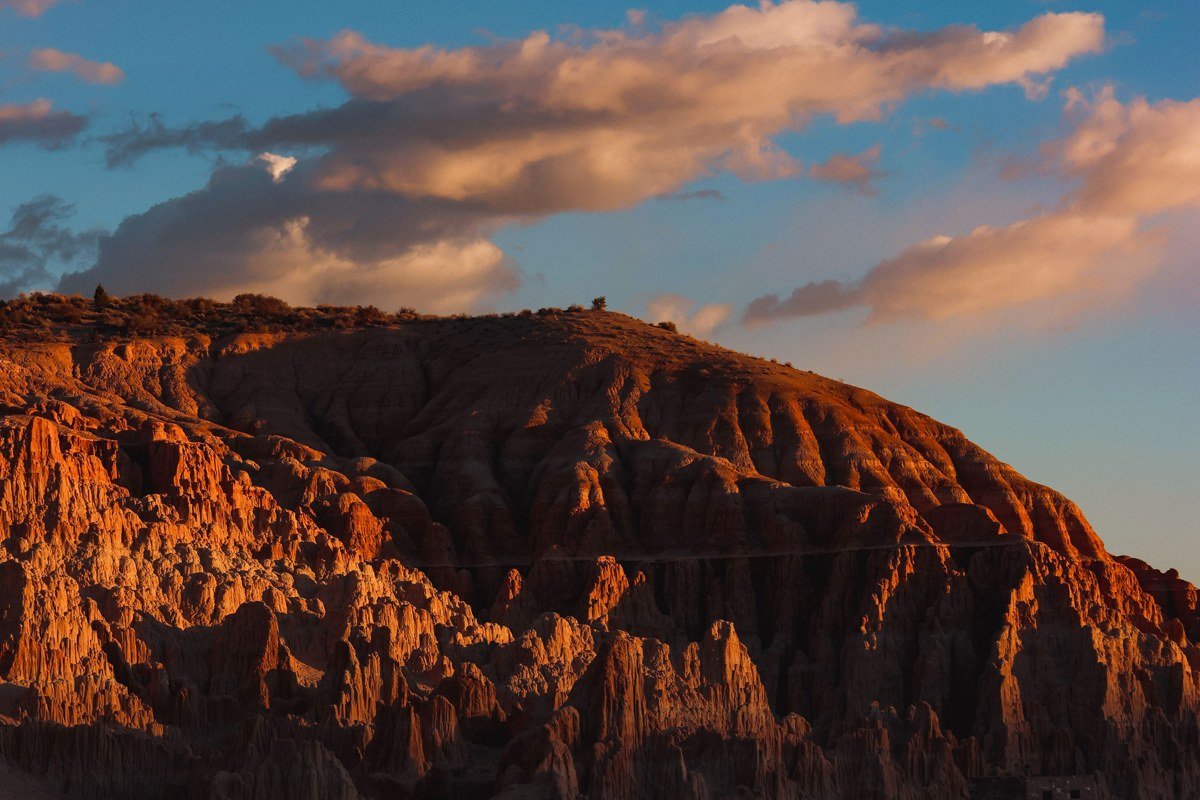
These are the layered sandstone formations in Gansu Province that periodically go viral and then get dismissed as Photoshopped. They are not. The red, orange, teal, and white bands result from mineral deposits laid down over roughly 24 million years, compressed and then tilted by tectonic movement. The light changes the color reading completely. At midday the bands look almost flat; in the 45 minutes after sunrise and before sunset they glow in a way that feels operatic. Platform 4 gives you the most panoramic sweep of the densely striped section without requiring serious hiking. Go in late July or August right after seasonal rains, when moisture briefly intensifies the pigment contrast.
A caveat on peak-season crowds: July and August are also the busiest months, and the main viewpoints fill quickly after the shuttle buses begin running. Arrive at the Zhangshan shuttle stop before 7 a.m. to reach Platform 4 ahead of the first rush. If you are visiting outside those rain-season months or want a less-trafficked section of the same geopark, Linze Danxia, roughly 50 kilometers northwest, covers similar geology with a fraction of the visitor volume and its own distinctive tower formations. Bring a polarizing filter: it cuts the haze that builds through the morning and saturates the mineral bands significantly.
For 2026 access: China’s resumption of standard tourist visa processing for most nationalities, and the expansion of the visa-free transit window to 240 hours in 2024, has reopened Gansu to international independent travelers who faced bureaucratic barriers during and immediately after the pandemic years.
3. Landmannalaugar, Iceland
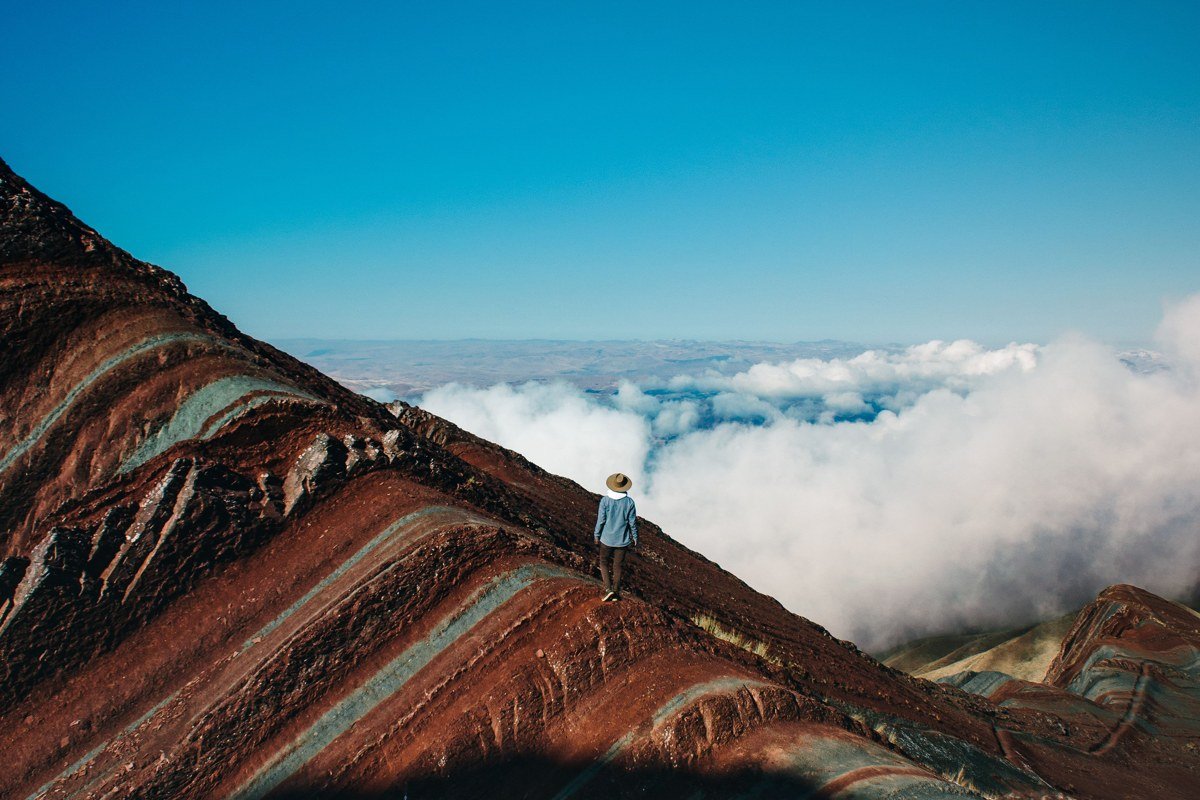
Iceland gets photographed constantly, but Landmannalaugar is the part that still surprises people who think they have seen all of it. The rhyolite mountains shift between olive green, burnt sienna, pale lavender, and near-white depending on the angle of light, and the surrounding lava fields, dating to medieval eruptions in the Veidivötn volcanic system, give the foreground a textured, alien quality. The Laugavegur trek starts here and is rightly famous, but even a single afternoon on the shorter loop to the obsidian lava field and back delivers a level of visual density that feels unreasonable. Soak in the natural hot spring at the campsite afterward. Landmannalaugar is accessible only by 4×4 via the F-roads, which open roughly from late June to early September. Go on a weekday. The site sees serious foot traffic on summer weekends, and the narrow mountain paths feel very different when crowded.
For 2026 access: The Icelandic Road Administration completed repairs to the F208 approach road after storm damage in 2023, restoring reliable 4×4 access that had been intermittently blocked in previous seasons and reducing journey times from Reykjavik by roughly 40 minutes.
4. Salar de Uyuni, Bolivia (Wet Season)
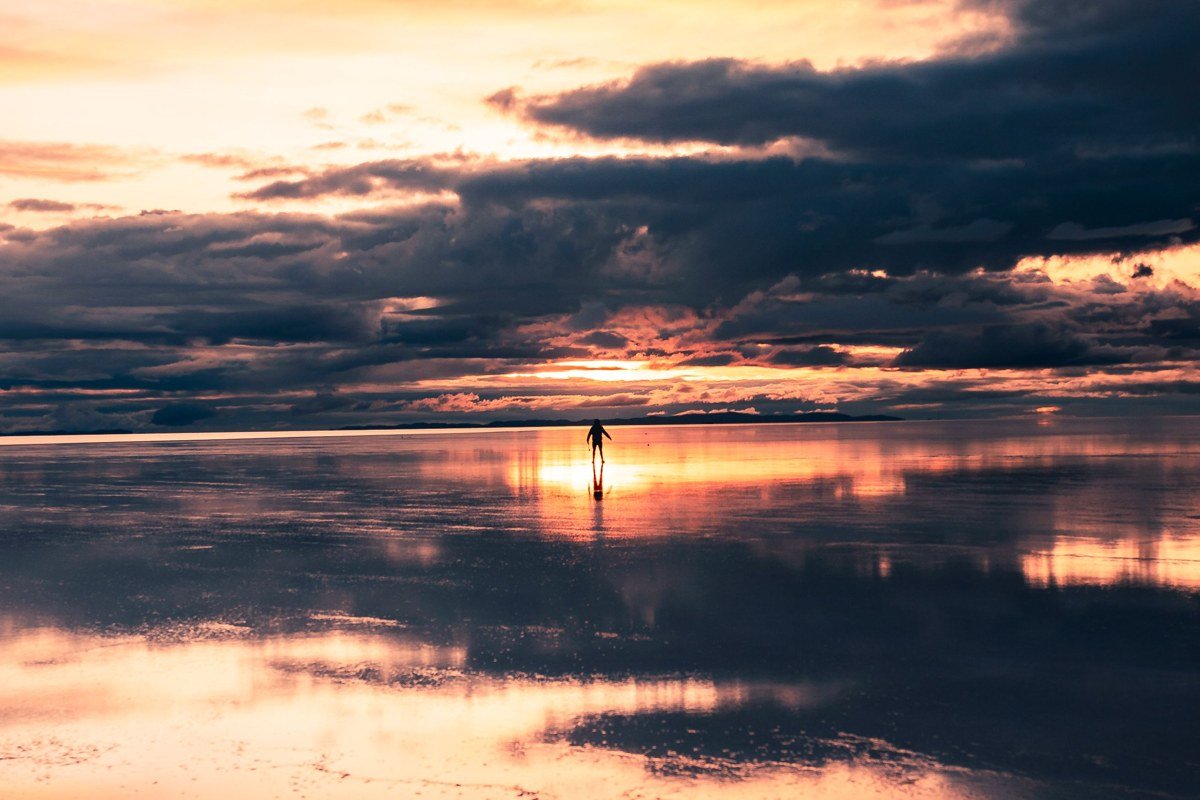
Most people know Uyuni as the world’s largest salt flat, a blinding white expanse at 3,656 meters elevation. Fewer realize that during the Southern Hemisphere rainy season, roughly December through March, a thin layer of water turns the entire 10,000-square-kilometer surface into a near-perfect mirror. The sky and the ground become indistinguishable. The visual effect is disorienting in a way that photographs genuinely cannot communicate until you are standing inside it. Hire a driver-guide from Uyuni town who knows which areas hold the most stable water depth, typically around 10 to 20 centimeters, because too shallow and you lose the reflection, too deep and walking becomes difficult. Sunrise and sunset are the obvious shooting windows, but the middle of a heavily overcast day produces an eerie flat-light version that many photographers prefer. Altitude sickness is real here. Spend at least one full day in Uyuni town acclimatizing before going onto the flat.
For 2026 access: BoA (Boliviana de Aviacion) restored direct La Paz to Uyuni flights in 2024 after a multi-year suspension, eliminating the need for an overnight bus or a connection through Potosi for travelers arriving internationally.
A logistics note for photographers: a 6-stop ND filter is worth carrying for wet-season reflection shots. The wide-open sky and reflective surface create exposure challenges that are difficult to manage without one, particularly around sunrise when the light shifts fast.
5. Socotra Island, Yemen
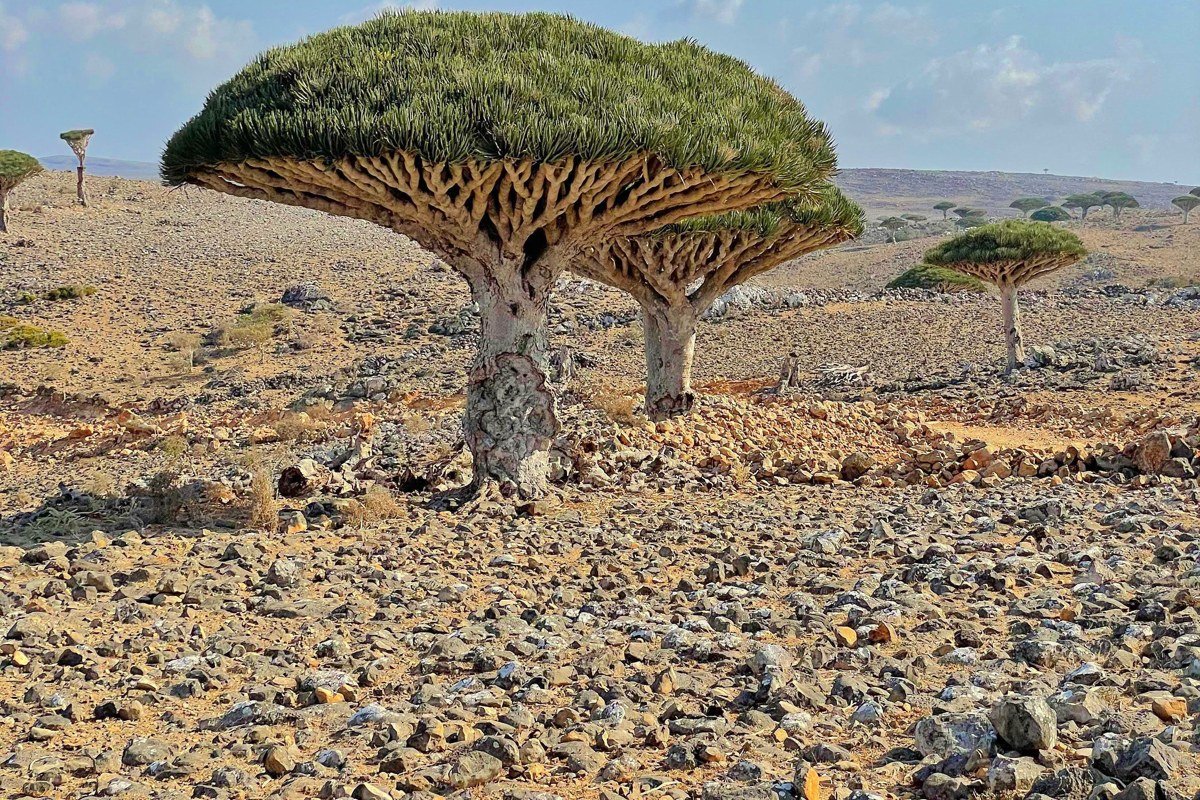
Socotra is the place people point to when they want to argue that genuine otherworldliness still exists on earth. The dragon blood tree, which grows only here and on a few nearby islands, has a perfectly flat canopy that looks like a green umbrella turned inside out, and it bleeds dark red sap when cut. The island’s geological isolation from mainland Africa for roughly 20 million years produced a flora so distinct that nearly a third of its plant species exist nowhere else. Dixam Plateau in the center of the island gives you the densest concentration of dragon blood trees against a backdrop of limestone karst and open sky. Getting there requires flying through Cairo or Abu Dhabi with limited carriers, and the political situation in Yemen means you must monitor travel advisories carefully and continuously. That friction keeps visitor numbers very low, which is part of why the island looks the way it does. February through April offer the most stable weather before the summer monsoon makes the coast inaccessible.
For 2026 access: Air Arabia began operating a direct Abu Dhabi to Socotra route in 2023, which has meaningfully reduced the connection complexity that previously routed most travelers through Sana’a. Check your government’s current travel advisory before booking; conditions on the island itself have been more stable than the mainland, but the situation requires ongoing monitoring.
6. Waitomo Glowworm Caves, New Zealand
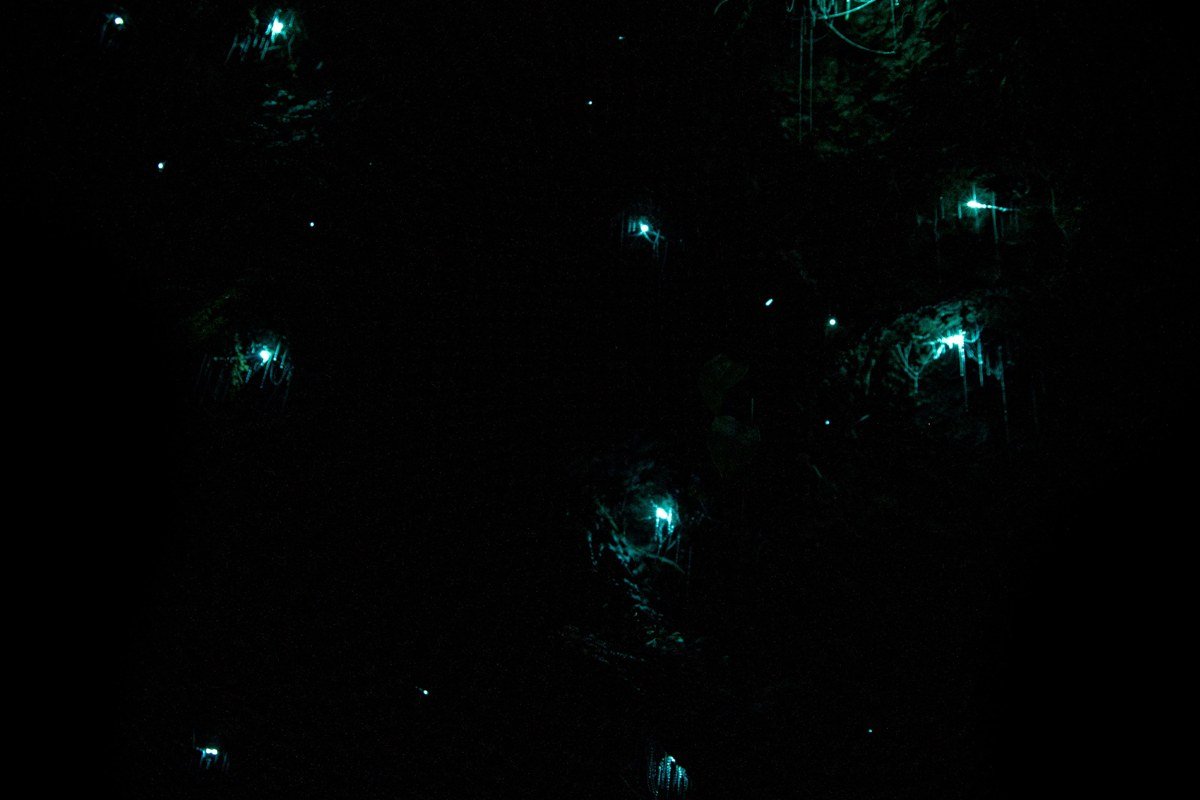
The bioluminescent ceiling of the Waitomo caves in the Waikato region of New Zealand’s North Island is one of those experiences that creates a genuine perceptual gap between description and reality. Thousands of Arachnocampa luminosa larvae attach themselves to the cave ceiling and emit blue-green light to attract prey. Seen from a flat-bottomed boat drifting through the Glowworm Grotto in complete silence, the effect is looking up at a dense, slow-moving galaxy. The standard guided boat tour is genuinely good, but the Black Labyrinth tour offered by Waitomo Adventures involves tubing through the cave system on inflated rubber rings, which gets you deeper into the network and closer to the light source. Book at least two weeks ahead during peak New Zealand summer (December through February). The caves maintain a constant 17 degrees Celsius, so bring a mid-layer regardless of surface temperature. Waitomo Adventures also provides wetsuits for the Black Labyrinth, but a thermal base layer underneath makes a meaningful difference on longer tours.
For 2026 access: New Zealand’s post-pandemic working holiday visa expansion has increased the pool of trained cave guides, reducing the booking bottleneck that caused consistent sellouts in 2022 and 2023 and making last-minute availability more realistic outside peak weeks.
7. Pamukkale Thermal Terraces, Turkey
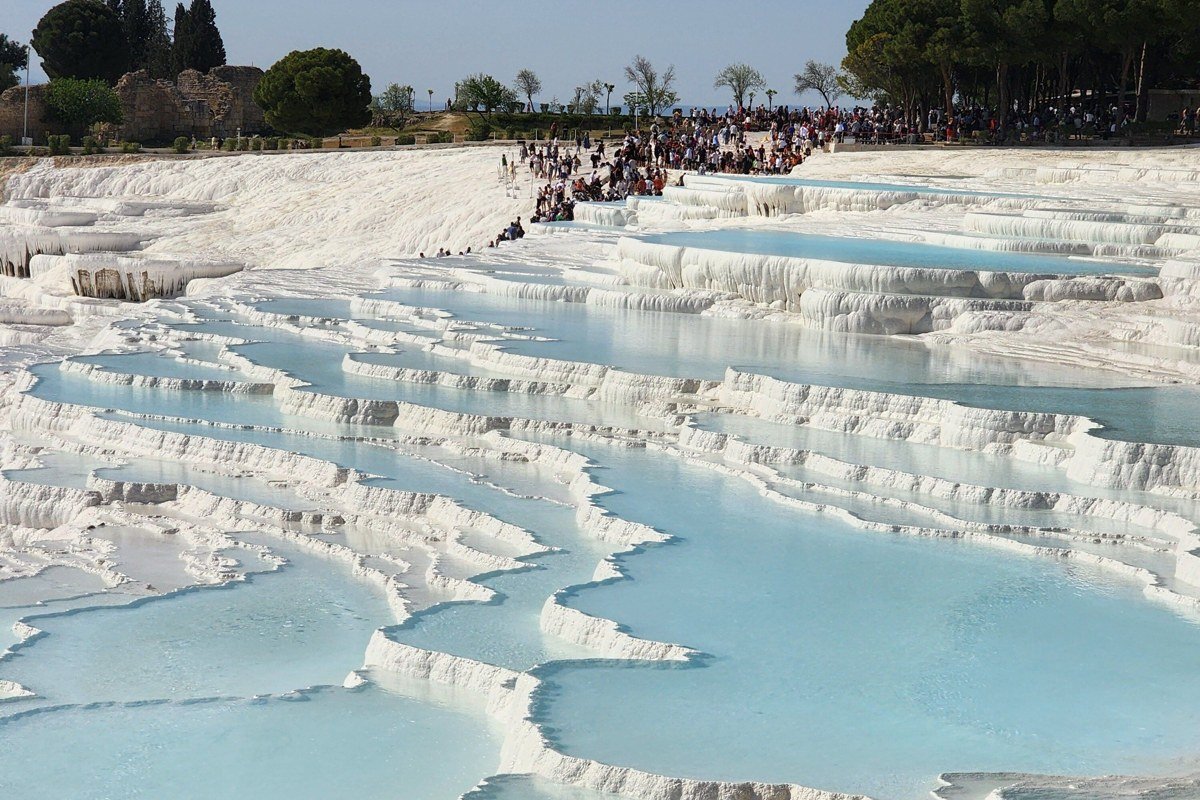
Pamukkale translates from Turkish as “cotton castle,” and the name earns it. The site is a series of white calcium carbonate terraces deposited by thermal spring water flowing down a hillside above the Lycos Valley in Denizli Province. The pools step down the slope, each one a slightly different shade of turquoise or milky blue depending on depth and mineral concentration. Photography here is almost embarrassingly easy because the white and blue contrast against any sky condition. What most visitors miss is the ancient city of Hierapolis directly above the terraces, where you can swim in the Antique Pool among submerged Roman columns. Arrive at opening time, typically 6:00 a.m. The site becomes extremely crowded by 10 a.m., and the crowds both diminish the visual quality and disturb the delicate mineral crust. Shoes must be removed before entering the terraces, so wear socks you do not mind getting wet.
For 2026 access: Turkish Airlines and several low-cost carriers added routes to Denizli Cardak Airport from additional European hubs through 2024 and 2025, making Pamukkale reachable as a standalone destination rather than a detour requiring an Izmir or Istanbul connection.
8. Namib Desert, Namibia (Sossusvlei)
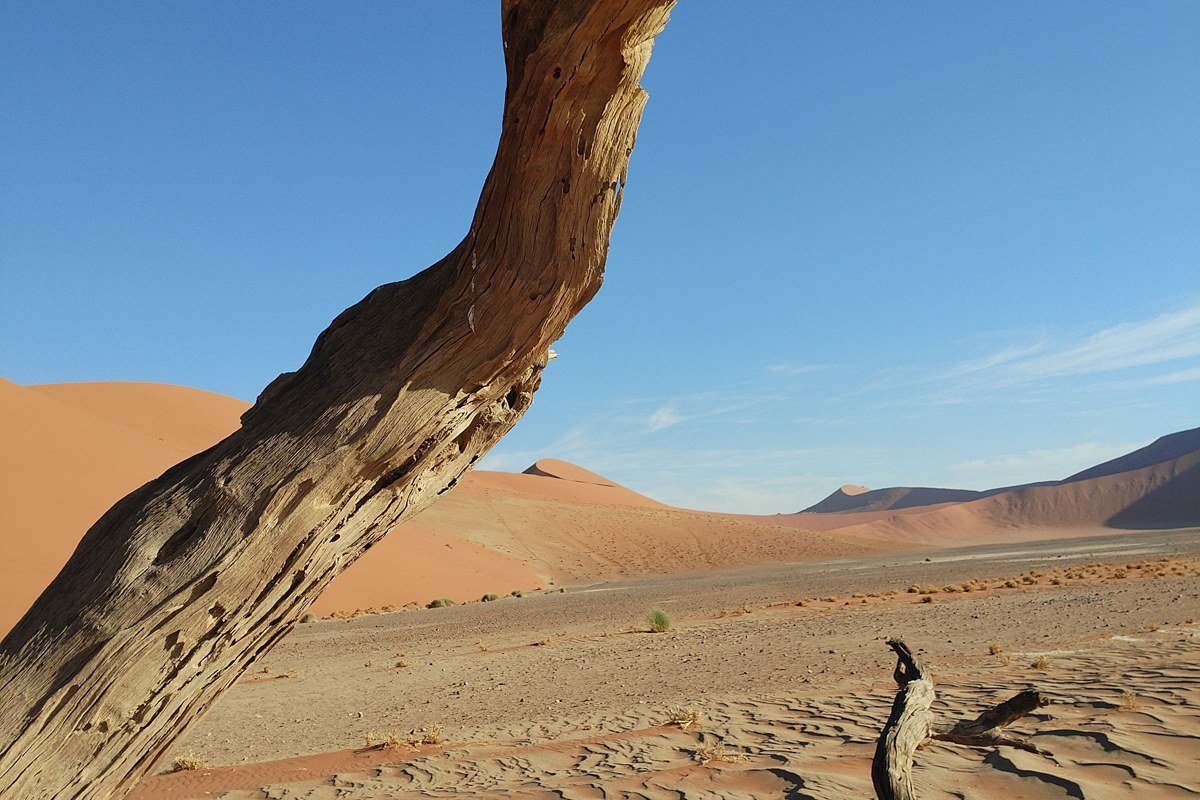
Sossusvlei inside the Namib-Naukluft National Park is where the world’s tallest sand dunes meet a bleached clay pan studded with skeletal camelthorn trees that have been dead for roughly 900 years. The dunes shift between deep brick red and burnt orange as the light moves through the day. Deadvlei is the specific clay pan to target, a 15-minute walk from the main vehicle turnaround point. The combination of black dead trees against the white pan with orange dunes behind is one of those compositions that looks constructed but is purely geological. Gates into the park open at sunrise and close at sunset, and the sand roads to Deadvlei require a 4×4 or the shuttle running from the main parking area. Walk from the shuttle drop-off early, before the heat arrives. The dunes cool dramatically at night and star visibility at Sossusvlei is exceptional, which makes an overnight at one of the nearby lodges worth budgeting for.
For 2026 access: Namibia introduced an upgraded e-visa system in 2024 that processes most applications within 48 hours, replacing a paper-based system that had caused entry delays and uncertainty for travelers from a number of countries.
A Note on Turkey’s Two Entries
Readers will notice Turkey appears twice in this list, at Pamukkale and Cappadocia. That is an editorial choice worth being transparent about. Turkey earns both slots in 2026 for a specific reason: the country’s dramatic devaluation of the lira over recent years has made it one of the most accessible destinations in terms of on-the-ground costs for international travelers, and that economic reality is actively driving itinerary decisions, not just wishful thinking. Both sites also represent genuinely distinct geology and visitor experiences that happen to share a national border. The duplication is a function of the data, not a lapse in curation.
9. Cappadocia, Turkey (Underground Cities and Fairy Chimneys)
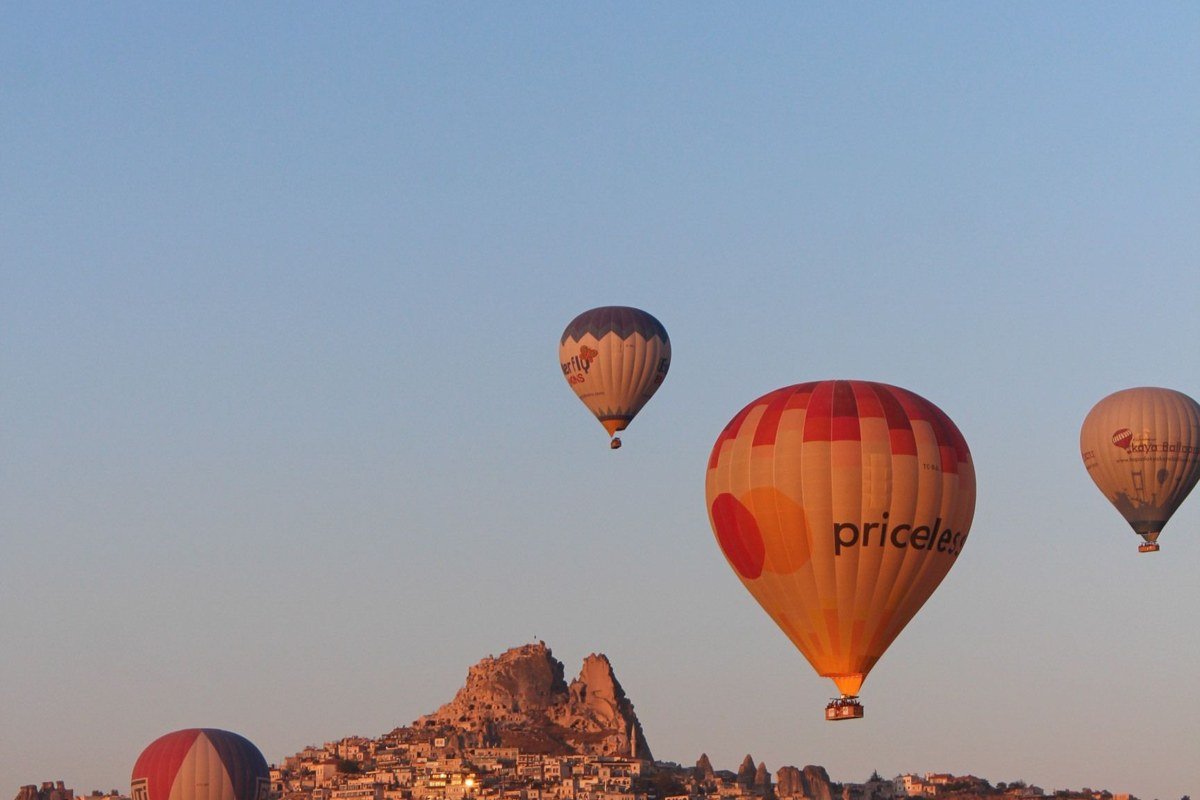
Cappadocia appears here despite the risk of feeling familiar, and that inclusion requires a direct argument. The fairy chimneys and hot air balloon images have circulated long enough to feel like screensavers, but Cappadocia in 2026 rewards travelers who go deeper than the famous silhouette. The volcanic tuff valleys near Goreme contain churches, homes, and storage rooms carved directly into the rock over more than a thousand years of continuous occupation. The more interesting experience is walking Rose Valley or Pigeon Valley in the late afternoon when the tuff turns the color of dried roses in directional light. Zelve Open Air Museum is less visited than the Goreme Open Air Museum and has a more complex cave-city structure worth two unhurried hours. Book balloon flights through a CAA-licensed operator and verify their safety record directly before paying a deposit. April and October give you stable balloon weather and manageable crowds relative to the July and August peak. The underground city of Derinkuyu, about 30 kilometers south of Goreme, descends eight levels, once housed tens of thousands of people, and is still only partially excavated. That last detail is the argument for inclusion: Cappadocia is still being uncovered, literally.
For 2026 access: Turkish authorities reopened expanded sections of Derinkuyu to visitors in 2024 after a multi-year partial closure for structural assessment, adding two previously restricted levels to the standard tour circuit.
Planning Your 2026 Dramatic Landscape Trip
The thread connecting all nine of these places is that their visual power is inseparable from physical conditions: light, season, weather, and time of day. A checklist approach will disappoint you. The photographers and travelers who come back with genuinely arresting images share one habit. They stay longer than they planned to. Book flexible return flights where budget allows. Research the specific micro-season for each destination rather than relying on general country-level weather guides. For the politically complex destinations, Socotra and the Danakil in particular, connect with operators who have current on-the-ground relationships rather than booking through aggregate platforms.
On gear: a polarizing filter rewards you at Zhangye and Sossusvlei by cutting atmospheric haze and deepening mineral saturation. An ND filter earns its weight at Uyuni during the wet-season reflection window, when exposure management across sky and water is genuinely difficult without one. At Waitomo, the priority is thermal layering rather than camera equipment: comfort determines how long you can stay in the cave system, and the best light from the larvae takes time to appreciate. Carry a weather app calibrated for the specific region rather than the nearest city. And resist the instinct to hit multiple dramatic landscapes in a single trip. One place entered slowly and patiently will produce more of what you are actually looking for than five places skimmed for content.