
The Perfect 7-Day England Itinerary: A Day-by-Day Tourist Travel Plan Beyond London (Cotswolds, York & Coastal Villages)

The first time I brought friends to England, they’d budgeted five of their seven days for London. By day three they were done — museum-tired, footsore, and craving the honey-coloured cottages and dry-stone walls they’d been saving on Pinterest for a year. We tore up the plan, rented a car in Oxford, and spent the rest of the week in the Cotswolds and Yorkshire. That trip is the reason this England travel itinerary exists.
London deserves two days. It does not deserve seven. The version of England that fills your camera roll — thatched roofs, sheep on hills, fishing harbours at low tide, medieval city walls — lives outside the M25. This is a route I’ve now run four times, refined each trip, and it works.
Who this itinerary is for
This plan assumes you land at Heathrow or Gatwick, have roughly a week, and want the aesthetic England: countryside, small towns, coast. It’s paced for people who’d rather linger in three regions than tick off ten.
You’ll need a rental car for the Cotswolds leg. There’s no getting around this — the villages that make the region magic (Bibury, Bourton, the Slaughters) have thin, awkward bus service. For York and the coast, trains do most of the heavy lifting.
Rough budget per person, mid-range, excluding flights:
– Accommodation: £90–140/night (double room, split two ways = £45–70pp)
– Car hire: ~£45/day + fuel (~£1.45/litre)
– Trains booked in advance: £25–60 per leg
– Food: £40–55/day if you mix pubs and picnics
– Total for the week: roughly £900–1,300 per person
When to go
Seasonal sidebar: Aim for March–May or September. These are the sweet spots for this exact itinerary — long enough daylight to justify the early village mornings, greener hills, and car parks you can actually get into. July–August is the trap: the honeypot villages fill with coach tours by mid-morning, and Cotswolds and York accommodation runs roughly 30% higher, with the good B&Bs booked out weeks ahead. If summer is your only window, book everything early and lean harder on the pre-9am / post-5pm rhythm this plan already recommends.
The route at a glance
| Day | Base | Key stops | Transport |
|---|---|---|---|
| 1 | London | Arrival, Borough Market, Westminster | Tube/walk |
| 2 | London → Oxford | Oxford colleges, pick up car | Train + car pickup |
| 3 | Cotswolds | Bibury, Bourton, the Slaughters, Stow | Car |
| 4 | Cotswolds → York | Chipping Campden, Broadway, drive north | Car (drop) + train OR full drive |
| 5 | York | Minster, Shambles, city walls | Walk |
| 6 | York → Whitby | Whitby, Robin Hood’s Bay | Train/bus or day-tour |
| 7 | York → London | Return, buffer for flight | Train |
Two things to flag up front. First, this is a loop that ends near a fast train line back to London — critical if you’re flying out of Heathrow. Second, the Cotswolds-to-York drive is long (3.5–4 hours). I’ll give you two ways to handle that below.
Day 1 — London, but lightly
You’ll arrive jet-lagged. Don’t fight it with an ambitious schedule.
From Heathrow, the Elizabeth line now runs straight into central London for around £12 and takes about 35–45 minutes — far better value than the Heathrow Express (£25+). From Gatwick, take the Gatwick Express or a Thameslink train to St Pancras.
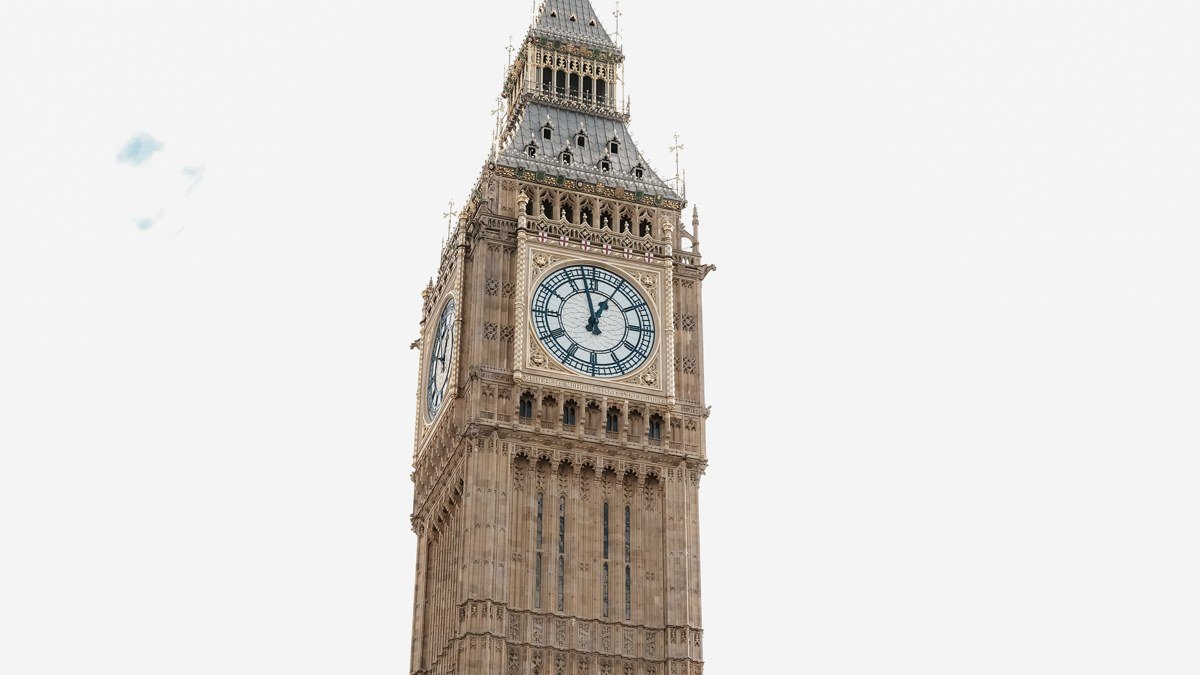
Drop your bags, then do one thing well. My pick: walk the South Bank from Westminster Bridge to Borough Market. You’ll get Big Ben, the London Eye, the river, and end at the best food market in the city. Grab a raclette-drenched anything and a coffee.
Dinner: just off the market, Roast overlooks the trading floor and does exactly what a first-night-in-England meal should — proper roasts, pies, and Yorkshire puddings, with a menu built around British produce. If you’d rather something looser and cheaper, The Market Porter across the street is a proper Borough pub with cask ales and a plate of fish and chips that sets the tone for the week. If you based yourself around King’s Cross instead, The Lighterman at Granary Square does modern pub food overlooking the canal, ten minutes from your bed. Then turn in early.
Insider tip: book accommodation near King’s Cross / St Pancras for the whole London leg. Every train in this itinerary — to Oxford, to York, back from York — is easiest from here or Paddington, and you’ll thank yourself when you’re wheeling luggage at 7am.
Day 2 — Oxford, then collect your car
Take a morning train from Paddington to Oxford (about 1 hour, ~£15–28 if booked ahead). Leave your big luggage at your London hotel if you’re returning, or carry it — Oxford has left-luggage at the station.
Oxford is the perfect hinge between city and countryside. Spend the morning here:
- Radcliffe Camera and the surrounding square — the single most photographed spot in the city.
- Bodleian Library courtyard (free to wander; tours bookable).
- Bridge of Sighs on New College Lane.
- Climb the University Church of St Mary the Virgin tower for the rooftop view (~£6).
Have lunch at a pub — the Turf Tavern, tucked down an alley, is a genuine 13th-century one, not a tourist reconstruction.
Then collect your rental car in the early afternoon. Pick up in Oxford rather than at the airport — you avoid driving in London entirely, which is the smartest decision in this whole plan. Enterprise and Europcar both have city branches.
If you ignore this and drive from London anyway: central London now sits inside both the Congestion Charge zone (£15/day) and the Ultra Low Emission Zone (ULEZ, £12.50/day). An older or non-compliant hire car can therefore cost you £27.50 a day before you’ve moved an inch — checked and charged automatically by number-plate cameras. Collect in Oxford and skip the lot.
Drive an hour into the Cotswolds and check into your base for the next two nights. I recommend Stow-on-the-Wold or Chipping Campden — both are central, walkable, and have real pubs rather than just tearooms. In Stow, The Porch House bills itself as one of England’s oldest inns (parts date to the 10th century) and has characterful low-beamed rooms above a good restaurant; in Chipping Campden, The Eight Bells is a 14th-century pub-with-rooms right on the high street — book either well ahead in season.
Driving warning: Cotswold lanes are single-track with passing places, hedged on both sides. Get the smallest car you can tolerate. A full-size SUV in these lanes is a genuine liability.
Day 3 — The Cotswolds core loop
This is the day people come for. Here’s a worked itinerary you can copy directly:
8:30 am — Bibury. Go early. Arlington Row — the row of weavers’ cottages — is the Cotswolds postcard, and by 10:30 it’s mobbed by coach tours. At 8:30 you’ll have it nearly to yourself, with the morning light hitting the stone. Twenty minutes and you’ve got the shot.
9:30 am — Coln valley drive. Meander through Coln St Aldwyns and Bibury back roads. This is scenery, not stops.
10:30 am — Bourton-on-the-Water. Nicknamed “the Venice of the Cotswolds” for its low bridges over the River Windrush. Charming but the busiest village on the route — get in and out before midday.
12:00 pm — The Slaughters. Lower Slaughter and Upper Slaughter are a mile apart, connected by a footpath along the river. Park in Lower Slaughter, walk between them. This is the quiet, dreamy Cotswolds — old mill, clear stream, almost no crowds. Lunch at a village pub or picnic by the water.
2:30 pm — Stow-on-the-Wold. Antique shops, the famous north door of St Edward’s Church flanked by ancient yew trees (it looks like a hobbit door — hugely Instagrammed). Coffee and a sit-down.
Late afternoon — Broadway. A broad, elegant high street. If you’ve energy, drive up to Broadway Tower for panoramic views across the escarpment.
Back to base for dinner. You’ve seen the greatest hits without rushing.
Insider tip: the villages are all within 20–30 minutes of each other. Don’t over-plan the timings — the joy is stopping when a view demands it. Keep coins/card for the small pay-and-display car parks (£2–4).
Day 4 — Cotswolds to York
Here’s your honest trade-off:
Option A — Drive the whole way. Return the car isn’t necessary if your hire allows it; drive Cotswolds → York (about 3.5–4 hours up the M40/M42/M1/A1). Pros: flexibility, one final morning in a village. Cons: you’re paying for the car and returning it in York (one-way drop fees can be £50–150 — check first).
Option B — Drop the car, take the train. Return the car in Oxford or Cheltenham mid-morning, train to York via London or Birmingham. Cons: backtracking, more faff with luggage. Pros: no long drive, no one-way fee.
I’ve done both. Option A wins if you’re two or more people — the one-way fee splits down and the freedom is worth it. Option B wins for solo travellers who’d rather nap than drive the M1.
Either way, spend the first half of the morning in Chipping Campden (the most beautiful high street in the region, in my opinion) before you leave.
Aim to reach York by late afternoon. Check into accommodation inside or just outside the city walls — York is compact, and you want to be walking distance from the Minster. The Bloomsbury on Bootham and 23 St Mary’s guesthouse both sit a few minutes’ walk inside the walls, quiet but central; either puts you at the Minster in under ten minutes on foot.
Day 5 — York on foot
York is England’s best-preserved medieval city and a total contrast to the pastoral Cotswolds. Everything’s walkable.
Morning:
– York Minster — one of Europe’s largest Gothic cathedrals. Go at opening (~9:30). Pay the extra to climb the central tower (275 steps, timed tickets) for the view over the red roofs.
– Wander the Shambles — the narrow medieval street with overhanging timber buildings, said to have inspired Diagon Alley. Same rule as Bibury: go early, before the Harry Potter shop crowds arrive.
Afternoon:
– Walk the City Walls — the most complete in England, roughly 2 miles, free. The stretch from Bootham Bar to Monk Bar gives you the classic view of the Minster over the rooftops.
– JORVIK Viking Centre if you like the Viking history, or the York Castle Museum for Victorian recreations. Book JORVIK online a day ahead (£13.50) — it sells out in summer and the walk-up queue can swallow an hour.
– End with a drink in a snickelway (York’s word for its tiny alleys) pub.
Insider tip: book a free Association of Voluntary Guides walking tour — they leave from Exhibition Square and are led by locals who know the city cold. Best orientation you can get, and genuinely free (tip if you want).
Day 6 — The coast: Whitby and Robin Hood’s Bay
This is the day that completes the trilogy — countryside, medieval city, and now the coast.
Whitby is a working fishing town with a dramatic ruined abbey on the clifftop (the one that inspired Bram Stoker’s Dracula). The harbour, the 199 steps up to St Mary’s Church, the fish and chips — it’s the coastal aesthetic you came for.
Getting there is the catch. Whitby isn’t on a fast line. Options:
- Train + connection: York to Whitby involves a change and takes ~1.5–2 hours. Doable but check times carefully — services are limited.
- Guided day tour from York: several run to the North York Moors and Whitby, often via the Goathland area (the “Hogsmeade” steam railway station). Easiest, ~£40–55.
- Rent a car for the day if you dropped yours — about 1h15 drive, and lets you add Robin Hood’s Bay, a tumbling village of cottages down to a smugglers’ cove that you genuinely cannot reach easily without a car.
My pick: if you can, drive — and drive it for the road itself, not just the destinations. Taking the A169 over the North York Moors (rather than the faster coastal approach) lifts you onto open heather moorland that turns purple in late August, past the Hole of Horcum viewpoint where the road drops into a vast natural amphitheatre. A slightly slower alternative runs through the honey-stone village of Hutton-le-Hole and across Blakey Ridge — this is the drive a tour bus can never give you, and it’s the single strongest argument for having your own car on this day. Robin Hood’s Bay at low tide, with the village stacked above the beach, is one of the most photogenic places in England and gets a fraction of Whitby’s crowds. Check tide times before you go — you want low tide for the rock pools and the sand.
Eat fish and chips. The Magpie Café in Whitby is famous but has legendary queues; for a shorter wait and just-as-good fish, walk five minutes to The Quayside on Pier Road (a former national fish-and-chip-shop award winner) — locals will happily point you to either. Back to York in the evening.
Day 7 — Back to London
York to London King’s Cross is one of England’s best train routes: direct, roughly 2 hours on an LNER service, ~£30–90 depending on how far ahead you book.
Give yourself a proper buffer if you’re flying out the same day. From King’s Cross, the Piccadilly line or Elizabeth line gets you to Heathrow in about an hour. Do not book a flight before mid-afternoon — a delayed train shouldn’t cost you your plane.
If you have a few morning hours in York, revisit the walls with a coffee. It’s a lovely way to end.
Common mistakes (that I’ve made so you don’t have to)
Renting the car in London. Driving out of central London is stressful, and the Congestion Charge and ULEZ (£27.50/day combined for a non-compliant car) add up fast. Take the train to Oxford and collect there.
Underestimating the Cotswolds-to-York drive. It’s genuinely 4 hours with a stop. Don’t plan a full sightseeing morning and the drive and York sightseeing in one day. Split it.
Not booking trains in advance. UK train fares are dynamic. The same York-to-London seat can be £30 booked three weeks out or £110 on the day. Use trainline.com or LNER’s own site and book as soon as your dates are firm. Split-ticketing (via apps like Split My Fare) can shave off more.
Arriving at the honeypot villages midday. Bibury, Bourton, and the Shambles are transformed by coach tours between 10:30 and 3:30. The magic is 8–10 am and after 5 pm.
Ignoring tide times on the coast. Robin Hood’s Bay and much of the Yorkshire coast look completely different at high tide. A five-minute tide-table check makes or breaks the day.
Packing for one England. The Cotswolds and York can be 10°C and drizzly even in July. Pack in layers you can shed and re-add through a single day — a base layer, a warm mid-layer, and a genuine waterproof shell, not a “water-resistant” one that soaks through in twenty minutes of Yorkshire rain. Add comfortable, already-broken-in walking shoes (you’ll cover miles of cobbles and wet grass) and a small daypack so your layers travel with you rather than getting left in the car. Get this right and no weather cancels your day; get it wrong and one grey afternoon eats a village.
Honest trade-offs
- Fewer regions, more depth. If a week feels tight, cut the coast day and give York two full days, or add a third Cotswolds night. Rushing kills the aesthetic you came for.
- Spring/autumn over summer. March–May and September give you long light, greener hills, and thinner crowds. July–August the villages are packed and rooms cost about 30% more.
- Driving vs. not. The Cotswolds without a car means a guided small-group day tour from Oxford or Moreton-in-Marsh — a decent fallback, but you’re on someone else’s clock and miss the golden-hour villages.
Your actionable next step
Before anything else, lock in two train legs and one car reservation today: Paddington→Oxford (Day 2), York→King’s Cross (Day 7), and an Oxford car pickup for two days. Those three bookings anchor the entire trip — everything else can flex around them, and booking early is where the real savings and the calm mornings come from.