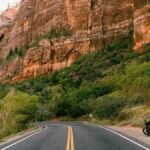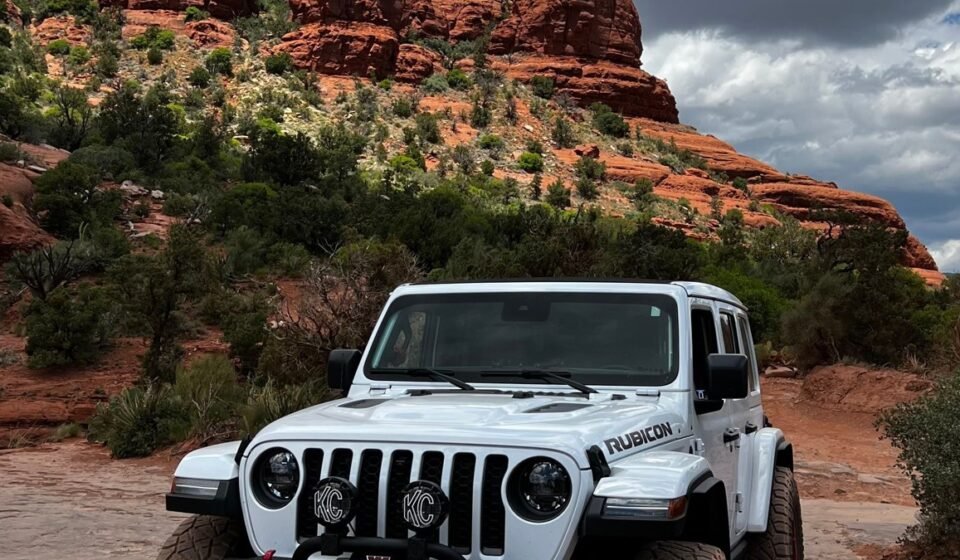

Cathedral Rock at last light looks like something a painter invented. White Sands at the same hour looks like the surface of another planet that happens to be a two-hour drive from El Paso, Texas. Both are real, both are in the American Southwest, and both reward showing up at the right minute more than almost any other landscape in the country. This list sorts nine of the best sunset spots across Sedona, Arizona and White Sands, New Mexico into three tiers, from the pullout you can hit on a weekend with zero planning to the trip that needs a permit, a full tank of gas, and a little patience.
Tier one suits first-timers and anyone road-tripping through on the way to somewhere else. Tier two suits people who’ve already done the easy version and want the shot without the crowd standing in it. Tier three is for the traveler willing to build a whole trip around one specific hour of light.
Easy wins (a weekend, no planning)
Airport Mesa, Arizona
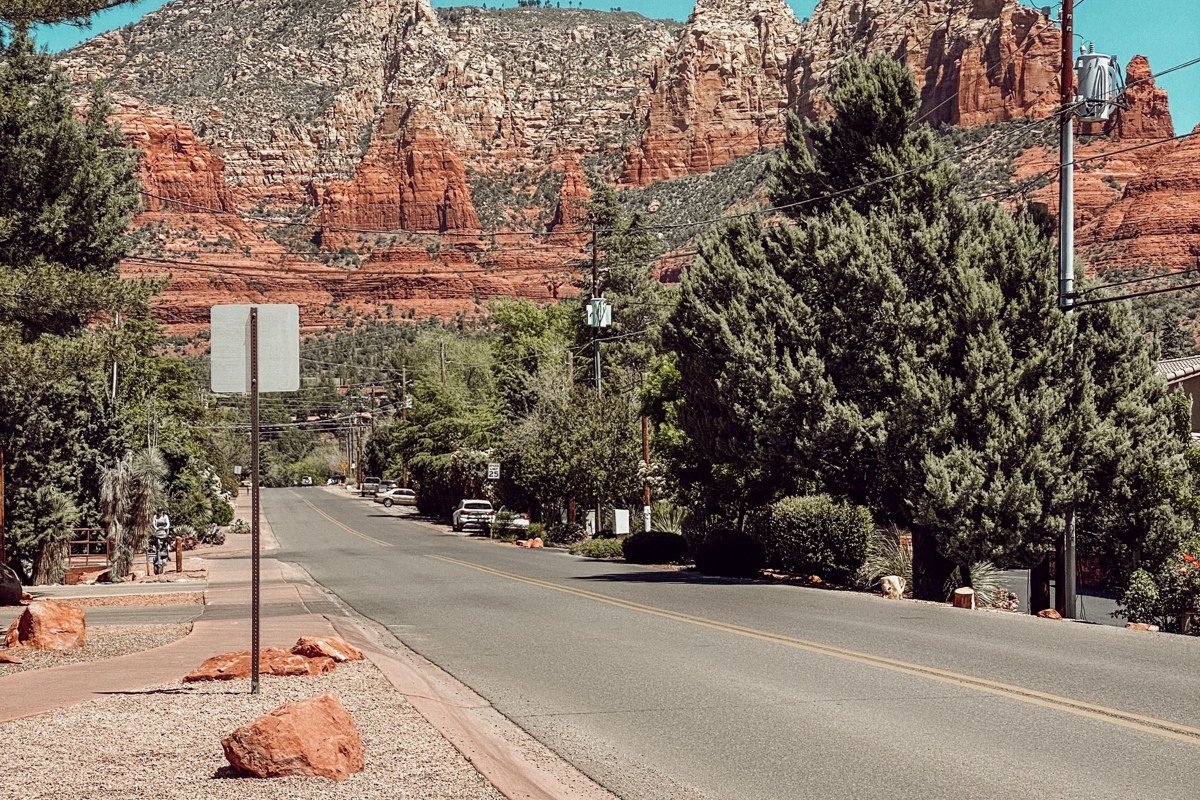
This is the sunset spot every Sedona local will tell you about, because it’s the one you can actually park at. The overlook sits just off the road up to Sedona’s small airport, and the red rocks around it, Capitol Butte, Coffee Pot Rock, catch the last light in deep orange and rust tones that show up even on a phone camera. There’s a small vortex site on the hill above the main overlook if you want a short scramble away from the crowd.
Effort: 10 minutes from downtown Sedona, paid lot fills by late afternoon in high season, no hike required.
Chapel of the Holy Cross, Arizona
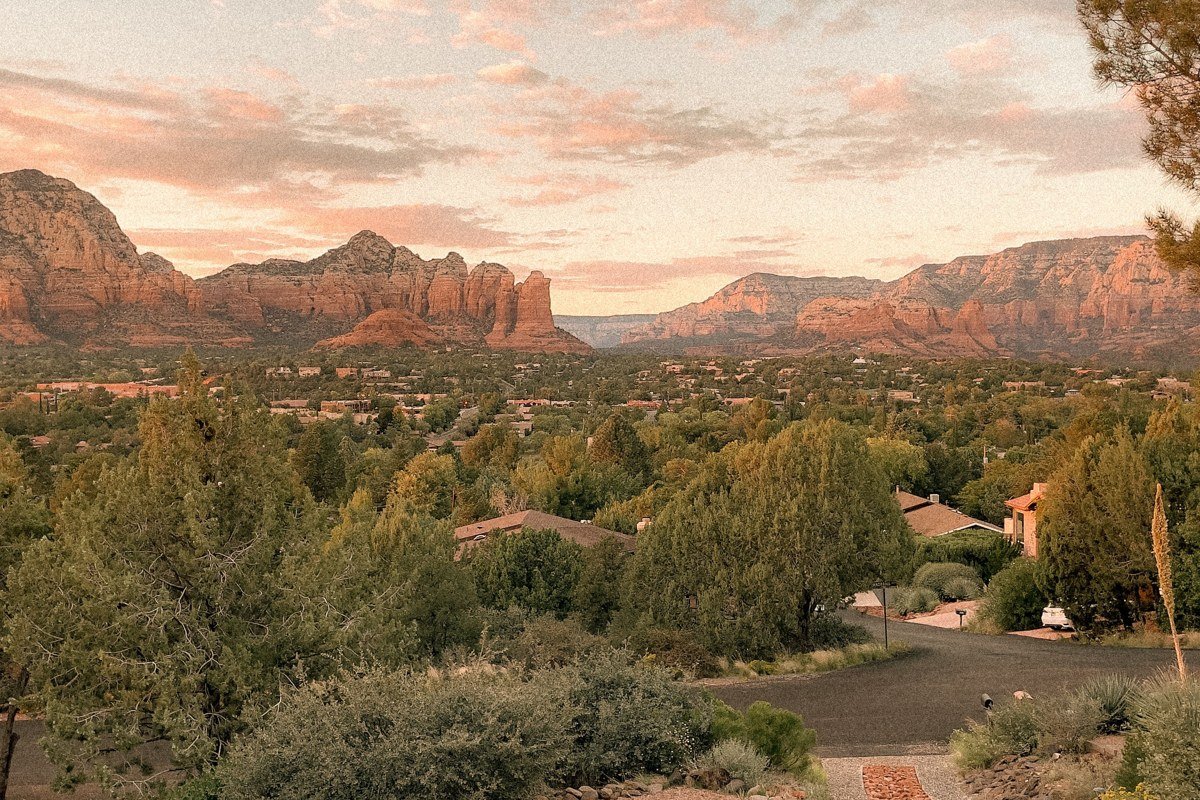
Built directly into the red rock cliffs off Chapel Road, this is one of Sedona’s few historic sights with a view that beats most natural overlooks anyway. Sunset light comes in low across the valley and hits the rock the chapel is set into, not just the building itself. It’s a working chapel, so keep the visit quiet and brief if there’s a service.
Effort: 15 minutes from downtown, short paved walk from the parking area, free.
White Sands Dune Field Boardwalk, New Mexico
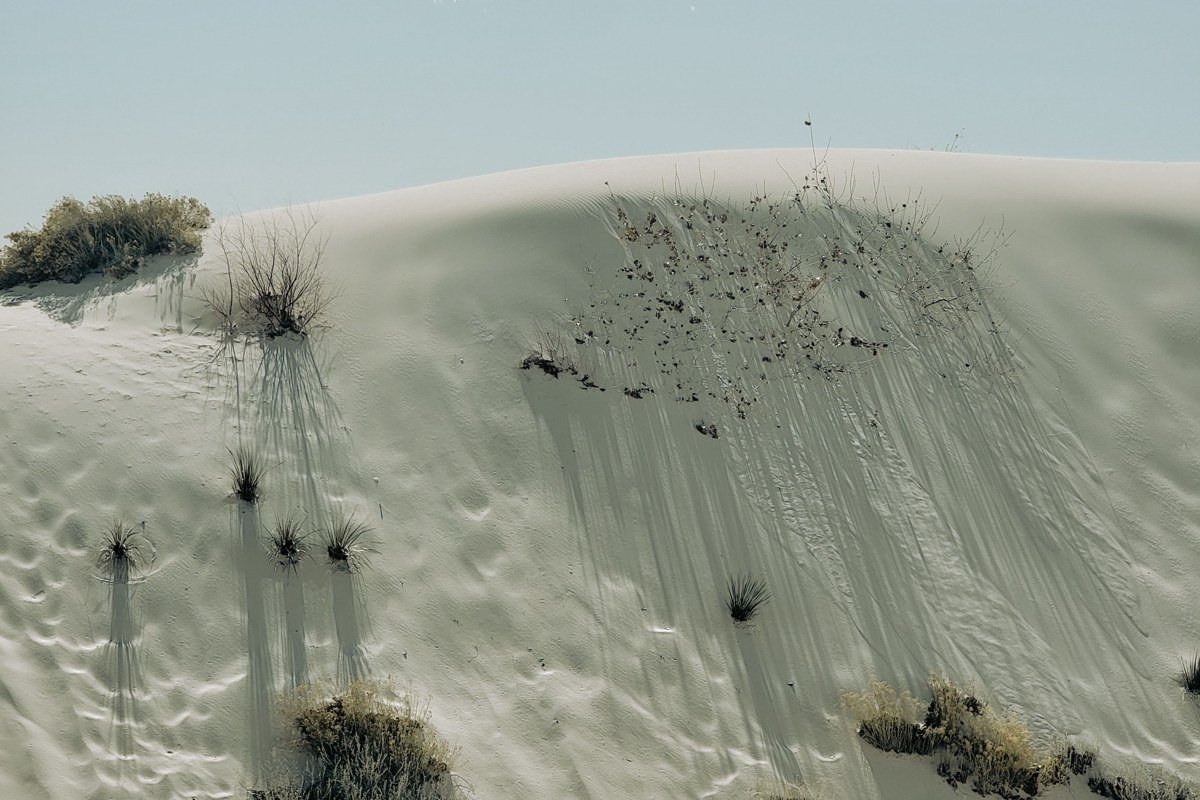
The boardwalk is White Sands’ easiest introduction, and it’s also where the gypsum sand goes from blinding white to soft pink and lavender as the sun drops. It’s accessible, it’s short, and the payoff is a dune field that stretches to the horizon with no vegetation breaking the surface. Entrance is $25 per vehicle (valid seven days), and the park’s posted hours matter here: the entrance gate and Dunes Drive close at a set time that shifts with the season, and rangers do enforce it.
Effort: 15 miles from Alamogordo, paved road in, boardwalk is fully accessible, entrance fee applies but no separate permit for this section.
Worth the drive
Cathedral Rock via the Yavapai Vista side, Arizona
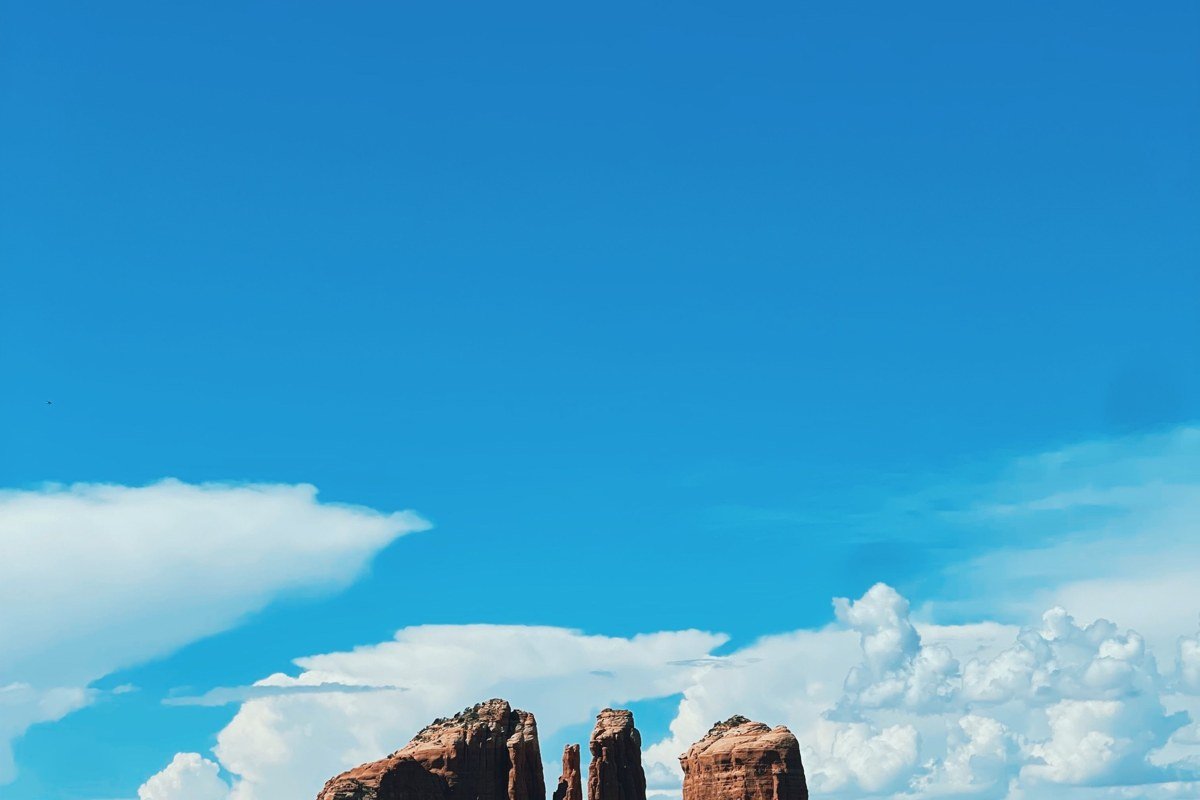
Cathedral Rock is the single most photographed formation in Sedona, and for good reason: the spires catch direct sunset light while Oak Creek, when it’s running, gives you a reflection shot below. The main saddle hike gets crowded and requires scrambling over slick rock, so most people skip the summit and shoot from the Crescent Moon Ranch side instead, where the creek does the work. A Red Rock Pass is required for parking at most trailheads here: $5 for a day pass, $15 for a week, sold at the visitor center on Forest Road or at self-serve stations at the lots.
Effort: 20 minutes from downtown, 0.5 to 1.2 miles depending on which access point, Red Rock Pass required for parking.
Palatki Heritage Site, Arizona
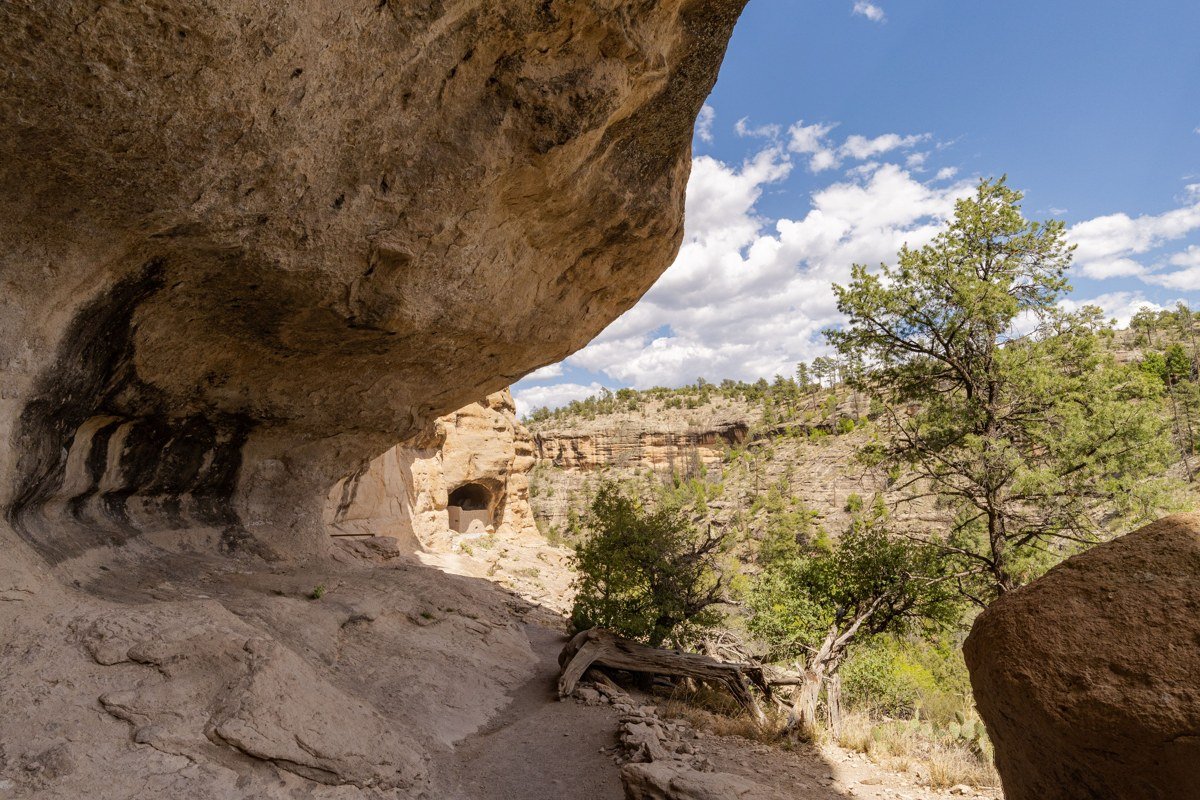
Fewer visitors ever make it here, which is the point. Palatki is a Sinagua cliff dwelling and rock art site dating back roughly 800 years, tucked into the Coconino National Forest west of town. It’s open 9:30 a.m. to 3 p.m. daily, so you’re not chasing sunset light on-site, you’re using the golden-hour drive out on unpaved Forest Road 525 as the payoff instead. Reservations are required; call the Red Rock Ranger District at (928) 282-3854 or book through recreation.gov, since the site caps visitor numbers to protect the pictographs and petroglyphs.
Effort: 30 minutes from downtown on a rough forest road, reservation required by phone or online before 3 p.m. site closure, high-clearance vehicle helpful after rain.
Sunset Point, White Sands, New Mexico
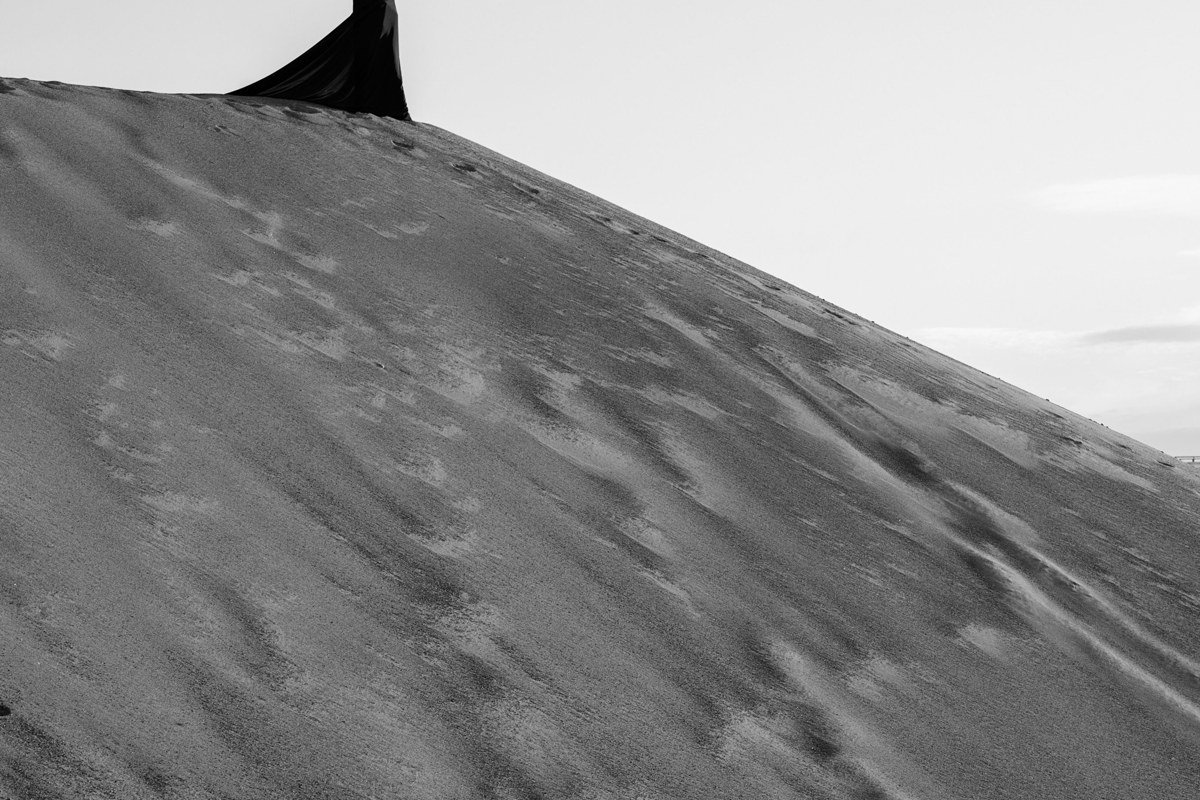
Past the boardwalk crowd, Sunset Point earns its name honestly. The dunes here roll out with less foot traffic, and the shadows stretch long and blue across the white gypsum as the sky turns orange behind the Organ Mountains to the east. This is where photographers set up tripods, because the light-to-crowd ratio beats the main boardwalk by a wide margin.
Effort: About 8 miles down Dunes Drive from the entrance, short walk off the pullout, covered by the standard $25 park entrance fee.
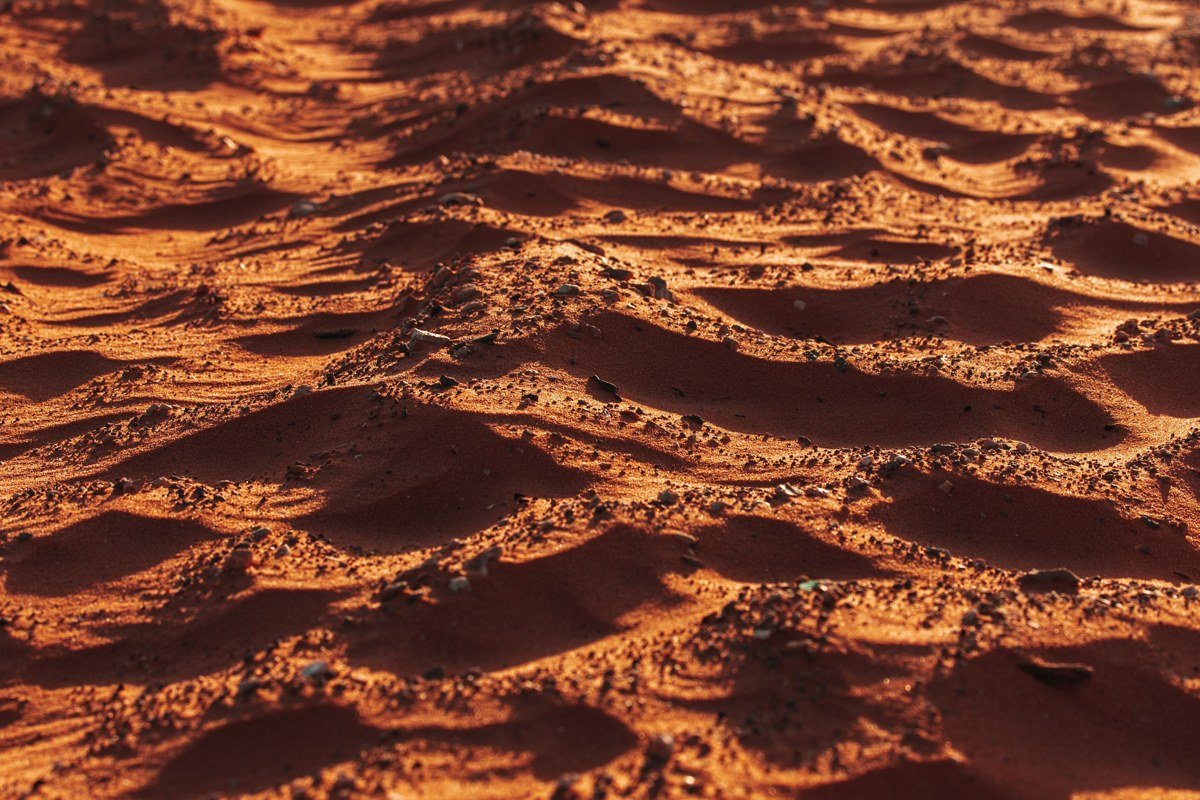
Earn it (long haul, big payoff)
Devil’s Bridge, Arizona
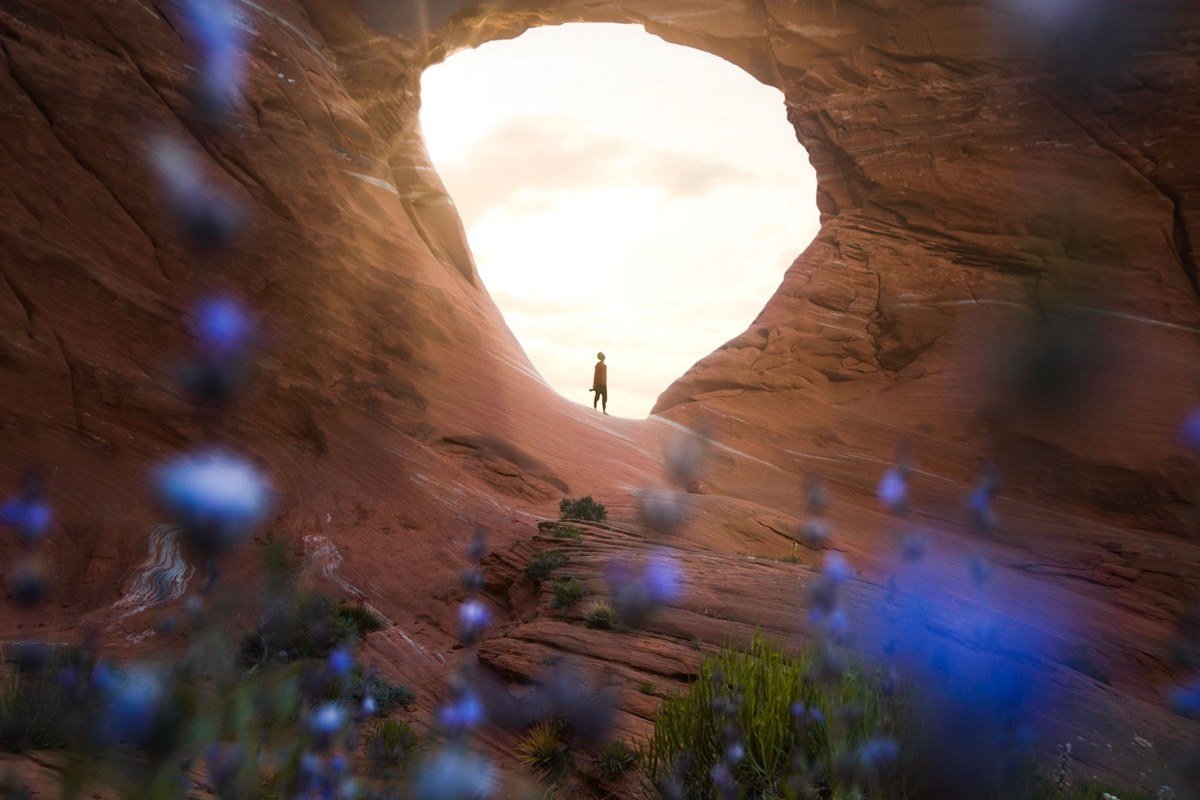
Devil’s Bridge is Sedona’s largest natural sandstone arch, and standing on it as the sun drops behind Capitol Butte is the shot everyone’s Pinterest board is chasing. The catch is that it’s genuinely popular now, the unpaved access road to the trailhead is rough enough that most rental cars shouldn’t attempt it, and the last stretch to the arch itself involves an exposed scramble that gets slick with any moisture. Park at the Mescal trailhead and walk in if you’re not driving a high-clearance 4×4.
Effort: 4.2 miles round trip if walking from Mescal trailhead, steep final scramble, arrive at least 90 minutes before sunset to beat the line for the photo spot.
Alien Throne, White Sands, New Mexico
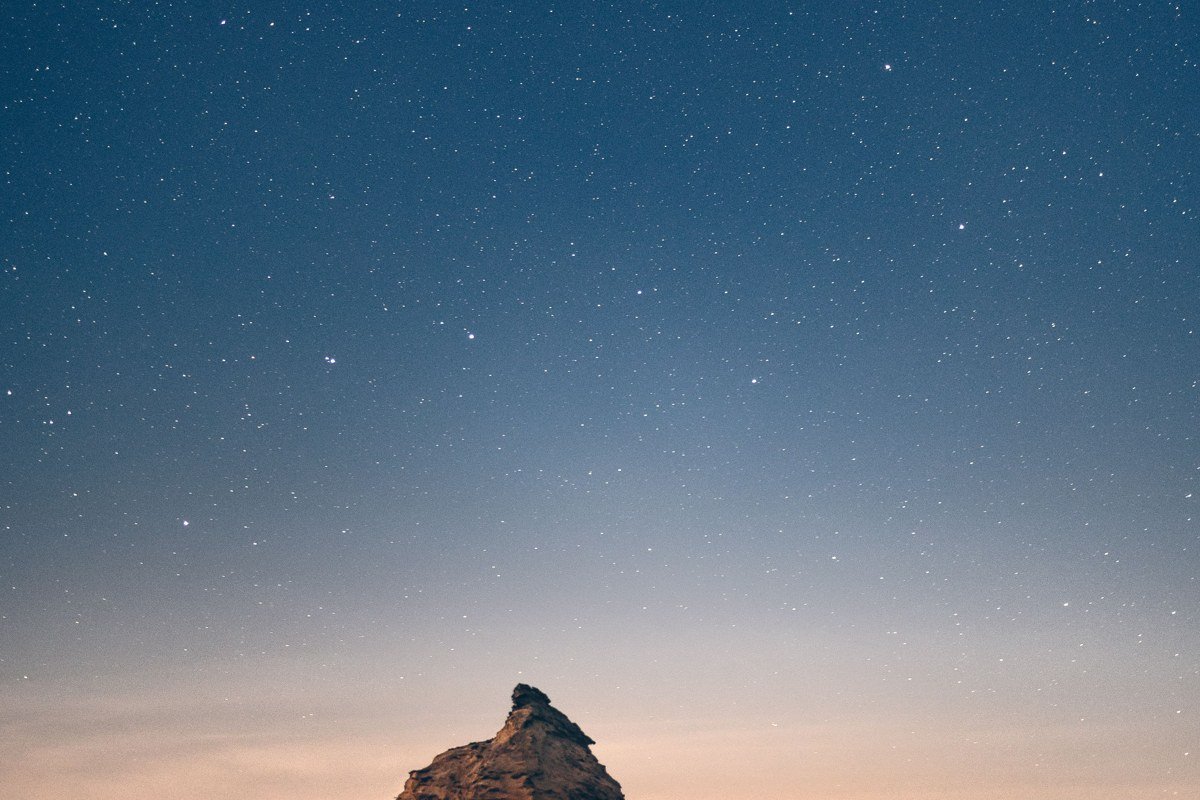
This one requires actually walking into the backcountry camping loop, away from Dunes Drive entirely, to a spot dune photographers nicknamed for its throne-like shape. Getting there for sunset means timing your hike so you’re not navigating soft sand in the dark on the way back, and the park’s shifting dunes mean there’s no fixed trail, just a GPS point and dead reckoning between yucca and dune crests. Do this one with a headlamp, water, and a fully charged phone.
Effort: Roughly 2 miles one-way through the backcountry camping area, no marked trail, backcountry permit required if you’re staying past sunset.
Cottonwood Point Overlook via AZ 89A, Arizona
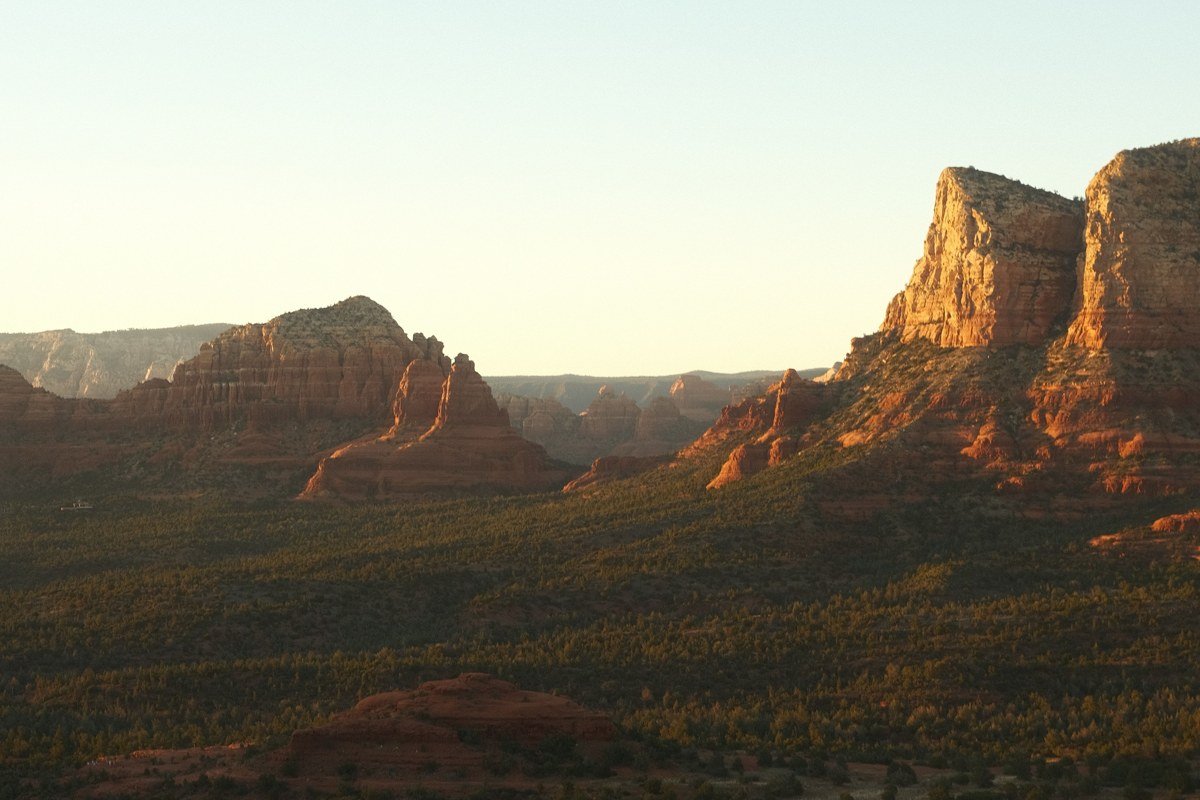
Most visitors drive AZ 89A between Sedona and Cottonwood without stopping, which is the mistake. Pull off at the marked scenic overlook near mile marker 365, where the canyon walls catch late light in layers, mesa behind mesa, and there’s almost nobody stopping compared to the in-town overlooks. It only really earns “long haul” status if you’re combining it with the Flagstaff or Phoenix drive, timing your arrival in Sedona for last light instead of midday, then working backward from there.
Effort: 20 miles of two-lane canyon road, worth planning as a deliberate detour rather than a quick stop, no facilities at the pullout.
If you’ve done the easy tier, the move for next time is simple: trade the paved overlook for the one with a permit or a rough road attached. Grab a Red Rock Pass on the way into Sedona instead of settling for the free pullouts, call ahead for Palatki, and build your White Sands afternoon around Dunes Drive’s actual closing time rather than showing up and hoping. Sedona’s best months for all of this are spring and fall, when daytime heat is manageable and afternoon storms haven’t rolled in yet; summer sunset shoots are gorgeous but you’ll be shooting in triple digits until the sun actually drops. White Sands runs on Mountain Time, an hour behind Sedona’s Arizona time in most of the year, since Arizona doesn’t observe daylight saving. Check both before you plan a same-day sunset in one and sunrise in the other.