
Eastern Scotland does not get the Pinterest treatment it deserves. While everyone scrambles for the same Glencoe shot, a string of coastal and farming villages along the eastern seaboard sits quietly photogenic, unhurried, and almost entirely free of tour buses. These are the fairy-tale villages that reward the traveler who has already done the Highland checklist and is ready for something stranger and more intimate: think of a village so narrow that residents ferry their shopping by wheelbarrow, or a harbourside pub where the decor has not shifted since the film crew left in 1983. The nine entries below are that kind of place.
1. Pennan, Aberdeenshire
Pennan is the kind of place that makes you stop the car and question whether it is real. A single row of white-painted cottages is pressed between a red sandstone cliff and the North Sea, with almost no road, no buffer, and nowhere to go except the pub or the water. The village became briefly famous as a filming location for Local Hero in 1983, and the red telephone box from that film still stands on the harbour wall. The pub interior has barely changed since the production wrapped, which tells you something accurate about the pace of change here. Walk the harbour at low tide when the boats are beached on pebbles and the cliff catches the late afternoon light. Come on a weekday in May or September: summer weekends bring just enough day-trippers to break the spell, and the single-track road down from the clifftop is harrowing if you meet a campervan coming the other way.
Skip if: driving the full Aberdeenshire coastal route in a single day. Pennan’s road access alone costs forty minutes of concentration, and Crovie (entry 5) delivers a comparable drama with easier parking above the village.
2. Cromarty, Black Isle Peninsula
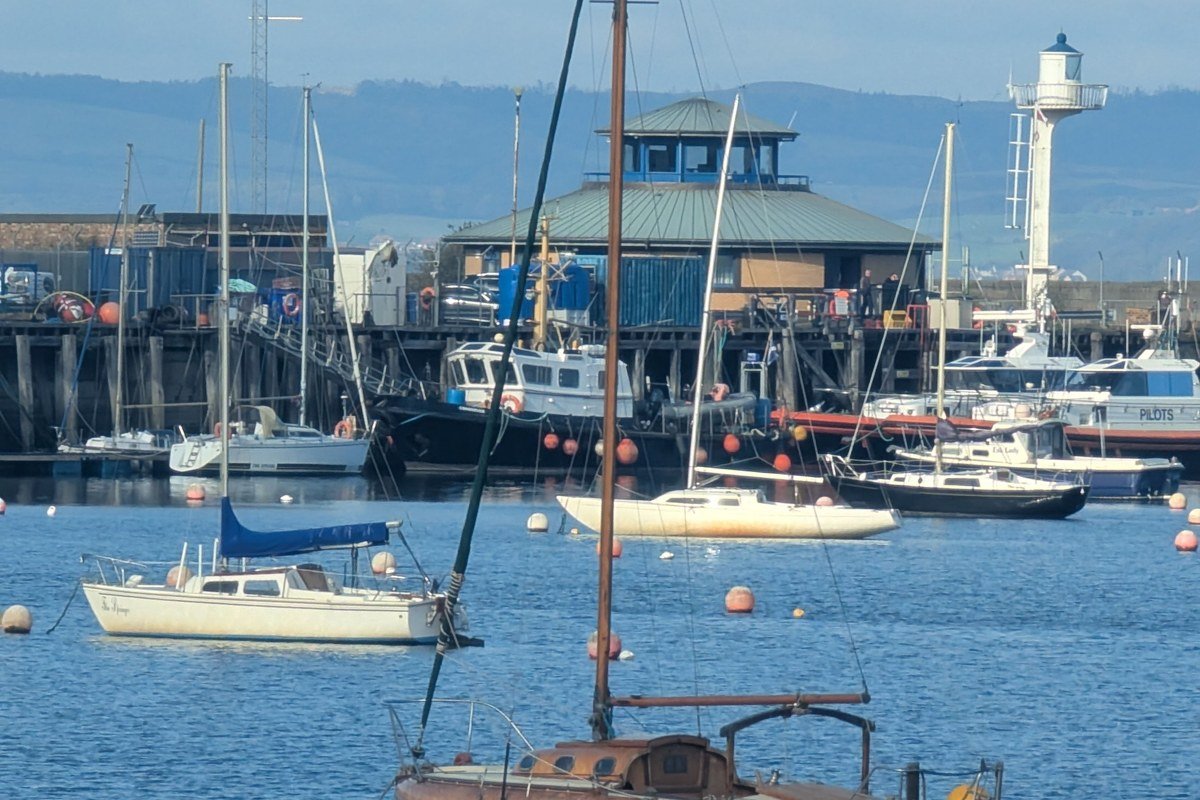
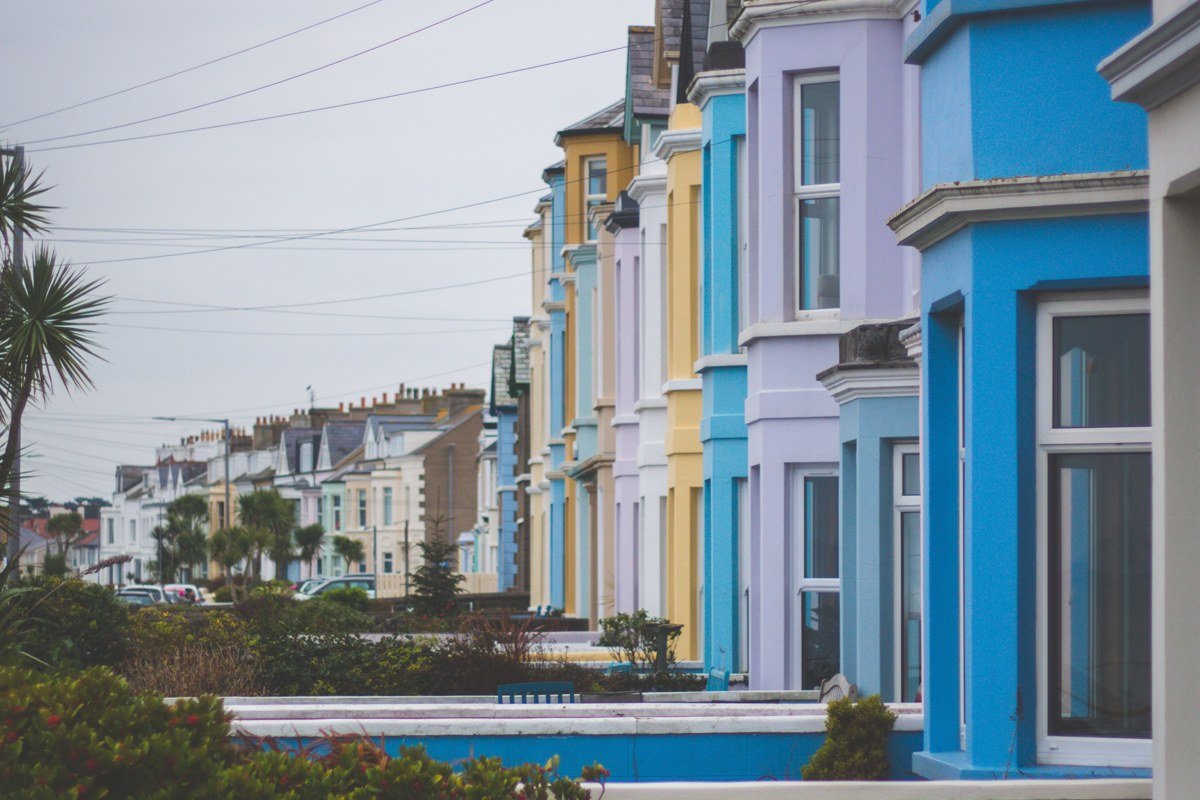
Cromarty sits at the tip of the Black Isle (a peninsula, not an island, a fact locals enjoy pointing out) and packs more architectural coherence into its small footprint than most Scottish towns manage at ten times the size. Georgian merchant townhouses in deep ochre and slate blue line the high street, and the old courthouse is so well preserved it looks like a film set. The Cromarty Firth is one of the most reliable places in Scotland to spot bottlenose dolphins from the shore, particularly off the South Sutor headland in the early morning when the tide is running. Peak sighting season runs from May through September; outside those months the pod is present but less predictably close to shore. If shore sightings prove elusive, Dolphin Spirit runs boat trips from Inverness into the firth and offers a reliable alternative with a naturalist on board. This is also a working town with a real bakery, a real butcher, and a ferry that crosses to Nigg in minutes, which makes it feel lived-in rather than curated. Avoid the Easter weekend, when accommodation books out months in advance thanks to a loyal returning crowd who discovered Cromarty before it appeared on any travel list.
3. Footdee (Fittie), Aberdeen
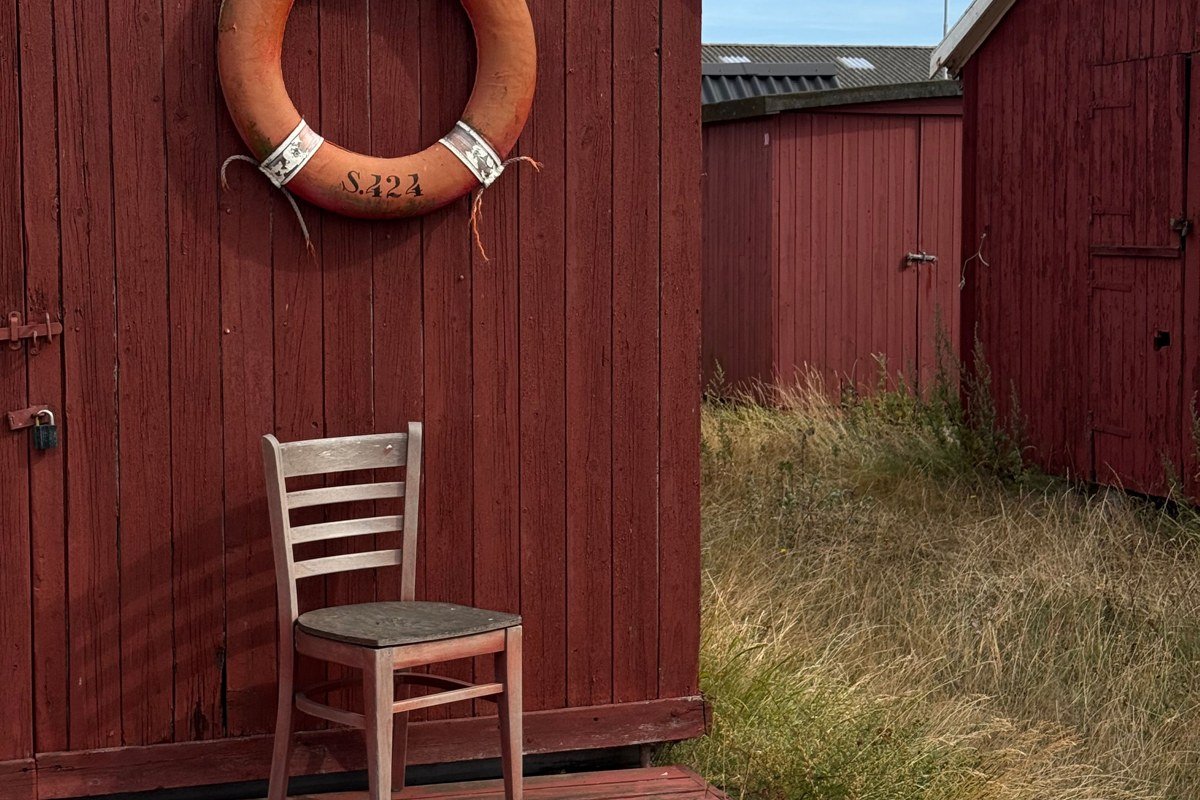
Footdee is technically inside Aberdeen city limits, which is exactly why most visitors drive straight past it on the way to somewhere more obviously scenic. A planned fishing village from the early 1800s, it is built on a grid of two squares filled with cottages that face inward, turning their backs on the North Sea. Each shed and cottage has been painted and personalised by its occupant over generations: there are lobster pots stacked against violet doors, salvaged figureheads mounted on garden walls, and hand-painted signs that suggest rules nobody has enforced for decades. The best shot is from the breakwater at the eastern end, looking back across the squares with the Aberdeen harbour cranes visible in the distance as an honest reminder that this is a working port, not a theme park. Go on a grey morning: the North Sea light here is flat and cinematic in a way that the Instagram golden-hour crowd consistently underestimates.
4. Edzell, Angus
Edzell is a planned village, laid out with Victorian confidence in the 1840s by the Earl of Dalhousie, and the result is a wide, tree-lined high street of red sandstone buildings that feels more like a German spa town than rural Angus. The real draw is Edzell Castle, a short walk from the centre, where the Renaissance walled garden contains sculptured stone panels representing the Liberal Arts, the Cardinal Virtues, and the Planetary Deities, carved directly into the surrounding walls. There is nowhere else in Scotland quite like it, and the garden is rarely crowded even in peak summer. The village high street comes alive in June when the window boxes and hanging baskets are in full bloom. Time your visit for a Tuesday or Wednesday when the castle sees its lowest footfall and the gardens feel privately yours.
5. Crovie, Aberdeenshire
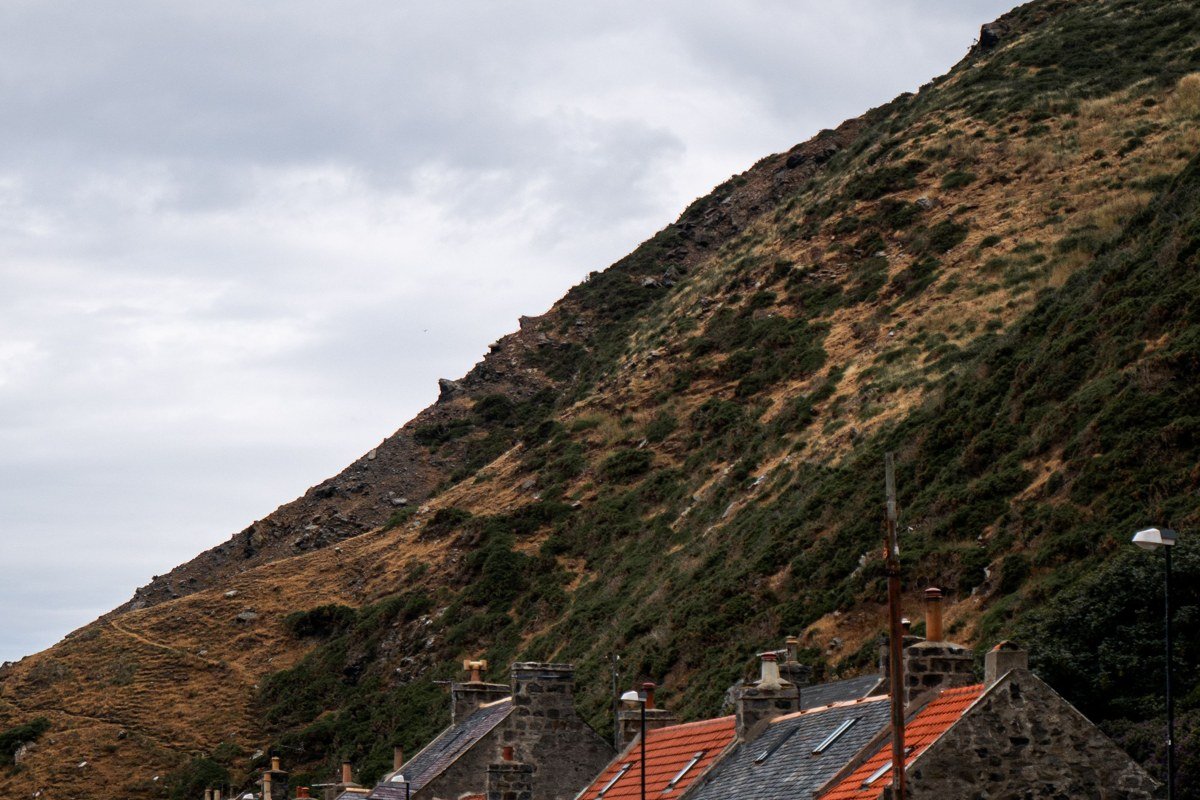
If Pennan is extraordinary, Crovie is almost unreasonable. The village consists of a single row of cottages so close to the sea that residents transport their belongings by wheelbarrow along a narrow footpath because there is no road wide enough for a vehicle. The houses are built gable-end to the water to reduce their profile against North Sea storms, a practical decision that produces one of the most striking architectural silhouettes in Scotland. Most visitors see Crovie from the viewpoint above Gardenstown, and that aerial perspective shows every cottage compressed into a ribbon between cliff and waterline, the sea filling the frame on three sides with no visible margin for error. Walking down into the village on foot gives you the more unsettling and rewarding experience of understanding just how exposed that position is at ground level. The best light falls on the cottages in the late afternoon from the west, and if a storm is coming in from the north, the spray reaching the path makes for dramatic photography provided you have a waterproof bag for your kit.
6. Falkland, Fife
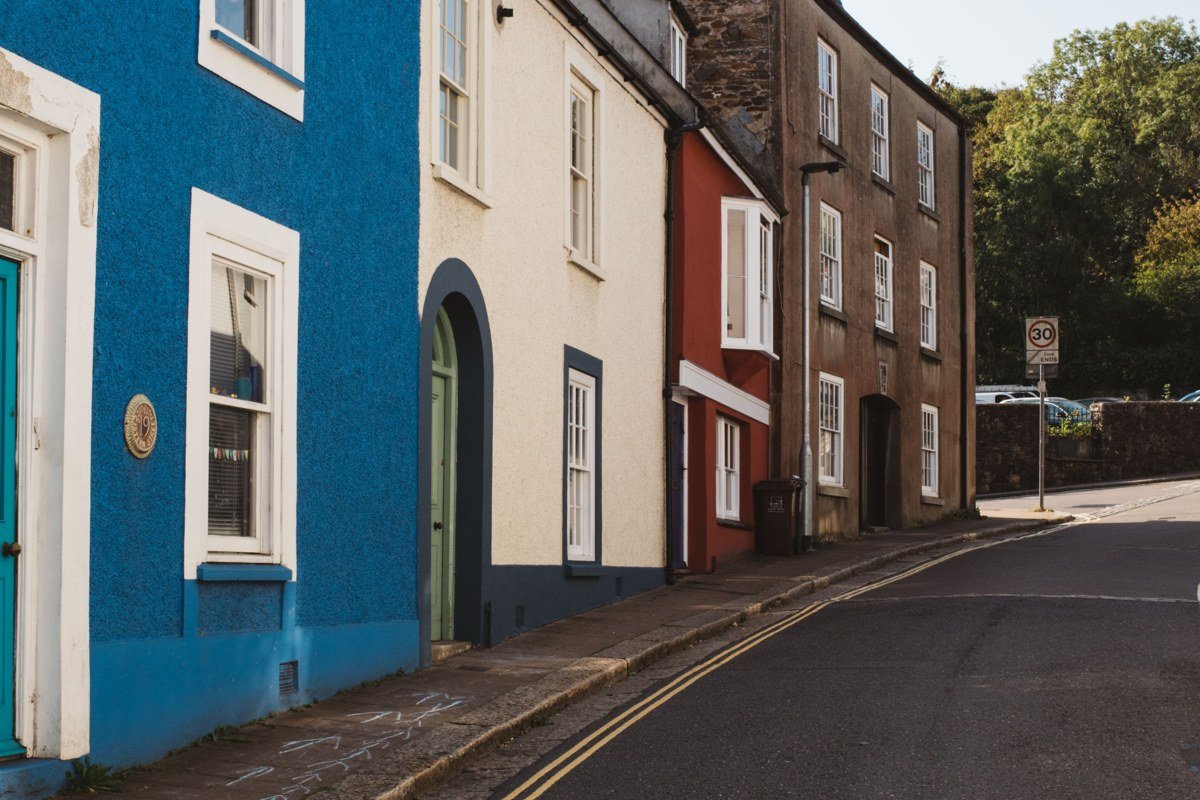
Falkland is the village that keeps appearing in British television period dramas, and once you have walked its main street you understand why without anyone needing to explain. The Royal Palace of Falkland, a 16th-century hunting retreat built for the Stuart monarchs, dominates the centre of town with a Renaissance facade that reads as Continental rather than Scottish, and the village arranges itself around it in cobblestone deference. The shops on the high street include an independent bookshop and a pottery, both occupying buildings listed for their historic character. Outlander fans will recognise several locations from the series, but Falkland rewards the visitor who is not there for that reason: the palace grounds contain what is believed to be one of the oldest real tennis courts still in occasional use in Britain, and visitors can ask at the palace desk about viewing dates, since it is not always open to the public without prior inquiry. Visit on a weekday morning in October when the beech trees on the palace wall turn and the day-tripper coaches have not yet arrived from St Andrews.
7. Crail, Fife
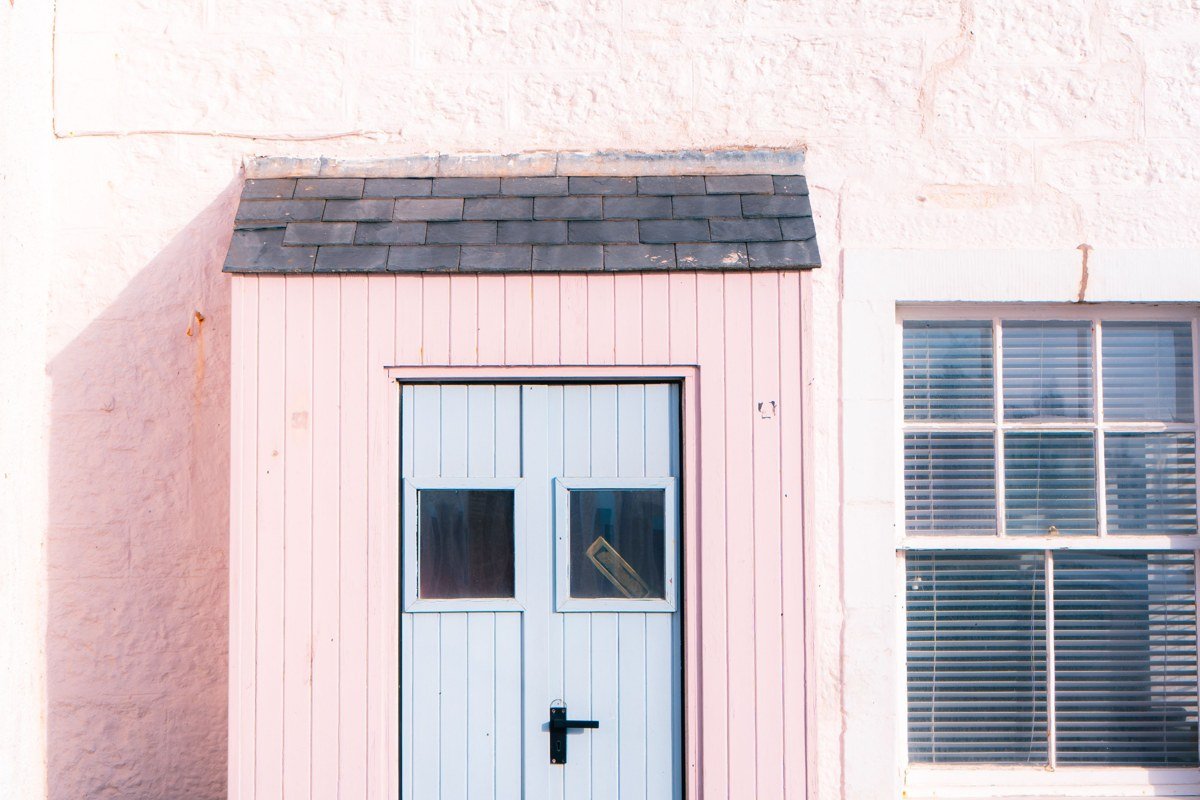
Crail is the most-painted village in Fife and possibly the most-painted harbour in Scotland, which sounds like a reason to skip it and is actually a reason not to. The East Neuk of Fife coastal palette here is specific: red pantile roofs, crow-stepped gables, honey-coloured sandstone, and a harbour that fills with lobster creels and small boats in a composition that painters have been returning to for centuries. The Crail Food Festival in June brings the village to life with fish suppers and local producers, but the village’s real fairy-tale quality is most concentrated in the shoulder months when the harbour is working rather than posing. Buy langoustines directly from the small wooden hut on the harbour wall when it is open: they are boiled to order and eaten standing up on the quay, and there is no better meal available anywhere nearby at any price point. The light is at its sharpest and most golden in September, coming off the water in the late afternoon from the southeast.
8. Kirriemuir, Angus
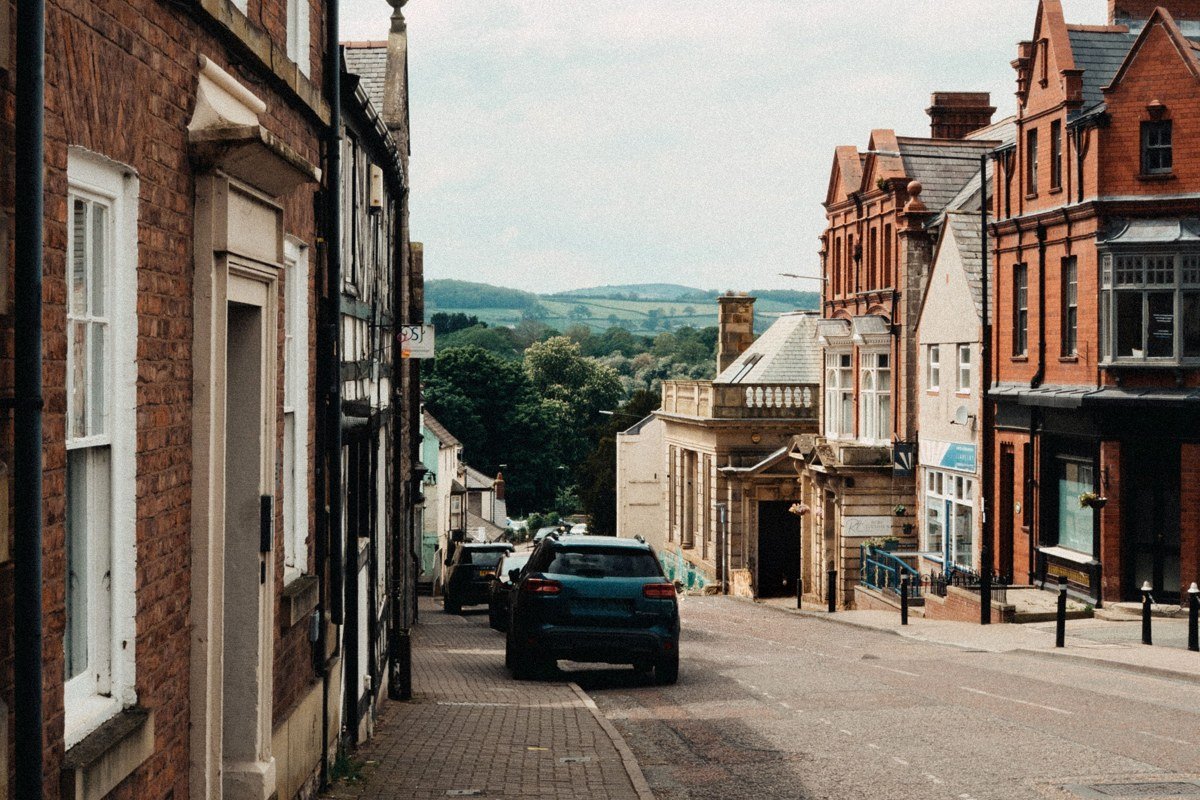
Kirriemuir is the birthplace of J.M. Barrie, the author of Peter Pan, and the town wears this fact quietly rather than turning it into a commercial operation. The small red sandstone house on Brechin Road where Barrie was born is run by the National Trust for Scotland and remains domestic in scale, with the communal washhouse behind it that Barrie used as his first theatre as a child. The streets climbing up from the square are steep and narrow enough to feel medieval, and there is a small camera obscura on the hill above town, gifted by Barrie himself, that still functions. Inside, a rotating lens projects a live image of the surrounding countryside onto a white concave dish: rooftops, fields, and the occasional passing car rendered in circular miniature, silent and slightly uncanny, as if the town is watching itself from a distance. Visit in late April when the surrounding Angus farmland is still green and the hills have not yet lost their drama to summer haze.
Skip if: J.M. Barrie holds no particular interest and you are short on time. The camera obscura alone justifies a stop for the curious, but Edzell (entry 4) offers comparable red sandstone character with a more immediately photogenic castle garden.
9. St Monans, Fife
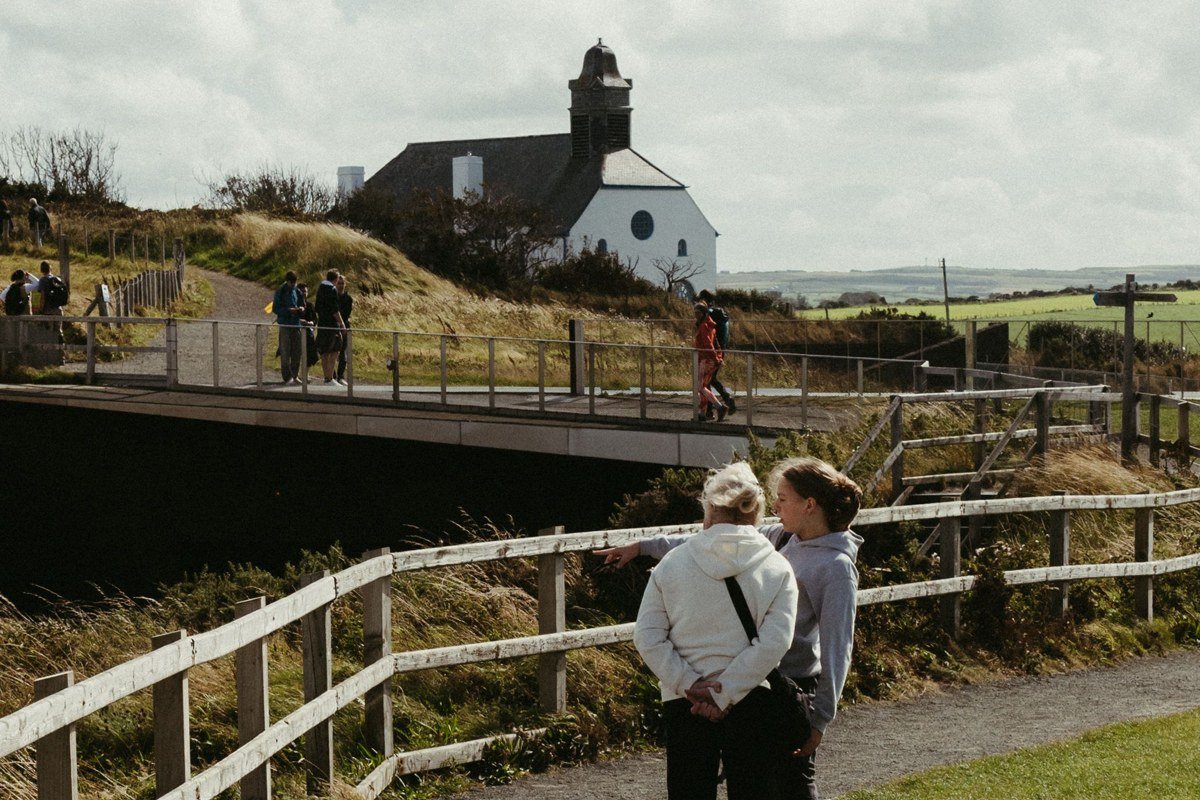
St Monans is the East Neuk of Fife village that photographers who know Crail come to next, and it rewards that extra mile reliably. The 14th-century parish church sits almost directly on the water’s edge, built so close to the sea that salt spray has worn its stone to a texture that no amount of digital processing could reproduce. The village windmill at the western end of the harbour is one of the few surviving salt-production windmills in Scotland, and it sits against the coastal path in a way that reads, in photographs, as completely anachronistic. The walk from St Monans to Elie along the coastal path takes roughly three hours and passes through a landscape that oscillates between open farmland and dramatic cliff edge without any of the usual tourist infrastructure. (Pittenweem, the next village west, is worth an hour for its working harbour and artist studios before you continue to St Monans.) Go in early March before the school holidays arrive: the village is working, the crab boats are out, and the church is sometimes unlocked in the afternoon with nobody else inside.
Practical Takeaway
Eastern Scotland’s fairy-tale villages are not concentrated in one corridor, so plan for at least two base camps: one in Fife and one further north in Aberdeenshire or Angus. For Fife, Anstruther or St Andrews give good access to the East Neuk of Fife villages, including Crail, St Monans, and Falkland. The Spindrift guesthouse in Anstruther, a well-regarded East Neuk address, books up quickly in shoulder season and is worth reserving early. For Aberdeenshire, Stonehaven or Montrose work well for Pennan, Crovie, Footdee, and Edzell. The Tolbooth Hotel in Stonehaven sits above the old harbour and offers a practical northern base with straightforward access to the coastal road. Car hire is essential throughout: public transport reaches some of these places only in summer and on limited schedules.
The shoulder months, April to May and September to October, give the best combination of light, manageable roads, and reduced crowds. Most of these villages have no more than one or two places to stay, so book well in advance rather than assuming availability.
Finally, do not plan for back-to-back village visits in a single day. The distances look modest on a map, but the single-track roads, the coastal path detours, and the tendency to simply stop and stay longer than intended will defeat any tight schedule. Two to three villages per day is the realistic maximum, and one is often enough.