
The scotland highlands aesthetic has been filtered, reposted, and repinned into near-abstraction. The real secret among photographers and slow travellers right now is the Scottish Borders, a broad sweep of moorland, abbey ruins, river valleys, and fog-draped hills that sits just south of Edinburgh and rarely appears on anyone’s itinerary. Same drama, same palette of pewter and green, far fewer people standing in your shot.
1. The Eildon Hills, Near Melrose
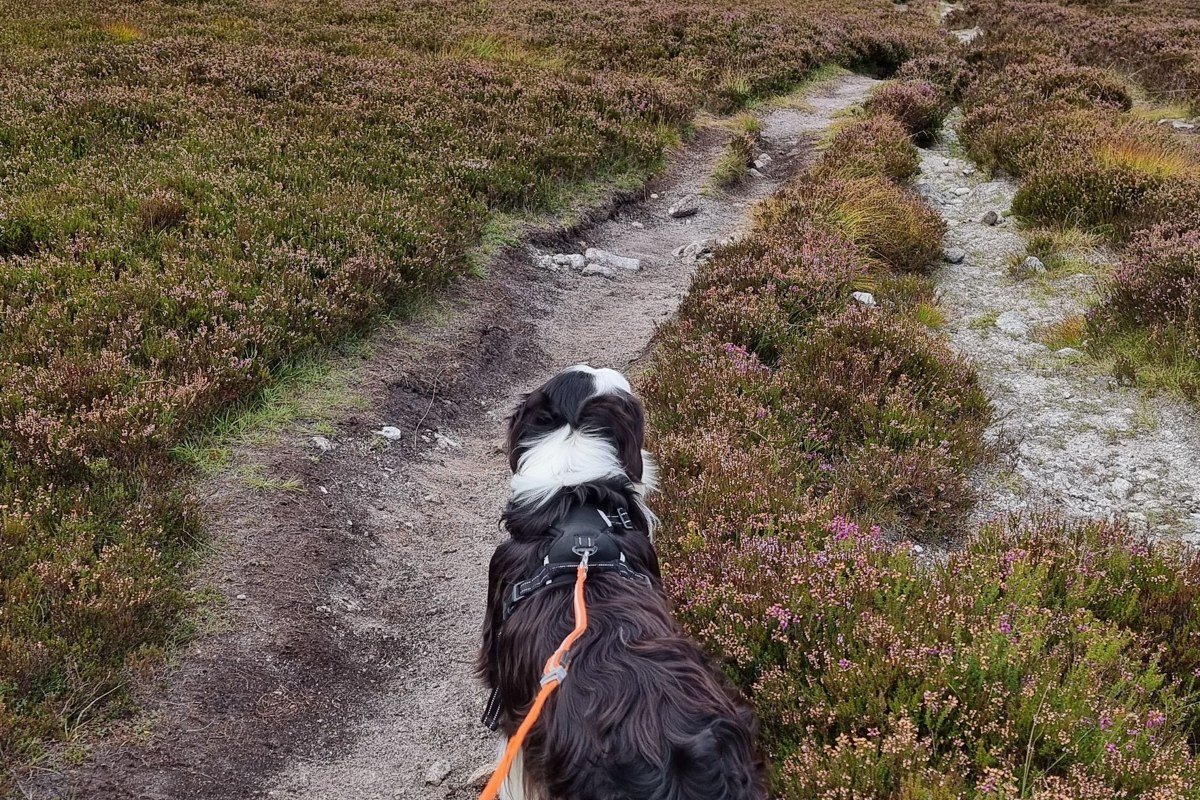
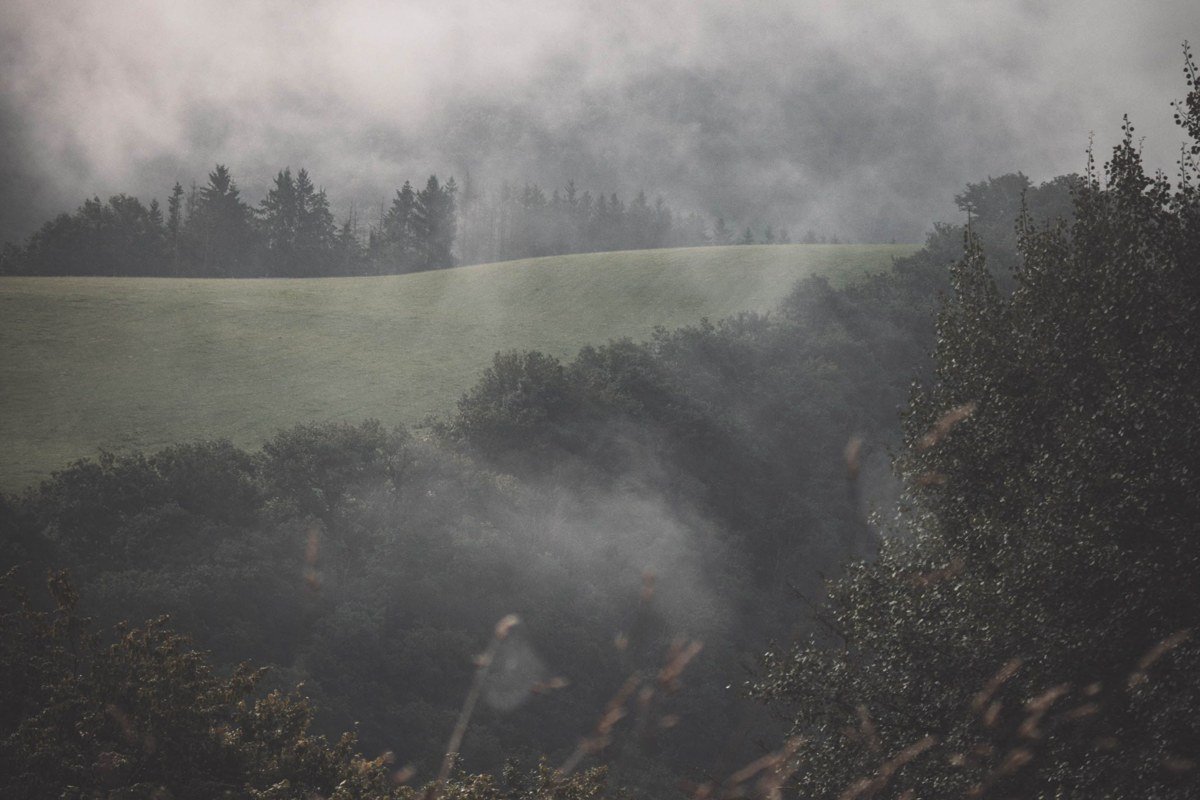
Three volcanic peaks rising steeply above the River Tweed, the Eildons are the kind of landform that stops you mid-sentence. Arthurian legend claims King Arthur sleeps inside them, which tells you something about the atmosphere they project. The classic move is to climb to the North Hill summit at first light in autumn when temperature inversions fill the valley below with cloud, leaving you standing above a white sea with nothing but the three peaks visible. The descent through Melrose lets you finish at the ruined abbey, one of the finest Gothic ruins in Scotland and completely overshadowed by Stirling and Edinburgh in most travel coverage. Go mid-week in October for the inversion cloud and near-empty trails. The common mistake is driving past on the A68 and assuming the hills read better from a distance. They do not. You need to be on them.
2. St Mary’s Loch, Yarrow Valley
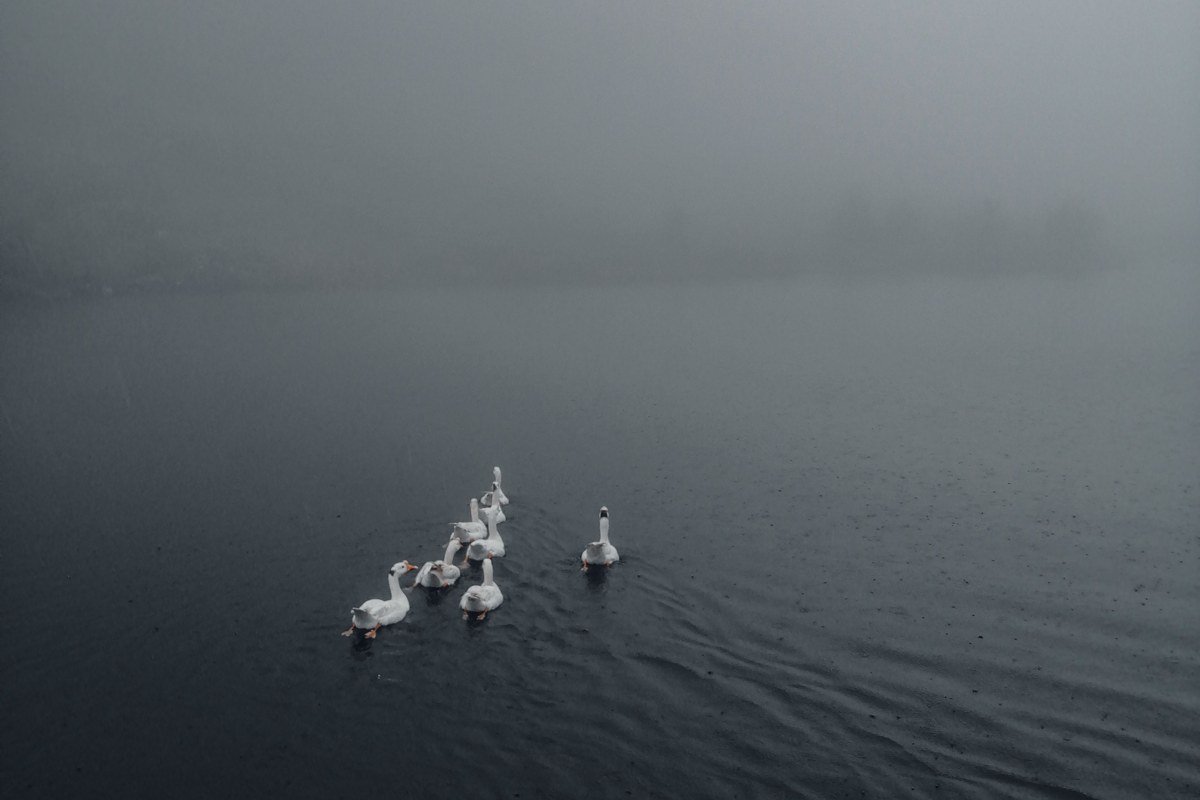
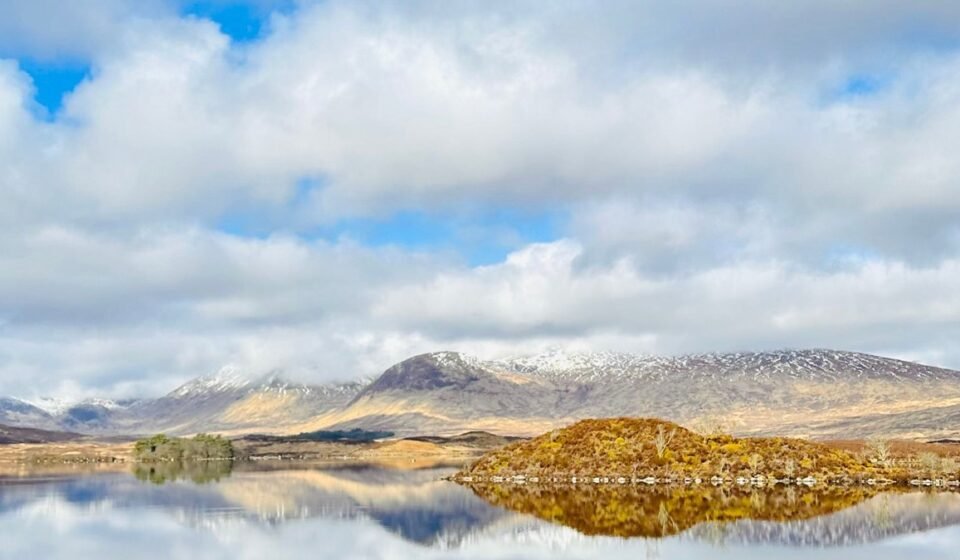
Long, cold, and utterly silent on weekday mornings, St Mary’s Loch is the largest natural loch in southern Scotland and looks nothing like what most visitors expect. Visitors primed on Highland imagery anticipate rocky shorelines and steep Ben-shaped peaks crowding the water. What they find instead is a wide pastoral valley with round Southern Upland hills that hold the loch in a gentler, more melancholy embrace. The water holds a near-perfect mirror reflection of those hills when the wind drops, which is the shot that keeps appearing on niche travel Pinterest boards labelled with the scotland highlands aesthetic tag even though this is emphatically Borders country. The one small building on the shore, Tibbie Shiels Inn, is a genuine piece of history: it was a meeting point for nineteenth-century writers including James Hogg and Sir Walter Scott. Drive the A708 from Moffat on an overcast November morning and you will have this entire stretch of water to yourself. Pack layers because the exposed valley channels wind off the hills with surprising force. The common mistake is stopping only at the main layby; the eastern end of the loch, reached by continuing a further half-mile on foot, gives a cleaner reflection angle away from the road.
3. Hermitage Castle, Liddesdale
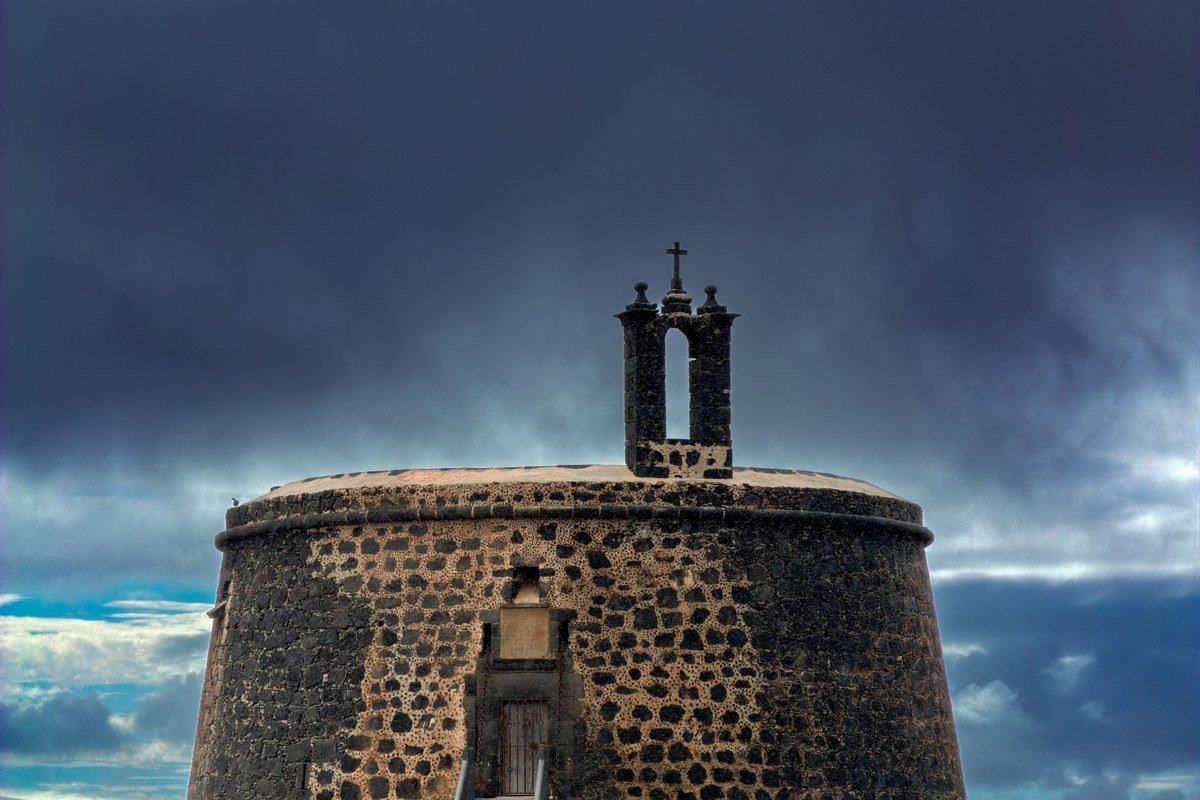
There is not a more genuinely threatening-looking building in Scotland. Hermitage Castle sits alone on a flat boggy plain in Liddesdale without a village, a cafe, or really any explanation for why it is there, which is precisely the point. The stonework is almost black from weathering, the proportions are massive and squat rather than elegant, and the surrounding moorland rolls away in every direction without a tree to soften it. Mary Queen of Scots rode here and back to Jedburgh in a single punishing day in 1566, covering roughly fifty miles of this terrain. Historic Environment Scotland maintains the site and it is rarely crowded. Come in late afternoon when the low sun catches the southwest face at a raking angle and the whole thing glows briefly amber before going dark again. The common mistake is visiting at midday when the flat overhead light flattens the already-severe stonework into something merely grey, rather than genuinely ominous.
4. Grey Mare’s Tail Waterfall, Moffat Water
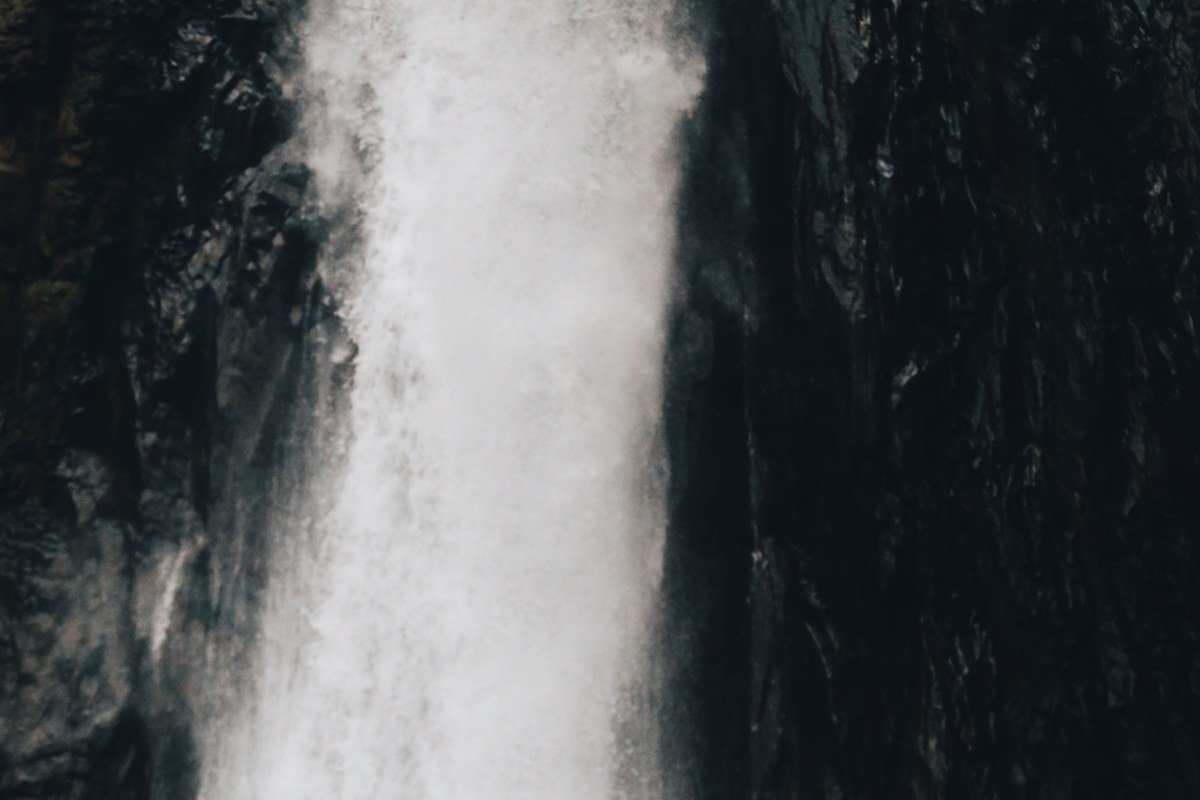
At 60 metres of freefall (confirmed by NTS), Grey Mare’s Tail is one of the tallest unbroken waterfalls in the UK, and it sits above an NTS-managed valley that also contains a small herd of wild goats and occasional glimpses of peregrine falcons. The path to the upper viewpoint is steep and requires real footwear, not fashion hiking boots, and the reward is Loch Skeen, a remote upland loch that almost nobody continues to because most day visitors stop at the waterfall platform. In spate after rain the falls roar loud enough to feel physical and the spray carries horizontally. The valley is at its most visually intense between September and November when the bracken turns orange-gold against the dark rock. The car park on the A708 fills by mid-morning on weekends; arrive before nine and you will be largely alone with it.
5. Smailholm Tower, Near Kelso
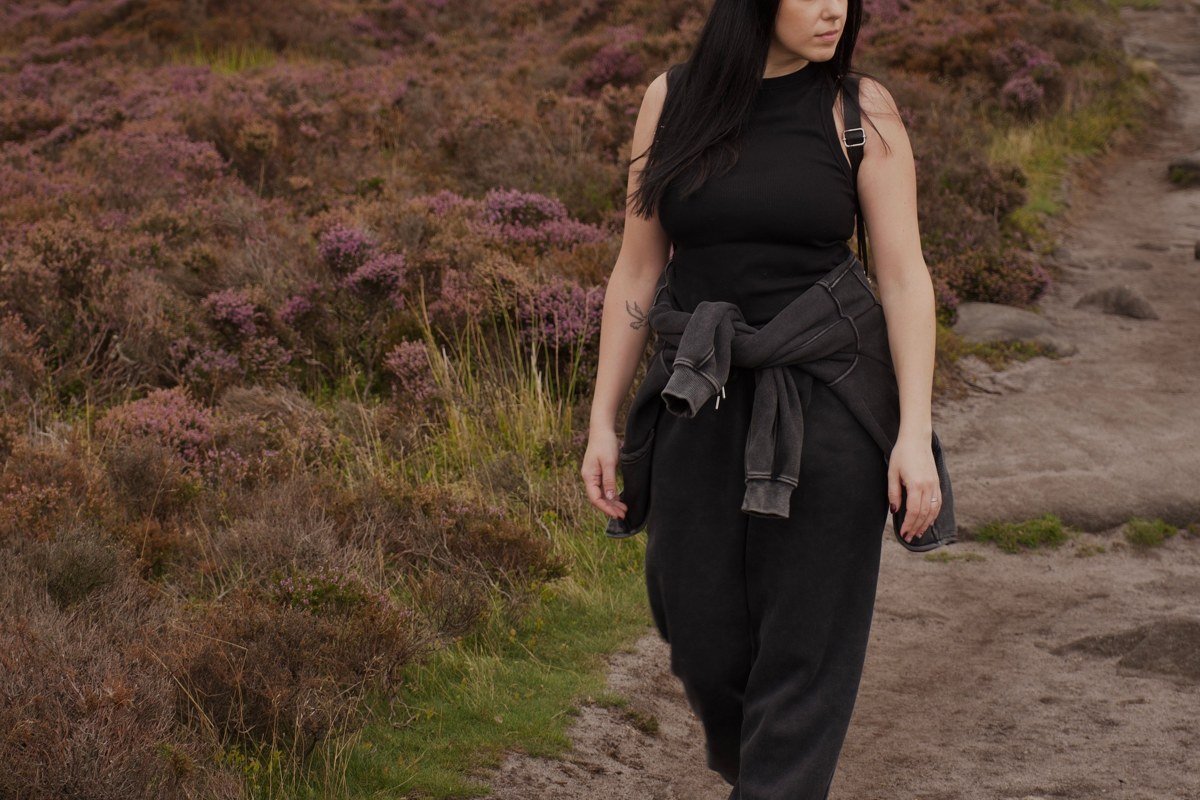
A sixteenth-century peel tower on a rocky outcrop above flat farming land, Smailholm is the image that every photographer eventually finds when they stop searching for highland castles and start looking at the Borders properly. The scale is small and perfectly legible: you can see the whole structure in a single frame without a telephoto lens, and the surrounding rocky knoll lifts it above the fields in a way that reads as completely elemental. Sir Walter Scott spent time near here as a child and credited the landscape with forming his imagination, which is not a coincidence. The tower interior houses a small display of Scott-connected tapestries. For photography the best light is late afternoon facing northeast, with storm clouds building behind you from the southwest. The common mistake is visiting only in summer when the surrounding vegetation is high enough to obscure the base of the tower; late autumn or early spring, when the ground cover is low, gives the structure full visual presence against the sky.
6. Dryburgh Abbey, St Boswells
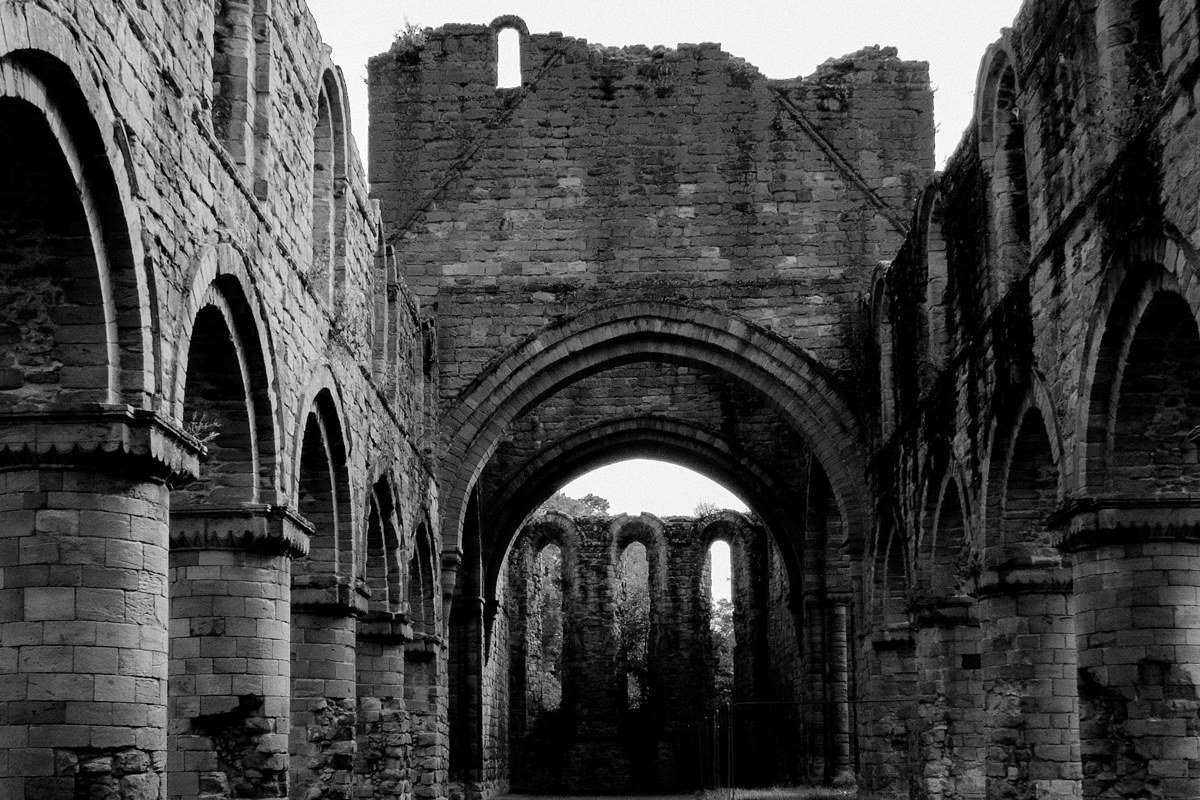
Of the four great Borders abbeys (Dryburgh, Melrose, Jedburgh, Kelso), Dryburgh is the most intact in terms of atmosphere and the least visited in terms of footfall. It sits in a tight loop of the River Tweed, surrounded by enormous European and North American trees planted in the nineteenth century, which means the ruin is held inside a kind of living cathedral of beech and cedar even before you reach the stone. Sir Walter Scott is buried in the north transept, which adds a particular gravity to the place. The light filters through the tree canopy in shafts on bright mornings and turns the cream-pink sandstone warm and almost tropical looking. Because it sits at the end of a minor road rather than on a main route, tour buses rarely commit to it. Late March, when the trees are just coming into bud and the stonework is still winter-dark, is a particularly strong time visually. The common mistake is visiting in full summer leaf when the canopy, though beautiful, becomes so dense it blocks the raking light that makes the stonework sing.
7. The Cheviot Hills Border Ridge, Near Jedburgh
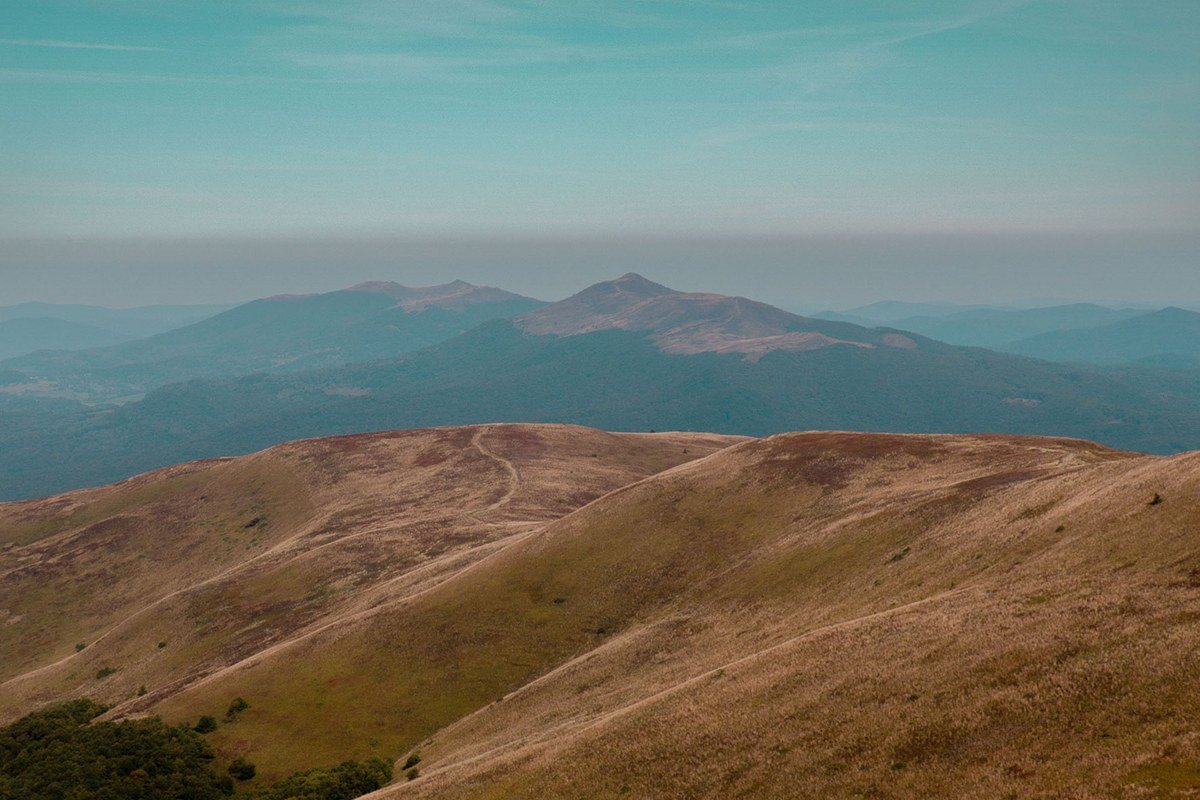
The Cheviots straddle the actual England-Scotland border and the ridge walk along that boundary is one of the genuinely empty places left in this part of Britain. The Pennine Way runs through the higher sections and sees some through-traffic, but the shorter loops from the Scottish side, particularly from Kale Water or above Jedburgh, are almost unwalked by comparison. The hills are round-shouldered and grass-covered rather than rocky: bleached pale gold in winter, deepening to olive and amber through spring and autumn, and at their most visually monotonous in high summer when everything flattens to a single shade of green. The border itself is marked at the higher crossings by a simple wooden post set in open ground, no fence, no ceremony. On a clear day the view north carries across most of the Borders in a single sweep, rolling hills receding through five or six tonal layers until they dissolve into haze some thirty miles distant. The honest trade-off is that the going is boggy in wet weather and the lack of landmarks makes navigation with a map and compass, rather than phone signal, genuinely advisable. That difficulty is also the reason the solitude holds. The common mistake is underestimating the exposure: these are not dramatic peaks, but the wind on the ridge in autumn can be severe and the nearest shelter is a long walk in any direction.
8. Traquair House and the Tweed Valley, Near Innerleithen
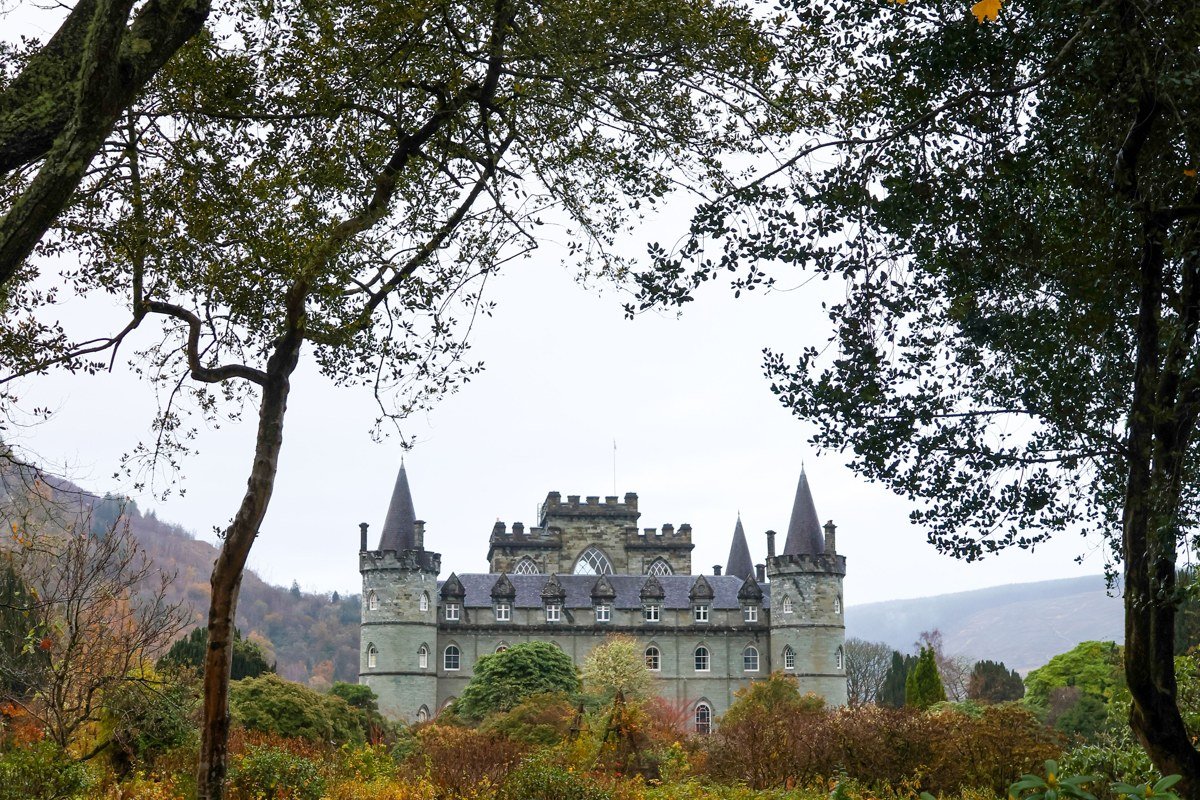
Traquair is frequently cited as the oldest continuously inhabited house in Scotland, and the building makes that case without needing to argue it. The evidence is in the detail: the main staircase, worn visibly concave at its centre treads by centuries of daily use, speaks to continuous occupation more plainly than any date above a door. The house is unpretentious and lived-in looking, with ivy-covered harled walls, a small working brewery on-site, and gates that have been famously kept shut since the 1745 Jacobite rising. The surrounding Tweed Valley here is wide and pastoral rather than dramatic, which works in its favour for photography because the light is softer and the greens more saturated than on exposed moorland. The Traquair Fair in August brings craft sellers and folk music and a crowd, but visiting outside of events in September or October gives you the house and grounds in near-silence with autumn colour as a backdrop. The estate forest trails behind the house lead into quiet hill country that extends for miles without a marked tourist trail. The common mistake is treating the house as a quick stop on the way to somewhere more obviously scenic; the grounds reward an unhurried two hours.
Getting There and Making the Most of It
For the scotland highlands aesthetic in your photography, overcast days are your asset here, not your enemy. Flat light kills harsh shadows and lifts colour saturation in the grass and heather. The most common mistake is waiting for a blue-sky day that may never come and spending clear days on admin. Shoot in the weather. The Borders rewards it entirely.
The Borders is accessible by train from Edinburgh via the Borders Railway to Tweedbank, which drops you close to Melrose and Dryburgh. For most of these locations, particularly Hermitage Castle and St Mary’s Loch, a car is necessary because public transport coverage is thin. Accommodation is genuinely limited in the way that matters: book ahead, especially October to November when cycling events and autumn tourism pick up along the Tweed. A two-base approach works well: Melrose in the east for the abbey cluster, Moffat in the west for the Yarrow Valley and Grey Mare’s Tail. Both are small enough to walk around in an hour but have enough independent accommodation and food options to feel like real stops rather than transit points.
Seasonal cheat sheet: October and November bring peak moorland colour (bracken orange, grass gold, low mist in the valleys); March pairs winter-dark stonework at the abbeys with the first pale bud colour for high-contrast shots; August is the one month to approach carefully, with the highest visitor numbers, flat green landscapes, and the Traquair Fair filling the upper Tweed valley on its weekend.