
A darecation stacks two or more high-adrenaline environments into a single itinerary, close enough that travel between them does not consume the day you came for. I’ve paddled or scouted all nine of these corridors across four separate trips through Costa Rica, Honduras, and Guatemala, and every entry below was chosen because the river and the canopy circuit are bookable on the same morning, not as loosely connected suggestions.
1. Pacuare River, Costa Rica
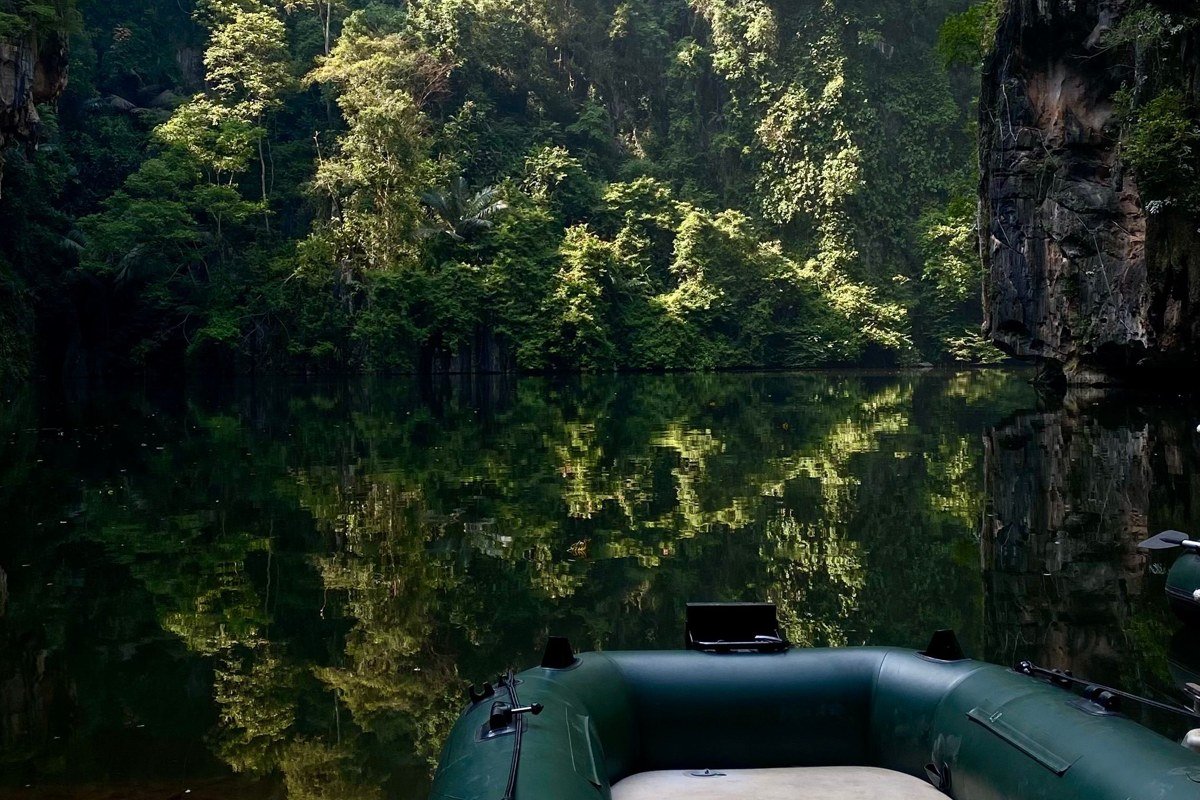
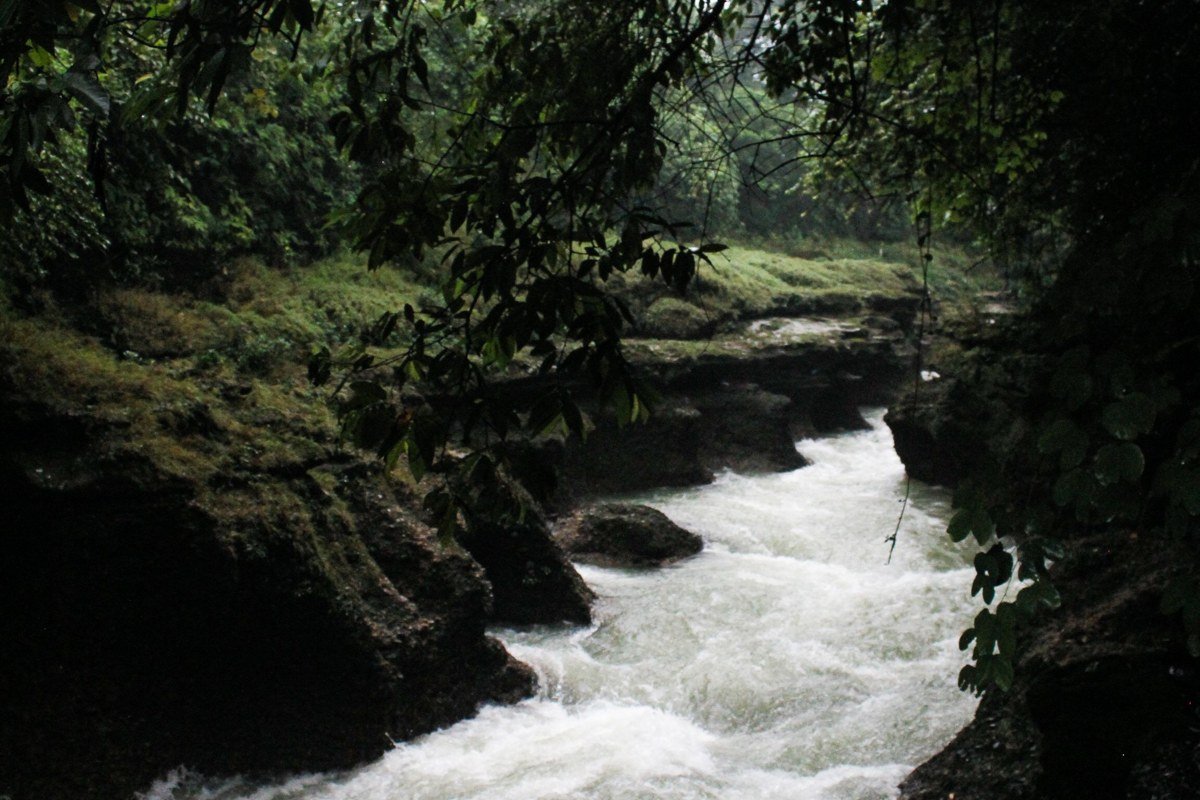
The Pacuare is the showpiece, the river that appears on every serious darecation shortlist for good reason. The canyon walls rise so high and stay so green that you feel like you are rafting inside a terrarium, and the lodges built into the canopy above the river (Pacuare Lodge being the most photographed) are accessed via suspension bridges that cross the gorge itself. The best single itinerary is a two-day trip where you raft in, sleep in an open-air treehouse bungalow, and raft out, because the river experience bookends the canopy time perfectly rather than treating them as separate stops.
Book the October-to-February window if you want high water and dramatic hydraulics, but be aware that November can bring heavy rainfall that occasionally forces outfitters to run the lower section only. Pacuare Lodge packages start around $550 per person per night and include the guided raft transit; day-trip rafting with a canopy add-on through operators like Rios Tropicales runs closer to $120 to $150 per person. The one structural limitation: the lodge is only reachable by river or helicopter, so anyone who needs to exit early for a flight has essentially no fallback option.
2. Rio Sarapiqui, Costa Rica
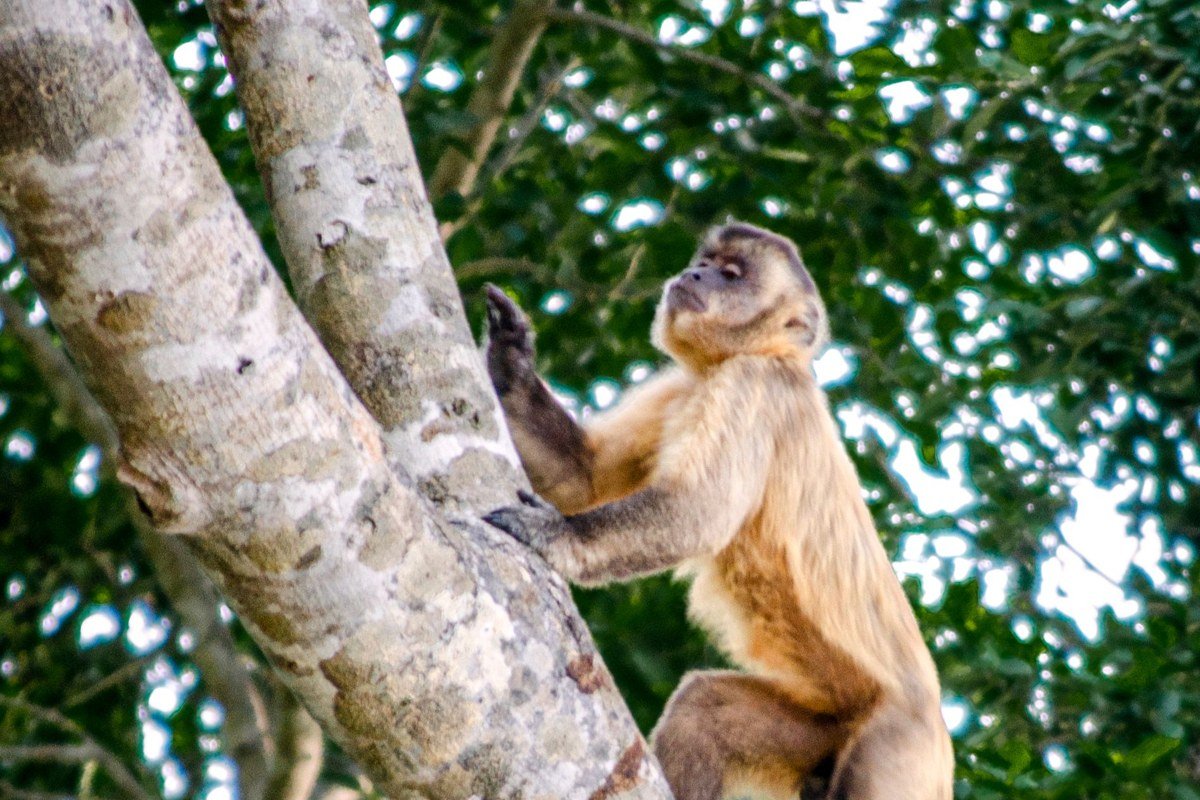
Sarapiqui flies under the radar compared to Pacuare, which works in your favor on a practical and aesthetic level. The river corridor sits inside a rainforest that sees howler monkeys and poison dart frogs as near-certainties rather than optional bonus sightings. Hacienda Pozo Azul, positioned right at the river, runs both the rafting and a purpose-built canopy circuit that includes a rappel descent to the forest floor, so you are moving vertically through all three forest layers in a single afternoon. The class II to III rating makes this the best pick for groups where skill levels are mixed, and the lower technical demand lets you actually look up at the canopy while your raft moves through the bends.
Day packages through Hacienda Pozo Azul combining rafting and canopy typically run $95 to $130 per person. Arrive on a weekday if possible, because the access road to the put-in gets congested on Saturday mornings with school groups. The class II to III rating is also the ceiling here: experienced whitewater paddlers will find the river pleasant but not technically challenging.
3. Arenal Volcano Corridor, Costa Rica
The Arenal area is often sold as a generic resort destination, but the darecation infrastructure here is serious and well-maintained. Sky Trek runs a steel cable system with a 1.3-kilometer main line at heights that put you level with vultures riding thermals off the volcano’s flank, and the Balsa River below is runnable at class III to IV depending on the season. The visual payoff is distinct from other Central American canopy experiences because an active stratovolcano forms your backdrop rather than a pure jungle horizon.
Book the river and the zip circuit on the same day and plan the canopy first, since the harness fitting takes time and guides are sharper in the morning. Arenal Oasis and Desafio Adventure Company are the operators with the most consistent safety records in this corridor, worth noting because the range in quality here is wider than at more boutique destinations. Desafio’s combined zip-and-river day runs approximately $130 to $160 per person. The trade-off for that infrastructure is crowds: the Arenal zone is one of the most visited in Costa Rica, and popular zip lines can feel assembly-line busy by midday in high season.
4. Semuc Champey and Rio Cahabon, Guatemala
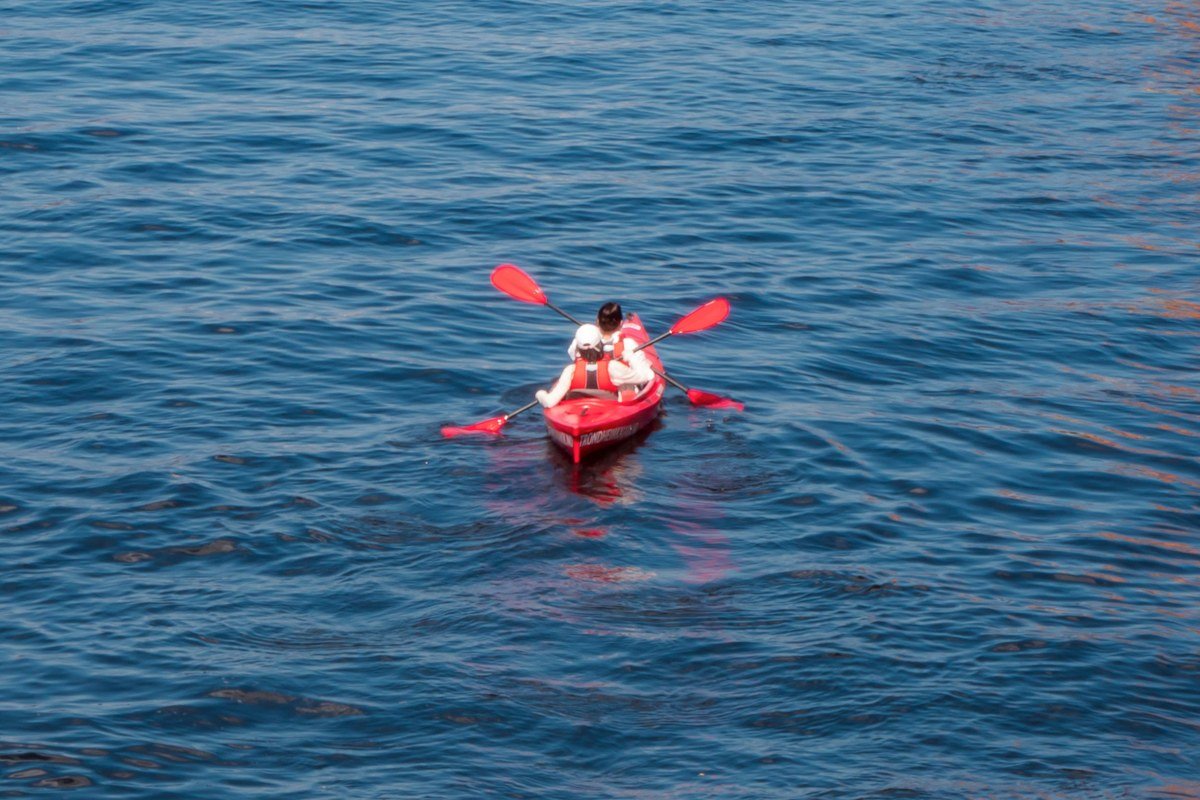
This entry requires more logistics and delivers more payoff. The Cahabon River runs fast and technical through a Maya Biosphere corridor where the tree canopy closes over the water so completely that midday looks like dusk. Semuc Champey itself is a series of natural limestone bridges with turquoise pools stacked above the river, and the combination of tubing through underground caves (candles provided by the guides) with rafting the upper Cahabon gives you a vertical and horizontal range of experience that no other destination on this list matches.
The nearest town, Lanquin, is small and the roads approaching it are rough enough that a 4WD vehicle is not optional in wet season. That friction keeps the crowds manageable and keeps the forest intact. Dry season, February through April, gives the clearest water and best pool visibility, though some operators consider the river more exciting in June when water levels rise sharply. Multi-day packages including accommodation, guided caving, and river time from Lanquin-based operators run approximately $60 to $90 per person per day, making this the most affordable entry on the list. The limitation is infrastructure: medical facilities near Lanquin are minimal, and the evacuation time to Guatemala City in an emergency is several hours.
5. Rio Cangrejal, Honduras
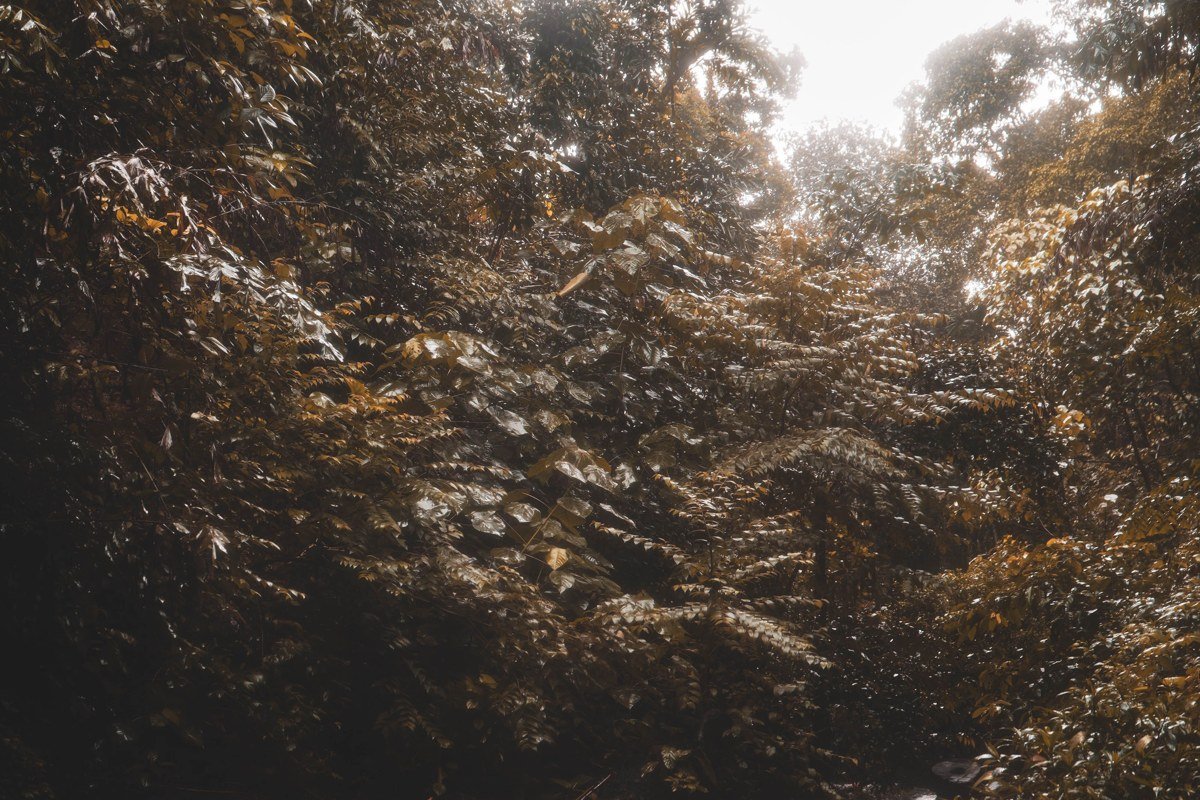
The Cangrejal runs directly through Pico Bonito National Park, one of the least-visited and most ecologically intact national parks in Central America, which makes every rapid feel like a genuine incursion into wilderness rather than a managed experience. The class IV sections are legitimately demanding, and the guides here have a no-nonsense manner that experienced rafters appreciate after too many overly coached trips elsewhere. Luna de Miel, a small lodge perched on the riverbank inside the park, has a basic but spectacular canopy circuit that links the river corridor to the cloud forest above 800 meters, where the species composition changes completely.
Lodge packages at Luna de Miel start around $180 to $220 per person per night including meals. This is not a destination for a tight two-day itinerary: the drive from San Pedro Sula takes the better part of a day each way, and the park deserves at least three nights to justify the travel cost. Cangrejal is also one of the most photogenic rivers in Central America and almost entirely unknown outside the whitewater paddling community. That obscurity is the appeal; it is also the risk, since operator consistency is harder to verify remotely than at better-documented destinations.
6. Rio Corobici and Monteverde, Costa Rica (Beginner Darecation)
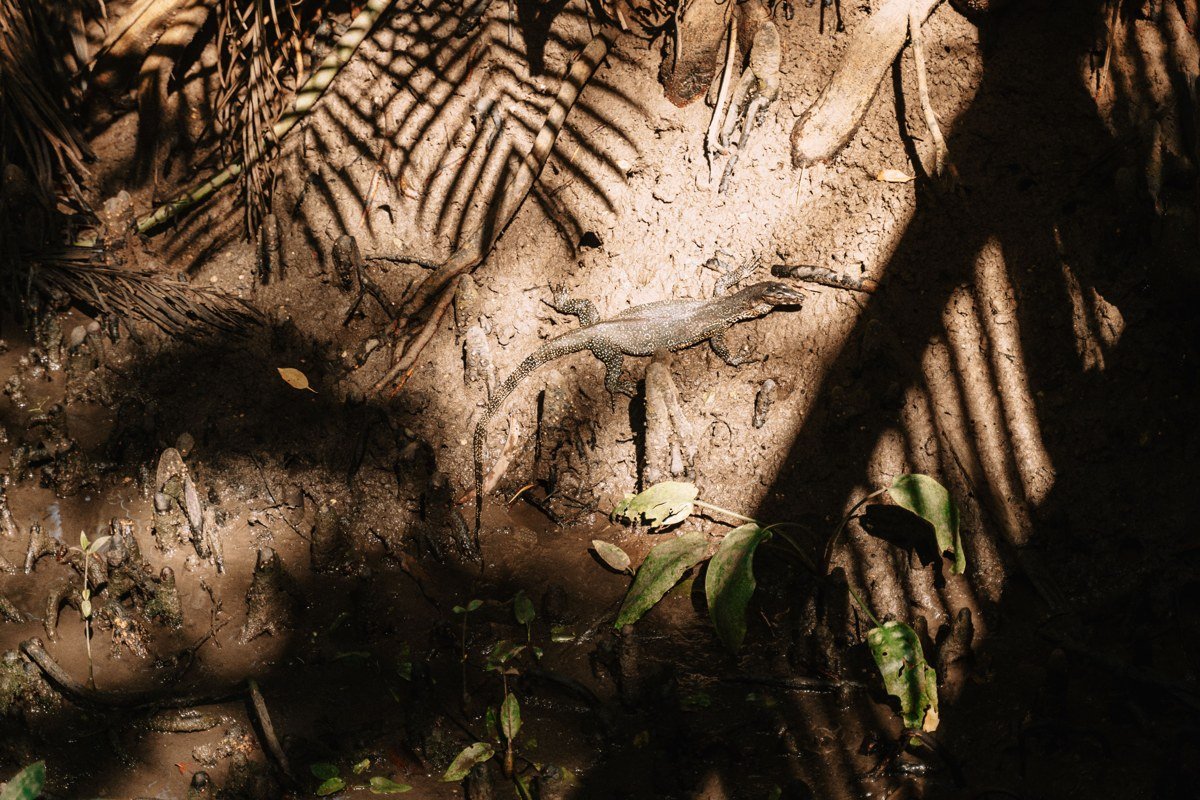
This entry is intentionally different from the others and is worth naming that distinction directly. Pairing a gentle float on the Corobici with the Monteverde cloud forest canopy creates a darecation that is more sensory than adrenaline-dependent, which matters if your group includes people who will not comfortably sit on a class IV raft. The Corobici is a birding river first, class I to II, with crocodiles basking on banks and roseate spoonbills in the shallows.
Monteverde’s Extremo Park and Sky Adventures each offer multiple canopy circuits, and the cloud forest setting means visibility can shift from crystal-clear to swirling fog within minutes, which is part of the visual appeal rather than a problem. The logistical approach that works: do the river day first, recover overnight in the Canas lowlands, then climb to Monteverde the following morning before the afternoon fog thickens. Cloud forest canopy before 10 a.m., with the light breaking through epiphyte-covered branches, delivers some of the most distinctive photography in Central America. Corobici float trips run around $45 to $65 per person; Monteverde canopy circuits range from $55 to $95. Anyone chasing class IV water should look at entries one, five, or eight instead.
7. Pacuare Reserve and Rio Pacuare Lower Section, Costa Rica
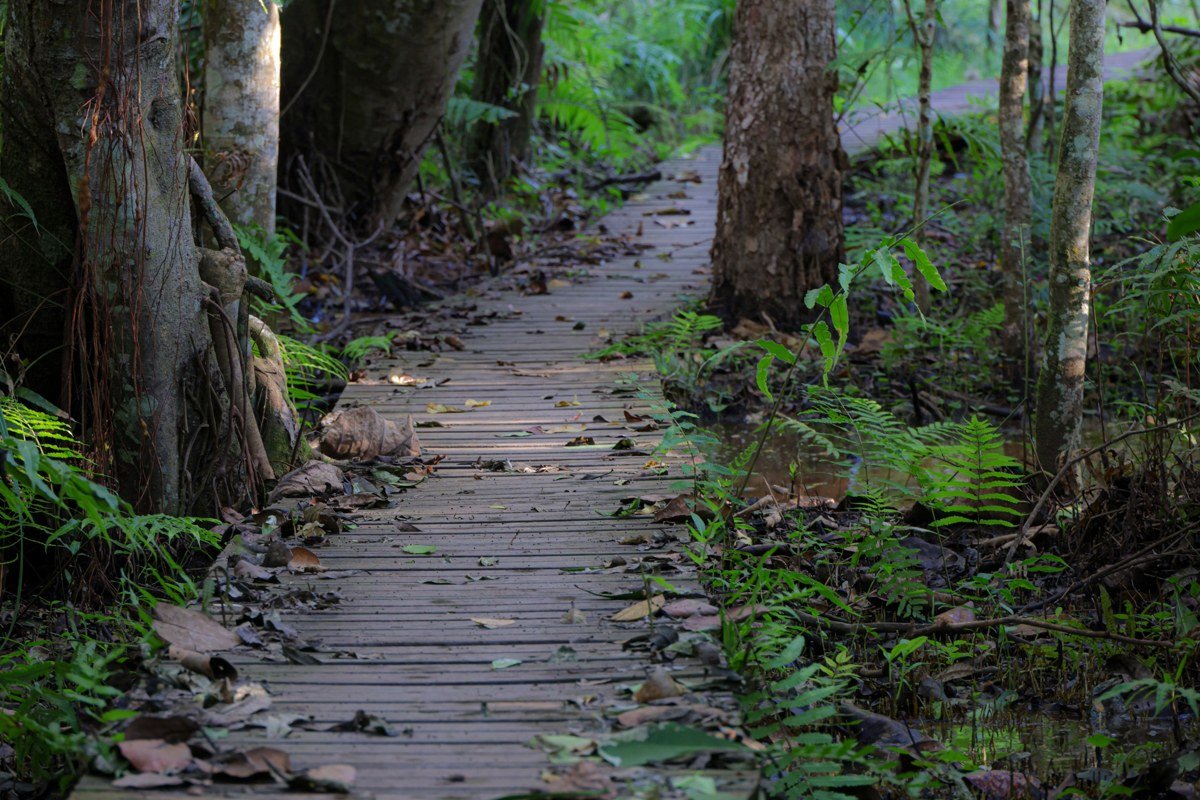
This is the same river as entry one but a different section and a different experience, worth its own listing. The Pacuare Reserve, managed for leatherback sea turtle conservation, sits at the river mouth where the rainforest presses right to the Caribbean coast. The lower river float is mellow enough to swap rafts for kayaks, and the reserve’s elevated boardwalk system, built to protect the turtle nesting beach, functions as a canopy walkway above the coastal forest. The combination of freshwater river access and coastal jungle canopy in a single visit cannot be replicated elsewhere in the region.
Small-group guided experiences through the reserve carry an estimated cost of $200 to $300 per person for an overnight program, reflecting the intentionally limited capacity. The catch is significant: access is tide and season dependent, and the reserve prioritizes turtle conservation over tourism. Availability is effectively closed from March through October when nesting activity peaks, and even in open months the reserve runs on a research-station schedule rather than a resort one. Late arrivals and schedule inflexibility are genuinely disruptive to the reserve’s work, so this is a poor match for travelers who need hotel-style flexibility.
8. Rio Naranjo and Manuel Antonio Surroundings, Costa Rica
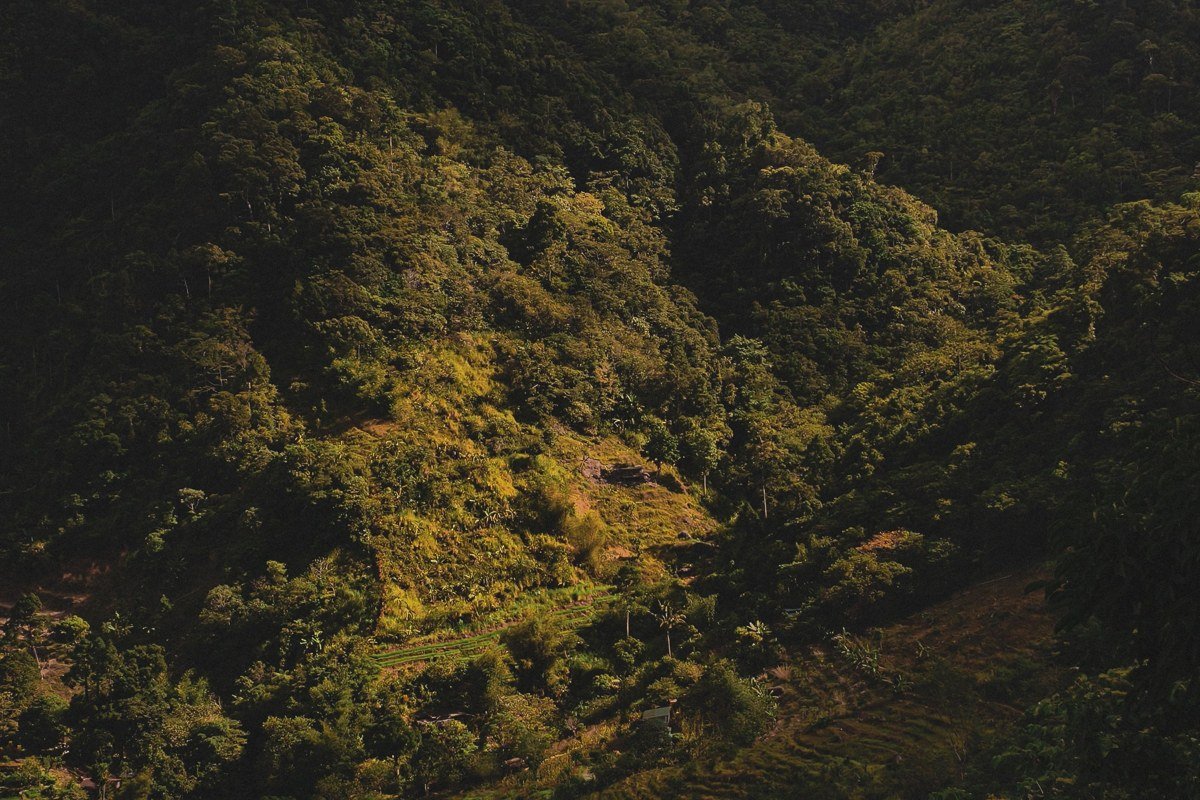
The Naranjo is one of the shorter but steeper rivers in Costa Rica, which means the class IV to V Cerro section packs serious hydraulics into a compact run that still leaves half a day for other activities. The surrounding Pacific slope forest has a different character from the Caribbean-side rivers: drier, brighter, with a different bird community that includes scarlet macaws flying in pairs above the treetops. Several canopy operators in the Quepos corridor have installed platforms directly above the Naranjo gorge, so you can zip across the river canyon you were just paddling through, creating a perspective shift that is hard to find elsewhere.
The Naranjo runs best July through October, which is technically green season but delivers the most consistent water levels for the upper technical section. Combined rafting and canopy day packages in the Quepos area run approximately $110 to $150 per person. Avoid combining this with a Manuel Antonio National Park visit on the same day: the park limits daily entry and morning slots sell out weeks in advance, creating a scheduling conflict that tends to compromise both experiences.
9. Rio Motagua and Biotopo del Quetzal, Guatemala
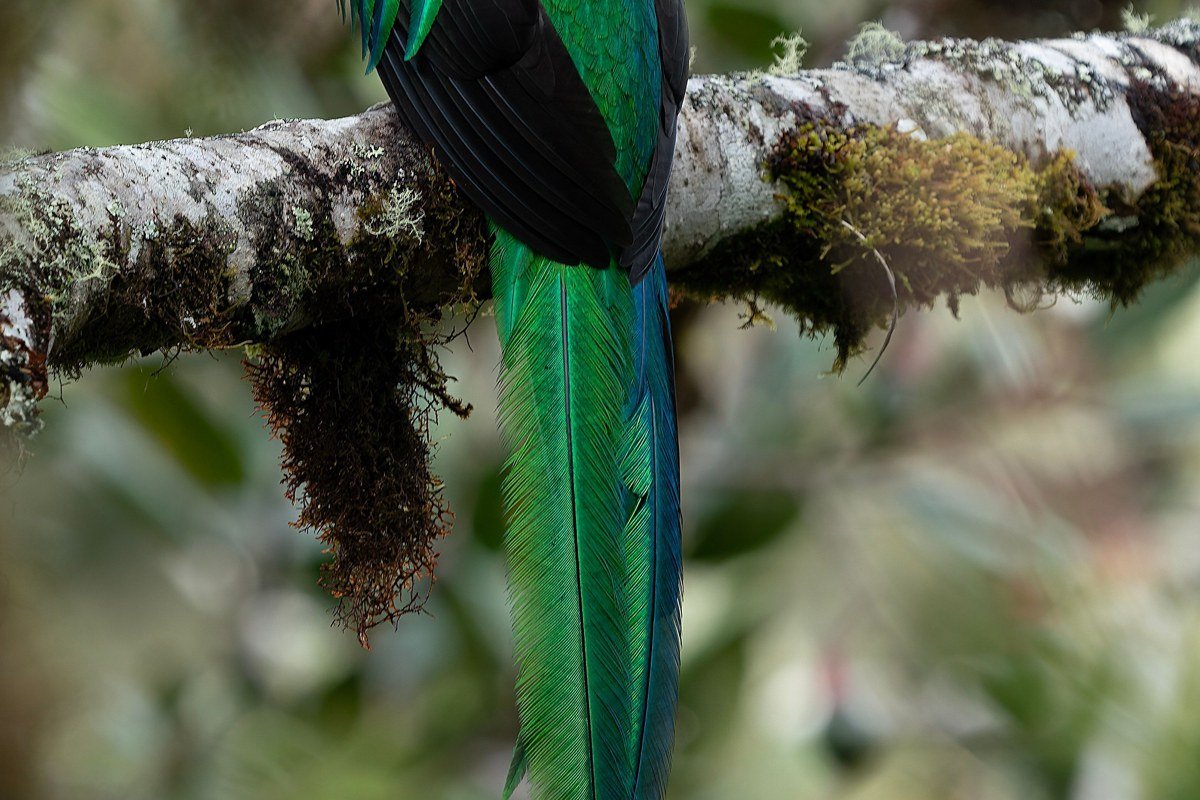
This pairing is the most unusual on the list and the most rewarding for anyone who treats a darecation as a full sensory experience rather than a pure sport one. The lower Motagua has rarely-publicized rafting sections through a dry cactus corridor that looks unlike any other river landscape in Central America, closer in character to the Sonoran Desert than to the jungle rivers above, before the vegetation shifts dramatically as you gain elevation. The Biotopo del Quetzal, a protected cloud forest reserve north of Coban, has a self-guided canopy trail system where resplendent quetzals are spotted with real regularity from February through April during breeding season.
The visual contrast between the arid river canyon and the dripping cloud forest canopy, achievable within the same two-day window, is so extreme it almost feels like crossing a continental boundary. Budget travelers should note that this corner of Guatemala has very limited English-speaking guide infrastructure. Booking through a Guatemalan outfitter based in Coban rather than an Antigua travel agency produces significantly better results in terms of local knowledge and logistics. Combined day costs here, including transport, guides, and entry fees, typically run $70 to $110 per person. The practical limitation is that the Motagua rafting sections are not well-documented online, and trip reports are sparse, which means operator vetting requires direct contact and references rather than review-platform research.
Planning Your Darecation: Practical Takeaways
The best darecation ideas in Central America share a structural principle: the river and the canopy experience need to be geographically close enough that travel between them does not eat the day. Aim for operators who own or partner with both activities, because the scheduling is tighter and the safety briefings are consolidated.
Gear considerations matter more than the packing lists on most outfitter websites suggest. A dry bag rated to ten liters is sufficient for a phone and a change of clothes on most river runs, but if you are shooting the experience rather than just living it, a chest harness for a compact action camera is worth packing because your hands will not be free on class IV water.
Health logistics: most of these rivers pass through areas where leishmaniasis is present in the surrounding forest, so long sleeves and DEET after dark are not optional. Yellow fever vaccination is not required for Costa Rica or Guatemala but is recommended if your itinerary connects onward to Panama or Colombia.
The timing that most consistently delivers both good water levels and good canopy visibility is October through December in Costa Rica and February through April in Guatemala. Those windows rarely overlap, which means the most efficient regional itinerary runs Costa Rica first, Guatemala second, with a travel gap of six to eight weeks between them if you want optimal conditions at both ends.