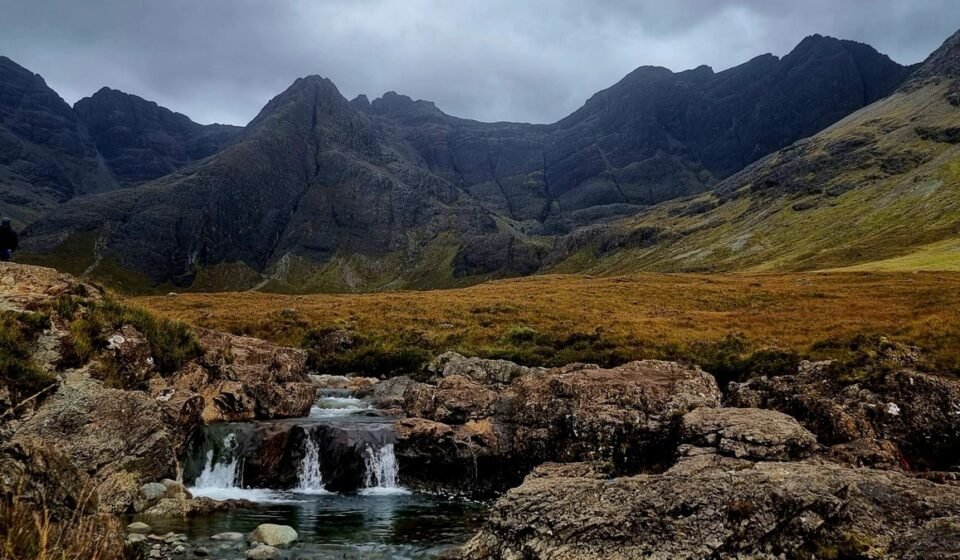

If you have been scrolling Pinterest boards tagged “mystic outlands” or “dark academia travel,” you already know the mood: low fog rolling over stone cottages, a single lantern glowing amber in a grey afternoon, hills that look painted rather than real. The Scotland Highlands aesthetic fairy-tale villages you keep pinning are not fabrications. They are actual, drivable, walkable places, and most visitors drive straight past them on the way to Eilean Donan Castle. This guide is for the people who want to stop the car.
A note on geography: two entries, Clachan on Seil and Wanlockhead, sit outside the Highland administrative region. They are included here for aesthetic and atmospheric kinship rather than administrative tidiness, and the distinction is worth knowing if you are planning routes.
1. Plockton, Ross-shire
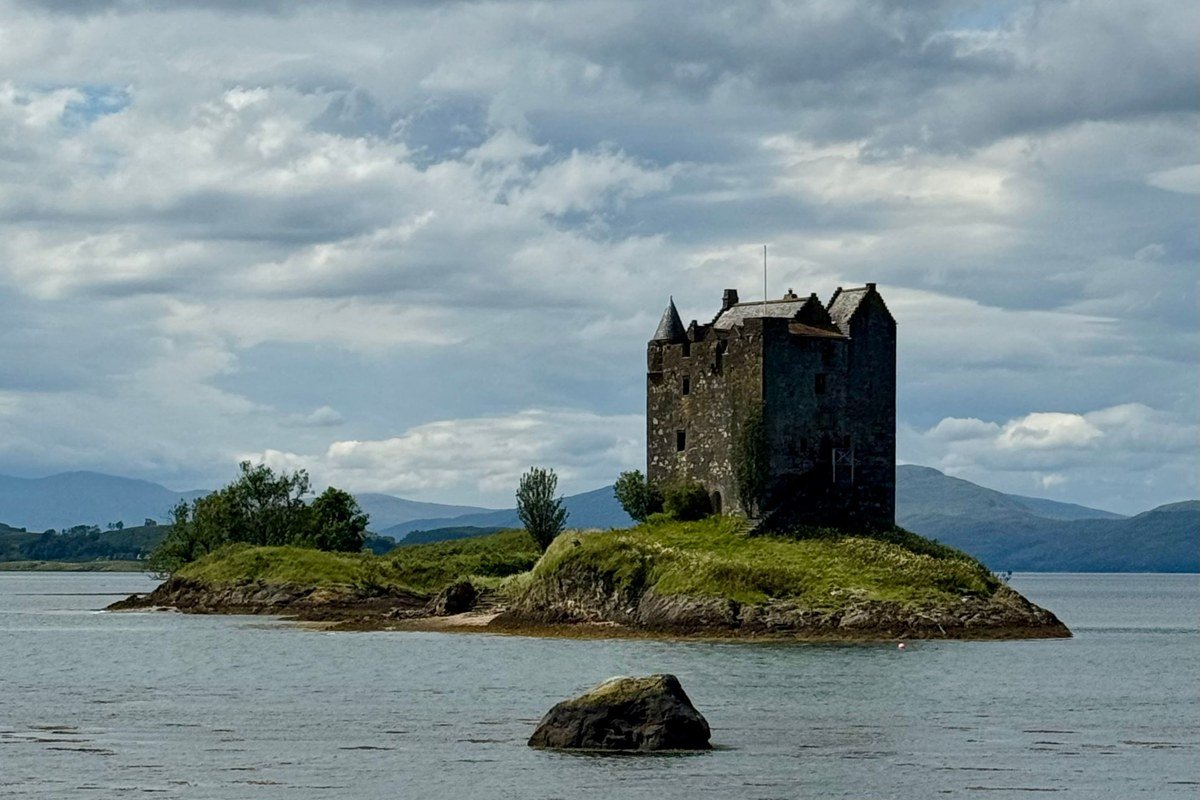
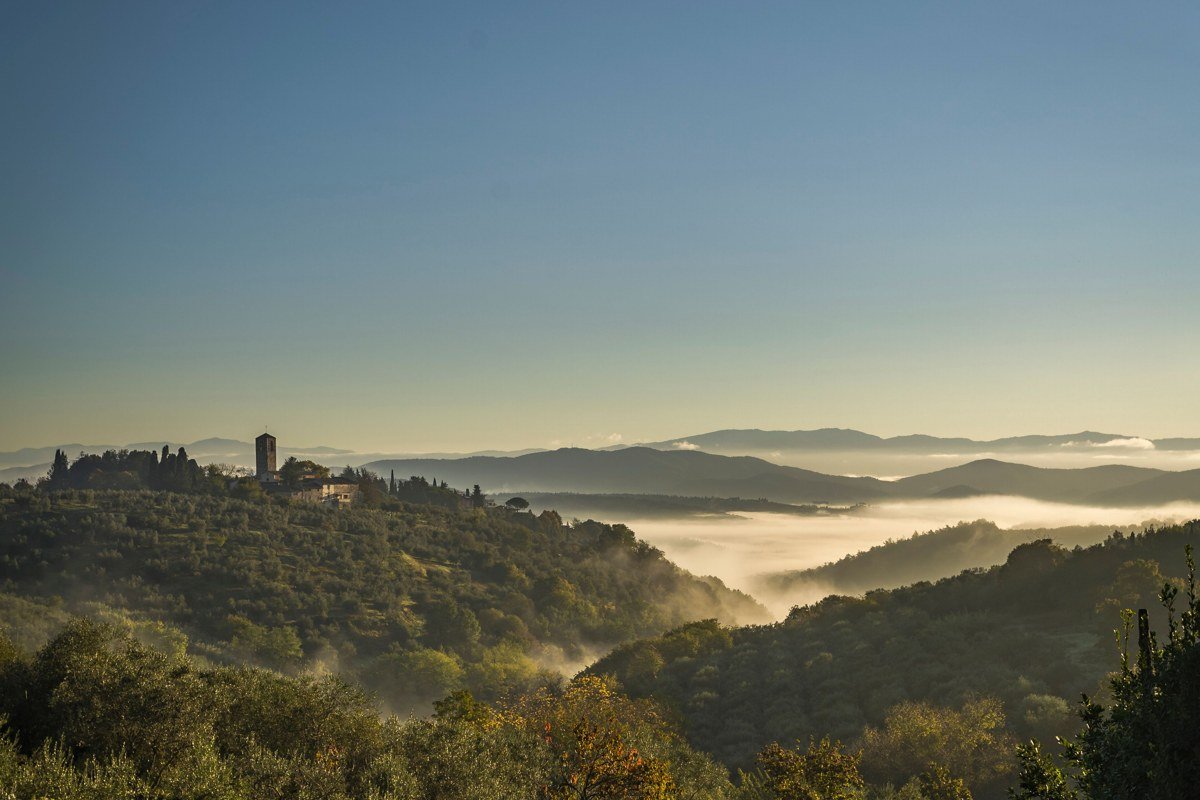
Plockton sits at the edge of Loch Carron like something a set designer dropped there and forgot to retrieve. The village curves around a sheltered bay, and because of the warming effect of the Gulf Stream, actual palm trees (more accurately, Chusan palms) line the waterfront beside whitewashed fishermen’s cottages. The combination of tropical-adjacent greenery and severe Highland mountains directly behind it creates a visual dissonance that photographs strangely and beautifully. The best thing to do here is hire a rowing boat from the village jetty and paddle out into the loch at dusk, when the village lights start to reflect on the water. Come in late October: the tourist coaches have gone, the hills behind the village are a deep copper-rust, and the water is glassy in the mornings.
2. Torridon, Wester Ross
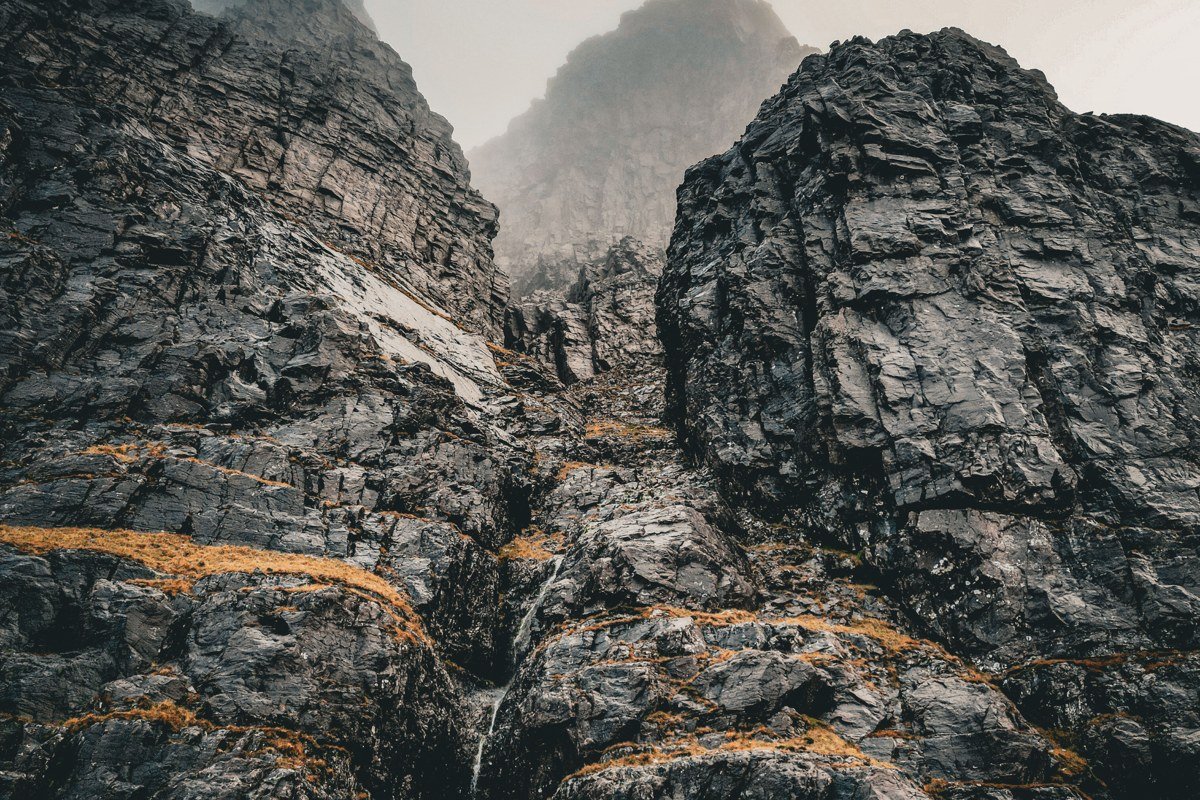
Torridon is less a conventional village and more a loose scattering of houses beneath some of the oldest mountains on earth. The Torridonian sandstone peaks, Beinn Alligin and Liathach among them, are roughly 750 million years old and have a texture and colour that looks genuinely prehistoric. The few stone buildings at the lochside are dwarfed to the point of absurdity, which is precisely what makes this one of the most rewarding places on this list to photograph.
For a specific starting point, the car park at the Torridon Community Centre at dawn is worth the early alarm. Standing there looking northwest toward Liathach as the first light catches the quartzite summit ridge, with the loch still dark below, gives you the full scale of the place in a single frame. The Torridon Hotel offers comfortable rooms at the lochside and is open year-round, making it a practical base for early starts. One hyperlocal detail worth knowing: red deer regularly come down to the loch shore in the early morning here, close enough that you will hear them before you see them.
Avoid peak summer months if you want the place to yourself, and note that mobile signal is essentially non-existent, which, depending on your temperament, is either a trade-off or the entire point.
3. Applecross, Wester Ross
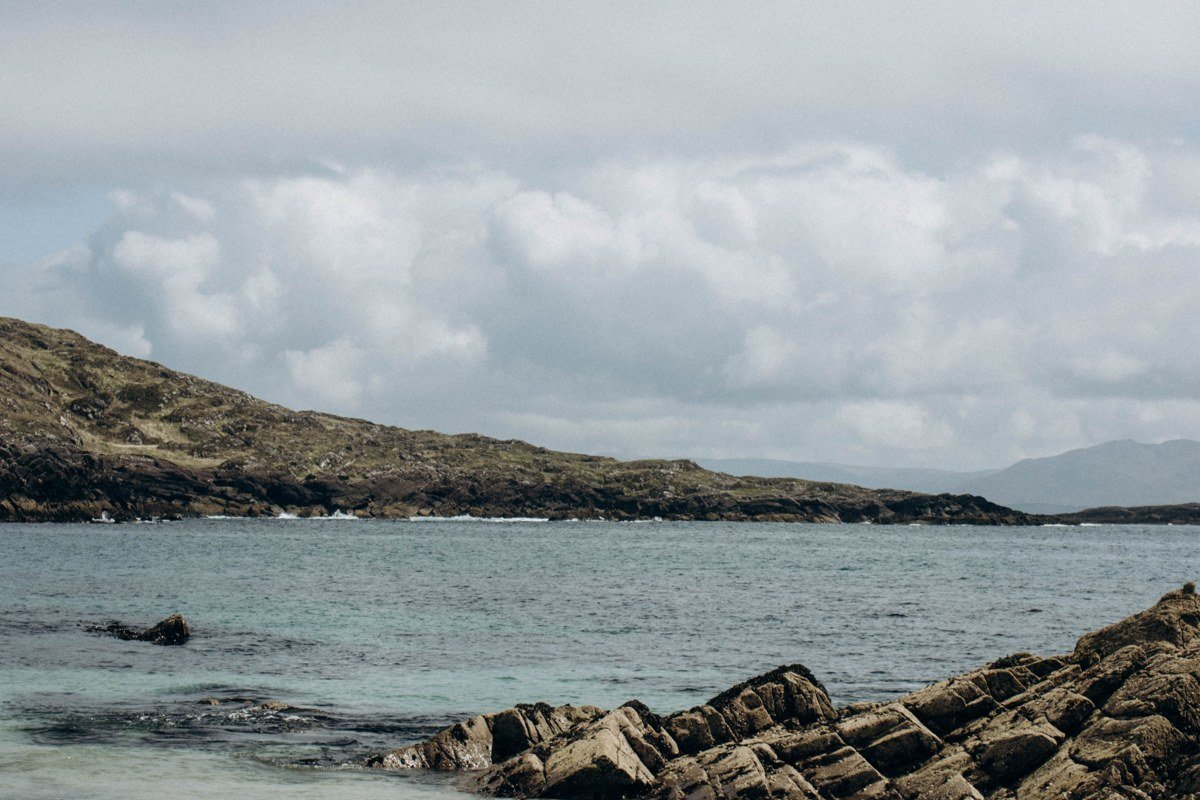
Getting to Applecross via the Bealach na Ba (Pass of the Cattle) is part of the experience. The road climbs to 626 metres with hairpin bends borrowed from the Alps, and when you drop down the other side, Applecross Bay opens up below you like a secret the Highlands kept for itself.
Most roundups of Applecross begin and end with the Inn, and the Inn deserves its reputation. But the detail that most visitors miss is the ruined monastery on the bay. In 673 AD, the Irish monk Maelrubha founded a religious community here that became one of the most significant early Christian sites in Scotland. The remains are modest, a low grassy platform and a few worn stones near the shore, but standing there with the Inner Sound in front of you and the Cuillin of Skye visible on the horizon, the antiquity of the place settles on you in a way that no purpose-built heritage attraction quite replicates.
The village itself is a handful of cottages, a beach of white shell sand that genuinely should not exist this far north, and that pub serving local seafood while the sun sets over the Isle of Raasay. Stay overnight in one of the local self-catering cottages rather than treating this as a day trip. The alternative coastal road in from the north is gentler if your nerves or your vehicle need it, but the high pass is the iconic approach.
4. Kinlochleven, Lochaber
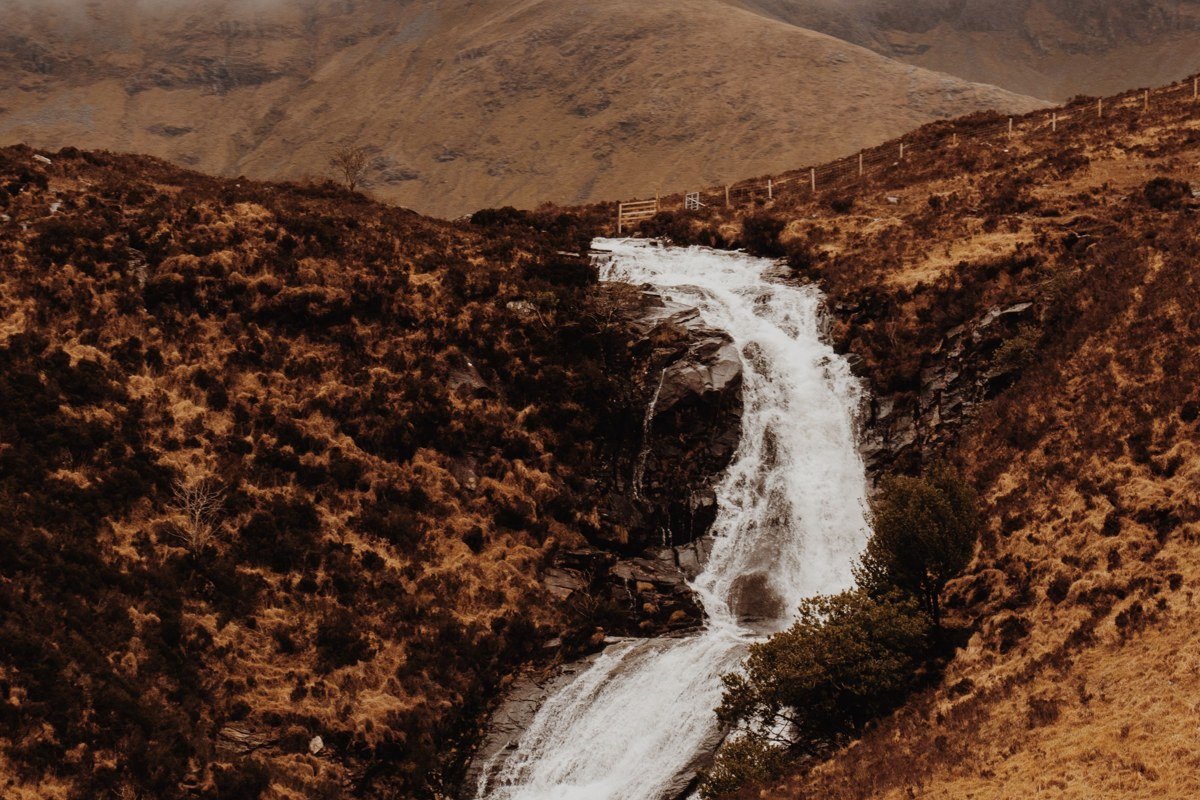
Kinlochleven is honestly a bit rough around the edges, a former aluminium smelting town sandwiched into the foot of a steep glen, and that is precisely why it belongs on this list. It does not try to be pretty. It just happens to sit below a waterfall-streaked mountain wall, surrounded by birch and rowan trees that go incandescent in autumn, with the Blackwater River running through it like a plot device. The Grey Mare’s Tail waterfall is a short walk from the village centre and alone justifies a stop. Kinlochleven also sits on both the West Highland Way and the Lochaber Traverse, so there is always a quiet procession of walkers passing through with muddy boots and faraway looks. Come in November when the mist hangs in the glen all day and the waterfalls are running high after rain.
5. Gairloch, Wester Ross
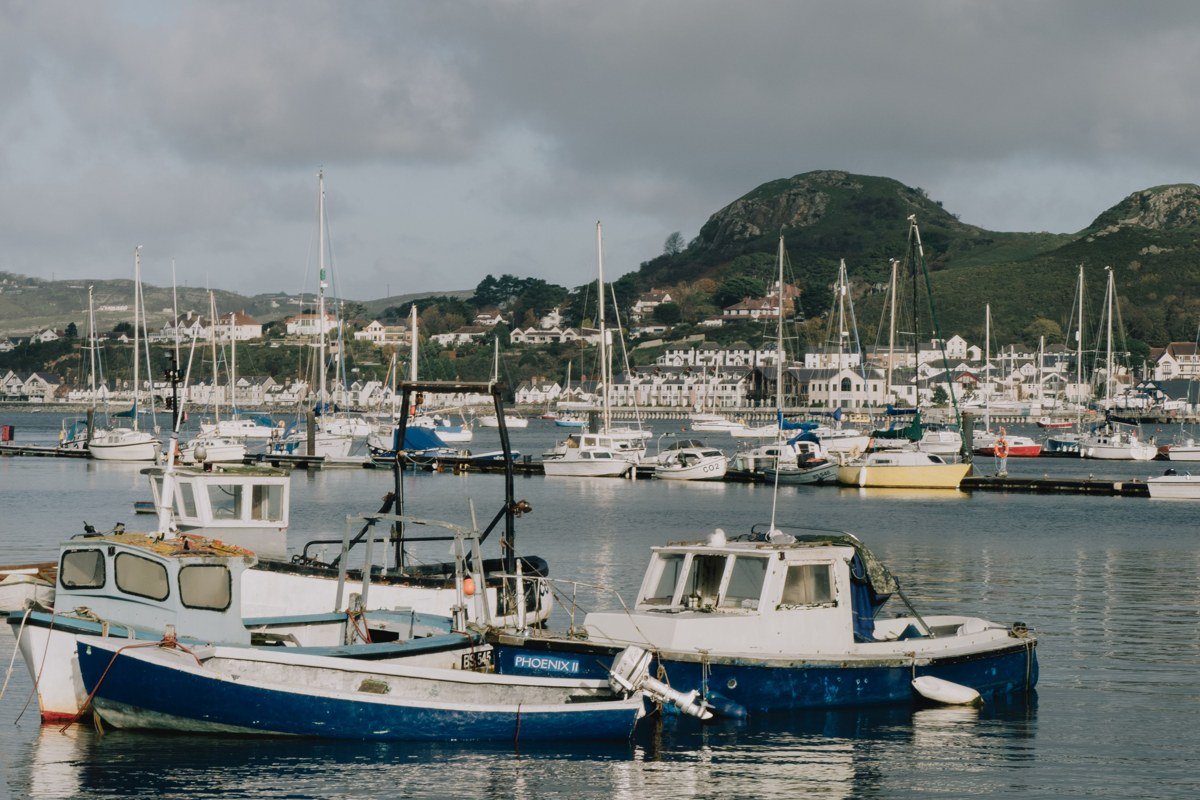
Gairloch is a working fishing village, not a heritage attraction, and that authenticity is visible in the peeling paint on the boathouses and the smell of diesel near the pier. The harbour faces west across a wide bay toward the Outer Hebrides, which means sunsets here are a serious weather event. The light moves through pewter and deep rose before settling into apricot along the waterline, with the Torridon mountains going almost black in silhouette behind the harbour. The Gairloch Heritage Museum is genuinely excellent for context, covering everything from Iron Age crannogs to the Highland Clearances with real care. The best photographic position is from the small headland above the south beach, Rubha Mor, looking back toward the harbour and those mountains. A practical note: Gairloch has one of the few petrol stations on this stretch of coast, so fill up here before continuing north or east.
6. Clachan, Argyll (Seil Island)
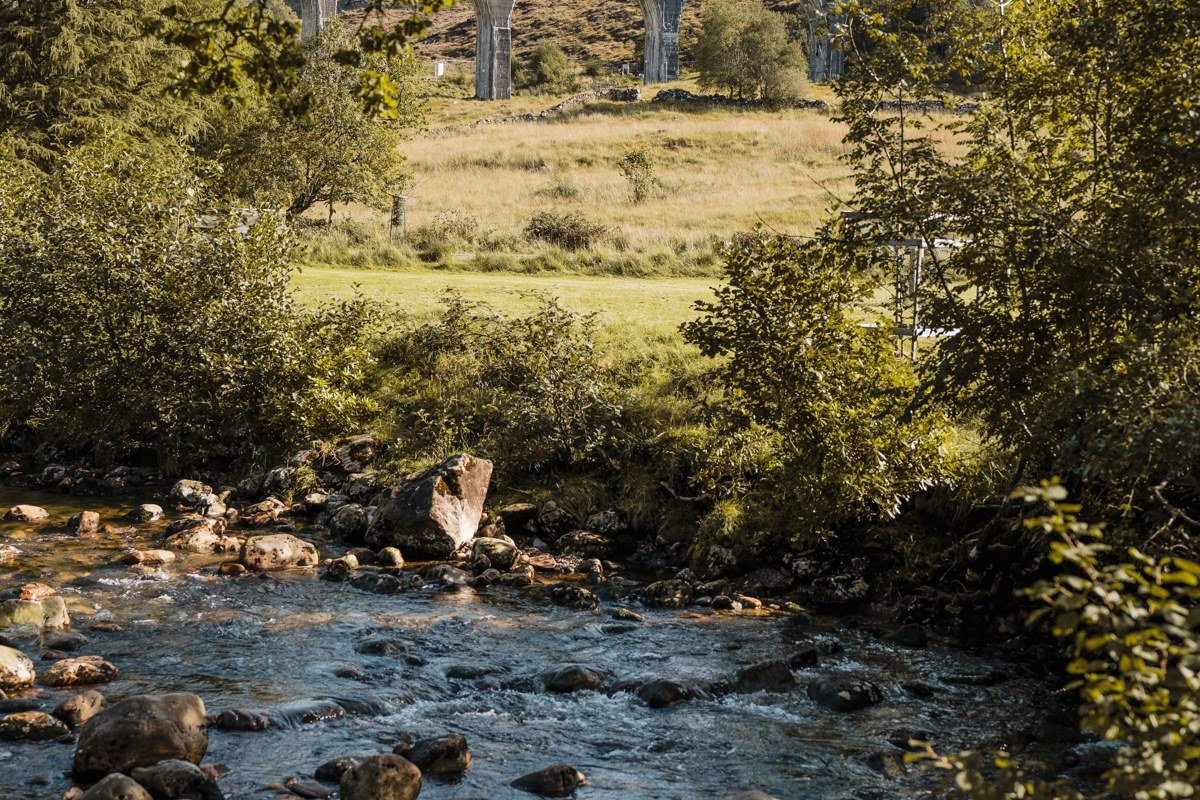
Clachan on Seil Island earns its place here through sheer improbable specificity. The village sits next to the Clachan Bridge, a single-arch stone humpback bridge built in 1792 that crosses a narrow tidal channel between the mainland and Seil Island. The channel is technically an arm of the Atlantic Ocean, which means the bridge carries a grandiose local nickname: “The Bridge Over the Atlantic.” The village around it is modest, oyster-pale stone buildings with dark slate roofs set against green hillsides that run straight down to the water. The Tigh an Truish pub beside the bridge has been serving travellers since those Highlanders needed somewhere to change out of their kilts before crossing to the mainland, back when tartan was banned after Culloden. That kind of layered history, worn casually, is what separates places like this from stage-set versions of the same idea.
7. Cromarty, Black Isle
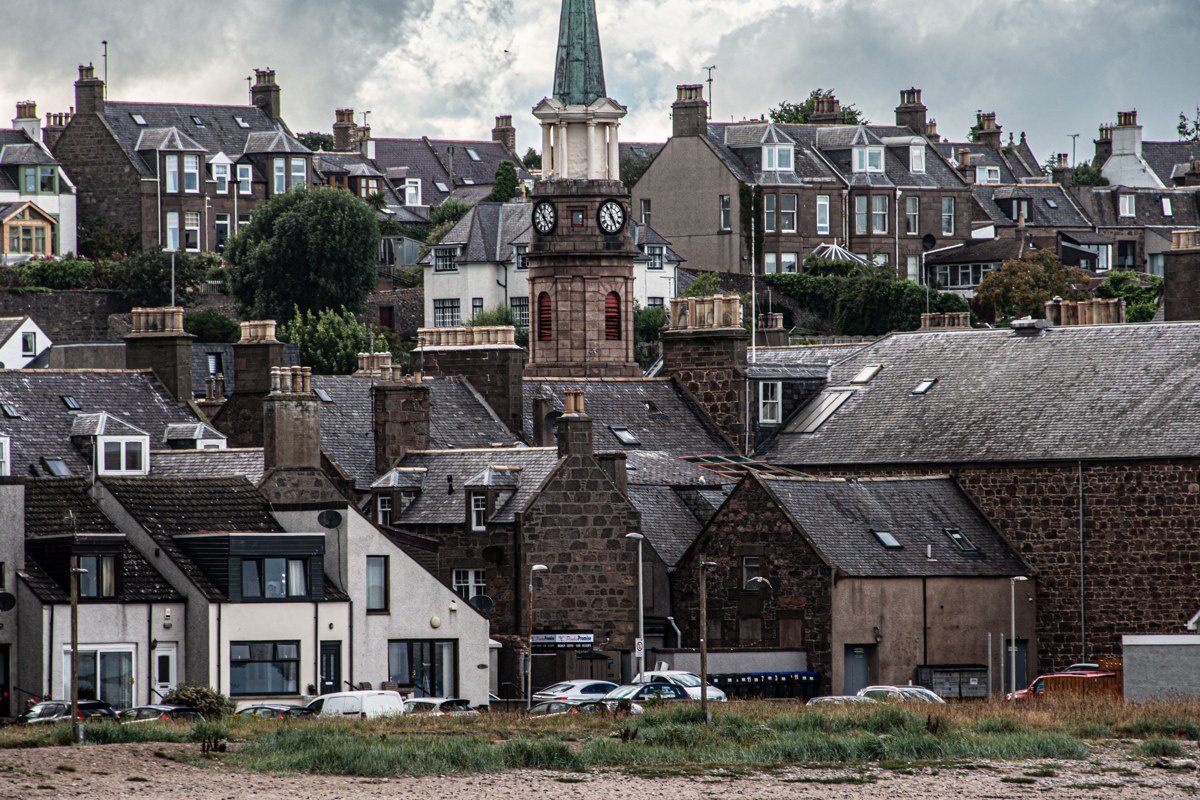
Cromarty sits at the tip of the Black Isle peninsula, enclosed on three sides by water, and it has the eerie preserved quality of a place that missed several centuries of development entirely. The town has a higher concentration of intact Georgian domestic architecture than almost anywhere else in the northern Highlands, rows of merchant townhouses with original sash windows and door surrounds that have not been modernised out of character. Walking the back lanes between the Firth and the main street, past the old brewery buildings and the Hugh Miller Cottage, feels genuinely like crossing a time threshold. The best thing to do is join a boat trip from the pier: the Cromarty Firth is one of the most reliable places in Scotland to see bottlenose dolphins, and watching them move through grey water with the oil rigs anchored in the background is a distinctly Highland kind of strange and beautiful. Come in June or July for the dolphins at their most active.
8. Wanlockhead, Southern Uplands
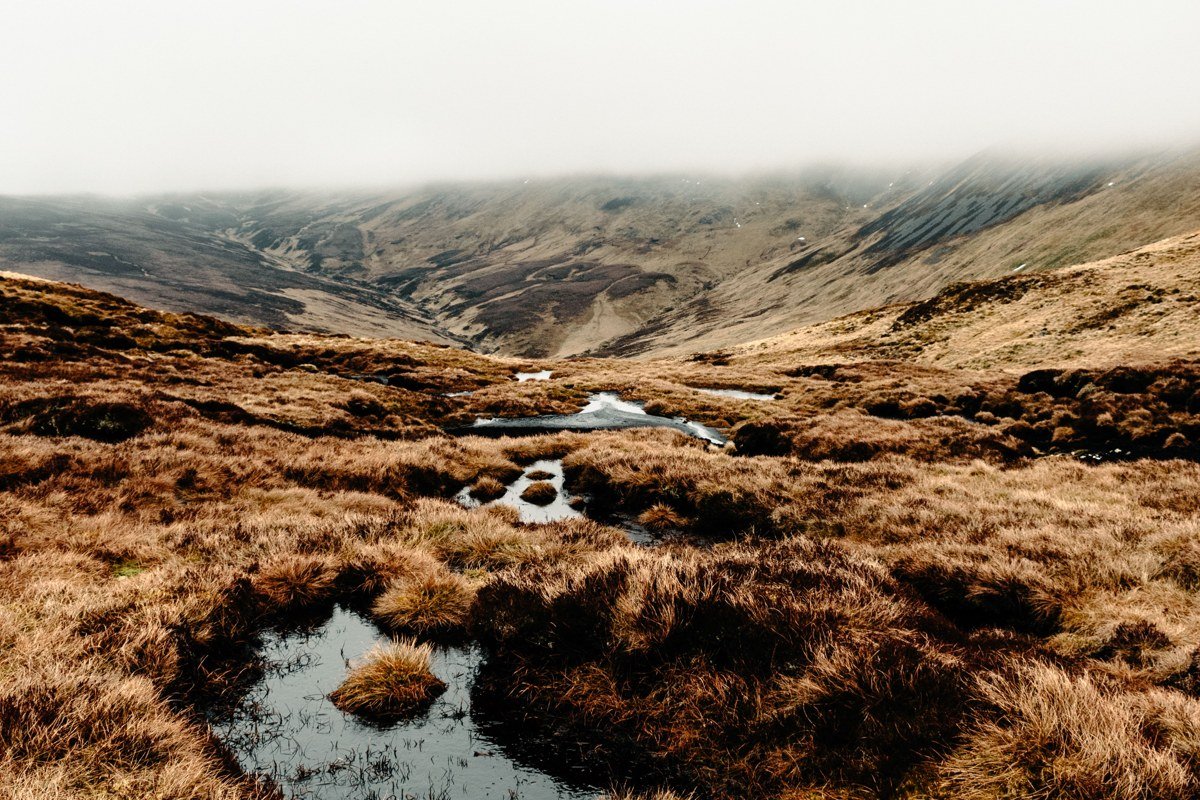
Wanlockhead is the outlier on this list in every possible way. It sits at 467 metres in the Southern Uplands, making it the highest village in Scotland, and it is built around a lead mining history that ended badly and left the landscape hauntingly scarred. The remains of the Straitsteps Mine and the beam engine house stand openly on the hillside, surrounded by moorland that turns blue-grey and bronze in autumn and winter. This is not a comfortable aesthetic. It is specifically the one Pinterest boards are now tagging “dark pastoral” or “derelict sublime.” The Museum of Lead Mining is well-run and informative, and the village itself has a quietly stubborn character: people actually live here year-round at altitude in a landscape that does not want to be lived in. Get here in late February when the surrounding moors are the colour of dried blood under a white sky and the ruins are at their starkest. It is less a fairy tale than a folk horror, and that is a genuine distinction worth making.
Practical Takeaways
A few things that apply across all eight of these places.
Most of them are on single-track roads. Give yourself more driving time than the map suggests, and learn the etiquette of passing places before you go. A two-hour journey on a map can take four hours on a Highland B-road if the light is good and you keep stopping, which you will.
If you are combining the Wester Ross entries, Torridon, Applecross, and Gairloch form a natural three-day loop from Inverness. Drive out to Torridon on day one, cross the Bealach na Ba to Applecross on day two, then follow the coast north to Gairloch on day three before returning east. The roads connect logically and the three places complement each other in character.
Accommodation is genuinely limited in most of these villages. Book well in advance for summer, and consider self-catering cottages over hotels: they are often in better positions and allow early starts before the light changes.
The villages on this list look best in shoulder seasons, specifically late September through November and March through May. Summer brings long light, which has its own value, but it also brings midges and crowds. The mist and drama that make these places feel cinematic are predominantly an autumn and winter phenomenon.
A quality waterproof layer is not optional. Even in July, the weather can change from golden to a horizontal grey within thirty minutes. That change, honestly, is often when the best photographs happen.
Finally: the fog, the low cloud, the rain-soaked stone. These are not obstacles to the Highland aesthetic. They are the Highland aesthetic. Plan for them, and they will give you images that feel genuinely otherworldly rather than like a slightly grey version of somewhere else.