
The park with no gate is Capitol Reef, and the irony is that it sits closer to the middle of the Mighty Five loop than any of the famous four, yet it’s the one people drive past at seventy miles an hour. Zion gets the crowds and the shuttle lines, Capitol Reef gets a two-lane highway running straight through it and nobody checking your trunk for snacks.
I decided on this list by thinking about who’s actually reading it: someone who has already looked at photos of Zion’s Narrows and Bryce’s hoodoos, has a rough week carved out, and wants to know what else belongs in the loop before they commit to a route. So this is nine stops built around that gap, the places that make a Utah national parks road trip feel like you found the parts other people skipped.
| Place | Best for | Getting there |
|---|---|---|
| Capitol Reef National Park, Utah | Gate-free scenic drives and fruit orchards | 2.5 hrs from Moab, 3.5 hrs from Salt Lake City |
| Zion National Park, Utah | Canyon hiking, the Narrows | 2.5 hrs from Las Vegas, Nevada |
| Bryce Canyon National Park, Utah | Hoodoos and sunrise views | 4 hrs from Las Vegas, Nevada |
| Capitol Gorge, Utah | Short slot-canyon style walk, petroglyphs | Inside Capitol Reef, 30 min off Hwy 24 |
| Goblin Valley State Park, Utah | Hoodoo scrambling with kids | 45 min north of Hanksville |
| Arches National Park, Utah | Iconic arches, sunrise photography | 5 min from Moab |
| Canyonlands National Park, Utah | Overlooks, Island in the Sky | 40 min from Moab |
| Grand Staircase-Escalante National Monument, Utah | Backcountry slot canyons | 1.5 hrs from Bryce Canyon |
| Cedar Breaks National Monument, Utah | High-elevation amphitheater, cooler air | 30 min from Cedar City |
Capitol Reef National Park, Utah
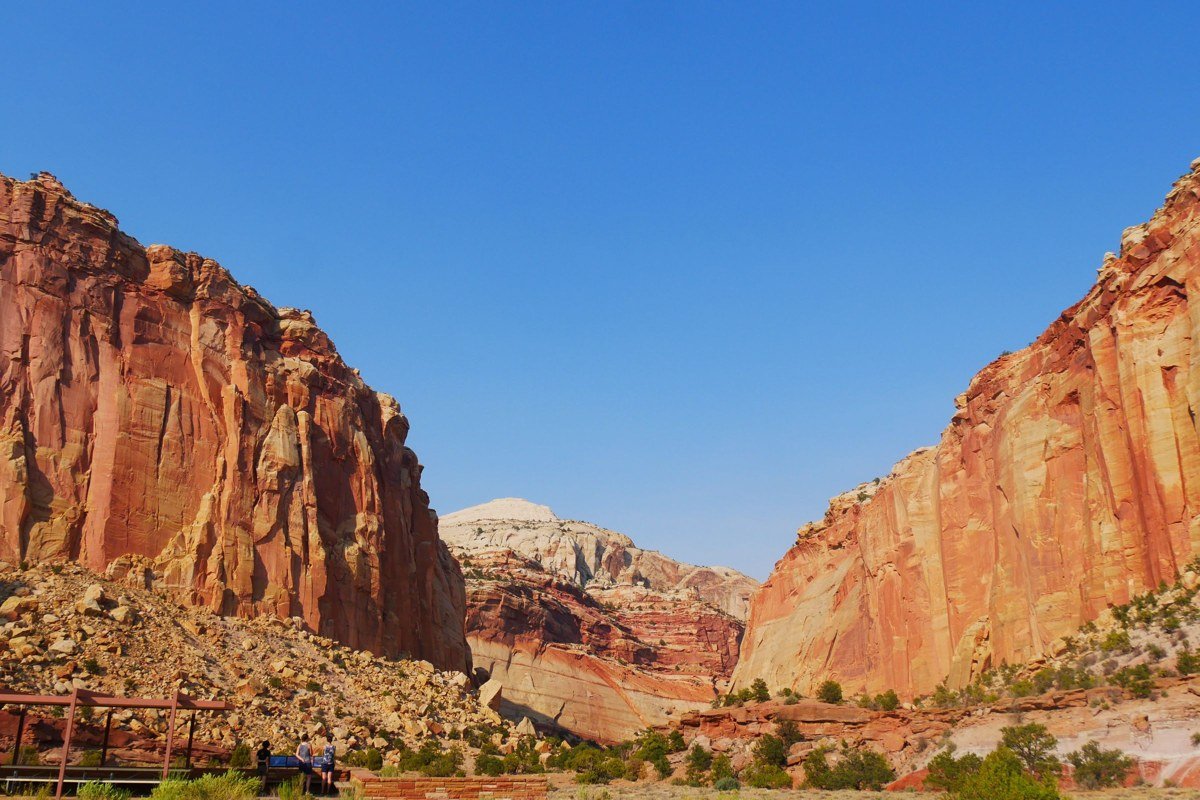
There’s no entrance station on Highway 24 because the road was there before the park boundary, and the Park Service never built a gate across a state highway. You drive the Fruita district for free, park at the orchards, and can pick fruit in season for a small per-pound fee at an honor stand. The Scenic Drive, the paved spur that peels off into the Waterpocket Fold, carries its own fee (ten dollars per vehicle as of the 2024 fee schedule, covered by the America the Beautiful annual pass), and that’s the only place money changes hands. Most Mighty Five itineraries give Capitol Reef a two-hour drive-through, but a half day lets you hike Cassidy Arch or Hickman Bridge without feeling rushed. The park’s own Fruita Campground (71 sites, first-come or reservable depending on season) sits inside the orchards and is the only in-park lodging option, so book ahead for spring and fall or plan to stay in Torrey, ten minutes west, where motels and cabins run cheaper than anything near Zion or Moab.
Zion National Park, Utah
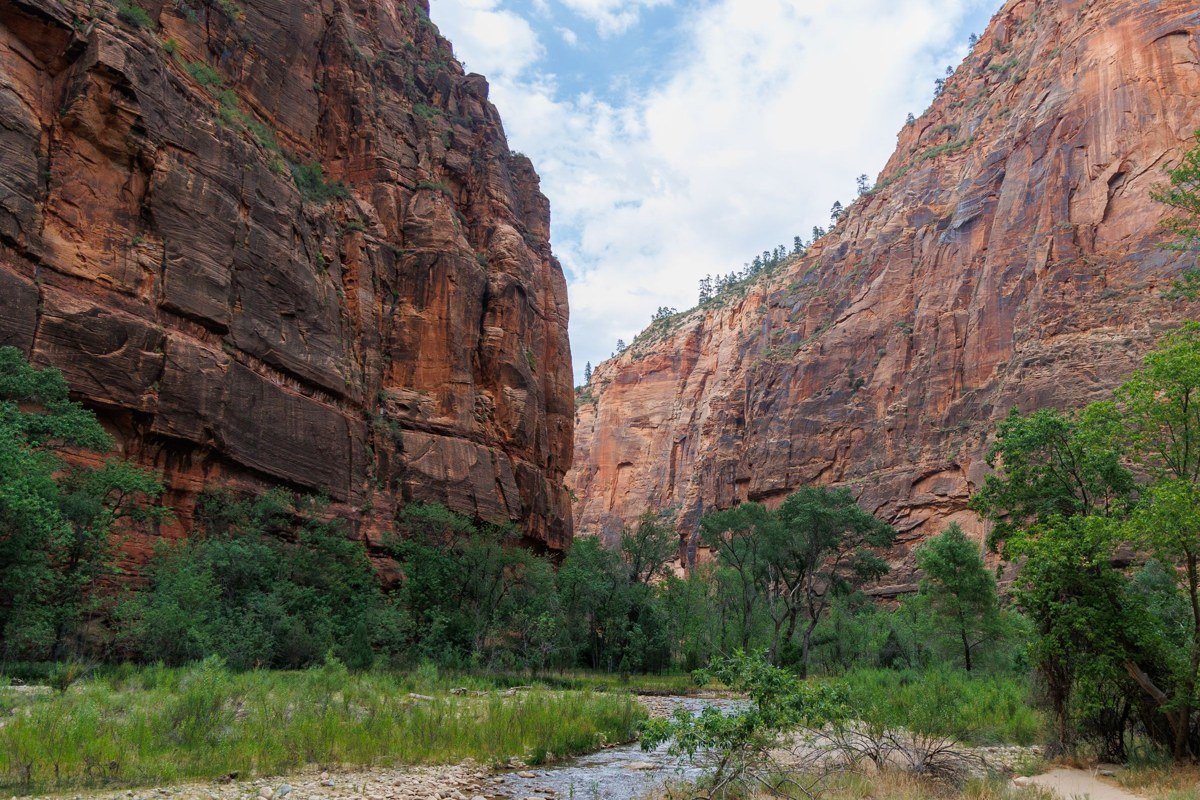
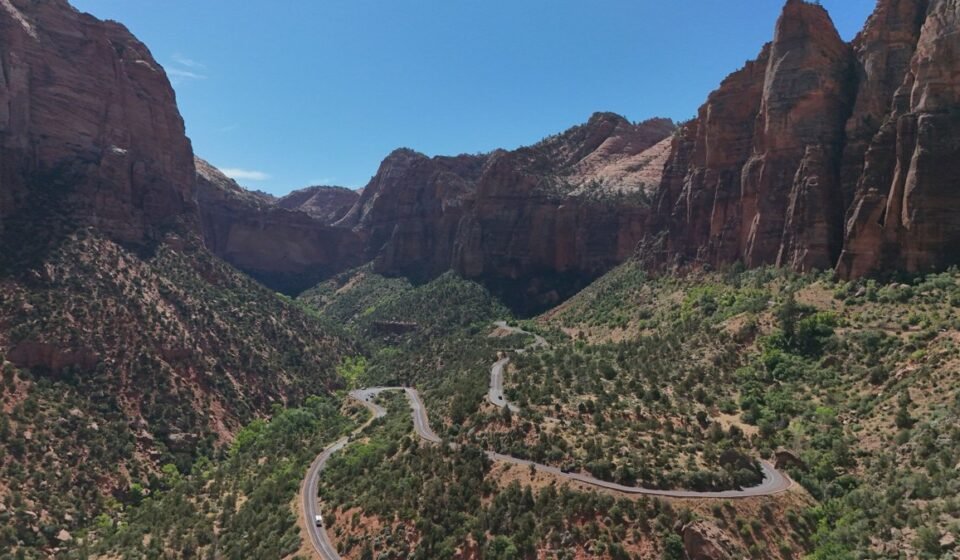
Zion is the park most people are already building a trip around, and it earns it. The Narrows and Angels Landing dominate the photos, but Angels Landing has required a permit since 2022, awarded through a seasonal lottery (apply the month before you go, a small non-refundable fee per application) plus a day-before lottery for latecomers, and people who show up expecting a walk-up hike are regularly turned away at the chain. The shuttle is mandatory for most of the year on the main canyon road, typically March through late November, so plan to park early at the visitor center in Springdale or stay in town and walk to the shuttle stop. Springdale’s lodging books out months ahead for spring weekends; Zion Lodge inside the park is the only in-canyon option and should be reserved as early as the booking window opens. If you’re doing this park alongside Bryce, the two-hour drive between them on Highway 9 and Highway 89 is one of the prettiest connector drives in the state, so don’t treat it as dead time.
Bryce Canyon National Park, Utah
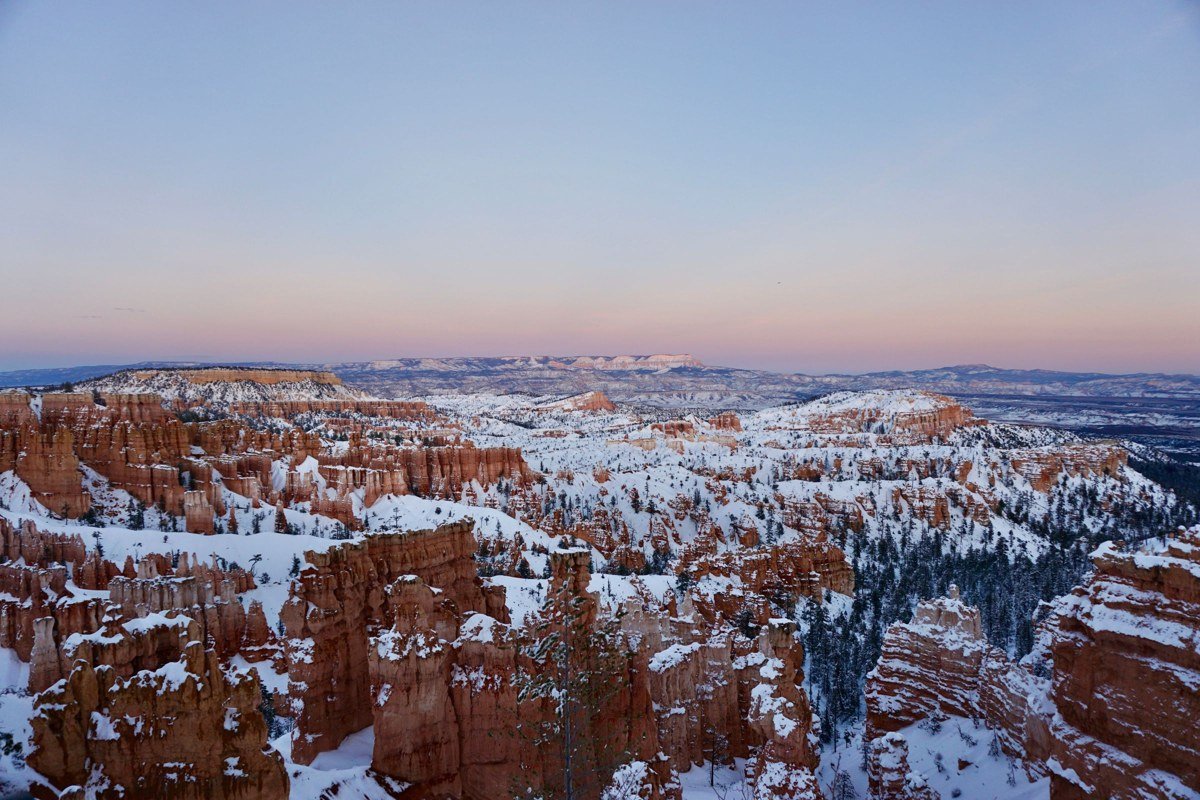
Bryce sits at over 8,000 feet, which means it holds snow into April and gets afternoon thunderstorms in late summer that Zion, 4,000 feet lower, doesn’t see the same way. Sunrise Point near the main lodge is the spot everyone photographs, and it deserves the reputation, but Sunset Point and the Navajo Loop trail give you the hoodoos from inside the amphitheater instead of above it. The park road can close temporarily after heavy snow in winter, so if you’re running a Utah national parks road trip in November, check conditions before you commit to a start time. North Campground, inside the park near the lodge, is the easiest base for a sunrise hike since you can walk to the rim before dawn without driving; it fills most nights from May through September. Bryce is also worth seeing twice in one trip, once at sunrise and once with evening light.
Capitol Gorge, Utah
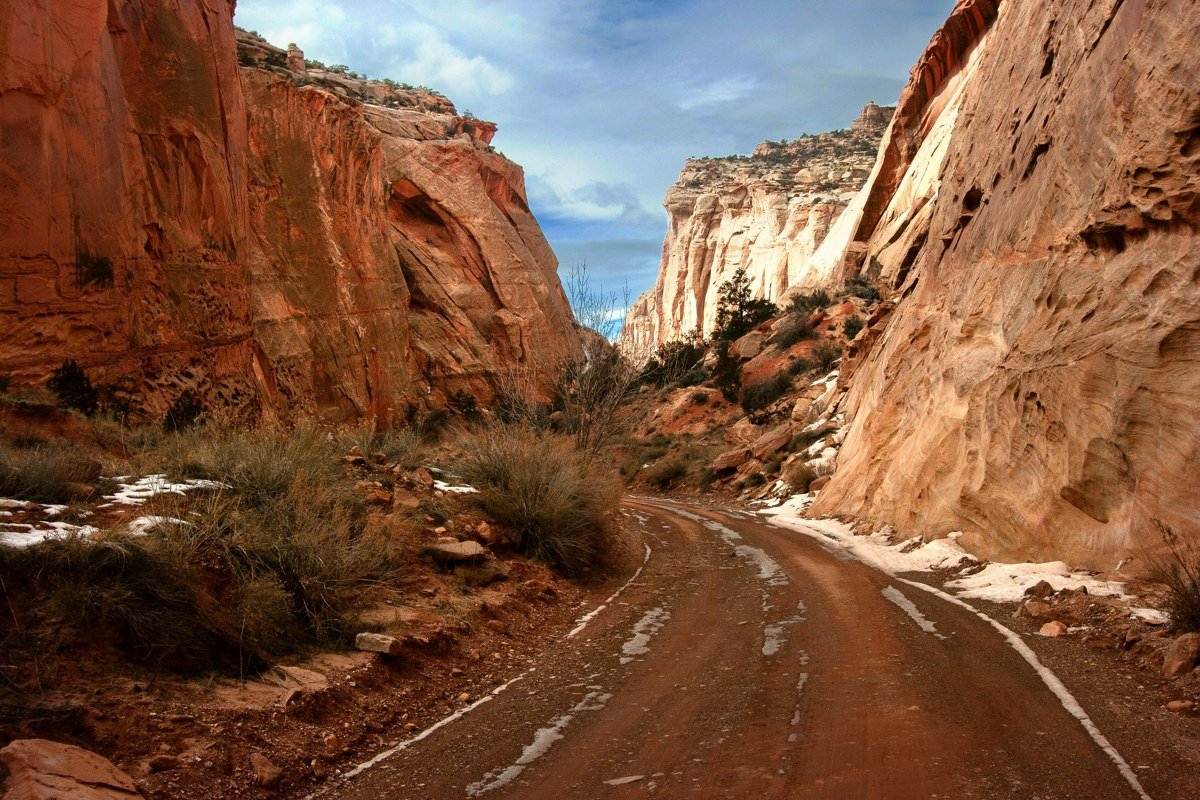
This is the detour inside the detour. Capitol Gorge was the original road through the Waterpocket Fold before the modern highway was built, and now it’s a flat, short walk along a dry wash with Fremont petroglyphs on the canyon walls and old pioneer names carved into rock from the 1800s. It floods fast in a storm, so this is not the trail to start if the sky looks heavy to the south. Most people doing Capitol Reef skip it because it’s not visible from the highway, which is exactly why it’s quiet even in peak season.
Goblin Valley State Park, Utah
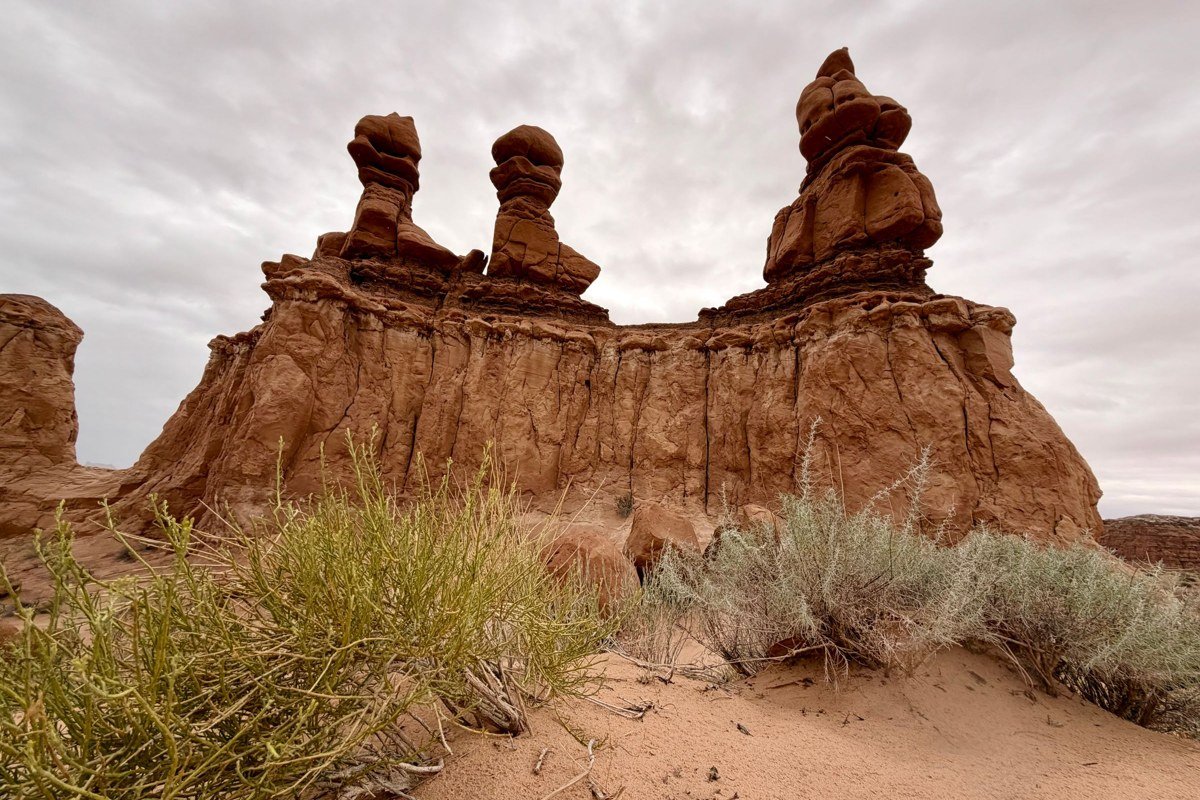
Goblin Valley is a state park, not a national one, which means a different fee structure and a much smaller footprint, but it’s the single best stop on this list for families. The main valley has no marked trails because you’re meant to walk among the hoodoos and climb on them, something you can’t do in most national parks. It’s about forty five minutes north of Hanksville, which makes it a natural bridge between Capitol Reef and Moab. The park’s small campground (24 sites, yurts available) is worth booking directly through Utah State Parks’ reservation system months out, since there’s no overflow lodging nearby. Go in the first or last two hours of daylight, the formations are flat and unimpressive under a high midday sun.
Note on the Hanksville to Goblin Valley to Moab stretch: gas stations thin out fast once you leave Hanksville, so fill the tank there rather than assuming you’ll find another station before the interstate. Cell service drops in and out along Highway 24 and the San Rafael Swell, so download offline maps before you leave Capitol Reef.
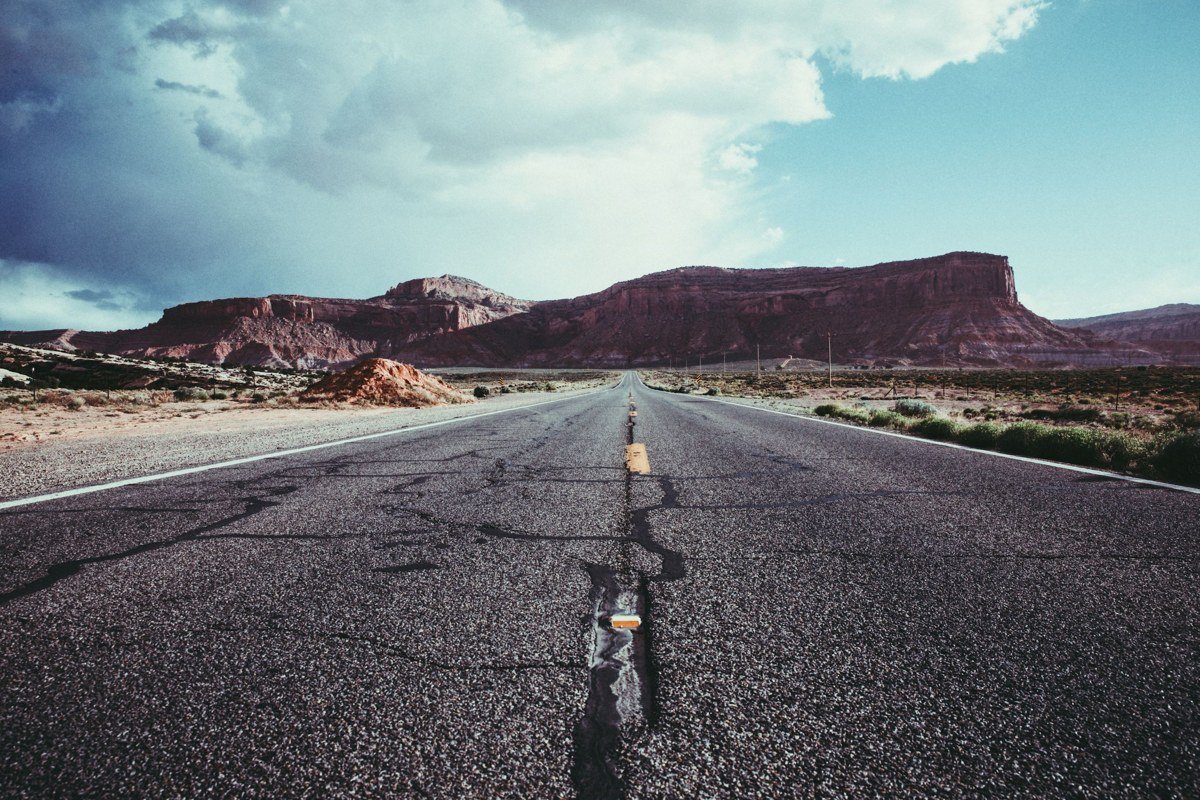
Arches National Park, Utah
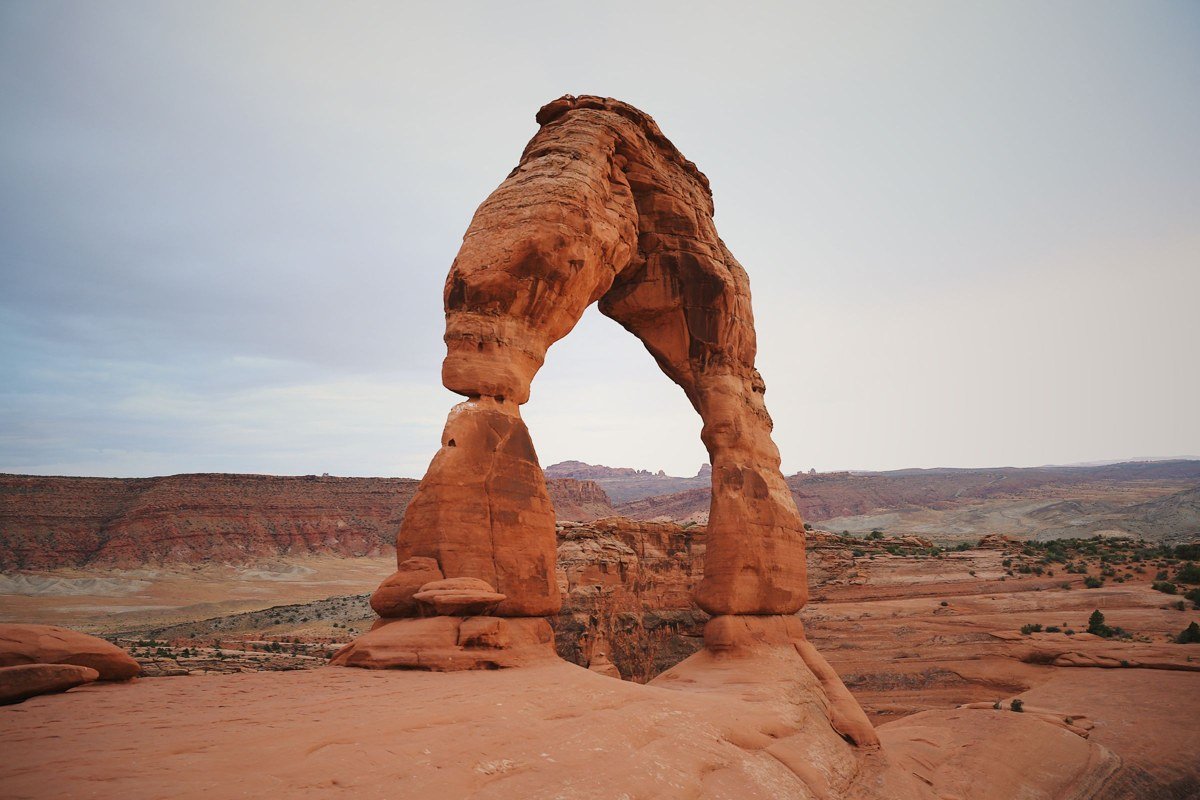
Arches is five minutes from downtown Moab, which is both its strength and its problem. From spring through fall, the park runs a timed-entry reservation system for entry between 7 a.m. and 4 p.m. (reservations open a few months ahead on recreation.gov), and the parking lot at Delicate Arch trailhead fills before 8 a.m. in peak season regardless. If you don’t get a reservation, come before sunrise or after 4 p.m., when the system doesn’t apply and the desert light is better anyway. Moab itself has no in-park lodging, but the town has the densest hotel and campground supply of any stop on this list, which makes it the practical base for both Arches and Canyonlands, book early for spring and fall weekends when Jeep Safari and other events fill rooms out. People call the Windows section overrated because it’s close to the entrance and crowded, but it’s crowded because it delivers four arches in under a mile of walking, which is a fair trade for most travelers.
Canyonlands National Park, Utah
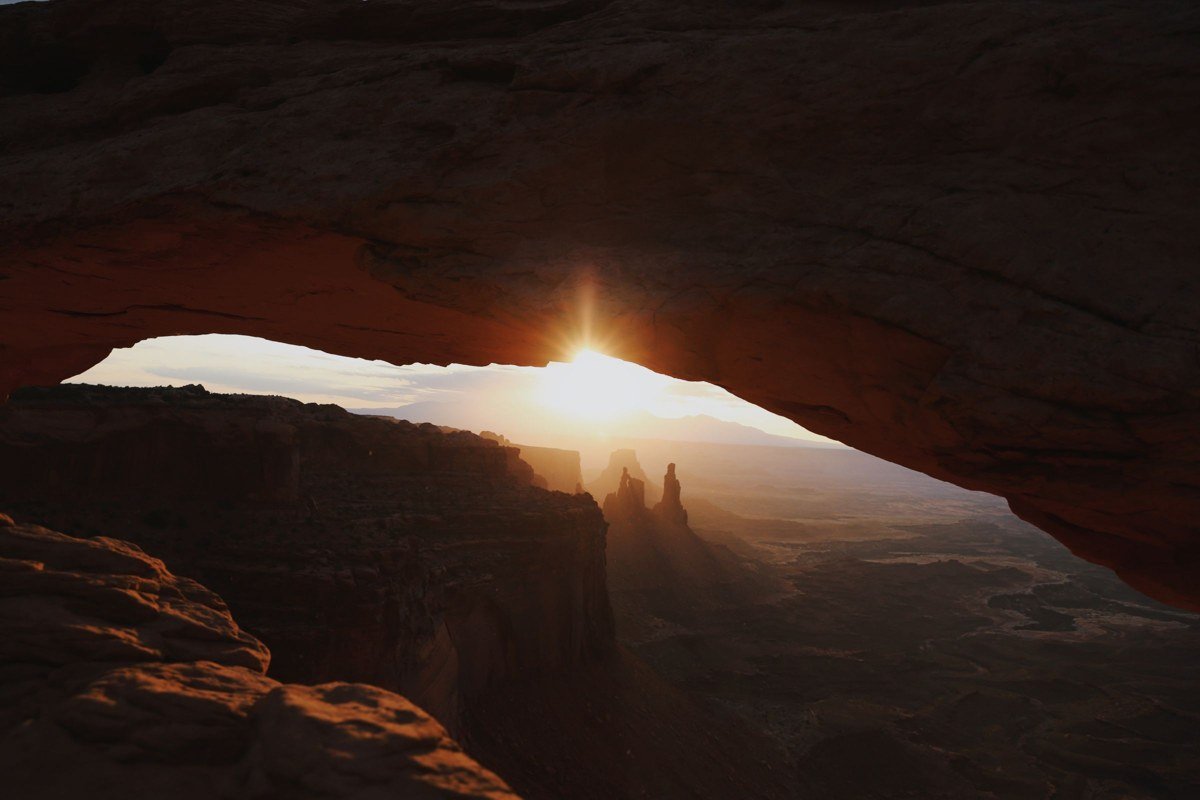
Canyonlands gets a fraction of Arches’ visitors despite being larger and, in the Island in the Sky district, arguably more dramatic. Mesa Arch at sunrise is the one photo everyone’s chasing, and it does get a small crowd now, but the Grand View Point overlook a few miles further is just as striking and nearly empty. This is the park to add if your itinerary is seven days or longer, since the Needles district on the south end requires its own separate drive and deserves an afternoon, not an hour. Island in the Sky’s Willow Flat Campground is small (12 sites, first-come, no water) and fills by mid-morning in season, so Moab remains the more reliable base. It’s forty minutes from Moab, so pairing it with Arches on the same day is easy logistically, harder on your legs.
Grand Staircase-Escalante National Monument, Utah
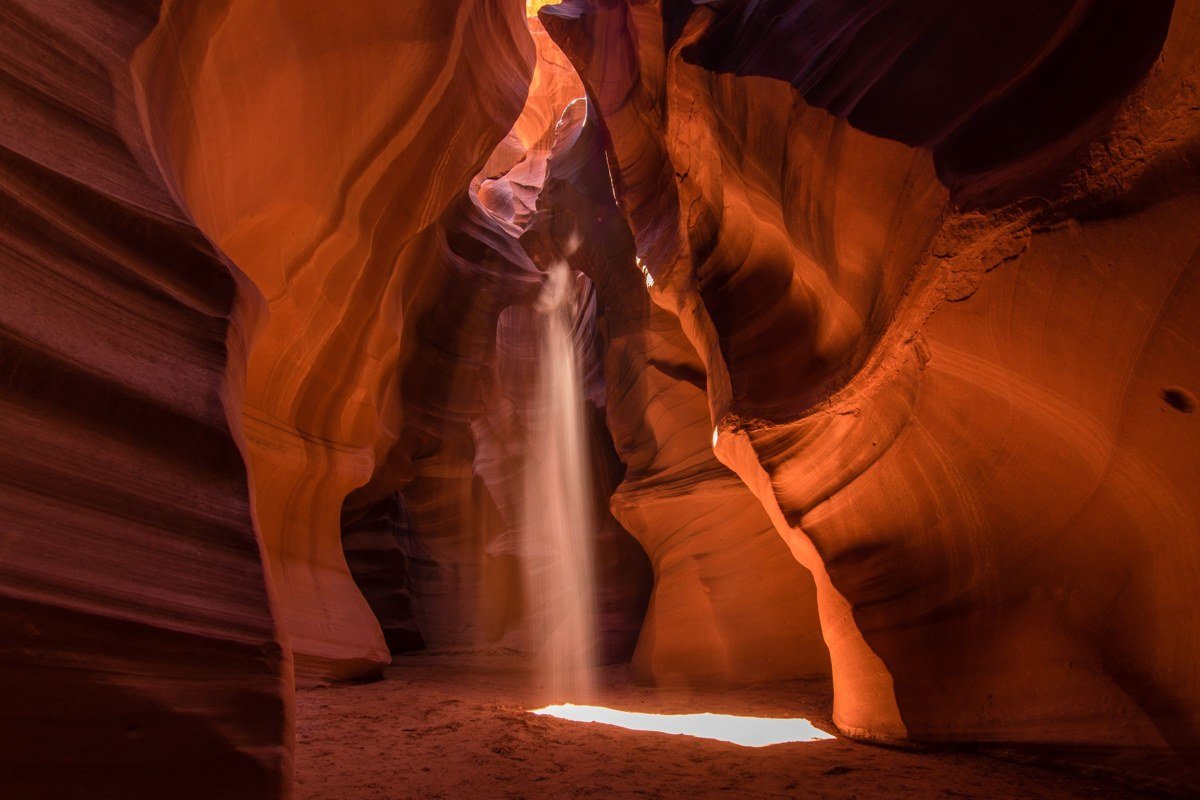
This is the biggest blank spot on most people’s Utah national parks road trip, and it’s a monument, not a park, so the rules are looser and the trails are less marked, sometimes not marked at all. Slot canyons like Peek-a-Boo and Spooky Gulch near Escalante require a rough dirt road that turns to impassable mud after rain, which is the number one reason to check weather before you go rather than after you’re stuck. Lodging inside the monument is limited to dispersed BLM camping (free, no reservation, no services) or a handful of small motels in the town of Escalante itself, so this is the stop to plan fuel, water, and a room around rather than wing. Budget a full day, the drive in alone eats more time than people expect.
Cedar Breaks National Monument, Utah
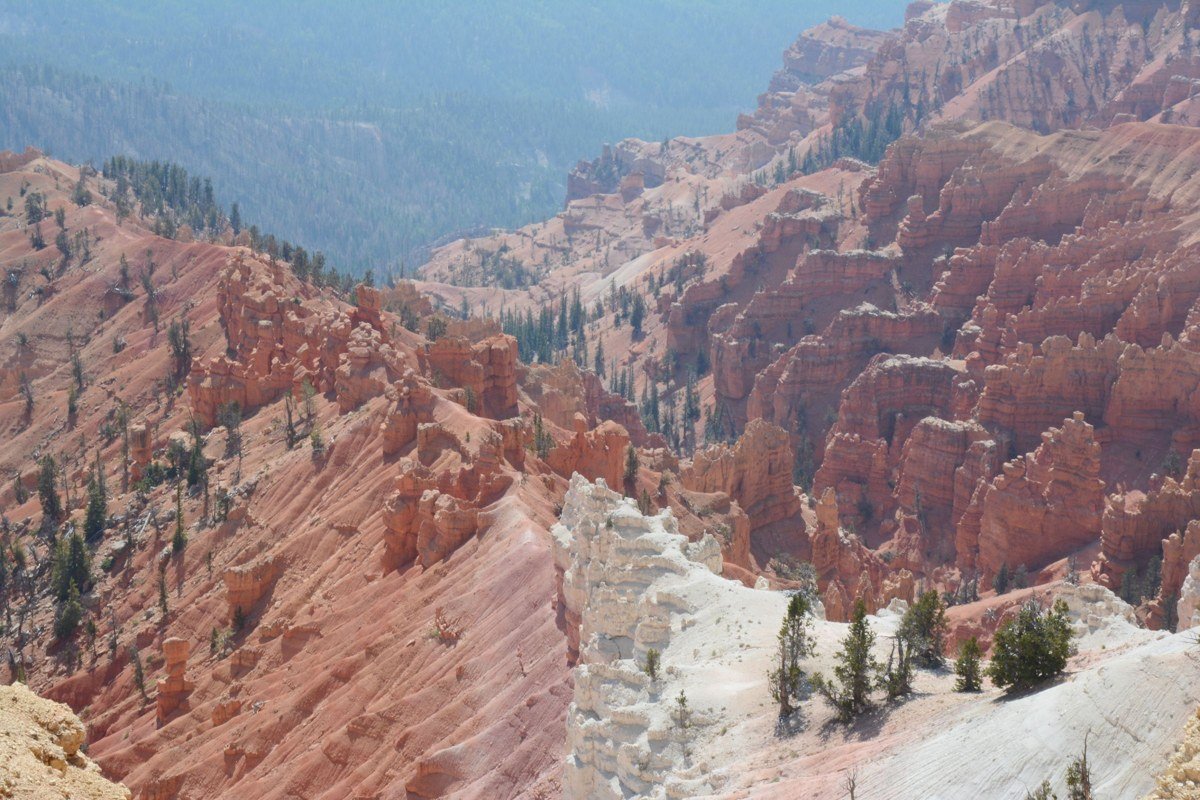
Cedar Breaks sits above 10,000 feet, which makes it the coldest stop on this list by a wide margin and the one place in the loop that closes its main road completely for the winter, typically from late October to late May depending on snowpack, so call ahead if you’re routing through in the shoulder months. In summer the elevation keeps it ten to twenty degrees cooler than Zion or Capitol Reef on the same afternoon, and the overlook views into the amphitheater hold their own against anything in the loop at a fraction of the visitation. Point Supreme Campground, the only campground on site, is small and open only through the summer season, first-come only. It’s a short detour off the route between Zion and Bryce on Highway 14, so it costs you maybe an hour. Go in July or August if you want wildflowers, they’re better here than almost anywhere else in this loop.
FAQ: Planning a Utah National Parks Road Trip
When’s the best time to go?
May, September, and October. Warm days without the July heat that makes afternoon hiking miserable in the lower elevation parks.
Is March a good time to visit?
It’s workable and quieter, but Bryce and Cedar Breaks can still have snow on the ground, so build in flexibility.
Are the parks open year round?
Yes, all five national parks stay open through winter, but services, shuttles, and some roads scale back from December through February, and Cedar Breaks’ main road closes outright.
How much driving is involved?
The five parks stretch across roughly 300 miles end to end, with two to four hours between neighbors depending on the pair.
How many days do I need?
Five days means choosing three parks well rather than rushing five. Seven to ten days lets you add Capitol Reef, Goblin Valley, and Grand Staircase-Escalante without feeling like you’re driving more than you’re hiking.
Where should I start?
From Las Vegas, Nevada, Zion is the natural entry point. From Salt Lake City or Denver, Colorado, you’ll hit Arches and Canyonlands first before working south.