Michigan’s Lake Michigan Shore Has a Cabin Season Nobody Talks About: 10 Towns to Book Before Memorial Day

The cheap season on Michigan’s Lake Michigan shore runs from ice-out through the third week of May, and most travel planning skips right past it.
That gap exists because of how this coastline actually behaves. Lake Michigan is a cold, moody body of water well into spring, a northwest wind can drop the air temperature ten degrees in an hour, and the dune grass doesn’t green up until most of the country has already planted tomatoes. Michiganders know this, so the towns along the state’s left hand (literally, since every local describes the Lower Peninsula by holding up their palm) stay quiet until Memorial Day flips a switch. A lakefront cottage that runs $400 a night in July can rent for $180 to $220 in late April, according to rate patterns rental managers along the Harbor Country stretch report seeing year to year on platforms like VRBO. This is for travelers who want fireplace weather, empty beaches, and a rate that doesn’t require booking a year out, and who don’t mind a jacket at sunset.
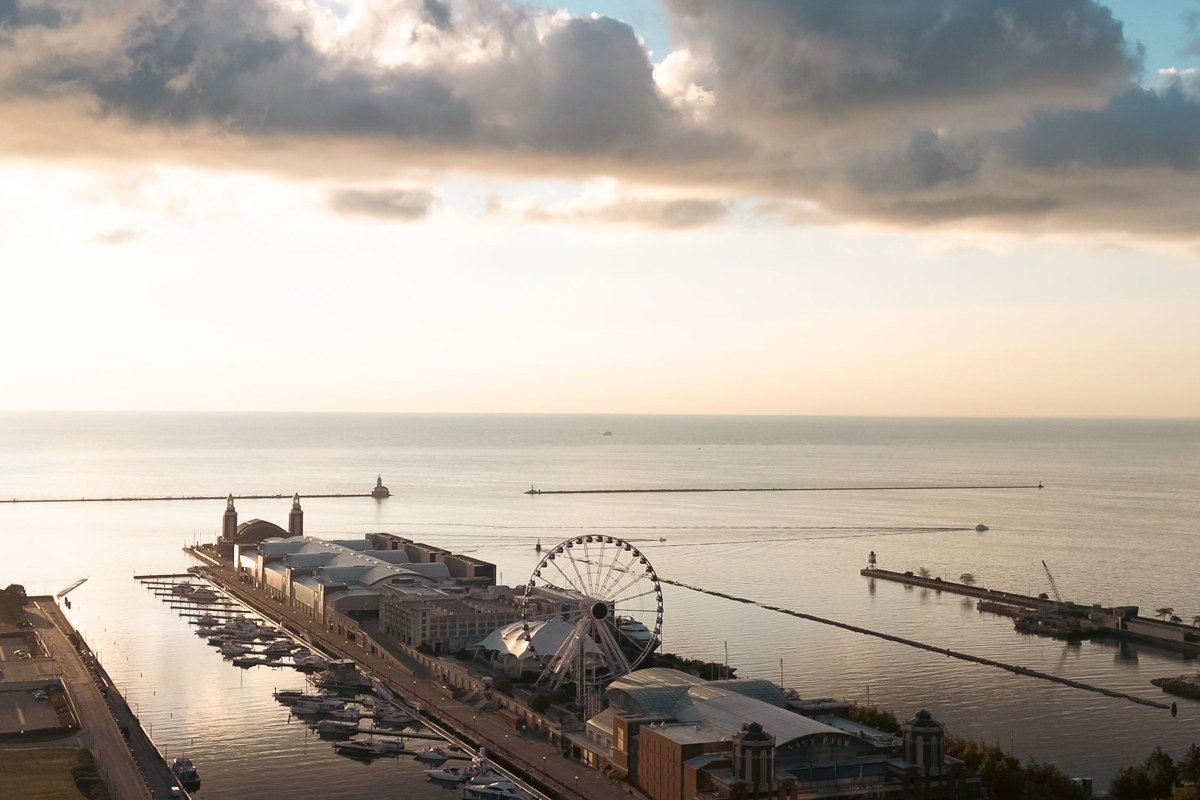
The Harbor Country towns closest to Chicago
This cluster sits in Michigan’s southwest corner, the stretch locals call Harbor Country, and it’s the answer every time someone searches for Michigan lake towns near Chicago. From the Loop it’s about 75 to 90 minutes up I-94, which is exactly why these towns fill first once summer hits and exactly why the off-season deals here are the deepest in the state.
Logistics: The South Shore Line train runs year-round between Chicago’s Millennium Station and New Buffalo, so this is the one cluster reachable without a car. Most Harbor Country beach lots switch from free to metered parking around Memorial Day weekend, not before.
New Buffalo, Michigan
New Buffalo is the gateway, the first proper lake town you hit coming from Chicago, with a working marina, a walkable downtown, and a public beach that gets packed by July and nearly empty in April. Off-season, restaurants that run an hour wait in summer, including Redamak’s, the burger spot locals queue for on summer weekends, will seat you immediately in spring. Rooms at the Harbor Grand Hotel drop from summer weekend rates into the $150 to $180 range on April weeknights. The train station here means you can actually day-trip from Chicago without a car, which almost nobody realizes.
Pair it with: Union Pier, Michigan, 10 minutes north on the Red Arrow Highway.
Union Pier, Michigan
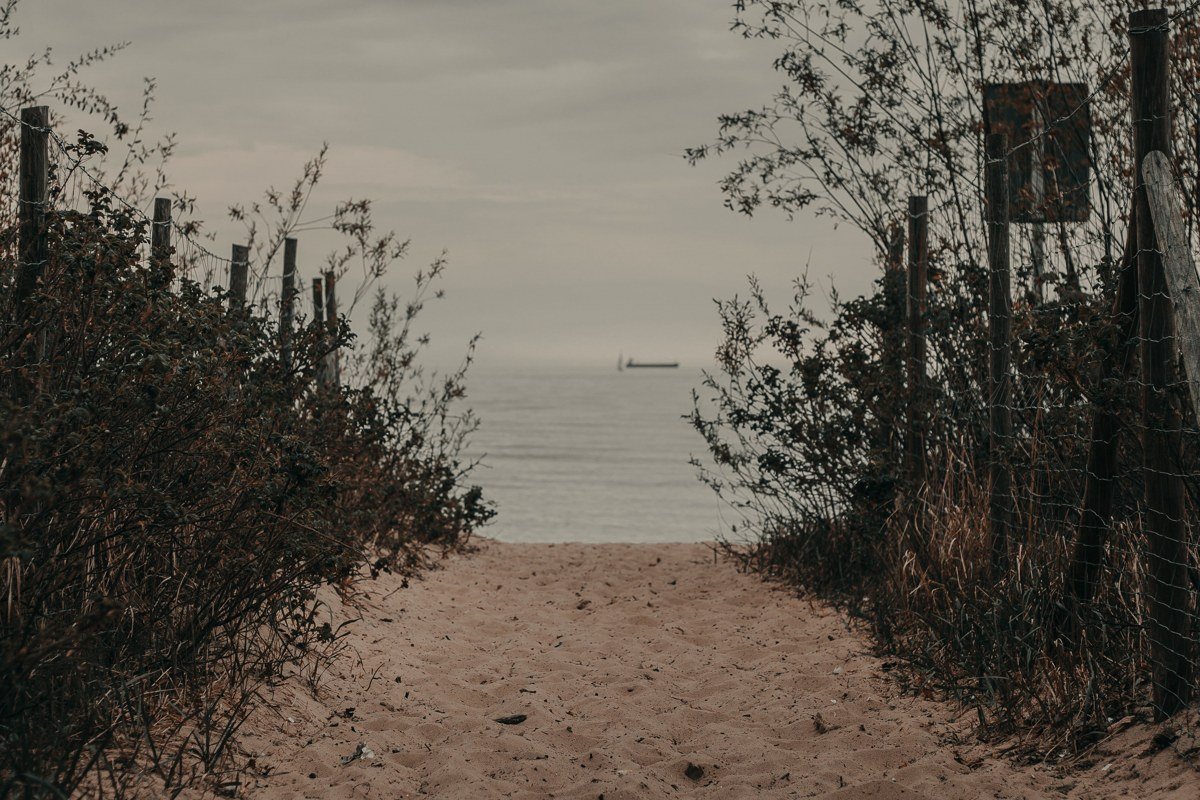
Union Pier is smaller and sleepier than New Buffalo, mostly cottages and a handful of inns tucked behind dune grass. The public beach access at Union Pier Beach has free parking in spring and a paid lot once the season turns. This is the one locals mean when they say “overrated” about New Buffalo’s beach, since Union Pier’s sand is quieter and the water access is less crowded even in high summer. The town has almost no nightlife. Book it if you want silence.
Pair it with: Sawyer, Michigan, about 8 minutes inland, home to the Shagbark Farms produce stand and the Journeyman Distillery.
Grand Beach, Michigan
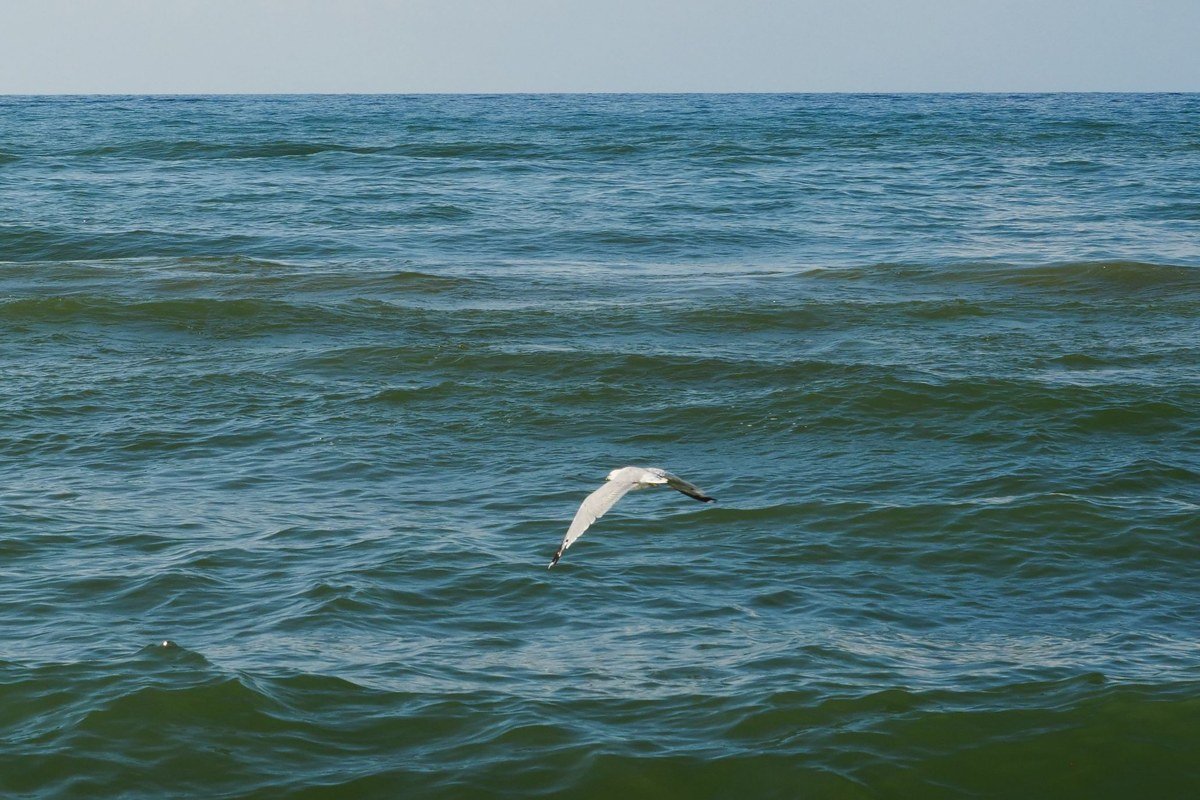
Grand Beach is a tiny incorporated village built on a bluff, mostly seasonal homes rather than rental cabins, but a handful of short-term rentals open up in shoulder season at a steep discount because the town has no commercial strip to speak of. The draw is the view: houses sit high enough above the water that even a gray April day looks dramatic. There’s no real downtown, so you’ll drive into New Buffalo or Michigan City, Indiana for supplies.
Pair it with New Buffalo, under 10 minutes south.
The Saugatuck and Holland corridor
Keep driving north on the lakeshore and the towns get artsier and the dunes get bigger. This stretch, roughly 2.5 to 3 hours from Chicago and about 40 minutes from Grand Rapids, is where most “best Michigan lake towns for summer” lists start and stop, which is exactly why hitting it before Memorial Day matters so much here. Parking lots that charge by the hour in July are often free or unenforced in early May.
Logistics: The Saugatuck Chain Ferry typically runs Memorial Day through Labor Day; outside that window you’re driving or walking around the river instead. Holland State Park charges a Michigan state park vehicle entry fee (a Recreation Passport, under $15 for residents, around $9 to $17 for non-residents depending on pass type), required year-round, not just in summer.
Saugatuck, Michigan
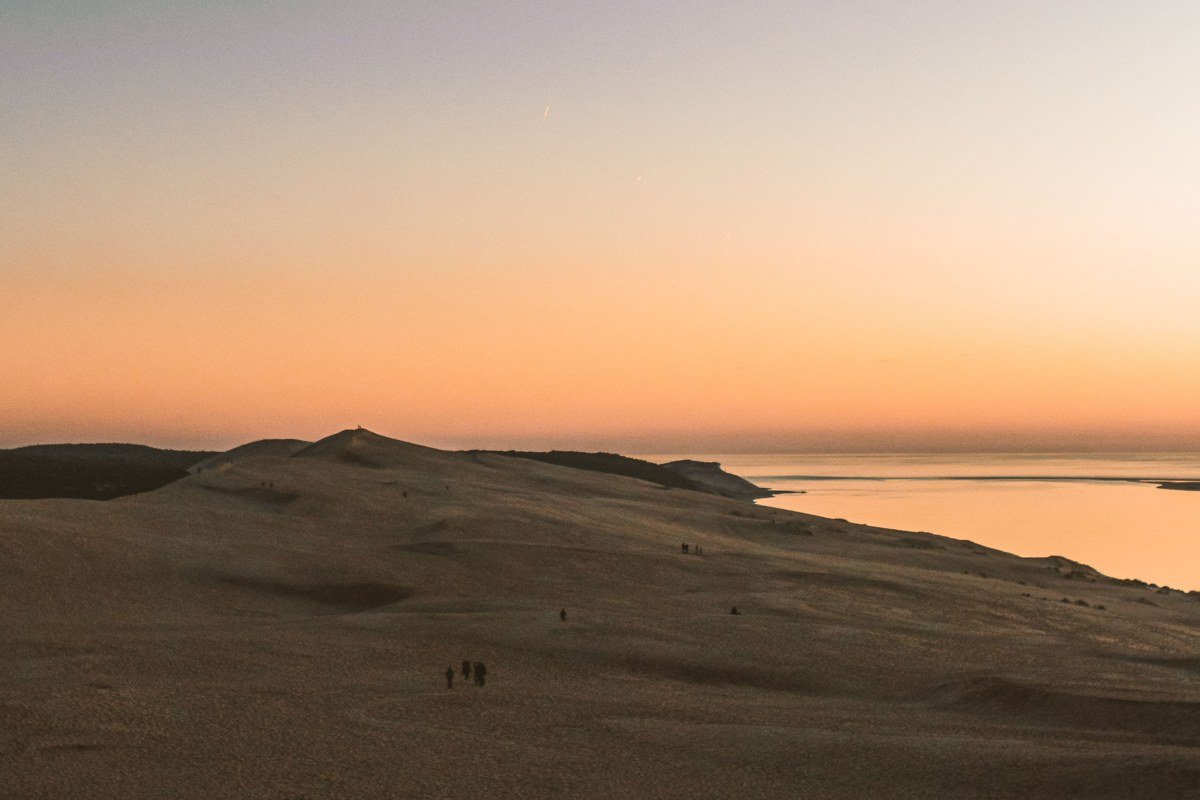
Saugatuck pairs an actual art-colony downtown with a dune climb and a chain ferry across the Kalamazoo River that still runs hand-cranked in season. The town leans gallery and boutique rather than honky-tonk; Spotted Cow Creamery and the galleries along Butler Street do steady business even in shoulder months. Off-season, the municipal dune park has almost no line, but the ferry isn’t running, so check the posted season dates before you plan a visit around it.
Pair it with: Douglas, Michigan, literally across the river, a 5-minute drive or a ferry ride in season.
Douglas, Michigan
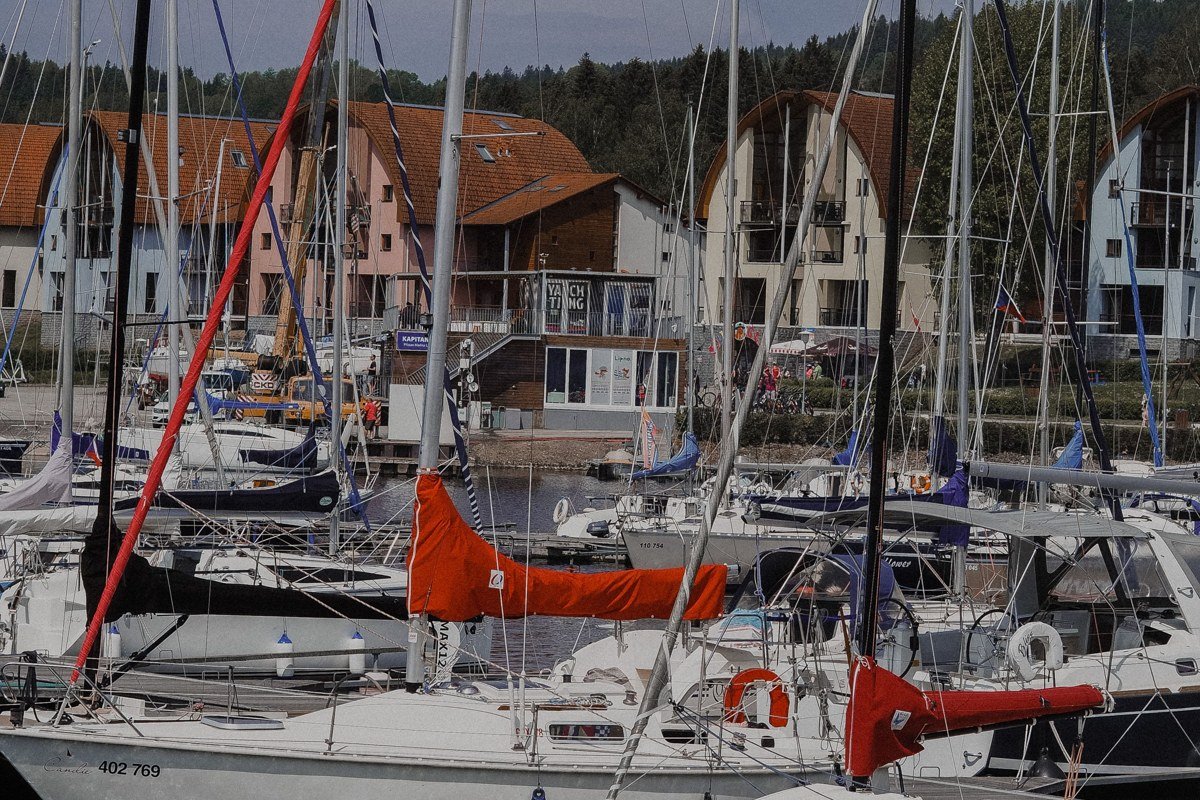
Douglas is Saugatuck’s quieter twin, sharing the harbor but without the gallery-hopping crowds. Lakefront cottages here rent for noticeably less even in peak summer, and it’s a good base if you want proximity to Saugatuck’s restaurants without paying Saugatuck’s lodging premium. The marina stays active nearly year-round, so winterized cabins with water views are easier to find than you’d expect.
Holland, Michigan
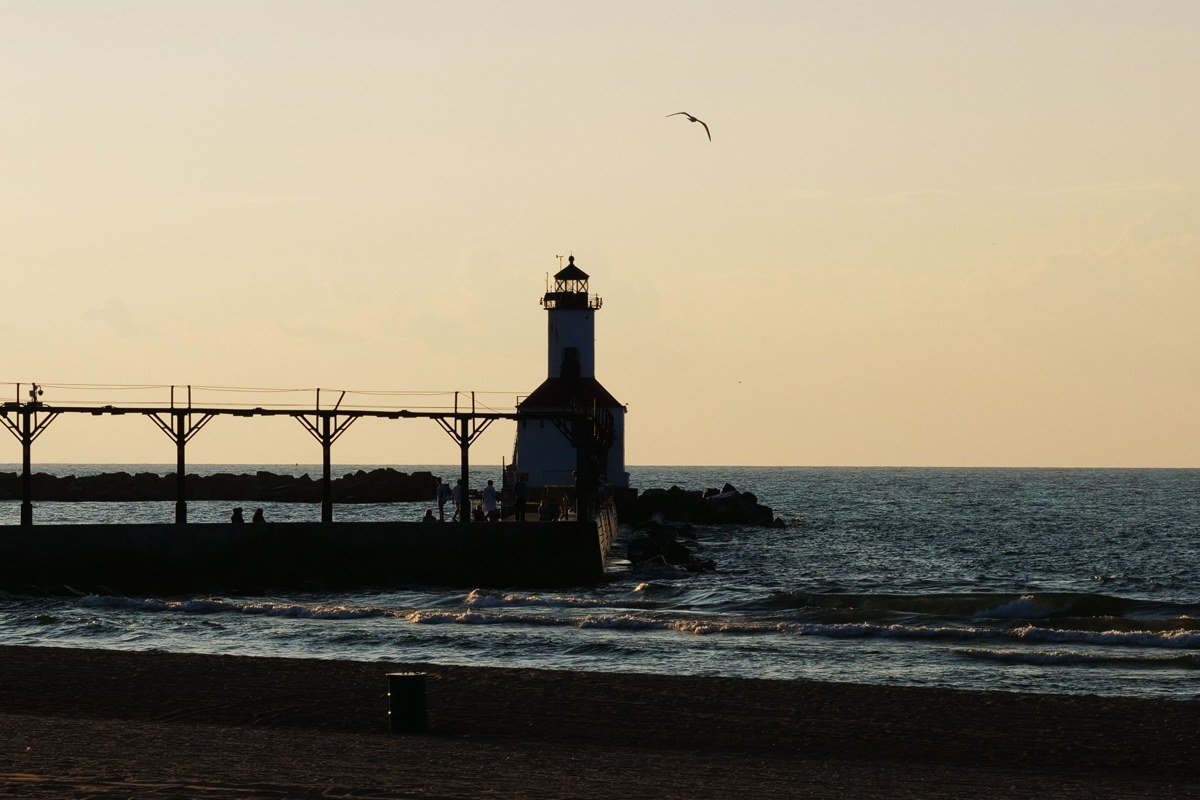
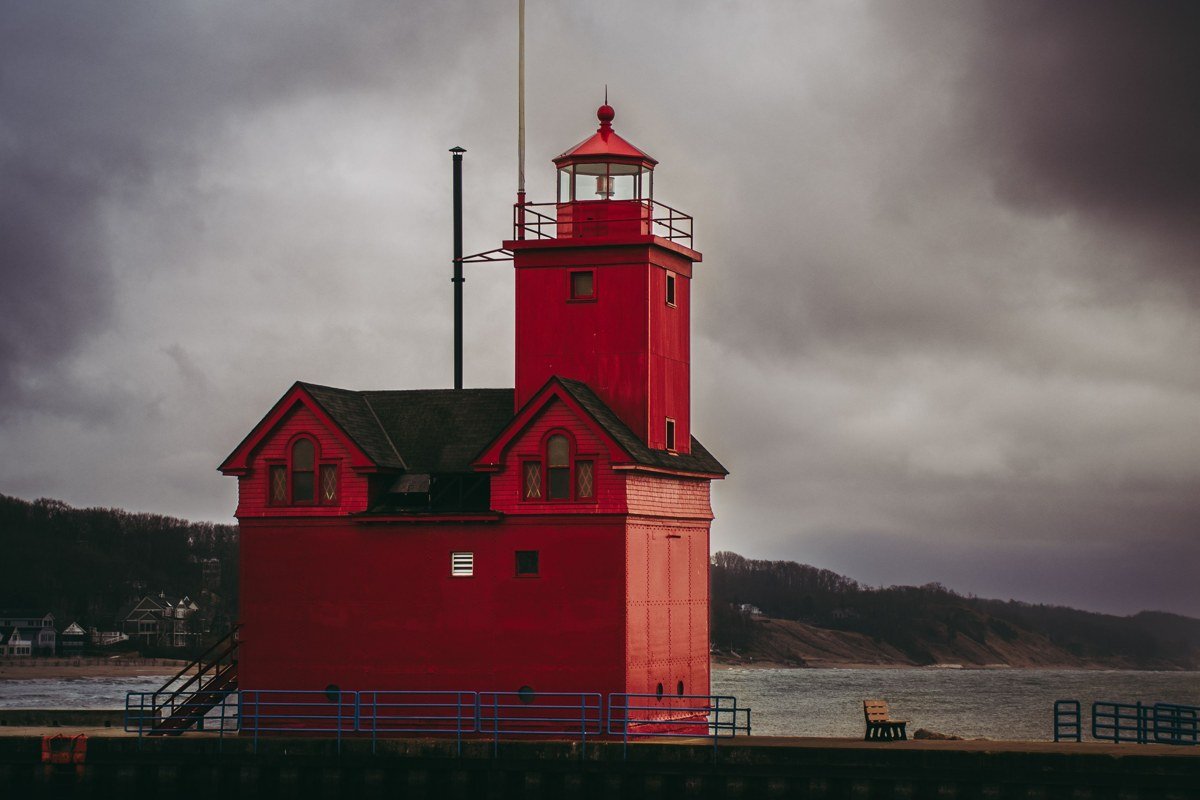
Holland is best known for the Big Red lighthouse and for Dutch heritage sites, but the real reason to book it in shoulder season is Holland State Park. The park’s main lot has a few hundred spaces and routinely fills by midday on summer weekends, according to Michigan DNR advisories issued during peak season; in May it rarely comes close. Tulip Time, the city’s Dutch heritage festival, runs for about ten days in early May (dates shift slightly each year, check tuliptime.com before booking), and draws its own crowds and price bump, so the quiet, cheap version of Holland sits in the week or two before or after the festival, not during it. The town has a genuine four-season economy, so restaurants and shops stay open year-round rather than shuttering after Labor Day.
Pair it with: Saugatuck, about 20 minutes south on the Blue Star Highway.
The Sleeping Bear Dunes and Traverse City arc
This is the stretch that separates Lake Michigan towns from everywhere else, because nothing in Indiana or Wisconsin has dunes on this scale. It’s roughly 4.5 to 5 hours from Chicago and closer to 3.5 from Detroit, far enough that this region empties out hard once Labor Day passes and stays quiet until school lets out. The off-season window here is longer than down south.
Logistics: The Pierce Stocking Scenic Drive inside Sleeping Bear Dunes National Lakeshore closes for the season in early November and typically reopens in mid-to-late April, with the exact date posted by the National Park Service once plowing is done, so an April trip means checking nps.gov/slbe for current status before building a route around it. Park entry requires a Sleeping Bear Dunes pass: $10 for a single vehicle for seven days, or $45 for an annual pass as of recent NPS fee schedules, worth it if you’re staying more than four or five days.
Glen Arbor, Michigan
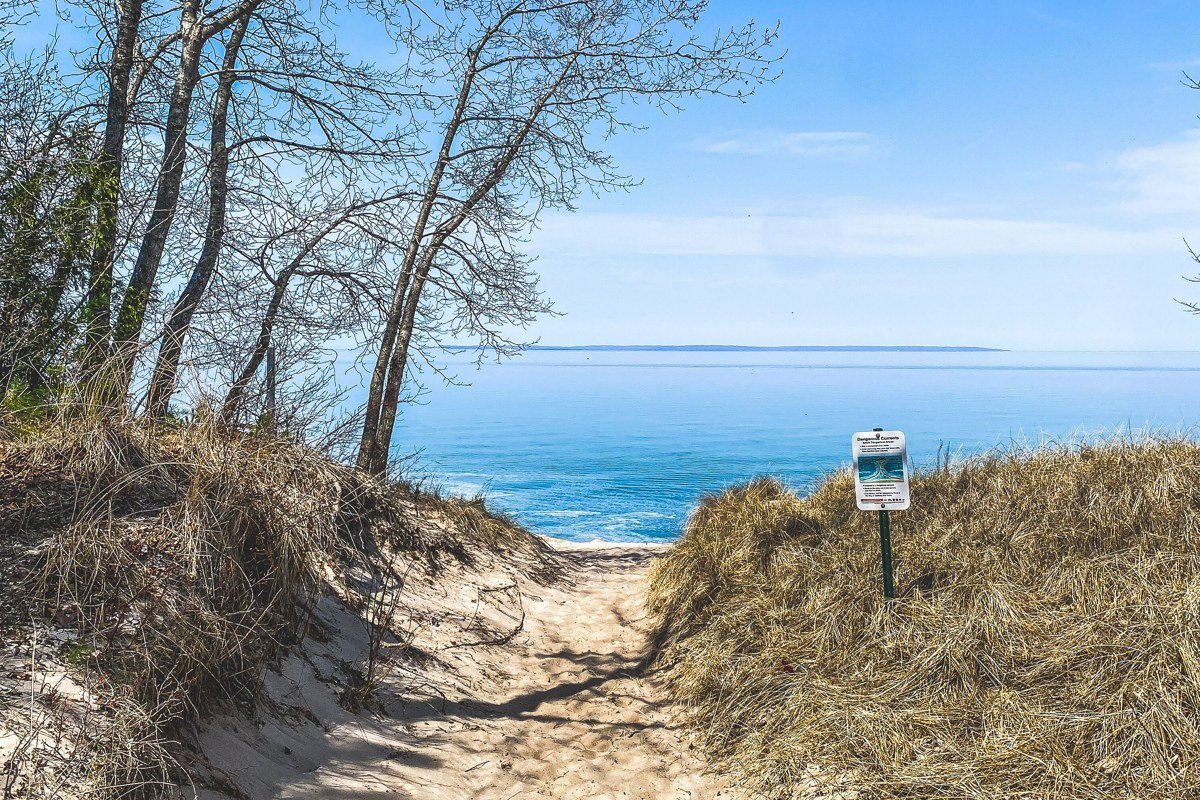
Glen Arbor sits right at the edge of Sleeping Bear Dunes National Lakeshore, small enough that you can walk the whole village in ten minutes, with cabins and cottages tucked into the woods a short drive from the dune climb. Summer weekends here book a year ahead for the nicer places; shoulder season, rental managers at local agencies report openings with as little as a few days’ notice. The dune climb itself is free to walk, but it falls inside the park boundary, so the per-vehicle pass above still applies.
Pair it with: Leland, Michigan, about 20 minutes north.
Leland, Michigan
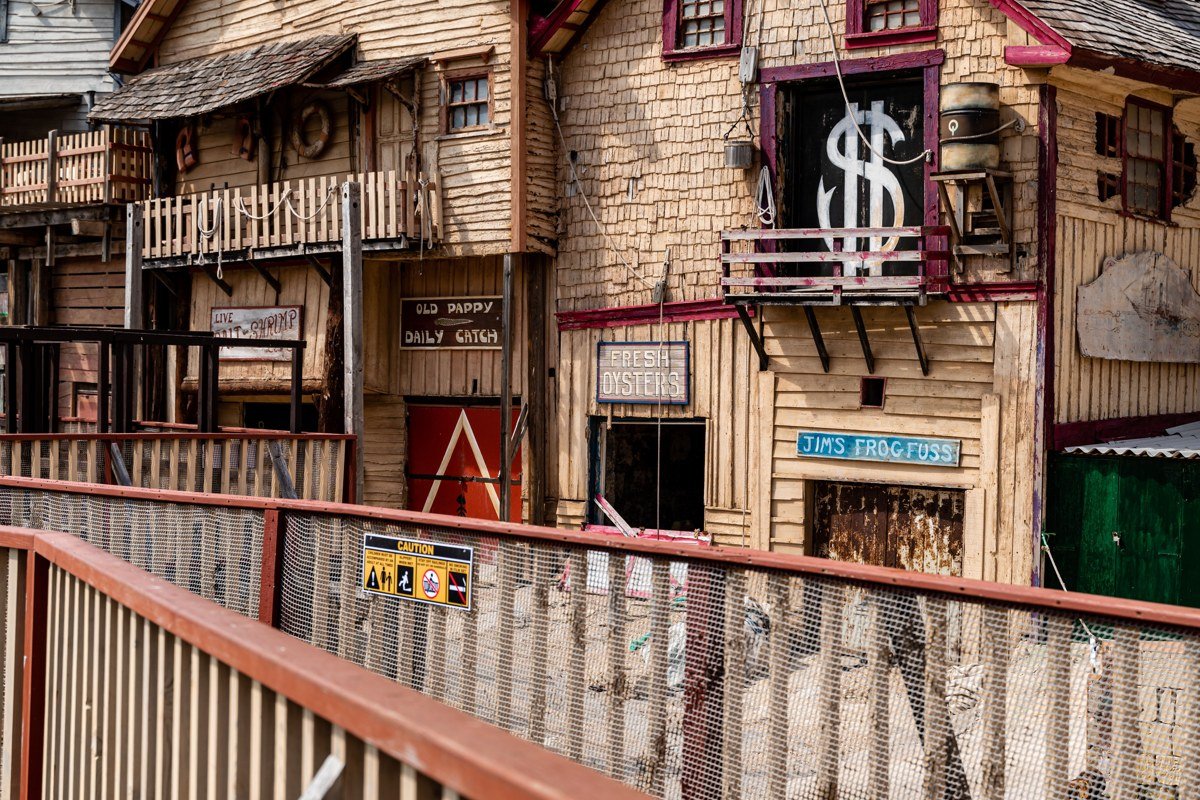
Leland’s claim is Fishtown, a cluster of weathered fishing shanties right on the river that somehow still functions as a working harbor and not just a photo backdrop. It’s touristy in July, nearly deserted in April, and the smoked fish shops (Carlson’s Fishery has operated out of Fishtown for decades) that have lines out the door in summer are happy to chat with you one-on-one in shoulder season. Cabins here skew toward inland lakes, Lake Leelanau is close, rather than directly on Lake Michigan, which keeps prices a notch below Glen Arbor.
Empire, Michigan

Empire is the least-hyped of the three dune towns: a real town with a hardware store and a diner, not a resort village performing for tourists. It sits at the southern access point for the national lakeshore, with a bluff overlook at Empire Bluff Trail that rivals Glen Arbor’s views without the crowd. The pick for travelers who find Glen Arbor a little too cute and want their cabin town to still feel like a town.
Pair it with: Glen Arbor, about 15 minutes north.
Traverse City, Michigan
Traverse City is the hub for this whole region: big enough to have an actual restaurant scene, a wine trail along both arms of Grand Traverse Bay, and an airport (Cherry Capital Airport) with direct flights from several Midwest and East Coast cities. It’s less a quiet-cabin pick and more the base you use to stock up and eat well between dune days. The National Cherry Festival runs for eight days in early July and fills hotels across the region; off-season, the tasting rooms on Old Mission and Leelanau peninsulas are quiet enough that you can talk to the pourer instead of waiting in line.
Pair it with: Empire, about 25 minutes southwest.
Choosing a cluster comes down to how much drive time you’re willing to trade for how much solitude you want. Harbor Country is the right call for a genuine long weekend out of Chicago, since you can leave after work Friday and be unpacked by dinner. Saugatuck and Holland suit a slightly longer trip with better restaurants and an easy add-on to a Grand Rapids visit. The Sleeping Bear Dunes arc is worth the extra miles if the dunes themselves are the destination, but build in an extra half day, both for the drive and for the fact that services up there thin out fast once you’re off M-22.