Acadia National Park’s Foggy Coves Are Best Before 7 AM: 9 Shoreline Stops Worth the Early Alarm

Most people planning a Maine coast trip spend all their energy picking between coastal Maine towns like Camden, Kennebunkport, and Bar Harbor, then treat Acadia National Park as a daytime add-on they’ll visit after breakfast. That’s the mistake. By 9 AM the fog has burned off, the tour buses have found the Park Loop Road, and the exact quality of light that makes this coastline famous is gone. The cove-by-cove fog only holds for a couple of hours at dawn, and almost nobody is out there to see it.
This fog pattern is most reliable from June through early September, when warm, humid air moves over the still-cold Gulf of Maine water and condenses into a low marine layer. July and August give you the thickest, most consistent fog thanks to higher humidity, but also the earliest sunrise (around 4:50 to 5 AM in early July, meaning you’d want to be in position by 4:30). Shoulder season (late May, mid-to-late September) still produces fog mornings, just less dependably, and sunrise is later and gentler, around 6 to 6:15 AM in late September, which makes it a good option if you don’t want a pre-dawn wakeup but still want a shot at misty light.
One practical note before you go: Acadia requires a park entrance pass from late spring through fall. A weekly vehicle pass runs $35 and is sold at park entrance stations, the Hulls Cove Visitor Center, and online in advance. There’s no staffed entrance station at Schoodic, but rangers do check passes there periodically, so buy one before you go rather than assuming the lack of a gate means it’s optional.
Bass Harbor Head, Maine
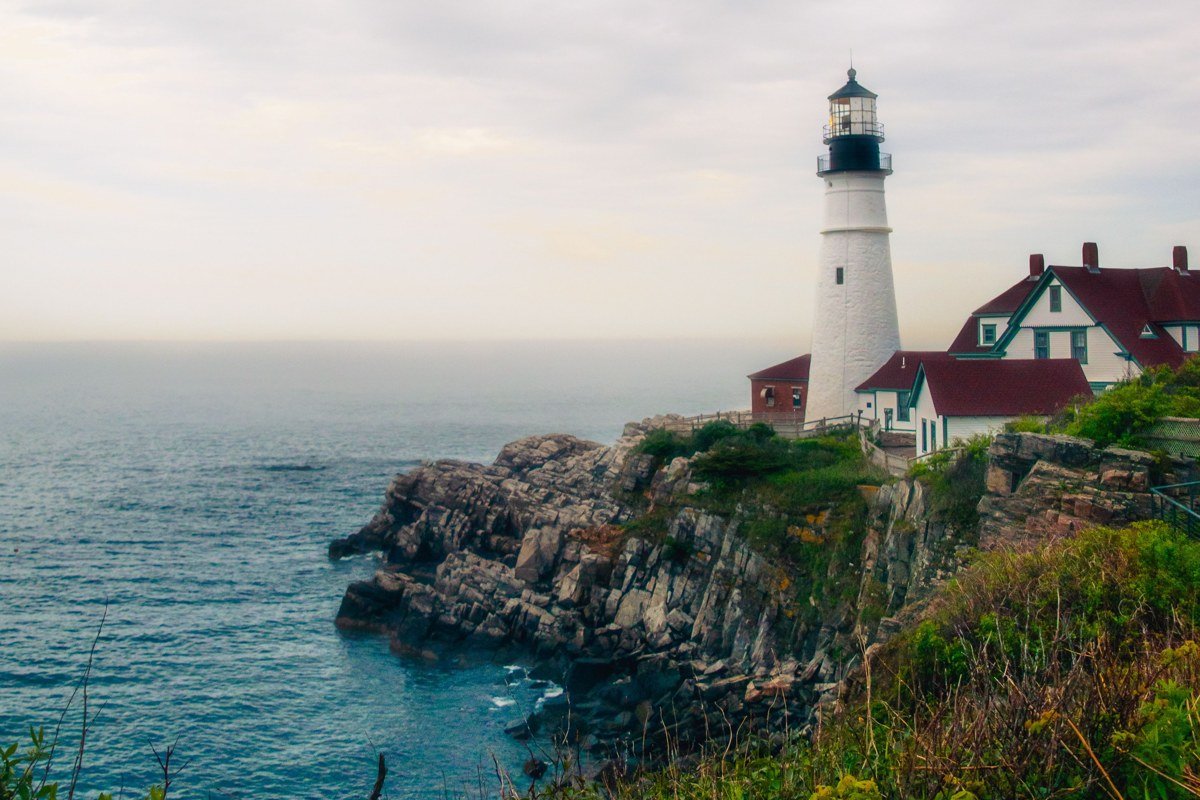
This is the lighthouse everyone photographs, but almost always in afternoon light with fifty other people on the rocks. At dawn, especially on a humid morning after a warm front, fog rolls up from Blue Hill Bay and sits right at the base of the tower, so the light looks like it’s floating. You’ll have the overlook mostly to yourself until the first tour vans arrive around 7:30.
Worth knowing: The parking lot is small and fills by mid-morning in summer, but at 6 AM you’ll have your pick of spots. The lighthouse itself isn’t open to the public, you’re there for the grounds and the rocks below.
Skip if: You need a flat, easy path. The descent to the rocks is uneven and slick when wet.
Otter Cove, Maine

Otter Cove sits along the Park Loop Road just before Otter Cliff, and it’s shallow enough that fog hangs low over the water even when the rest of the park has started to clear. Low tide exposes mudflats that hold the mist longer, and the stillness here, no surf, no wind most mornings, makes it feel more like a Southern bayou than a Maine coastal town’s harbor.
Worth knowing: There’s a small pullout on the ocean side of the road; arrive before sunrise or you’ll be parallel parking on the shoulder.
Skip if: You’re chasing crashing-wave photos. This cove is calm water, not drama.
Thunder Hole, Maine
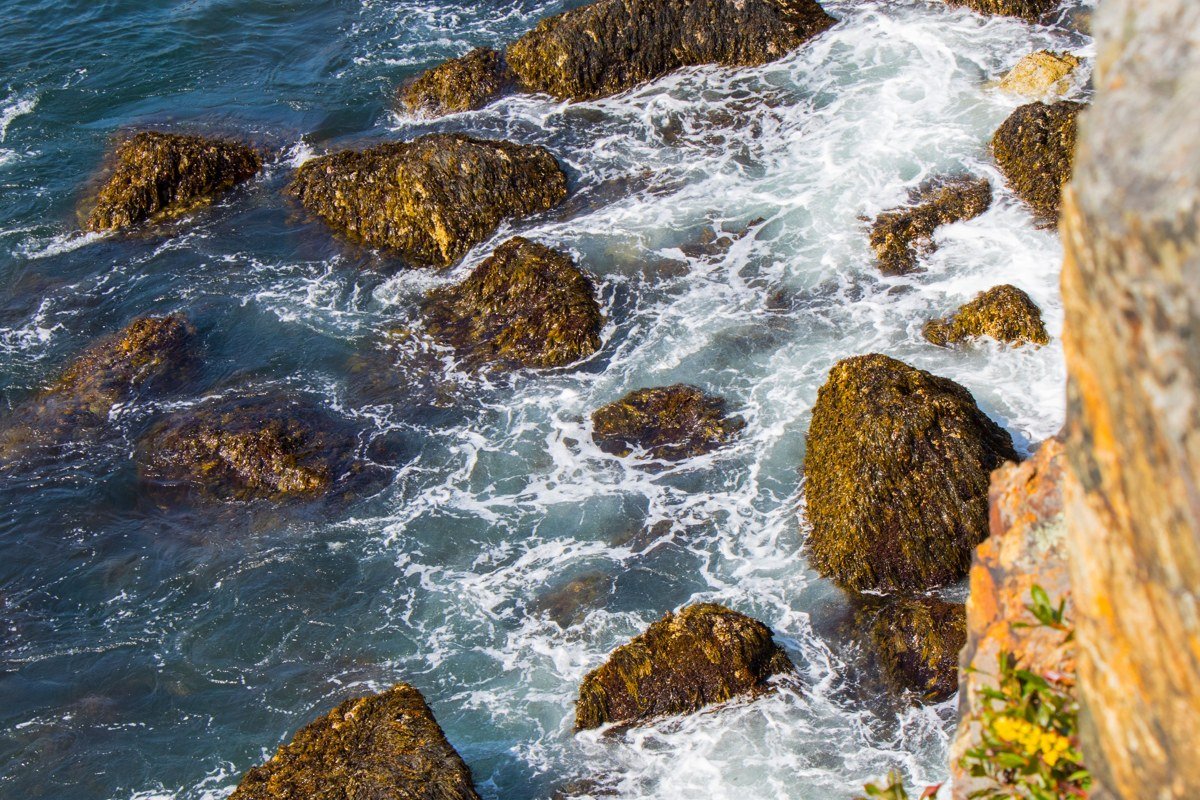
Thunder Hole is famous for its midday wave show, which means almost everyone skips it at dawn, which is exactly why you shouldn’t. In fog, the narrow granite inlet disappears into white a few yards out, and the booming sound of water hitting the rock chamber is still there even when you can’t see it. It’s eerie in a way the daytime crowds never get to experience.
Worth knowing: Tide and swell direction matter more than time of day for the sound effect, check a tide chart the night before if you want the full acoustic experience.
Skip if: You get uneasy near wet rock with limited visibility. The footing here is genuinely slick in fog.
Sand Beach, Maine

Sand Beach is the one actual sandy beach on this stretch of coast, framed by pink granite headlands on both sides. In fog, Great Head across the cove vanishes and reappears as the mist shifts, and the water (cold, usually in the 50s even in August) steams faintly where it meets the warmer air. By mid-morning this beach is full of families and beach chairs; before 7 AM it’s just you and maybe a dog walker.
Worth knowing: The parking lot serves both Sand Beach and the Beehive trailhead, so it fills early regardless of fog. Arriving at dawn solves the parking problem too.
Skip if: You want to swim. The real appeal here is the walk and the light, not the water temperature.
Jordan Pond, Maine

Jordan Pond isn’t a coastal stop, but it belongs on this list because fog pools in the valley between the Bubbles (those two round mountains) and sits on the water’s surface long after coastal fog has cleared. The reflection of the Bubbles in still water, half-obscured by mist, is one of the most photographed scenes in the park for a reason. Go for the walk around the shore path, not the famous popovers, since the restaurant isn’t open yet.
Worth knowing: The gravel path around the pond is mostly flat and easy, about 3.3 miles round trip if you do the whole loop, though most people just walk partway and back.
Skip if: You’re short on time and have to choose. This is a half-hour detour inland, worth it but not essential if you’re coastal-focused.
Schoodic Point, Maine
This is the part of Acadia almost nobody visits, which is strange given how good it is. Schoodic Peninsula is the only section of the park on the mainland rather than Mount Desert Island. From downtown Bar Harbor, the drive runs north on ME-3 around the head of Frenchman Bay, then south on ME-186 onto the peninsula, roughly 45 to 50 minutes without traffic, longer in midsummer if you’re stuck behind RVs on ME-3. There’s no bridge shortcut; the detour around the bay is the only way in by car.
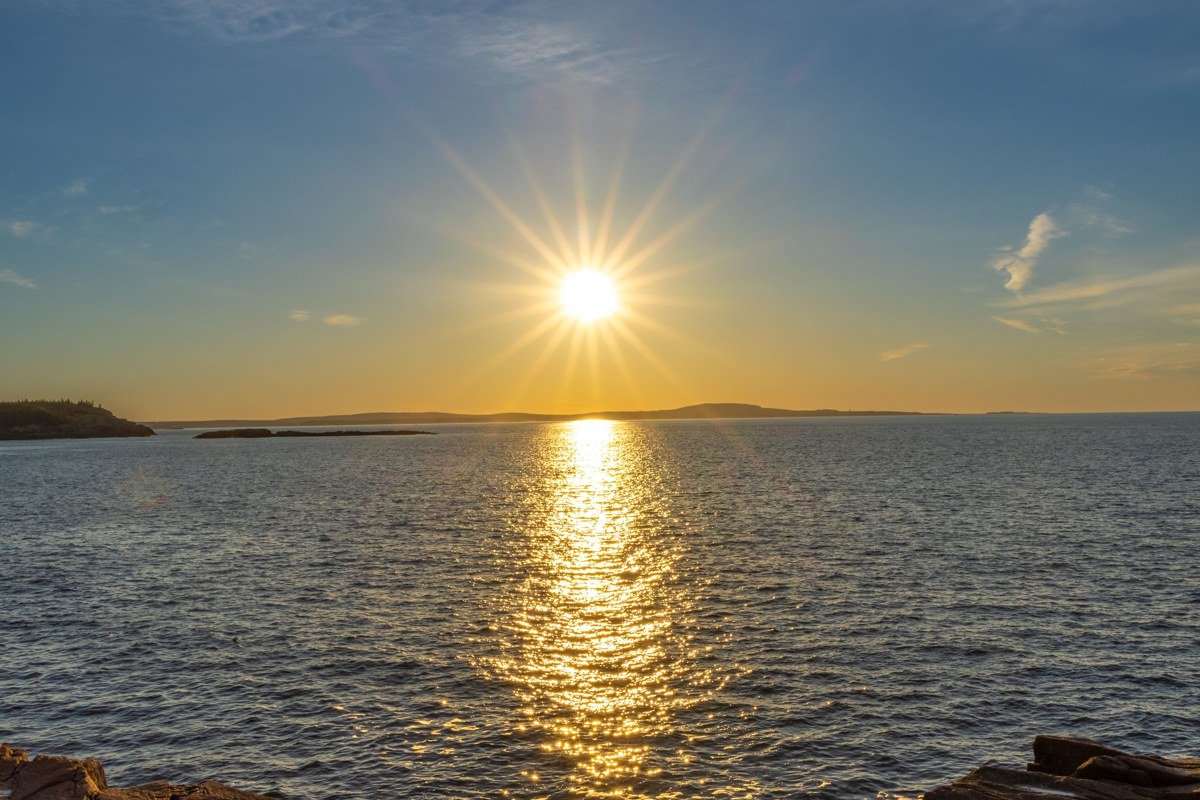
The granite shelves here are broader and lower than at Otter Cliff, so fog sits right at eye level over the water, and you can walk out close to the waves without much elevation change. What sets Schoodic apart isn’t just the quiet, it’s the scale: the point faces open ocean rather than a bay, so swell comes in at a different angle than anywhere on Mount Desert Island, and on a foggy morning you can watch individual wave sets emerge from the white a few seconds before they break. The one-way Schoodic Loop Road adds to the stillness; there’s less traffic noise even than the quieter parts of the main park.
Worth knowing: Because it requires a detour off the island, Schoodic gets a fraction of Acadia’s visitors even in peak season. There’s no staffed entrance station here, but rangers do check passes periodically, so have yours with you.
Skip if: You’re only in the area for a day. This is a worthwhile half-day trip on its own, not a quick add-on.
Seal Harbor, Maine

Seal Harbor is a quiet village stop between Northeast Harbor and the eastern side of the park, with a small beach that’s technically private-adjacent but open at town expense for walking at low tide hours. The real draw at dawn is the harbor itself: moored sailboats emerging from fog one at a time as the light builds, with little engine noise this early, since the working lobster boats based here tend to head out later in the morning than at busier harbors like Bass Harbor or Corea (exact departure times vary by boat and season, so treat this as a general pattern, not a schedule).
Worth knowing: Parking near the beach is limited and largely residential; this stop works best as a slow drive-through and short walk, not a long stay.
Skip if: You want a classic lighthouse-and-rocks Acadia photo. This is softer and more residential, closer to the feel of Maine’s smaller coastal towns than the park itself.
Great Head, Maine
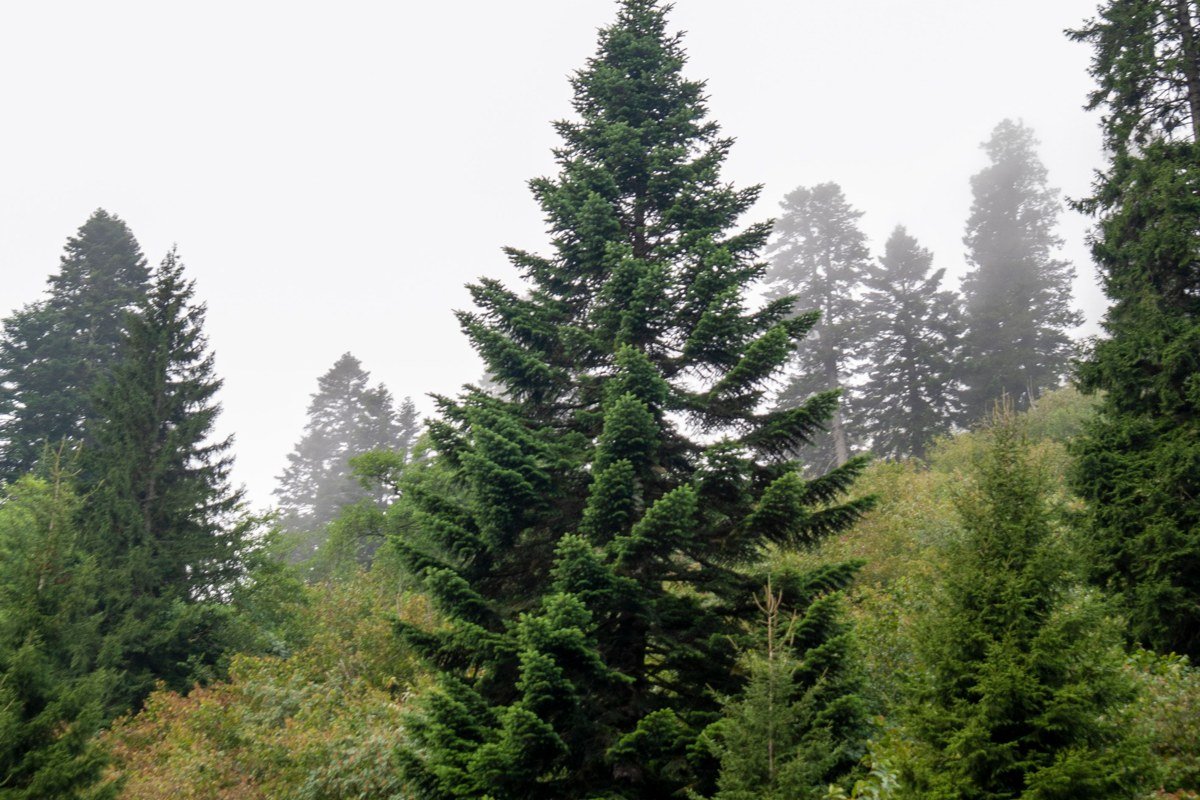
The trail up Great Head, accessible from the far end of Sand Beach, climbs through spruce forest that holds fog in its branches longer than the open shoreline does. Partway up, the trail breaks out onto open granite with a view back down over Sand Beach and the cove, and on a foggy morning you watch the mist peel off the water in real time as the sun gets higher. It’s a short, steep climb, maybe 40 minutes round trip if you don’t linger.
Worth knowing: The trail can be muddy and the rock slick after fog or rain, wear real shoes, not sandals.
Skip if: You have mobility concerns. There’s real elevation gain and some rock scrambling near the top.
Little Hunters Beach, Maine

This is the stop almost every guidebook to coastal Maine towns and Acadia leaves out entirely, and it might be the best one on this list. It’s a small cobblestone beach reached by a steep staircase off the Park Loop Road, easy to drive past without noticing, there’s no large sign, just a pullout and a gap in the trees. The stones range from fist-sized to dinner-plate, gray and rose-toned granite rounded smooth enough that they shift and clack underfoot when the small swell comes through. In fog, the whole cove flattens into a single gray-silver tone, stones, water, and mist barely distinguishable from each other, and the clacking of stones in the wash is often the only sound.
Because the staircase and the narrow cove wall off wind, the fog here tends to linger a little longer than at the more exposed stops on this list, sometimes 20 to 30 minutes past when Sand Beach or Otter Cliff have started to clear. It rewards patience: stand still for ten minutes and watch the far wall of the cove appear and disappear as the mist moves rather than treating it as a five-minute photo stop.
Worth knowing: Parking is a tiny pullout with room for maybe four or five cars; this is the one stop on this list where arriving at dawn isn’t optional, it’s the only way you’ll get a spot at all.
Skip if: Uneven footing is a problem for you. The stones shift underfoot and there’s no sand to walk on.
Mistakes people make
- Treating Acadia as a stop on the way to coastal Maine towns like Bar Harbor, instead of planning the town visit around the park’s early light. Bar Harbor is worth an evening, not a dawn.
- Driving the full Park Loop Road in one go at sunrise. The road is one-way in sections and nearly 27 miles total; pick two or three stops and actually get out of the car rather than trying to see everything before breakfast.
- Assuming fog means a wasted morning. Coastal fog here usually clears by mid to late morning, and the in-between light, not full fog, not full sun, is often the best part if you’re patient enough to wait it out at one or two spots rather than chasing clear skies.
- Showing up without a pass and assuming no gate means no enforcement. Buy a weekly vehicle pass ($35) ahead of time at the Hulls Cove Visitor Center or online; rangers do check at Schoodic and elsewhere even without a staffed booth.