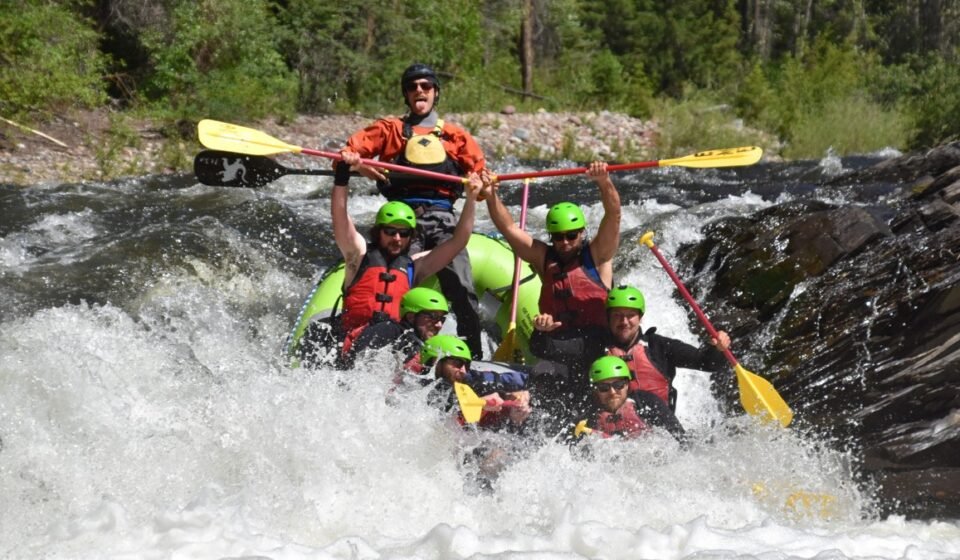

The scariest rapid in Colorado isn’t the one with the highest class rating, it’s the one you didn’t mentally prepare for.
Difficulty grades (class II, class IV, whatever) tell you how a river boater reads the water. They don’t tell you how it’ll feel when you’re the one in the raft, soaked and screaming, watching your guide’s face for a sign everything’s fine. This list ranks nine Colorado rafting stretches by actual fear factor, from float-and-nap water to the kind of rapid that makes people swear off the sport. Use it to pick a trip that matches your nerve, not your ego.
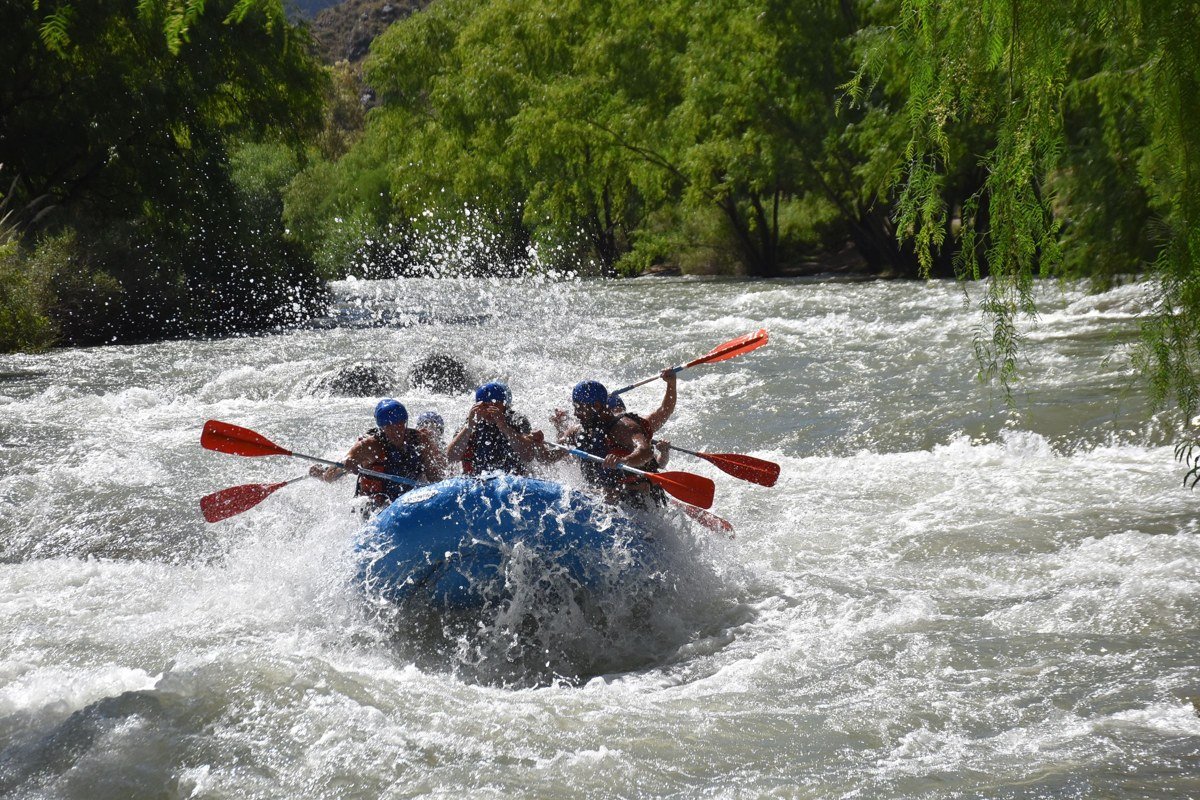
Colorado’s rivers run the way they do because of the Rockies splitting the state down the middle. Snowpack from the high country feeds nearly every major river, which means the rafting season is really a snowmelt season: it ramps up in May, peaks in June, and tapers through late summer as the flows drop and the rapids soften. Water that’s a serious class IV in June can be a mellow class II by August on the same stretch, which is exactly why “how hard is it” is the wrong question to lead with.
This guide is for the reader who’s already decided they want to go Colorado rafting this year and just needs to know which river matches their nerve, not their resume.
The Royal Gorge corridor
1. The Royal Gorge, Colorado
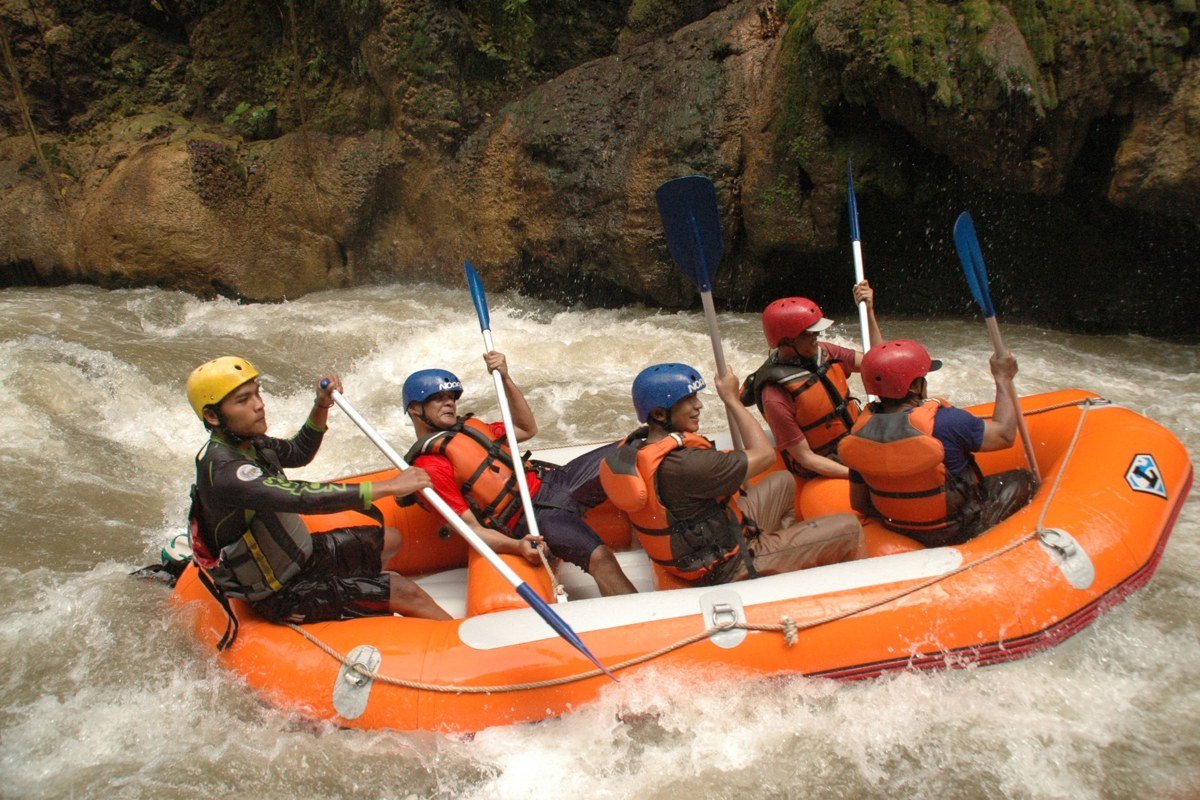
This is the stretch near Cañon City, about two and a half hours southwest of Denver, where the Arkansas River cuts through a granite gorge roughly 1,000 feet deep at its tallest point. It’s the most famous whitewater in the state for a reason: there’s no walking out partway through. Once you put in at the Spike Buck launch, you’re committed until the Parkdale takeout, several miles downstream.
The run drops through Sunshine Falls, Wallslammer, and Sledgehammer, a string of class IV holes with almost no flat water to recover between them. One Cañon City guide tells first-timers before launch: “If you fall out in Sledgehammer, stay on your back, feet downstream, and wait for us. Don’t try to stand up.” That’s the line that tends to sober people up faster than any scenery.
Practical notes: most outfitters run this May through early August, book commercial trips 3 to 4 weeks out in peak season, expect $90 to $140 per person for a half-day, and the minimum age is typically 13.
2. Bighorn Sheep Canyon, Colorado
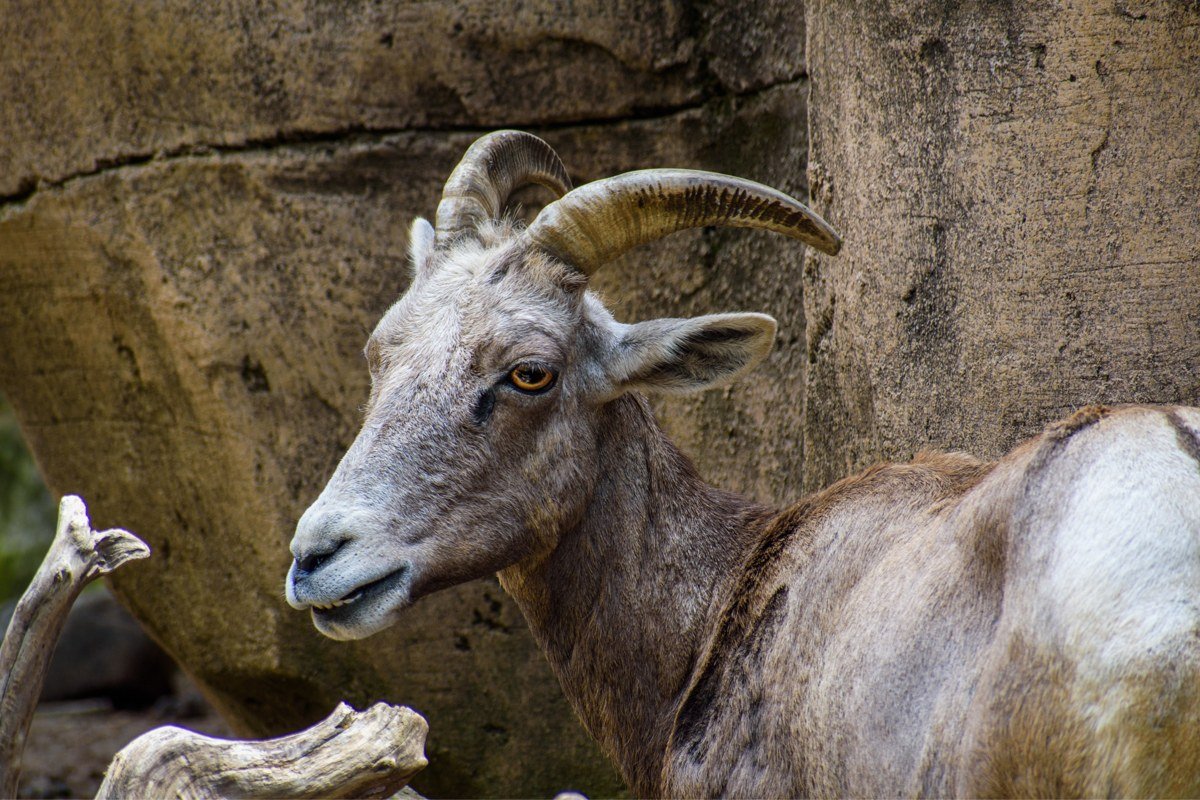
Same river as the Royal Gorge, same general stretch of Highway 50 between Salida and Cañon City, but a notch down in intensity. This is mostly class III water with a few punchier moves around Loma Linda rapid, and actual bighorn sheep do show up on the canyon walls often enough that guides point them out as a matter of routine, especially near the Texas Creek access point. It’s the pick for a group that wants real whitewater without the single-exit commitment of the gorge proper.
Trips here run $70 to $110 for a half-day, and most outfitters take kids as young as 8 on this stretch when flows are moderate.
3. Browns Canyon, Colorado
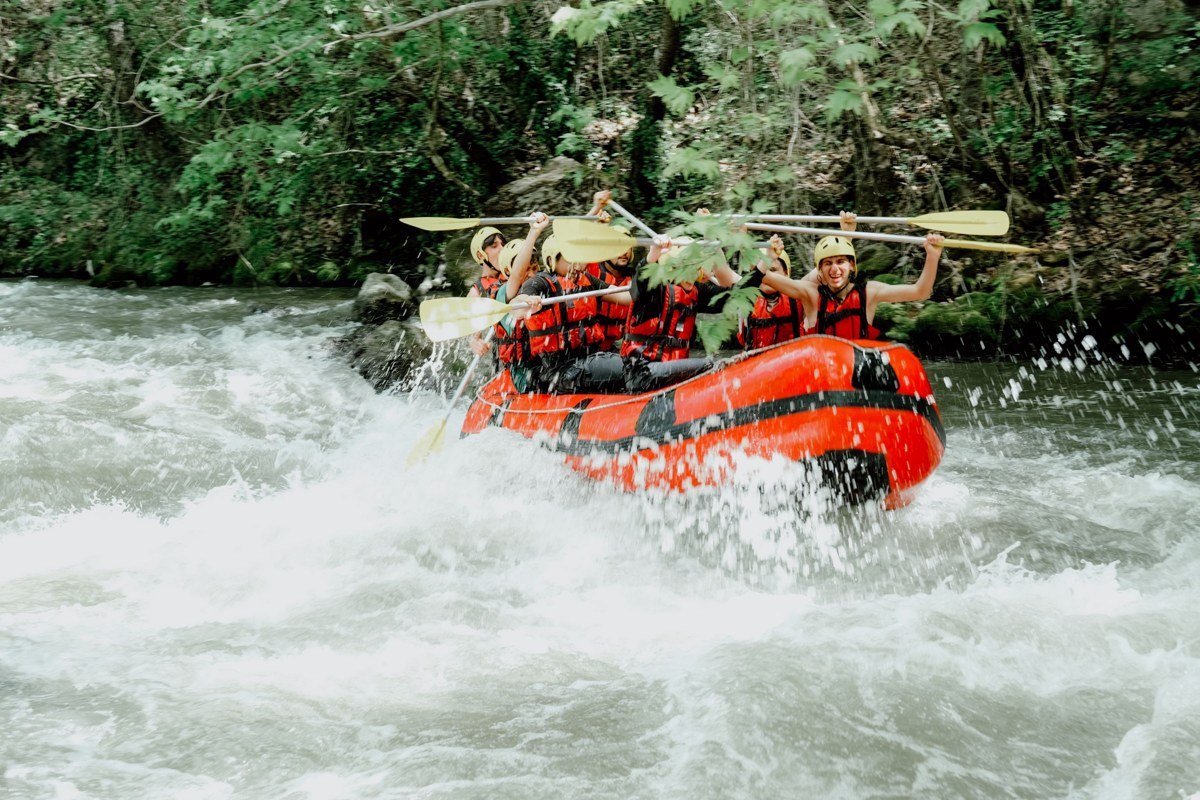
Browns Canyon National Monument sits between Buena Vista and Salida, and it’s the Arkansas at its most crowd-pleasing: strong class III rapids like Zoom Flume and Big Drop, with enough flat water between them to catch your breath and actually look at the scenery. It’s the most-booked stretch in the state, largely because the put-in at Fisherman’s Bridge feeds directly into the monument boundary, so outfitters can run trips entirely within protected, well-mapped water.
A full-day trip with lunch typically runs $100 to $160 per person, reservations 2 to 3 weeks out are usually enough outside of July weekends, and most companies set the minimum age around 7 for this run specifically.
The Summit County high country
Summit County and the Breckenridge area sit above 9,000 feet, which means the rivers here are flashier and colder, fed directly by nearby snowfields rather than having miles to warm and slow down. This is also the most tourist-dense part of the state, so rafting outfitters here are used to beginners, bachelorette parties, and people who’ve genuinely never sat in a raft before.
4. Clear Creek, Colorado
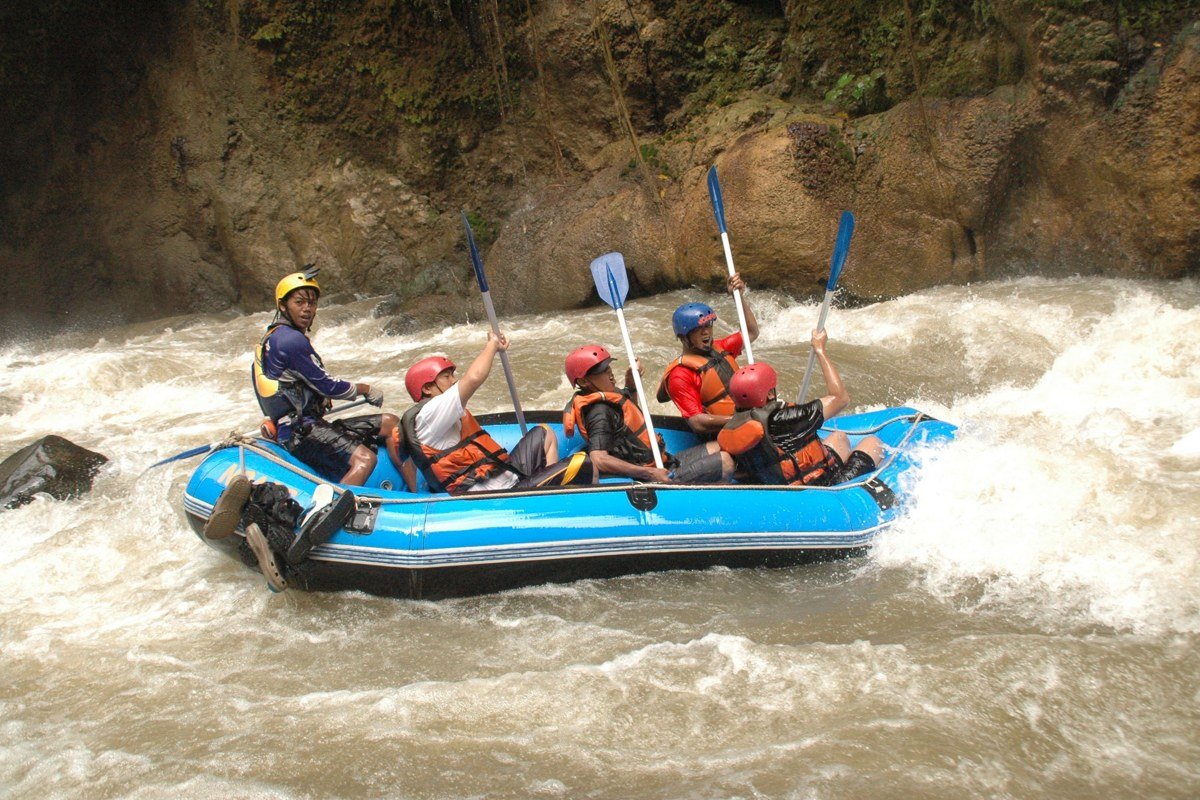
Clear Creek runs through a narrow canyon near Idaho Springs, about 40 minutes west of Denver, which makes it the default pick for anyone short on time but long on nerve. The upper stretch, put in near the Mayhem Gulch access above Idaho Springs, is tight and technical, with rapids stacked one after another and almost no pool to regroup in. Check the USGS gauge at Lawson before booking in June; above roughly 400 cfs, several outfitters bump this run up a class rating on paper.
It’s also one of the few runs close enough to Denver to do as a half-day trip without burning a vacation day. Expect $60 to $100 per person, same-week booking is often fine outside holiday weekends, and the minimum age is usually 13 on the upper run, lower on the gentler lower stretch.
5. The Upper Colorado River, Colorado
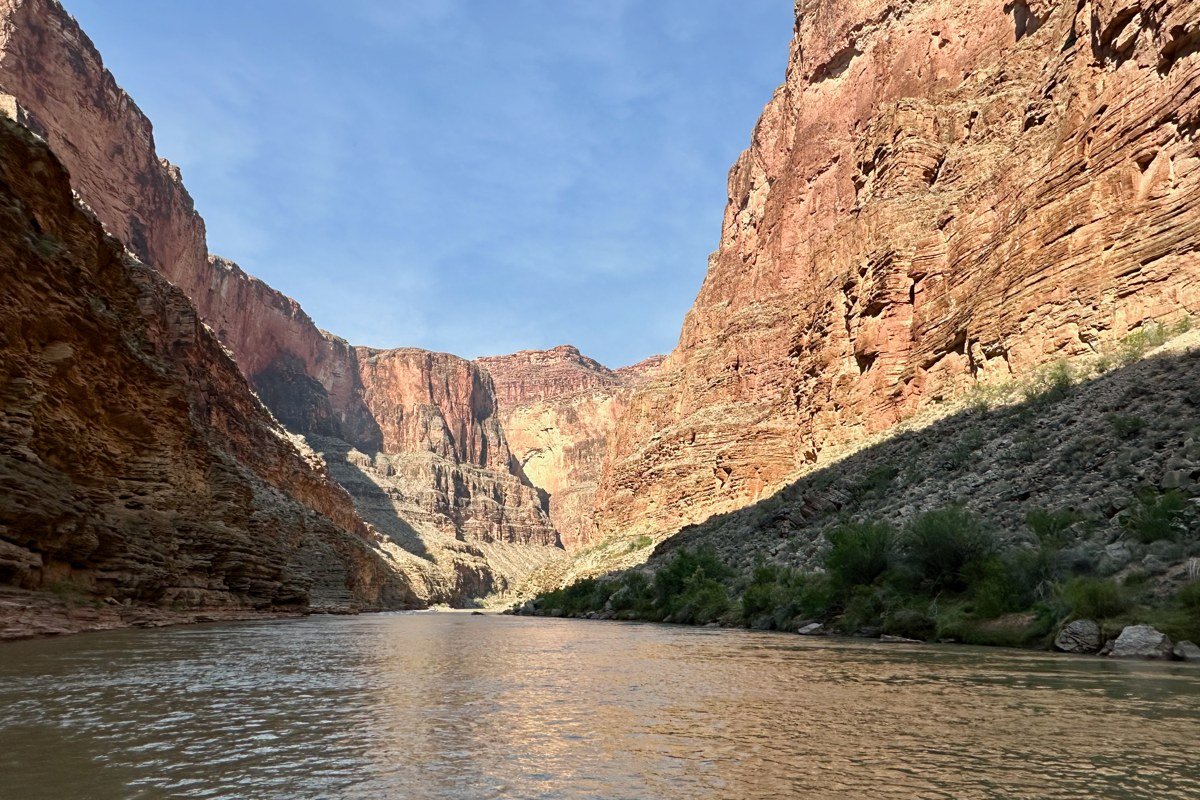
This is the stretch near Kremmling and State Bridge, and it’s deliberately on here as the “overrated as scary” entry. A lot of first-timers assume anything called the Colorado River must be intense. The truth: this upper section, above Gore Canyon, is mostly class II, wide, and relaxed, with the Rancho Del Rio put-in used by most commercial trips.
The real teeth are downstream in Gore Canyon itself, a separate, much harder run that most commercial outfitters don’t even offer because it’s closer to expert kayaking water, with mandatory scouting at several drops, than a family trip. A half-day float here runs $55 to $85, kids as young as 5 are commonly allowed, and you can often book the morning of in shoulder season.
6. Blue River, Colorado
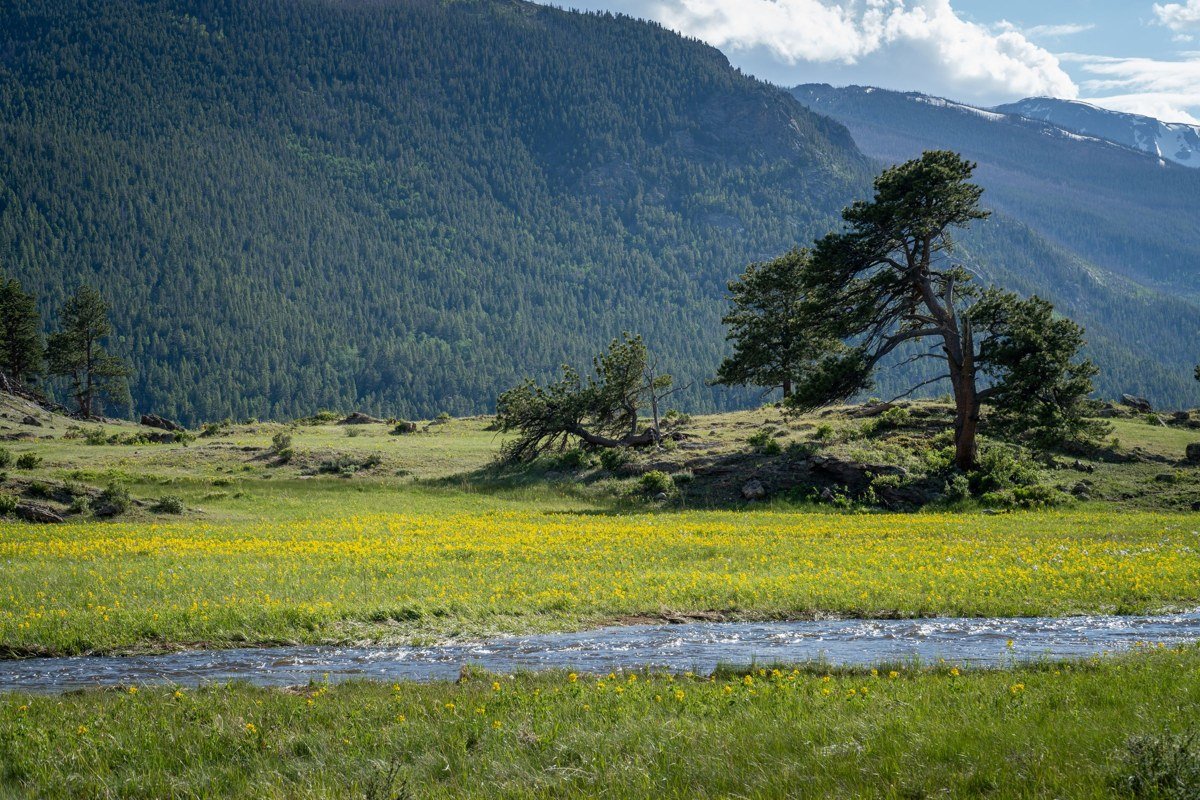
The Blue River through Summit County is short, mellow, and mostly class I-II. It’s the honest answer when someone asks for a trip with almost no fear involved, and a good call for families with younger kids or for the one member of the group who already decided rafting isn’t their thing but came along anyway. Trips here run under two hours, often launching right from outfitter shops in Breckenridge itself with no shuttle required, which is part of why it’s priced lower, usually $45 to $70, than almost anything else on this list. Most outfitters allow kids as young as 3 on calm-water years.
The Four Corners and Western Slope
Southwest Colorado’s rivers behave differently because the terrain is older and more worn down, canyons instead of gorges, with the Animas and Dolores rivers both historically tied to old mining and ranching country rather than ski towns. This part of the state gets overlooked for rafting entirely, usually in favor of Moab, Utah just across the border, which is a mistake if you actually want fewer crowds.
7. The Animas River, Colorado
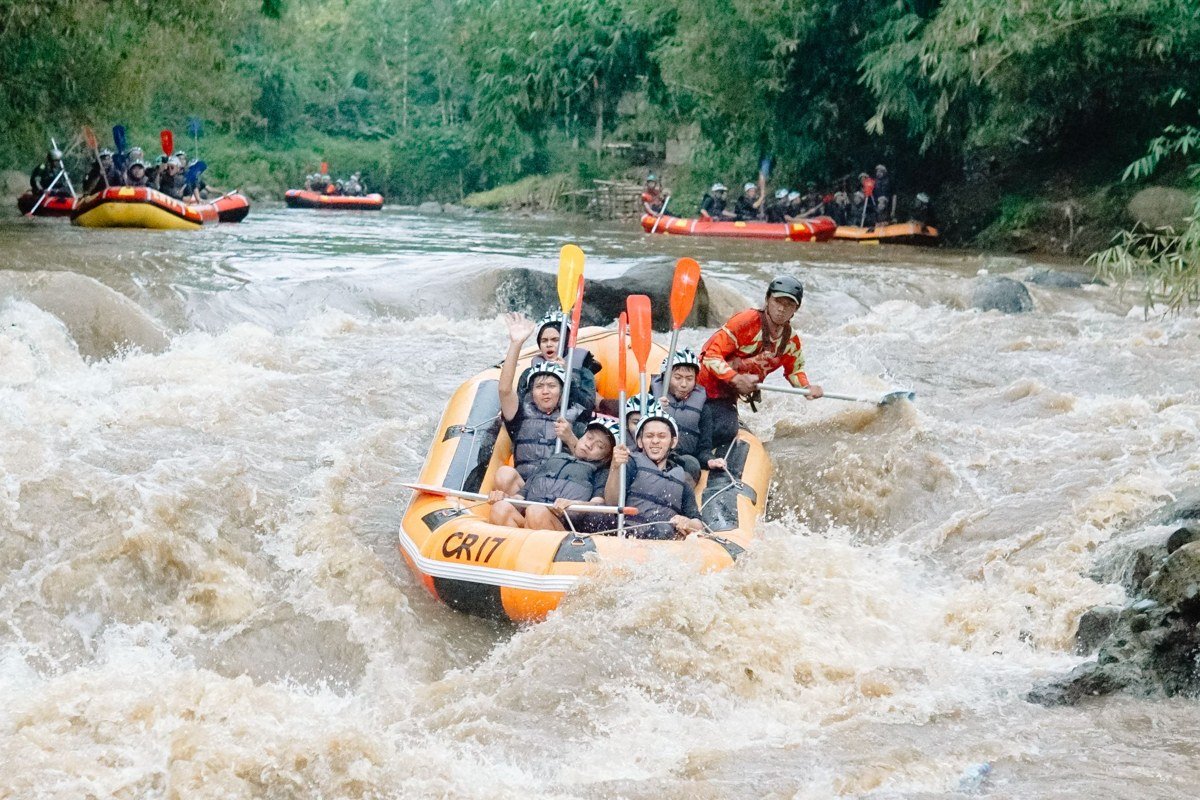
The Animas runs right through downtown Durango, which means you can be eating breakfast and rafting class III whitewater within the hour. The upper town stretch includes a notable drop at the old train trestle near 9th Street, where the Durango and Silverton Narrow Gauge Railroad crosses overhead mid-run, something that catches first-timers off guard more than the water does. The lower stretch, below the trestle, calms into a scenic float suitable for younger kids.
Outfitters here run $45 to $75 for town-stretch trips, minimum age is typically 5 for the lower run and 10 for the upper, and summer weekends often need booking just a few days ahead, not weeks.
8. The Dolores River, Colorado
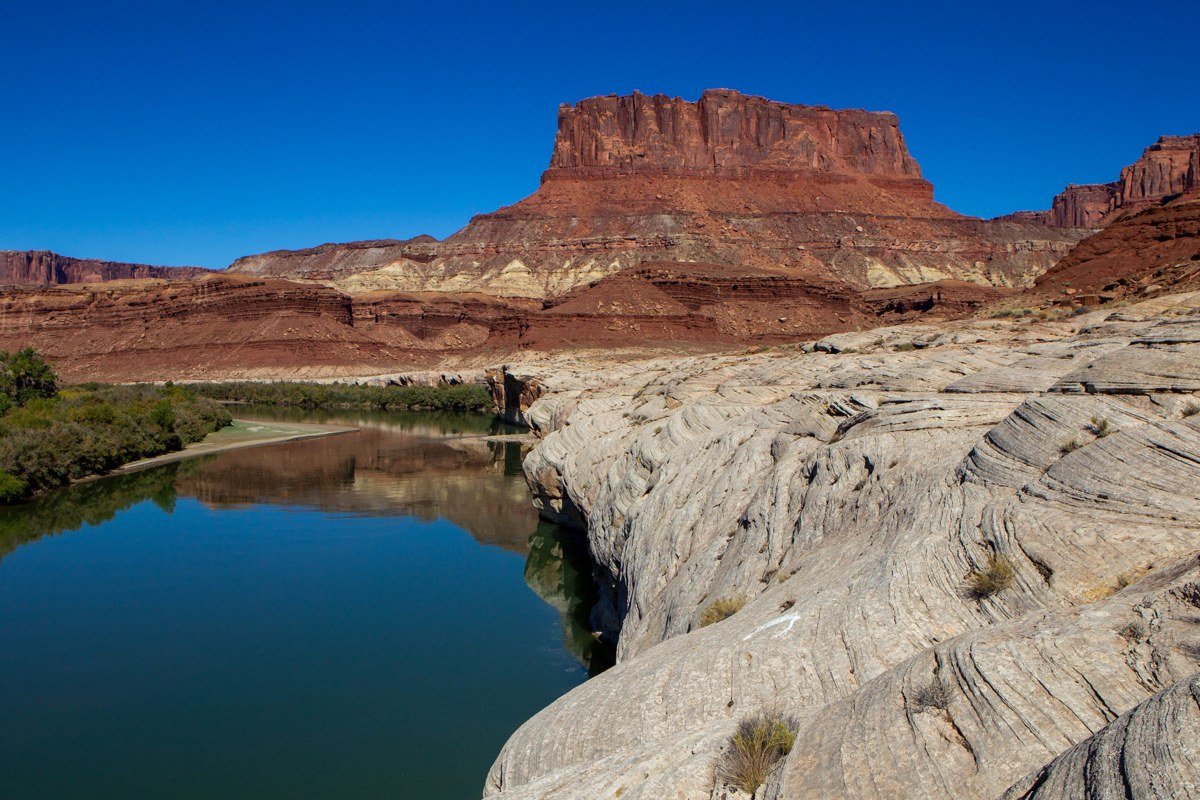
This is the wildcard entry, and the honest caveat: the Dolores only runs at raftable levels in years with strong snowpack, usually a short window from April into May, because flows depend on a release schedule from McPhee Reservoir rather than constant snowmelt. Check the Bureau of Reclamation’s release announcements before planning a trip; some years there’s no commercial window at all.
When it runs, it’s one of the most remote, least crowded canyon trips in the state, with red rock scenery through Slickrock Canyon that looks more like southern Utah than central Colorado. Multi-day trips here run $800 to $1,400 per person depending on length, booked through the handful of outfitters permitted on the river, and reservations should go in by midwinter for a spring window that may or may not open.
9. Numbering note
The ranking above runs 1 through 8 by fear factor within each region, roughly Royal Gorge corridor down to tamest, Summit County high country, then Four Corners. If you want the single calmest option on the whole list, it’s the Blue River (6); if you want the single most intense, it’s the Royal Gorge (1).
If you’re deciding where to actually go rather than just where to look, timing matters as much as the river. Colorado rafting season generally runs May through August, with June the peak for high water and genuine fear, and July into early August the better call for families who want rapids without the flood-stage intensity. By October, most commercial outfitters have shut down for the year since flows drop too low to run most stretches, so don’t plan a Colorado rafting trip in October expecting the big rivers to be open. That trip belongs in Arizona or Utah instead, on the Colorado River through Grand Canyon or near Moab, both of which run on dam-controlled releases rather than snowmelt and stay rafting-viable much later in the year.
For a long weekend, the Royal Gorge corridor is the easiest call: three rivers of varying intensity within a 30-minute drive of each other, real towns on either end for lodging, and enough variety that a mixed group of thrill-seekers and nervous first-timers can each get the trip they actually wanted.