The Utah National Parks Road Trip Calendar: When Each Park (Including the Needles District Everyone Skips) Actually Peaks

Most people plan a Utah national parks road trip by drawing a line on a map, Zion to Bryce Canyon to Capitol Reef to Arches to Canyonlands, and assuming the weather will cooperate because it’s a desert. It won’t. These parks sit at wildly different elevations, from under 4,000 feet in Zion’s canyon floor to over 9,000 feet in Bryce, and that gap means one park’s perfect week is another park’s miserable one. Build the trip around timing first and the route second, and you get the slot canyons without the flash flood warnings, the hoodoos without the ice on the trail, and the Island in the Sky overlook without fifty other people in the shot.
One note before any of this: entrance fees and permit systems here change often enough that a figure printed today can be stale by next season. Treat the numbers below as a planning baseline and confirm them on each park’s own site or recreation.gov before you book anything.
Zion National Park, Utah – best in mid-April
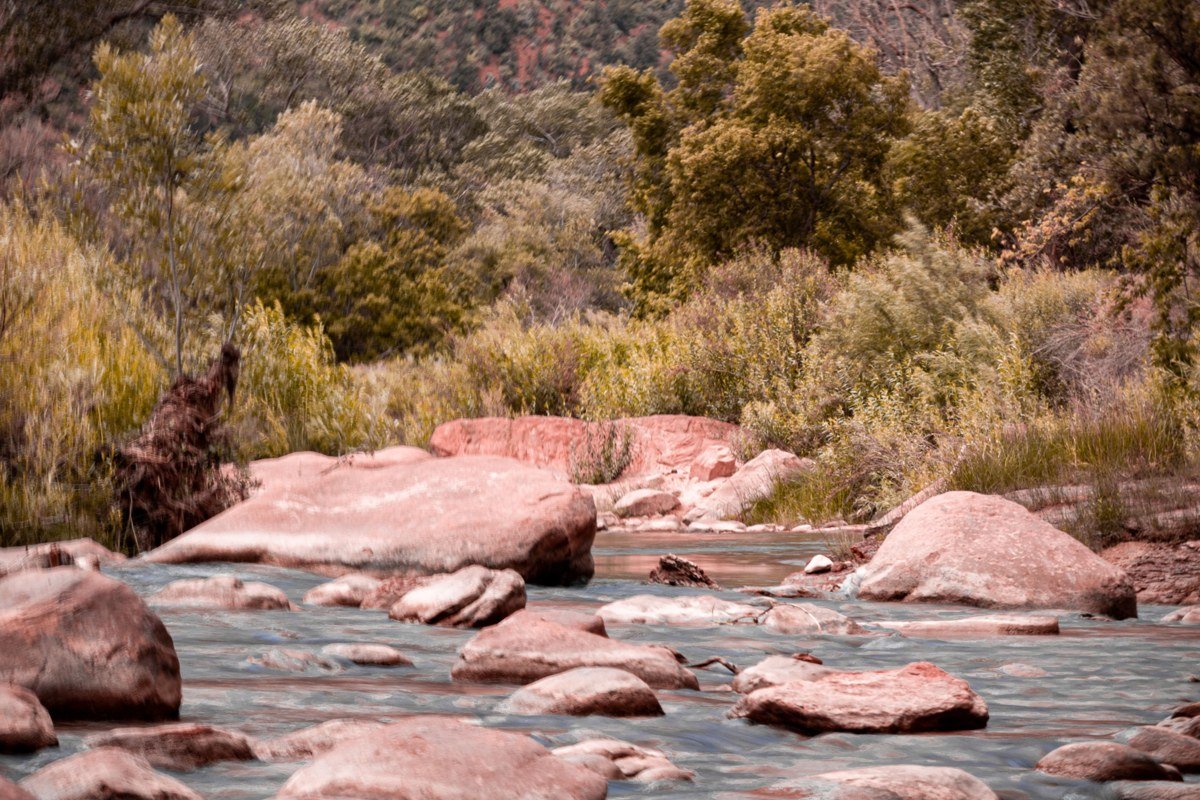
By mid-April the Virgin River has usually dropped enough for Zion Narrows wading without the spring snowmelt danger that closes it earlier, and the cottonwoods along the canyon floor are leafing out in a green that makes the red walls look even more saturated. Go in July or August instead and you’re fighting both triple-digit heat on exposed trails like Angels Landing and the real risk of flash floods in the Narrows. Shuttle buses run through the main canyon most of the year now, so the booking tip isn’t about the shuttle, it’s about the Angels Landing permit lottery, which you need to enter days ahead through the park’s own system rather than show up and hope. Entrance is currently $35 per vehicle for a 7-day pass, but check Zion’s recreation.gov page before you go, since the lottery structure has shifted before and could again. Stay in Springdale, right at the park’s south entrance; it’s walkable to the shuttle stop and has far more lodging density than anything else on this list, which matters in peak season when Moab and Torrey rooms vanish first.
Capitol Reef National Park, Utah – best in late April
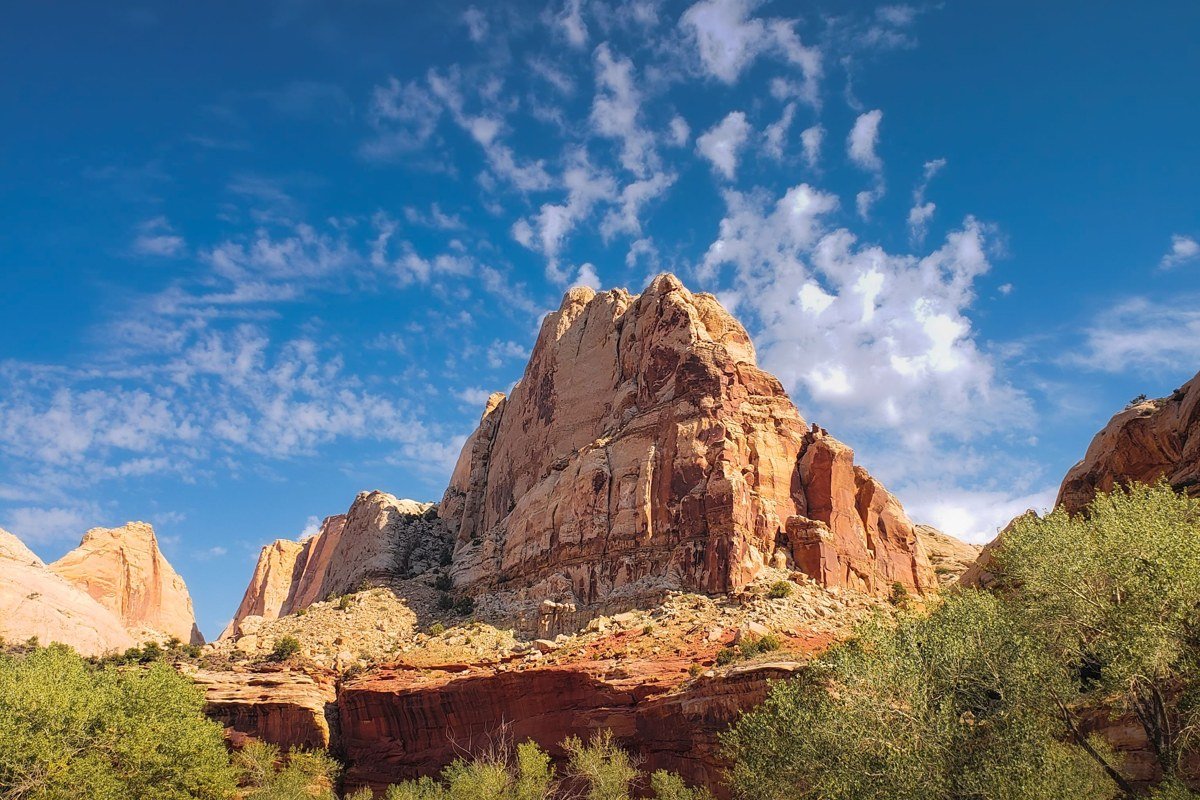
Late April puts the historic Fruita orchards into bloom against the Waterpocket Fold’s striped cliffs, and almost nobody is there to see it. By June the orchards have moved on to fruit you can pick for a small fee in summer. There’s no shuttle and no timed entry here, and the scenic drive is currently free to enter. Fuel up and stay in Torrey, just west of the park; it’s a small town but it’s the only real lodging base nearby, and rooms book out faster than the town’s size suggests during blossom season.
Needles District, Canyonlands National Park, Utah – best in early May
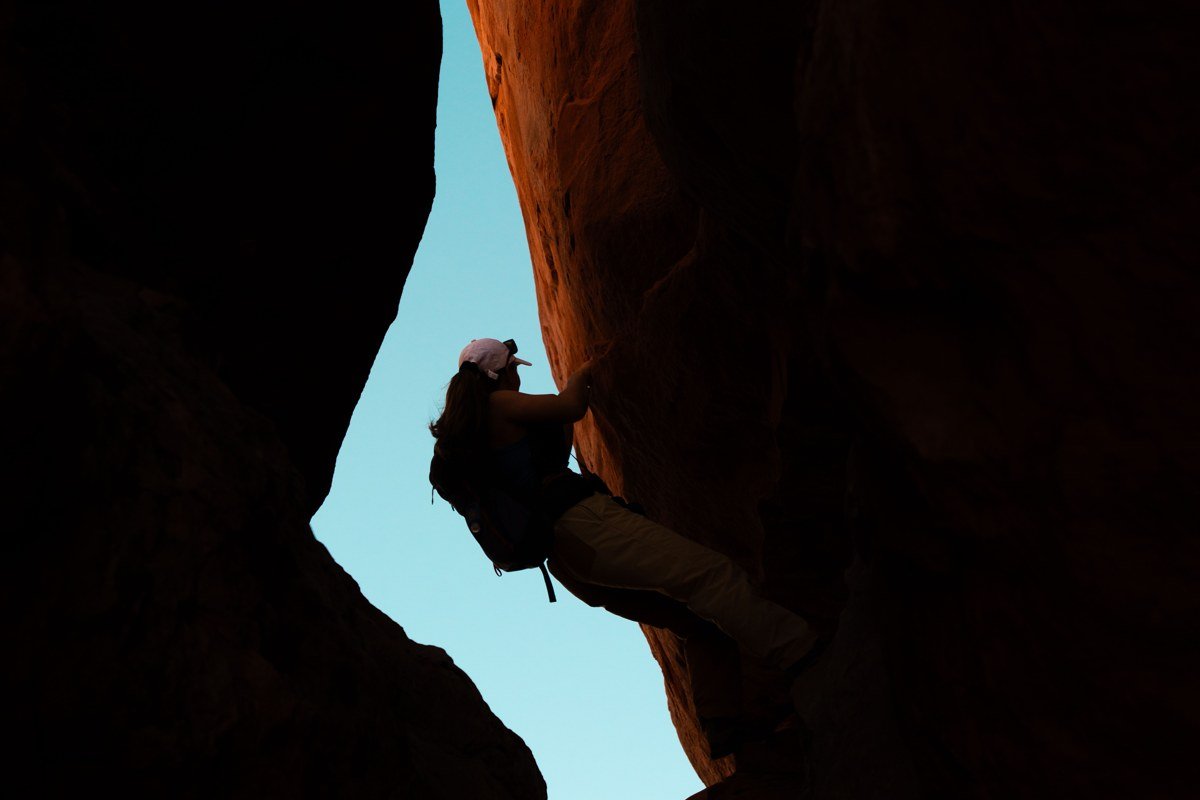
This is the park everyone folds into a one-paragraph mention of “the other Canyonlands district,” and it’s a mistake. In early May the Needles delivers striped sandstone spires, open desert light, and trailheads where you might see three other cars all day. Island in the Sky gets the crowds because it’s close to Moab and has drive-up overlooks. The Needles asks for a longer drive down US-211 and real hiking to earn its views, which is exactly why it stays quiet. Push past May and the exposed slickrock on trails like Chesler Park turns punishing by midday heat, so the trade-off for going outside this window is hiking at dawn or not hiking far at all. Canyonlands’ entrance fee is $30 per vehicle for 7 days, covering both districts. No backcountry permit is needed for day hikes, but camping at Squaw Flat or backpacking the Chesler Park loop requires a permit, and both the campground and the permits fill up weeks ahead for spring dates, so lock those in early and double-check current availability on recreation.gov. Moab is the nearest real lodging base, roughly 1.5 hours from the Needles trailheads, so factor that drive into early starts.
Arches National Park, Utah – best in early May
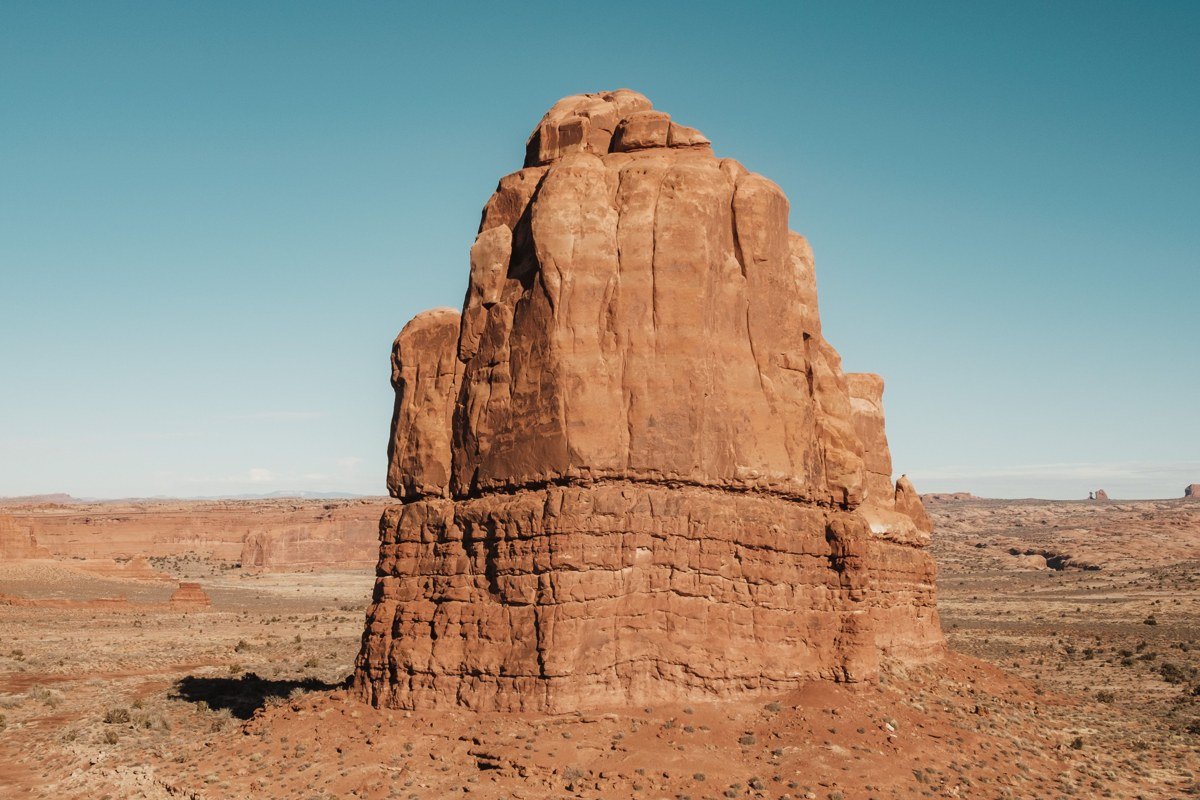
Arches sits a short drive from the Needles turnoff, so early May lets you pair both in one trip, catching Delicate Arch and the Windows section in mild temperatures before summer heat and summer crowds arrive together. The park runs a timed-entry reservation system for peak season (recent years have put that window roughly April through October, but the exact months and hours have moved before and will likely move again, so check Arches’ recreation.gov page before you build a schedule around it). Outside that window you need an early morning or evening slot, or you’re better off visiting before or after the reservation period entirely. Visit in July and you’ll be hiking to Delicate Arch in heat that turns the slickrock into a skillet; visit in December and you skip the reservation system altogether but lose the longer daylight for sunset shots. Entrance is $30 per vehicle for 7 days, on top of the (free) timed-entry reservation. Book the entry slot the moment reservations open for your date, since Devils Garden and the main viewpoint windows disappear fast. Moab is the obvious base here too, five minutes from the entrance, which is both the convenience and the reason rooms book out early.
Bryce Canyon National Park, Utah – best in early June
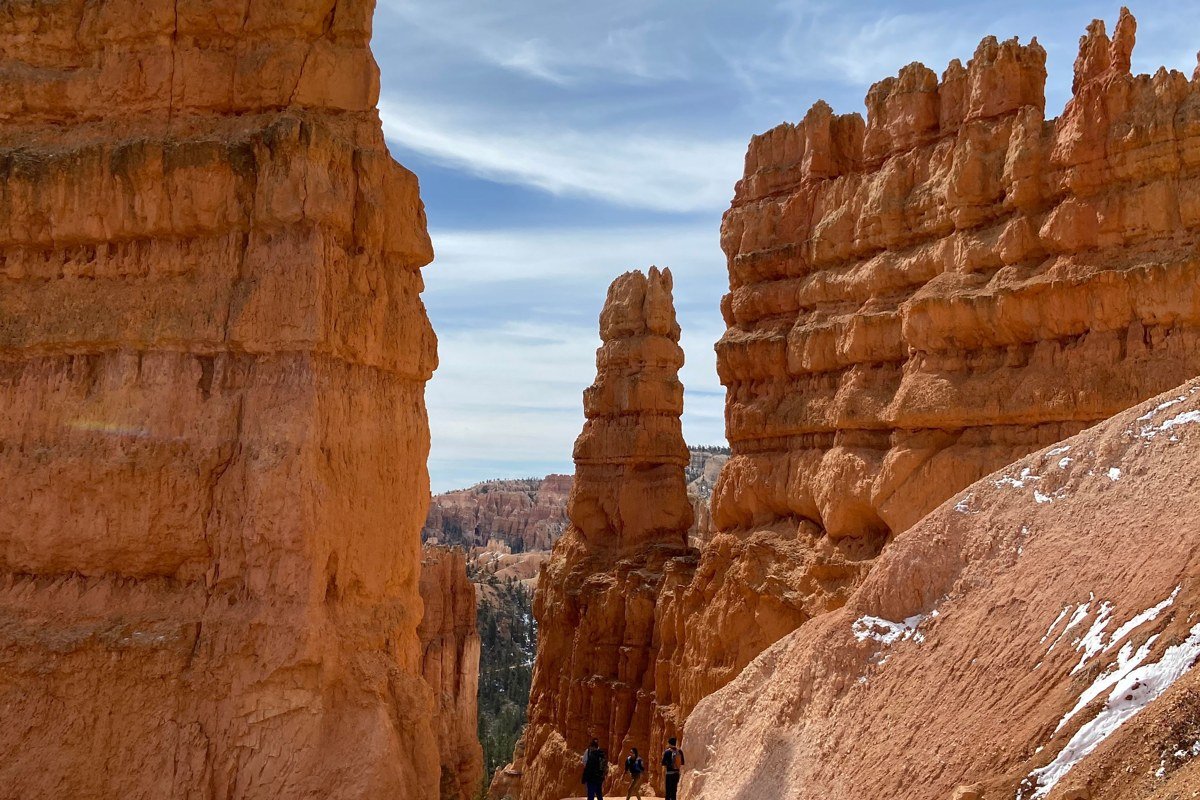
Bryce sits so much higher than the other four parks that its calendar runs late. Snow can linger on the rim trails into May, and early June is often the first window where the full hoodoo amphitheater trails, like the Navajo Loop and Queens Garden combination, are reliably clear underfoot. Wait until the worst of July’s afternoon thunderstorms arrive and you’re dodging lightning on an exposed rim; come in winter and you get a genuinely beautiful snow-dusted hoodoo scene but icy trails that require traction devices. Entrance runs $35 per vehicle for 7 days. The shuttle through the main amphitheater area runs in peak season and is worth using, since parking at Sunrise and Sunset Point overlooks fills by mid-morning in summer. Lodging inside the immediate area is limited; Bryce Canyon City has a handful of hotels right at the park entrance, and they fill first, so Tropic, about ten minutes east, is the practical backup with more rooms and often better rates.
Dead Horse Point State Park, Utah – best in mid-June
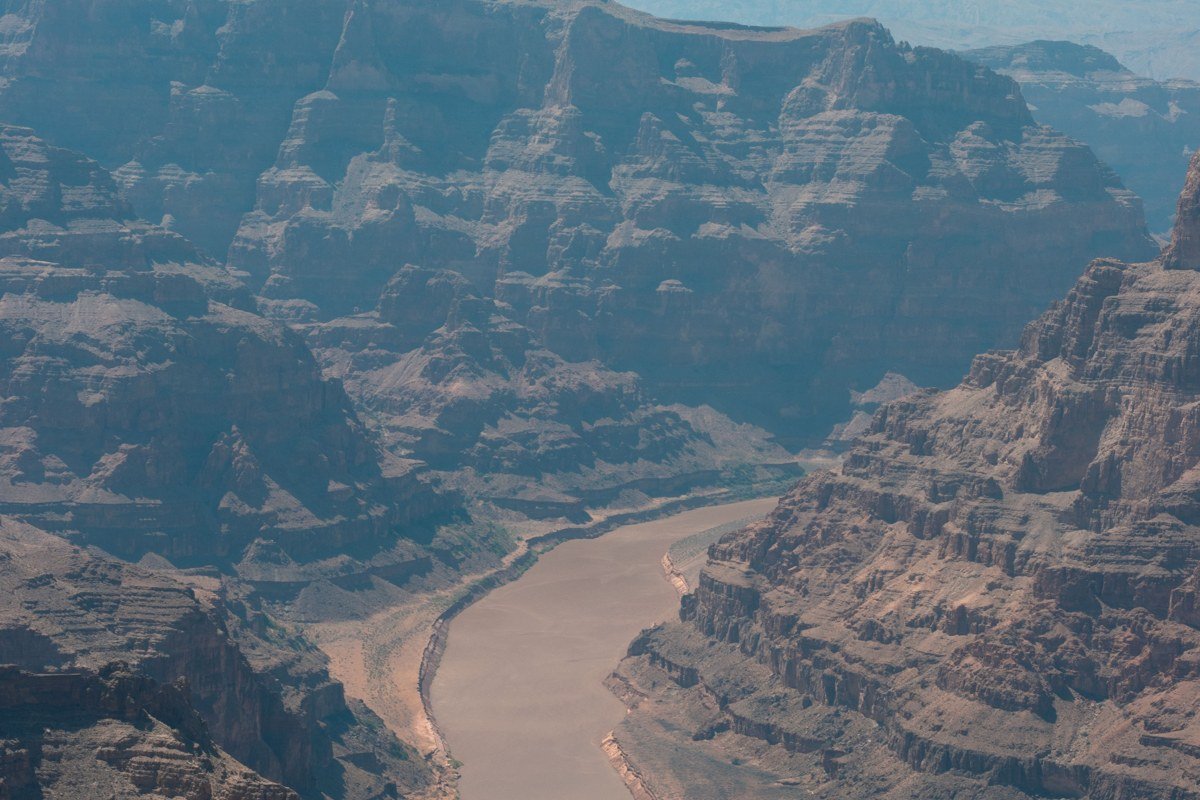
A state park, not one of the Mighty Five, but it sits minutes from Canyonlands’ Island in the Sky entrance, and it’s the view most people recognize from photos without knowing its name: a gooseneck bend of the Colorado River two thousand feet below the rim. Mid-June gives you long evening light without April’s spring wind kicking dust across the mesa. The entrance fee is $20 per vehicle, separate from any national park pass. The small visitor center lot is the real bottleneck, so arrive before mid-morning in high season or expect a wait. Moab covers lodging for this stop too, about a 40 minute drive away.
Island in the Sky, Canyonlands National Park, Utah – best in late September
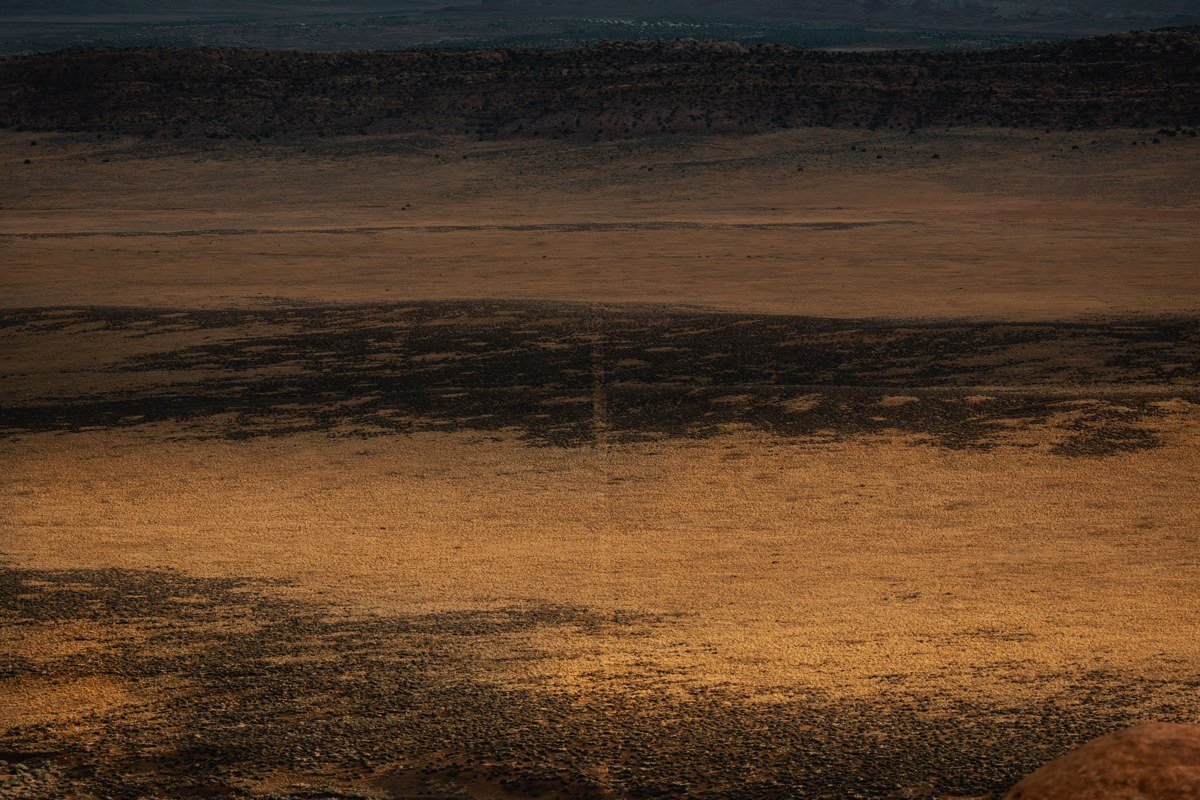
Mesa Arch at sunrise is the single most photographed spot in Canyonlands. Late September gives you that shot with cooler overnight temperatures for the pre-dawn hike, plus monsoon season’s dramatic clouds without July and August’s afternoon storm risk. In summer, getting a spot at Mesa Arch means arriving while it’s still dark, since the overlook is shoulder to shoulder by sunrise; in late September you still need to arrive early, but the crowd is a fraction of the size. Island in the Sky doesn’t use timed entry, so there’s no reservation to track here, though the Grand View Point lot does fill on fall weekends, which makes weekday visits the better call if your schedule allows it. Moab, about 40 minutes away, is again the base.
Monument Valley, Utah – best in early October
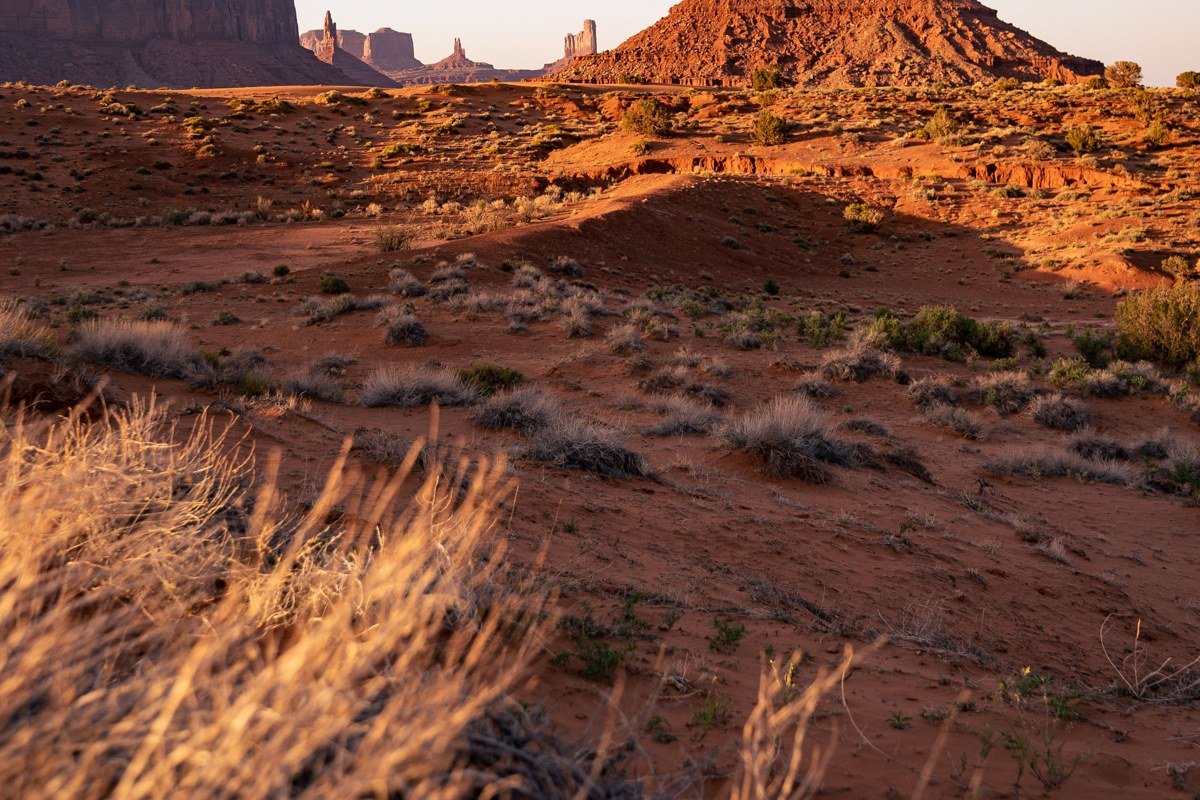
Monument Valley sits on Navajo Nation land on the Utah-Arizona line, not inside the national park system, but no Southwest road trip is complete without it, and early October delivers warm days, cold-enough nights to kill the summer haze, and far fewer tour vans than July brings. The valley requires a separate Navajo Nation tribal park fee, currently around $8 per adult for the scenic drive (verify on the Navajo Nation Parks and Recreation site, as this has changed before). Guided tours are worth doing, since some of the best viewpoints are guide-only, and they book up around shoulder-season weekends, so reserve a day or two ahead rather than walking up. Summer here is genuinely brutal, in heat and in dust kicked up along the unpaved loop road, which is the main argument for pushing this stop later into fall. The View Hotel, inside the park itself, is the only lodging with that direct valley view and sells out well in advance; Kayenta and Bluff are the fallback towns within about an hour’s drive.
Grand Staircase-Escalante National Monument, Utah – best in mid-October

The slot canyons around Escalante, places like Peekaboo and Spooky, are at their most forgiving in mid-October: the scramble-heavy approach hikes are no longer baking, and the flash flood risk that makes July and August genuinely dangerous here has mostly passed with the monsoon season. There’s no entrance fee and no shuttle system, which is refreshing after Zion and Arches, but it also means no safety net, so check the forecast for the entire watershed above the canyon, not just blue skies overhead, before you drop in. The dirt road out to the trailhead (Hole-in-the-Rock Road) can still wash out after storms even in fall, so a high-clearance vehicle and a full tank are the actual booking tip here, since there’s no gas for miles. The town of Escalante itself has the closest lodging, mostly small inns and motels; book ahead in October, which is the monument’s busiest month.
Planning the road trip itself
A few of the real questions people search before they book this trip are worth answering directly. How far apart are Utah’s five national parks: Zion to Bryce is about 90 minutes, Bryce to Capitol Reef roughly two to two and a half hours, Capitol Reef to Moab (your base for Arches and Canyonlands) around two and a half hours. A loop connecting all five runs 700 to 800 miles total and genuinely needs 7 to 10 days to not feel rushed. A 5-day trip means picking three parks, not five. A 7-day trip can realistically cover all five if you accept one-night stays. Ten days lets you add the Needles, Monument Valley, or Grand Staircase without cutting anything else. From Las Vegas, Nevada, Zion is about 2.5 hours, making it the natural starting point heading east. From Salt Lake City, Utah, you’re looking at roughly 4 hours to Moab or about 4 hours to Zion, so most Salt Lake City road trips start with Arches and Canyonlands first. From Denver, Colorado, it’s closer to 6 hours to Moab, which makes Canyonlands and Arches the logical first stop rather than tacking them on at the end.
Is March a good time? It’s workable for Zion and the lower-elevation parks but risky for Bryce, where snow and ice are still common. November works for Zion, Arches, and Canyonlands, which stay open and pleasant, but Bryce turns cold and increasingly icy, and some Grand Staircase roads get unreliable after storms. All five national parks stay open year-round, including through winter, but services, shuttles, and some roads scale back outside the main season, so “open” doesn’t always mean “comfortable.” Families road-tripping with kids generally do best in the April to early June or September to October windows, when heat isn’t a safety issue on the longer hikes and evening temperatures still allow campfire dinners.
Month-by-month pick
- January: Zion, lower canyon trails, cold but open
- February: Zion or Capitol Reef, quiet shoulder season
- March: Zion, workable; hold off on Bryce
- April: Capitol Reef (late April blossoms), Zion (mid-April)
- May: Needles District and Arches, both at their best
- June: Bryce Canyon (early June) and Dead Horse Point (mid-June)
- July: avoid exposed trails everywhere; early mornings only
- August: same as July, monsoon storm risk peaks in slot canyons
- September: Island in the Sky, Canyonlands, late month
- October: Monument Valley (early) and Grand Staircase-Escalante (mid)
- November: Zion, Arches, Canyonlands remain solid; skip Bryce
- December: Bryce for snow-dusted hoodoos, if you have traction gear