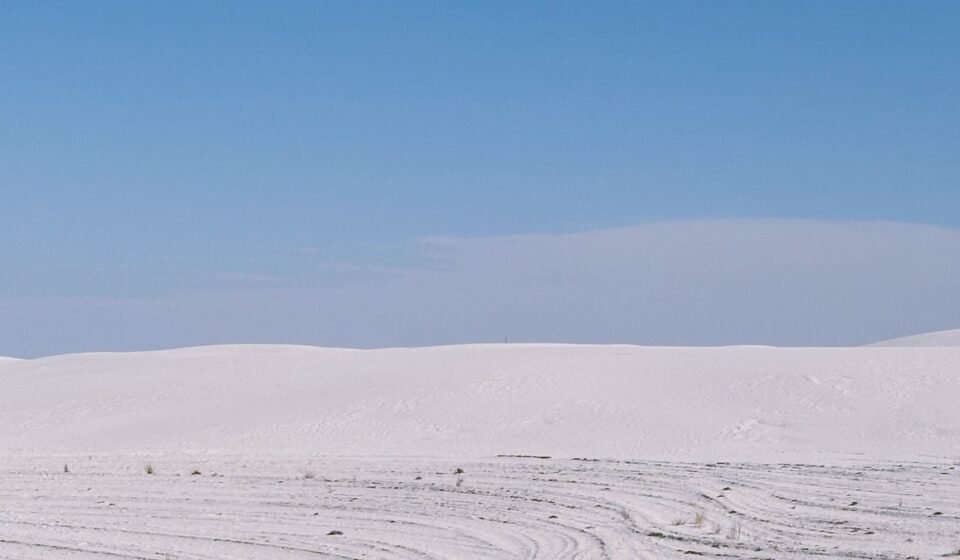

Most people see White Sands National Park in New Mexico at noon, squinting, sledding down a dune on a cafeteria tray. That’s a fine trip. But the gypsum here does something else entirely once the sun drops and the moon comes up: the white sand holds light long after the sky goes dark and reads as pale blue, almost like snow under a streetlamp. The eight spots below are sorted by how much effort they take, from a stop you can make on your way through to a night that requires actual planning. Pick the tier that matches your trip, not the one that makes the best photo.
Park entrance is $25 per vehicle, good for 7 days, or free with an America the Beautiful annual pass ($80, covers entry to all national parks). You’ll need that pass or fee receipt for every entry below, including the evening programs.
Easy wins (a weekend, no planning)
Dunes Drive Overlooks, New Mexico
The 8-mile Dunes Drive loop off US-70 is paved for the first few miles and turns to hard-packed gypsum sand farther in, fine for any passenger car in dry weather. Overlook 4, just past the Dune Life Nature Trail parking area, sits high enough on a dune crest that you can watch the sun drop behind the San Andres Mountains without another car’s headlights in your frame. The dunes don’t need a full moon to glow; even afterglow and starlight catch on the gypsum crystals and give them that flat, silvery-blue look you don’t get on regular sand.
This is also where most people shoot the famous footprint photos, since foot and paw prints show up sharp in raking late light and hold their shadow shape for hours after the wind dies down. Gate closing times are posted on the NPS White Sands seasonal hours page (nps.gov/whsa) and change roughly monthly, from around 6pm in December to 9pm in June; rangers do sweep the road at closing, so this is a sunset stop, not a lingering-after-dark one unless you’re there for a ranger program.
No permit needed for a standard sunset visit. It’s a 15-minute drive from the Las Cruces area via US-70.
Interdune Boardwalk, New Mexico

This quarter-mile accessible boardwalk near the visitor center is the easiest place in the park to get a blue-dune photo without walking in soft sand in the dark. It’s wheelchair and stroller friendly, has interpretive signs about the gypsum dune field and the plants that survive on it, and catches the last light beautifully since it sits slightly elevated above the basin floor. The insider move: the last bench on the boardwalk’s north loop faces away from the parking lot, so it’s the one spot on this trail with zero artificial light in your photo.
It’s also the spot rangers point families toward for evening programs, since it’s close to parking and doesn’t require route-finding once the trail markers get hard to see. Go right at sunset in fall or winter, when the park’s closing time is earliest, and you still get the glow without needing a flashlight for the walk back.
Five minutes on foot from the main lot, paved and level the whole way, no gear beyond a light jacket.
Playa Trail, New Mexico
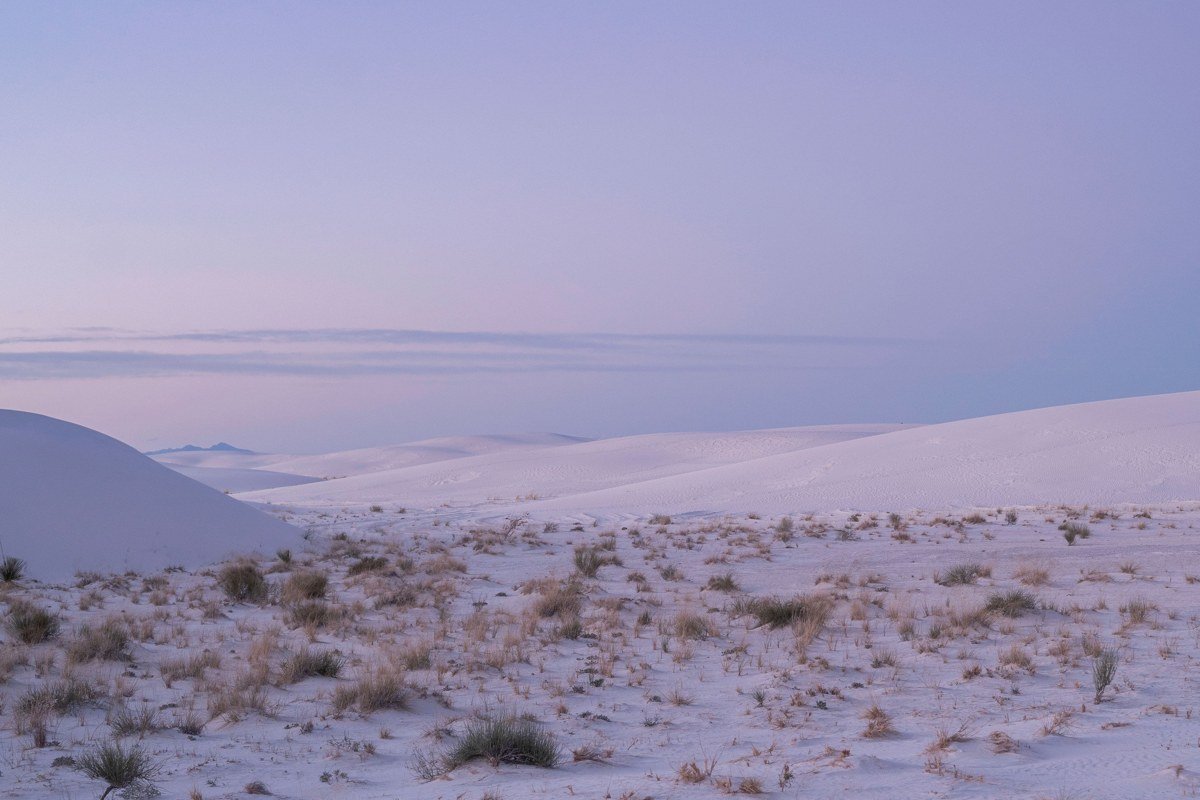
A short half-mile round trip to a seasonal playa, a dry lakebed that fills briefly after rain and then cracks into a mosaic as it dries. At dusk, if there’s any residual moisture, the flat surface mirrors the sky’s last color, doubling the blue-and-purple effect you came for. It’s an easy add-on if you’ve already done Dunes Drive and have 20 minutes before the gate closes.
Skip this one in the dead of summer midday, when heat off the pan is unpleasant and there’s rarely any reflective water left. Sunset and the half hour after are the only window worth the walk. Under 30 minutes round trip, flat trail, no permit required.
Worth the drive
Full Moon Night Hike, White Sands National Park, New Mexico
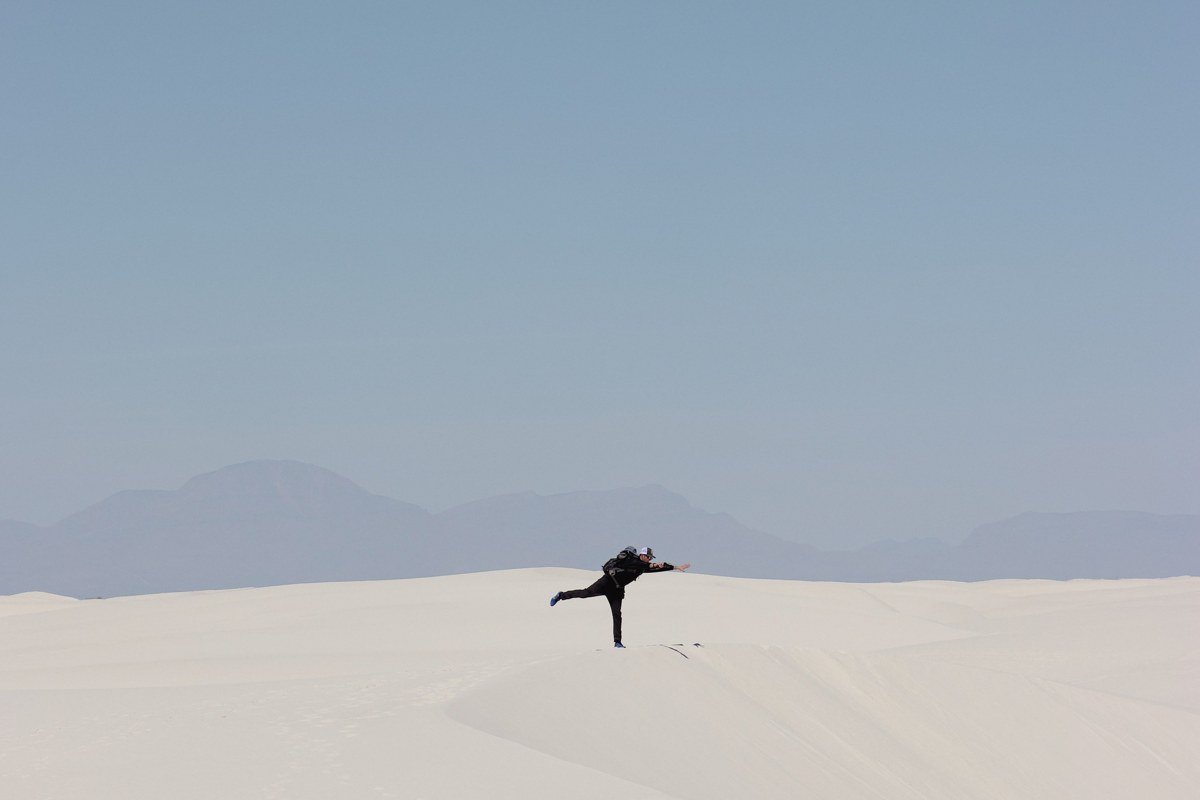
A handful of nights a year, timed to the full moon, the park stays open well past normal hours and rangers lead a guided night walk into the dune field. This is the single best way to see the sand actually glow blue, since moonlight on gypsum does something regular starlight can’t quite manage. In recent years these have run roughly April through October, skipping the coldest months when moonrise doesn’t line up well with reasonable visiting hours. Dates are posted on the park’s calendar at nps.gov/whsa/planyourvisit/events.htm, and tickets are sold through recreation.gov, not at the gate. They sell out, often within days of posting.
Dress warmer than you think you need to. Desert nights drop fast even in late spring, and wind across open dunes cuts through a light jacket. Bring your own water and a red-light flashlight if you have one, since white light wrecks everyone’s night vision, including yours. Reserve on recreation.gov as soon as dates post, typically a few weeks to two months out, for a 1 to 2 mile guided walk on soft sand.
Sunset Stroll Program, White Sands National Park, New Mexico
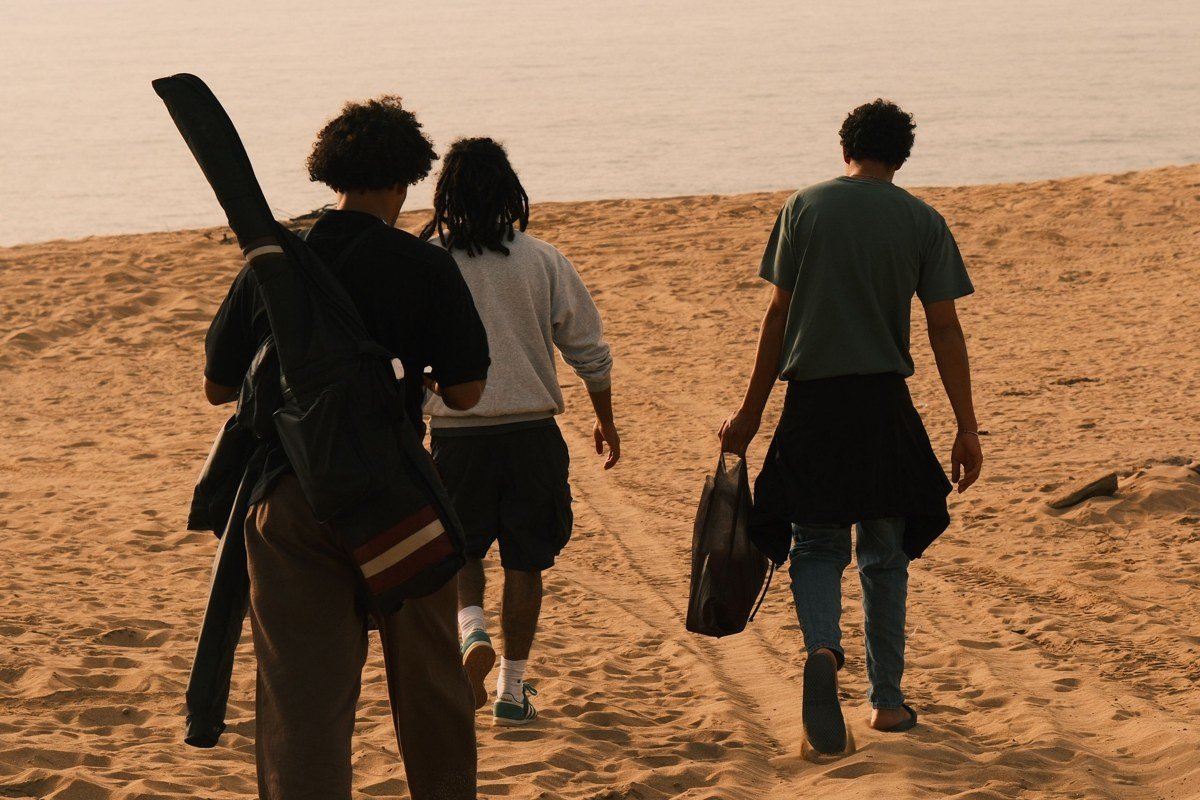
On nights without a full moon, rangers often still run a shorter sunset program that gets you into the dunes right as the sky turns and stays a bit past closing for everyone in the group. It’s less dramatic than the full moon hike but far easier to get a spot for, and you still catch the sand shifting from gold to gray to that flat blue as true dark sets in.
This is the better move if your trip dates don’t line up with a full moon. Check the schedule posted at the visitor center or on the park’s events page before you go, since days and times vary by season and staffing; it’s usually free with park admission, needs no advance reservation, and runs roughly an hour including the walk back.
Alkali Flat Trail at Dusk, New Mexico
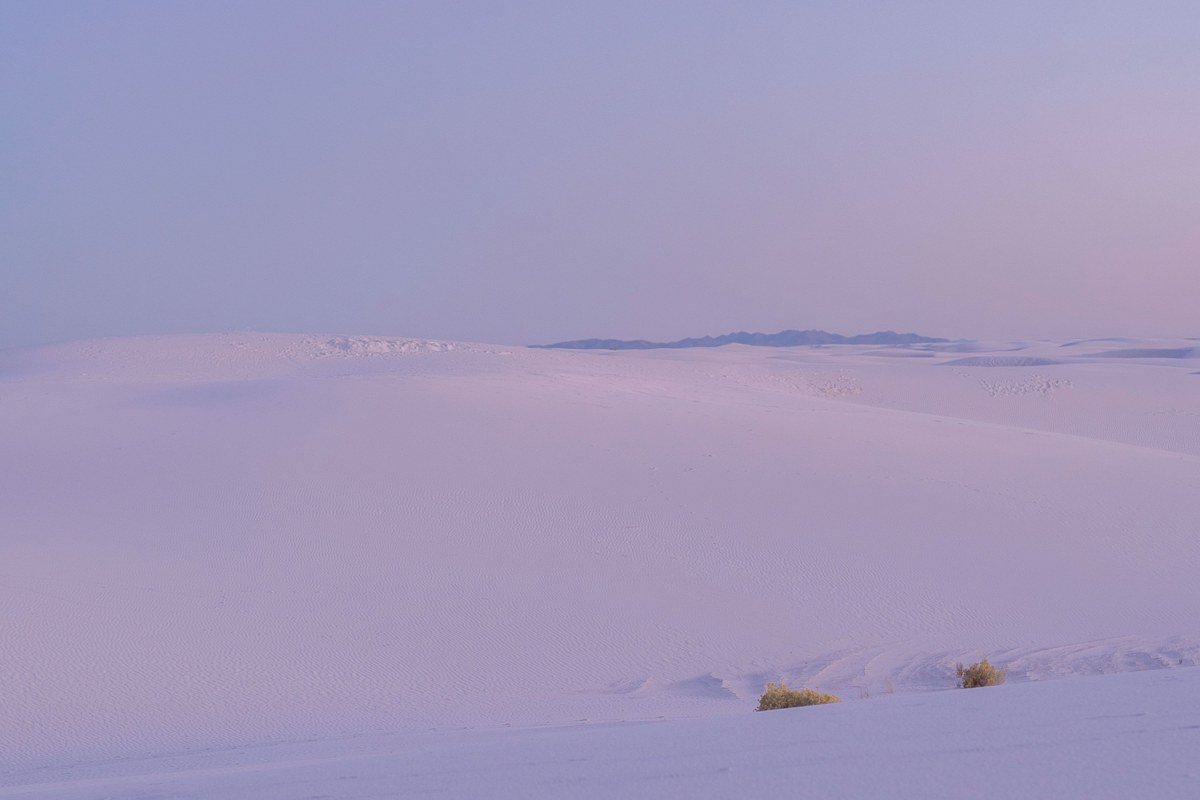
This is the park’s longest marked trail, about 5 miles round trip, looping across the heart of the dune field to the edge of the ancient lakebed the dunes formed from. Start two to three hours before sunset and you’ll reach the far dunes right as the light goes long and gold. The trail is marked with numbered red trail posts, not a worn path. By the time you’re turning back, those posts, spaced close enough that you should always be able to see the next one, are the only reliable way out, since wind can erase footprints from your way in within an hour.
The payoff for going out this far is that the dune crests here are tall enough to block the parking lot, the road, and any sign of other hikers, so the blue hour reads as uninterrupted dune to the horizon in every direction, something you don’t get from the overlooks. That isolation is also the risk. There’s no shade, no water source, and afternoon thunderstorms build fast in summer; lightning over open dunes with nothing taller than you around is genuinely dangerous, so check the forecast before you commit to the full loop.
Go with full water, a charged phone, and a plan to finish before the posted gate closing time, not after.
Earn it (long haul, big payoff)
Lake Lucero Tour, White Sands National Park, New Mexico
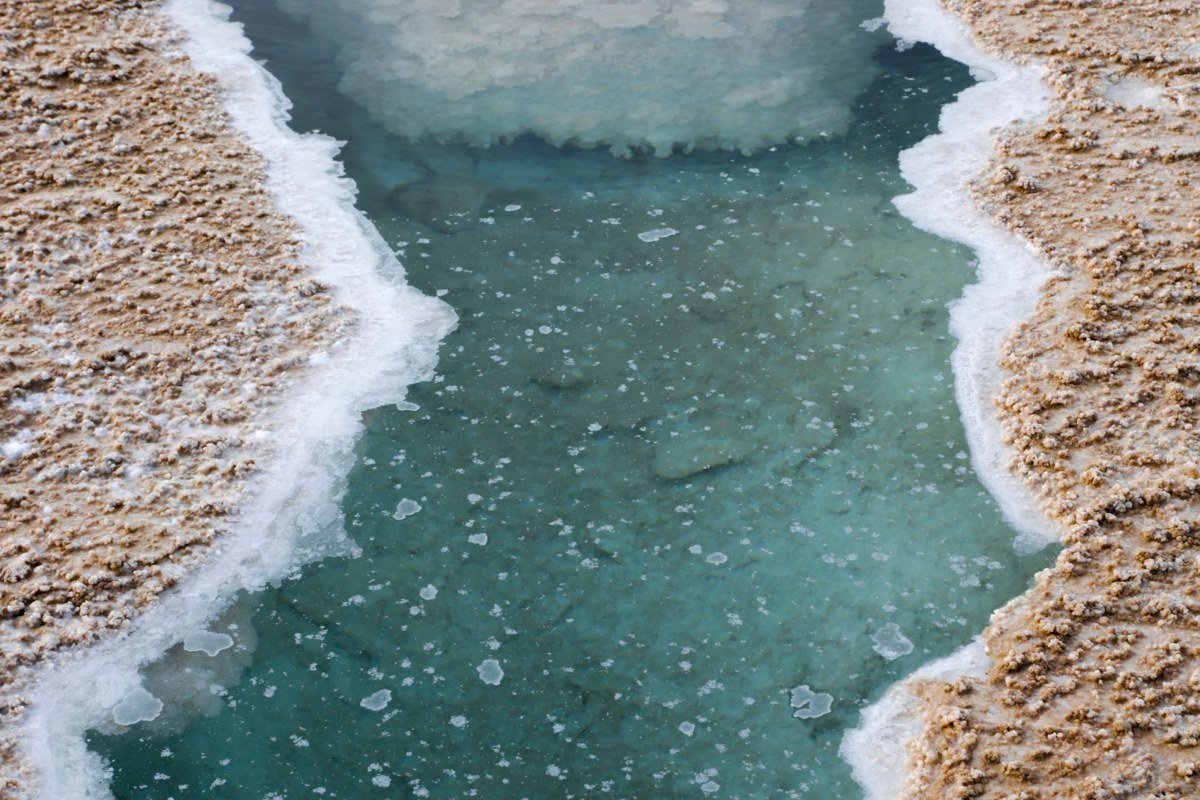
Lake Lucero sits inside White Sands Missile Range, the same military installation that shares the basin with the national park and occasionally closes the highway or the park for testing. Access to Lucero is only possible through a ranger-led caravan tour, offered a handful of times a season, typically November through April. You drive your own vehicle in a line behind a ranger escort, since the area is otherwise off-limits to the public. Tours are listed and booked through recreation.gov under White Sands National Park events, cost around $15 per person on top of park admission, and commonly fill within days of being posted.
This is where the gypsum dunes actually begin. Lake Lucero is a dry lake, a playa, where wind and water break down selenite crystals, some still a foot or more long where they sit exposed on the lakebed, into the gypsum sand that eventually blows into the dune field miles away. In low, late-afternoon light the crystals catch the sun with an almost metallic shine, and standing there, it’s easy to trace a straight line between what’s under your boots and what you sledded down that morning. The tour isn’t timed to sunset, so you won’t see the dunes glow here, but pair it with an evening Dunes Drive visit the same day and the geology of the glow actually clicks into place.
Reserve months ahead on recreation.gov when dates post. It’s a half-day commitment including the caravan drive out and back, with no solo or self-guided access at any time of year.
Bonus: Trinity Site, White Sands Missile Range, New Mexico

This one’s a bonus, not a tier, because it won’t get you blue dunes. It’s a different corner of the same missile range, outside the national park entirely, but it belongs on the map for anyone curious about the basin’s stranger history. The site of the first nuclear test opens to visitors only twice a year, on open house days announced by the Army (typically one Saturday each in April and October), and otherwise sits locked behind range security. There’s a modest obelisk marking ground zero and a short walk around the fenced area; background radiation levels there are described by the Army and independent monitors as low, roughly equivalent to a few hours of airline flight, but worth knowing about if you’re cautious.
If you’re already making the long drive from El Paso or Albuquerque for the dunes, it can be worth timing a trip around one of the two open house dates, which are announced on the White Sands Missile Range public affairs website. Dates aren’t flexible and security screening takes time at the gate, so plan on arriving early and bringing photo ID for everyone in the car.
To move up a tier next time: start by checking the park’s event calendar before you book anything else, since full moon and sunset program dates should set your travel dates, not the other way around. Las Cruces and Alamogordo, New Mexico both make reasonable home bases, with an easy 20 to 50 minute drive to the entrance, so there’s no good reason to just do the daytime sledding loop and leave. Build one evening into the schedule, and the dunes will do the rest.