Why Mackinac Island Vanishes Into Fog Before the Ferries Start: 9 Upper Peninsula Mornings Worth the Early Wake-Up

I have watched Mackinac Island disappear from the St. Ignace shoreline more than once, not because of weather coming in, but because the Straits do this thing at dawn where warm air sits over cold water and the whole island just stops being there. The first ferry crew of the day knows exactly when it will burn off. Everyone else is still asleep.
That same mechanism (warm air meeting a colder lake surface overnight, then sitting there until the sun climbs high enough to mix it out) is behind almost every fogged-in view on this list, whether it is forming over open water, down in a forest canopy, or low over an inland marsh. I will note the local variation at each stop, but the basic physics stays the same throughout. If you are willing to be the person standing at a pull-off at 6am with coffee going cold, you get a version of this place almost nobody photographs.
A note on logistics before you start: the UP is big and these stops are not close together. I generally base out of three hubs: Munising for Pictured Rocks and Seney, Copper Harbor for Brockway Mountain and the rest of the Keweenaw, and Paradise for Tahquamenon and Whitefish Point. Trying to chase all nine from one motel room will burn more time on the road than at the overlooks.
Tahquamenon Falls, Michigan
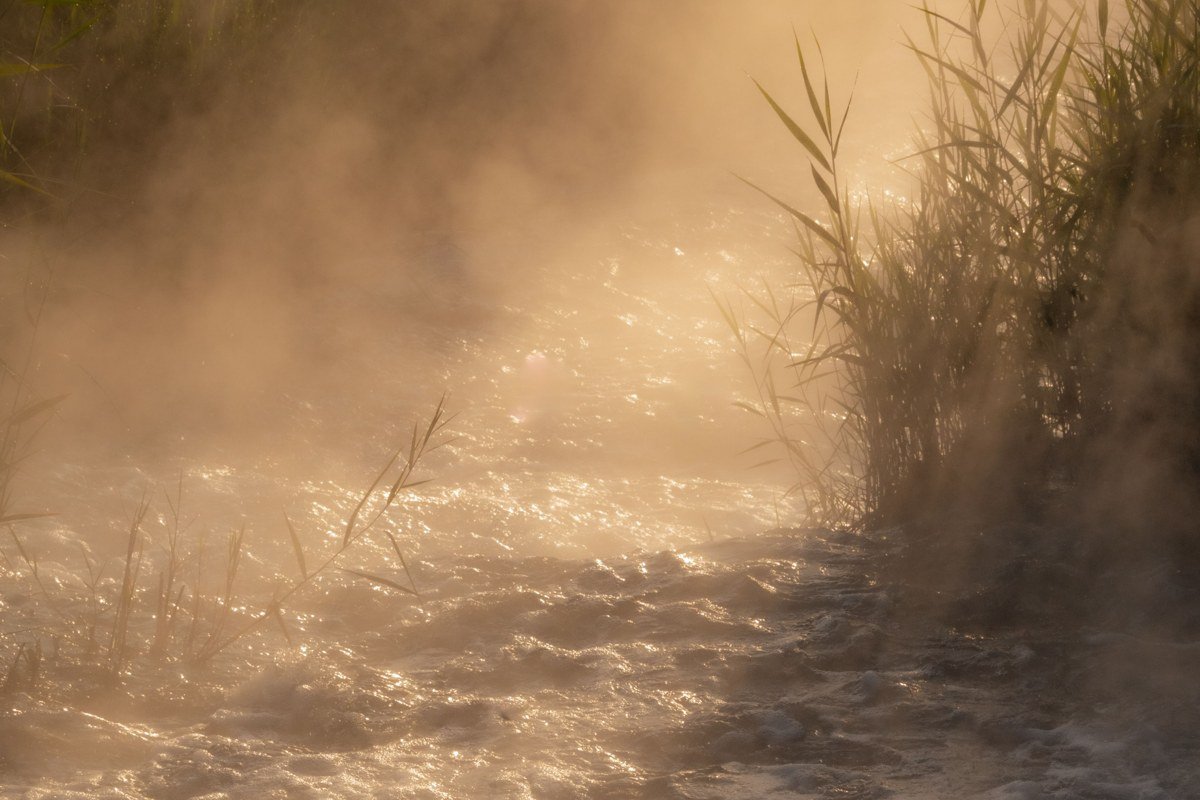
The Upper Falls here are the big postcard shot, but it is the Lower Falls, four miles downstream, where fog pools over the braided channels and islands at first light. The tannin-stained water (locals call it root beer falls, and it is not far off) throws up a mist that catches low sun before 8am in a way it simply does not by midday. I got to the Lower Falls parking lot once at 6:40am expecting to be alone and instead found two other photographers already set up on the footbridge, which tells you this one is not exactly a secret anymore. Tahquamenon Falls State Park spans two units connected by a seasonal road, and the campground fills fast on summer weekends.
Worth knowing: There is a per-vehicle state park entry fee (an annual Recreation Passport pays for itself in two or three visits), and the park road between the Upper and Lower Falls closes for winter. Paradise, 10 minutes east, is the obvious place to sleep the night before.
Skip if: You only want the famous wide-angle Upper Falls shot. Midday light is better for that; dawn here is about the Lower Falls mist, a different photo entirely.
Pictured Rocks National Lakeshore, Michigan
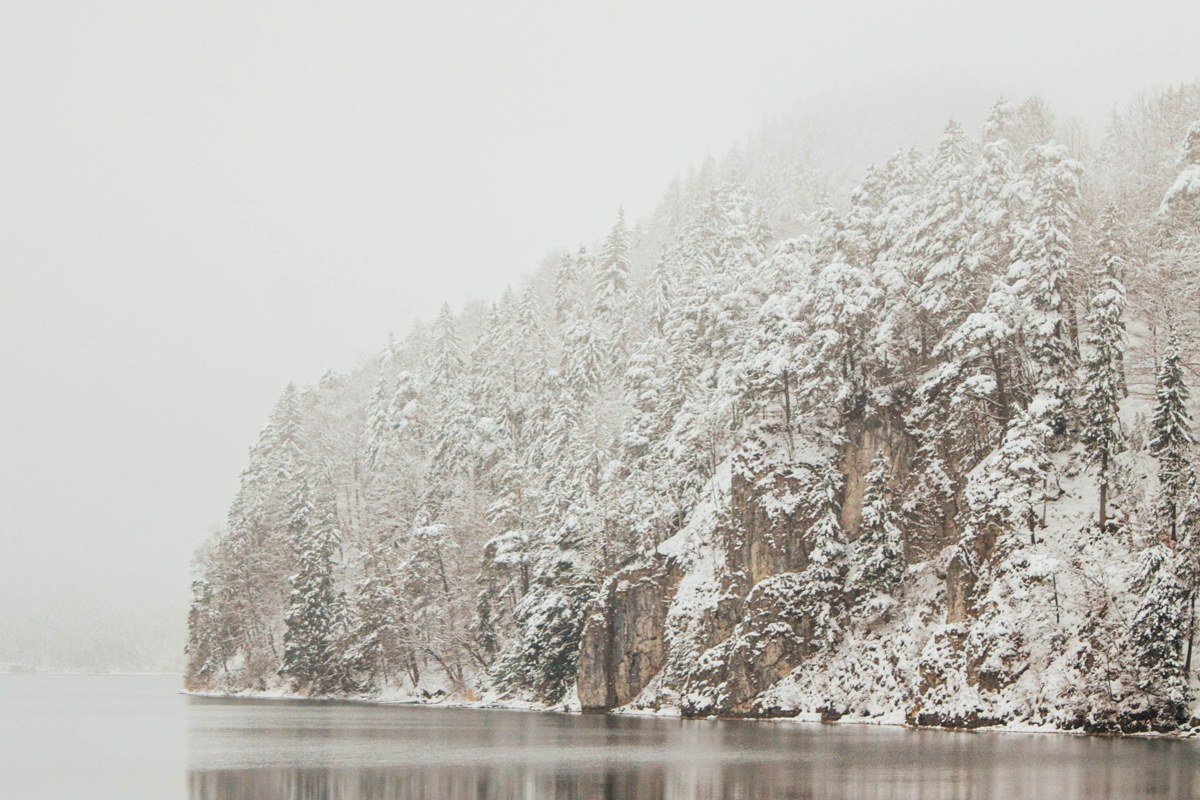
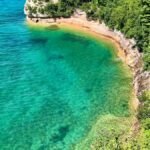
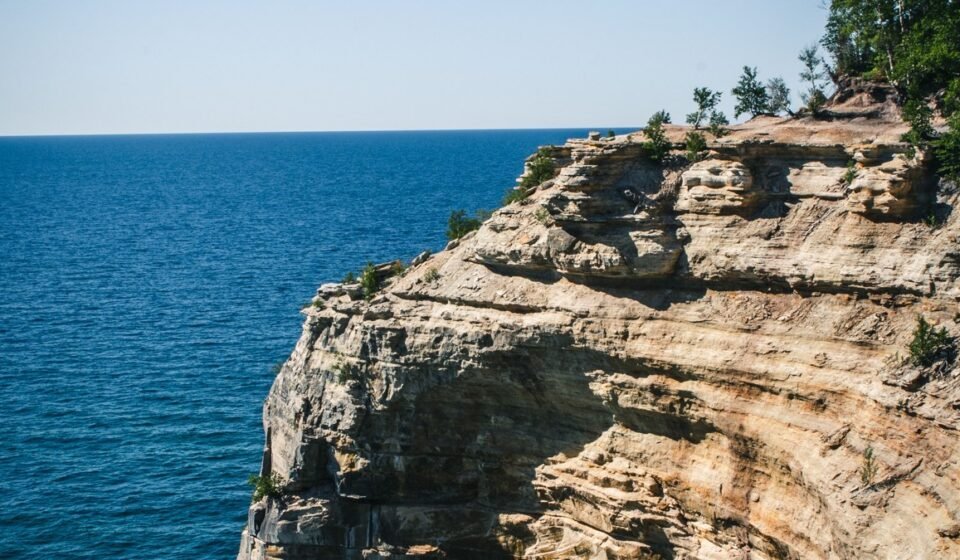
Lake Superior generates its own weather, and nowhere in the UP shows it off like the sandstone cliffs near Munising. On cool mornings after a warm night, fog lies in a flat layer right at the waterline while the cliff faces stay clear above it, so boat tours and kayakers get a strange sandwich effect: rock, fog, then open sky. The Miners Castle overlook is the easiest fogged-in view that does not require a boat or a long hike, and it is also where I have had the single best morning of this entire list: cliffs lit gold, Superior completely gone under a flat white sheet, and nobody else at the rail for almost twenty minutes.
Munising is the right base for this one, not Grand Marais, even though Grand Marais sits closer to the eastern end of the lakeshore; Munising has more lodging and puts you closer to the boat tour docks if you want to follow up a foggy overlook morning with an afternoon on the water once it burns off. If you are coming from Tahquamenon, it is roughly an hour and a half west on M-28, an easy add-on to the same trip.
Worth knowing: Miners Castle has a paved parking lot and short walk, but the inner viewing platform has been closed in past seasons due to erosion, so check current access before you drive out.
Skip if: You get seasick easily and were planning the boat tour as your main event; do the overlooks instead and save the water tour for a calmer afternoon.
Lake of the Clouds, Michigan
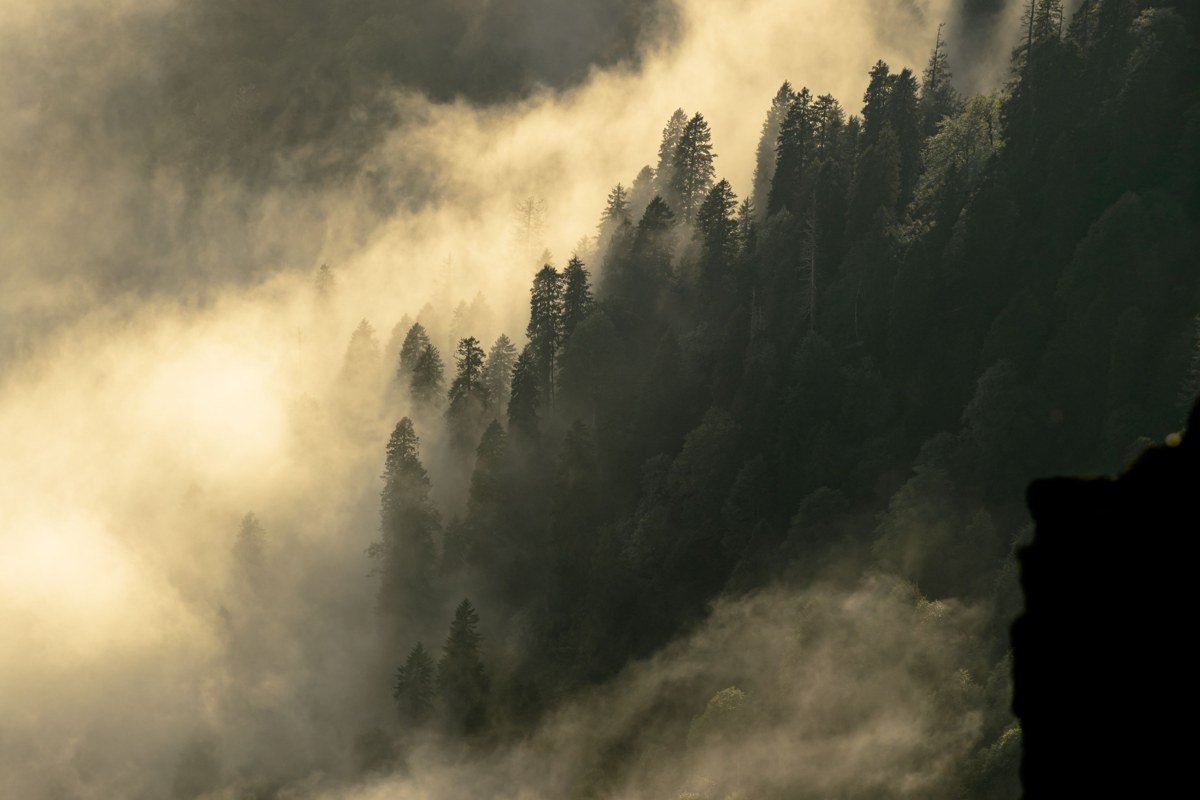
This is the single most photographed view in the Porcupine Mountains Wilderness State Park, a glacial lake sitting in a bowl below the escarpment, and it earns the fog cliche honestly. Cold air drains down into that basin overnight and pools there, usually clearing an hour or more after sunrise at the parking lot above, later than anywhere else on this list because the escarpment walls trap it so effectively. The overlook is a two-minute walk from the lot, no hiking boots required, which is rare for a view this good.
What makes this one worth building a whole morning around, rather than a quick stop, is that the clearing happens in stages. First the far shoreline appears as a dark line, then the near shore, then finally the water itself, so you are watching the lake assemble itself over the better part of an hour rather than seeing fog simply lift all at once. I have stood at that rail three separate times now and it has never looked the same way twice. The Porkies are the westernmost major stop in the UP, close to the Wisconsin border, so pair this with Brockway Mountain or Copper Harbor if you are already out that way rather than treating it as its own trip.
Worth knowing: The access road and overlook parking close in winter; if you want this view with snow instead of fog, you are hiking or skiing in.
Skip if: You are only passing through for an hour. The payoff is in waiting at the rail while the lake slowly reassembles itself, not snapping one photo and leaving.
Brockway Mountain Drive, Michigan

Up on the Keweenaw Peninsula, this nine-mile drive climbs to the highest paved road between the Rockies and the Alleghenies, and on the right morning you are looking down on a solid white floor of cloud with Lake Superior nowhere in sight. Locals in Copper Harbor will tell you which mornings those are: cool, calm, right after a warm front. It is one of the few UP viewpoints you can reach entirely by car, and Copper Harbor itself, a few minutes down the road, is the natural base for this one and for exploring the rest of the Keweenaw.
Worth knowing: The road is maintained and open most of the year but can be icy or drifted shut after an early snow; call ahead in shoulder season.
Skip if: Heights or narrow guardrail-free pullouts bother you. Some of the best viewpoints here have no barrier at all, unlike the fenced overlooks elsewhere on this list.
Presque Isle Park, Michigan
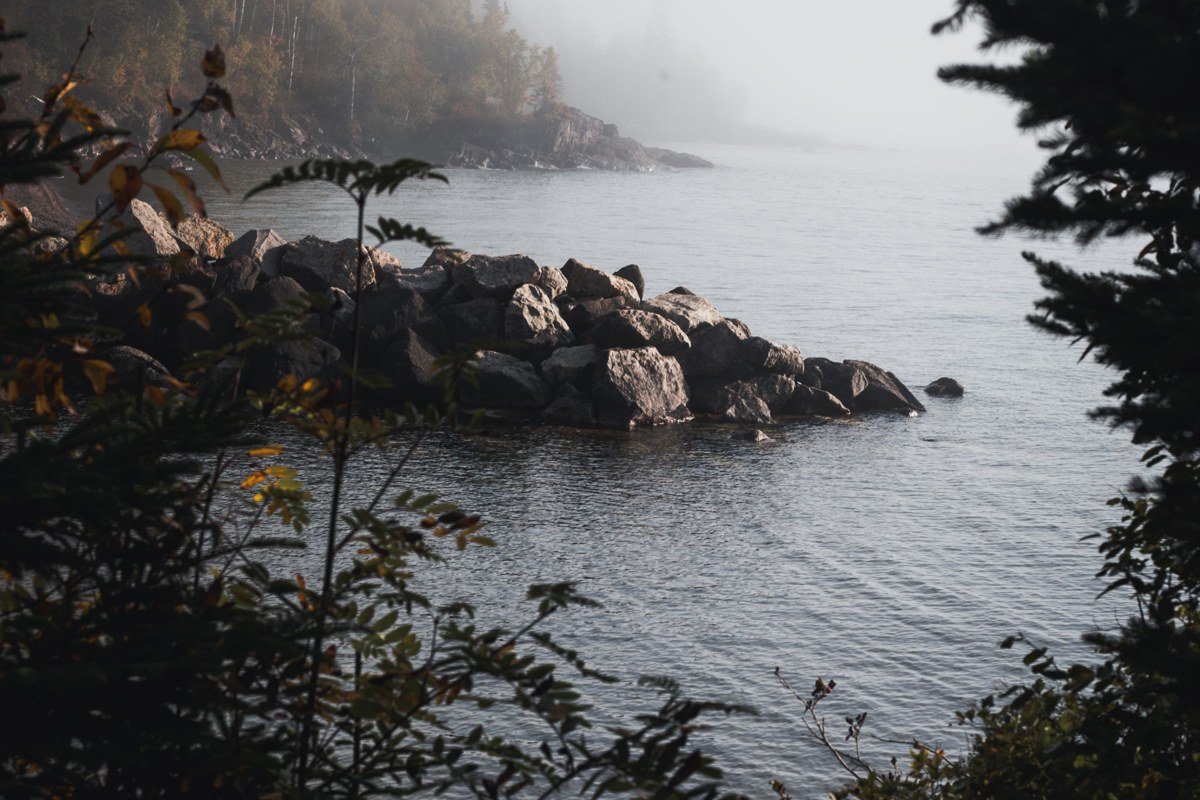
Marquette is the largest city in the UP, though at under 20,000 people that is a relative term, and this park on its edge is where locals go before work. Fog rolls off Lake Superior onto the black rock shoreline and the old sandstone quarry on cool mornings, especially in late spring and early fall when the lake is still warmer than the air. I used to live close enough to walk here, and the honest version of this entry is that half the appeal is just how easy it is: five minutes from downtown coffee, no planning required, which makes it the logistical outlier on this whole list.
Worth knowing: The park loop road is open to cars, but the quietest hour is well before the dog walkers and joggers show up, so aim for sunrise, not after.
Skip if: You need total solitude. This is a working city park, and by 8am it has normal city-park foot traffic, not the emptiness you get at the more remote stops here.
Sand Point, Whitefish Point, Michigan
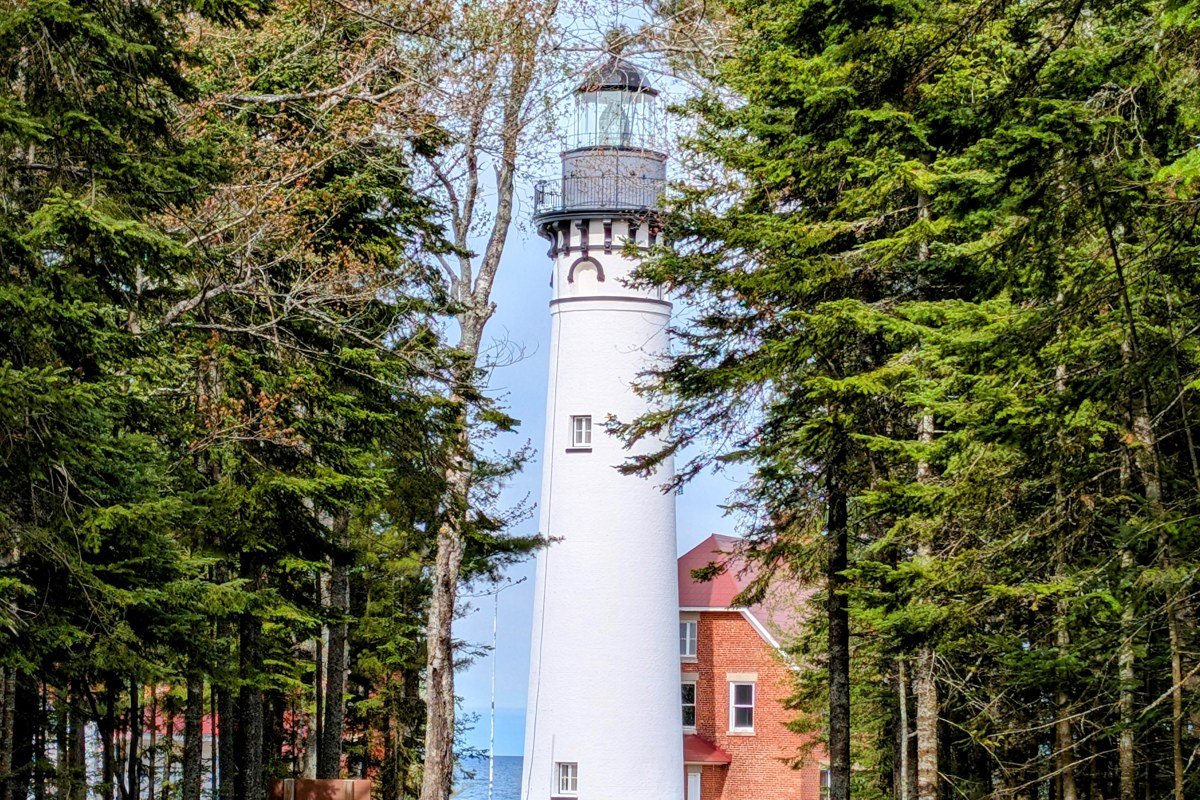
This stretch near Paradise, Michigan sits where Lake Superior narrows toward the locks, and the Great Lakes Shipwreck Museum on the point exists because of how many vessels this coast has taken, the Edmund Fitzgerald among them. Fog here is not scenic decoration, it is the actual reason the lighthouse and foghorn were built, and on a socked-in morning you understand immediately why this coast earned its reputation. Birders also flock here in spring and fall for the raptor migration, fog or not. If you are staying in Paradise for Tahquamenon, this is a straightforward 20-minute add-on the same morning, best done before or after the falls rather than instead of them.
Worth knowing: The museum and grounds operate on a seasonal schedule and close for winter; the beach itself is accessible year-round if you do not mind walking past a locked gate.
Skip if: You want guaranteed fog for a photo. This coast is moody, not predictable, and you might get a flat gray morning or total clarity instead.
Black River Scenic Byway, Michigan
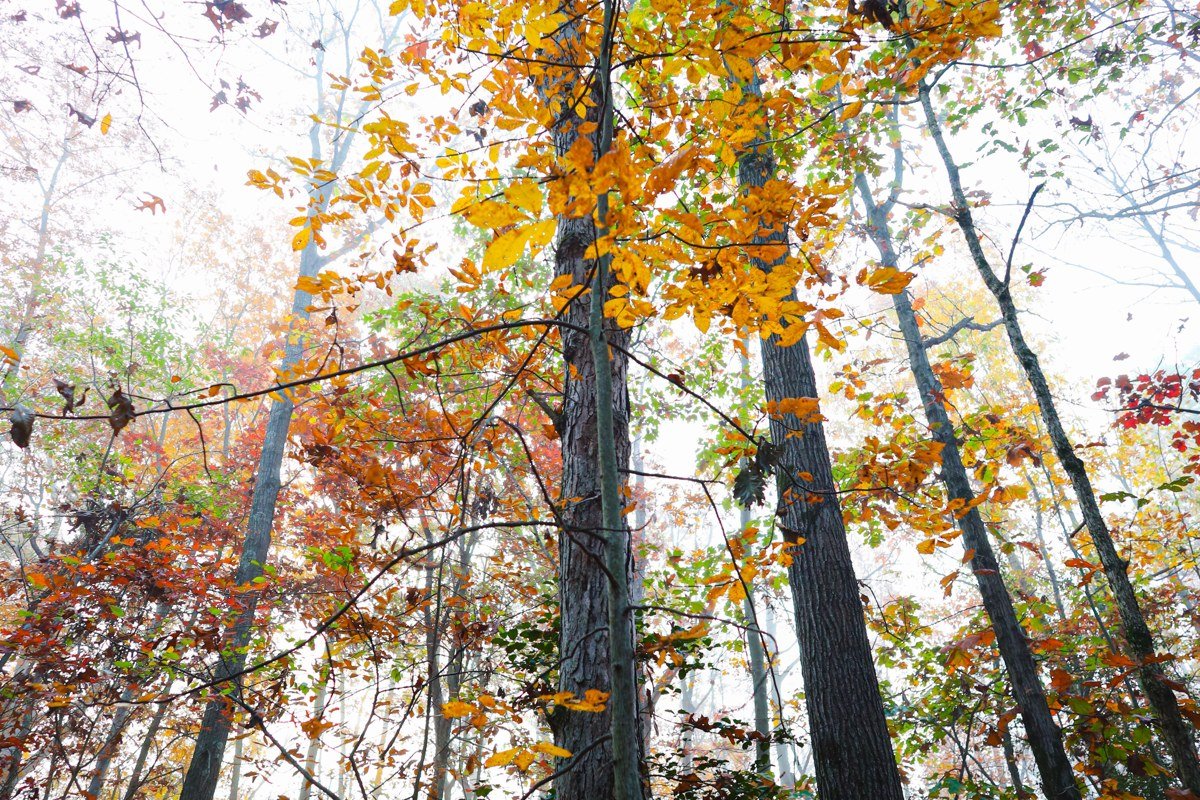
South of Ironwood, this short byway strings together several waterfalls on its way to Lake Superior, and the forest canopy traps overnight mist longer than it lingers in open country. Rainbow Falls and Great Conglomerate Falls both have short trails from roadside parking, so this is a good pick if you want waterfall fog without a long hike.
Worth knowing: The byway road is plowed less aggressively than major highways, so check conditions before an early spring or late fall visit.
Skip if: You already did Tahquamenon and Pictured Rocks on this trip. These falls are a notch smaller and the drive down from Copper Harbor eats a half day you may not have.
Garden Peninsula, Michigan
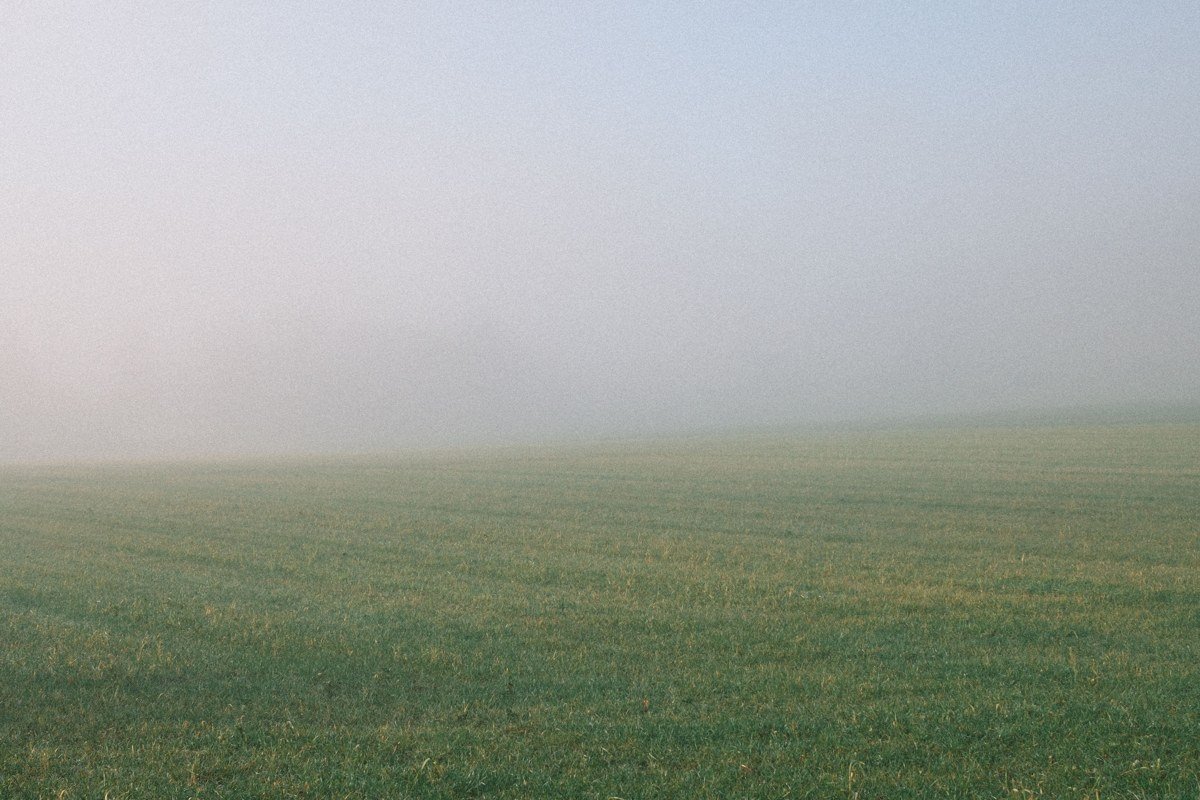
This finger of land hanging off the UP’s south side into Lake Michigan gets skipped by almost everyone racing along US 2, which is exactly the point. Fog sits over old farm fields and the ruins of Fayette Historic State Park, a 19th-century iron-smelting town built right on the harbor, giving the whole place a quality closer to a ghost story than a tourist stop. Early morning is also when you have the best odds of having the townsite entirely to yourself.
Worth knowing: Fayette Historic State Park charges the same vehicle entry fee as other Michigan state parks, and the visitor center keeps shorter hours outside summer.
Skip if: You need amenities nearby. Gas stations and food options on the peninsula itself are thin; fuel up in Garden or before you turn off US 2.
Seney National Wildlife Refuge, Michigan
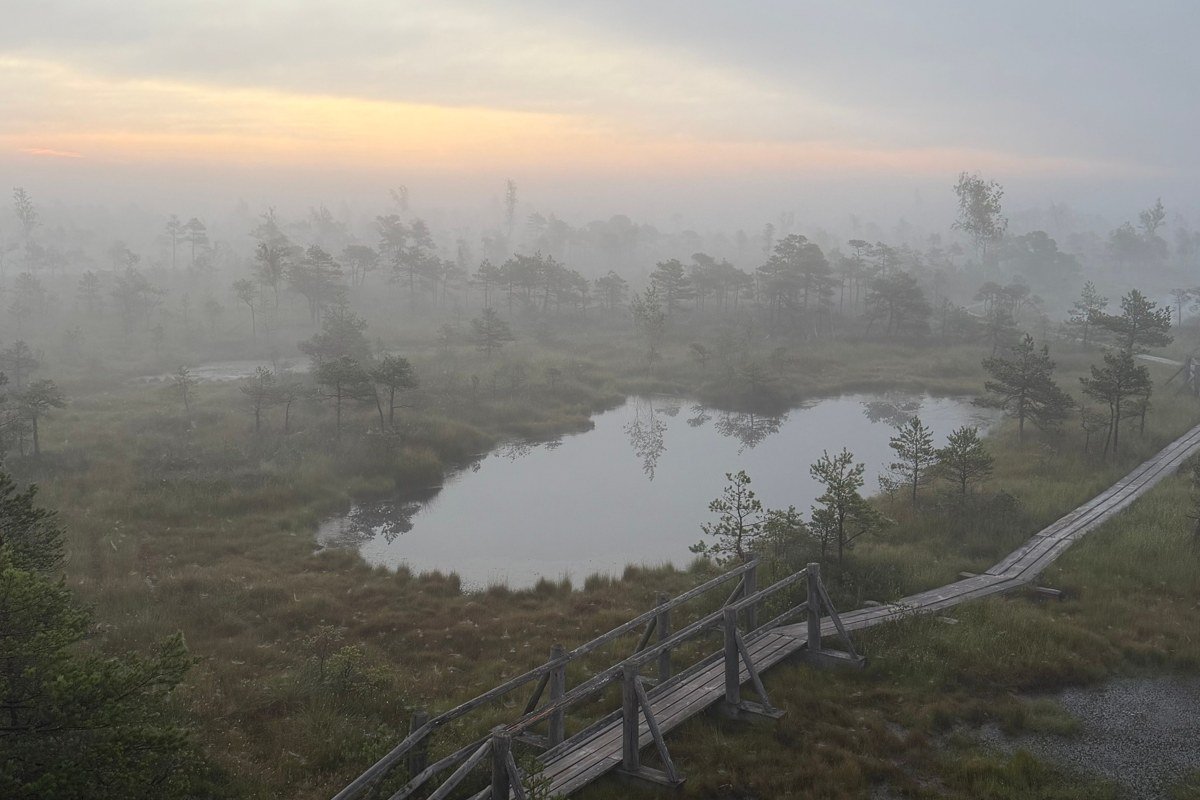
Here the fog forms low over marsh and open pools instead of rolling off a lake, and it can sit well into the morning given how still the interior air is. The wildlife drive loop is quiet and slow by design, and dawn is also when you are most likely to see sandhill cranes before the day’s heat and noise pick up. It sits right on M-28 between Munising and Seney proper, about 45 minutes from Munising, so it is an easy slot into the same morning as Pictured Rocks if you are an early enough riser to do both.
Worth knowing: The wildlife drive is seasonal, typically closed through winter and early spring; check before planning around it.
Skip if: You are on a tight schedule. The loop rewards slow, idling driving, and rushing it defeats the purpose.
Mistakes people make
- Treating the UP like a day trip from the Lower Peninsula. Driving across the Upper Peninsula end to end, Ironwood to St. Ignace, takes close to five hours without stops, and most of these fog mornings require you to already be sleeping nearby the night before.
- Going in July and wondering why everything feels crowded and dry. Late May through June and September into early October bring cooler nights, warmer lake water, and more reliable fog, along with thinner crowds; locals and longtime visitors argue about the exact best window, but nearly everyone agrees peak summer weekends are not it.
- Forgetting the UP sits in the Eastern time zone like the rest of Michigan, then showing up an hour late for a sunrise someone back home quoted in their own local time.