
Most people plan a Maine lighthouse trip around sunshine, then show up in July wondering why every photo looks like a postcard instead of the coast they pictured. The real show happens when cold water and warm air fight it out at dawn, usually in late spring and early summer, and the fog rolls in low and thick and swallows the light towers whole. I learned this the hard way in June 2019, parked at Pemaquid at 8:40am under a clear sky, an hour too late, the fog already burned off and gone. If you want the version of coastal Maine where a lighthouse disappears and reappears in front of you, you plan around fog, not against it, and you get up before the lobster boats do.
Before you drive anywhere in the dark, check the NOAA marine forecast for the relevant coastal zone (not the generic town forecast) the night before and again at 4am. Dense fog advisories and visibility readings are posted there, and several towns on this list have public fog or harbor webcams you can check in your pajamas before committing to an hour of driving. A clear forecast is the one thing that can save you a wasted morning.
Portland Head Light, Maine
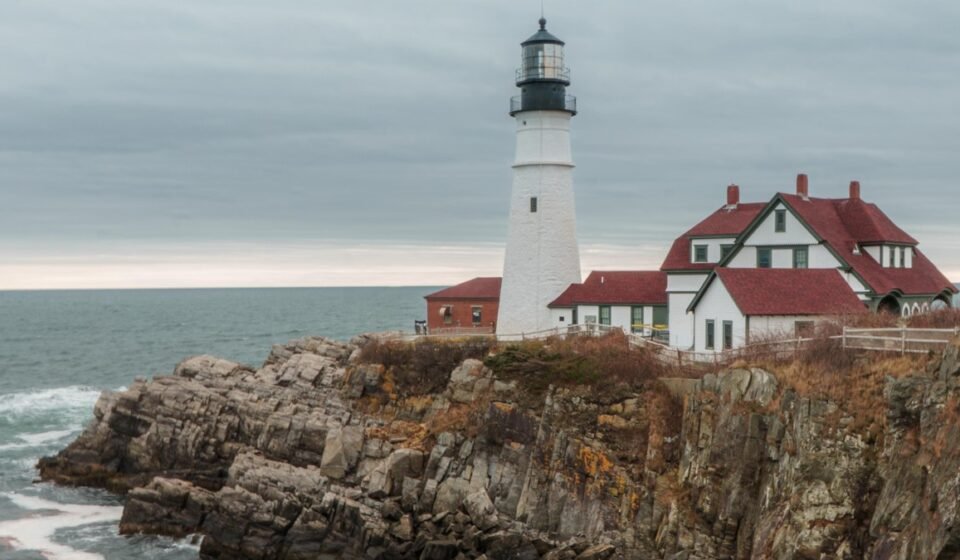
This is the lighthouse everyone pictures when they say “Maine,” and it earns the reputation. Set inside Fort Williams Park in Cape Elizabeth, about 15 minutes from downtown Portland, it catches fog rolling off Casco Bay on a good number of June mornings, often burning off by mid-morning. The park grounds open before sunrise and the walk from the lot to the point takes less than five minutes, so this is the easiest “fog lighthouse” on the list to actually pull off before work or breakfast.
Worth knowing: Parking is $2 an hour at the Fort Williams Park lot, and it fills by mid-morning in summer; arrive before 7am and you’ll have your pick of spots.
Skip if: You want solitude. This is the most photographed lighthouse in the state and it shows, even at dawn.
Pemaquid Point Light, Maine
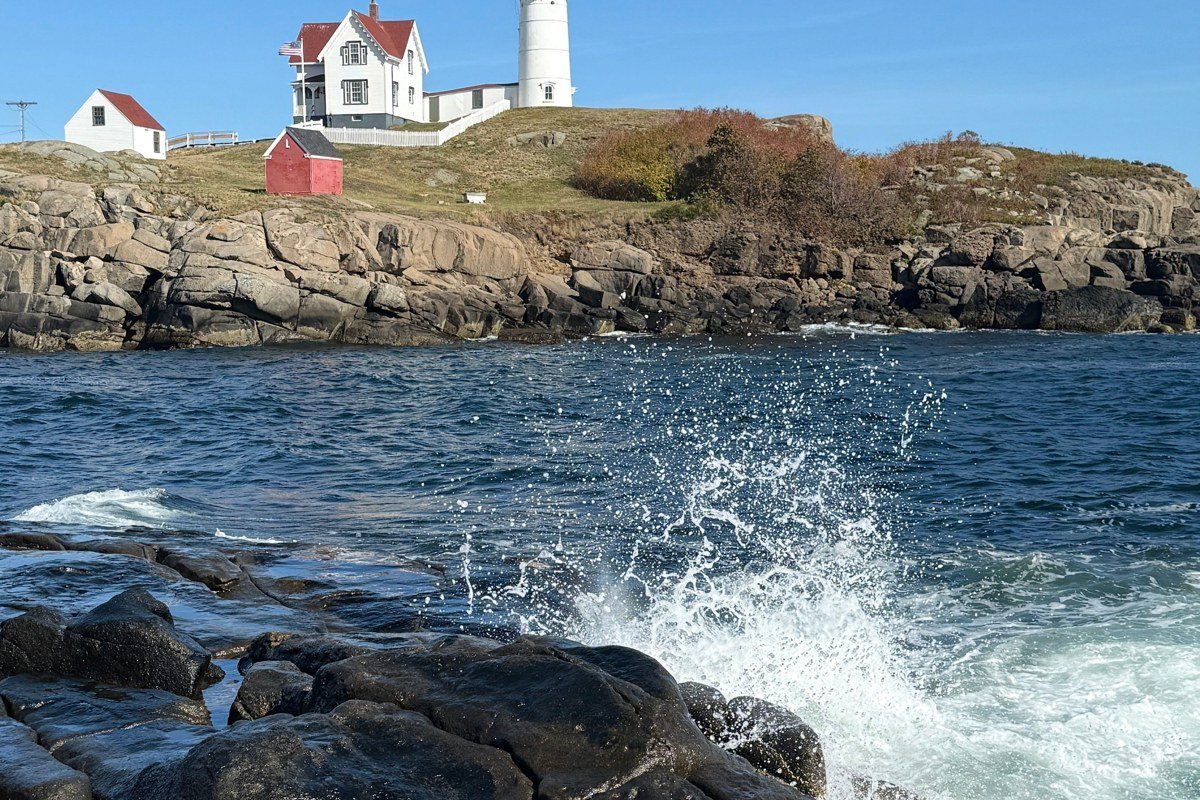
Pemaquid sits on a slab of tilted, striped bedrock unlike anything else on this coast, about an hour and 15 minutes from Portland down Route 130. Fog here behaves differently than at Portland Head: it tends to sit offshore and creep in waves across the rock ledges, so you get stretches of total whiteout followed by the tower reappearing, then gone again thirty seconds later. Bring boots with grip; the rock is beautiful and also slick when wet, which it almost always is at dawn.
If you’re driving up from south of Portland, Damariscotta or Boothbay Harbor are the closest overnight bases, both roughly 20 minutes from the point, which matters if you want to be parked and in position before first light instead of starting the drive at 3am.
Worth knowing: Entrance is $3 per adult, collected seasonally at a self-pay station, and the museum inside the keeper’s house doesn’t open until mid-morning, well after the fog show.
Skip if: You have young kids who wander. The ledges drop straight to the water with no railing in most spots.
Owls Head Light, Maine

Owls Head is tiny, tucked into a working harbor just south of Rockland, and it’s the one locals mention when you ask what’s worth a detour near Rockland. The approach is a short wooded path, and on a thick morning the lighthouse doesn’t come into view until you’re maybe thirty feet from it. Because it sits low and close to the water, fog clings here longer into the morning than at the taller towers up the coast.
Worth knowing: The parking area is gravel, small, and unmarked from the road, so use the Owls Head village address rather than trusting GPS pins blindly.
Skip if: You’re trying to combine it with Rockland breakfast plans. The path and fog mean you’ll want more time than you think.
Bass Harbor Head Light, Maine
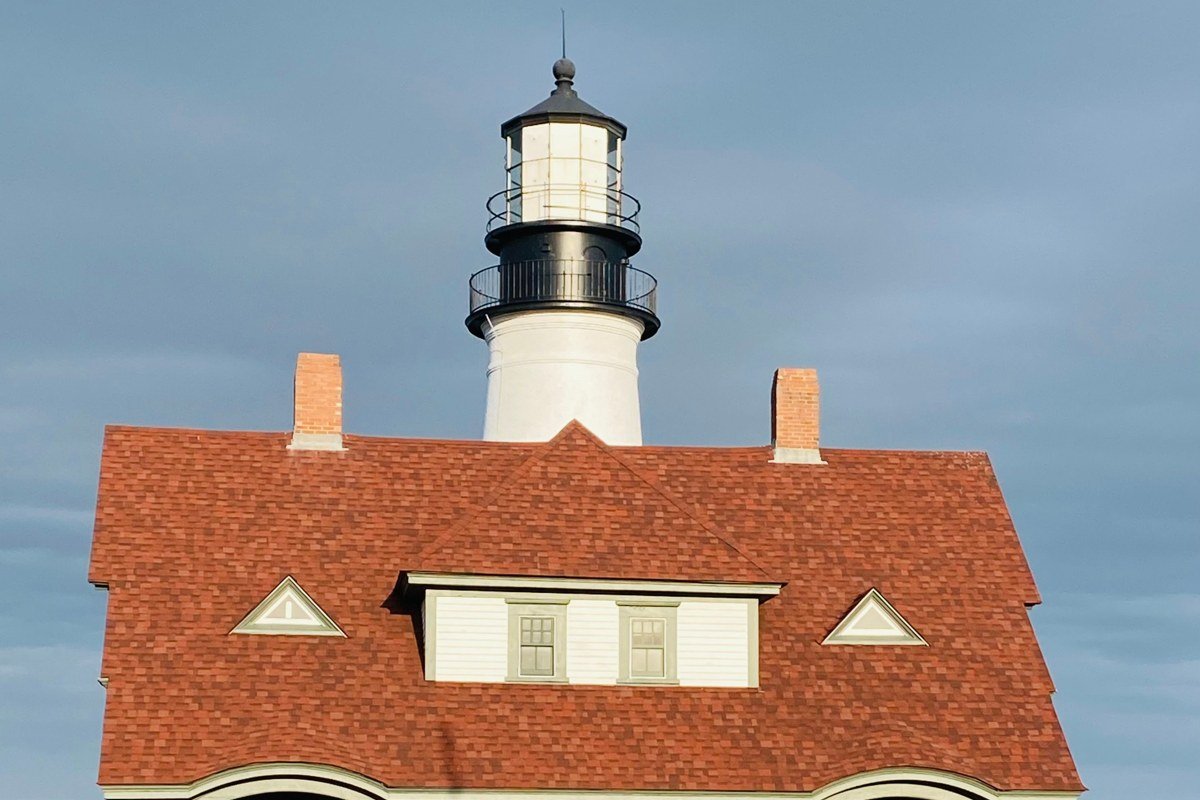
This is the lighthouse of Mount Desert Island, inside Acadia National Park’s quieter southwestern corner, about 25 minutes from Bar Harbor. Fog off Blue Hill Bay here is thicker and slower to lift than the open-ocean fog further south, sometimes lasting past 9am in early June. The lighthouse itself is closed to the public, but the cliffside trail below it gives the classic angle everyone photographs.
Worth knowing: Acadia requires a $35 vehicle entrance pass (valid 7 days) from late spring through fall, and the Bass Harbor lot holds about 15 cars; it overflows fast once the park’s full season starts.
Skip if: You need the tower open. The Coast Guard still operates it and the building itself is not open to visitors.
West Quoddy Head Light, Maine
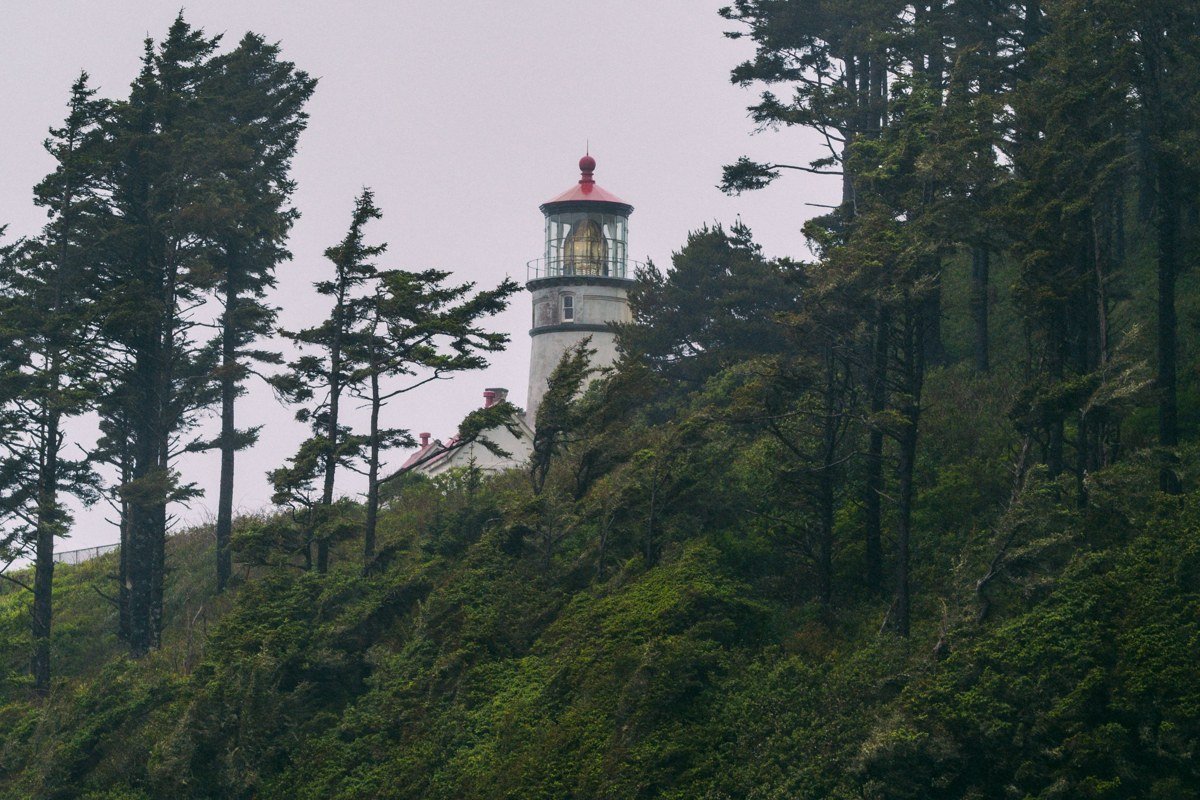
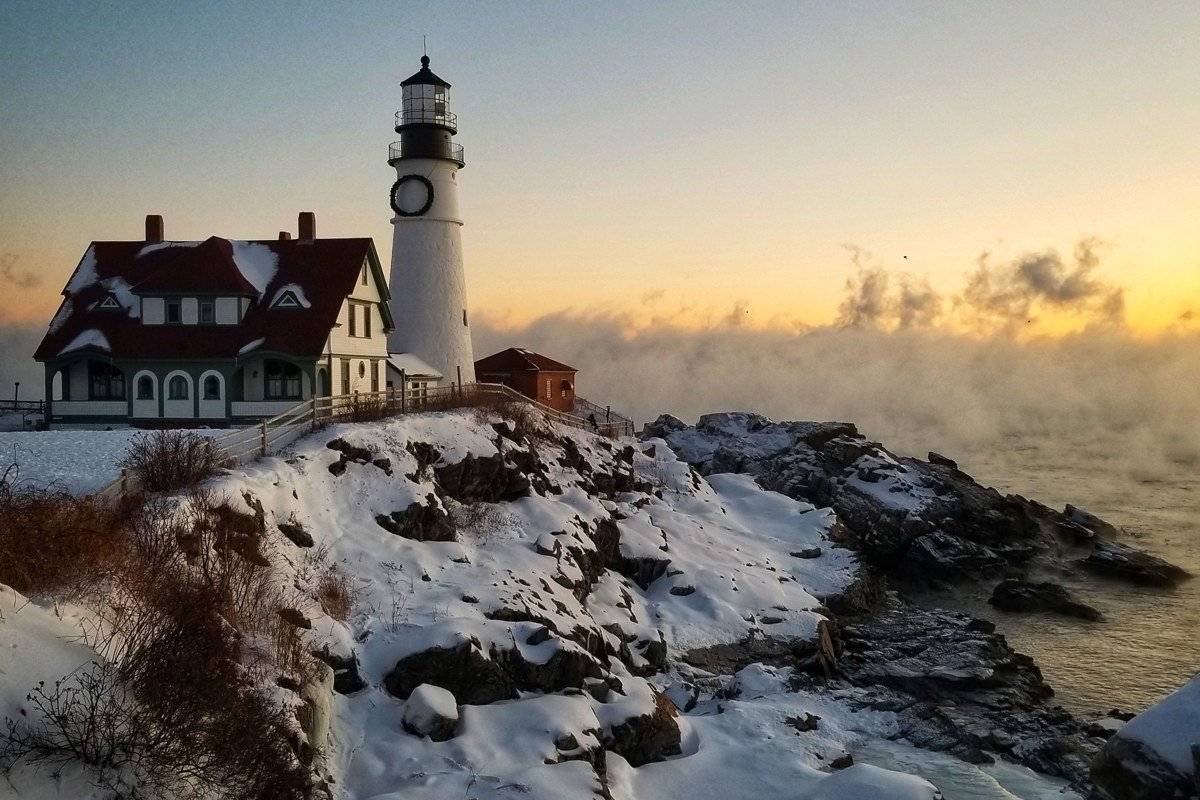
The easternmost point of the contiguous United States, in Lubec, roughly 4.5 to 5 hours from Portland on Route 1. This is the one people skip because of the drive, and that’s exactly why the fog mornings here feel earned rather than crowded. The Bay of Fundy’s extreme tides push cold water and warm air together constantly, so West Quoddy Head gets some of the most reliable, thick fog on the entire Maine coast, often into midday.
Given the drive time, plan to sleep in Lubec itself the night before rather than attempt this as a day trip. There are only a handful of inns and guesthouses in town, so book ahead in summer; Eastport, about 25 minutes north, is the backup option if Lubec is full. Either way, you want tires in a parking spot by 9pm, not still on Route 1 at midnight.
Worth knowing: Park entrance is $4 per person, and cell service is weak to nonexistent along much of Route 189 into Lubec; download offline maps before you lose signal.
Skip if: You’re on a tight loop itinerary. Lubec is a dead-end detour, not a drive-through town.
Marshall Point Light, Maine
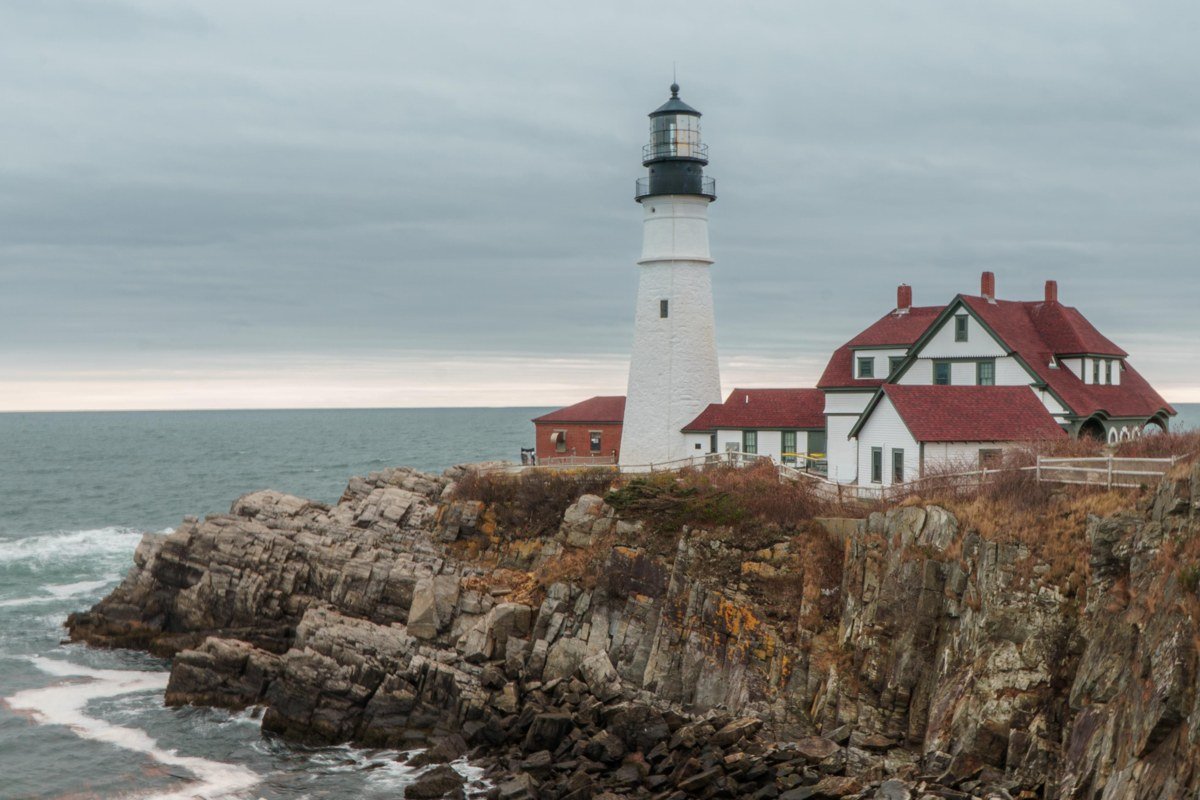
Port Clyde’s lighthouse, at the end of a narrow finger of land about 90 minutes from Portland, is famous for the long wooden walkway connecting the tower to shore (the one from the “Forrest Gump” running scene). Fog here tends to arrive in sheets off the open Atlantic rather than settling in permanently. I watched the walkway vanish and reappear three times in under ten minutes one morning in late May, each pass lasting just long enough to second-guess whether the tower was still there.
Worth knowing: The small free lot fills during the Monhegan ferry’s morning departure from the same village; arrive before the first boat leaves.
Skip if: You dislike driving winding, narrow coastal roads. Route 131 down to Port Clyde is slow going by design.
Rockland Breakwater Light, Maine
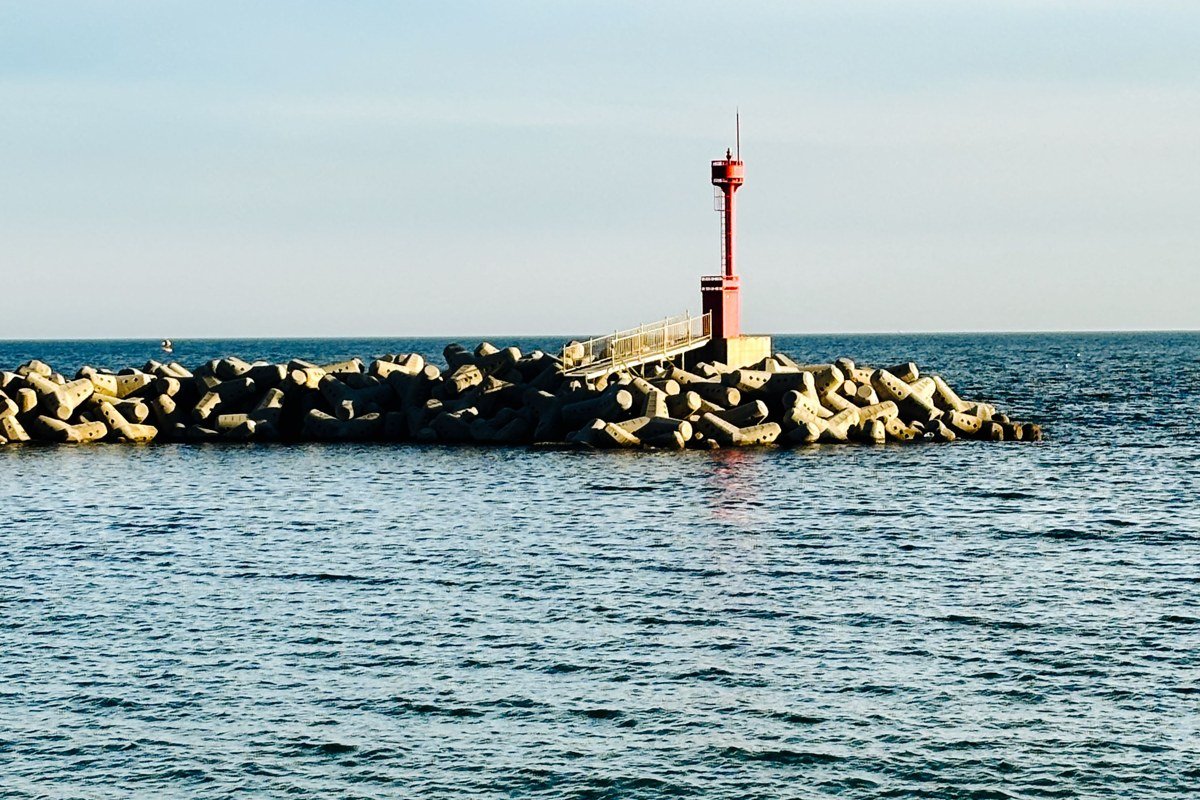
This lighthouse sits nearly a mile out at the end of a stone breakwater jutting into Rockland Harbor, and walking that breakwater in fog means water on both sides disappearing into white with no horizon line to orient yourself by. Rockland itself is one of the better-anchored coastal Maine towns for a multi-stop trip, with real restaurants and a working harbor rather than just gift shops, and it makes a solid overnight base for tackling Owls Head and the breakwater back to back on the same morning.
Worth knowing: The breakwater rocks are uneven and have no railing; wet granite in fog is genuinely slippery, and this isn’t a stroller-friendly walk.
Skip if: You have limited mobility. There’s no shortcut; the lighthouse is only reachable by walking the full breakwater, about 20 minutes each way.
Mistakes people make
- Chasing fog in July and August. The thick, reliable fog season runs more consistently in May and June, when the water is still cold and the air starts to warm; by late summer, mornings clear faster and less predictably.
- Showing up at 9am. Fog in most of these spots burns off within an hour or two of sunrise, especially at the more exposed, open-ocean lighthouses like Pemaquid and Marshall Point. Sunrise plus thirty minutes is the real window.
- Treating Route 1 as a highway. It’s a two-lane road through a dozen small coastal Maine towns, with traffic lights, pedestrians, and seasonal congestion; budgeting highway speeds between stops is the single most common planning error on a Maine coast road trip.
- Skipping the forecast check. A fog bank can sit offshore and never roll in, or clear twenty minutes before you arrive. Five minutes with the NOAA marine forecast or a local harbor webcam the night before will tell you more than any “best months” list, including this one.