The mistake most people make when island hopping through Hawaii is building the whole trip around Waikiki, one luau, and a single rushed day trip, then wondering why the islands felt like a theme park instead of someplace wild. Hawaii rewards the opposite approach: fewer resort zones, more time on the back roads where the tradewinds actually mean something.
Each Hawaiian island splits into a wet, green windward side facing the northeast trades and a dry, sunny leeward side in their shadow. That single fact explains almost everything about where you should go: the lush valleys, waterfalls, and surf towns sit on one coast, while the calm beaches and dependable sun sit on the other, sometimes less than twenty miles apart. Add elevation (Maui and the Big Island both climb past 10,000 feet) and you get microclimates stacked on top of microclimates, which is why a sunny Waikiki morning can mean rain in Manoa Valley a few miles inland.
This is for travelers who’ve already done one big Hawaii trip, or who are hopping islands specifically to avoid resort corridors and want real driving directions between quiet, specific places instead.
Oahu’s quieter coasts
Most island-hopping tours out of Waikiki only show you Oahu’s greatest hits in a single long bus day. These two stops are better done on your own schedule, ideally with an overnight away from Honolulu.
Kaaawa Valley, Oahu
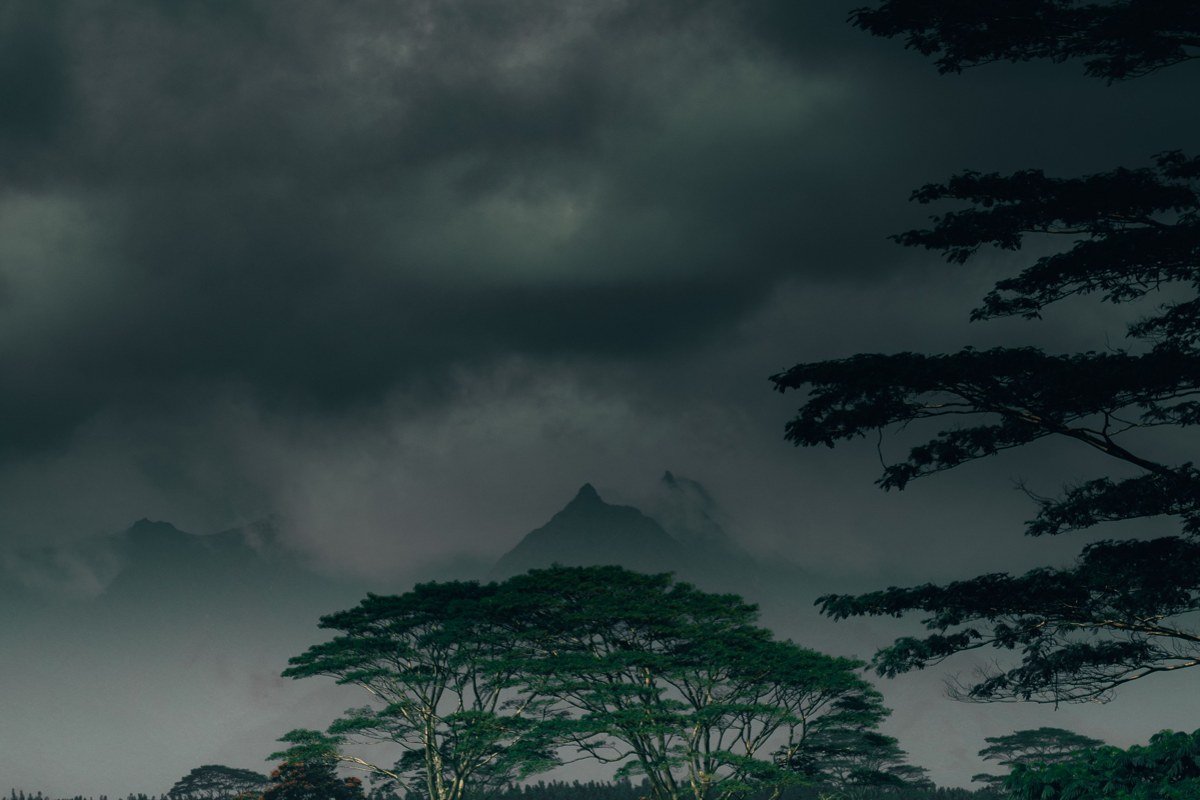
This is the windward coast doing what it does best: jagged green cliffs dropping straight into taro patches and a two-lane highway. Kaaawa sits about 40 minutes from Waikiki via the Pali Highway, past Kaneohe, and it’s where several film productions have shot “jungle” scenes because the valley genuinely looks prehistoric. There’s no beach resort energy here at all, just a general store, roadside shrimp trucks, and pull-offs where you can just stare at the Koolau cliffs.
Pair it with: Laie, 15 minutes north on Kamehameha Highway, for the Polynesian Cultural Center if you want one organized cultural stop in an otherwise unscripted day. General admission tickets run from around $70 per adult for the basic package, more with a luau added on, so budget it as the one paid attraction in an otherwise free day.
Waimanalo, Oahu
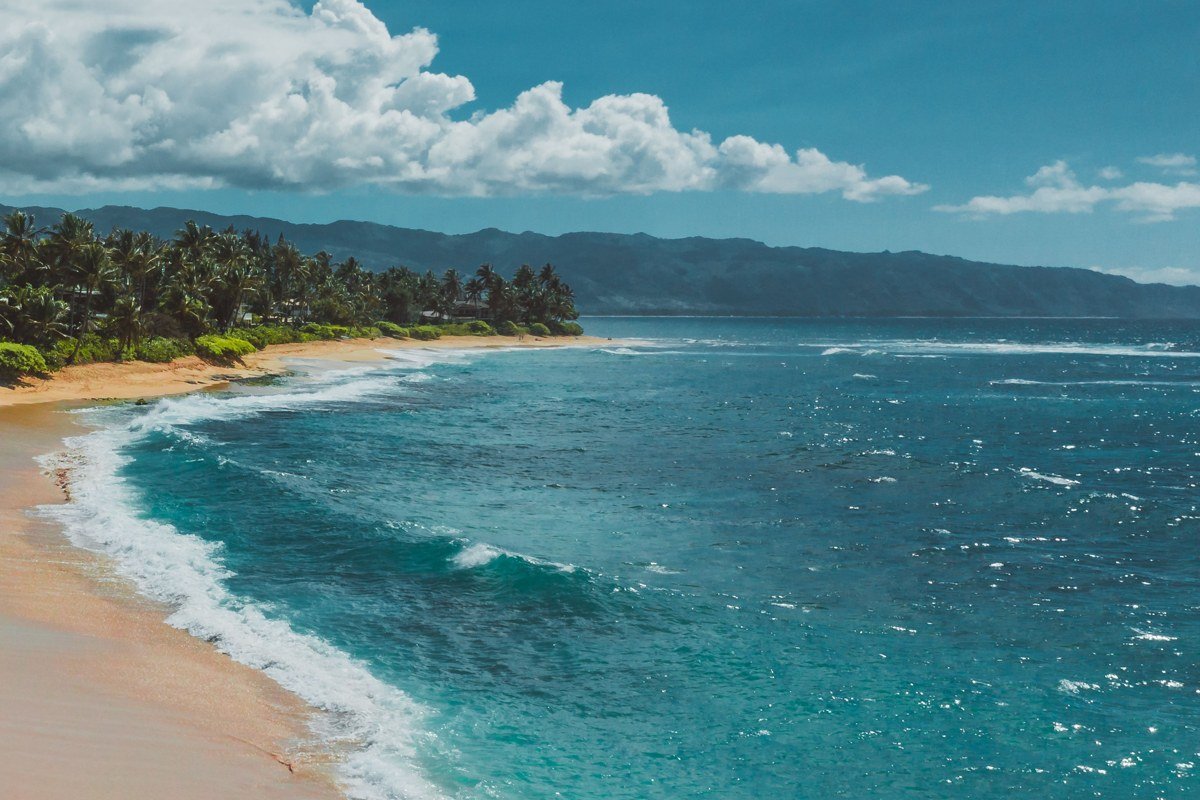
Waimanalo Beach is arguably prettier than Waikiki and routinely far emptier, which is its own small scandal. It’s a local beach park, not a resort strip, so bring your own shade, water, and cash for the fruit stands along Kalanianaole Highway. Parking is free and unmetered along the park, which alone sets it apart from anything near Waikiki. The sand is soft and pale, the water calm most of the year, and the mountain backdrop is dramatic in a way Waikiki’s skyline isn’t. From November through March, watch the horizon during the morning: humpback whales pass close enough along this coast to spot a tail without binoculars.
Pair it with: Kaaawa Valley, about 35 minutes north, making a full windward-coast day without ever touching the H-1 freeway into town.
Maui beyond the resort corridor
Kaanapali and Wailea get the postcards, but Maui’s best quiet stretches are on the roads tourists treat as pass-through territory rather than destinations.
Wailua, Maui
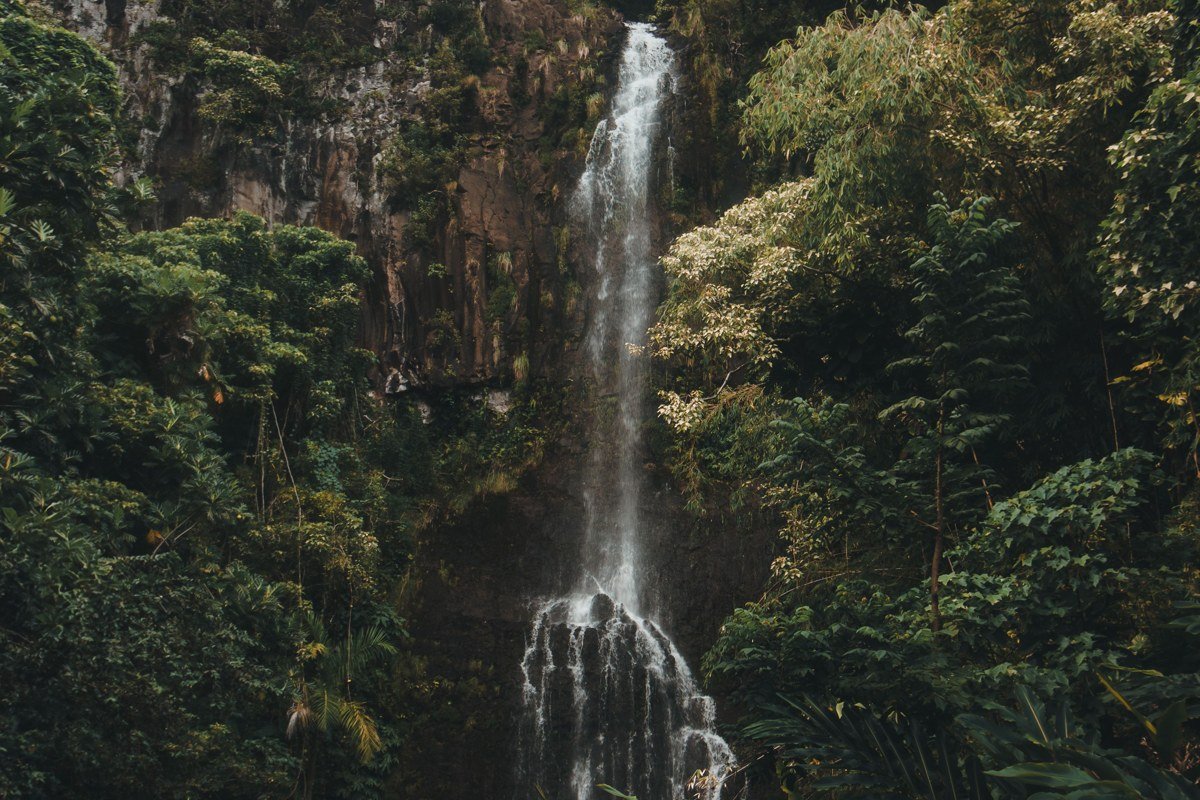
Wailua sits along the Road to Hana, past mile marker 18, where the crowds thin out because most day-trippers turn back after Twin Falls. This is a working rural community, not a tourist stop, so drive slowly, don’t block driveways, and buy the banana bread from the honesty-system stands if you want a genuine taste of how the road’s residents feel about traffic. The waterfalls and jungle pullouts here are as good as anything closer to the start of the drive, with a fraction of the parked rental cars. Stop at one of the fruit stands and you’ll usually find a coffee can or lockbox for payment and no one watching: leave the few dollars, it’s how the road still works.
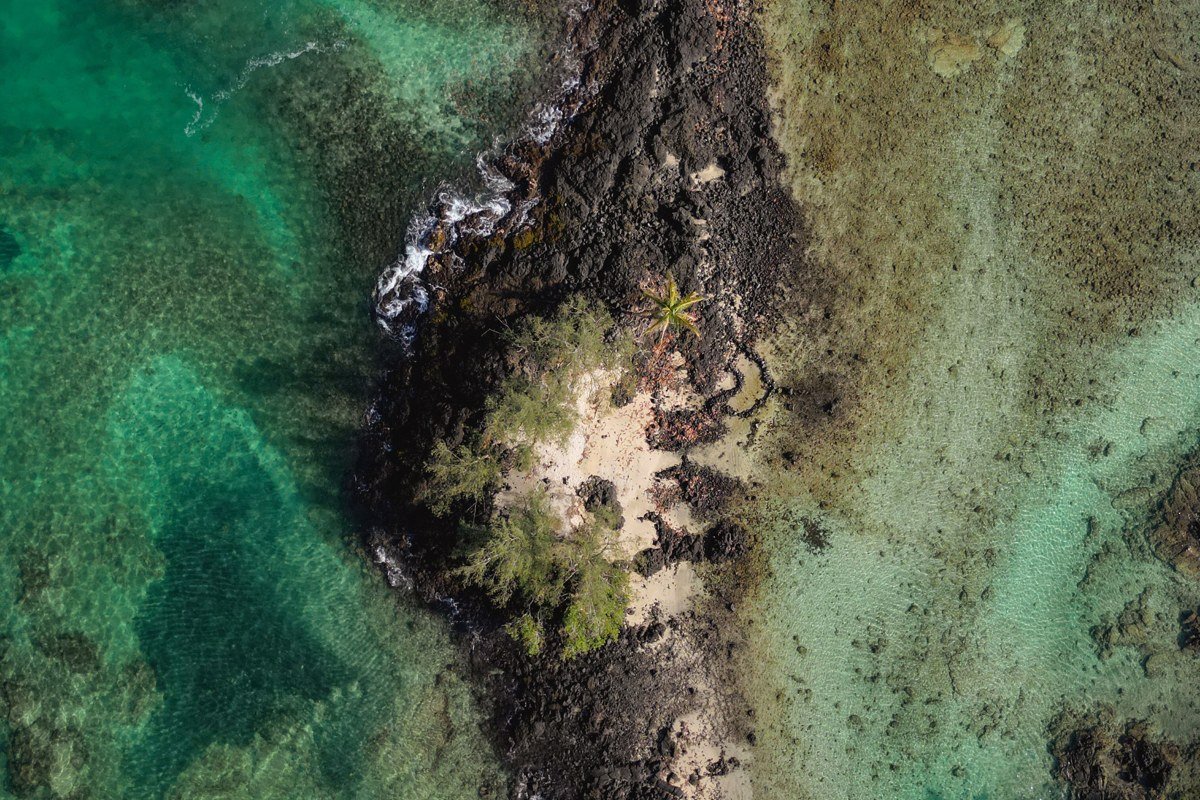
Pair it with: Keanae, 10 minutes further along the Hana Highway, for a stark black lava peninsula that breaks up all the green.
Olowalu, Maui

Olowalu sits on the leeward coast between Lahaina and Maalaea, and it’s one of the easiest places in the state to snorkel with sea turtles right off the beach, no boat required. Park along Honoapiilani Highway near mile marker 14 and wade out slowly over the reef flat. It stays calmer than West Maui’s resort beaches because the coastline here curves just enough to block the afternoon wind chop. Note that parts of this coastline sit close to Lahaina, which remains under active rebuilding after the 2023 wildfire; check current county notices before you go, since access points and roadside parking near the Lahaina Bypass have shifted during reconstruction.
Pair it with: Wailua, about 90 minutes away across the island, if you want to bookend a Maui day with jungle in the morning and reef in the afternoon.
The Big Island’s two coasts
The Big Island is large enough that windward and leeward genuinely feel like different states, and it’s the island where fly-drive itineraries from Oahu tend to undersell how much driving time you actually need.
Waipio Valley, Hawaii (Big Island)

Waipio’s valley floor sits at the end of the steepest public road in the state, a 25% grade that rental car contracts explicitly forbid driving, so most visitors view it from the overlook or hike down. The hike back up is about a mile of that same grade in full sun, with no shade and no water source, and it will humble people who assumed it was a casual stroll. The black sand beach and waterfalls below are worth the effort if you’re fit and go early. Parking at the overlook is free, though the lot is small and fills by mid-morning. This is Hawaii before fencing and shuttle buses, and it should stay that way: pack out everything you bring in.
Pair it with: Honokaa, 10 minutes back toward Highway 19, for plate lunch and gas before continuing around the island.
South Point (Ka Lae), Hawaii (Big Island)
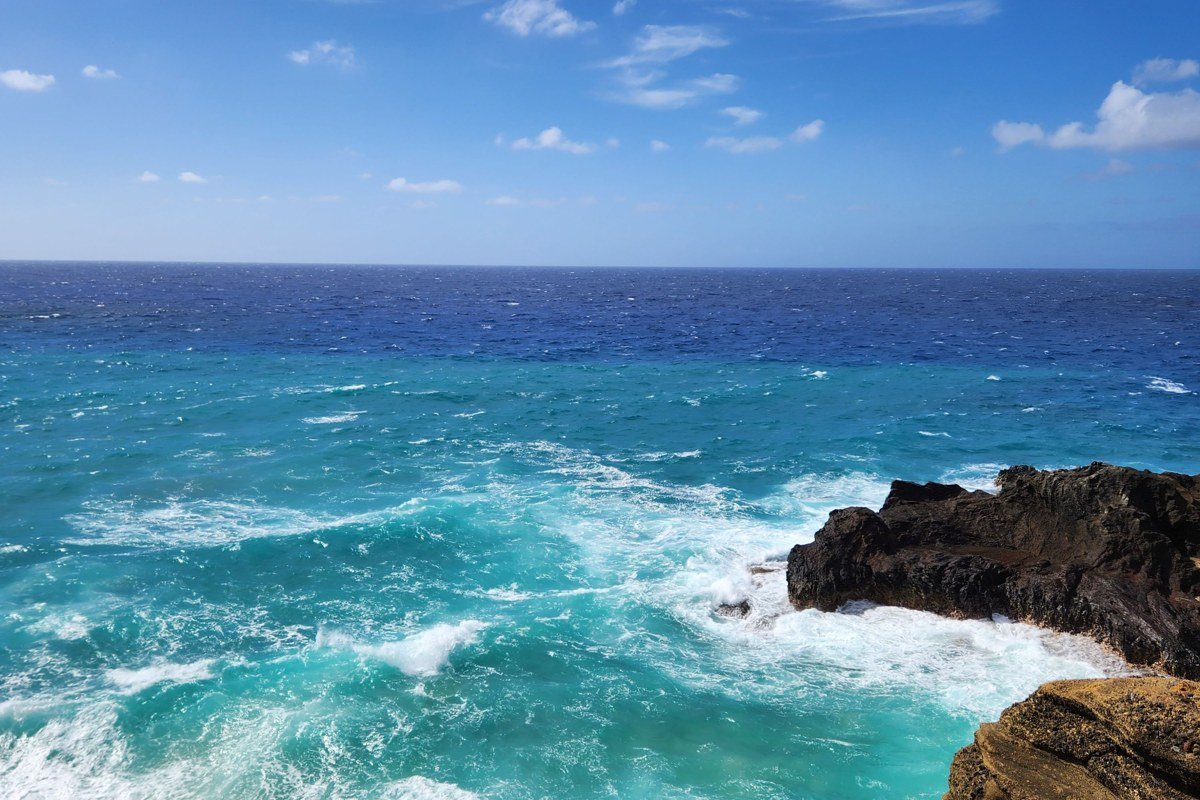
Ka Lae is the southernmost point in the United States, reached by a narrow 12-mile spur road off Highway 11 that most Hawaii itineraries skip entirely because it’s a dead end with nothing “to do” in the conventional sense. What you get instead is wind-scoured cliffs, constant gusting wind strong enough to lean into, and old fishing boat hoists rusting above water that drops off into deep blue almost immediately offshore. The green sand beach (Papakolea) is a further 2.5-mile hike each way or a paid shuttle ride from the parking area, usually around $20 per person round-trip, cash to one of the local drivers rather than a formal ticket booth. It’s the real draw for most people who make the detour, though the sand itself (olivine crystal, not black lava) is subtler in color than photos suggest.
Pair it with: Waipio Valley, a long haul of over two hours clear across the island. Given the heat and hiking at both stops, treat them as two separate day trips rather than try to fit both into one long day. If you only have a weekend for the Big Island, pick one.
Kauai and Molokai, the slow islands
If the rest of your Hawaii trip has been resort towns and rental car lines, these two stops are the reset. Molokai in particular barely has resort infrastructure at all, which is exactly the point.
Polihale State Park, Kauai
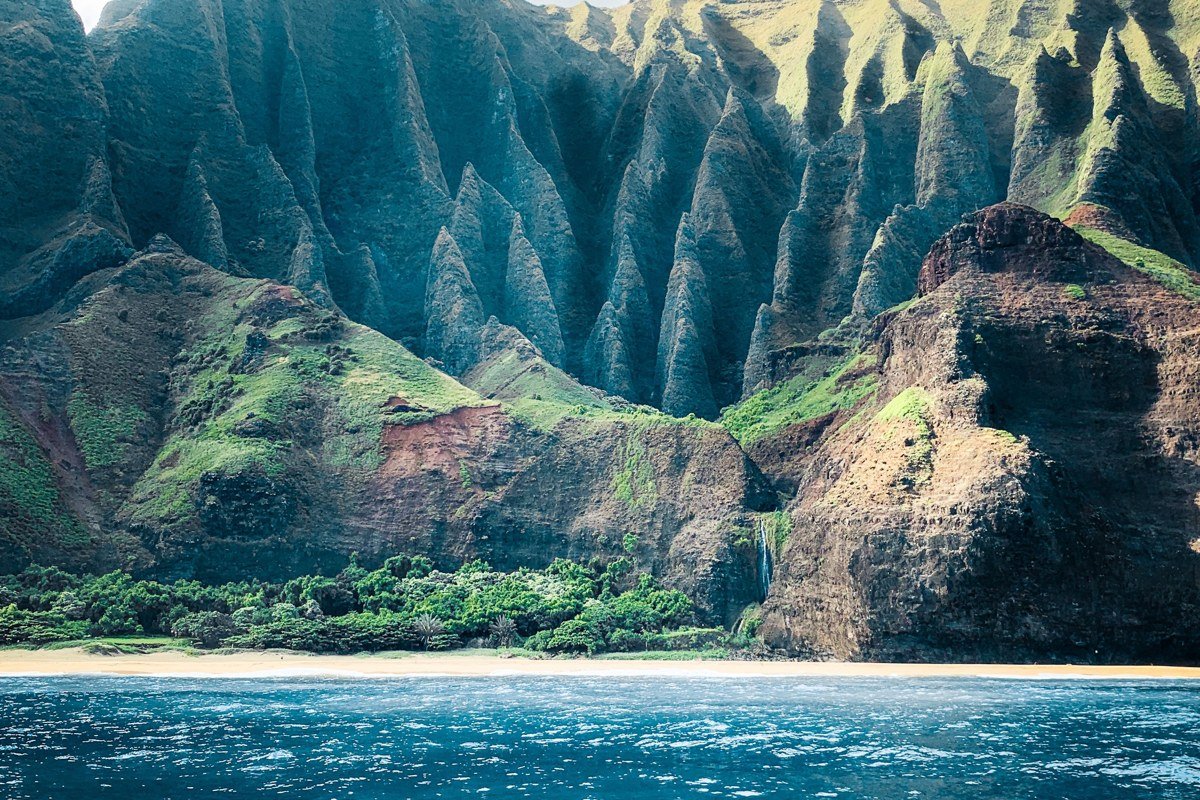
Polihale sits at the end of a rough, rutted dirt road off Highway 50 on Kauai’s westernmost edge, past the Pacific Missile Range Facility checkpoint. A regular sedan can sometimes make it in dry conditions, but a high-clearance vehicle is the honest answer, and the road closes or gets genuinely bad after heavy rain. There’s a $5 per-vehicle state park parking fee for non-residents, paid at a self-registration station. The payoff is miles of empty sand backed by the same Na Pali cliffs everyone photographs from a boat, with almost nobody else there on a weekday. In winter, surf here and along much of Kauai’s north and west shores turns dangerous for swimming even on calm-looking days; check posted lifeguard flags and treat it as a walking and photography beach from roughly November through March.
Pair it with: Waimea Canyon, about 40 minutes back toward the highway and up Waimea Canyon Drive, for the “Grand Canyon of the Pacific” views.
Halawa Valley, Molokai
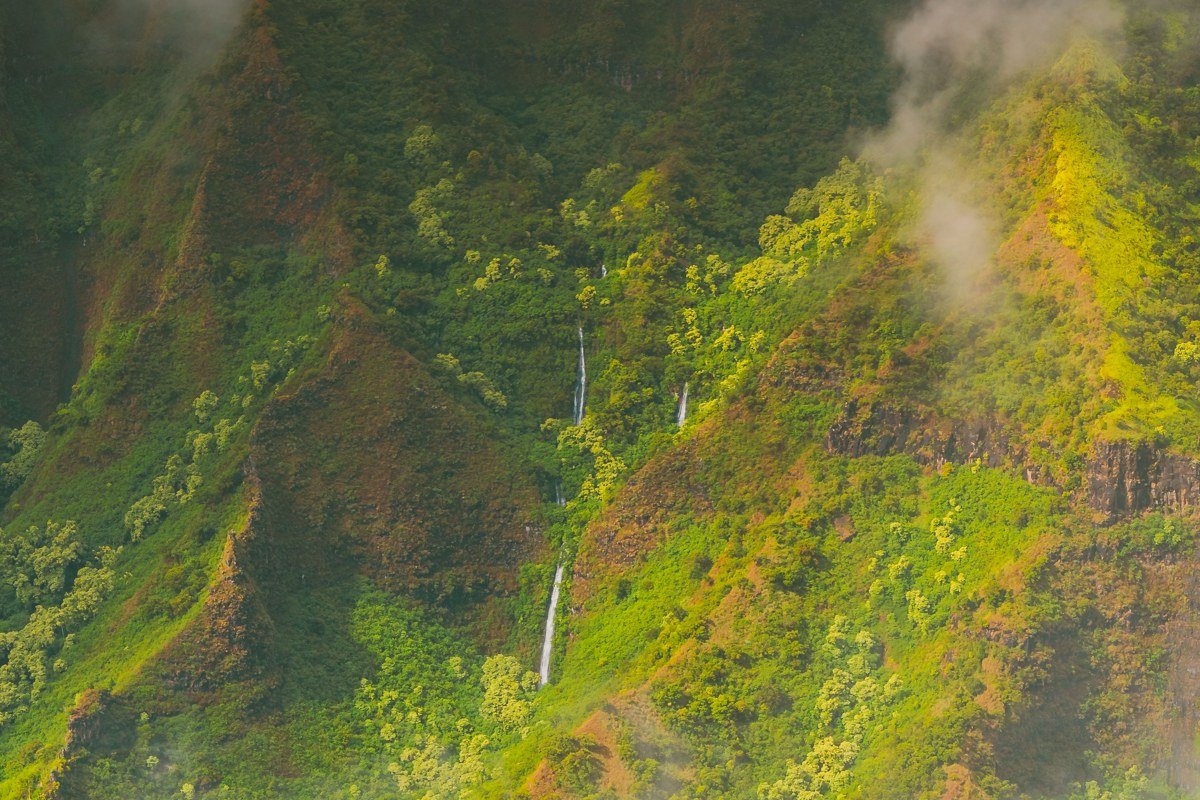
Molokai has no traffic lights, no buildings taller than a coconut palm under a longstanding county height ordinance, and almost no hotel inventory, which keeps casual tourists away and makes it the closest thing left to pre-statehood Hawaii. Halawa Valley sits at the end of the island’s only coastal highway going east, and the waterfall hike inside requires a local guide arranged in advance, since the valley is private land tied to families who have lived there for generations; guided hikes typically run a half-day and are booked directly with the family-run operators rather than through a park system. Treat the guide requirement as a feature, not a hurdle: it’s the reason the place hasn’t been loved to death.
Pair it with: there isn’t a close second stop on this side of Molokai, this is a dedicated half-day on its own.
For how to actually string these together: flying between islands on Southwest or Hawaiian Airlines is the realistic way to island hop now, since there’s no regular interisland ferry system left except the Maui-Lanai passenger ferry (the old Maui-Molokai route has been suspended for years and shouldn’t be assumed available). Multi-island cruises exist and get booked out for 2026 and 2027 sailings well in advance, but they put you back in resort-adjacent port towns for a few hours at a time, which defeats the purpose of this whole list. Flying yourself in on short hops, renting a car on arrival, and sleeping in small towns instead of resort zones costs more in logistics but far less in money than people assume, since the inter-island flights themselves are often under $100 each way if booked early.
If you only have a long weekend, the Big Island cluster still makes the most sense as a single-island base: it has the most range (black sand to desert cliffs) and the lowest crowd density of any island this size. Just don’t try to do Waipio and South Point on the same day; pick whichever matches the kind of tired you’re willing to be, hiking into heat or driving into wind, and save the other for a return trip.