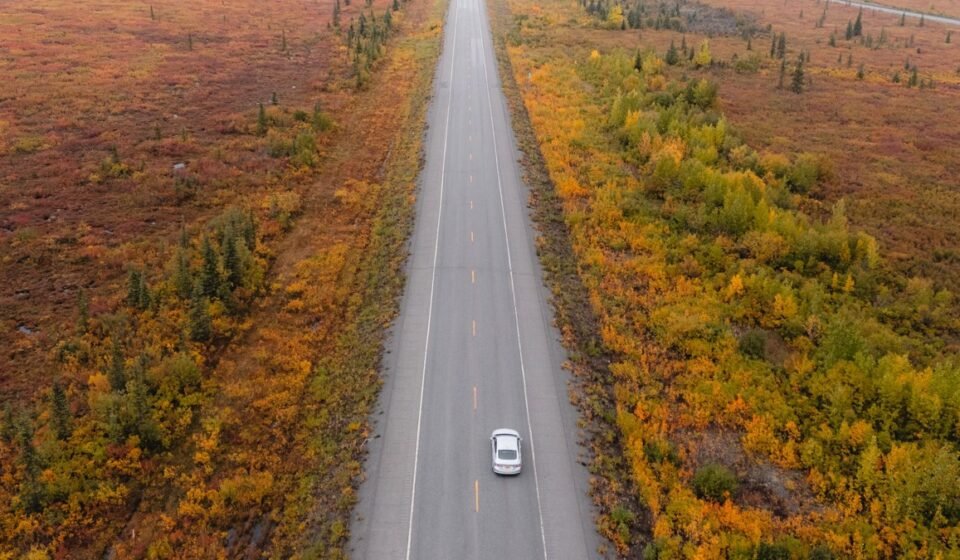

The first time I saw a piece of glacier ice bigger than my raft roll over in the current on the Kennicott River, our guide didn’t even look up from the oars. She’d seen it happen a hundred times that season. That’s the calibration you need before booking one of these trips: the ice is real, the danger is manageable, and the outfitters running these rivers year after year know exactly how much distance to keep.
I settled on these nine after cross-checking which glacier rivers actually run commercial trips season after season, versus the ones that show up in a single blog post and never again. Access, permit or agency requirements, and whether the ice you see is old blue glacial ice (not just gray meltwater) all factored in.
| Place | Best for | Getting there |
|---|---|---|
| Spencer Glacier, Alaska | First-timers, no driving required | Alaska Railroad from Anchorage, about 60 miles |
| Lowe River (Keystone Canyon), Alaska | Whitewater plus glacier views in one run | 6-hour drive from Anchorage to Valdez |
| Matanuska River, Alaska | Easiest glacier float, half-day trips | 1.5-hour drive from Anchorage |
| Kennicott River, Alaska | Remote, gold-rush-era backdrop | 5-hour drive plus gravel road from Anchorage |
| Nizina River, Alaska | Multi-day wilderness rafting | Fly-in from McCarthy, Alaska |
| Mendenhall Lake, Alaska | Paddling among icebergs, not whitewater | 15 minutes from downtown Juneau |
| Bear Glacier Lagoon, Alaska | Sea kayaking with calving ice | Water taxi from Seward, Alaska |
| Tazlina River, Alaska | Serious paddlers, big glacial lake start | 3.5-hour drive from Anchorage |
| Six Mile Creek, Alaska | Advanced whitewater near glacier country | 1-hour drive from Anchorage |
Spencer Glacier, Alaska
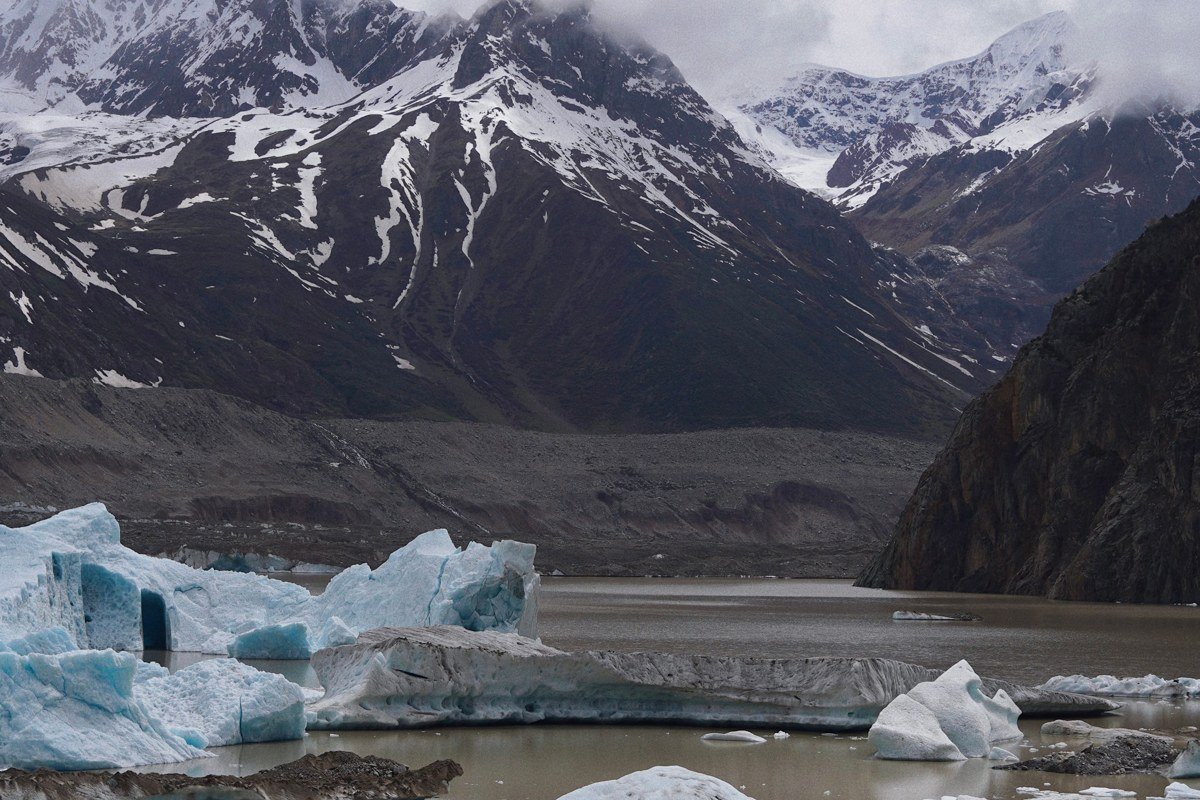
You cannot drive to this one, and that’s the appeal. The Alaska Railroad runs a glacier-discovery train out of Anchorage and Portage that drops passengers at a platform in the middle of the Chugach National Forest, where outfitters put in on Spencer Lake. From there you paddle among floating ice before the river current picks up for a mellow class II float. Chugach National Forest requires outfitters to hold special use permits for commercial trips here, which is part of why the same handful of companies (Chugach Outdoor Center and Ascending Path among them) have run this stretch for years rather than newcomers cycling in and out. A single-day Spencer trip through Chugach Outdoor Center runs roughly $140 to $180 per adult depending on season, and kids as young as eight are commonly allowed on the milder trips.
Lowe River (Keystone Canyon), Alaska
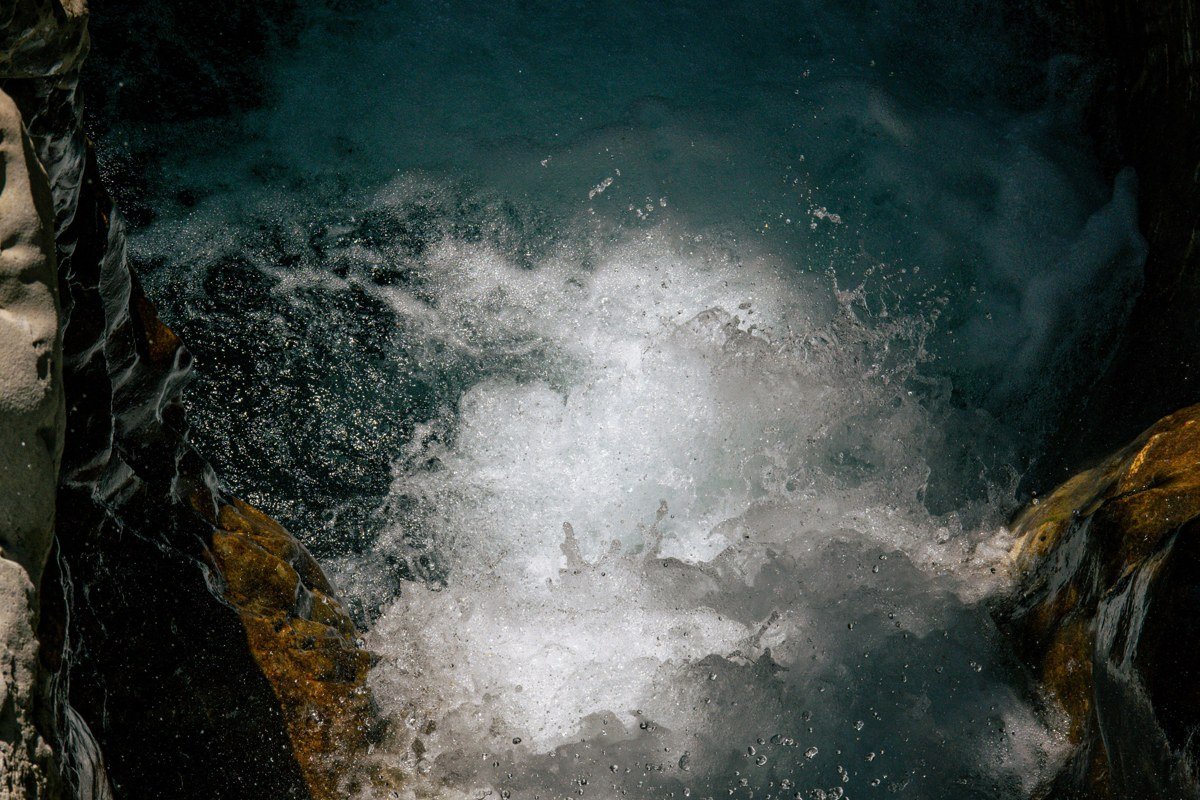
Keystone Canyon squeezes the Lowe River between sheer rock walls streaked with waterfalls, and the class III rapids come fast enough that you’ll forget to look up. Anchorage Rafting Co. and Keystone Rafting both run this stretch out of Valdez daily from late May through early September, with half-day trips generally priced between $75 and $120 per person; outside that window the water’s either frozen or road crews are still clearing avalanche debris off the Richardson Highway. That highway drive from Anchorage takes about six hours and is worth it on its own, passing the Worthington Glacier pullout where you can walk right up to the ice. One hazard worth knowing: spring runoff can spike the canyon to a pushier class III+ in late May, so ask your outfitter what the water’s doing that week rather than assuming June conditions match August.
Matanuska River, Alaska
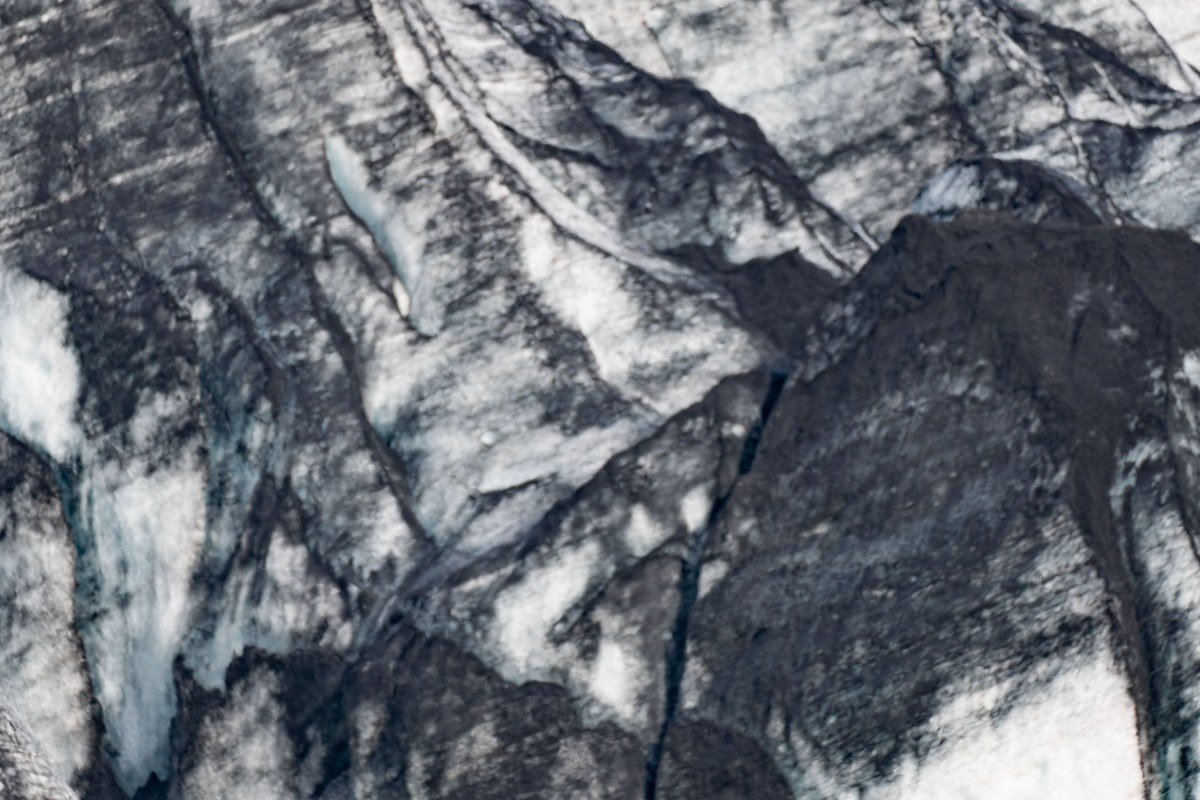
Families and anyone motion-sensitive about big rapids tend to end up here instead of Keystone Canyon. The Matanuska Glacier sits right off the Glenn Highway about ninety minutes from Anchorage, and Nova Alaska and MICA Guides both launch float trips just downstream of the terminus, so the ice face stays visible for a good stretch before the current mellows into braided channels. Expect to pay around $100 to $150 for a half-day float. If you’re driving yourself out to view the glacier separately from a raft trip, note that the Matanuska Glacier State Recreation Site charges a per-person access fee at the private glacier-park gate, separate from whatever your rafting outfitter quotes you.
Kennicott River, Alaska
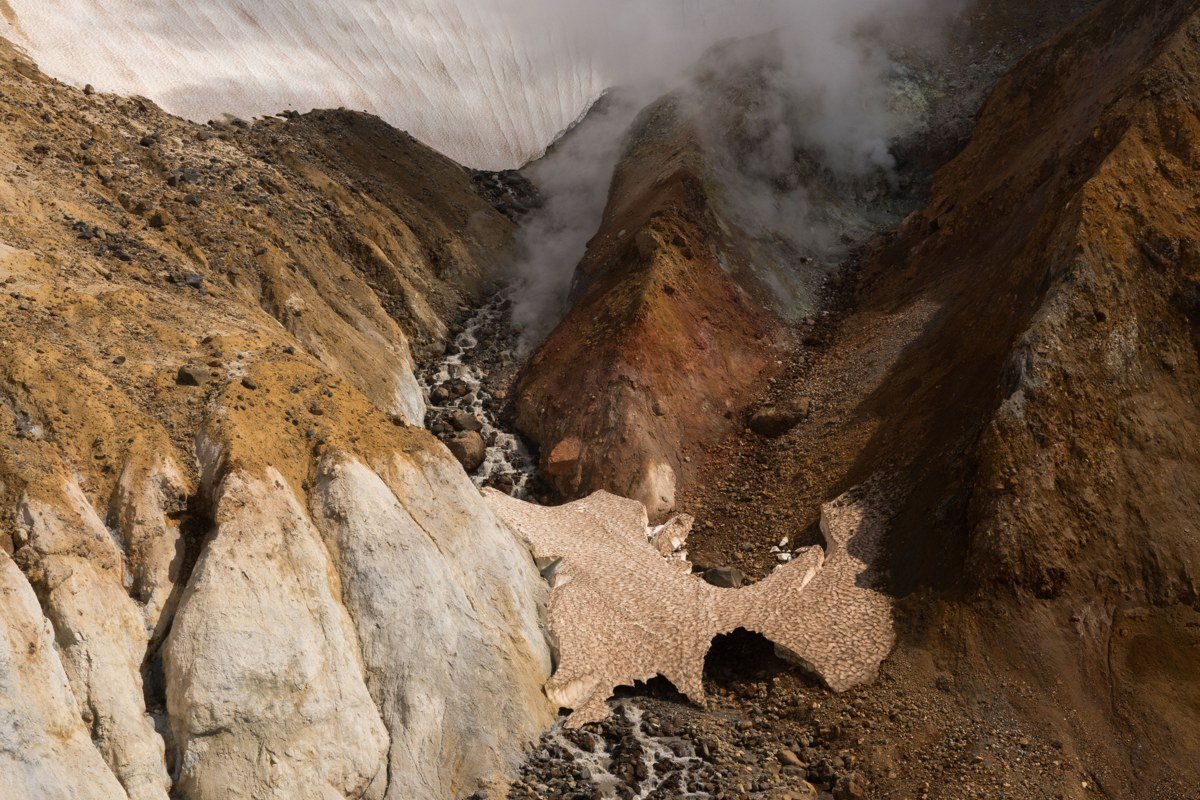
McCarthy and Kennecott sit deep inside Wrangell-St. Elias National Park, reached by a long gravel spur road that keeps the crowds thin, and the setting does more work here than the water itself. Rafting the Kennicott River means paddling below the rust-red ruins of an early-1900s copper mine while glacial silt turns the water the color of chocolate milk, with actual icebergs from the Kennicott Glacier’s terminus occasionally drifting past. Getting here from Anchorage takes most of a day: five hours of driving plus a stretch of unpaved road that eats tires if you’re not careful, so budget at least two nights. Commercial river trips with outfitters like St. Elias Alpine Guides don’t require you to get your own backcountry permit, but if you plan to hike or camp independently anywhere in Wrangell-St. Elias beyond the raft trip, the NPS requires a free backcountry permit, available at the Kennecott or McCarthy ranger stations.
Nizina River, Alaska
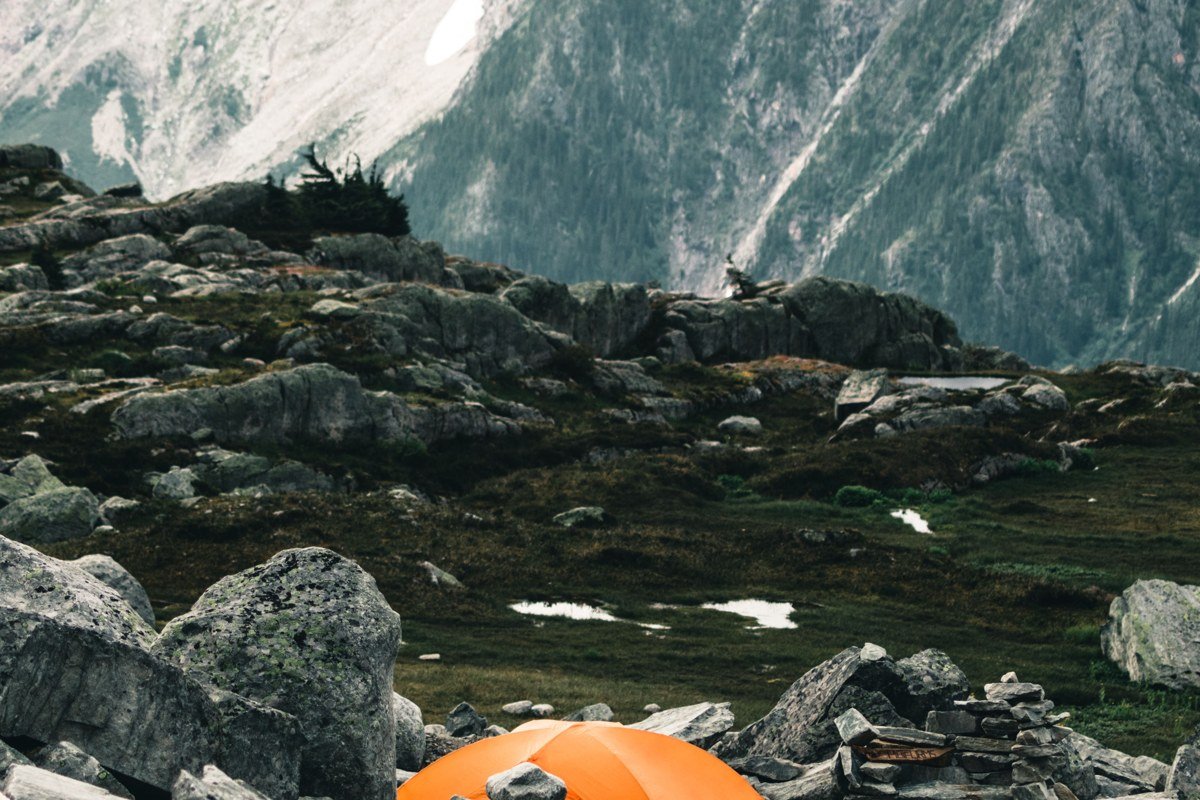
Do a day trip somewhere else first; the Nizina is what you graduate to. Also inside Wrangell-St. Elias, it usually requires a small plane out of McCarthy to reach the put-in, and outfitters like St. Elias Alpine Guides run trips of two to four days through braided channels below some of the tallest peaks in the range. Because this qualifies as backcountry travel inside the park, independent parties need the same NPS backcountry permit required for Kennicott-area hiking, though your guide service typically handles logistics for guided trips. It’s genuinely remote in a way the road-accessible rivers aren’t: no cell service, no quick way out if weather closes in, which is why group sizes stay small.
Mendenhall Lake, Alaska
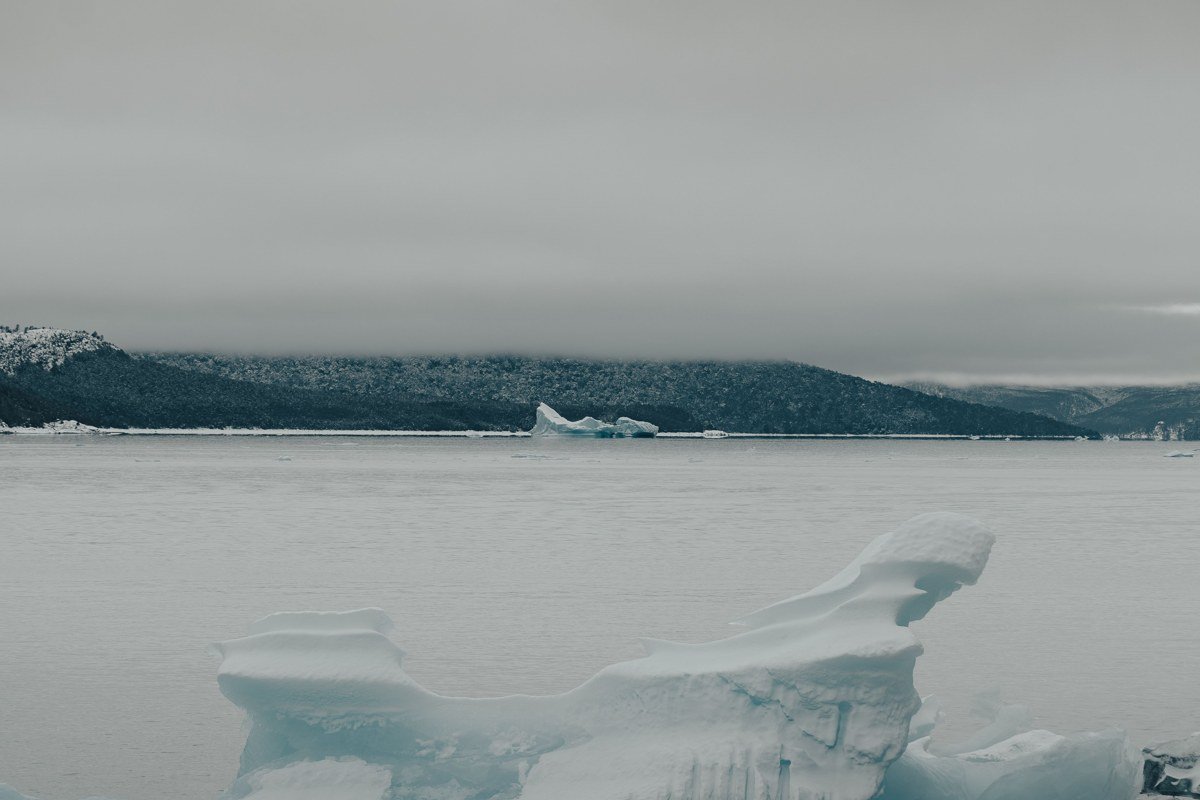
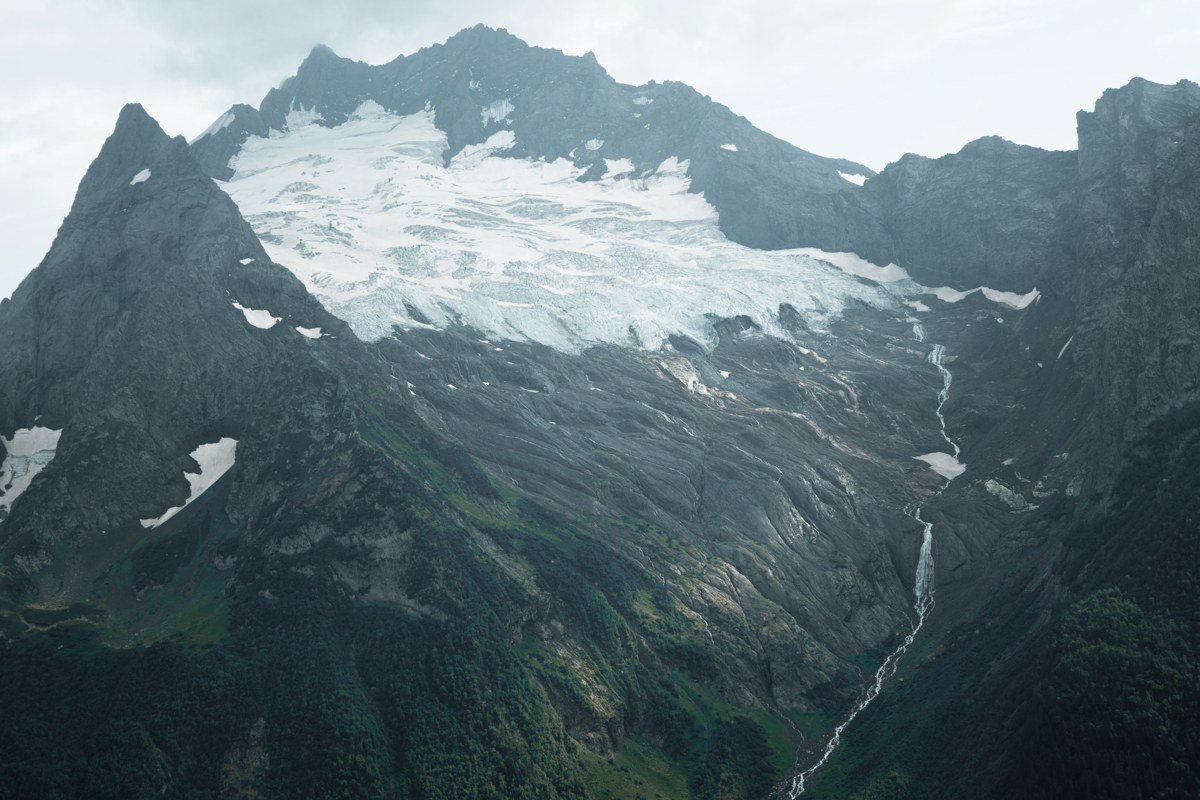
Technically this is paddling, not rafting, but the ice here is unmissable enough to earn its place on the list. Mendenhall Glacier sits fifteen minutes from downtown Juneau, which makes it the easiest glacier-ice experience to bolt onto a cruise stop or a short Juneau visit. Guided kayak trips (Alaska Boat & Kayak and Above and Beyond Alaska both run them) paddle the lake among floating ice, though the calving face itself has retreated enough in recent years that guides typically keep a few hundred yards of working distance from it rather than paddling up to the wall, both for safety and because the ice near shore thins unpredictably. Depending on the season you’ll still thread between chunks of ice ranging from cooler-sized to car-sized. This is popular enough to book out during peak cruise season, so reserve ahead rather than walking up.
Bear Glacier Lagoon, Alaska
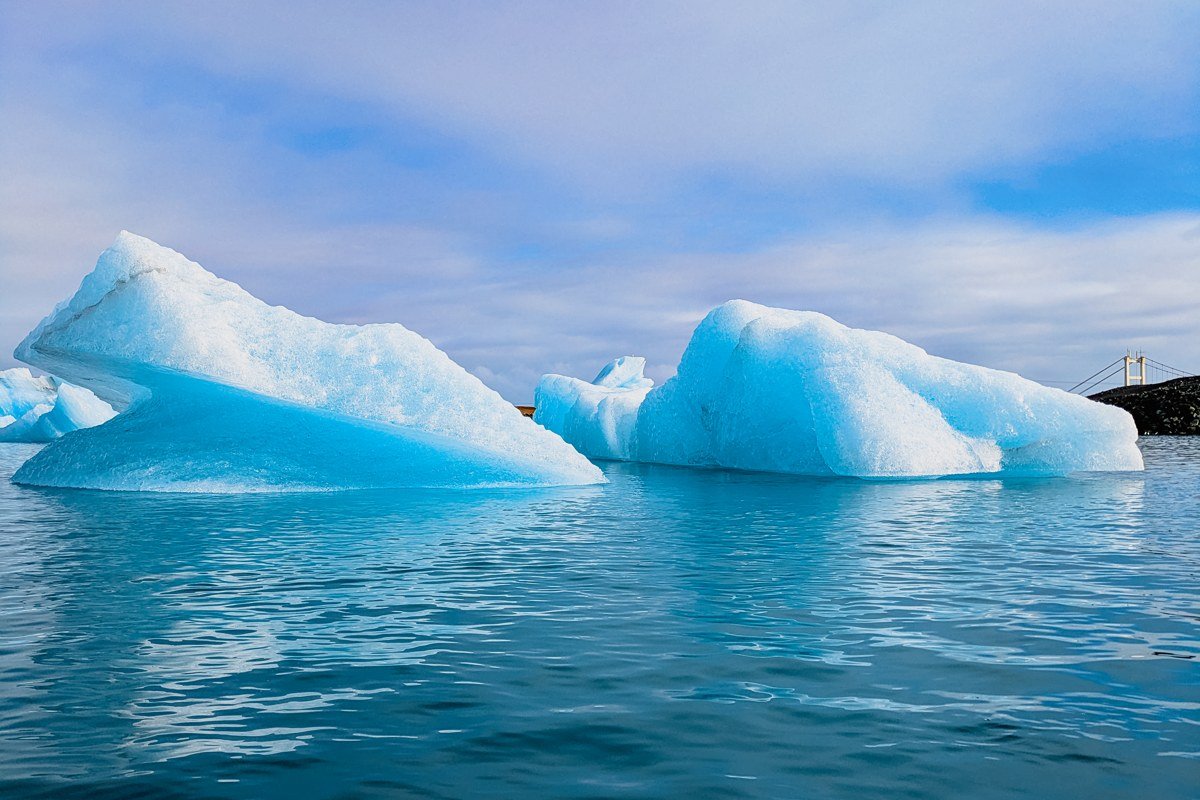
Reached by water taxi from Seward, Bear Glacier Lagoon is the spot serious ice photographers talk about. The lagoon fills with icebergs calved from Bear Glacier, some of them genuinely massive and sculpted into arches and blue caves, and outfitters like Liquid Adventures run kayak trips among them for somewhere in the $250 to $350 range once the water taxi is included, reflecting the full-day commitment. Conditions can shut the crossing down on rough-water days, since the lagoon sits behind a moraine bar that gets choppy in wind, so build slack into your Seward itinerary rather than scheduling this for your last morning before a flight.
Tazlina River, Alaska
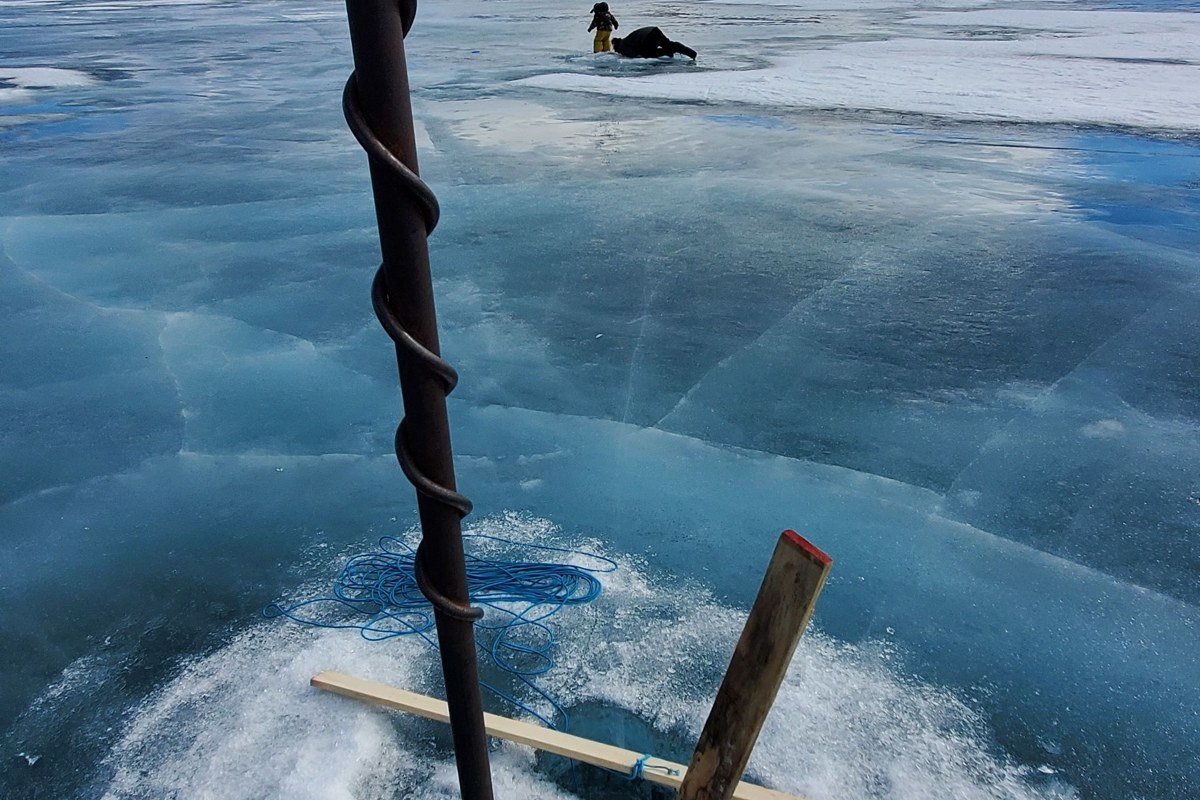
Fewer rafts share the water here than anywhere else on this list, and that’s the entire pitch. The Tazlina starts at a glacial lake fed directly by the Tazlina Glacier, and the paddle across that lake before the river current takes over is where most of the iceberg sightings happen. Copper Valley-based outfitters such as Copper Oar arrange trips here on a smaller, more custom basis than the bundled Anchorage tour packages that cover Spencer or Matanuska, and pricing tends to be quoted per group rather than posted per seat, so expect to call ahead rather than book online. It’s about three and a half hours from Anchorage via the Glenn Highway, and because the lake crossing is exposed, wind is the hazard that cancels trips here more often than water level does.
Six Mile Creek, Alaska
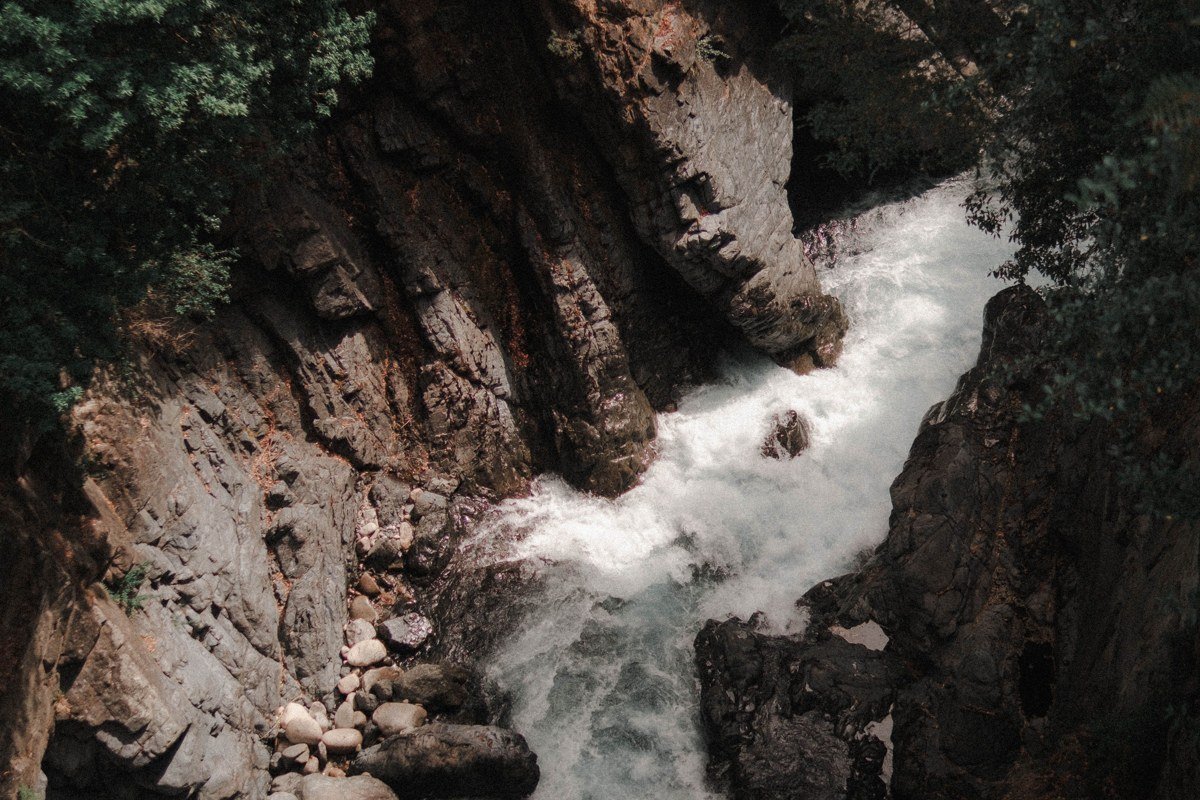
Six Mile Creek near Hope delivers serious, continuous whitewater through three canyons in quick succession; most outfitters, including Chugach Outdoor Center, rate the middle and lower canyons class IV, with the upper canyon reaching class V at higher water. It’s less about floating past icebergs (there’s some distant glacier scenery, not close-up ice) and more about earning genuinely serious water. Chugach National Forest manages the put-in and take-out here under its special use permit system, the same framework covering Spencer Glacier, and the parking area fills fast on summer weekends, so early starts matter. Go here for the rapids, go to Spencer or Matanuska for the ice.
FAQ
What is the best time of year for Alaska glacier rafting?
Late May through early September covers nearly every commercial season, with July offering the warmest water and the most reliable road conditions. June can still have high, cold runoff on some rivers, and by mid-September several outfitters have already pulled their boats for the year.
Do I need whitewater experience to try one of these trips?
No, several runs, including Spencer Glacier and the Matanuska float, are rated for total beginners and welcome young kids. Save Six Mile Creek or the more technical stretches of Lowe River for after you’ve got at least one trip under your belt.
Is it safe to raft near floating icebergs?
Guided trips keep a safe working distance since ice can roll or shed chunks without warning, and outfitters watching a glacier daily know its current behavior. It’s the same commonsense caution that applies to all of Alaska’s wilderness: it rewards preparation and punishes carelessness.