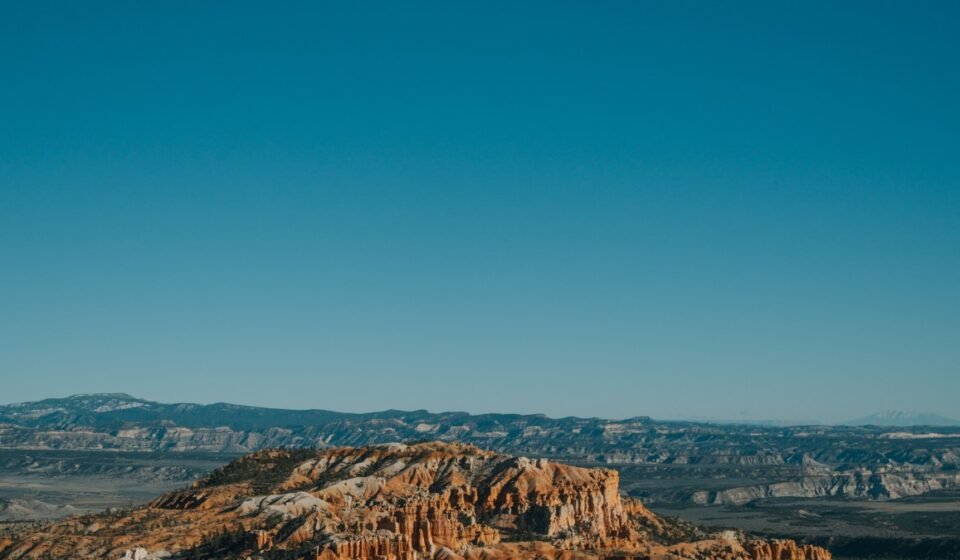

I got to Sunrise Point at 6:10 a.m. on a July morning, tripod up, coffee going cold, and watched the hoodoos in front of me stay gray while a couple hundred yards north, Sunset Point lit up orange. That was the trip that taught me the names in this park are marketing, not directions. Sunrise Point is not the best place to watch the sunrise in Bryce Canyon National Park, Utah. The light hits better a half-mile south at Sunset Point, of all places, because the hoodoos catch the first orange glow face-on instead of getting lit from behind. That kind of contradiction runs through this whole park, which is why picking sunrise versus sunset by overlook, not just by park reputation, actually matters.
I based these calls on which direction each overlook faces, how the amphitheater below it is shaped, and how bad the parking gets at peak hour, checked against actual visits across a few different seasons. Some spots are dead at sunrise and mobbed at sunset, or the reverse, and a few work well either way if you show up early enough to get a spot along the rim. Sunrise and sunset times shift by close to two hours between June and December here, so check the current park sunrise/sunset schedule (posted at the visitor center and on the NPS Bryce Canyon site) before you set an alarm. As of 2024, entrance is $35 per vehicle for a 7 day pass, and the park operates a mandatory-in-effect-by-demand shuttle from April through October; your own car is fine off season and early morning, but midday in summer, the shuttle lots at the entrance and Bryce Canyon City fill and driving the main road gets slow.
| Place | Best for | Getting there |
|---|---|---|
| Sunset Point | Sunrise (despite the name) | 0.5 mile walk from Sunrise Point parking, or shuttle stop 3 |
| Sunrise Point | Sunset, easy access | Steps from the Bryce Canyon Lodge, shuttle stop 3 |
| Inspiration Point | Sunrise, big views | 0.7 mile walk south from Sunset Point along the Rim Trail |
| Bryce Point | Sunrise, widest amphitheater view | 2 miles by park road, own parking lot and shuttle stop |
| Paria View | Sunset, quiet | Short spur road off the main park road, no shuttle stop |
| Fairyland Point | Sunrise, no crowds | 1 mile north of the entrance, separate spur road |
| Natural Bridge | Midday to late afternoon | 10 miles south on the main park road |
| Rainbow Point | Sunset, highest elevation in the park | 18 miles south, end of the main park road |
Sunset Point, Utah
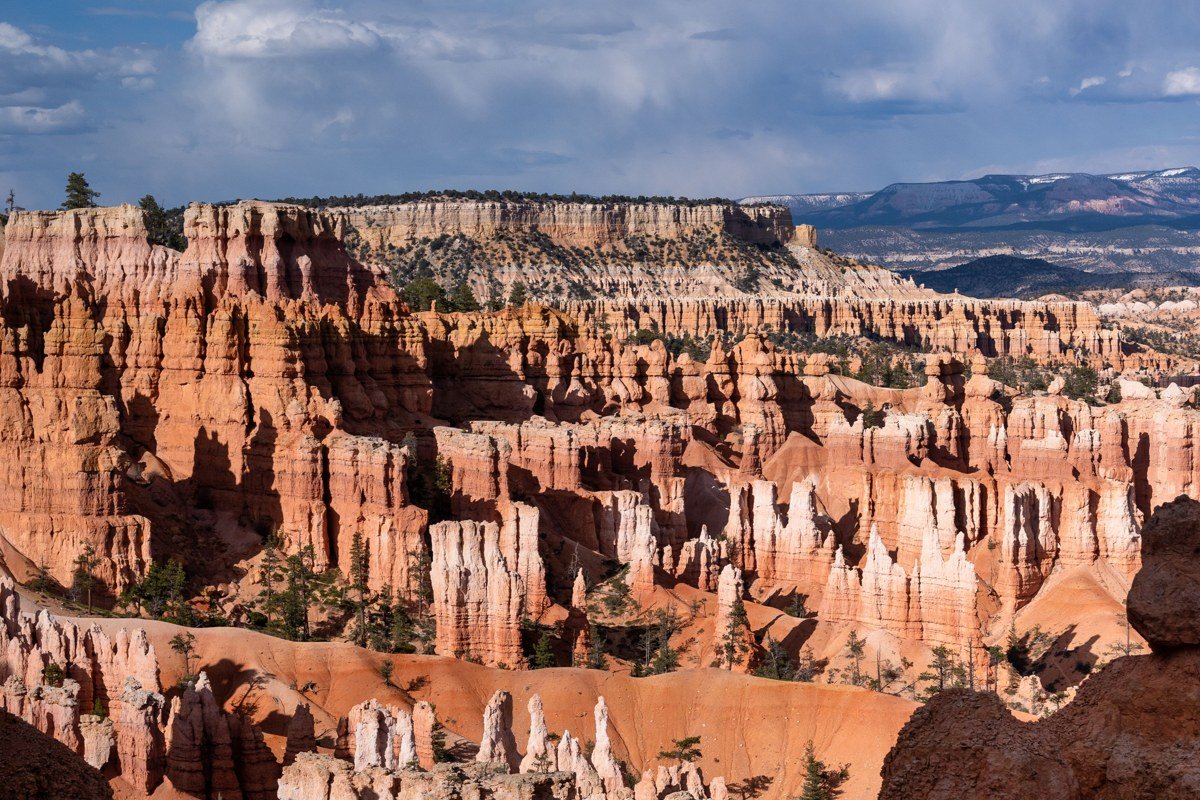
This is the sunrise overlook, not the sunset one, and the naming has been confusing visitors for decades. The amphitheater here faces southeast, so the rising sun lights the hoodoo spires from the front, turning them a deep orange-red for maybe fifteen minutes before the light flattens out. On a mid-June morning I counted eleven cars already parked in the small pullout lot by 5:40 a.m., twenty minutes before official sunrise, so get there early even in a park that isn’t Zion-level busy. Skip it at actual sunset, when the same formations go flat and gray with the light behind you.
Sunrise Point, Utah
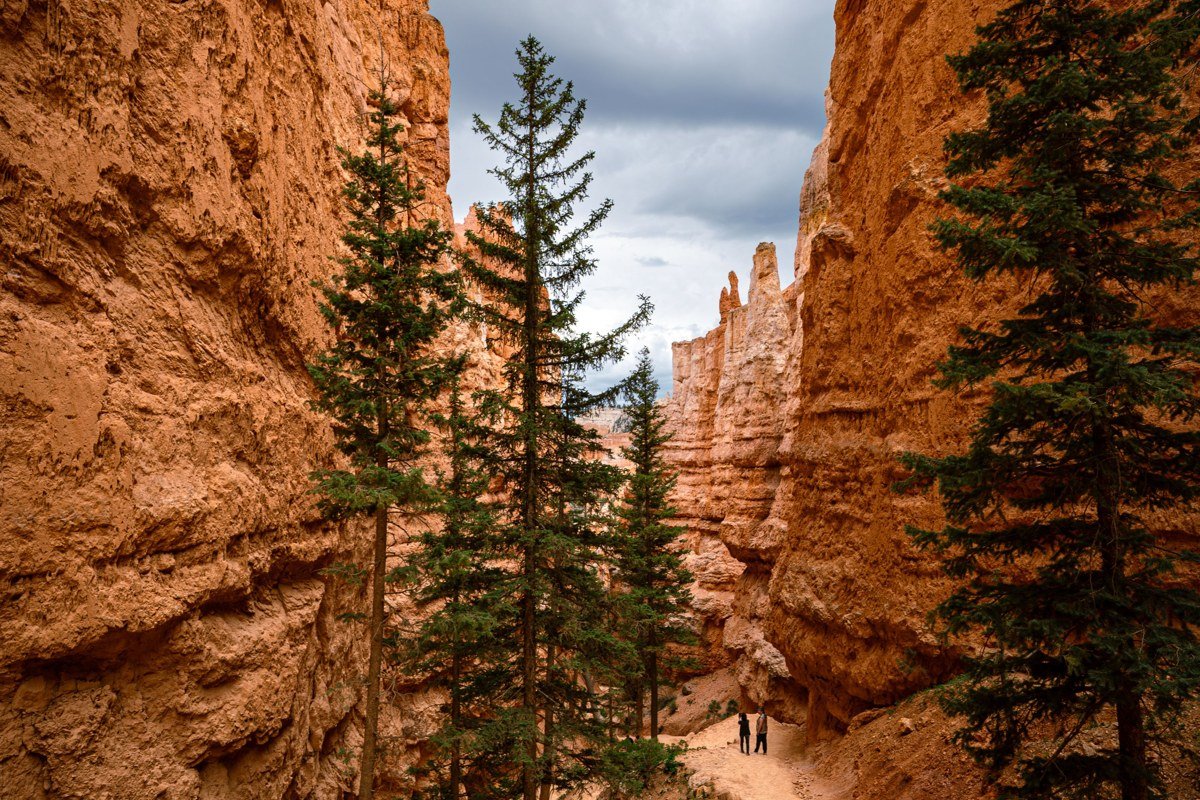
Sunrise Point earns its keep in the evening instead. It sits right by Bryce Canyon Lodge, so you can walk over after dinner without driving anywhere, and the view opens west-southwest across the main amphitheater as the light goes gold and then pink on the hoodoo tops. It’s an easy, paved, short walk from the largest parking area in the park, and on an August evening I shared the rail with what looked like sixty or seventy people, elbow to elbow for the last ten minutes of usable light. If you want the classic postcard shot and don’t mind company, this is still worth it.
Inspiration Point, Utah
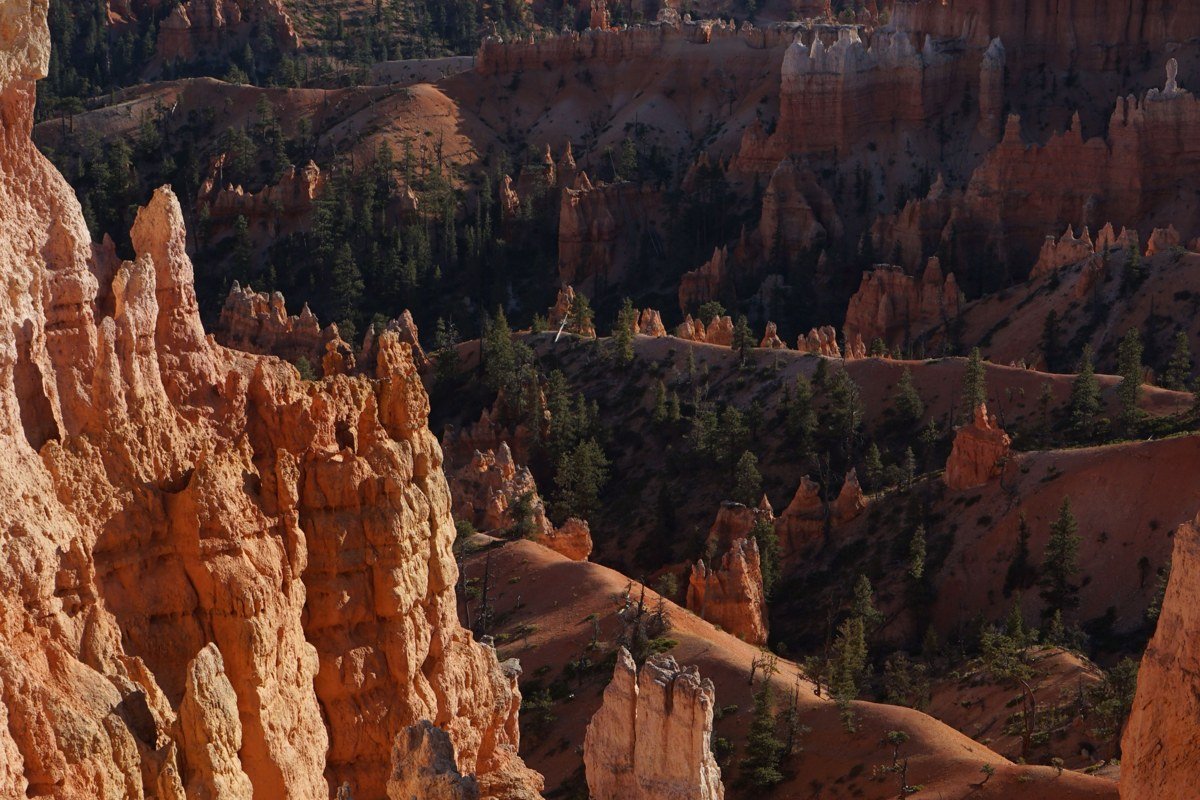
Inspiration Point has three named tiers, Lower, Middle, and Upper, and the Upper tier gives the single widest sunrise panorama in the park, better than Sunrise Point itself. The climb from the Rim Trail up to Upper Inspiration gains roughly 200 feet over a short distance, enough that on one October morning I counted maybe eight people at the top compared to a few dozen still clustered at Lower Inspiration below. Sunrise here is worth the extra fifteen minutes of walking because you get the whole amphitheater in one frame instead of a slice of it. At sunset the view faces the wrong way and goes into shadow early, so save this one for morning.
Bryce Point, Utah
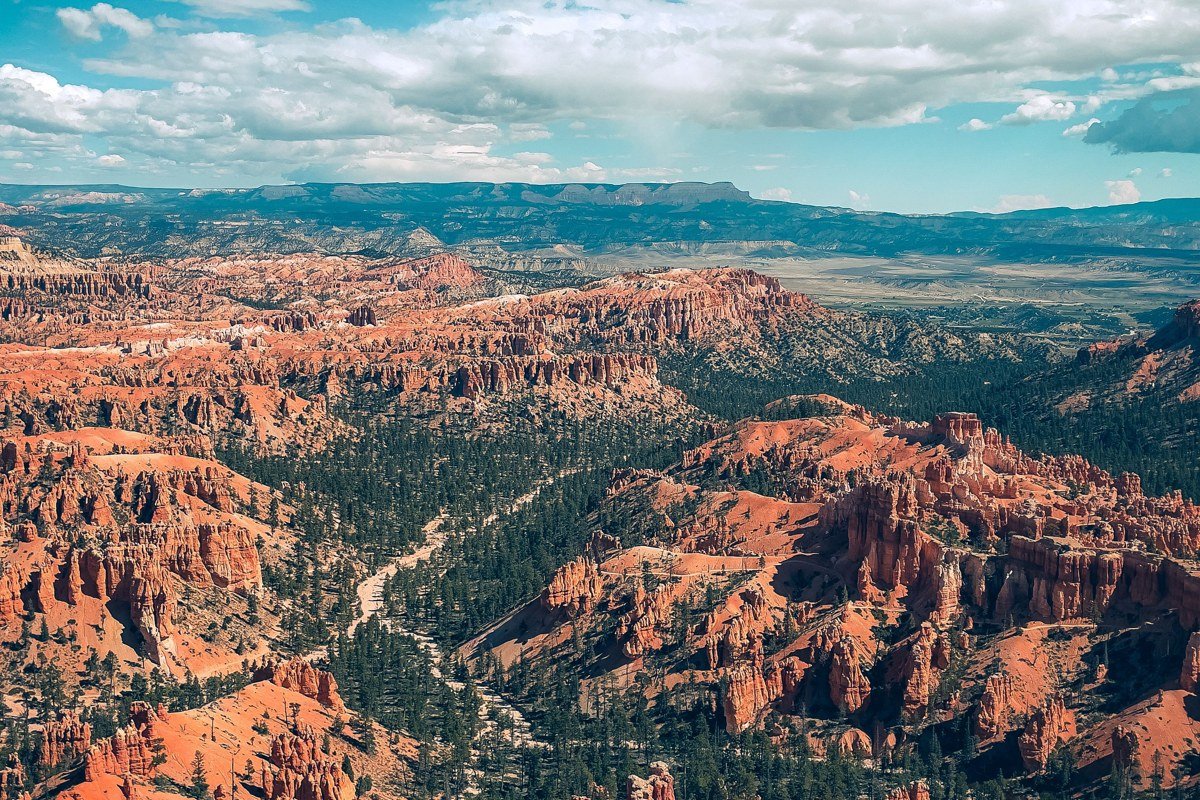
Bryce Point has its own parking lot and shuttle stop, which matters because it sits at the edge of the main amphitheater and gives arguably the single best sunrise in the park, wide enough to see the whole basin of hoodoos light up at once. It’s also where the Peekaboo Loop trailhead starts, so on a clear September morning the lot was already down to just a few open spaces by 6 a.m., an hour before the visitor center even opened. Go here if Sunrise Point sounds too crowded and you don’t mind the extra ten-minute drive from the lodge area. At sunset it’s fine but not exceptional, since the light source ends up mostly behind you.
Paria View, Utah
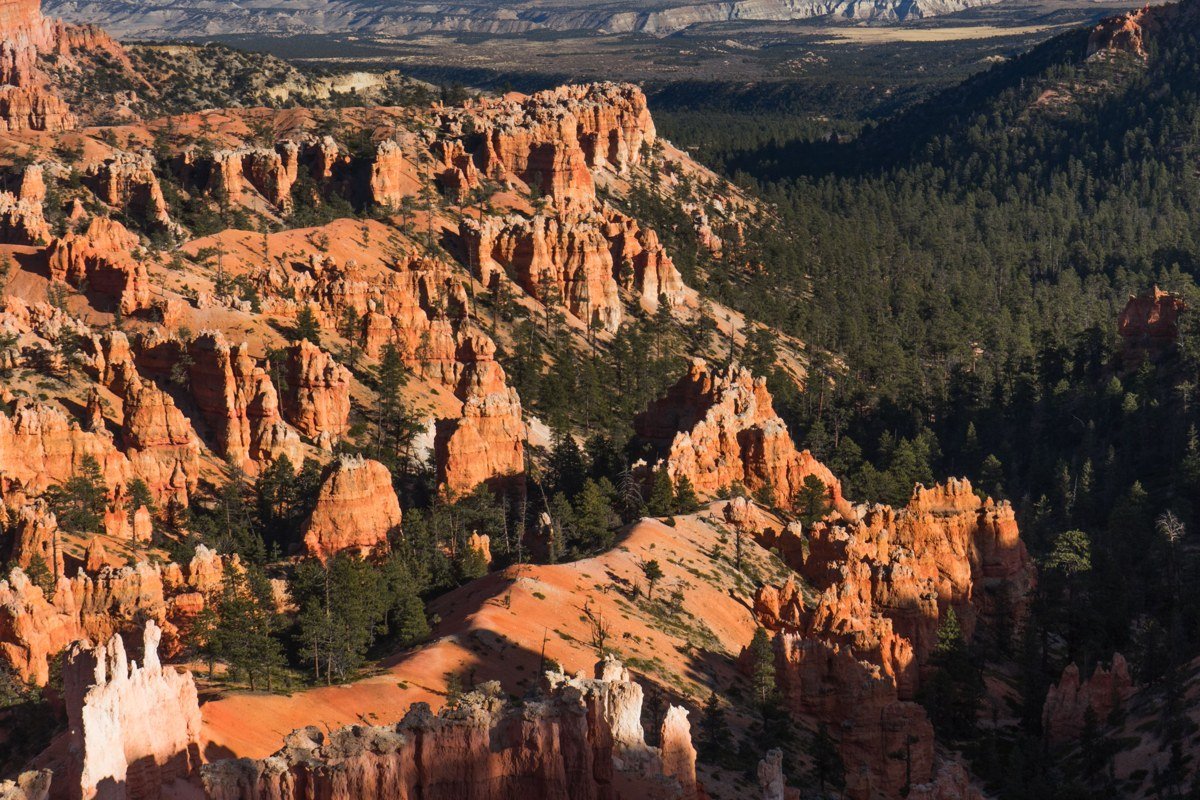
Paria View faces south instead of the usual east-west orientation, which throws off both sunrise and sunset light compared to the rest of the rim, but that quirk is exactly why it’s worth a stop. There’s no shuttle stop here, and on a Saturday in peak July I had the rail to myself for a solid twenty minutes at sunset, one other car in the lot the whole time. Sunset gives a softer, more even light across the formations rather than the dramatic backlit glow you get elsewhere. Bring a chair and just sit, since there’s no trail loop pulling people through. This is the pick when you’ve already done the sunrise circuit and want a quiet stretch before dinner.
Fairyland Point, Utah
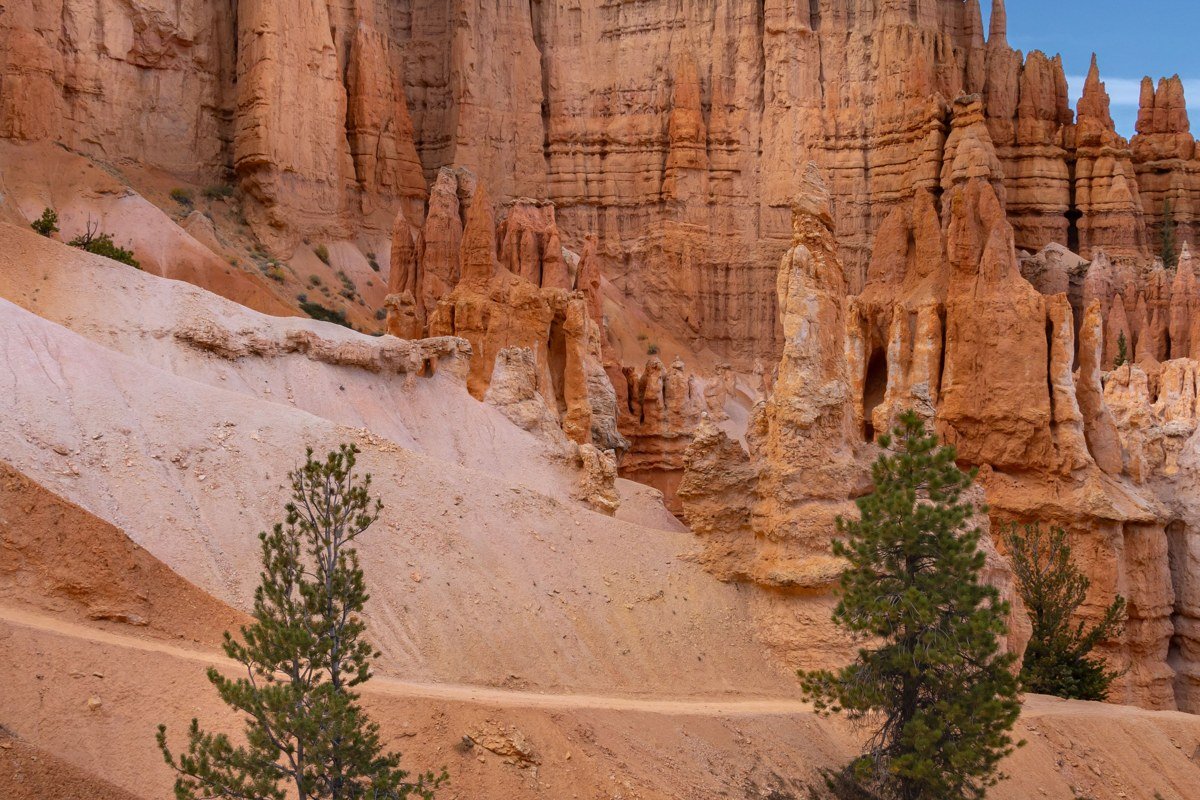
Fairyland Point sits on its own spur road just north of the entrance station, separate from the main park road, and a lot of visitors skip it entirely because it’s not on the shuttle route. That’s the appeal: on a May sunrise visit I saw four other cars total, and the overlook itself never had more than six or seven people on it at once. Sunrise here rivals Bryce Point for quality of light, since you need your own car to reach it. The amphitheater below is smaller than the main one but arguably stranger, with more oddly stacked spires. Come for sunrise, skip it for sunset, when the light works against the formations here.
Natural Bridge, Utah
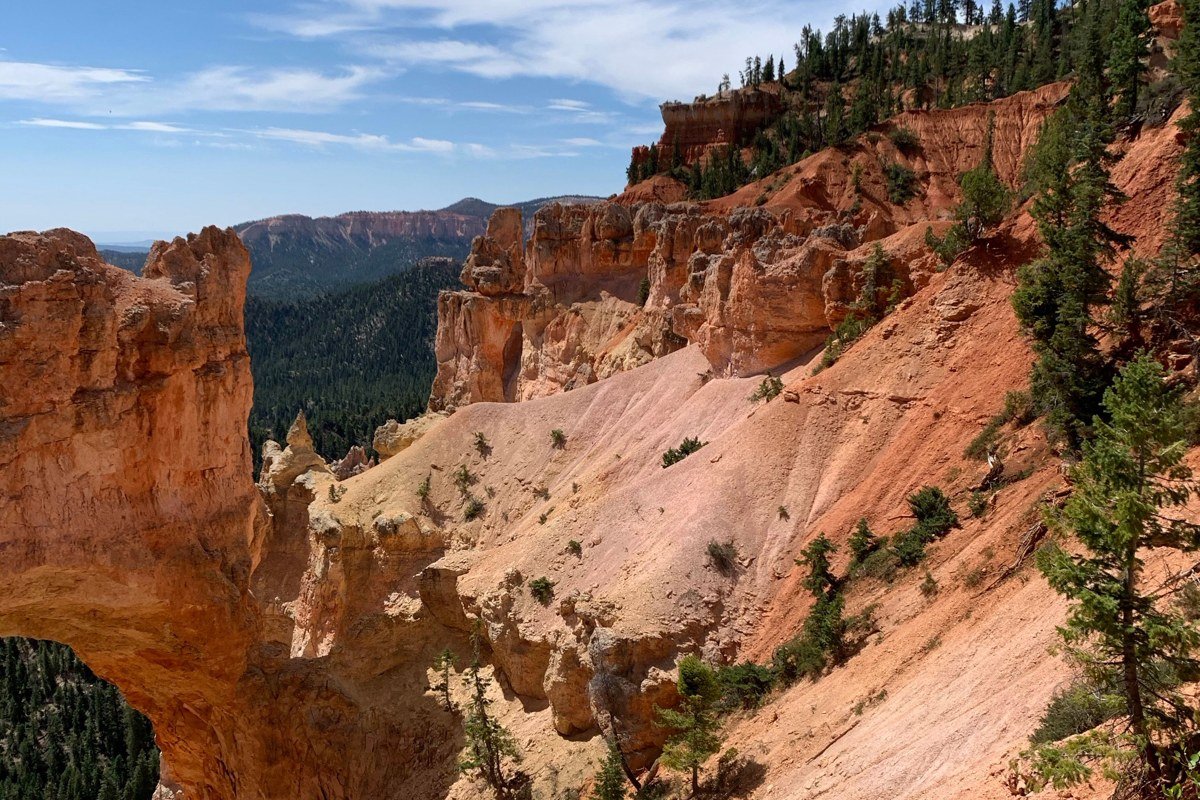
Natural Bridge isn’t a sunrise or sunset spot, and that’s worth saying plainly, since visitors sometimes plan their whole overlook schedule around edges of the day and miss this one entirely. The arch (actually a natural bridge, cut by rain and frost rather than a river) photographs best under direct overhead light, late morning through early afternoon, when the deep red rock isn’t hiding in its own shadow. On a July visit at 1 p.m., the pullout lot had space for maybe five cars and never filled while I was there, a genuine break from the sunrise/sunset scramble elsewhere. It’s a quick stop right off the main road, ten miles south of the visitor center, no trail required.
Rainbow Point, Utah
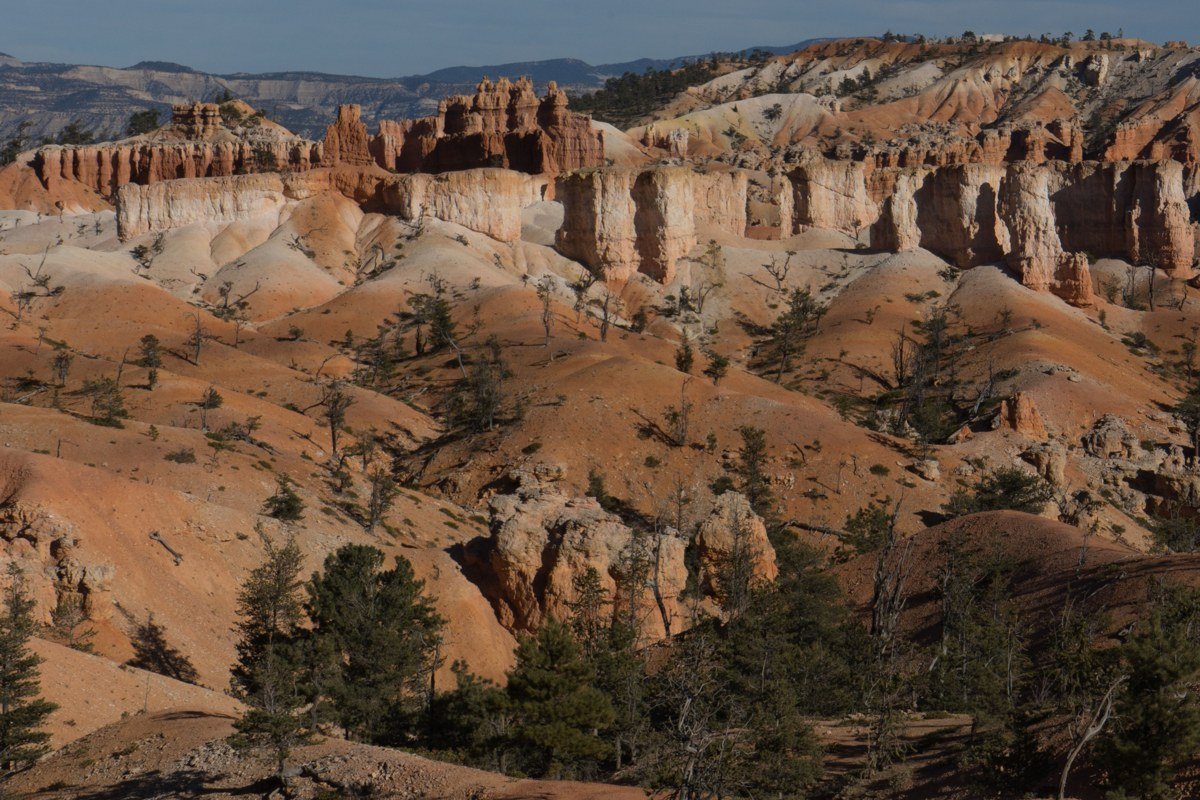
Rainbow Point sits at the far end of the park road, at the highest elevation in Bryce Canyon, over 9,100 feet, and on a July evening the temperature there was a good 15 degrees cooler than what I’d felt at the entrance station that afternoon, cold enough that I was glad for a jacket in midsummer. The view here isn’t the tight hoodoo drama of the main amphitheater, it’s a long, layered look across plateaus and forest toward the Grand Staircase and the Kaibab Plateau on a clear day. Sunset works better than sunrise because the western sky opens up over that distance, giving long shadows across the terraced landscape. It’s an eighteen-mile drive from the entrance, so budget close to an hour round trip beyond whatever time you spend at the rail.
FAQ
What is the best time of year to visit Bryce Canyon?
Late May through early October is when the main park road and Bryce Canyon Lodge are fully open, with June through August drawing the biggest crowds and hottest midday temperatures at the lower elevations. September is the quiet sweet spot: still warm, thinner crowds, and the aspens starting to turn at the higher elevations near Rainbow Point.
What is Bryce Canyon’s elevation, and does it affect a visit?
The park ranges from around 6,600 feet near the entrance to over 9,100 feet at Rainbow Point, which is high enough that some visitors feel short of breath on the steeper rim trails. It also means summer nights are cold and winter closes sections of the road, so pack layers regardless of season.
Is Bryce Canyon or Sunrise Point overrated?
Sunrise Point isn’t overrated, but the name misleads people into thinking it’s the only sunrise spot worth the alarm clock. Bryce Point and Inspiration Point both give a wider, arguably better sunrise view with less crowding, so treat Sunrise Point as the sunset overlook it actually performs best as.