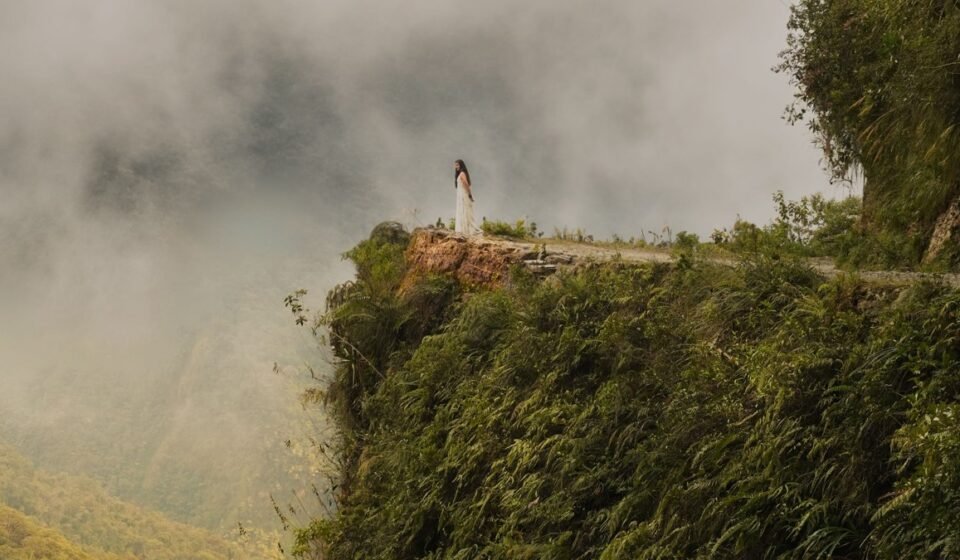

The Faroe Islands do not perform for you. They simply exist, in layers, and the weather decides which version you get to see. These are ten of the most genuinely ethereal places to visit in this North Atlantic archipelago, and every single one of them transforms completely when the fog drops, the rain softens the cliffs, or the low cloud erases the horizon.
1. Saksun Village and the Tidal Lagoon
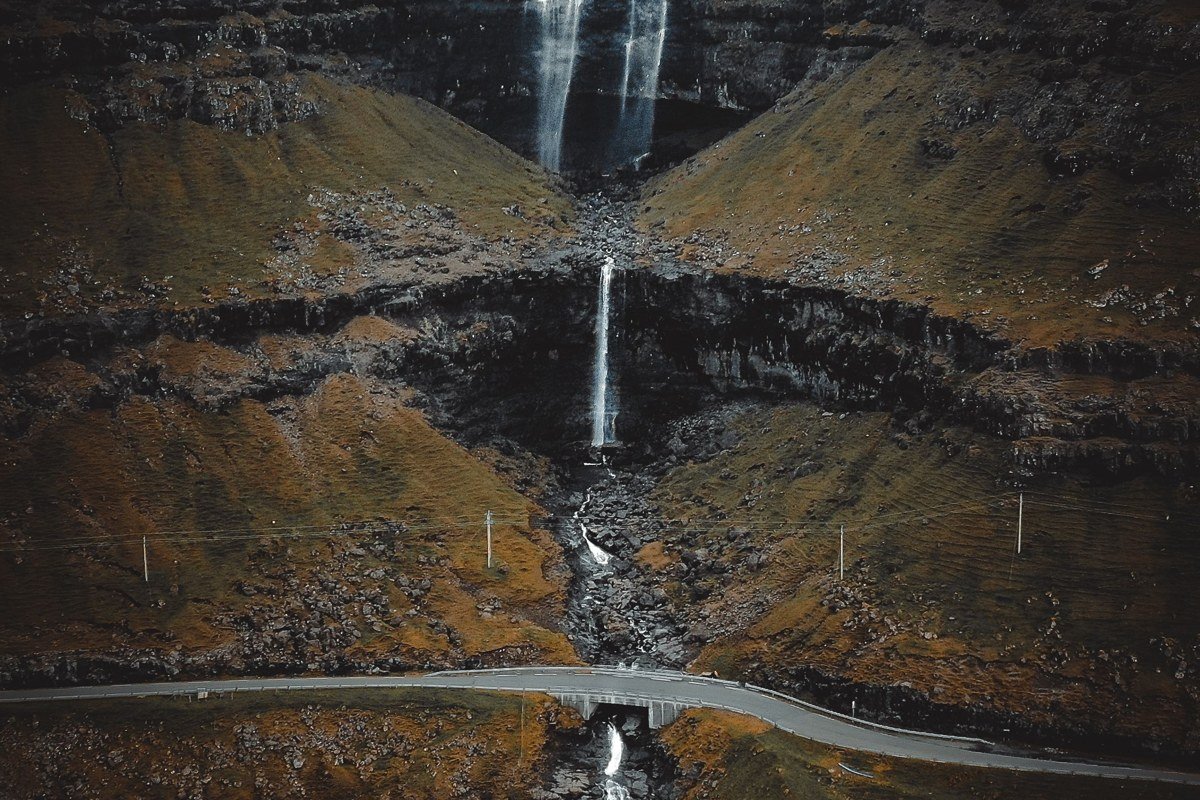
Saksun sits at the end of a long valley on Streymoy, and under clear skies it is merely beautiful. When low cloud settles into the valley and the tide is high enough to flood the natural lagoon, the turf-roofed farmhouses appear to float above water with no visible ground beneath them. The best thing to do here is arrive before 8am, walk the path down to the lagoon edge, and simply wait. The fog moves in irregular pulses and you will catch moments of near-total erasure followed by sudden depth. The tidal window matters: check the local tide tables before you go, because at low tide the lagoon becomes a sandflat and loses most of its drama.
2. Gasadalur Waterfall (Mulafossur)
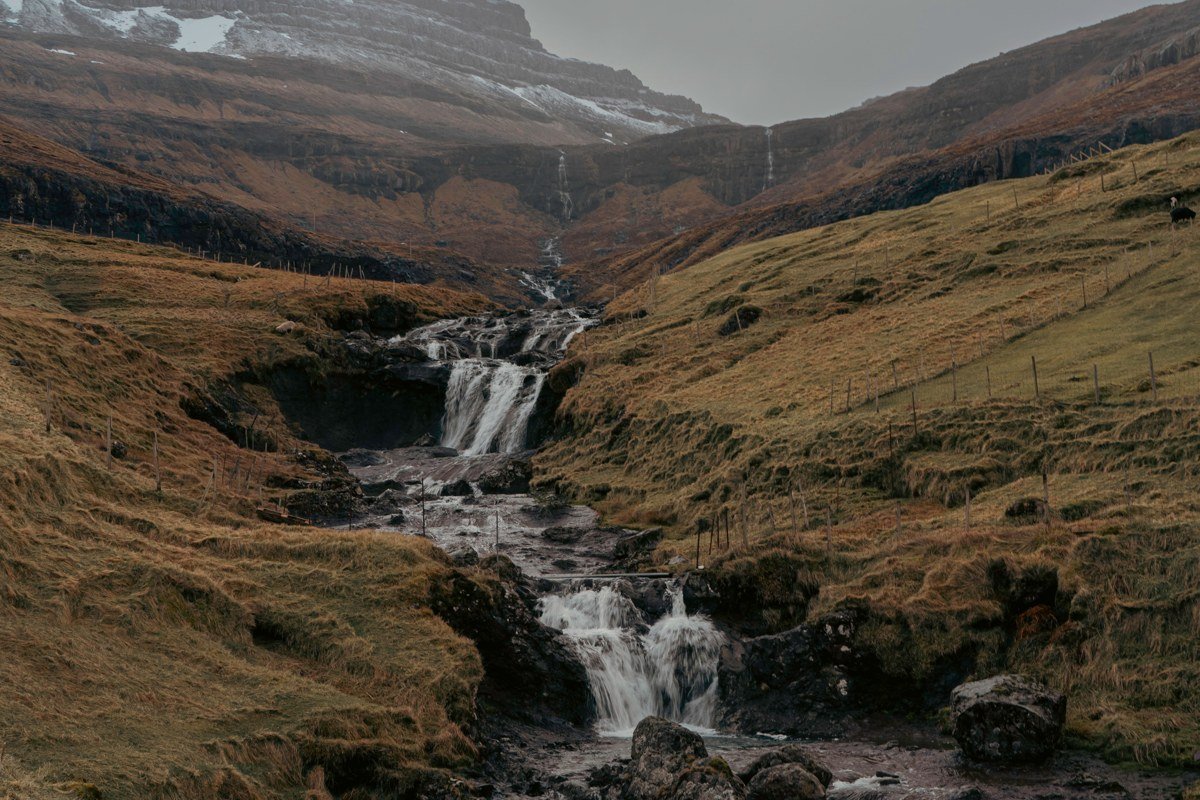
Mulafossur is probably the most photographed waterfall in the Faroes, and on a calm clear day it feels almost too composed, like a screensaver. In rain or heavy sea mist, though, the spray from both the fall and the waves below merges into a single atmospheric curtain, and the grass on the cliff edge turns a green so saturated it reads almost neon against the grey. Walk to the viewing point above the village rather than shooting from the road pullout everyone uses. The angle is steeper and isolates the fall against open ocean rather than crowding it with village rooftops. High winds after a storm front passes through will push the water sideways in long ribbons, which is arguably more interesting than the straight-drop version on calm days.
3. Lake Sorvagsvatn (Leitisvatn)
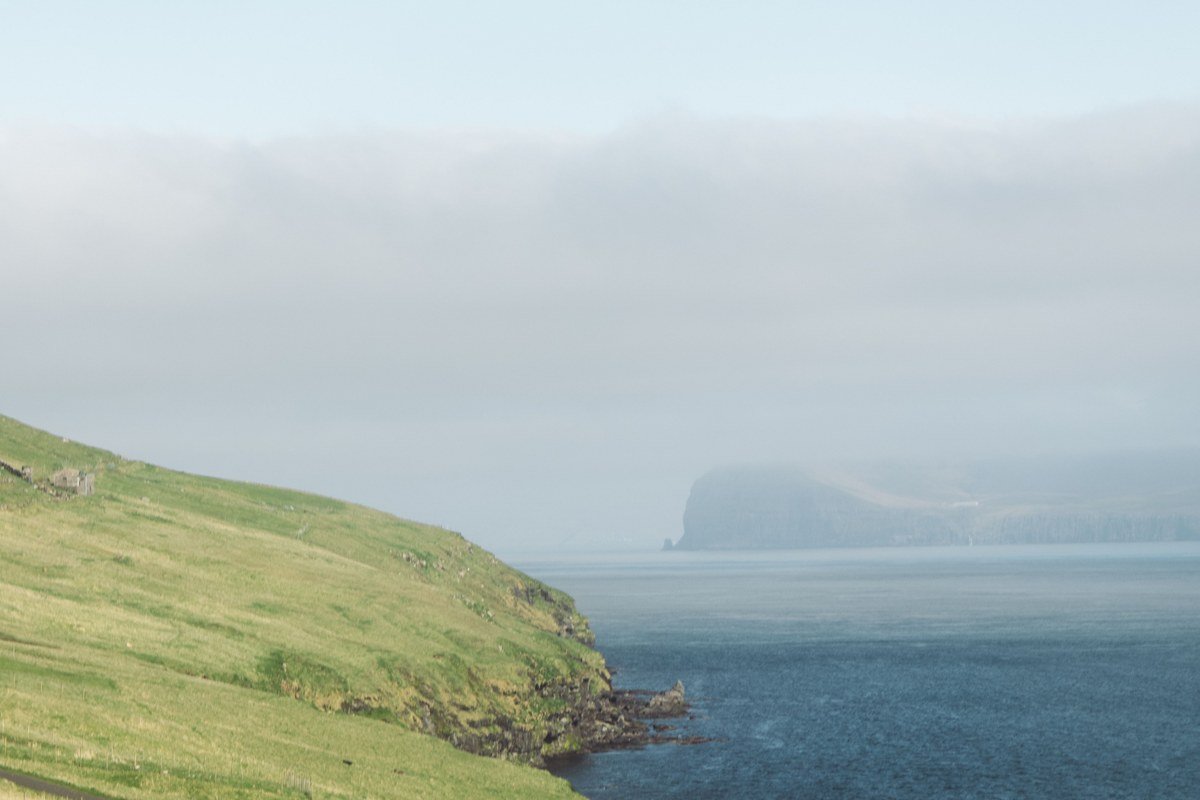
This lake on Vagar creates a well-known optical illusion where it appears to sit suspended above the ocean at cliff height. The illusion works at any time, but fog adds a second layer: when mist sits at sea level and the lake is clear above it, the water appears to float above literal cloud. The hike to the upper viewpoint takes roughly an hour each way and is unmarked in sections, so pace yourself and watch for the worn grass paths. Come in afternoon on overcast days when the flat light kills harsh shadows and the surface of the lake reflects the sky like a mirror.
Most visitors stop at the lower viewpoint, roughly twenty minutes in, and the illusion does not work from there. The lake reads as an ordinary body of water at that elevation and the cliff drop is not visible. You need the upper vantage to see the lake appear to overhang the ocean. The trade-off is that dense fog all the way up the hill removes the illusion entirely, so you want partial fog at sea level, not a complete whiteout.
4. Trollkonufingur Sea Stack, Vagar
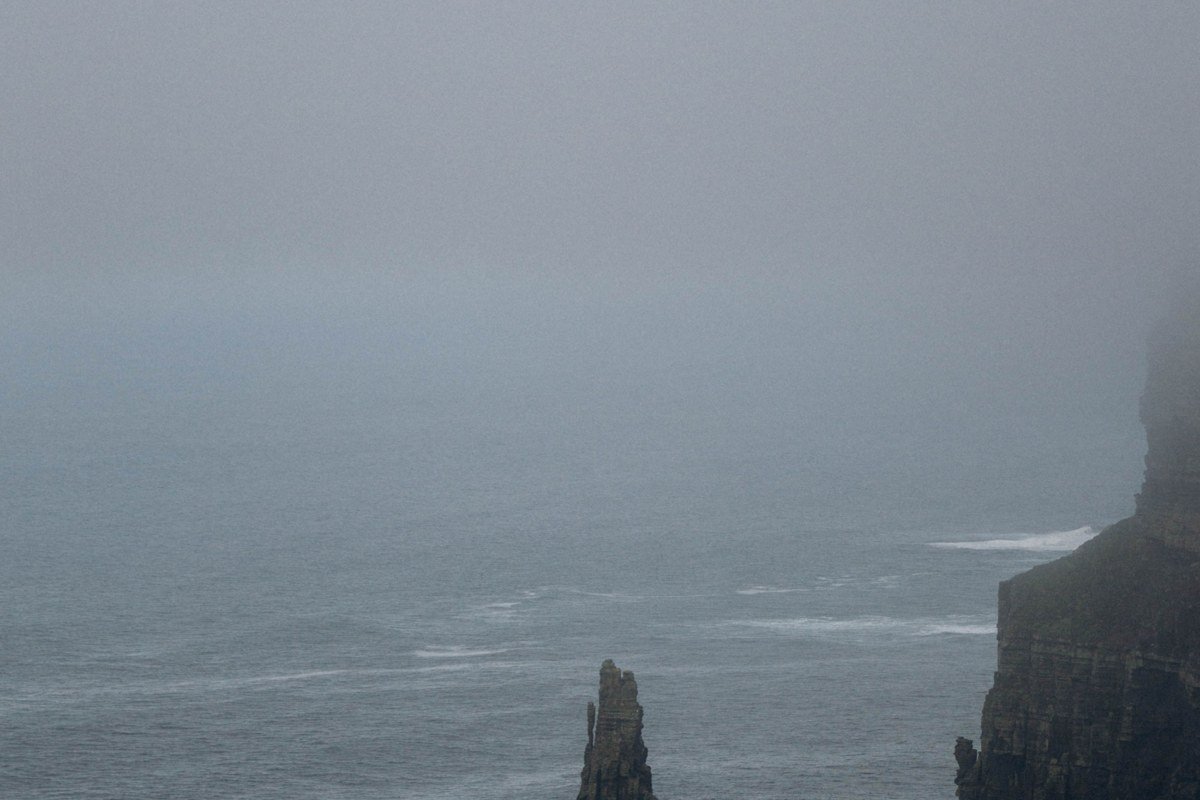
Trollkonufingur, which translates loosely as the Witch’s Finger, is a freestanding basalt column rising from the sea off the southwest coast of Vagar. In bright weather it is impressive but readable, a geological curiosity. In mist it becomes something closer to myth: the stack appears and disappears as cloud moves across the water, sometimes showing only its upper third above a fog layer. You view it from the cliffs above, and there is no formal path to the edge, so tread carefully on wet grass.
Up close, the basalt is columnar and visibly layered, the stacked hexagonal sections of it separating in clean horizontal lines like compressed geology on display. At cliff height, on a still day after rain, there is a faint smell of kelp rising from below that arrives before the stack itself comes into view. The most extraordinary window is during autumn swells when sea spray is already misting the air and the stack seems to pulse in and out of visibility on its own rhythm, independent of what is happening overhead.
5. Eidi and the Two Sea Stacks (Risin og Kellingin)
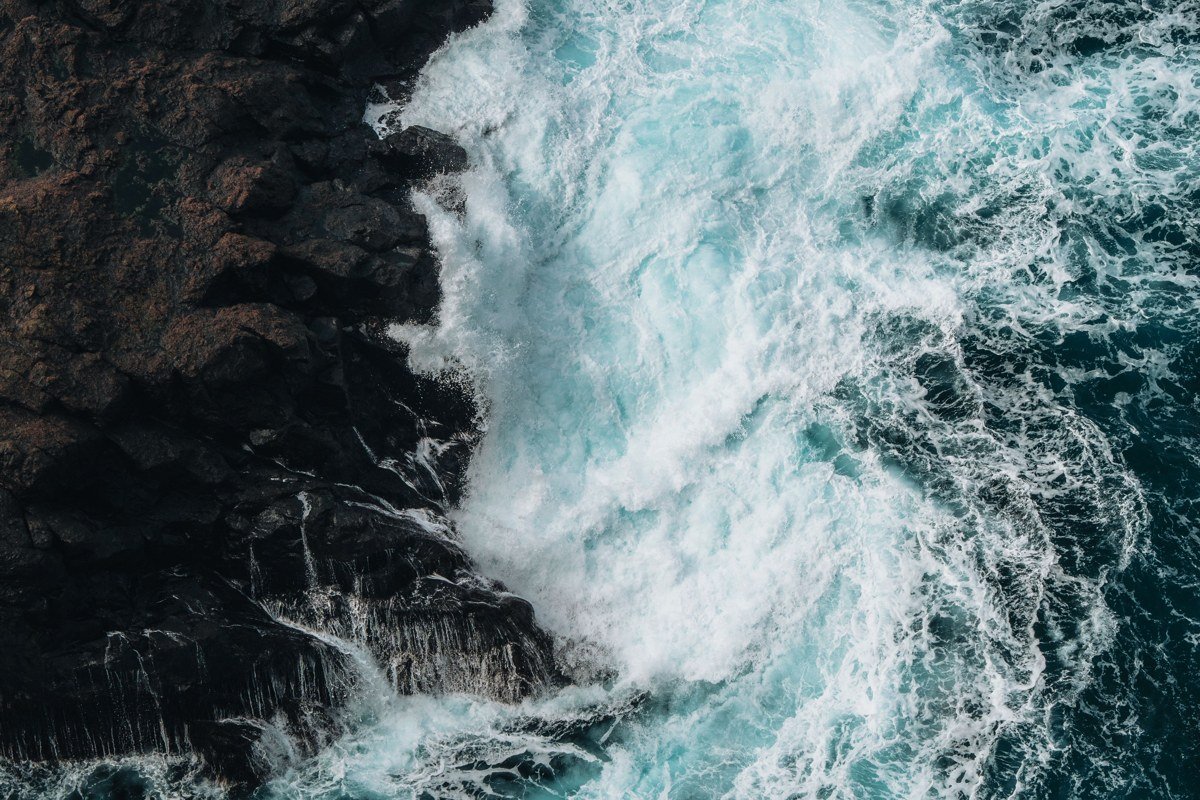
Just north of the village of Eiði on Eysturoy, two offshore stacks called Risin (the Giant) and Kellingin (the Witch) stand in the open Atlantic. Faroese legend says they came to steal the islands and were turned to stone at dawn. On mornings after overnight rain, the cliffs above the stacks drip visibly and the sea mist hangs at mid-column height, leaving the tops exposed and the bases swallowed. The light in this gap, especially in the hour after sunrise, has a silver-blue quality that no filter replicates. The viewpoint is accessible from the road between Eiði and the northern tip of Eysturoy. Stay longer than you think you need to. The stacks read very differently as the morning fog burns unevenly across the water.
6. Kallur Lighthouse, Kalsoy
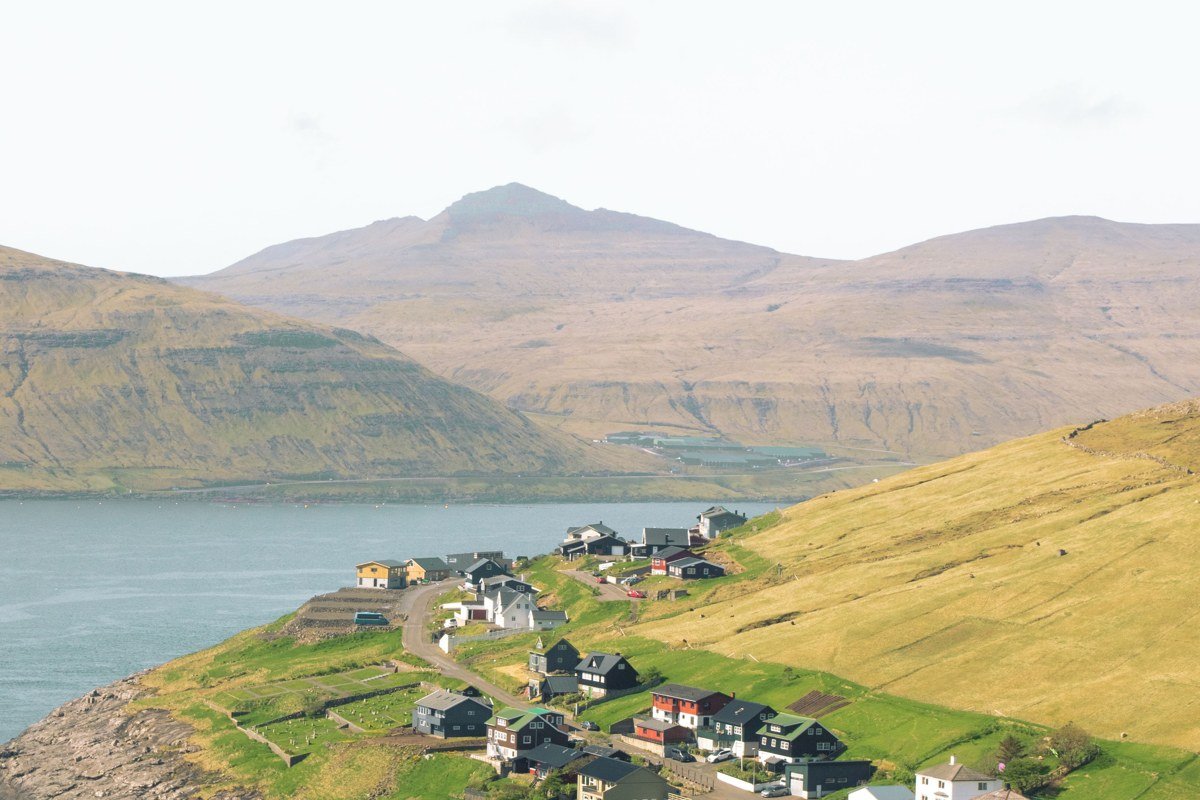
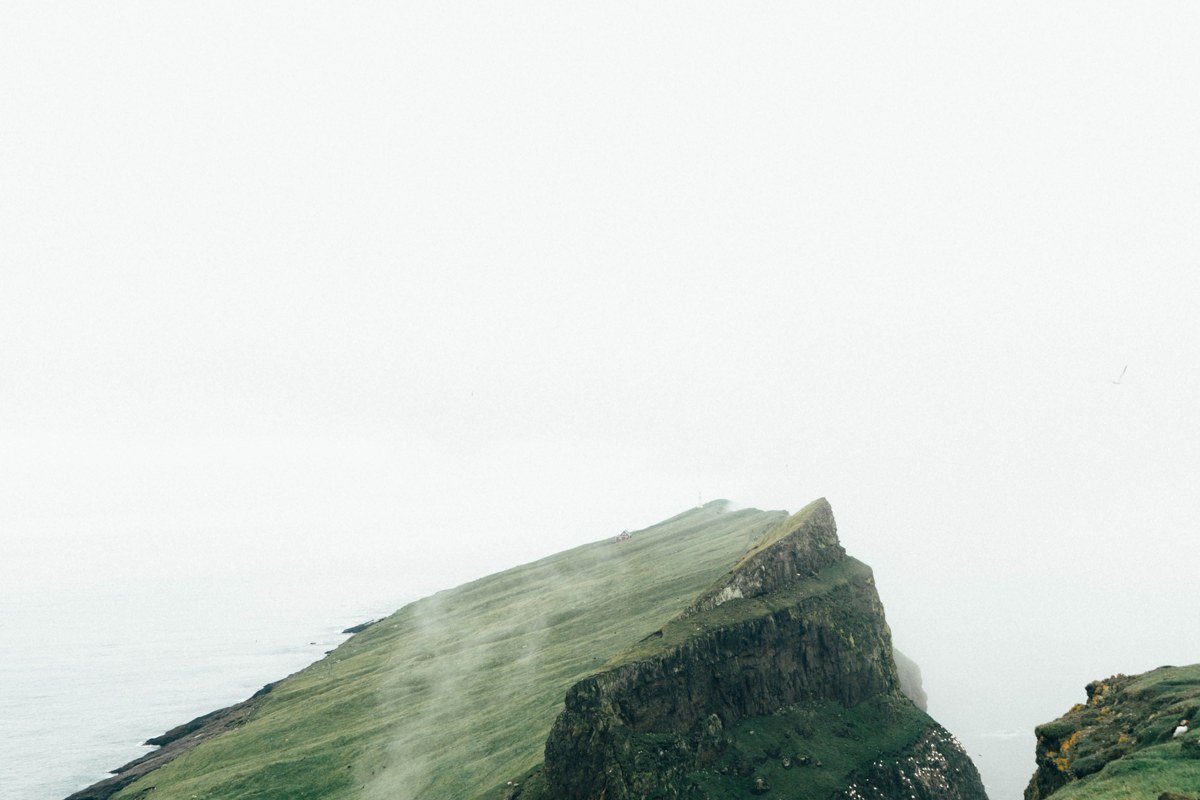
Kalsoy is reached by a small ferry from Klaksvik, and Kallur lighthouse sits at the northern tip after a hike of roughly an hour across open ridge. The lighthouse itself is modest, painted white, functional. What makes it one of the most ethereal places to visit in the Faroes is its position: when cloud sits just below the ridgeline, you walk above the fog looking down onto a white surface that swallows everything below you except the tips of the neighbouring islands. You are, effectively, above a cloud sea.
The ferry schedule dictates your timing more than the weather does. There are only a few crossings per day, the ferry books up during summer and shoulder season, and it is worth reserving your place in advance rather than arriving at the dock and hoping. Check that your outbound crossing gives you at least three hours on the island to account for slow fog conditions where visibility on the hike requires careful footing.
7. Vestmanna Bird Cliffs by Boat
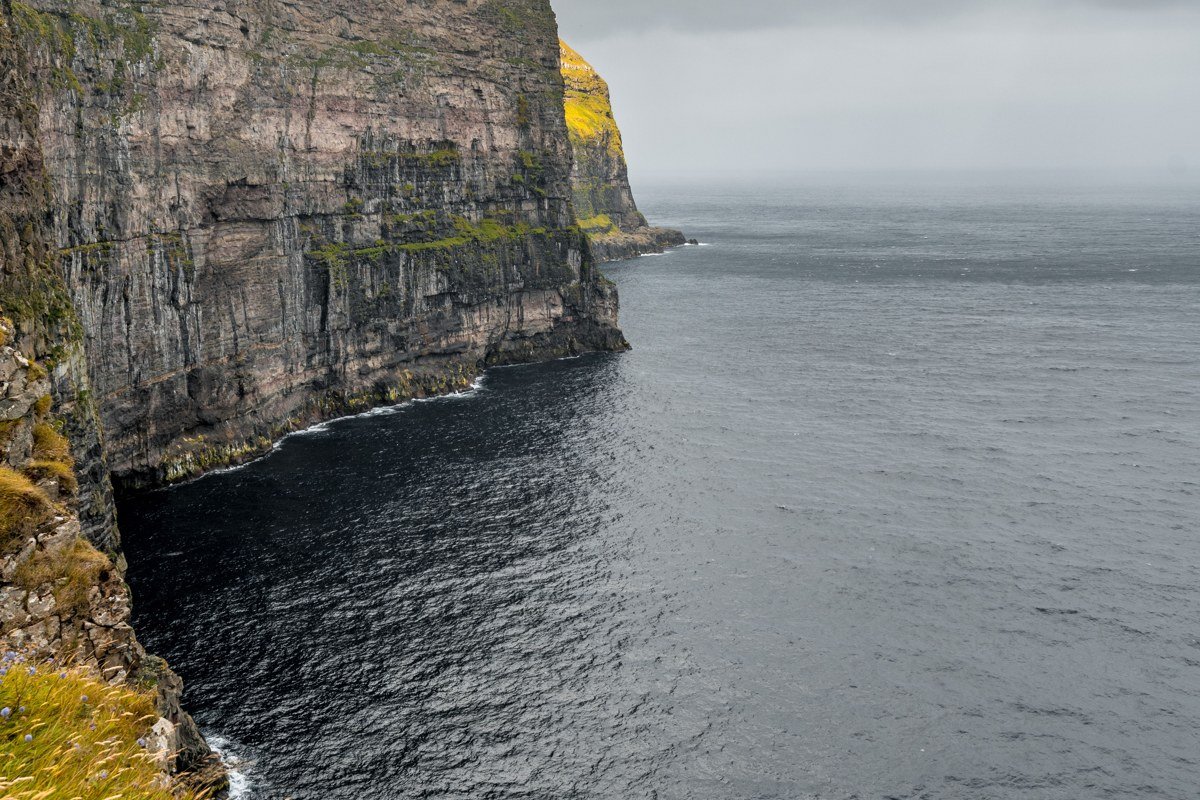
The boat tour into the sea caves and under the cliff overhangs at Vestmanna on Streymoy is the one experience on this list that actually improves in poor visibility rather than becoming harder. Inside the cave systems the light is always dim and dramatic, independent of what the sky is doing. But on overcast, drizzly days, the waterfalls that pour off the cliff tops are swollen from rain and backlit by diffuse grey sky rather than harsh sun, creating a soft glow against the dark basalt. Tours run from the small harbour in Vestmanna village. Bring a waterproof bag for your camera. The boat gets close enough to the falls that you will be misted regardless of rain, and the captains navigate the narrowest cave sections with practiced calm that is itself worth watching.
8. Sornfelli Summit, Streymoy
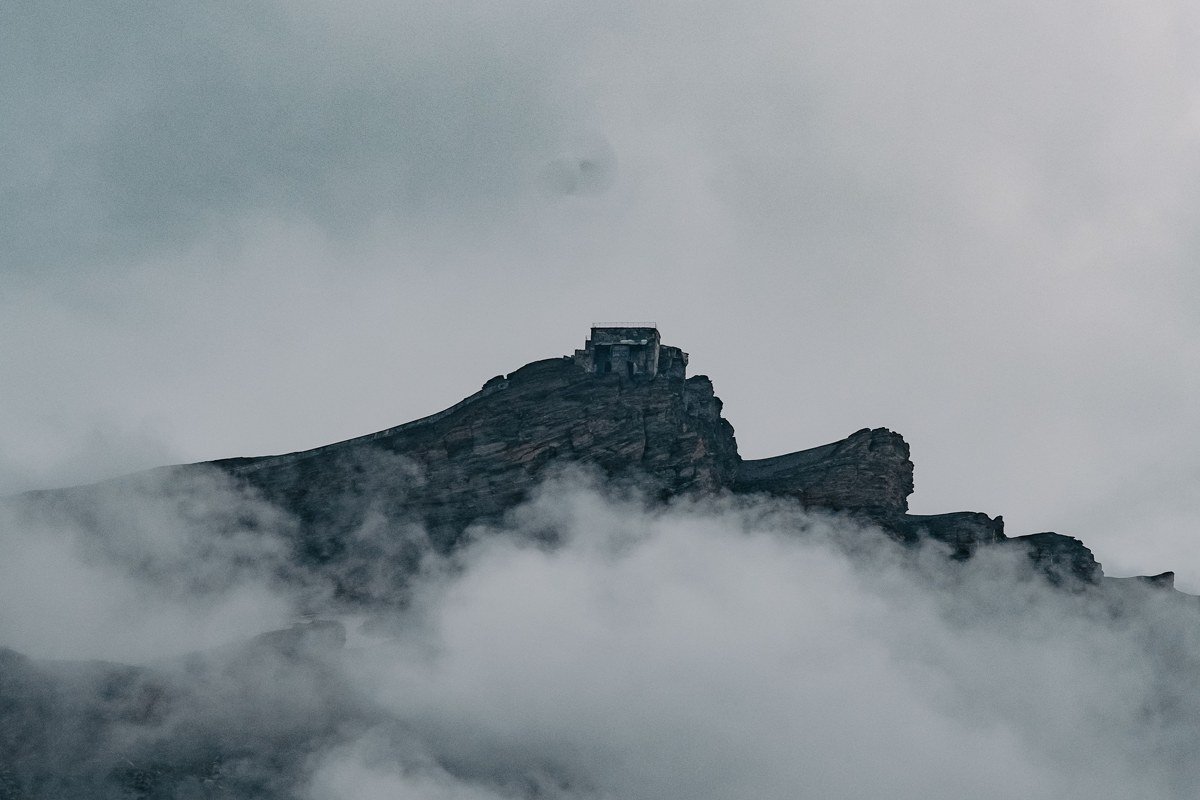
There is a Cold War-era radar installation at the top of Sornfelli, a utilitarian dome and cluster of military infrastructure that sits in odd, jarring contrast to the cloud sea filling the valleys hundreds of metres below it. The strangeness of that juxtaposition, bunker architecture floating above weather, is genuinely part of what makes the summit worth the drive. On days when low cloud fills the valleys and the summit is above the inversion layer, you push through a wall of grey and emerge into cold, clear light with only the highest island ridges breaking through the white surface below. The effect is total and sudden, and nothing in a photograph quite conveys the physical experience of stepping through the fog ceiling.
The road to the summit is drivable in a 2WD but narrow and vertiginous, and it closes in genuinely dangerous wind. Check local Faroese weather reports at the village level, not just the island-wide forecast, because Sornfelli can be clear while Torshavn below is under dense overcast.
9. Drangarnir Sea Arch, Vagar
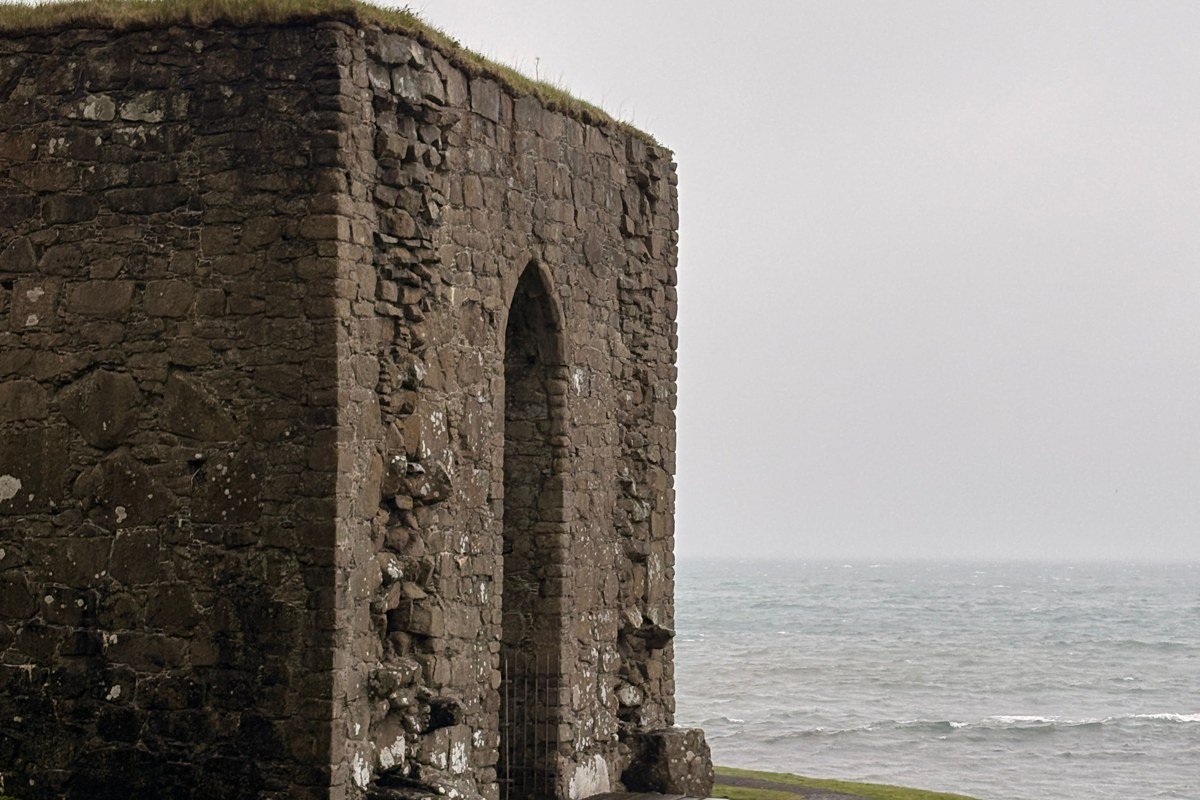
Drangarnir is a double sea stack connected by a natural arch on the western coast of Vagar, visible from the coast path that leads onward toward the islet of Tindhólmur. When fog sits at sea level, the arch frames a rectangle of white mist rather than ocean, which removes all sense of scale and makes the formation look constructed rather than geological. The walk to the viewing point from the Sorvagur end is straightforward in dry conditions but requires careful footing on steep wet grass near the cliff edge in rain.
Many people turn back at first sight of the arch thinking they have the shot. The optimal viewing angle is from slightly further along the ridge where the near stack separates cleanly from the far one. Budget extra time to find it.
10. Funningur Church and Fjord, Eysturoy
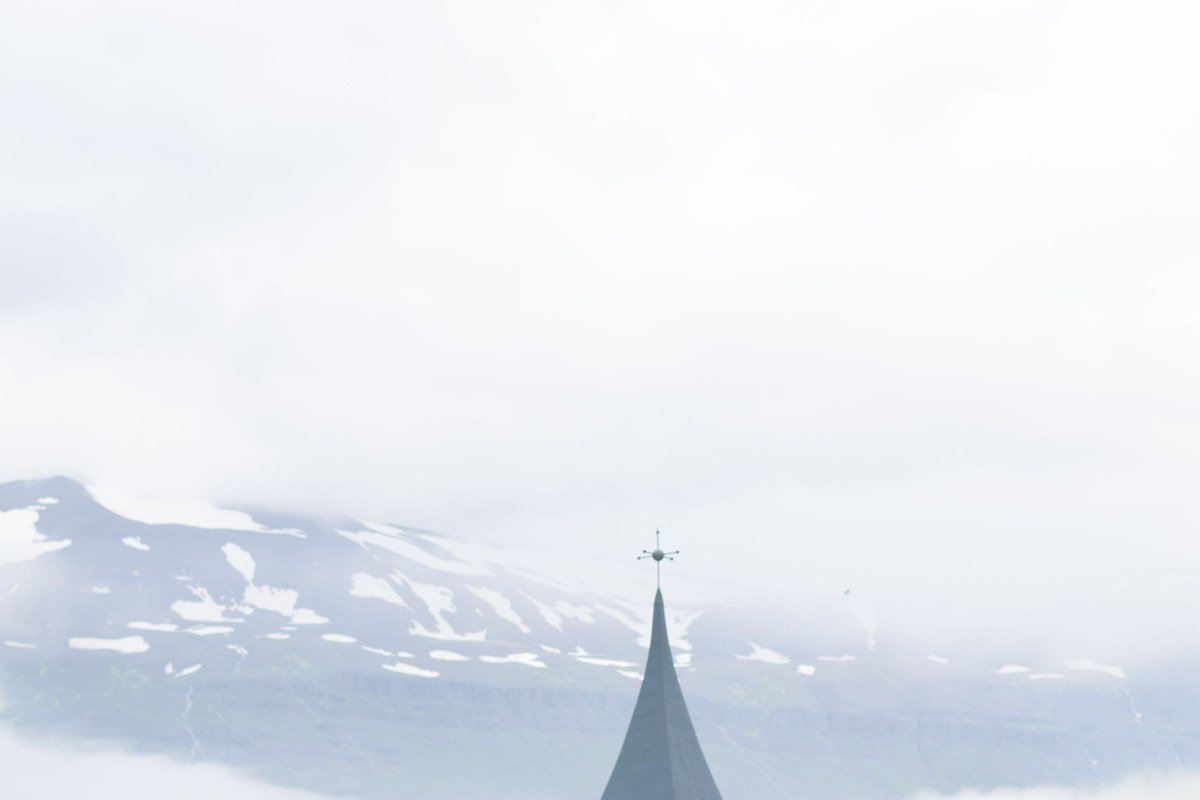
Funningur is a small village at the end of a long fjord on Eysturoy. Its white church, which has stood on this site for centuries and whose current structure dates to the nineteenth century, is a compact building whose proportions only make sense against the scale of the mountain behind it. The version most people have seen is sunshine and mirror fjord water. The version worth planning for is the one where cloud sits halfway up the mountain behind the church, and the fjord surface is being touched by a soft rain that hazes the far shoreline without obscuring it. The church is occasionally open to visitors. Arrive from the coastal road rather than cutting directly from the main Eysturoy highway: the final stretch along the fjord edge gives you the composition from the water side, and in mist the reflections of the mountain come in and out of the surface in slow, shifting patterns.
How to Time Your Visit and What to Actually Expect
The Faroe Islands have weather, constantly and enthusiastically. The practical reality is that you do not plan for sun and tolerate fog. You plan for fog and treat sun as a pleasant surprise.
Visit between September and March for the highest probability of dramatic low cloud and atmospheric conditions. June and July are the most stable months but also the flattest light for photography. April, May, August, and October each offer volatile conditions that produce the layered, transforming skies described above, often several times in a single day.
Book accommodation in Torshavn or Sorvagur as your base. The tunnel system connecting the main islands means you can reach most of the locations on this list within ninety minutes by car. Rent a car: public buses exist but the timing flexibility of driving is essential for chasing changing conditions.
A few honest practicalities. The ferry to Kalsoy for Kallur Lighthouse runs infrequently and fills up, so book it ahead. Many cliff paths have no barriers, and wet grass on steep Faroese hillsides is genuinely slippery. For footwear, trail shoes with aggressive lug soles handle wet Faroese basalt grass far better than traditional hiking boots, which saturate and hold water through a full day on the hill. For camera gear, a silicone lens hood is worth carrying in your pack: sea mist coats glass quickly near the stacks and sea arches and a cloth wipe only lasts a few minutes. First-time visitors should also note that the Faroe Islands are actively developing their approach to tourism management, including visitor registration schemes at certain sites, so check the Visit Faroe Islands site before you travel for any current requirements or voluntary agreements in place. Separately, the single-lane mountain tunnels that connect several islands flood and close with little warning, which can strand you on the wrong side of an itinerary. Build slack into any day that relies on a tunnel crossing, and check road conditions each morning through the Faroese Roads Authority.
The single most useful habit on any Faroese itinerary is to check the weather at 5am and again at 7am and simply go to whichever location matches the conditions developing that morning. Fog sitting in a valley at dawn rarely lasts past 10am. Cloud coming off the ocean in the afternoon tends to build rather than thin. Work with the rhythm, and these ten places will show you something most travel photography never captures: that silver-blue light hanging between the Risin og Kellingin stacks, the one that no filter replicates, arriving exactly when you have stopped expecting it.