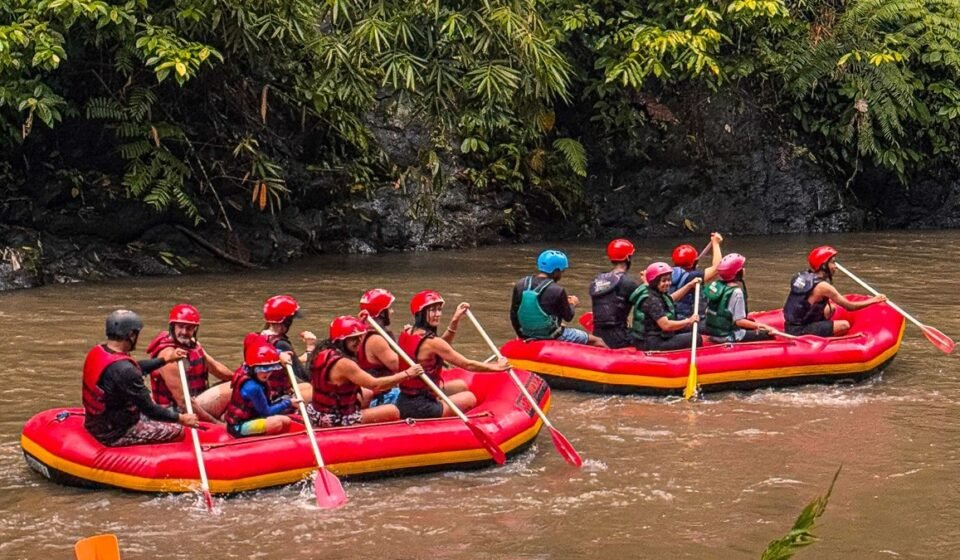

Not every river rafting trip deserves a spot on your bucket list, but these eight do. This shortlist covers the full spectrum from scenic float to white-knuckle Class V, so whether you are easing into adventure tourism or you have been chasing big water for years, you can find your match. Each entry is ranked loosely by thrill level, starting mellow and building toward the kind of rapids that make your legs shake on the walk back to the shuttle bus.

Quick-Reference Planning Table

| River | Ideal Months | Difficulty | Duration | Cost Tier |
|---|---|---|---|---|
| Deschutes (Lower Canyon), OR | Late May to early July | Class II-III | 2-4 days | $ |
| New River Gorge (Upper), WV | September to October | Class I-III | 1-3 days | $ |
| Colorado / Grand Canyon, AZ | May to September | Class III-V (Lava Falls 8-10) | 7-21 days | $$ to $$$ |
| Gauley River (Upper), WV | September to October | Class V | 1-2 days | $$ |
| Middle Fork Salmon, ID | June to late July | Class III-IV | 5-6 days | $$$ |
| Chilko-Chilcotin-Fraser, BC | Late June to July | Class IV-V to Class II-III | 7-9 days | $$$ |
| North Fork Payette, ID | May to June | Class IV-V | 1-2 days | $$ |
| Rogue River (Wild Section), OR | June to September | Class III-IV | 4 days | $$ |
Cost tiers reflect approximate guided per-person daily rates: $ = under $500, $$ = $500 to $1,000, $$$ = $1,000 and above.
1. Deschutes River, Oregon (Lower Canyon Section)
Cost tier: $
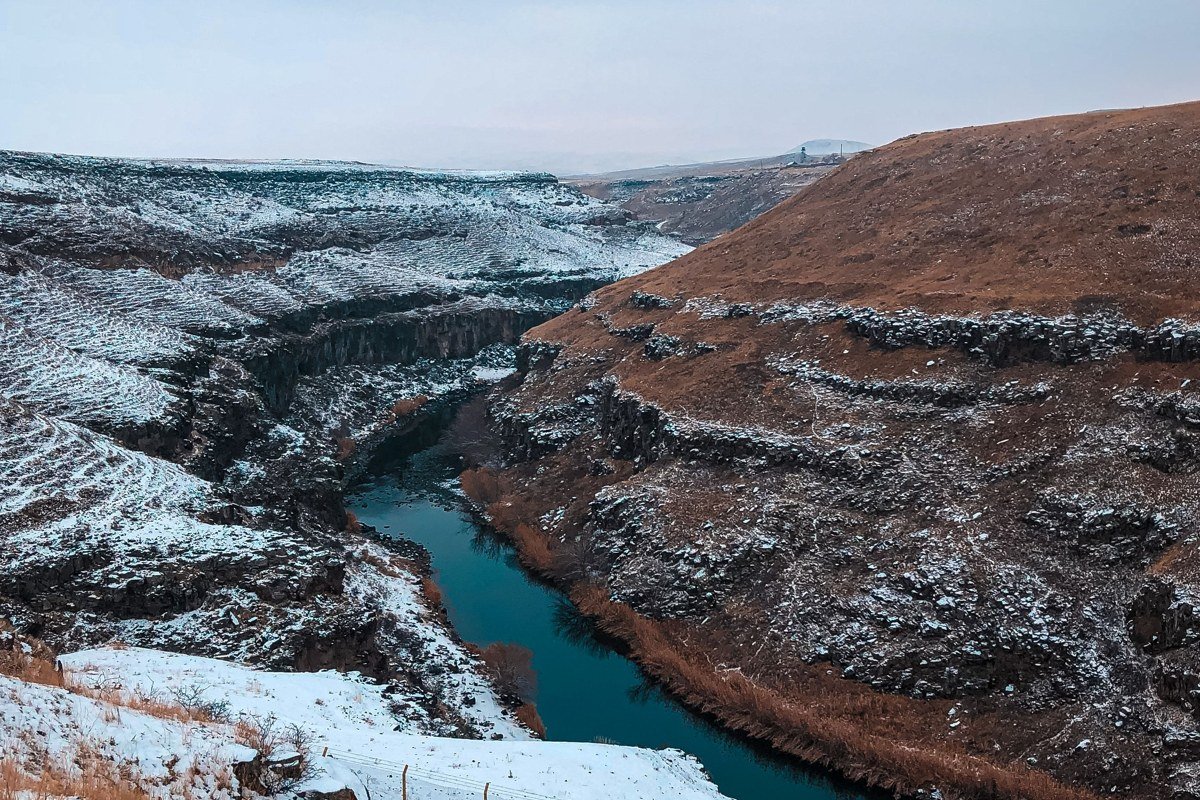
The Lower Deschutes is the river rafting trip you recommend to a friend who swears they are “not really an outdoors person” and then watch them fall completely in love with moving water. The basalt canyon walls glow amber at golden hour, the river runs clear and cold even in July, and the Class II-III rapids (Whitehorse and Buckskin Mary are the standouts) give beginners a genuine taste of technical water without the terror. Multi-day trips camp on sandy beaches inside the canyon, and the stargazing is absurdly good because the canyon blocks out ambient light from surrounding towns.
Book a guided float between late May and early July before flows drop. By August the lower section gets shallow and exposed rock makes for a scratchy ride. (All Star Rafting and Kayaking runs guided multi-day Deschutes trips and is a useful starting point for outfitter comparisons in the region.)
2. New River Gorge, West Virginia (Upper Section)
Cost tier: $
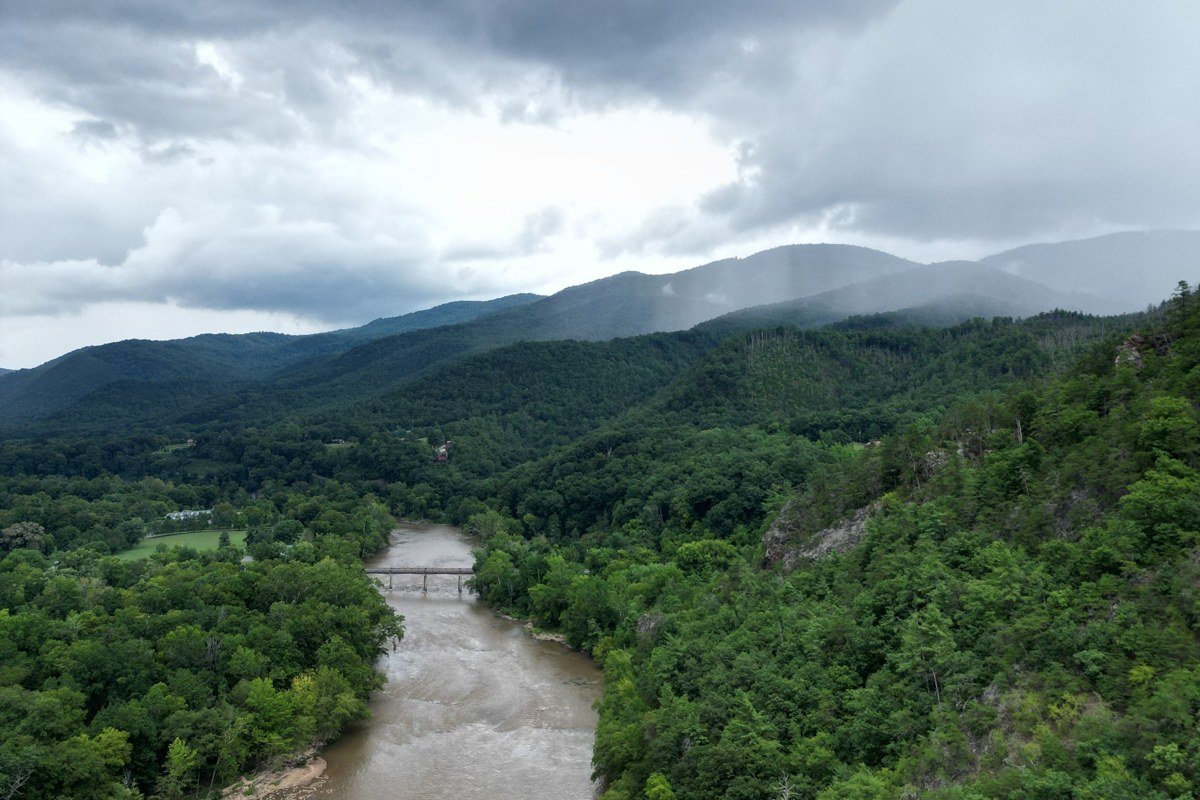
Before you get to the famous Lower Gorge carnage, the Upper New River deserves its own mention as one of the most underrated beginner-to-intermediate river rafting trips in the eastern United States. The scenery alone justifies the drive: forested sandstone walls, the ghost of the coal-boom town of Thurmond visible from the water, and the arching steel of the New River Gorge Bridge appearing and disappearing above the treeline. Class I-III water keeps the pace lively without requiring a combat roll, making it an ideal first multi-day river experience.
September and October are the sweet spot, when flows are reliable and the hardwood canopy turns the canyon walls into a fire-orange panorama. (ACE Adventure Resort operates out of Oak Hill, West Virginia, and offers Upper New itineraries alongside Lower Gorge day trips, which makes it easy to stack both experiences on a single visit.)
3. Colorado River Through the Grand Canyon, Arizona
Cost tier: $$ to $$$
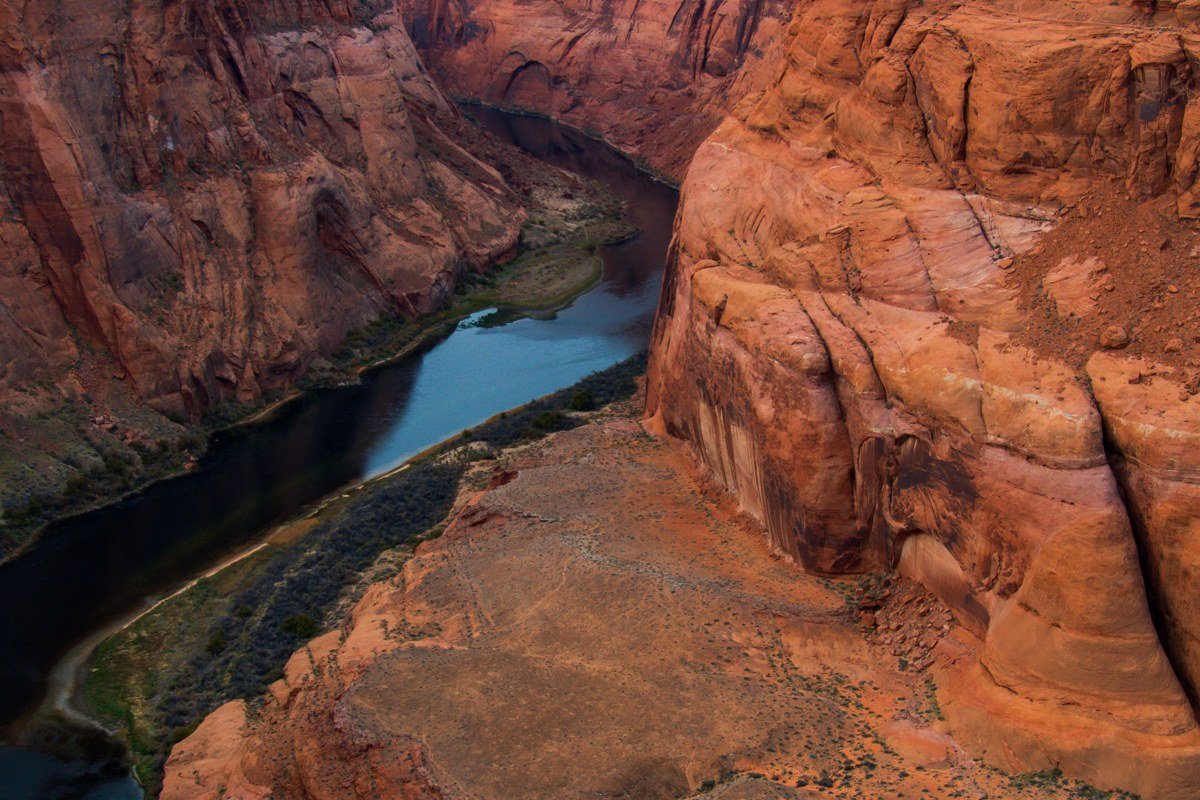
No list of river rafting trips is complete without the Grand Canyon, and it earns its place on merit rather than reputation. A full 226-mile motorized trip takes roughly seven days; a non-motorized oar trip can stretch to three weeks, and both versions include camps on sand beaches inside one of the deepest canyons on the planet. The geology is the real show: you float past rock layers spanning nearly two billion years, and guides who know their stratigraphy will point out exactly where you are in Earth’s timeline.
Lava Falls, rated 8 to 10 on the Colorado River scale depending on flow, is the hydraulic that keeps even experienced rafters awake the night before. The Class rating system, worth noting here, is not a fixed measure: the Colorado at 25,000 cfs through Lava Falls reads very differently than the same Class V label on a low-volume technical creek in the East. Always ask your outfitter about current flow conditions, not just the number. (OARS runs the full Grand Canyon commercial season on both motorized and oar-powered trips and typically books out more than a year in advance. National Park Service permits for private trips operate through a weighted lottery.)
4. Gauley River, West Virginia (Upper Gauley)
Cost tier: $$
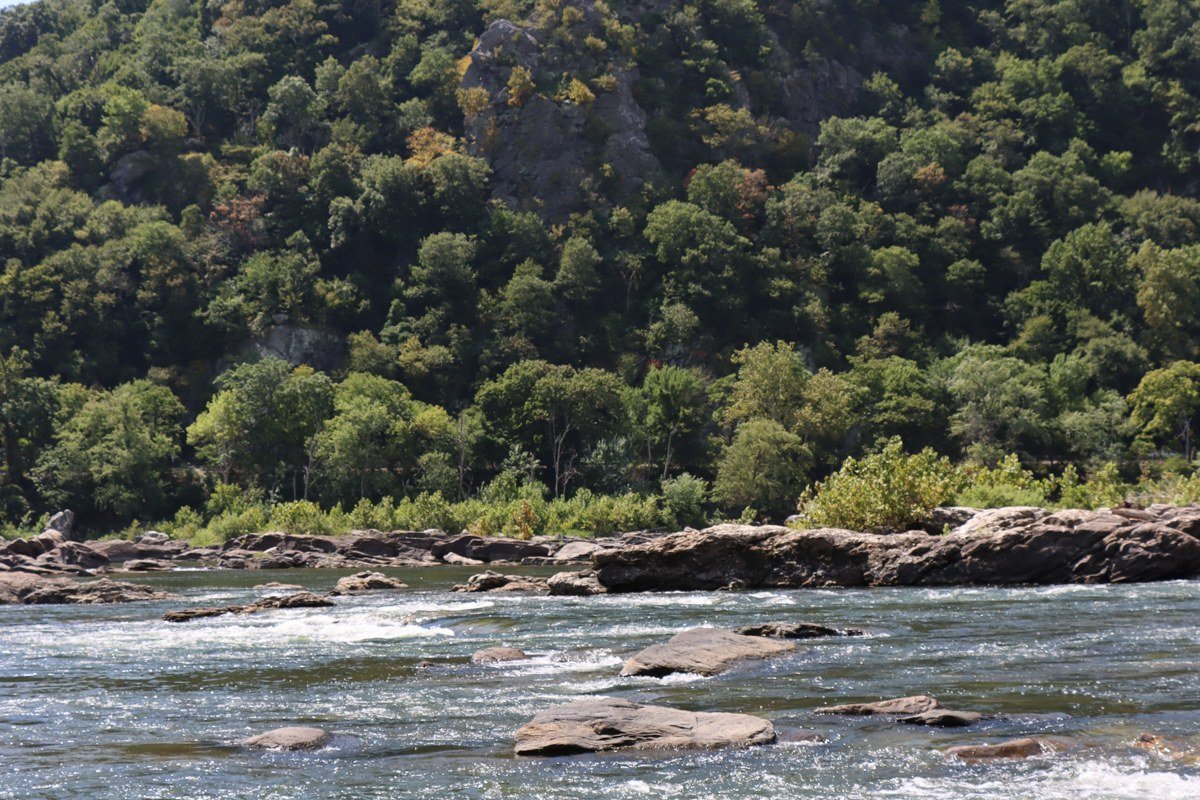
If the Upper New River is the warm-up, the Upper Gauley is the main event. It is widely considered the most technically demanding commercially run river rafting trip in the eastern United States, with five Class V rapids in the first nine miles, including Pillow Rock and Lost Paddle. What makes it especially intense is the schedule: the Army Corps of Engineers releases water from Summersville Dam for exactly six weekends in September and October (Gauley Season), concentrating every serious eastern paddler into a very short window.
The canyon is genuinely beautiful in fall color, but you will spend most of your mental energy watching the next hydraulic. Only choose the Upper Gauley if you have prior Class III-IV experience or are going with a highly reputable guide company. The Lower Gauley is a legitimate step-down option that still punches hard. (Class VI River Runners, based in Lansing, West Virginia, has guided the Gauley since the early days of commercial access on the river and is frequently cited by experienced paddlers for guide quality.)
5. Salmon River (Middle Fork), Idaho
Cost tier: $$$
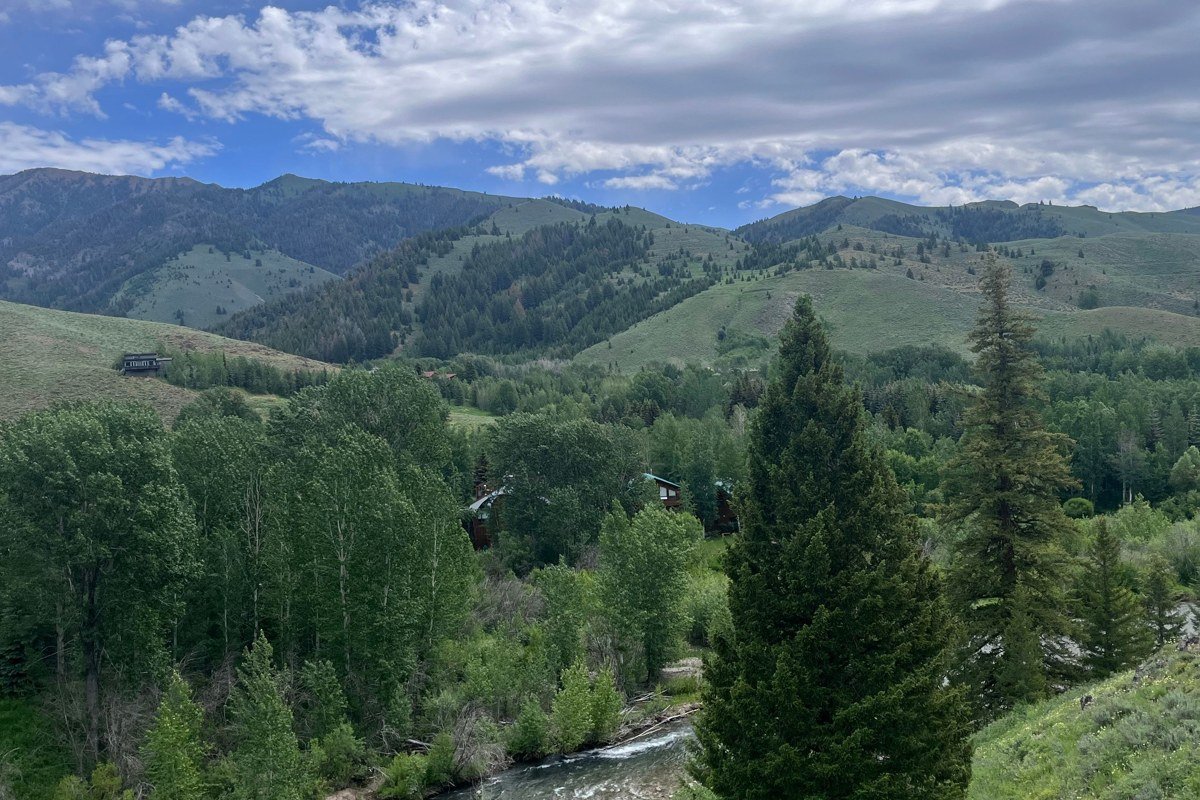
The Middle Fork of the Salmon is the river rafting trip that turns people into river people. It runs 100 miles through the Frank Church River of No Return Wilderness: no roads cross it, no motors are allowed, and floatplane access serves guests joining or exiting the trip mid-journey at backcountry airstrips such as Indian Creek, not as a general extraction method. That remoteness is the whole point. Hot springs bubble up directly at river’s edge, the fishing for native cutthroat trout is exceptional, and wildlife sightings (black bear, elk, river otter) are common enough that guides eventually stop pointing them out individually and simply let you absorb the place.
The rapids run Class III-IV and are pushy enough to keep things exciting across all five or six days without punishing guests who are not experts. Water levels vary dramatically by season: June brings snowmelt-fed high water that flushes rapids into fast, forgiving waves, while late July drops flows to technical, bony conditions that reward precision. Pick your style accordingly. (OARS and Solitude River Trips both run permitted Middle Fork itineraries; Solitude is a smaller operation that longtime Middle Fork devotees often recommend for guide depth and camp quality.)
6. Chilko-Chilcotin-Fraser River System, British Columbia
Cost tier: $$$
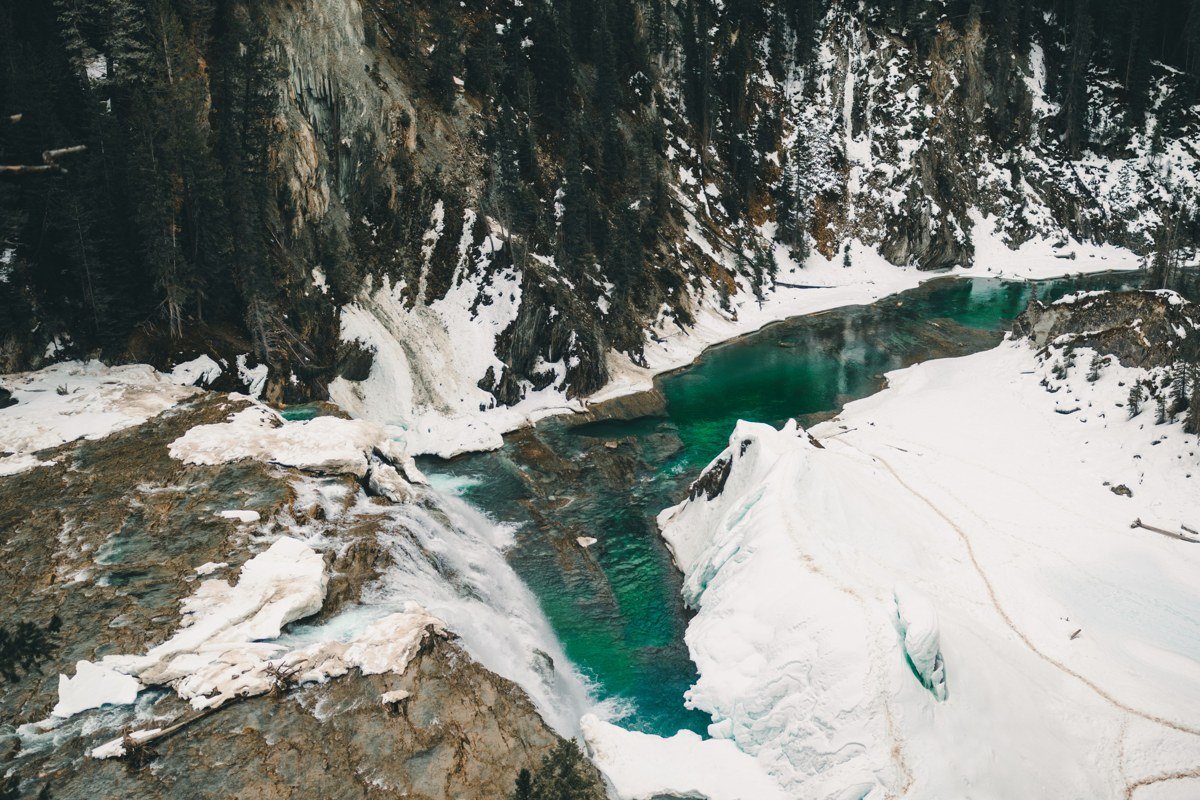
For sheer wildness-per-mile, this three-river system in central British Columbia stands apart from every other trip on this list. The Chilko starts with Class IV-V canyon water through a stretch called the Lava Canyon, then mellows into the braided Chilcotin as it approaches the Fraser, where the canyon walls rise dramatically and the volume of water becomes genuinely humbling. The entire journey covers roughly 200 miles over seven to nine days and passes through First Nations territory with interpretive content about the historical and ongoing significance of the river to Tsilhqot’in people.
Grizzly bears fish the riverbanks with regularity, and the remoteness is not a marketing claim: helicopter evacuation is the contingency if something goes seriously wrong. Run it in late June through July when Chilko levels are high enough to flush through the canyon but not so extreme that commercial trips are shut down. (Chilko River Expeditions is the primary permitted outfitter on this system and has operated trips here for decades.)
7. North Fork Payette River, Idaho (Banks to Swinging Bridge Section)
Cost tier: $$
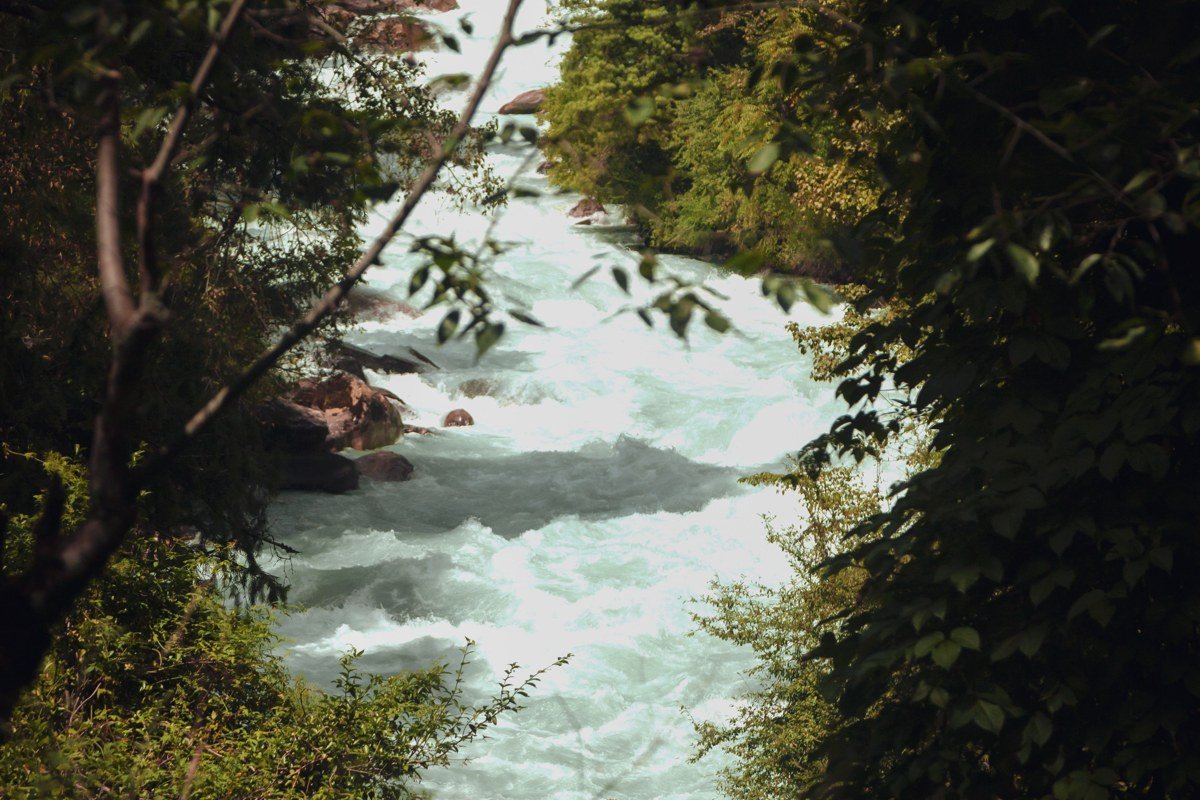
The North Fork Payette is not a trip you stumble into. The Banks to Swinging Bridge section, often called simply “the North Fork,” is a stretch of continuous Class IV-V whitewater that the international kayaking community treats as a benchmark run, and commercial rafting here is limited to outfitters with the specific experience to handle it. The river drops steeply through a rocky gorge, the rapids are relentless rather than spaced out with recovery pools, and the water is cold enough to be a genuine hazard on a swim even in summer.
What you get in return is a raw, loud, kinetic experience that cannot be replicated on a tamer river: the sound of the North Fork at high water is more felt than heard. If you have completed multiple Class IV multi-day trips and want to know what the ceiling of guided commercial rafting feels like, this is a legitimate answer. (Cascade Raft and Kayak, based in Horseshoe Bend, Idaho, is one of the few outfitters permitted to run commercial rafting on this section.)
Bonus International Pick: Futaleufú River, Chile
Cost tier: $$$
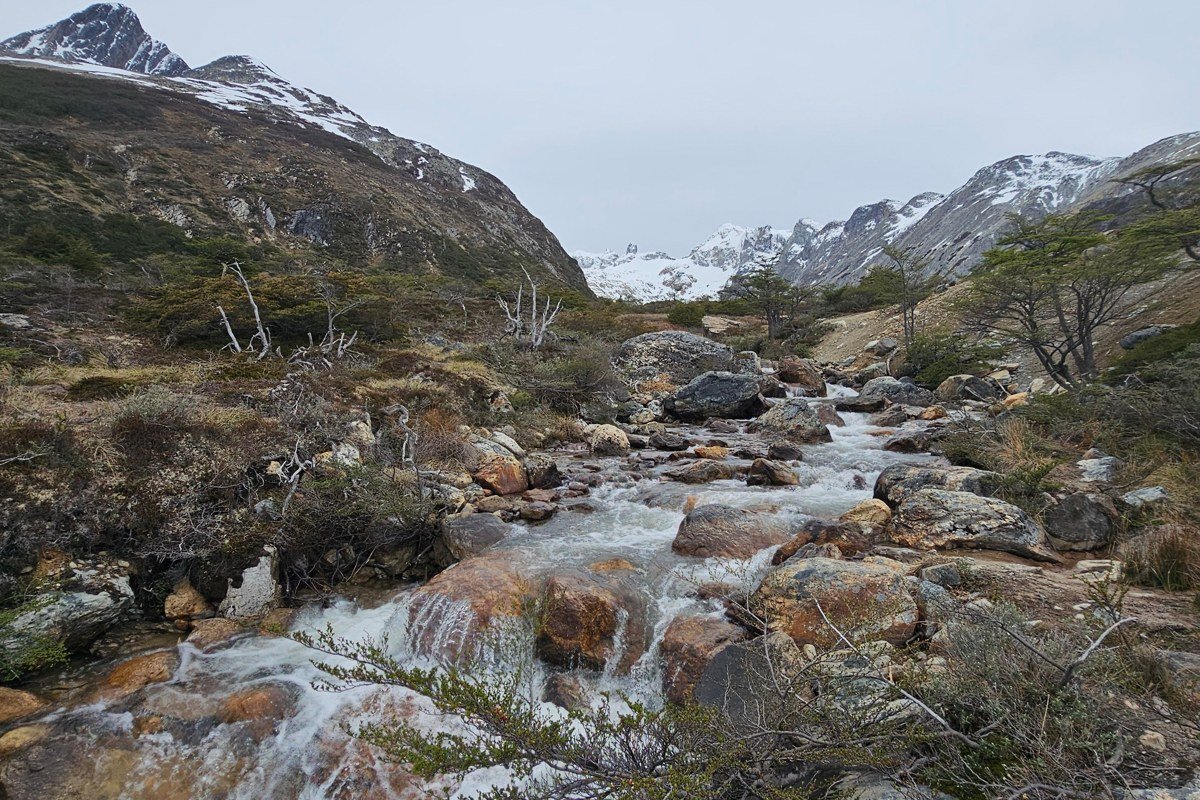
Included here as a bonus for readers planning an international extension rather than a strictly North American itinerary. The “Fu” runs the most vivid turquoise water you will encounter on a raft, fed by glacial lakes and framed by Andean peaks in Chilean Patagonia. The rapids are legitimate Class V: Throne Room, Mundaca, and Casa de Piedra are the ones that will be described to you carefully the night before. The window is narrow (November through March, Southern Hemisphere summer), outfitter infrastructure is excellent, and the camp culture on multi-day trips carries a specific intensity that comes from a small community of guides who have devoted their working lives to this one river. (Bio Bio Expeditions runs permitted Futaleufú trips and also operates on several rivers in this article, which makes them a practical single point of contact for back-to-back itineraries.)
How to Match the Trip to Your Threshold
Class ratings are a starting point, not the whole picture. Always ask your outfitter about current conditions and the specific character of the rapids at the flow you will encounter, not just the number on the map.
A few practical notes before you book any of these river rafting trips:
Guide company vetting matters more than price. Look for outfitters affiliated with America Outdoors (for US trips) or equivalent national associations in Canada. Read recent reviews specifically mentioning guide knowledge and safety briefing quality.
Fitness level is often more relevant than prior experience. Multi-day river trips require the ability to swim in moving water, hold onto a raft during a flip, and hike short distances over rocky terrain. Most outfitters are candid about minimum fitness requirements if you ask directly.
Timing is everything. Almost every river on this list has a peak window of two to six weeks when flows are ideal. Outside those windows you are dealing with either dangerously high water or disappointingly low water. Build your calendar around the river’s schedule, not around your vacation availability.
Gear is usually provided, but fit matters. Wetsuits, helmets, and PFDs should fit snugly. Arrive early enough to ask for a swap if something does not feel right before you push off.
The best river rafting trip is the one that sits just at the edge of what you think you can handle. Start one level below your instinct, finish the trip, and then you will know exactly where to go next.