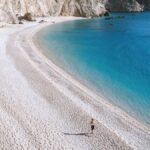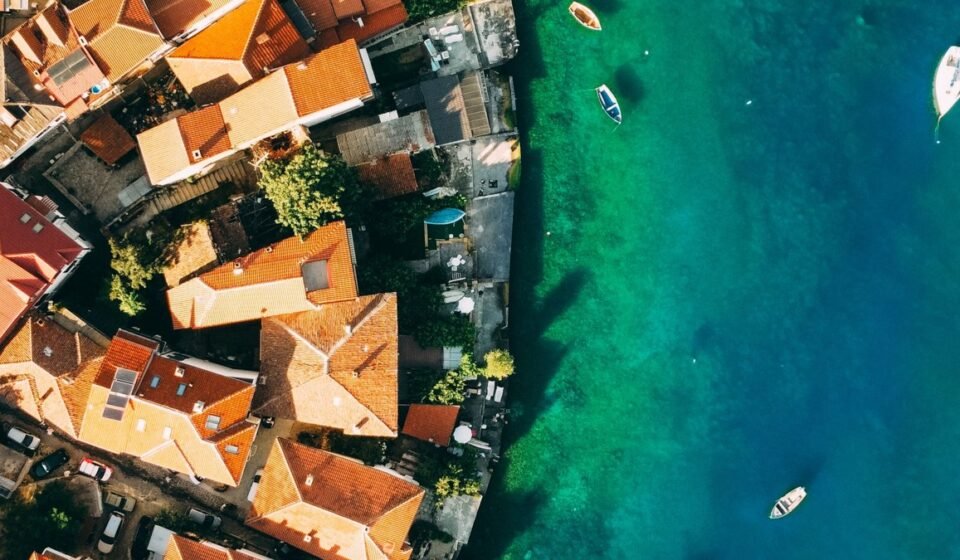

If you have been scrolling Pinterest boards full of blue-domed churches and bougainvillea spilling over whitewashed walls, you already know the pull of Greek isle aesthetics. The good news: those same turquoise waters, clifftop villages, and golden-hour light exist across the broader Mediterranean, often at a fraction of the cost and crowds.
A note on the list below: Italy appears three times. That is not padding. The Greek isle aesthetic, defined by whitewashed stone, dramatic cliff drops, and water that reads turquoise from above, genuinely recurs along the Italian coastline and islands more than almost anywhere else in the basin. Each Italian entry earns its place on different terms.
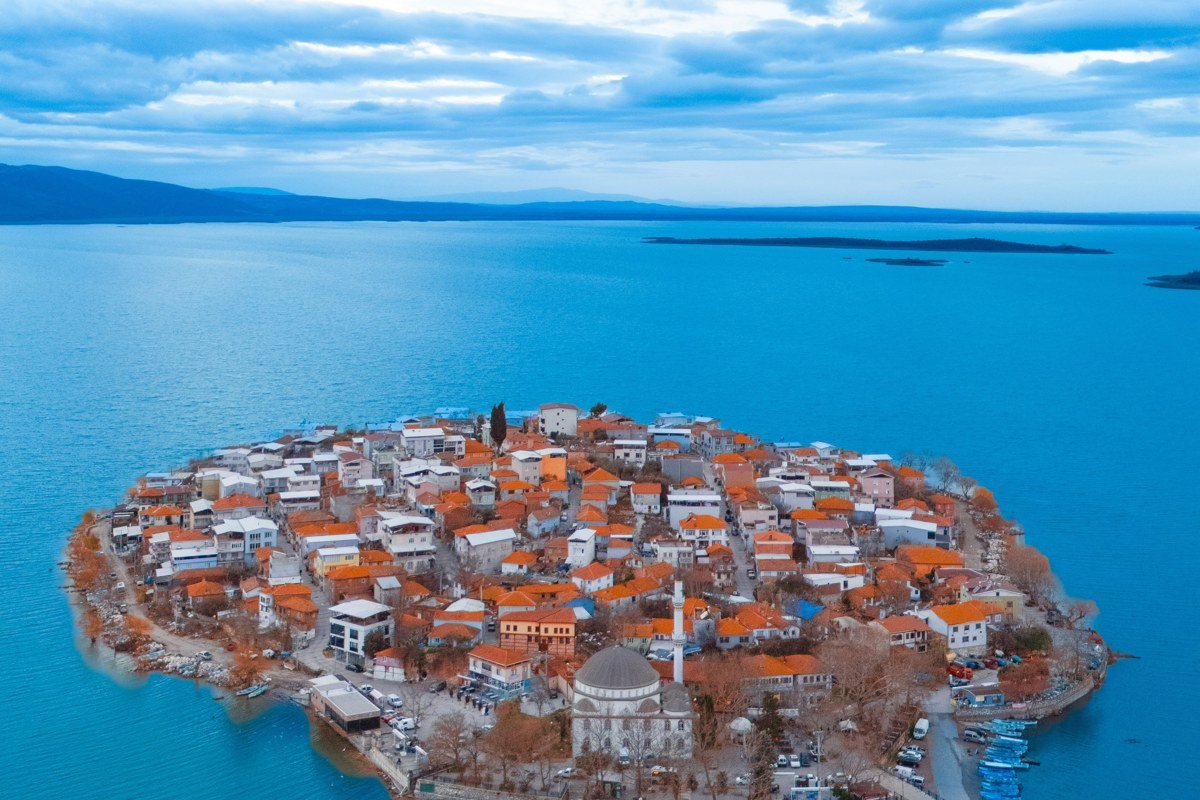
1. Marettimo, Sicily, Italy
Best for: off-grid island aesthetic, sea cave swimming, zero-crowd Egadi escape.
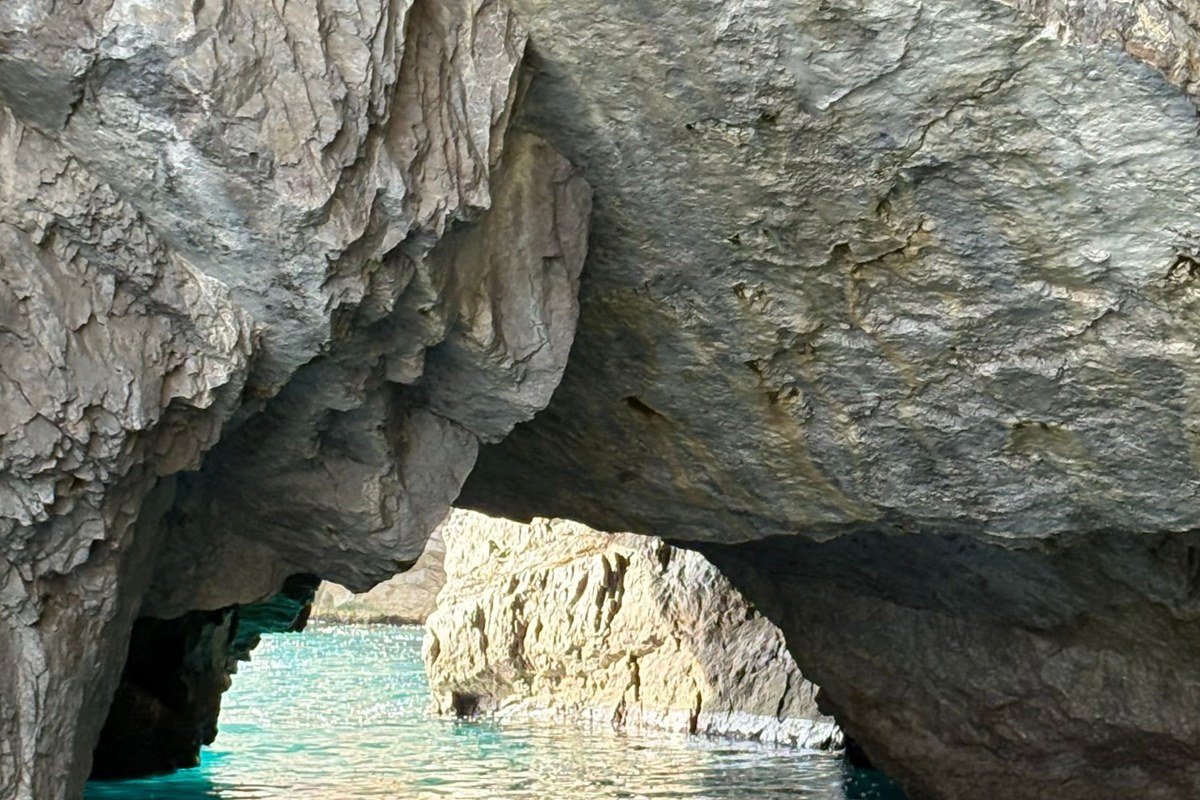
Marettimo is the westernmost and least visited of the Egadi Islands off western Sicily, and it looks like someone airlifted a small Greek island into Italian waters. The sea runs an almost surreal gradient from jade to cobalt, with limestone caves you can kayak through before noon. The single village has one main street, cats outnumbering tourists, and a handful of trattorias serving raw ricci di mare straight from the harbor.
The insider move is to hire a local fisherman for a half-day giro dell’isola, the circumnavigation tour that reaches swimming spots you will never find on a map. Hydrofoils operated by Liberty Lines run from Trapani, with tickets typically around 15 to 20 euros each way. Come in late May or early September when the service runs regularly but the summer crowd has not yet materialized. Accommodation is limited to a small number of guesthouses and self-catering apartments in the village; book two to three months ahead for any shoulder-season weekend.
2. Gozo, Malta
Best for: honey-limestone village aesthetic, world-class snorkeling, easy island-hop from Malta.
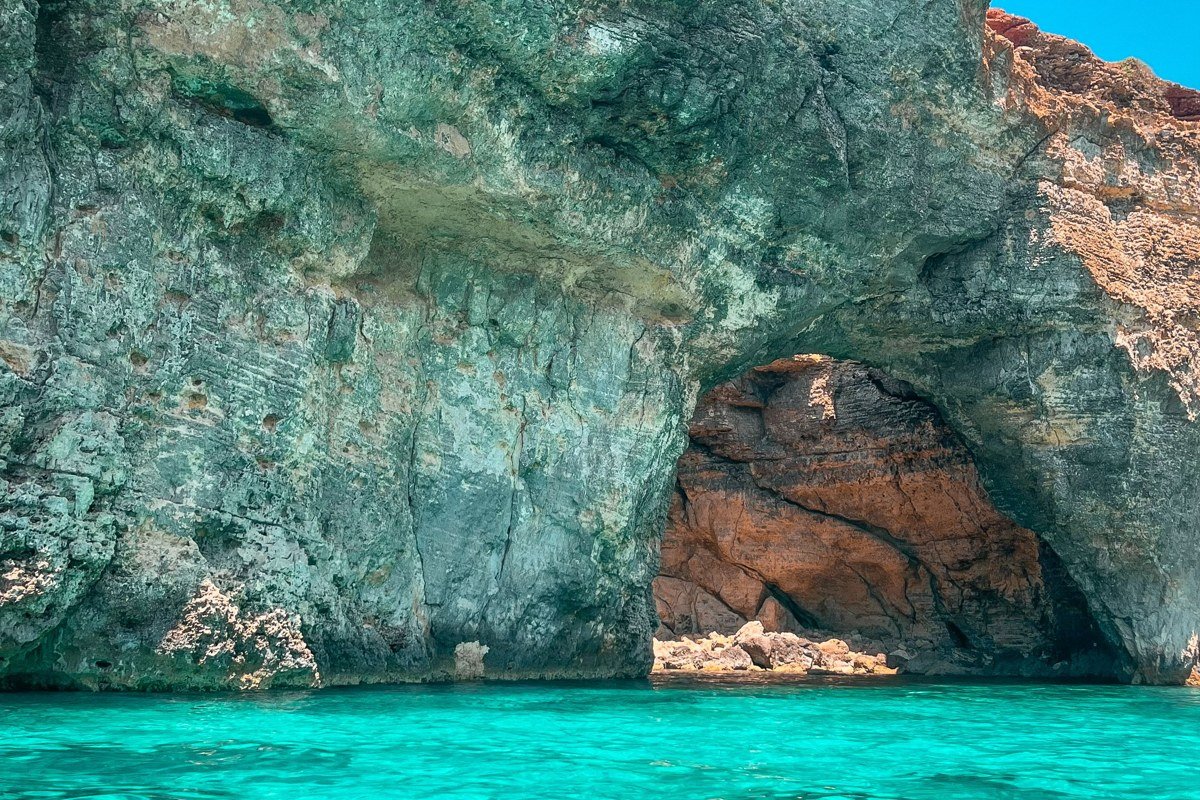
Malta earns the attention it gets, but its smaller sibling Gozo is where the Mediterranean destinations conversation should really start. The island is built from honey-colored limestone that glows amber at dusk, and the water at Dwejra Bay, site of the former Azure Window, is still staggeringly blue even after the arch collapsed in 2017. Victoria, the fortified hilltop capital locally called Rabat, is a genuinely lived-in citadel with a cathedral, a produce market, and no tourist-facing fakery. Snorkeling off the Blue Hole is among the best in the entire basin, with visibility that regularly exceeds thirty meters.
The Gozo Channel Company ferry from Cirkewwa in Malta takes twenty-five minutes and costs around five euros return for foot passengers. A day trip is easy, but staying overnight, particularly in one of the converted farmhouses around Xlendi or Marsalforn, lets you have the countryside roads entirely to yourself after the day-trippers leave.
3. Bonifacio, Corsica, France
Best for: clifftop citadel drama, marine reserve swimming, southern Corsica road trips.
Bonifacio sits on the very southern tip of Corsica on chalk-white limestone cliffs that drop almost vertically into water that genuinely competes with anything in the Cyclades. The old citadel hangs at such a precarious angle over the void that walking its narrow lanes feels like being aboard a very slow ship. Directly across the strait you can see Sardinia on clear days, and the protected marine reserve between the two islands keeps the water exceptionally clean.
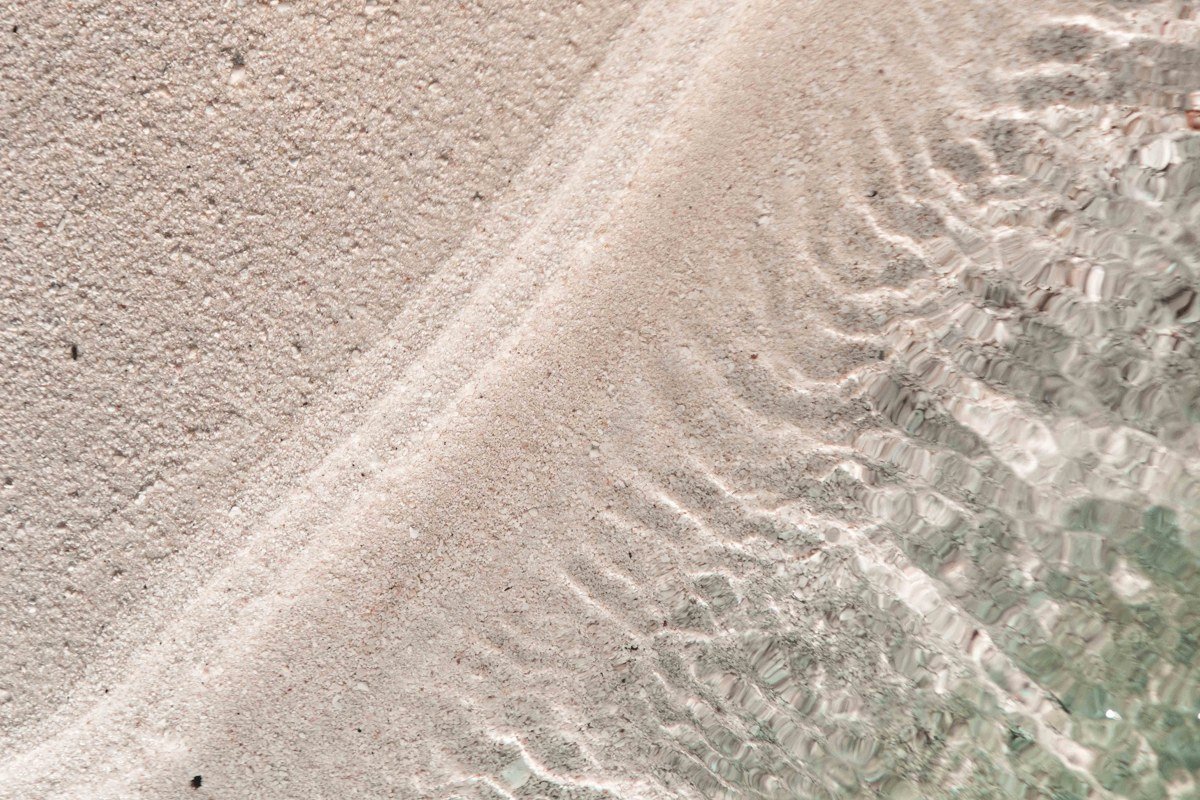
The Grain de Sable beach, reachable only by boat from the marina, is a crescent of white sand enclosed by pale cliffs where the water shifts from pale green to deep blue within a few meters of the shore. The geometry of it, the cliffs as a frame, the color gradient, the near-total silence outside of July and August, is the kind of scene that stops conversation. Avoid August entirely, when the marina becomes a floating traffic jam. June is the sweet spot for walkable heat and uncrowded water. Ferry connections to Sardinia are operated by Moby Lines, with crossings to Santa Teresa Gallura taking around fifty minutes.
4. Kotor, Montenegro
Best for: Venetian walled-city aesthetic, fjord-scale bay drama, budget Adriatic base.
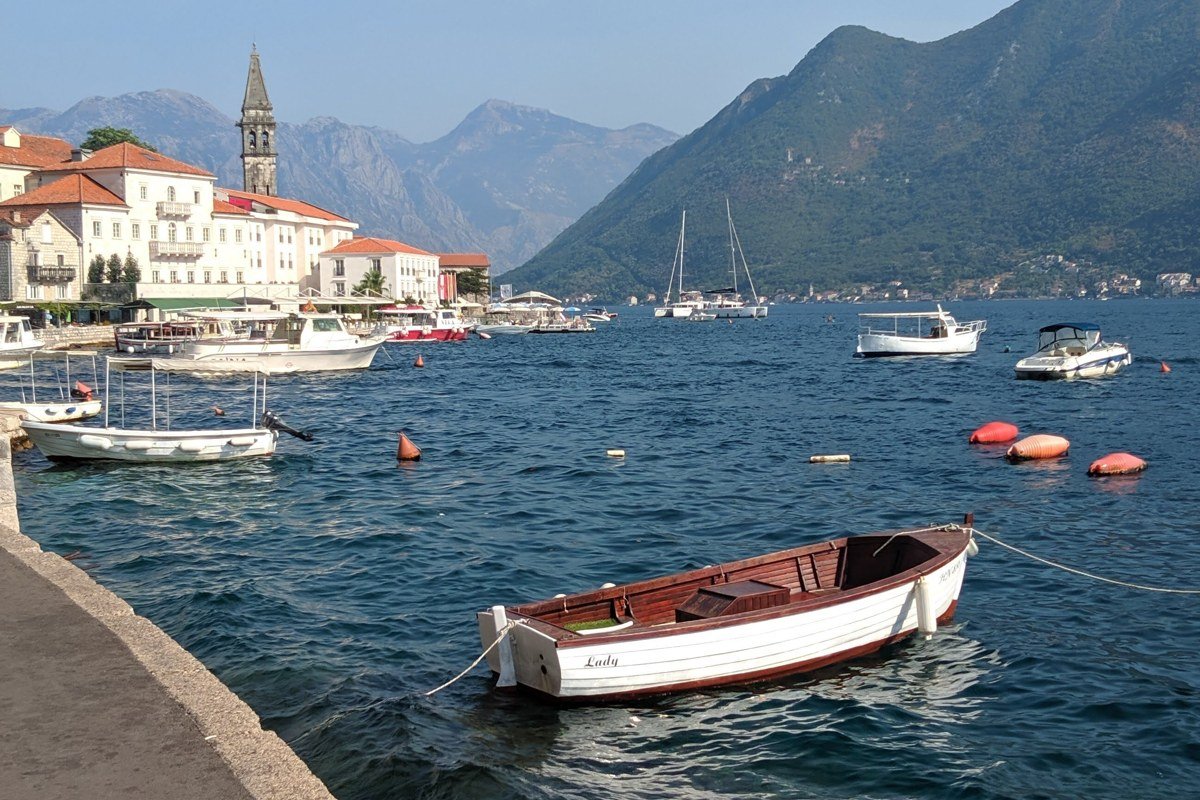
Kotor is a UNESCO-listed medieval walled city tucked into a fjord-like bay in Montenegro, and the view from the water is striking enough that photographers regularly assume it has been composited. The bay is so sheltered and reflective that the surrounding Dinaric Alps appear to grow straight out of the sea. Inside the Venetian walls, the old town is a dense maze of Romanesque churches, Byzantine art, and cats, which are genuinely part of the local identity and have centuries of maritime lore behind them.
The hike up to the fortress above town takes about forty minutes and delivers the panoramic view that defines every Pinterest board of the western Balkans. Montenegro uses the euro despite not being an EU member, which simplifies budget planning considerably. Accommodation within or immediately adjacent to the old town walls ranges from around 50 to 90 euros per night for a double in shoulder season, which is exceptional value for a UNESCO city of this visual quality.
5. Chefchaouen, Morocco
Best for: blue-and-white medina aesthetic, mountain light photography, affordable North Africa base.
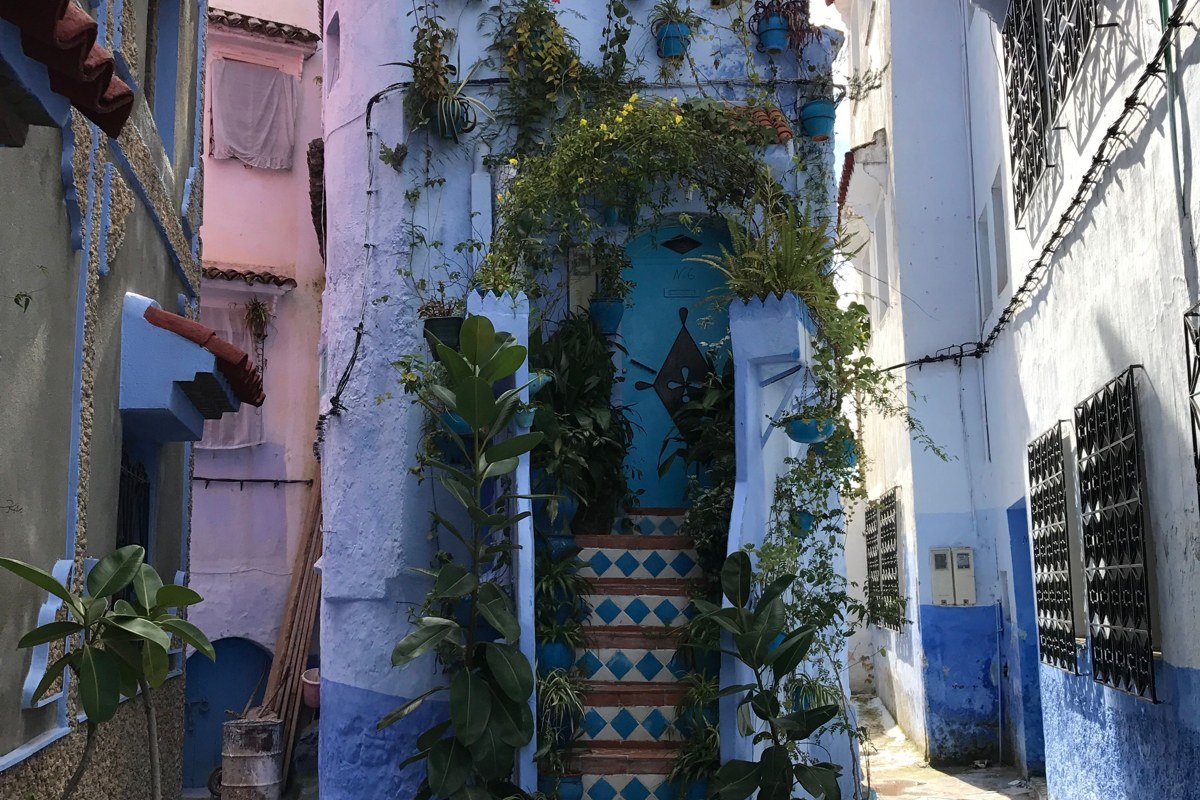
Chefchaouen sits in the Rif Mountains of northern Morocco and is painted almost entirely in shades of blue and white, which is why it became a Pinterest phenomenon long before most travelers could find it on a map. The comparison to Santorini or Mykonos is not simply a visual shorthand. The specific quality that makes Chefchaouen work photographically is the same one that defines the Greek isle aesthetic: a high-contrast geometry of white mass against saturated blue, with narrow alleys that funnel and concentrate afternoon light into near-theatrical shafts. In Santorini that geometry is horizontal, cliff and sky. In Chefchaouen it is vertical, staircase lanes climbing between painted walls, but the color relationship and the way the light behaves within it are strikingly similar. The blue-wash tradition in the Jewish quarter dates back centuries and has since spread across the whole medina.
This is a mountain town rather than a coastal one, so the experience is about light and architecture rather than sea. The food stalls around Plaza Uta el-Hammam serve harira soup and msemen flatbread for very little money. Buses from Tangier take around two hours and cost under five euros. Come in spring when the mountain wildflowers are out and temperatures are comfortable for navigating the medina’s many vertical staircases.
6. Polignano a Mare, Puglia, Italy
Best for: Adriatic cliff-edge drama, sea cave kayaking, southern Italy without Amalfi prices.
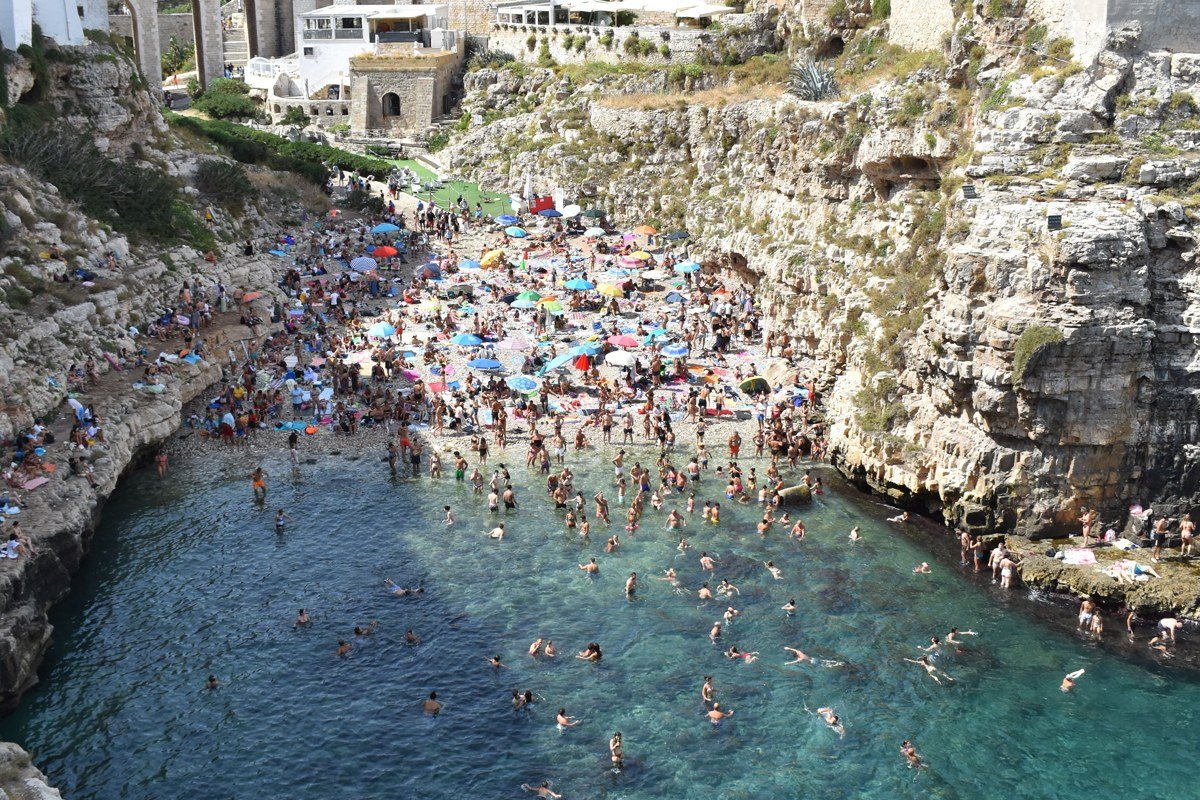
This small town on the Adriatic heel of Italy sits on white limestone cliffs above turquoise grottos, without the premium attached to the Amalfi Coast across the peninsula. The old town sits right on the cliff edge, and several restaurants have tables positioned directly over the sea. Lama Monachile beach, the small cove framed by two cliff walls and a Roman bridge, is the image that circulates most online and it looks exactly like the photographs, which is not always true of heavily photographed places.
The sea caves below town are accessible by kayak rental from the beach, typically around 15 euros per hour, or by a short swim from the sand. Polignano is also the birthplace of Domenico Modugno, who wrote Volare, which means the town plays that song more than any other. After a spritz or two in the old town, that feels perfectly correct. Direct trains from Bari run regularly and take around twenty-five minutes, making this a practical day trip or an excellent base for exploring the broader Puglia coast.
7. Taormina, Sicily, Italy
Best for: ancient theater views, baroque hill-town atmosphere, Ionian Sea clarity.
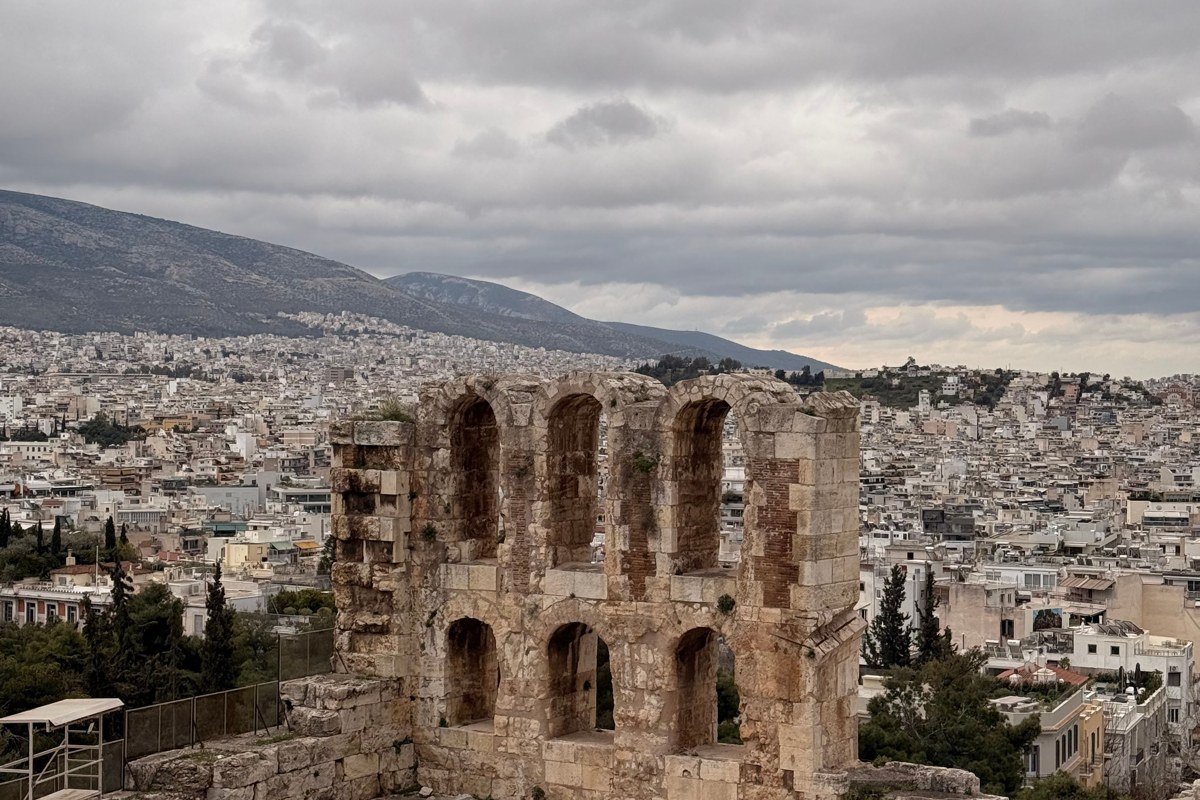
Taormina has been the prestige destination on the Sicilian eastern coast since the nineteenth century, and the reason is a single view: from the ancient Greek-Roman theater, the stage sits in the foreground, Mount Etna smokes in the middle distance, and the Ionian Sea spreads to the horizon. It is one of the finest fixed compositions in the entire Mediterranean and it has not worn out.
The town is a long corso of baroque palazzi, ceramic shops, and cafes that gets crowded in July and August but feels genuinely enchanted in April or October. The beaches below town at Isola Bella, a small nature reserve connected to the shore by a narrow sandbar, rival the Aegean for water clarity. The funicular down to the beach costs around three euros each way and the beach gets crowded in peak season, so stay in town rather than at the beach resort strip to preserve the clifftop village feeling. Ryanair and easyJet both serve Catania Fontanarossa, forty-five minutes away by bus or taxi, from multiple European cities.
8. Rovinj, Croatia
Best for: Venetian-Gothic peninsula aesthetic, island-archipelago swimming, Istrian wine and food.
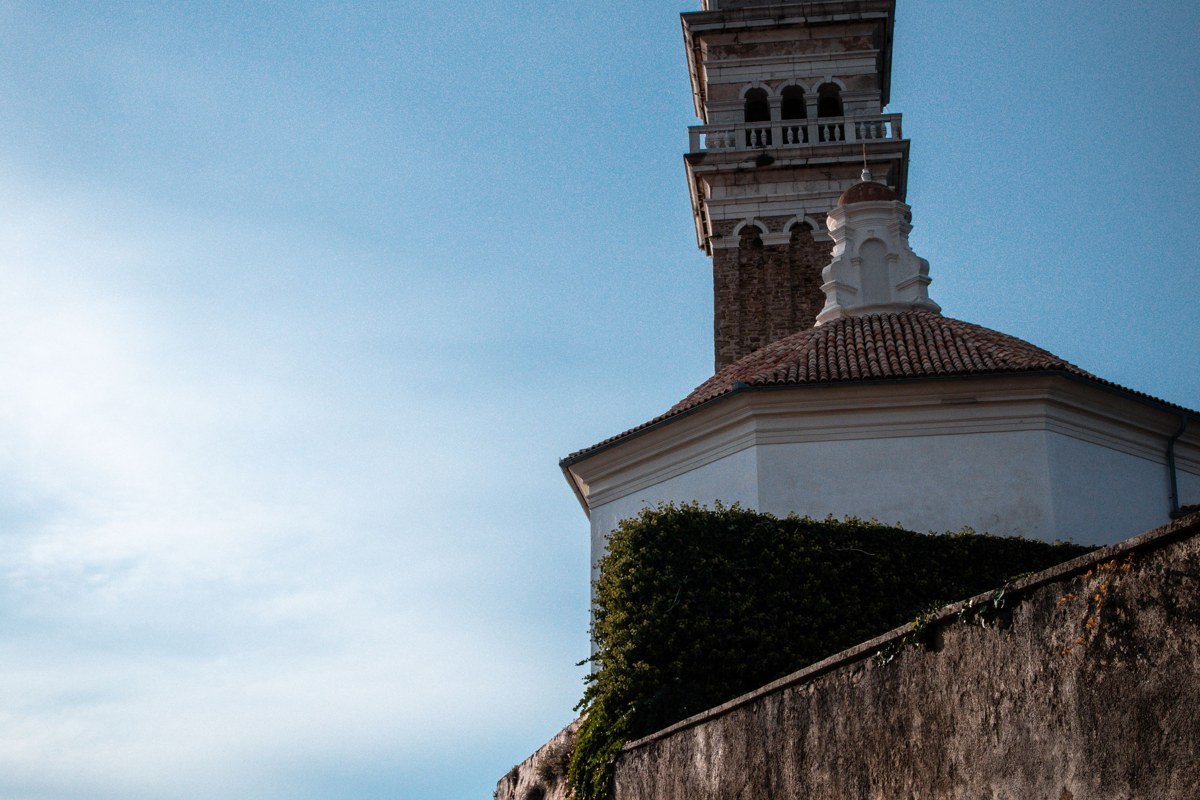
Rovinj on the Istrian peninsula is the one Croatian town that looks like it belongs in a different country, partly because it was Venetian for centuries and partly because the old town occupies a small peninsula that is nearly an island. Tall, narrow Venetian-Gothic buildings in terracotta and ochre crowd to the water’s edge, and the bell tower of the Church of St. Euphemia is visible from almost everywhere in town.
The surrounding Rovinj archipelago, a scatter of fourteen uninhabited islands, falls within a marine protected area and offers exceptional swimming and snorkeling. The morning fish market beside the harbor is worth the early alarm, and the local Malvasia white wine from Istrian vineyards pairs well enough with grilled sea bream that it deserves its own landmark status. Renting a small boat or joining a half-day archipelago tour, typically 30 to 50 euros per person, is the most efficient way to reach the best swimming spots. Arrive mid-week in July or August to avoid the weekend crowd that pours in from the motorway.
9. Sidi Bou Said, Tunisia
Best for: regulated blue-and-white aesthetic, North African art history, exceptional value.
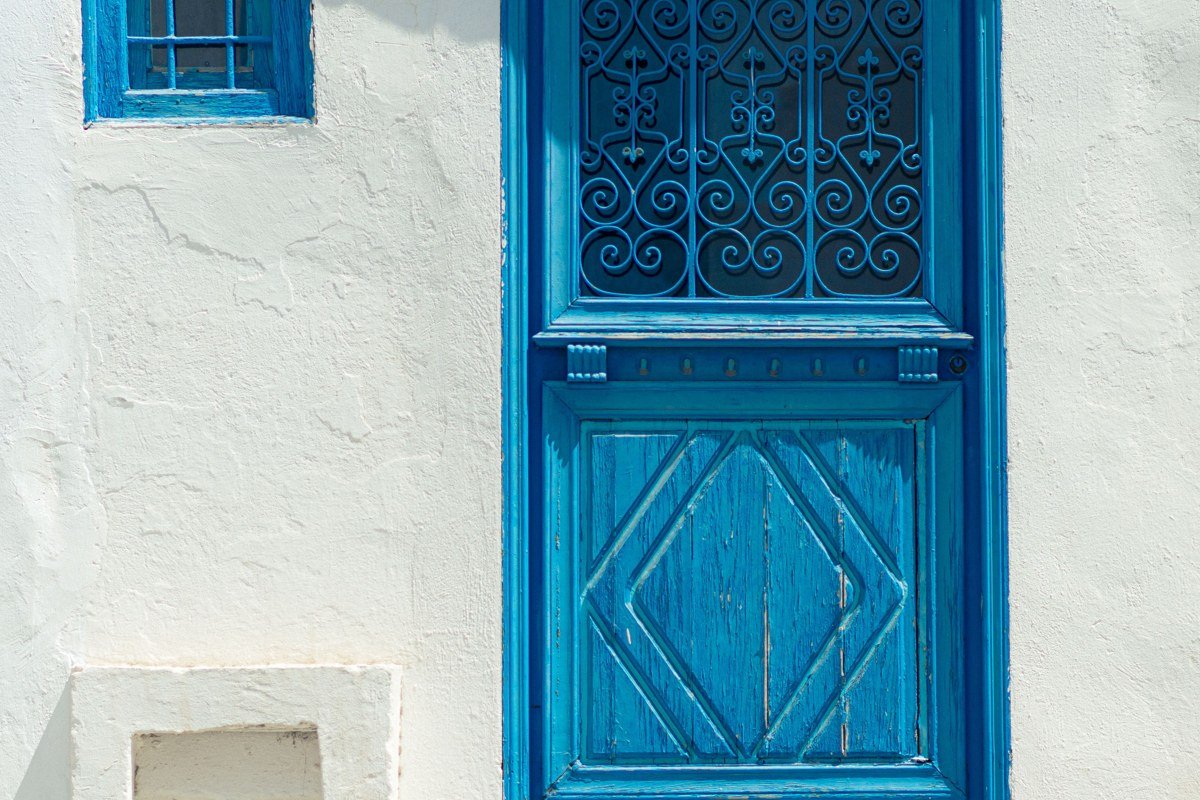
Sidi Bou Said is a hillside village just outside Tunis that is almost aggressively photogenic: every building is whitewashed, every door and window frame is painted a specific shade of regulation cobalt blue by municipal decree, and the whole thing overlooks the Gulf of Tunis with a clarity that makes the water look like glazed ceramic. It was a gathering point for European artists in the early twentieth century, Paul Klee among them, and the quality of light they traveled for has not changed.
The main tourist thoroughfare can feel slightly produced, but the residential streets one block off the main drag are genuinely quiet. This is one of the most affordable entries on this list. A long lunch at a rooftop cafe with a full sea view costs less than a coffee in Santorini, and the TGM light rail from Tunis city center runs directly to the village for under a euro. Tunisia requires basic research on current entry requirements; for travelers who do that preparation, the reward-to-effort ratio is exceptional.
10. Kas, Turkey
Best for: Lycian coast scale and character, wreck diving, direct view of Greece.
Kas is a small harbor town on Turkey’s Lycian coast, directly across the water from the Greek island of Kastellorizo, close enough to see clearly on any calm morning. The town has kept its scale and character better than the larger resort strips further along the coast. Streets are narrow, buildings are low, and the main square has a Lycian rock tomb carved into the cliff face above it, which is the sort of detail that makes Kas feel like no other harbor town in the region.
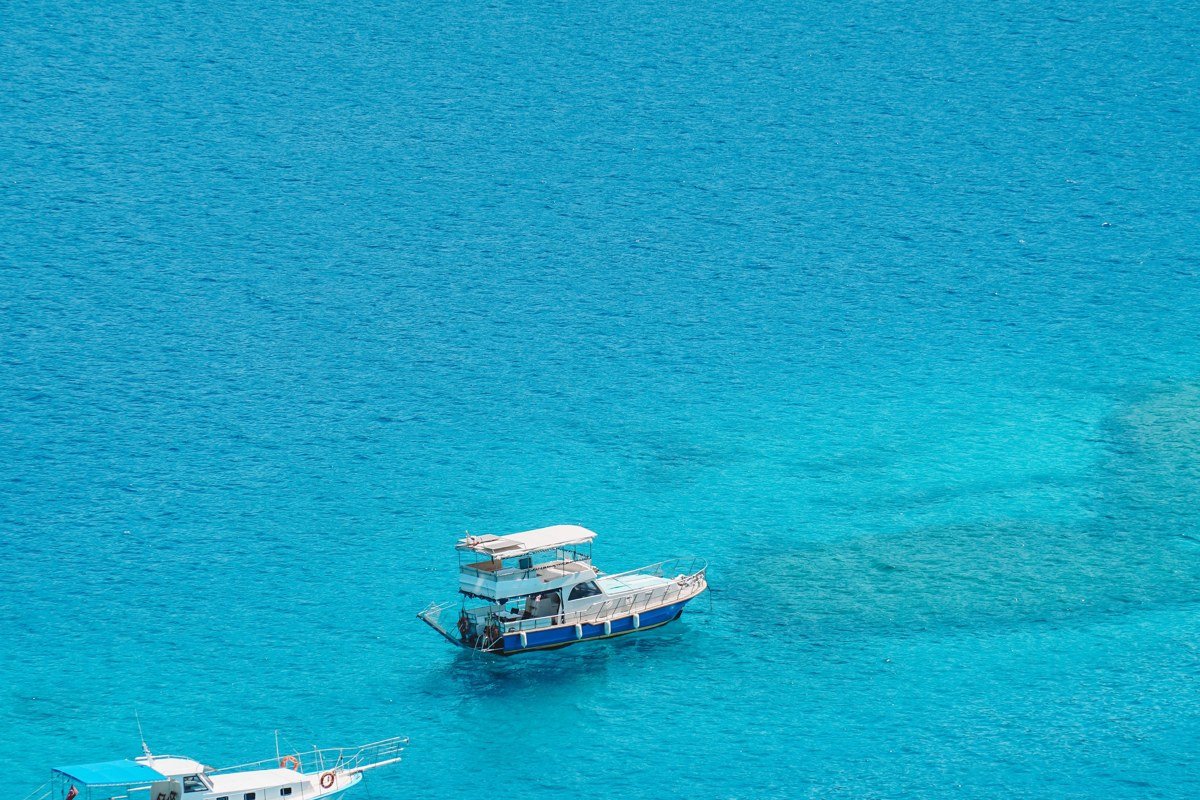
The sea here is that specific shade of turquoise that photographs better than it has any right to, and the diving is exceptional, with ancient amphorae and submerged ruins scattered on the seabed within short boat distance of the harbor. Paragliding from the surrounding mountains to the water’s edge is a legitimate experience that costs a fraction of comparable activities in more famous spots. The Wednesday market brings in vendors from surrounding villages and is the most honest cross-section of Lycian culture available without leaving town. Turkish Airlines and Pegasus serve Dalaman airport, roughly two hours by road; shared transfer minibuses run regularly and cost around 20 euros per person.
11. Valletta, Malta
Best for: baroque limestone architecture, Grand Harbour scale, the most concentrated city in the Mediterranean.
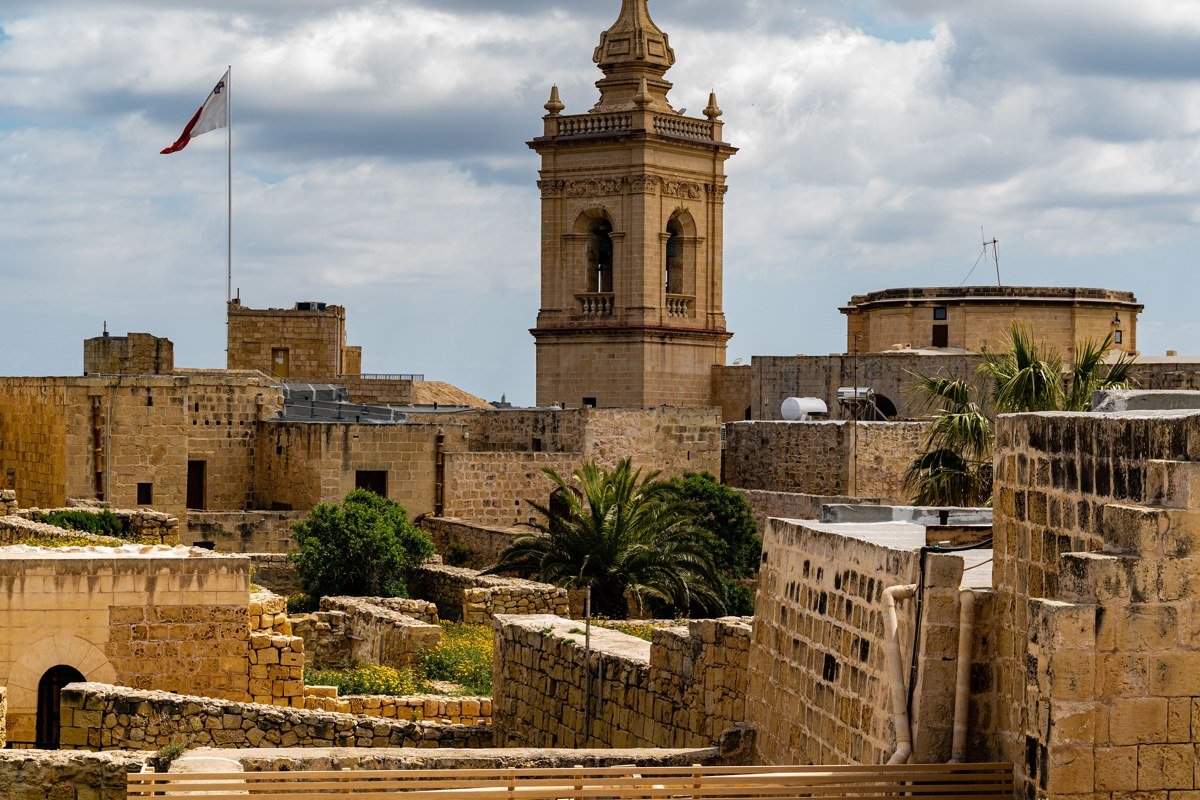
Valletta is the smallest national capital in the European Union and quite possibly the most architecturally concentrated city in the entire Mediterranean. Built by the Knights of St. John in the sixteenth century, it is a grid of baroque palazzi, fortified bastions, and ornate co-cathedrals, all constructed from the same warm Maltese limestone that shifts from cream to deep gold as the day progresses. The Grand Harbour, one of the great natural harbors in the world, is framed on both sides by fortifications and fills at dusk with the reflections of the Three Cities opposite.
Valletta has genuine restaurant infrastructure beyond the tourist circuit. Nenu the Artisan Baker on Triq Sant’Ursula is the essential stop for ftira, the local sourdough flatbread, and Rikus wine bar carries the best selection of Maltese wines under one roof. The Upper Barrakka Gardens give the postcard view over the Grand Harbour. The more rewarding find is the Saluting Battery directly below the gardens, where cannon firings happen daily at noon and at four, and the perspective on the water and the Three Cities is entirely different from anything above. Budget airlines including Ryanair serve Malta International Airport from multiple European hubs year-round.
How to Choose Your Mediterranean Base
If budget is the primary constraint, Tunisia and Montenegro offer the most dramatic aesthetics per dollar spent. If you want European infrastructure with lower prices than Greece, Malta, Puglia, and Croatia represent the most practical alternatives, and all are reachable on low-cost carriers from most European hubs. For photographers chasing that specific bleached-white-on-blue palette, Sidi Bou Said and Chefchaouen deliver it in a North African context that feels genuinely original rather than derivative.
The honest trade-off with every destination on this list is worth stating plainly. None of them are secrets anymore. The Pinterest effect has driven visitor numbers sharply upward across the board over the last five years, and several, Polignano a Mare and Rovinj in particular, now experience peak-season crowding that begins to approach what travelers are trying to escape in Santorini or Mykonos.
The practical answer is timing rather than destination-switching. Shoulder season travel in April, May, or September consistently delivers better light, cooler walking temperatures, lower accommodation prices, and fewer people competing for the same frame. The complication is that the shoulder-season sweet spot is now widely understood, and the best rooms at every entry on this list fill months in advance for May and September weekends. Book accommodation before you book flights. The destinations will reward the effort. The ones who arrive without a reservation in the good weeks are the ones who end up in the resort strip wondering why it does not look like the photographs.