
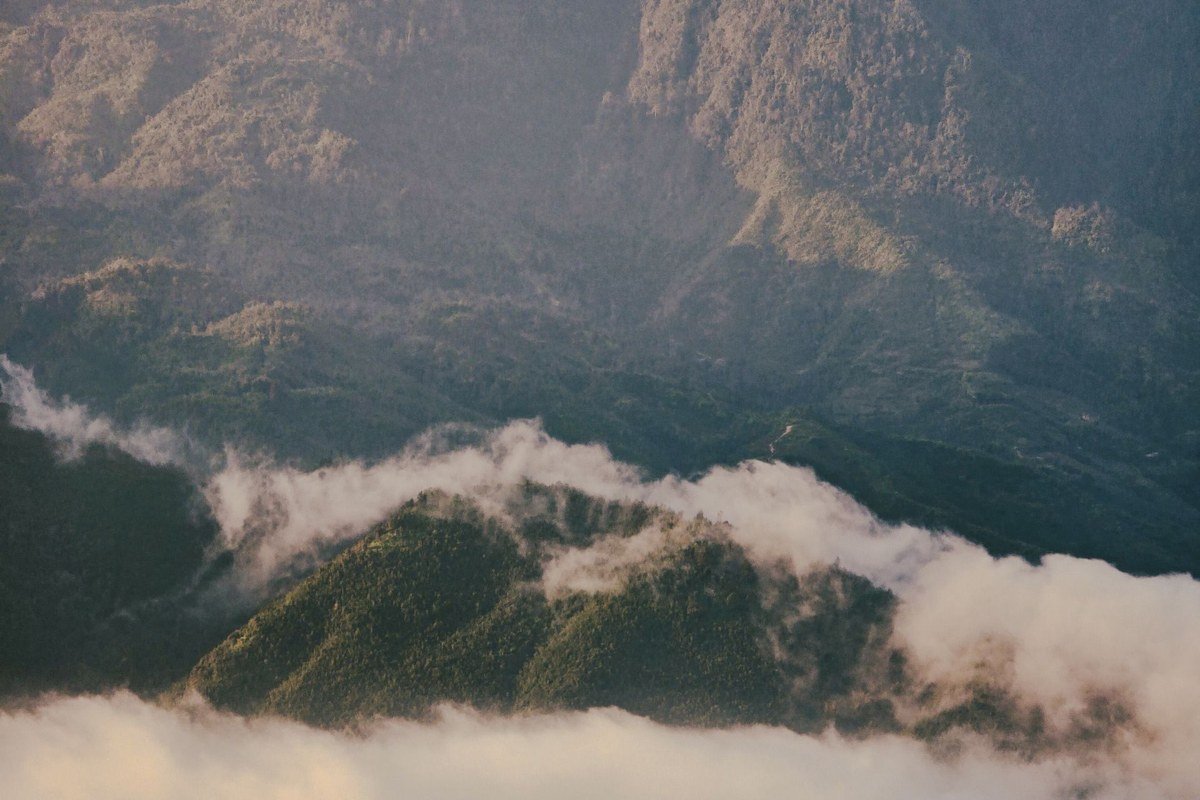
Some places earn their mystique honestly. These misty destinations do not rely on filters or golden-hour luck. The fog is structural, the drama is geological, and the feeling of stepping somewhere genuinely unreal is repeatable across seasons.
1. Faroe Islands, Denmark
Accessibility: 1/3 (well-marked trails, easy logistics once on-island)
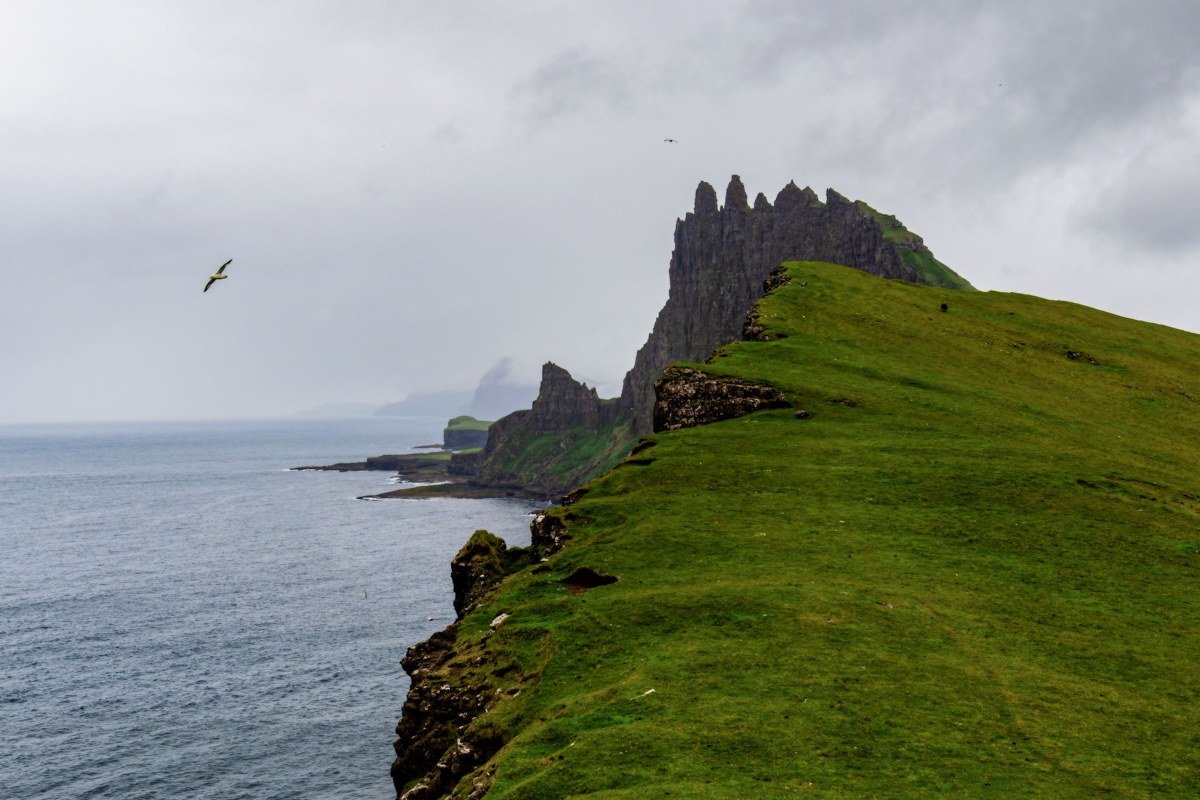
The Faroes sit in the North Atlantic in a perpetual argument between sky and sea, and the fog almost always wins. Sørvágsvatn, the lake that appears to float above the ocean due to an optical illusion created by the cliff angles, has become one of the most-photographed misty destinations in Europe, and it genuinely delivers in person. The best thing to do here is hike to the Trælanípa viewpoint in the early morning before tour groups arrive, when the low clouds roll across the water and erase the horizon entirely. Go in late spring or early autumn if you want moody skies without the full Atlantic winter making logistics miserable. Trade-off: the weather changes in twenty-minute windows, so pack layers and waterproofing even if the forecast looks reasonable.
2. Hallstatt, Austria: The Alpine Village That Disappears in January
Accessibility: 1/3 (flat lakeside paths, well-serviced village)
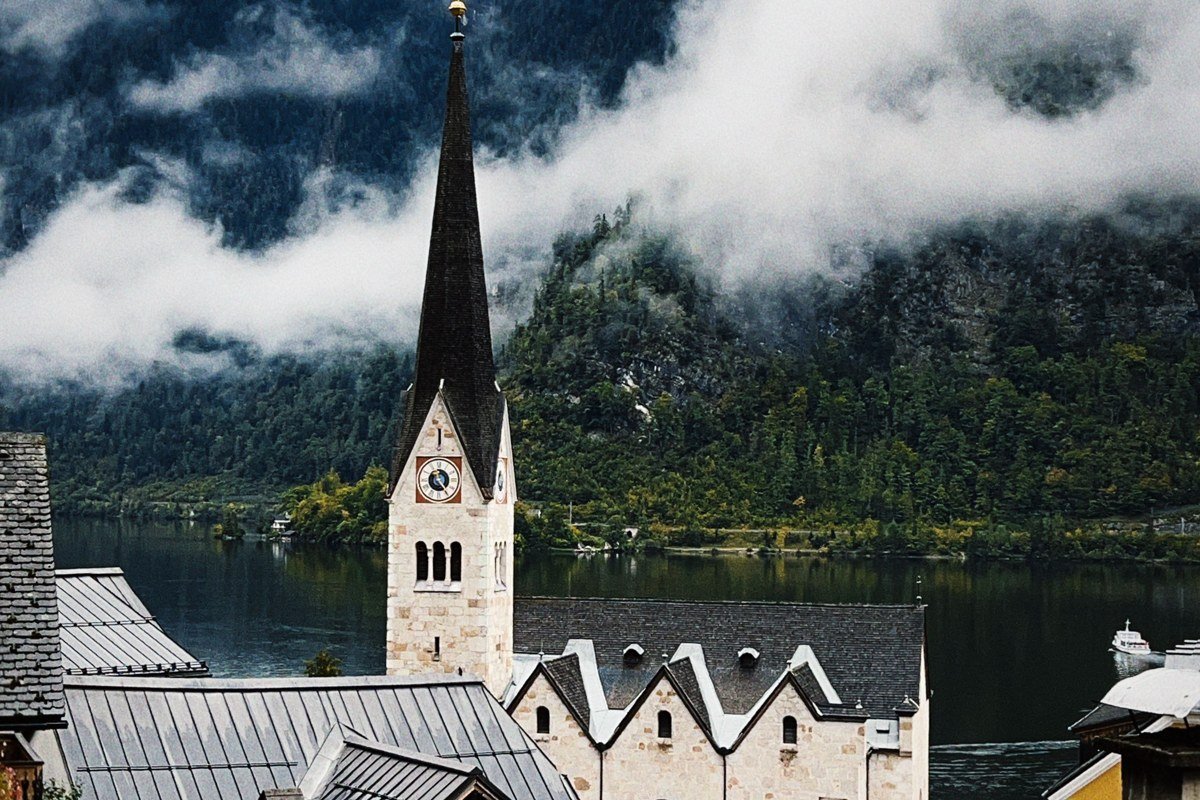
Everyone has seen the summer postcard version of Hallstatt, but the village becomes something genuinely strange in January and February when valley fog settles over the Hallstätter See and the pastel houses become half-silhouettes. The Dachstein glacier looms above in ghost-white, and at 7am the church steeple emerges from the mist as a narrow sliver of pale grey stone, its copper-green spire tip appearing first, the bell-tower windows invisible beneath it, the whole structure assembling itself out of white silence as the light strengthens. Walk the lakeside path at that hour before the day-trippers arrive by bus and you will have the reflections almost entirely to yourself. Stay in the village overnight rather than commuting from Salzburg. The overnight guests get the fog mornings; the day-trippers get the crowded midday sun.
3. Jiuzhaigou Valley, China
Accessibility: 1/3 (shuttle buses available, boardwalk infrastructure throughout)
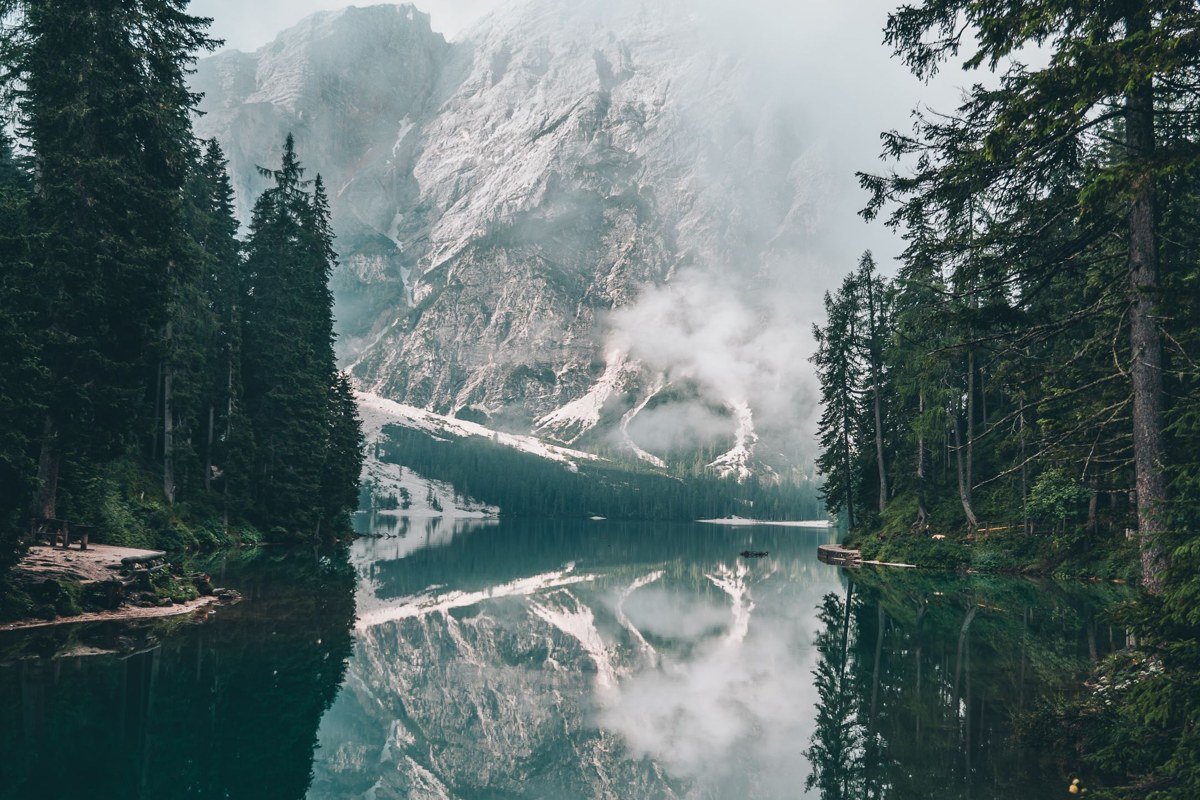
Jiuzhaigou earns its place on any misty destinations list through sheer geological accident. The valley holds dozens of tiered lakes in shades of turquoise and jade, coloured by calcium carbonate deposits rather than by any filter, and in autumn the deciduous trees surrounding them turn amber while low clouds move through the karst peaks above. The Five-Colour Lake and Mirror Lake are the two that photograph most dramatically in mist because the water is shallow enough to reflect the forest floor detail beneath the surface. Visitor numbers are controlled through a permit system introduced after the 2017 earthquake, so book your entry slot at least a week ahead during peak foliage season (mid to late October). The morning shuttle buses fill fast and the later you enter the valley the more the clouds typically burn off.
4. Isle of Skye, Scotland
Accessibility: 1/3 (well-maintained trails, car hire essential)
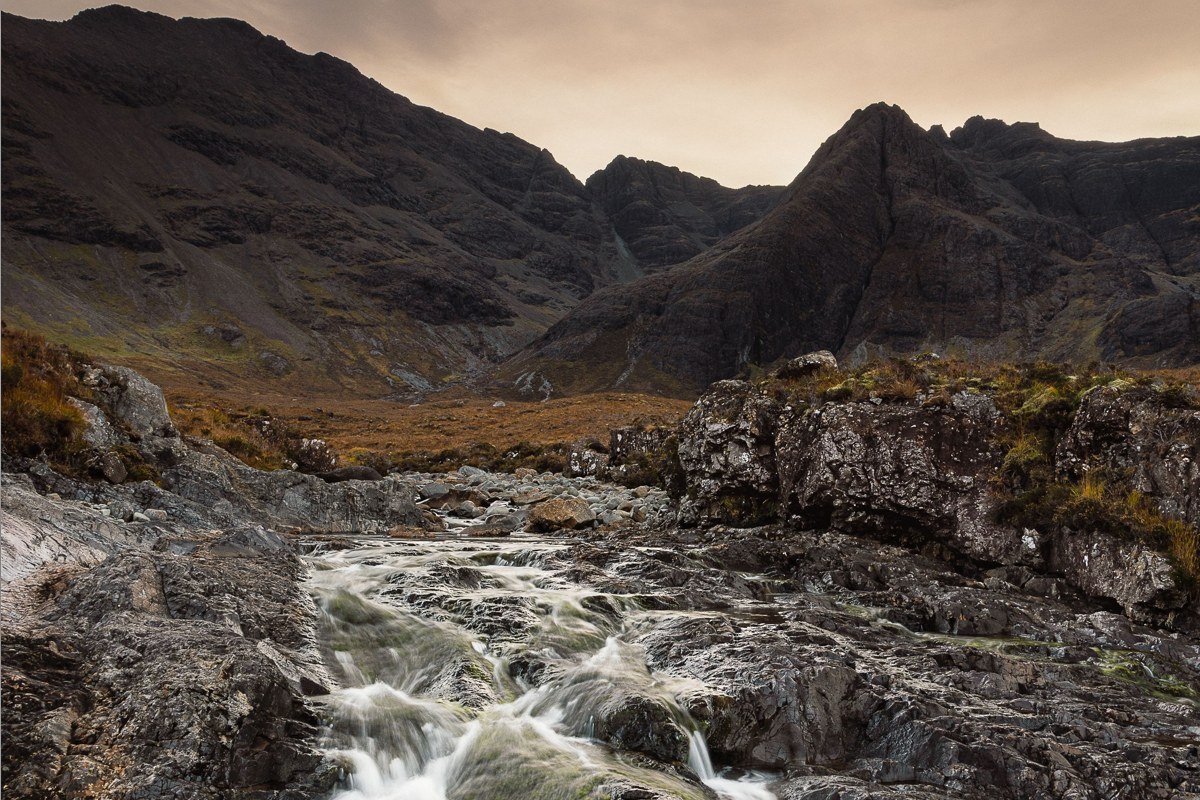
The Isle of Skye has been on every fantasy-travel mood board for years, and the reason is structural: the Cuillin ridge generates its own weather, pulling moisture from the Atlantic and converting it into low cloud and horizontal drizzle on an almost daily basis. The Fairy Pools near Glenbrittle are the obvious anchor point, but the truly underrated misty scene is the Old Man of Storr at first light when the basalt pinnacles disappear into cloud from the base up. Drive the Trotternish Peninsula in either direction on an overcast morning and almost every pull-off will produce a shot that looks like a different planet. The practical caveat: midges from May to September are genuinely relentless near standing water, so carry repellent or accept that the atmospheric photos will be taken at pace.
5. Plitvice Lakes, Croatia (November)
Accessibility: 1/3 (boardwalks throughout, well-signed routes)
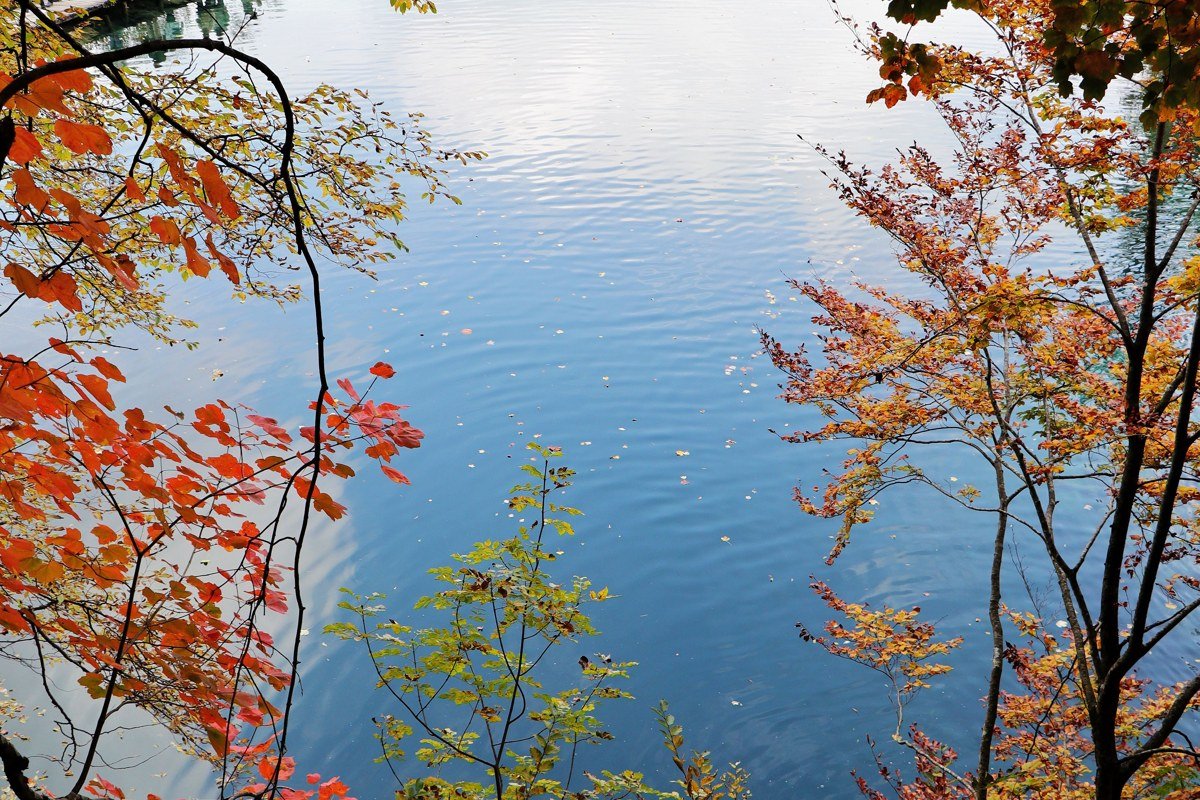
Plitvice in summer is a logistical exercise in crowd management. Plitvice in November is a completely different proposition. The waterfalls that connect sixteen terraced lakes generate their own microclimate of perpetual spray and rising mist, and when the surrounding beech forests have dropped their copper leaves onto the turquoise water, the combination is almost absurdly picturesque. The upper lakes are quieter than the lower ones and produce the best fog photography because the forest closes in tightly around the boardwalks. Entry is cheaper off-season, parking is effortless, and the main boardwalk loops take roughly four hours at a relaxed pace. The lakes are partially closed in deep winter for boardwalk maintenance, so November is the sweet spot between autumn colour and closure.
6. Kawah Ijen: The Only Blue-Fire Volcano You Can Hike
Accessibility: 3/3 (steep pre-dawn hike, mandatory gas mask, high altitude)
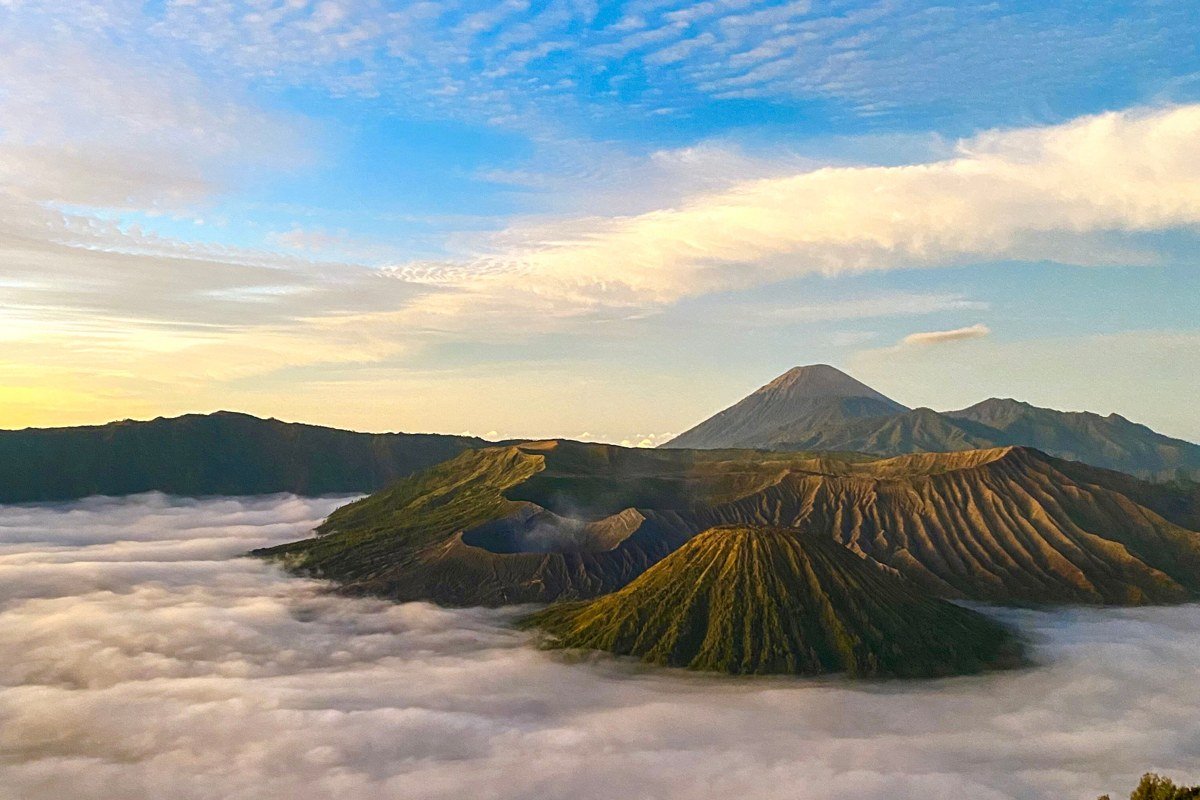
Kawah Ijen is one of the few places on earth where the misty destination experience comes with a genuinely alien twist: the volcano’s crater lake is a hyperacidic turquoise pool sitting inside sulfur-stained cliffs, and in the pre-dawn darkness the burning sulfuric gas at the crater vents produces an electric-blue flame visible nowhere else in the world at this scale. The hike to the rim is roughly ninety minutes on a steep trail and requires a gas mask because the sulfur concentration is serious, not theatrical. Sunrise turns the white crater mist pink and gold while miners carry sulfur loads down the rim path, making the scene both visually extraordinary and worth thinking about ethically before you photograph it. Go on a weeknight if possible; the weekend crowds diminish the atmosphere considerably.
7. Mull, Scotland (Specifically the Ross of Mull)
Accessibility: 2/3 (single-track driving, limited facilities, ferry required)
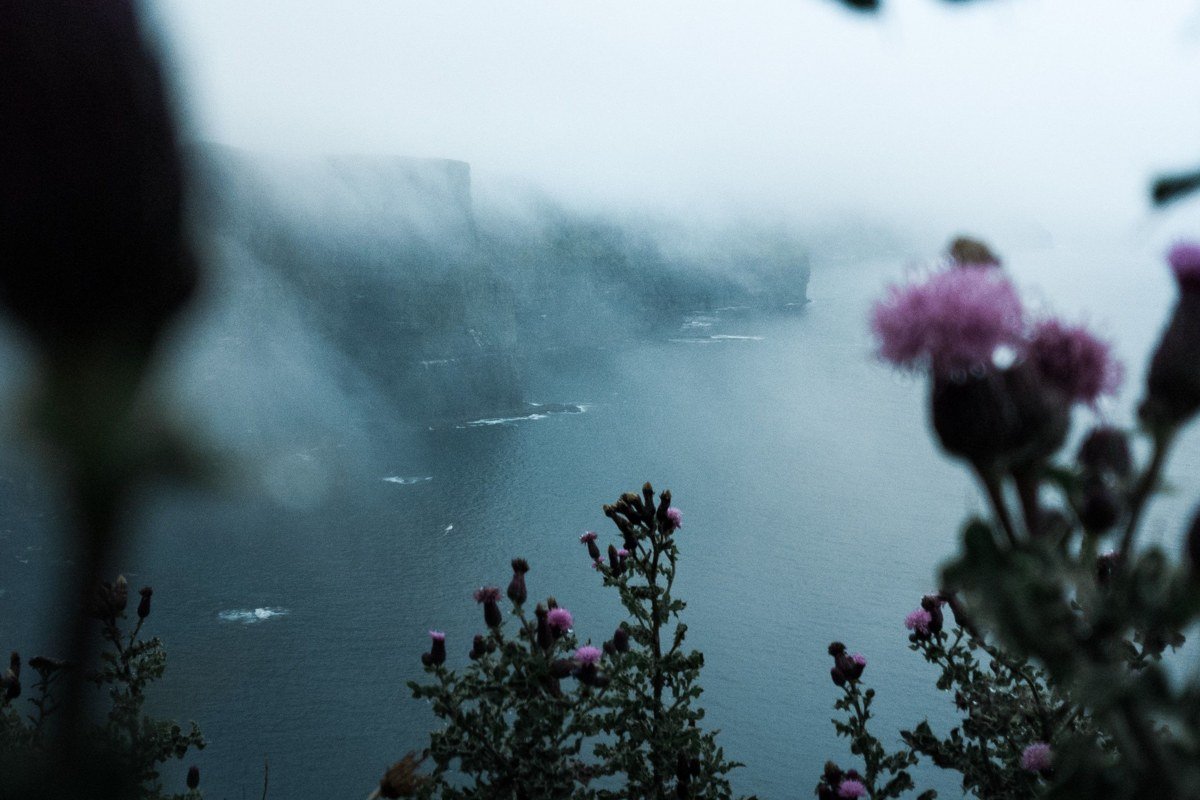
While Skye gets the Pinterest traffic, the Ross of Mull sits quieter and arguably stranger. The southwestern peninsula of Mull ends at a jagged pink granite coastline where Atlantic swell meets sea stacks and the fog arrives in dense, fast-moving walls rather than the slow drift you get inland. The single-track road from Craignure to Fionnphort takes about an hour and passes through moorland, ancient oak woodland, and tidal inlets, each with its own fog character depending on the tide and wind direction. Take the five-minute ferry from Fionnphort to Iona and you add the abbey and the white sand beaches to the misty frame. The island has almost no light pollution, so cloud-free nights occasionally deliver their own dramatic sky entirely.
8. Huangshan, China: The Mountain That Invented Mist Aesthetics
Accessibility: 2/3 (cable cars available, but mountain hotels require advance booking and the hike is demanding)
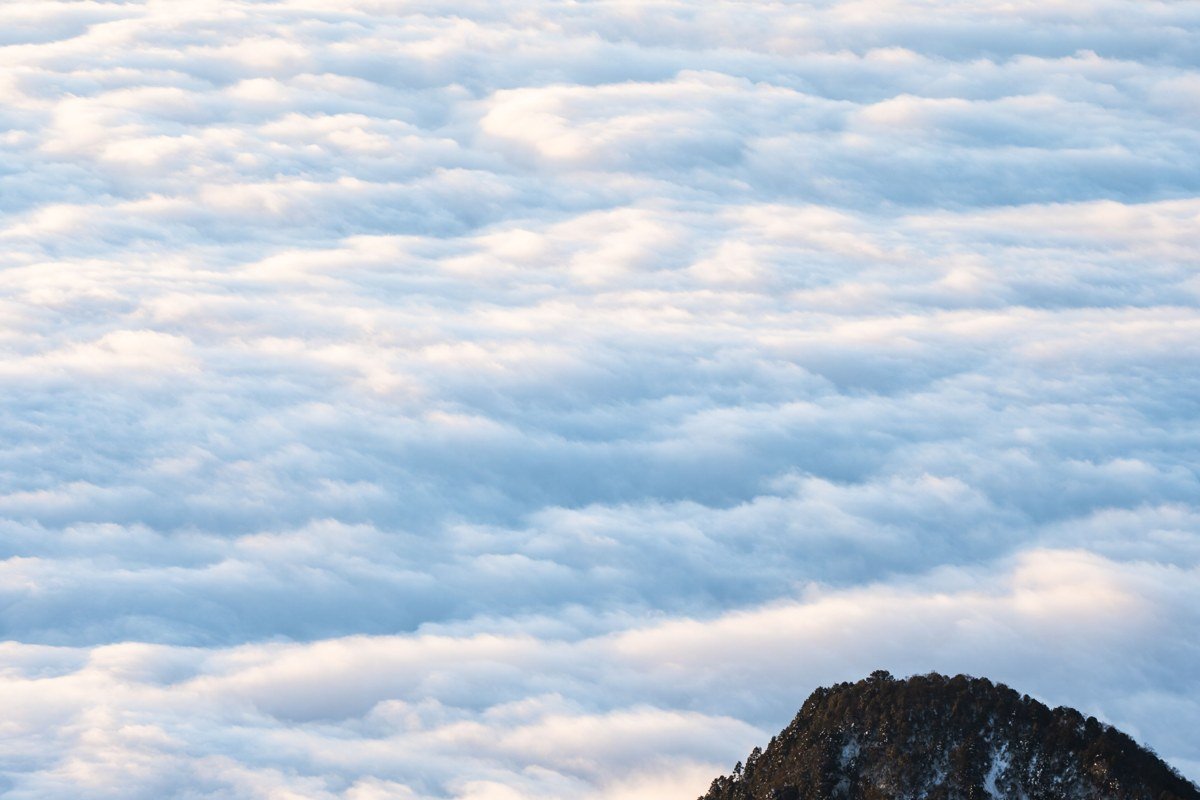
Huangshan is the reference point for a particular kind of mist aesthetics: the ancient Chinese ink-wash landscape painting was not stylised abstraction. It was documentation. The granite peaks emerging from a sea of cloud, with lone pine trees bent by wind at cliff edges, look exactly as they do in Song dynasty scrolls because this is the landscape those painters were actually looking at. The best viewpoints are Bright Summit Peak and Beginning to Believe Peak, both accessible via cable car if the four-hour hike in each direction is not your plan. Stay overnight at one of the mountain hotels (book months ahead in Golden Week). The hour after sunset and the hour before sunrise are when the cloud inversion is most likely to produce the classic floating-peaks effect.
9. Olympos and the Chimaera, Turkey
Accessibility: 1/3 (short uphill walk, well-marked path from village)
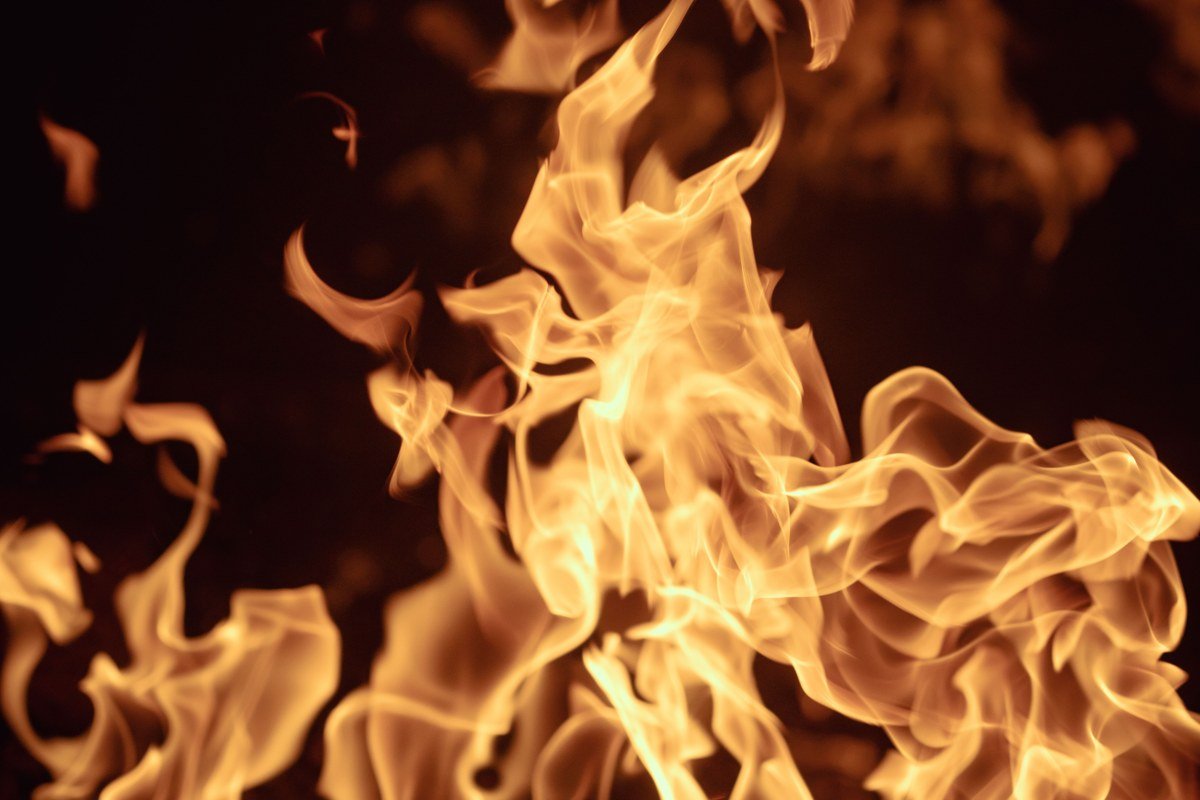
The Lycian ruins at Olympos are already atmospheric, overgrown with fig trees and flowering oleander along a river gorge leading to a beach. The real misty destination credential here is the Chimaera: a cluster of natural methane vents on the hillside above Olympos that have burned continuously for at least two thousand years, referenced by Homer and visible to ancient sailors as a navigation point. The walk up from Ciralı village takes about twenty-five minutes on a well-marked path, and the experience announces itself before you arrive. The air thickens with a faint but unmistakable sulfur edge somewhere on the upper path, and the vents themselves hiss with a low, dry sound, not dramatic, more like gas escaping a seal, which makes the flames feel less like spectacle and more like something the earth is doing quietly and without your permission. At night, especially in the cooler months when ground mist settles in the gorge below, the orange flames against dark rock create a scene with no modern reference point that quite fits. Going at dusk means you catch the transition from ruins-in-golden-light to flames-in-darkness in a single evening.
10. Socotra Island, Yemen
Accessibility: 3/3 (complex logistics, political situation requires guided tour, advance visa coordination essential)
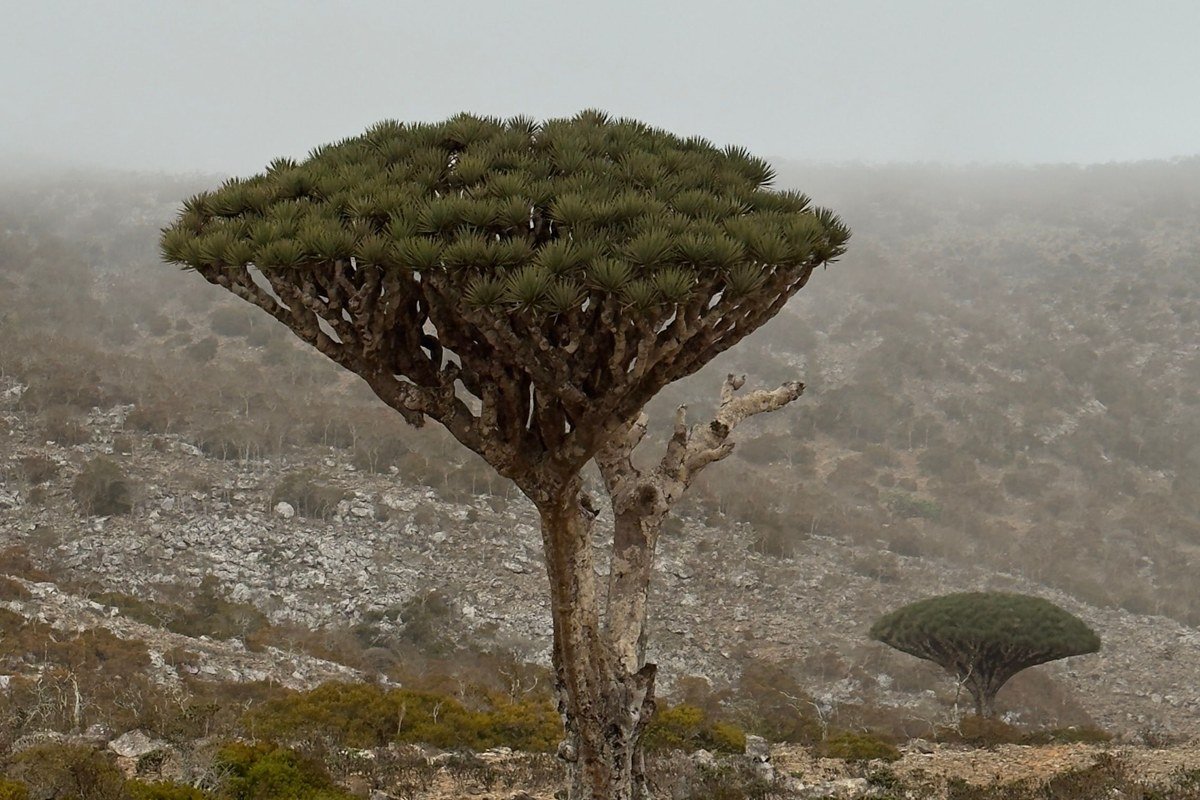
Socotra is the most genuinely alien landscape on this list, and the most complicated to reach. The island sits in the Arabian Sea and has been isolated long enough geographically that roughly a third of its plant species exist nowhere else on earth. The dragon blood trees, with their flat umbrella canopies and dark red sap, cluster on plateaus in groups that look like something from a science fiction concept artist’s early sketches. Morning fog rolls in from the coast and gathers beneath the canopies, leaving the trunks floating in white. Access requires a guided tour through an established operator. Detours Yemen is one of the longer-running operators with current Socotra programmes; entry also requires advance visa coordination, which your operator will need to initiate before you book flights. Flights route through Abu Dhabi or Cairo. The window from October to April avoids the summer monsoon that closes the island to most visitors. The difficulty is real. So is the reward.
How to Plan Around These Destinations
Timing
Most of these locations are most dramatic either in the shoulder seasons (April to May, September to November) or at specific daily windows, typically the two hours around sunrise. Research the inversion conditions for mountain destinations like Huangshan and Hallstatt. Weather forecast apps that show cloud-base altitude are more useful than standard forecasts for predicting fog at valley level.
Where to Stay
Book overnight accommodation inside or immediately adjacent to the destination rather than day-tripping. The morning mist window is almost universally the best, and it requires being on-site the night before. This applies especially to Hallstatt, Huangshan, and Plitvice, where day visitors dominate the midday hours and the fog has usually lifted before most tour buses arrive.
Buffer Days
For the more remote destinations (Socotra, Faroes, Kawah Ijen), budget more buffer days than you think you need. Weather closures, ferry cancellations, and permit systems all introduce unpredictability that a tight itinerary cannot absorb. Two extra days at either end of a Socotra trip is not a luxury; it is basic risk management given how infrequently flights operate.
A crowd of two hundred people with identical tripods at the Fairy Pools at noon is a different experience than four people on the boardwalk at Plitvice in November drizzle. Protect the morning. The rest of the day can take care of itself.