7 Days in Rome: A Neighborhood-by-Neighborhood Itinerary for First-Timers Who Don’t Want to Waste a Morning in a Line

It’s 11:40 a.m. in July and you’re standing in a switchback line outside the Vatican Museums that hasn’t moved in fifteen minutes. The sun is directly overhead, there’s no shade, and the entrance you can see is a “groups only” door that isn’t yours. Two people ahead faint before noon. This is the single most common way first-timers lose half a day in Rome, and it is completely avoidable.
This Rome itinerary for 7 days is built to keep you out of that line and every line like it. The logic is simple: cluster sights by neighborhood so you’re not crisscrossing the city, book the two or three things that actually require booking, and hit the big-ticket monuments either right at opening or in the last two hours of the day when the tour buses have gone.
Seven days is genuinely generous for Rome. You get the marquee sights without a death march, plus room for a day trip and at least one afternoon doing nothing but eating.
How the city fits together
Before the day-by-day, a quick mental map. Rome’s tourist core is smaller than people expect, and understanding the clusters makes the whole week click:
- Centro Storico, Piazza Navona, and the Pantheon are all walkable together, a tight knot of piazzas and lanes in the center.
- The Vatican and Trastevere sit across the river on the west bank, a bridge apart from the center and from each other.
- Ancient Rome (Colosseum, Forum) and Monti form their own cluster to the southeast, an easy walk between them.
Once you see the city as three neighborhood groups rather than a scatter of dots, the crisscrossing stops.
How to use this plan
A few ground rules before the day-by-day. These are the things that actually change your trip.
- Book three things in advance and only three: the Vatican Museums (with a timed entry), the Colosseum/Forum/Palatine combined ticket, and the Galleria Borghese (which is entry by strict two-hour slot and sells out days ahead). Everything else you can walk up to or skip the line with a little timing.
- Rome is a walking city with a patchy but useful transit system. The historic center is largely car-free chaos, so plan to walk 15,000 to 22,000 steps a day. Bring real shoes.
- Most churches are free, close midday (roughly 12:30 to 3:30 or 4:00 p.m.), and enforce covered shoulders and knees. Carry a light scarf. This rule catches people out at St. Peter’s constantly.
- The espresso-at-the-counter economy is real. A coffee standing at the bar is around 1.20 to 1.50 euros. Sit down at a table in a piazza and the same coffee can be four to six euros because you’re paying for the seat. Neither is a scam. Just know which one you’re doing.
- On the Roma Pass: the 72-hour card (about 52 euros) covers unlimited public transport plus free entry to your first two sights and discounts after that. For a walking-heavy week like this one, where your big-ticket entries are booked separately anyway, it rarely pays off unless you plan to lean hard on buses and the metro. Buy it at the airport info desk, at Termini, or online at romapass.it if you decide it fits your style.
Day 1: Arrival and the Centro Storico on foot
Don’t schedule anything hard on arrival day. Jet lag plus Rome’s cobblestones is a bad combination.
From Fiumicino airport, the Leonardo Express train to Termini runs frequently and costs about 14 euros, taking roughly 32 minutes. A fixed-fare taxi to the historic center is around 50 euros and worth it if you’re two or more people with luggage. Ignore anyone who approaches you inside the terminal offering a ride.
Once you’ve dropped bags, do a loop of the Centro Storico with almost no tickets required:
- Piazza Navona
- The Pantheon (reservations are now required for all visitors, so book ahead at pantheonroma.com. General admission is 5 euros plus a 2-euro booking fee.)
- Trevi Fountain
- Spanish Steps
Do this loop late afternoon into evening. The Trevi Fountain at 6 p.m. is a scrum. At 11 p.m. it’s magic, lit up and half empty. Aperitivo somewhere around Piazza Navona bridges the gap: a spritz and some snacks around 8 to 12 euros a head.
Rookie note: the Pantheon is one of the best buildings on earth and people give it twenty minutes. Stand under the oculus. When it rains, water falls straight through and drains through holes in the floor that have worked for nearly two thousand years.
Day 2: Ancient Rome, timed right
This is the day people get wrong most often, so read the timing carefully.
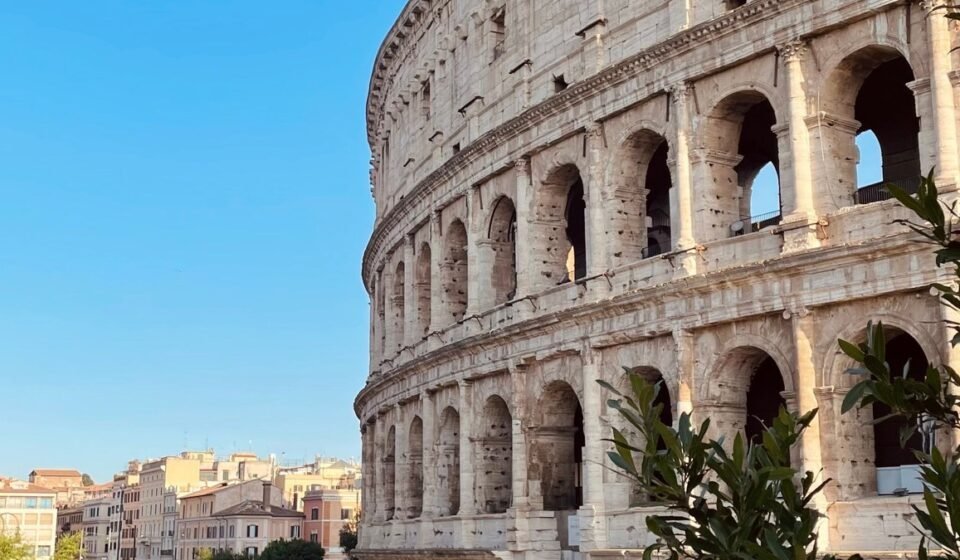
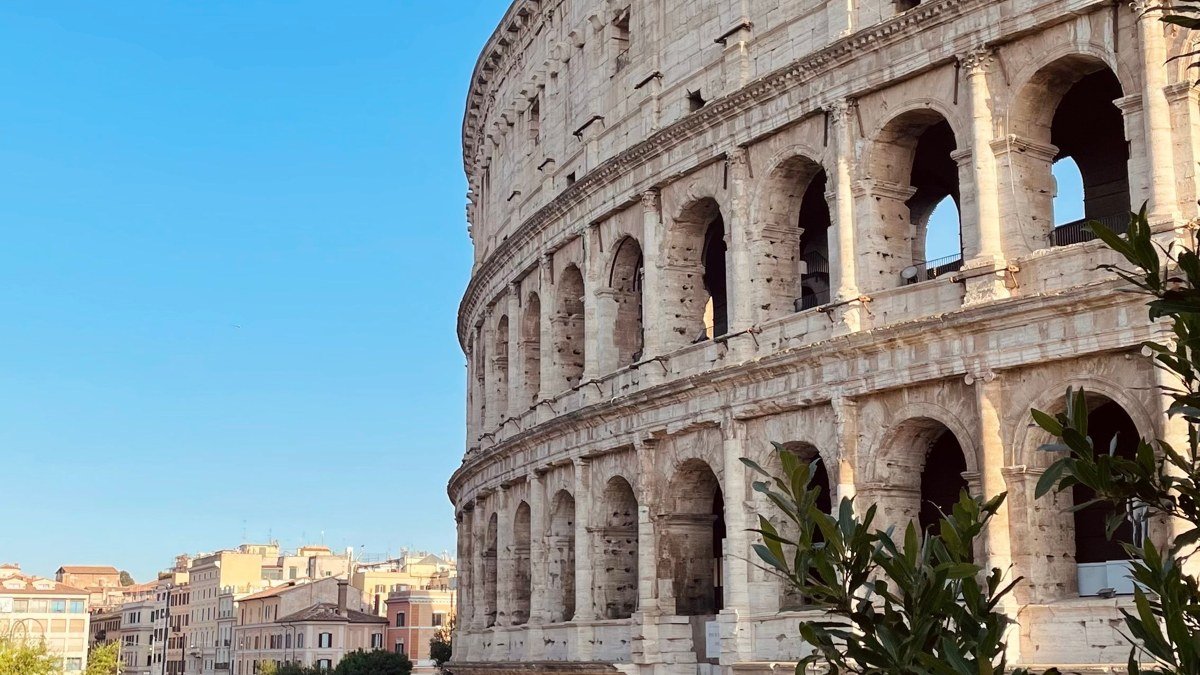
Your combined ticket covers the Colosseum, Roman Forum, and Palatine Hill. Book it for the earliest slot, ideally the first entry of the morning. The Colosseum arena floor and the underground (the hypogeum) are separate, pricier add-ons booked well ahead. The arena floor is worth it. The underground is worth it only if you’re a serious enthusiast and have booked the guided version.
Suggested flow:
- Colosseum first thing, at your booked slot. Ninety minutes.
- Cross to the Roman Forum and Palatine Hill next. This is where most people fade, but the Forum in morning light with fewer crowds is the highlight for a lot of visitors. Budget two to two and a half hours.
- Walk up to the Capitoline Hill and the Piazza del Campidoglio, designed by Michelangelo. The terrace behind it gives you the classic free overlook of the whole Forum.
Break for lunch away from the Colosseum, where food is overpriced and mediocre. Walk ten minutes into Monti, the neighborhood just north, for a proper meal and a completely different, villagey feel.
Afternoon: the Basilica di San Clemente, a short walk east, is an underrated marvel. You descend through three layers of history: a twelfth-century church on top of a fourth-century church on top of a first-century Roman house and pagan temple. There’s a small entry fee for the lower levels. Almost nobody who isn’t a repeat visitor knows to do this.
Evening in Monti for dinner. It’s walkable, atmospheric, and full of small trattorias.
Day 3: Vatican, but not the way the crowds do it
The Vatican Museums are enormous, and the Sistine Chapel sits at the far end of a forced one-way route that takes at least ninety minutes to reach even if you don’t stop. Everyone stops. In peak season the galleries feel like a rush-hour subway platform.
Two ways to beat it:
- Book the first entry of the day online, before 9 a.m. You walk fast to the Sistine Chapel first, see it relatively calm, then double back through the galleries.
- Or book a Friday evening slot in the extended-hours season. Far fewer people, cooler temperatures, and the Vatican at night is a real experience.
Whatever you do, book a timed entry directly on the official Vatican Museums site rather than turning up. The walk-up line is the one from the opening scene of this article.
After the museums, St. Peter’s Basilica is free but has its own security line in St. Peter’s Square. It moves faster than it looks, often 20 to 40 minutes. Cover your shoulders and knees or you will be turned away at the door, no exceptions. Climb the dome (the cupola) if your knees can take the last narrow, leaning section. There’s a fee, and taking the elevator for the first stretch is well worth it.
Insider sequencing tip: some guided tours exit the Sistine Chapel through a side door straight into St. Peter’s, skipping the security line. If you’re on a good guided tour, this shortcut alone can save an hour.
Afternoon and evening: cross the river into Trastevere. See Santa Maria in Trastevere with its glowing gold mosaics, then work your way along Via della Scala and Via del Moro, the two streets that anchor the neighborhood’s tangle of lanes. For dinner, book a table at Da Enzo al 29 and order the cacio e pepe. This is the best eating neighborhood in the city for a relaxed night, so don’t over-plan the rest of it.
Day 4: Borghese, the park, and the People’s Square
A gentler day after two heavy ones.
The Galleria Borghese is my favorite museum in Rome and the anti-Vatican: small, calm, and capped at a set number of visitors per two-hour slot. You must book ahead, sometimes days in advance. Bernini’s sculptures here, especially the Apollo and Daphne, are the kind of thing that changes how you think marble can behave. Two hours is exactly enough because that’s your slot limit.
Afterward, stroll down through the Villa Borghese gardens, Rome’s big central park. Rent a little pedal cart or just walk to the Pincio terrace overlooking Piazza del Popolo at golden hour.
Descend into Piazza del Popolo and step into the churches flanking it. Santa Maria del Popolo holds two Caravaggios in the Cerasi Chapel: the Conversion of Saint Paul and the Crucifixion of Saint Peter. There’s usually a light box you feed a coin into to illuminate the paintings. Free entry, life-changing art, almost no line.
From here the shopping streets fan out toward the Spanish Steps if you want them, or you can head back for a long lunch.
Evening: keep it low key. You have a bigger day tomorrow.
Day 5: Day trip decision
Day five is when a week starts to feel long inside the same city walls, so take a day trip. Here’s how the main options actually compare.
| Day trip | Travel time each way | Cost range (train) | Best for | Watch out for |
|---|---|---|---|---|
| Ostia Antica | 35-45 min by regional train | About 1.50 euros each way | Ancient Roman ruins with almost no crowds | Limited food on site, bring water |
| Tivoli (Villa d’Este + Hadrian’s Villa) | 60-75 min by train or bus | Roughly 3-5 euros plus entry | Gardens, fountains, and imperial ruins | The two villas are far apart, plan the local connection |
| Naples and Pompeii | 70 min to Naples by high-speed | 15-40 euros depending on booking | Big-hitter ruins plus the world’s best pizza | Long day, book Pompeii early, it’s exhausting |
| Florence | 90 min by high-speed | 20-50 euros if booked early | A completely different city in a day | You will only scratch the surface, book Uffizi ahead |
My honest steer: if this is your first time in Italy and you want maximum bang, do Naples and Pompeii, but treat it as a full 12-hour day. If you’re already tired and want ruins without the schlep, Ostia Antica is the smart, quiet choice, and you can be back in Rome by mid-afternoon. Do Florence only if you’re the kind of traveler who’d rather sample a second city than rest. If you go, book the Uffizi 3 to 4 weeks ahead in summer, and use the official Uffizi site (b-ticket.com) rather than a reseller.
Book high-speed trains (Trenitalia’s Frecciarossa or the private Italo) in advance for the cheap fares. Walk-up prices are much higher.
Day 6: The corners the itineraries skip
By now you’ve done the greatest hits. This is the day that makes people fall in love with Rome rather than just tick it off.
Morning pick: start at the Baths of Caracalla. These vast ruined imperial baths dwarf the crowds inside them, they open early, and they photograph beautifully in low morning light before the heat builds. In summer they sometimes host opera in the evenings, so check the schedule. If you’d rather, two alternatives work well:
- The Capuchin Crypt on Via Veneto, where the bones of thousands of friars are arranged into decorative patterns. Somber, unforgettable, small entry fee.
- The Appian Way (Via Appia Antica) on a Sunday, when part of it closes to traffic. Rent a bike and roll past catacombs and ruins on the original Roman road.
Midday: eat in Testaccio, the old slaughterhouse district that is Rome’s real food heartland. The Testaccio Market is where you get the city’s best sandwiches and traditional Roman offal dishes if you’re brave, or a simple plate of cacio e pepe if you’re not.
Afternoon: the Aventine Hill, a five-minute uphill walk from Testaccio. Two free stops here. The Giardino degli Aranci (Orange Garden) gives you a quiet panorama over the whole city. Around the corner is the Aventine Keyhole at the gate of the Knights of Malta priory, where you peer through a keyhole and see St. Peter’s dome framed perfectly at the end of a hedge tunnel. There’s often a short line, but it moves and it’s free.
Day 7: Buffer, favorites, and the things you missed
Never program your last day to the minute. Something will have gone sideways earlier in the week: a church was closed, it rained, you loved a neighborhood and want to go back. Day seven absorbs all of it.
Use it to:
- Return to whichever piazza or gelato spot won your heart.
- Catch the one big sight you had to skip or that was booked out.
- Do last-minute shopping in Monti’s vintage boutiques rather than the tourist tat near Trevi.
If your flight is in the afternoon, you can still fit a slow morning coffee and a final walk. Leave for Fiumicino roughly three hours before an international departure, three and a half in peak summer.
Common mistakes that quietly ruin days
These are the specific, non-obvious ones. The general “wear good shoes” advice you already know.
- Booking the Colosseum and Vatican for the same day. Both are physically and mentally draining. Splitting them is why this itinerary works.
- Turning up at St. Peter’s in shorts or a tank top. The dress code is enforced at the door, and you’ll walk all the way back to your hotel to change.
- Eating within sight of a major monument. The rule of thumb: if the menu has photos and a person outside waving you in, keep walking two or three streets.
- Underestimating midday heat and church closures. In July and August, avoid outdoor walking between roughly 1 and 4 p.m., when heat exhaustion is a genuine risk and half of Rome’s best free sights are shut anyway. Take a real siesta break: an air-conditioned lunch, a ticketed indoor museum, or your hotel. Save the piazzas and ruins for early morning and evening.
- Buying the wrong Colosseum ticket. The basic ticket does not include the arena floor or underground. If you want to stand where the gladiators did, you need the specific add-on booked ahead.
- Relying on taxis in the center. Traffic and one-way tangles make walking faster for most short hops. Save taxis for luggage and late nights.
- Trusting the Trevi coin superstition to fund a return trip more than you trust your own planning. Book the timed slots.
The one thing to do before you leave home
Open the official booking sites right now and lock in three time slots: your Vatican Museums entry, your Colosseum combined ticket, and your Galleria Borghese slot. Space the Vatican and Colosseum on different days, put Borghese wherever it fits, and build the rest of the week around walking distance from those anchors. Do that, and you’ll spend your seven days in Rome inside the beauty instead of outside it in a line.