The Perfect 7-Day Norway Road Trip Itinerary: Fjords, Fishing Villages & Hidden Viewpoints (Day-by-Day Tourist Plan)

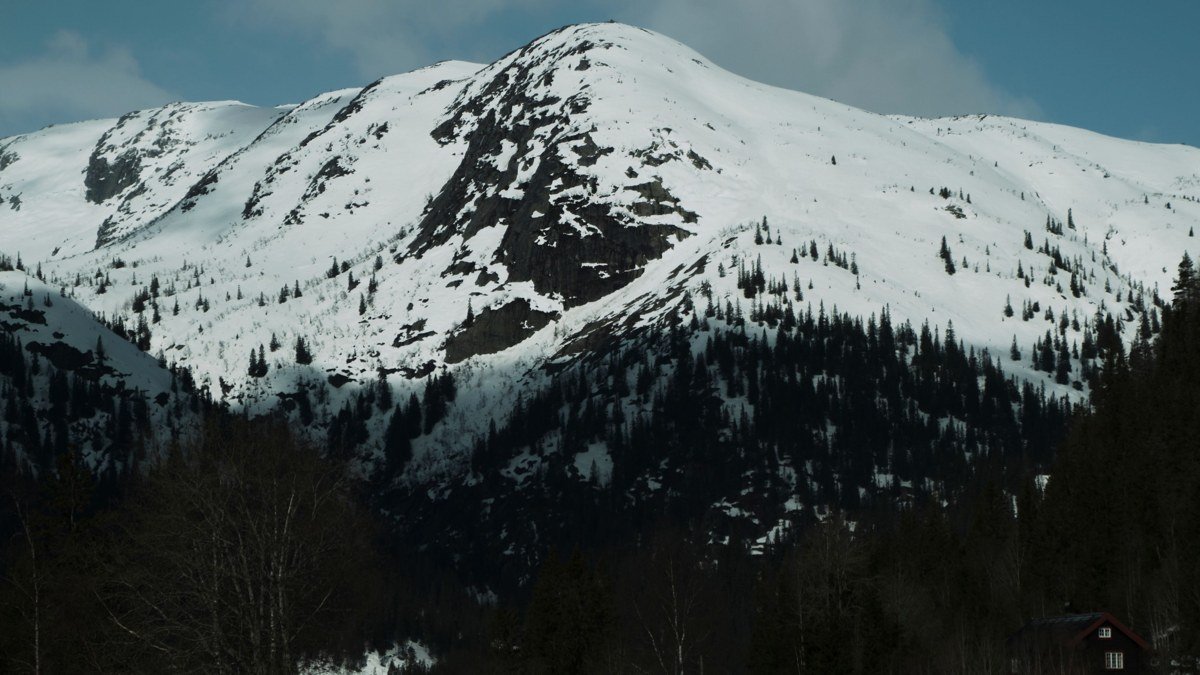
At 6:40 a.m. on the Gudvangen ferry, I watched a wall of granite rise 900 metres straight out of the Nærøyfjord while a Dutch couple next to me quietly gave up on their coffee to just stare. That’s the moment this trip is built around — and the reason you drive Norway instead of bussing between airports.
This Norway road trip itinerary is a real, self-drive loop I’ve done twice: Bergen up through the western fjords, across a mountain plateau, and back down through Norway’s most famous switchbacks. It’s designed for seven full days with a rental car, exact overnight stops, real ferry crossings, and GPS coordinates for the viewpoints that actually earn the parking hassle.
No filler. Let’s drive.
📌 Book These in Advance (Priority Order)
A few things on this loop genuinely sell out. Lock these first, in this order:
- Geiranger accommodation — tiny village, cruise-ship demand. 3+ months ahead for July; 1–2 months for shoulder season.
- Flåm/Aurland accommodation — same story. 2–3 months ahead for July.
- Flåmsbana (Flåm Railway) tickets — book on visitflam.com. 3–4 weeks ahead for summer peak departures; day-of tickets sell out.
- Loen Skylift — buy timed tickets 1–2 weeks ahead in July to avoid the midday crush.
- Nærøyfjord cruise (Flåm–Gudvangen) — book the electric vessel 2–3 weeks ahead for summer; popular sailings fill.
Everything else on the loop has flexible availability. These five are the bottlenecks.
Before You Go: The Non-Negotiables
A few things determine whether this trip is magic or misery.
Season. Do this between mid-May and late September. Outside that window, the high mountain roads (Trollstigen, the Aurlandsfjellet “Snow Road,” parts of the Rv55) are closed by snow, and you lose half the itinerary. Peak light and open roads land in June–August; September is quieter and cheaper but you’re gambling on weather.
The car. You do not need a 4×4. A compact automatic is fine and cheaper on ferries and fuel. Book automatic transmission explicitly — most Norwegian rentals default to manual. Rough cost: 550–900 NOK/day in summer for a compact.
Tolls and ferries. Norway uses automatic license-plate toll reading (AutoPASS). Register your rental’s plate or let the rental company bill you (they add a fee — ask). Ferries are pay-on-board or auto-billed by plate; budget 150–350 NOK per short crossing with a car. As a price anchor, the Hellesylt–Geiranger ferry ran ~230 NOK per car + driver in 2024 for a roughly one-hour scenic crossing.
Fuel/EV. If you rent an EV (common and cheap to “fuel”), plan charging around towns, not remote passes. For a petrol/diesel car, fill up in valleys — mountain stations are sparse and pricey.
Check before you drive. Two sites, every morning:
– yr.no — the Norwegian forecast site, far more accurate locally than global apps.
– vegvesen.no — the Norwegian Public Roads Administration, for live road status, mountain-pass closures, and roadwork. Essential before committing to Trollstigen or the Snow Road on any given day.
Quick budget reality check (per person, 7 days, mid-range)
| Item | Rough cost (NOK) | Notes |
|---|---|---|
| Car rental (shared 2 pax) | 3,000–4,500 | Automatic compact |
| Fuel or charging | 1,200–1,800 | ~1,500 km loop |
| Ferries + tolls | 800–1,400 | Several crossings |
| Lodging (mid-range, shared) | 7,000–10,500 | ~1,200–1,700/night/room |
| Food | 3,500–5,000 | Mix cooking + eating out |
| Total ≈ | 15,500–23,000 | ~€1,350–2,000 |
Norway is expensive. The single biggest lever is food: a supermarket lunch (Rema 1000, Kiwi, Coop) costs a fifth of a café one.
The Route at a Glance
Loop: Bergen → Flåm/Aurland → Geiranger → Åndalsnes (Trollstigen) → Ålesund → back via Nordfjord → Bergen.
Total driving: roughly 1,400–1,600 km, but the point is the pauses, not the pace. Never plan more than ~4 hours of actual driving per day; the roads are slow, winding, and constantly interrupted by things you’ll want to stop for.
Day 1: Bergen — Arrive, Provision, Sleep
Fly into Bergen (BGO), pick up the car, but don’t drive out today. Bergen is worth an afternoon and you’ll be jet-lagged.
- Walk Bryggen, the UNESCO wharf of leaning wooden Hanseatic houses.
- Ride the Fløibanen funicular up Mount Fløyen (advance ticket saves queuing) for the classic city-and-islands view.
- Buy shrimp or a fish cake at the Fish Market, then stock your cooler with breakfast and lunch supplies at a supermarket — this is the cheapest food you’ll see all week.
Sleep: Bergen city center. The Hotel Zander K (near the station) is a solid mid-range pick; Marken Gjestehus is the budget/hostel move; Opus XVI is the splurge in the old quarter. Drive: ~0 km.
Insider tip: Park the rental in a garage (e.g. ByGarasjen) overnight; Bergen street parking is a headache and paid.
Day 2: Bergen → Flåm & the Nærøyfjord (approx. 165 km / 3 hrs driving)
Leave early. Head east on the E16 toward Voss, then down into Gudvangen and up to Flåm.
The must-do here is the Nærøyfjord — the narrowest, most dramatic fjord arm and a UNESCO site. Two ways to see it:
- Flåm–Gudvangen ferry cruise (the electric “Future of the Fjords” vessel is silent and gorgeous), or
- Drive the E16 through Gudvangen and stop at pullouts.
Do the boat. Sitting on deck as the walls close in is the trip’s emotional core.
Also worth it if you have energy: the Flåm Railway (Flåmsbana) climbs a jaw-dropping gradient to Myrdal with a stop at Kjosfossen waterfall. It’s touristy and pricey but genuinely spectacular; skip if budget is tight.
Hidden viewpoint — Stegastein (60.9060, 7.2145): Drive up the Aurlandsfjellet road above Aurland to this cantilevered wood-and-glass platform jutting 30 m over a 650 m drop above the Aurlandsfjord. Go near sunset for low golden light and thinning crowds.
Sleep: Flåm or Aurland. The Fretheim Hotel in Flåm is the splurge (historic, right at the fjord head); Flåm Camping & Hostel is the budget move a short walk away; Aurland Fjordhotel in quieter Aurland splits the difference. Drive: ~165 km.
Day 3: Aurland → Geiranger via the Snow Road & Fjord Ferries (approx. 210 km / 5 hrs with stops)
This is a big scenic day, and the one with the most moving parts. Take the Aurlandsfjellet “Snow Road” (Bjørgavegen) — a designated National Tourist Route — up onto a barren, lake-strewn plateau that still has snowbanks in July. It’s other-planetary.
Then work north toward Geiranger. Two ferry crossings anchor the day, in order:
- Mannheller–Fodnes (across the Sognefjord), a short ~15-minute crossing that runs frequently — roughly every 30–40 minutes in summer.
- Hellesylt–Geiranger (the scenic Geirangerfjord run, ~1 hour, ~230 NOK car + driver in 2024) if you route via Stryn and Hellesylt — or approach overland on the Rv63 from Grotli if you’d rather skip this crossing.
Check exact timetables the night before on rutebok.no (national schedules) or the operator’s site, and build a 30-minute buffer per crossing. Aim to leave Aurland by 8:00–8:30 a.m. to have margin for both ferries and the viewpoint stops before Geiranger fills up.
Approaching Geiranger, stop at:
- Flydalsjuvet (62.0938, 7.1636): the postcard shot of the Geirangerfjord with a cruise ship far below. Small parking, short walk to the rock ledge.
- Ørnesvingen / Eagle Bend (62.1200, 7.1900): the top hairpin on the road into Geiranger, looking straight down the fjord to the Seven Sisters waterfall.
Sleep: Geiranger (book early — see the priority box up top). Hotel Union Geiranger is the classic splurge with a fjord-view spa; Grande Fjord Hotel sits right on the water a few minutes out; Geiranger Camping by the fjord is the budget option.
Honest trade-off: If you’d rather not chase ferries, split this into two nights (add a stop at Stryn or Loen), which also opens up the Loen Skylift as a relaxed half-day (see Day 6).
Day 4: Geirangerfjord Morning, Then Trollstigen → Åndalsnes (approx. 90 km driving, all day)
Start with a morning Geirangerfjord sightseeing cruise — early sailings beat the cruise-ship crowds and give you the Seven Sisters and Suitor waterfalls in soft light.
Then drive the Rv63 over the Trollstigen (“Troll’s Ladder”) — 11 hairpin bends clawing up a cliff face beside the Stigfossen waterfall.
Trollstigen viewpoint (62.4560, 7.6690): a modern platform hangs over the edge above the switchbacks. Cross the little footbridge for the vertigo shot. Parking fills by late morning — arrive before 10 a.m. or after 4 p.m.
Descend into the Isterdalen valley, past the Trollveggen (“Troll Wall”) — Europe’s tallest vertical rock face — to Åndalsnes, the “mountaineering capital.” If your legs are willing, ride the new Romsdalen Gondola or hike part of the Romsdalseggen ridge for one of Norway’s finest panoramas.
Sleep: Åndalsnes. Grand Hotel Bellevue in town is the reliable mid-range choice; Hotel Aak just outside is a boutique/splurge with mountain views; Åndalsnes Camping og Motell by the river is the budget pick. Drive: ~90 km (but a full day with cruise + Trollstigen).
Day 5: Åndalsnes → Ålesund via the Atlantic-Edge Coast (approx. 130 km / 3 hrs)
Head west toward the coast and the Art Nouveau town of Ålesund, rebuilt in curving stone-and-turret style after a 1904 fire.
- Climb the 418 steps up Aksla (Fjellstua viewpoint, 62.4740, 6.1690) — or drive up — for the iconic view of the town spread across islands.
- Wander the harbor, eat fresh fish soup, and slow down. After three intense mountain days you’ve earned it.
Optional detour (worth it): the Atlantic Ocean Road (Atlanterhavsvegen) — a low ribbon of bridges hopping between skerries, with the famous arcing Storseisundet Bridge. To be clear on routing: the road itself sits near Kristiansund, about 1.5 hrs’ drive from Ålesund (via the coast toward Molde and on north). It’s a long there-and-back from Ålesund — do it only if you’re a coastal-drama person and can give it the better part of a day.
Sleep: Ålesund. Hotel Brosundet (a converted waterfront warehouse) is the atmospheric splurge; Scandic Ålesund is a dependable mid-range; Volsdalen Camping just east of town is the budget move. Drive: ~130 km (more with Atlantic Road).
Day 6: Ålesund → Nordfjord / Loen (approx. 200 km / 4 hrs with ferries)
Turn south and inland toward the Nordfjord region — greener, glaciated, and less crowded than Geiranger.
- Detour to Briksdalsbreen, an arm of the Jostedalsbreen glacier (mainland Europe’s largest icecap). A 45-minute walk (or “Troll Car” cart) leads to a turquoise glacial lake beneath blue ice.
- Lovatnet lake (near Loen): stop at the shore for water so impossibly milky-turquoise it looks fake. Photo-worthy roadside pullouts abound.
- Loen Skylift: the cable car rockets you to 1,011 m at the top of Hoven for a viewing platform, restaurant, and ridge hikes. It’s one of the steepest cable cars in the world. Practical detail: ~495 NOK return in 2024, first gondola around 8 a.m. in summer — ride it early to beat both the buses and the midday cloud.
Sleep: Loen or Olden. Hotel Alexandra Loen is the grand splurge with pools; Loenfjord Hotel is a comfortable mid-range next door; Sande Camping in Olden is the budget option on the fjord. Drive: ~200 km with a ferry.
Insider tip: This day is your buffer. If earlier ferries or weather threw you off, this is the region to compress or skip a stop without missing the trip’s headline sights.
Day 7: Nordfjord → Bergen (approx. 250 km / 5 hrs)
The long drive home, but scenic the whole way. You have two realistic routings:
- E39 coastal — more fjord ferries (including the Anda–Lote and Lavik–Oppedal Sognefjord crossings), water views the whole way, but the ferry legs make timing less predictable.
- E16 inland via Voss — fewer or no ferries, faster and more weather-proof, and it delivers you toward Bergen on the same road you arrived on. Choose this if you have a flight to catch and want certainty.
Airport buffer: for a flight from Bergen (BGO), budget a 2-hour check-in buffer for international and at least 90 minutes domestic, plus the drive and any ferry wait. Honest note: on the E39 corridor, summer afternoon ferry queues can add 30–90 minutes at busy crossings, and you cannot pre-book most of them — they simply take the next carload. If your flight is before mid-afternoon, take the E16/Voss inland route and don’t gamble on a ferry.
If you’ve got a late flight, a final stop at a fjordside bakery in Voss or a swim in a cold lake is a fitting sign-off.
Sleep: Bergen (or fly out). Drive: ~250 km.
Bad Weather Contingency: If a Pass Closes on Your Day
High passes close on short notice for snow, wind, or fog even in summer — check vegvesen.no the morning you plan to cross. Your backups:
- If Trollstigen (Rv63) is closed (Day 4): you can still reach Åndalsnes by heading east from Geiranger area and looping via Grotli → Rv15 → E136 down the Romsdalen valley into Åndalsnes. You lose the switchbacks but keep the destination — and Romsdalen itself is stunning.
- If the Snow Road / Aurlandsfjellet (Bjørgavegen) is closed (Day 3): take the Lærdal Tunnel (E16) instead. You miss the plateau, but the 24.5 km tunnel is an attraction in its own right and keeps you on schedule toward the Sognefjord ferries.
- General rule: fjords in rain are moody and worth doing; plateaus in fog are pointless. If a marquee viewpoint is socked in, swap the day’s order — do low fjord activities in bad weather and save the heights for a clear window.
A Copy-Paste Version of the Itinerary
| Day | Route | Sleep | Driving | Headline |
|---|---|---|---|---|
| 1 | Arrive Bergen | Bergen | 0 km | Bryggen + Fløyen |
| 2 | Bergen → Flåm | Flåm/Aurland | ~165 km | Nærøyfjord cruise + Stegastein |
| 3 | Aurland → Geiranger | Geiranger | ~210 km | Snow Road + Flydalsjuvet |
| 4 | Geiranger → Åndalsnes | Åndalsnes | ~90 km | Fjord cruise + Trollstigen |
| 5 | Åndalsnes → Ålesund | Ålesund | ~130 km | Aksla + Art Nouveau town |
| 6 | Ålesund → Loen | Loen/Olden | ~200 km | Briksdal glacier + Loen Skylift |
| 7 | Loen → Bergen | Bergen/fly | ~250 km | Scenic return |
Common Mistakes (That Cost People Their Best Day)
1. Booking Geiranger and Flåm lodging late. These are tiny villages with fixed room counts and cruise-ship demand. In July, rooms sell out months ahead and prices spike. Book these two first, then build around them.
2. Underestimating drive times from map apps. Google Maps’ estimate doesn’t count the ferry you’ll wait 40 minutes for, the roadwork on a single-lane mountain road, or the fact that you’ll stop every 20 minutes because it’s beautiful. Add 30–50%.
3. Renting a manual you can’t stall-start on a hairpin. Trollstigen has 11 steep hairpins. If you’re not confident with a clutch on a 10% grade with a bus behind you, pay for automatic. Non-negotiable.
4. Chasing every viewpoint. Norway has more National Tourist Route stops than you can absorb. Pick the ones above; skimming everything leaves you exhausted and photographing nothing well.
5. Ignoring the weather forecast for route choice. If Trollstigen or the Snow Road is socked in, swap the order of your days and do the low fjord activities instead. Check yr.no for the forecast and vegvesen.no for actual road status.
6. Not carrying a physical or offline map. Cell coverage drops in tunnels and remote valleys. Download offline maps for the whole loop.
Insider Tips a First-Timer Won’t Know
- Ferries are frequent on main crossings (every 20–40 min in summer) but rare on minor ones — check the schedule on rutebok.no for anything off the E-roads.
- Toilets and picnic areas at National Tourist Route stops are excellent and usually free — Norway makes roadside stopping genuinely civilized. Use them proactively: between towns you can drive an hour without a facility, and mountain plateaus have none. The best picnic tables are often at unmarked pullouts with the finest views, so don’t wait for a formal “rest area” sign.
- Tunnel etiquette matters. Turn your headlights on before entering (they should be on all day anyway in Norway), keep right, and never stop or U-turn inside — long tunnels like the Lærdal Tunnel (24.5 km, the world’s longest road tunnel) have blue-lit cave “rest chambers” you can pull into if you truly need to. Fuel or charge before entering long tunnels; there are no services inside.
- Golden light lasts for hours in summer. In June, sunset near the western coast drags out past 11 p.m. Do your marquee viewpoints (Stegastein, Flydalsjuvet) in the late evening when tour buses have gone and the light is best.
- Allemannsretten (right to roam) lets you access most uncultivated land on foot and even wild-camp responsibly. If you’re doing a campervan version, this changes everything about lodging cost.
Should You Even Rent a Car? Honest Trade-Offs
Drive if: you value flexibility, want the hidden viewpoints and off-hours light, and are traveling as 2+ people (splitting the car makes it economical).
Don’t drive if: you’re a nervous mountain driver, traveling solo on a tight budget (a car is a fixed cost you can’t split), or only want the greatest hits. In that case, the “Norway in a Nutshell” train-bus-ferry combo covers the Flåm/Nærøyfjord highlights without you touching a steering wheel.
Campervan is the sweet spot for cost-conscious travelers who want freedom: lodging and transport in one, and Norway’s road-trip infrastructure is built for it. The trade-off is limited maneuvering on narrow roads and pricier ferry rates for larger vehicles.
Your One Actionable Next Step
Open a booking site today and lock in two nights first: one in Geiranger and one in Flåm/Aurland. Everything else on this loop has flexible availability, but those two villages sell out and dictate your whole week. Reserve them, then slot the rest of the days around them — and you’ve already secured the two hardest pieces of the perfect Norway road trip.