
The second time I visited Paris, I made a mistake. I dragged my partner back up the Eiffel Tower queue because it “felt wrong” to skip it, spent 90 minutes in line, got jostled on the second platform, and looked out at a view we’d already seen from the Arc de Triomphe two days earlier. We were exhausted by 2 p.m. and ate a mediocre 19-euro croque monsieur near the Champ de Mars because we were too tired to walk anywhere better.
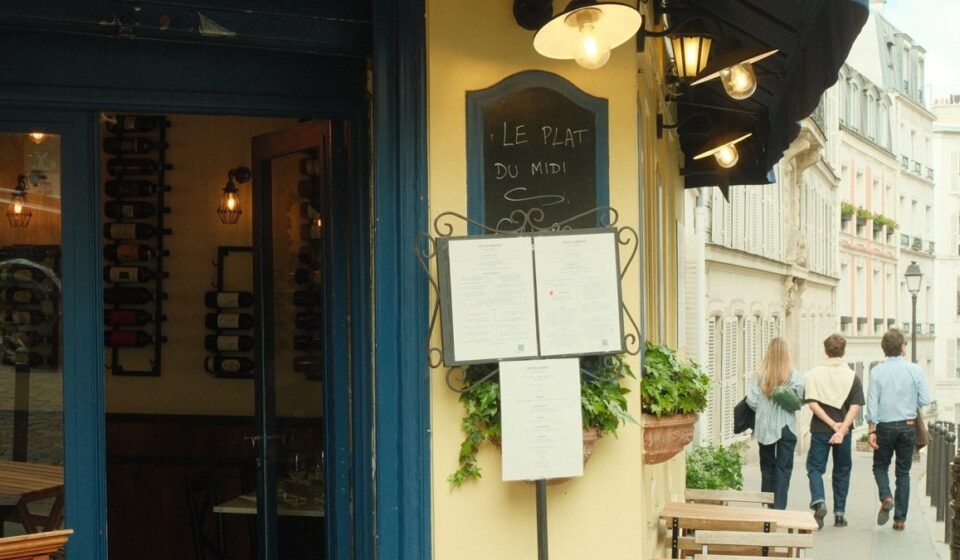
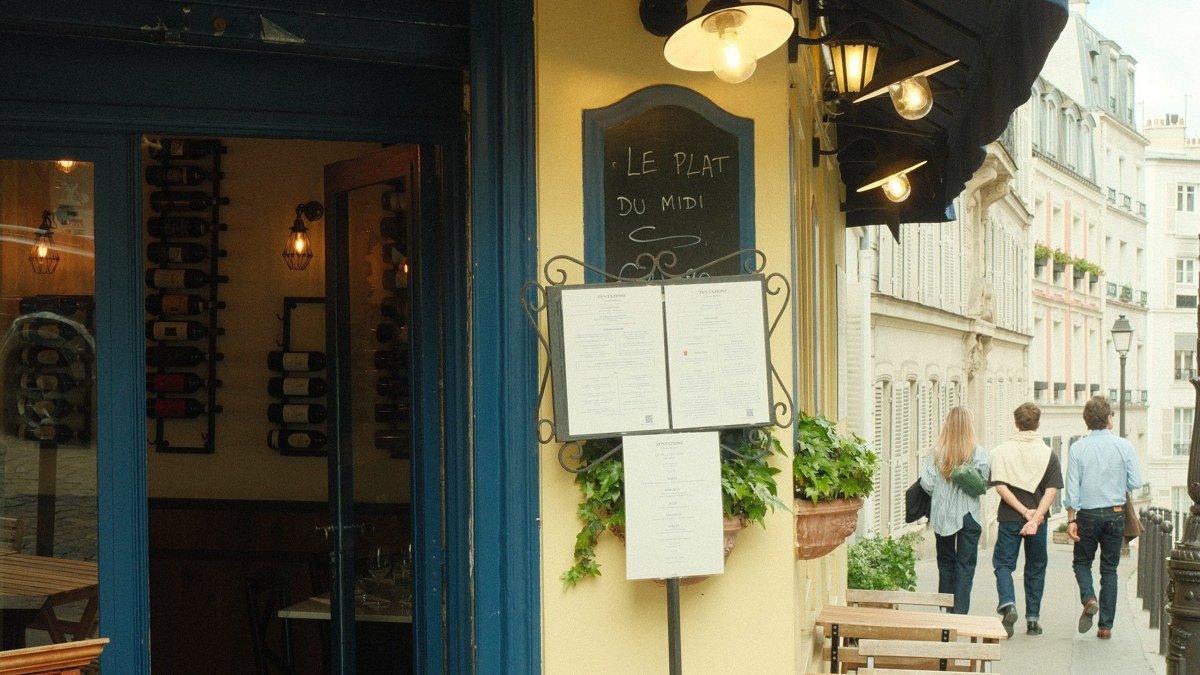
If you’ve already ticked off the Louvre, the Tower, and a Seine cruise, this Paris itinerary for 3 days is built for you. It trades the monument checklist for the version of the city Parisians actually use: the covered passages, the canal-side apéro, the neighborhood museums with no line, and cafés where the coffee is good and the tourists are few. You’ll still see the city, just from the inside out.
Who this itinerary is for (and who should skip it)
Do this if you’ve been to Paris at least once, or if you simply don’t care about the greatest-hits list and want texture, walking, and good food.
Skip this if it’s your first trip and you’d genuinely regret not standing under the Tower. There’s no shame in the classics. But you don’t need another blog to tell you to go to the Louvre.
A few ground rules that shape everything below:
- Paris rewards walking. Every day here is built around one or two neighborhoods you cover on foot, not a scattered list of pins across the map.
- The Metro is your friend for jumps, not for short hops. If two points are under 20 minutes apart on foot, walk them.
- Get a Navigo Easy card (a few euros for the card, then load a carnet of 10 t+ tickets for around 17 euros) rather than buying singles. It works on Metro, bus, and tram within the city.
Seasonal note. Two windows change this plan. In August, a large share of independent bistros and wine bars close for the month (owners take their holidays), and the Canal Saint-Martin quays get packed with picnickers on warm evenings. In winter, the light is gone by roughly 5 p.m., so move the Belleville viewpoint earlier: aim to be at the terrace by 3:30 to 4:00 for the good light rather than late afternoon.
Day 1: The Right Bank passages, Canal Saint-Martin, and Belleville
The theme today is the covered passages of the 2nd and the industrial-turned-cool 10th and 20th. Distances are moderate, roughly 6 to 8 km of walking spread across the day.
Morning: covered passages and a proper coffee
Start around 9:00 in the Grands Boulevards area. Before the crowds, walk the 19th-century covered passages, glass-roofed arcades that predate the modern shopping mall. The chain to do, in order:
- Passage des Panoramas (oldest in the city, now full of small restaurants and stamp dealers)
- Passage Jouffroy (home to a wonderfully odd walking-stick shop and the Musée Grévin’s back entrance)
- Passage Verdeau (quieter, antique prints and old cameras)
Then cut toward Galerie Vivienne, the most beautiful of them all, with its mosaic floors. Coffee stop: the neighborhood around here has serious specialty roasters. Aim for a flat white and a pastry at a place like Télescope (rue Villedo) or a spot on the smaller streets north of the Palais-Royal. Budget 4 to 6 euros for coffee, more with a pastry.
Insider note: French café coffee at a zinc bar is often burnt robusta. If you want coffee that actually tastes good, seek out the third-wave spots (“café de spécialité”). If you just want the experience of a Parisian espresso standing at the counter, order “un café” at the bar, where it’s cheaper than sitting.
What to buy, and where: the passages are the reason to bring an empty tote. Passage Verdeau and Jouffroy are stacked with dealers in vintage prints, old postcards, and antique cameras. A framable 19th-century engraving or a boxed lot of old photographs runs from a few euros to a few dozen, and it’s a better souvenir than anything on a Montmartre stall.
Midday: Canal Saint-Martin
Take the Metro from Bourse or Grands Boulevards to Jacques Bonsergent (line 5) and surface at the Canal Saint-Martin. This is the Paris of iron footbridges, plane trees, and people sitting on the quay with a bottle of wine at any hour that isn’t inappropriate.
Lunch options here run from cheap to smart:
- Grab a sandwich or a slice at a boulangerie and eat canal-side (under 10 euros).
- Sit down at a bistro on rue de Marseille or rue Beaurepaire (18 to 30 euros for a plat).
Wander north along the water. The stretch between rue des Récollets and the Hôpital Saint-Louis is the prettiest.
Afternoon: Belleville and Ménilmontant
Metro or a 25-minute walk east into Belleville, one of the most genuinely mixed, unpolished neighborhoods in the city. This is where a lot of Parisian street art lives, and it has one of the city’s best under-the-radar viewpoints.
Climb to Parc de Belleville. From the top terrace you get a wide, free panorama of Paris with the Eiffel Tower in the distance, minus the crowds of Montmartre’s Sacré-Cœur steps. Late-afternoon light here is excellent (in winter, see the seasonal note above and go earlier).
What to buy, and where: the boulevard de Belleville market and the food shops along it are the tactile stop. On market mornings (Tuesday and Friday) the stalls run for blocks: herbs, olives, spices sold by weight, North African pastries, cheap and excellent produce. Even off-market, the grocers and traiteurs make it worth a slow browse.
For an early dinner, Belleville and Ménilmontant have superb, affordable food, including some of the best Chinese and Southeast Asian in the city on boulevard de Belleville. If you want a natural-wine bar with small plates, this area and the neighboring 11th are full of them.
Day 2: The Marais and the eastern museums nobody queues for
Today is dense and walkable, mostly in the 3rd and 4th arrondissements, with two museums that most first-timers never reach. Expect 5 to 7 km on foot.
Morning: two small museums, zero lines
Open at 10:00. The two picks:
Musée Carnavalet (the museum of the history of Paris). Free permanent collection, recently renovated, and it walks you through the city from Roman Lutetia to the present through rooms of paintings, signage, furniture, and reconstructed interiors. Closed Mondays. Give it 60 to 90 minutes. It is, honestly, the single best orientation to Paris as a place, and it costs nothing.
Then walk five minutes to the Musée National Picasso or the Musée Cognacq-Jay, depending on your taste. Cognacq-Jay is a small, free 18th-century collection in a Marais mansion and is almost never crowded; it’s closed Mondays and public holidays. Picasso is ticketed (around 14 euros) and busier but holds an enormous collection in a beautiful hôtel particulier.
Midday: falafel, but do it right
The Marais’s rue des Rosiers is famous for falafel, and the line outside L’As du Fallafel (the green-fronted spot everyone photographs) can be brutal at peak. Here’s the move: skip the sit-down side and order from the takeaway counter to the left, where the queue moves faster and the same falafel special costs roughly 7 to 9 euros instead of the table price. Ask for it “à emporter,” take it, and eat it walking. If you’d rather sit, the smaller streets away from rue des Rosiers hide excellent wine bars and bistros where prices drop noticeably.
Afternoon: Place des Vosges and the Coulée Verte
Walk to Place des Vosges, the oldest planned square in Paris and a genuinely calm place to sit under the arcades. Duck into the free Maison de Victor Hugo on the square if literary house-museums appeal.
Then find the start of the Coulée Verte René-Dumont (also called the Promenade Plantée) near the Bastille opera. This is an elevated park built on a disused railway viaduct, the direct inspiration for New York’s High Line, except it came first and stays far quieter. Walk as much of its nearly 5 km as you like, then drop back to street level for a break.
Evening: apéro like a local
Between roughly 6 and 8 p.m. is apéro, the sacred window of a drink and a small snack before dinner. Do it properly: a glass of wine at an outdoor table, or a bottle to share on a bench. The 11th arrondissement around rue de Charonne and rue Oberkampf is dense with natural-wine bars. A glass of wine runs 5 to 9 euros; a good one is worth it.
Reservation note: for the sit-down bistros and the smaller wine bars in the 11th, book 48 hours ahead on weekends via their Instagram DMs or a quick email. Many hold only a dozen tables and turn walk-ins away by 8 p.m. on a Friday or Saturday.
Day 3: Left Bank without the Latin Quarter tourist trap
We start deliberately in the east, at the Marché d’Aligre in the 12th, then work west across the river into the 5th and 6th. Those two get flattened into “the Latin Quarter” and swarmed with cheap souvenir shops around Saint-Michel, so today skirts that and heads for the parts locals still use. Around 6 km of walking.
Morning: a market and a garden
Start at a proper market. The Marché d’Aligre (12th, open most mornings except Monday) is one of the liveliest and least gentrified markets in central Paris, part covered hall, part open-air stalls, with a legendary standing wine bar, Le Baron Rouge, right beside it. Buy fruit, cheese, and bread and you have a picnic for later for under 15 euros.
What to buy, and where: this is the market to shop like you’re cooking dinner. The covered Beauvau hall holds the good cheesemongers and butchers; the open-air stalls outside are cheapest for fruit and vegetables late in the morning, when sellers cut prices to clear. Le Baron Rouge will also fill a bottle from the barrel if you bring one.
From Aligre it’s a short hop across into the 5th. Head toward the Jardin des Plantes, the botanical garden, and if you have kids or a soft spot for old natural-history museums, the Grande Galerie de l’Évolution inside it is spectacular (around 13 euros).
Midday: the mosque and mint tea
A five-minute walk brings you to the Grande Mosquée de Paris. Its tearoom and courtyard are open to everyone (the tearoom is generally closed on Fridays, the day of communal prayer, so plan around that). Sit under the fig trees with a glass of sweet mint tea (a few euros) and a pastry. It’s one of the loveliest, most peaceful stops in the city, and almost no rushed itinerary includes it.
Afternoon: a museum worth the fuss, and a hidden church
For the one “real” museum of the trip, choose based on your mood:
- Musée Rodin (7th, around 14 euros). The garden alone, with The Thinker and The Gates of Hell among the roses, is worth the ticket. Buy the garden-only ticket if you’re short on time.
- Musée de Cluny (5th, the museum of the Middle Ages), recently renovated, home to the Lady and the Unicorn tapestries and built partly on Roman baths.
End the afternoon at Saint-Étienne-du-Mont near the Panthéon, a church with an astonishing carved rood screen that most visitors never enter. From here you’re a short walk from the Panthéon if you want the classic view down rue Soufflot without the Notre-Dame crowds.
Copy-and-go sample plans with rough costs
Here are all three days timed out as examples you can lift directly. Adjust start times to your own pace.
Day 1
| Time | Activity | Rough cost per person |
|---|---|---|
| 9:00 | Covered passages walk (Panoramas to Vivienne) | Free |
| 10:15 | Specialty coffee and pastry | 6 euros |
| 11:00 | Metro to Canal Saint-Martin | 1.70 euros |
| 11:30 | Walk the canal, browse shops | Free |
| 13:00 | Lunch, bistro or boulangerie picnic | 10 to 25 euros |
| 14:30 | Walk or Metro to Belleville | 0 to 1.70 euros |
| 15:15 | Parc de Belleville viewpoint and street art | Free |
| 17:00 | Natural-wine bar apéro | 8 euros |
| 19:00 | Early dinner in Belleville or the 11th | 20 to 35 euros |
Day 2
| Time | Activity | Rough cost per person |
|---|---|---|
| 10:00 | Musée Carnavalet (permanent collection) | Free |
| 11:15 | Musée Cognacq-Jay or Musée Picasso | 0 to 14 euros |
| 12:45 | Falafel takeaway from L’As du Fallafel counter | 7 to 9 euros |
| 13:30 | Place des Vosges and Maison de Victor Hugo | Free |
| 14:45 | Coulée Verte René-Dumont walk | Free |
| 16:30 | Coffee or a break off the tourist streets | 5 euros |
| 18:30 | Apéro in the 11th (rue de Charonne or Oberkampf) | 8 euros |
| 20:00 | Dinner, booked bistro (see reservation note) | 25 to 40 euros |
Day 3
| Time | Activity | Rough cost per person |
|---|---|---|
| 9:30 | Marché d’Aligre, buy picnic supplies | 10 to 15 euros |
| 11:00 | Jardin des Plantes stroll | Free |
| 11:15 | Grande Galerie de l’Évolution (optional) | 13 euros |
| 12:30 | Mint tea at the Grande Mosquée tearoom | 4 euros |
| 14:00 | Musée Rodin garden or Musée de Cluny | 6 to 14 euros |
| 16:00 | Saint-Étienne-du-Mont and the Panthéon view | Free |
| 18:00 | Picnic or apéro on the Left Bank | 5 to 10 euros |
A realistic all-in day here, food and transit included, lands around 50 to 80 euros per person depending on how you eat and drink. None of the three days requires a single timed monument ticket, which is the whole point.
Common mistakes that quietly ruin a Paris trip
Booking accommodation by the monument, not the Metro. Staying “near the Eiffel Tower” in the 7th or 15th sounds good and puts you in a quiet, expensive, dull-at-night part of the city. Stay in the 3rd, 10th, or 11th and you’ll be walking distance from dinner every night.
Eating lunch on the main tourist arteries. The rule holds almost everywhere: a café with a picture menu, photos of the dishes, and a host waving you in from the pavement is a trap. Walk two streets back from any famous sight and prices drop and quality rises.
Going to restaurants at American dinner hours. Kitchens often don’t get going until 7:30 or 8 p.m. Show up at 6:30 expecting a full dinner and you’ll get the tourist-only places that serve continuously. Do apéro first, eat at 8, like everyone else.
Trying to “do” a neighborhood in an hour. Montmartre in 45 minutes is just the crowded staircase. These places reward slowness. Two neighborhoods a day, done properly, beats six done badly.
Assuming museums are closed the same day. Many Paris museums close Monday; some close Tuesday. Carnavalet and Cognacq-Jay close Mondays, the Mosquée tearoom is closed Fridays, and the markets and passages have their own rhythms. Check the specific day before you build your plan.
Ignoring the free first-Sunday rule blindly. Some national museums are free on the first Sunday of the month, which sounds great until you realize that’s also when they’re busiest. If your trip lands on a first Sunday, use it for gardens and neighborhoods, not for indoor museums.
Honest trade-offs
Every choice in this plan buys you one thing at the cost of another. Here’s what you’re actually trading.
- Discovery versus reliability. Do the natural-wine-bar apéro if you like being handed a glass of something you’ve never heard of and a server telling you what’s open today. Book a proper bistro instead if you want a written menu, a reserved table, and no surprises. On a tired evening the second is worth it; on a curious one, the first is the whole point of coming here twice.
- Lived-in versus polished. Belleville and the canal give you the mixed, slightly rough-edged Paris where people actually live, cook, and argue on the street. The Marais and the 6th give you pretty at every turn, plus more polish and more tourists. If you did the picture-postcard version on trip one, lean east this time. It’s the version that makes the city feel like a place rather than a set.
- Weather as your editor. Buy the Rodin garden-only ticket if you’re pressed and the sky is clear; buy the full ticket if rain is forecast, since the indoor collection becomes your backup. More broadly, skip a museum entirely on Day 1 or Day 3 if the light is glorious. Walking Paris on a bright day beats standing indoors, and a museum is exactly what you swap in when a grey afternoon rolls through. Build the plan loose enough to make that trade on the morning of, not the week before.
The through-line of all three trade-offs is the same: this itinerary is a frame, not a script. The best version of these three days is the one where you cancel something because you found a better bench, a longer lunch, or a market stall you couldn’t leave.
Practical logistics you’ll actually need
- Getting from the airports: From CDG, the RER B train to central Paris runs about 11 to 12 euros and 35 to 45 minutes, versus a fixed-rate taxi to the Right Bank of around 56 euros. From Orly, the tram plus Metro or the Orlyval is cheaper than a taxi of roughly 44 euros to the Right Bank.
- Water: Carry a bottle. Paris has ornate public drinking fountains (the green Wallace fountains) all over the city, and the tap water is fine.
- Toilets: Cafés are for customers. If you’re out walking, the free self-cleaning street toilets (sanisettes) are genuinely usable, and department stores have restrooms.
- Tipping: Service is included by law. Round up or leave a euro or two for good service. You do not tip 20 percent.
- Sundays and Mondays: Many small shops and some restaurants close. Markets and museums have their own schedules. Plan food shopping around it.
The one takeaway
Pick two neighborhoods a day and walk them slowly, eat on the small streets two blocks back from anything famous, and treat apéro at 6 as a fixed appointment. If you do only that, your three days will feel like a version of Paris almost no first-time visitor ever gets, and you won’t stand in a single monument line to earn it.