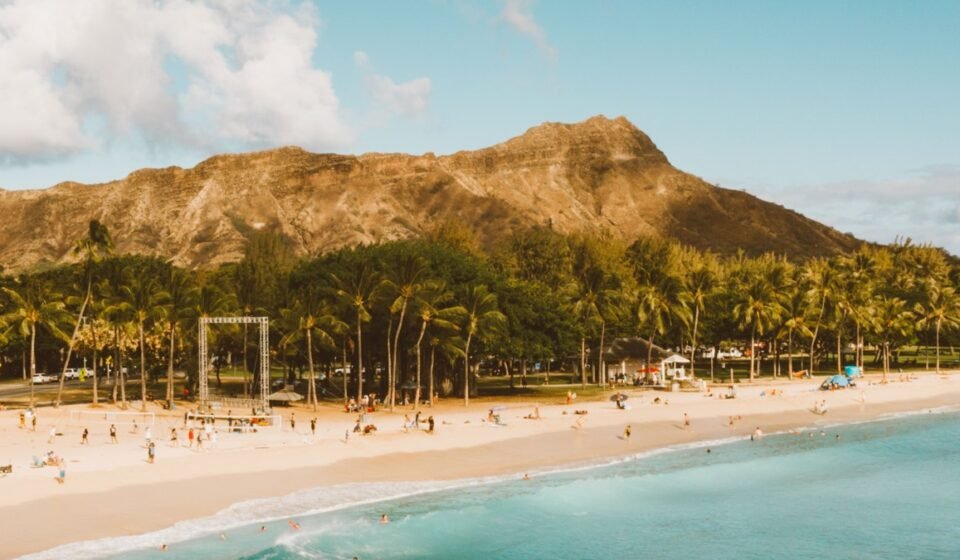

Padre Island, Texas, and Chincoteague, Virginia, are both islands people plan ferry trips for, and neither one needs it. One you reach on a four-lane causeway past strip malls and bait shops, the other over a two-lane bridge through a wildlife refuge where the speed limit drops for ponies crossing the road. That gap, between what an island sounds like and how you actually get there, is the whole point of this list.
Padre Island, Texas
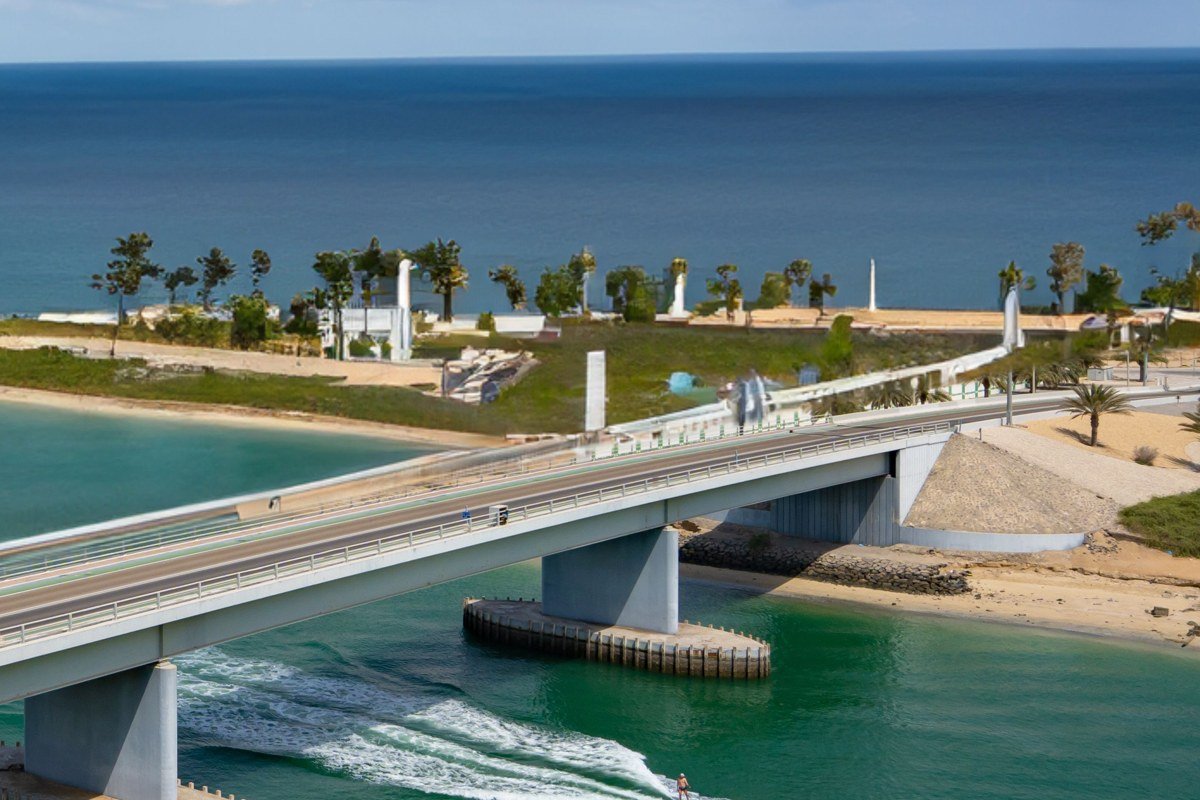
The causeway from Corpus Christi drops you onto one of the longest barrier islands in the world, and most of it is undeveloped national seashore, not the spring break strip people picture. South Padre Island, the resort town, is a separate drive further south near Brownsville, connected by its own causeway. Padre Island National Seashore itself runs about 60 miles of open beach, and you can drive part of it yourself if you have four-wheel drive. Stop at the Malaquite Visitor Center first; rangers there post the day’s driving conditions on a whiteboard, since sand firmness changes with the tide.
Worth knowing: The park charges a per-vehicle entrance fee, and beyond Malaquite Beach the sand gets soft fast; regular cars get stuck constantly past the first few miles.
Skip if: You want nightlife within walking distance. That is South Padre, 130 miles south, a different trip entirely.
Chincoteague, Virginia

You cross a low bridge from the Eastern Shore mainland, and within minutes you are in a town of seafood shacks and a wildlife refuge famous for the wild ponies that swim the channel every July during the Pony Swim. Grab a bag of oyster fritters at the Chincoteague Island Farmers Market before heading to the refuge; it runs Wednesdays and Saturdays in season. The island sits across from Assateague, and the beach side, inside Chincoteague National Wildlife Refuge, closes at dusk and has its own separate entrance fee from the town side.
Worth knowing: The refuge road closes seasonally in early morning hours for wildlife, and summer weekends fill the small beach parking lot by mid-morning.
Skip if: You are only interested in beach time. The ponies and marsh are the draw here; the beach itself is better on the Maryland side of Assateague.
Mackinac Island, Michigan
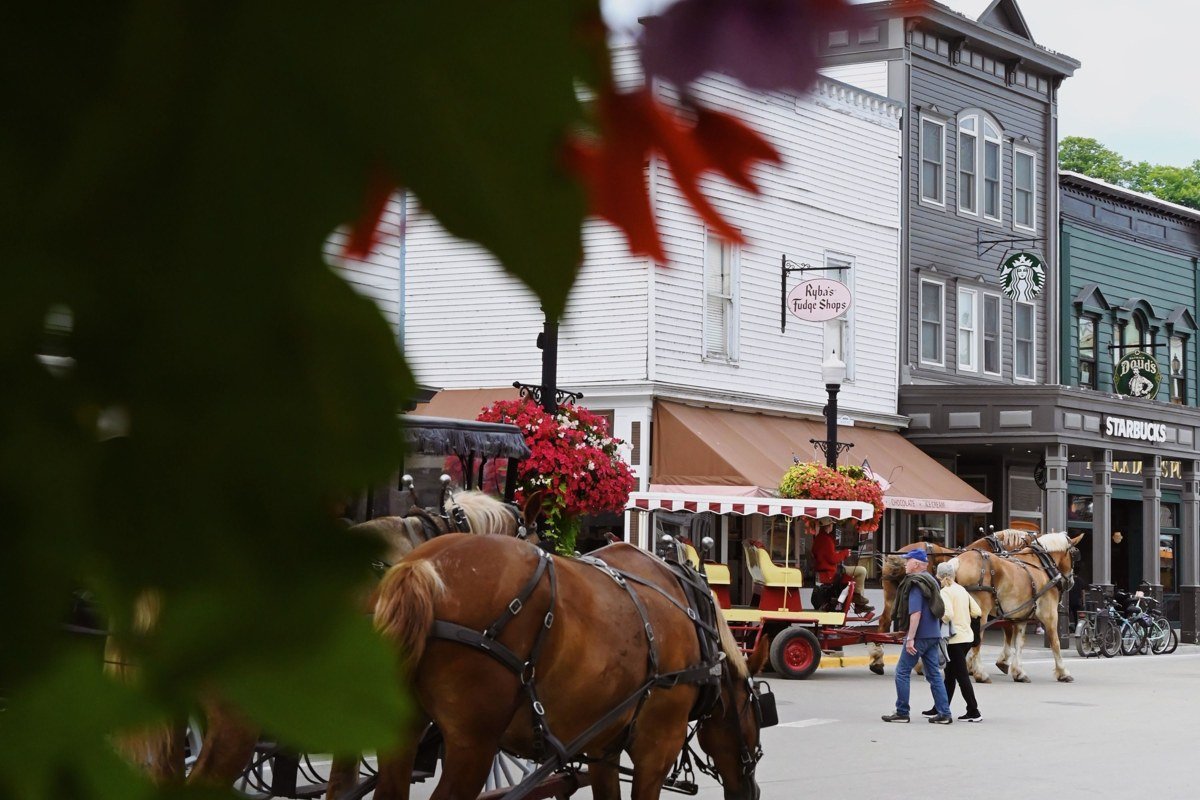
This is the exception on this list, and it earns its place by contradiction: no bridge reaches Mackinac itself, you still need a ferry from Mackinaw City or St. Ignace. What people miss is that you can drive the Mackinac Bridge, nearly five miles long and among the longest suspension bridges in the Western Hemisphere, right up to the ferry docks, so the island feels like a drive-to trip even though the last few miles are water. No cars are allowed on the island itself; everything moves by horse, bike, or foot, and the fudge shops on Main Street sell enough of it each summer that “fudgie” is the locals’ half-affectionate term for tourists.
Worth knowing: Ferries stop running in winter, roughly November through April, when the only way over is by snowmobile on the ice bridge, an actual thing but not for tourists.
Skip if: You need a car at your destination or you are on a tight schedule; everything here runs slower on purpose.
Galveston Island, Texas

Interstate 45 runs straight off the Houston mainland onto Galveston, no ferry needed unless you want the free one that continues on to Bolivar Peninsula for the fun of it. Galveston mixes a working beach town with 19th-century architecture on the Strand, where the Bishop’s Palace sits a short walk from ordinary shops selling saltwater taffy. It’s the kind of place where a hurricane museum sits two blocks from a candy shop.
Worth knowing: The Bolivar ferry is free and runs constantly in summer, but the wait can stretch past an hour on holiday weekends; budget the time or skip it.
Skip if: You want clear water. Galveston’s Gulf water runs brown from sediment most of the year, which surprises first-timers expecting Florida colors.
Sanibel Island, Florida
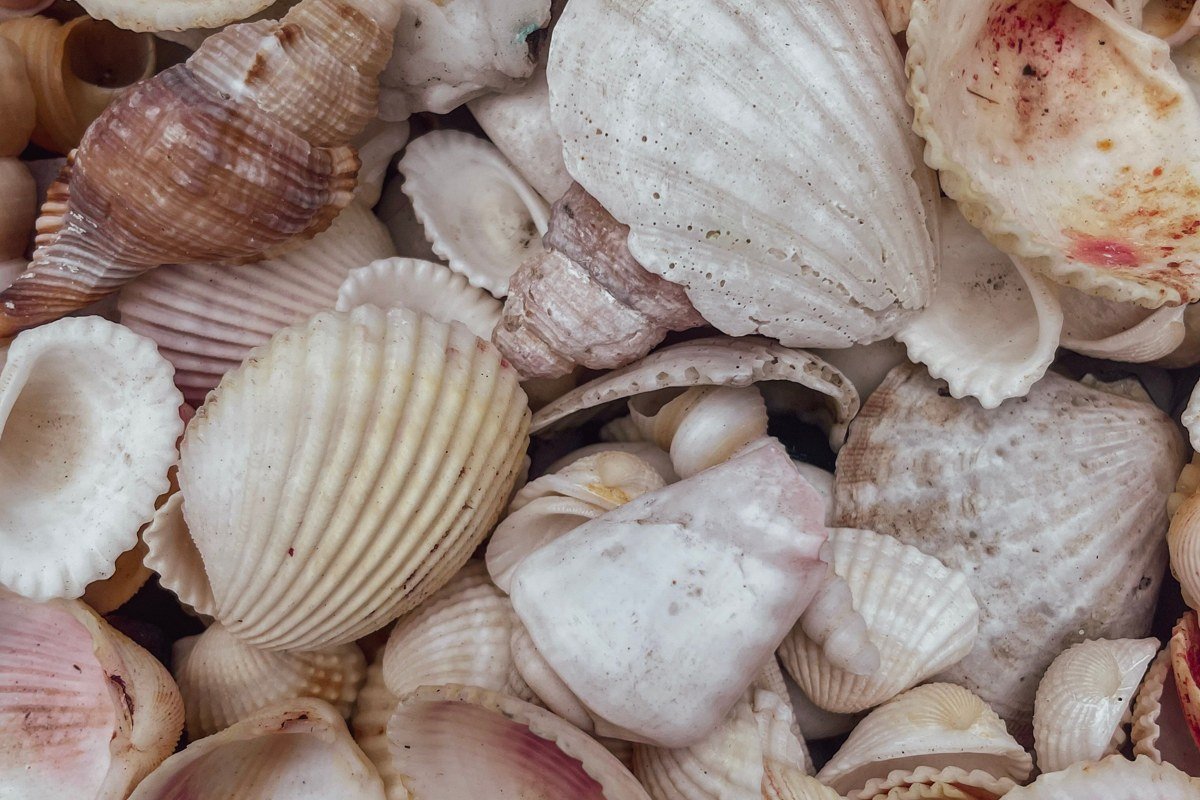
A causeway with a toll connects Sanibel to Fort Myers, and the island is built entirely around its shelling reputation. The Sanibel stoop, bending over at the waterline scanning for shells, is a local ritual best practiced right after a low tide or a storm; the Bailey-Matthews National Shell Museum near Tarpon Bay Road is worth a stop if you want to know what you’re holding. Bowman’s Beach and Lighthouse Beach are the two spots locals actually recommend over the more crowded main strip.
Worth knowing: The causeway toll is charged per vehicle each way, and after Hurricane Ian in 2022 parts of the island took years to fully rebuild, so check current road and business status before a first visit.
Skip if: You want lively bars or late nights. Sanibel enforces low lighting for sea turtles and rolls up early.
Jekyll Island, Georgia

A causeway off the Georgia coast near Brunswick leads to an island that was a private club for wealthy families in the Gilded Age before the state took it over; the Jekyll Island Club Historic District still has the original clubhouse, now a hotel, where you can walk the grounds without booking a room. Driftwood Beach, on the north end, is the reason half the people come, a stretch of sand covered in bleached, fallen live oaks that photograph like nowhere else on this list.
Worth knowing: Georgia charges a small daily parking fee to access the island, collected at a booth on the causeway; cash or card both work.
Skip if: You are chasing big waves or watersports. The water here is calm and better for wading than surfing.
Long Island, New York
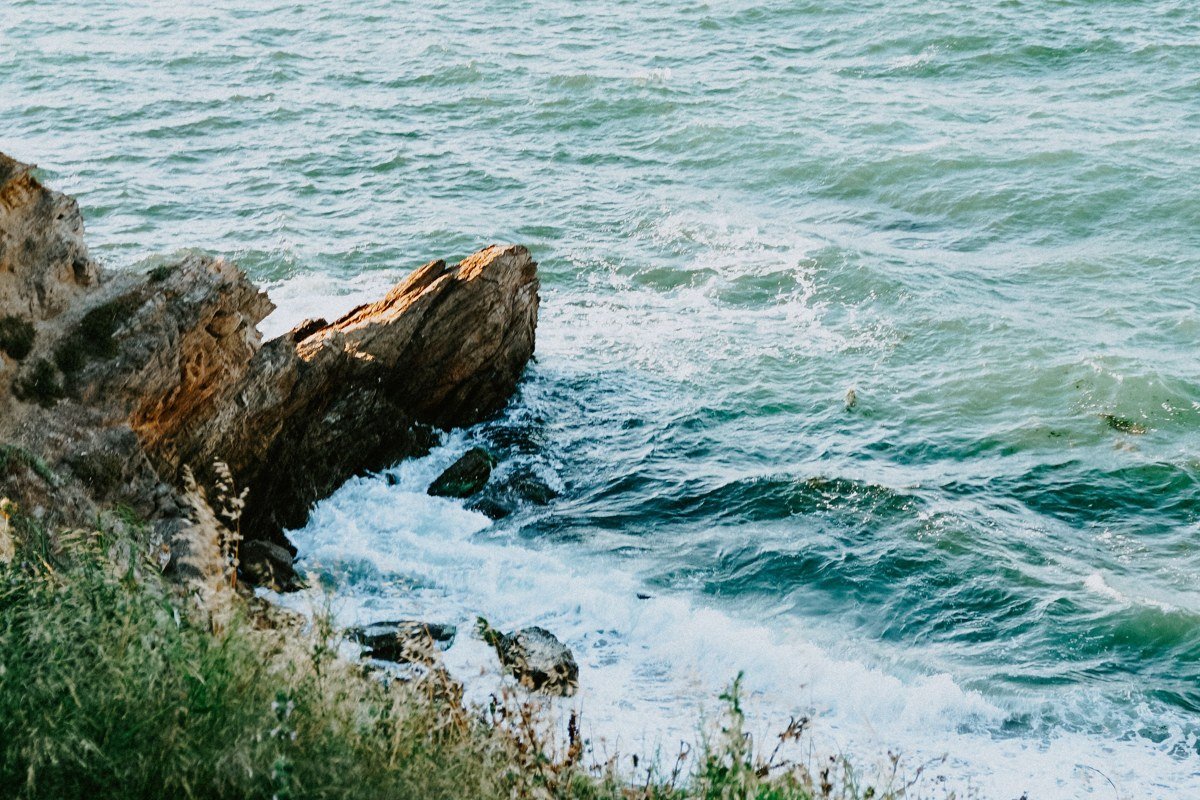
Technically connected to Brooklyn and Queens by land, and to the rest of New York by bridges and the Long Island Expressway, Long Island is easy to forget is an island at all. The range here is the whole point: Hamptons wealth near the middle, working fishing towns further out, and Montauk at the tip feeling almost like coastal Maine by comparison, right down to the lobster roll counter at Duryea’s on the harbor.
Worth knowing: Hamptons traffic on the LIE on summer Friday afternoons is a genuine, hours-long ordeal; locals leave before noon or after 8 p.m. to avoid it.
Skip if: You want an untouched island feel. Long Island is dense, developed, and expensive in its popular stretches.
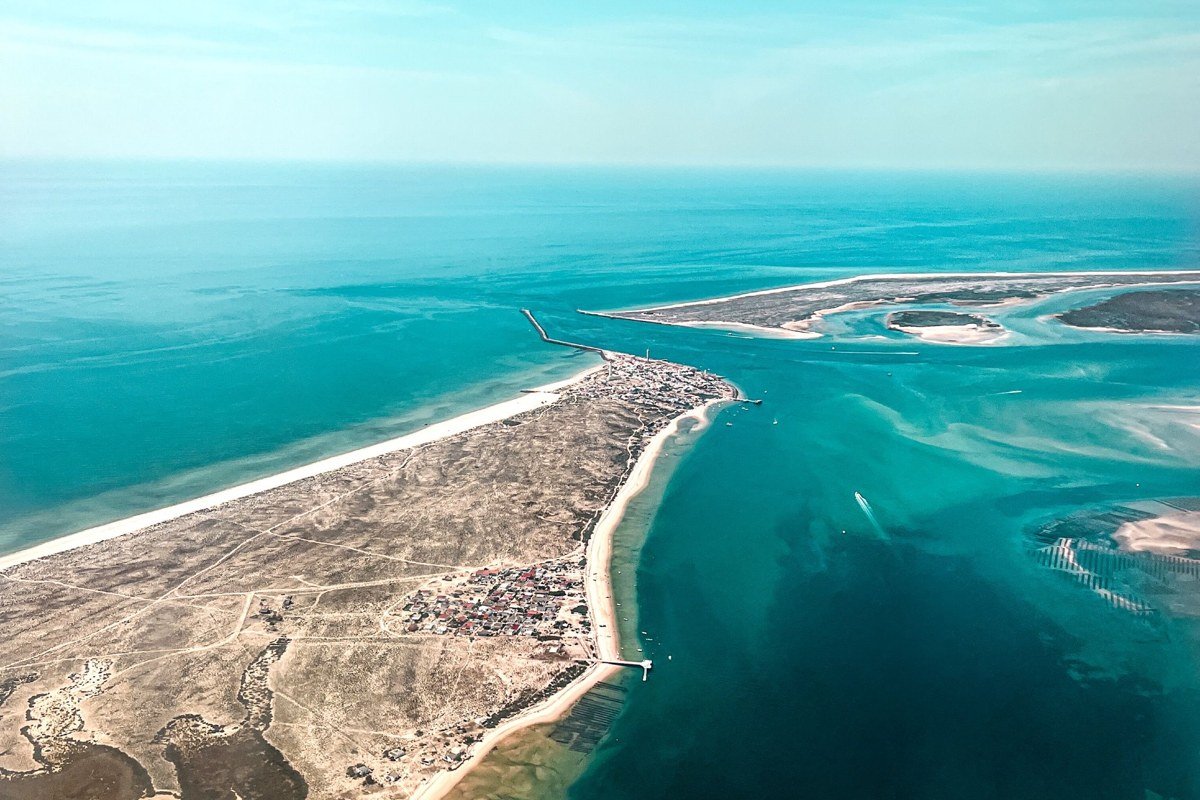
Grand Isle, Louisiana
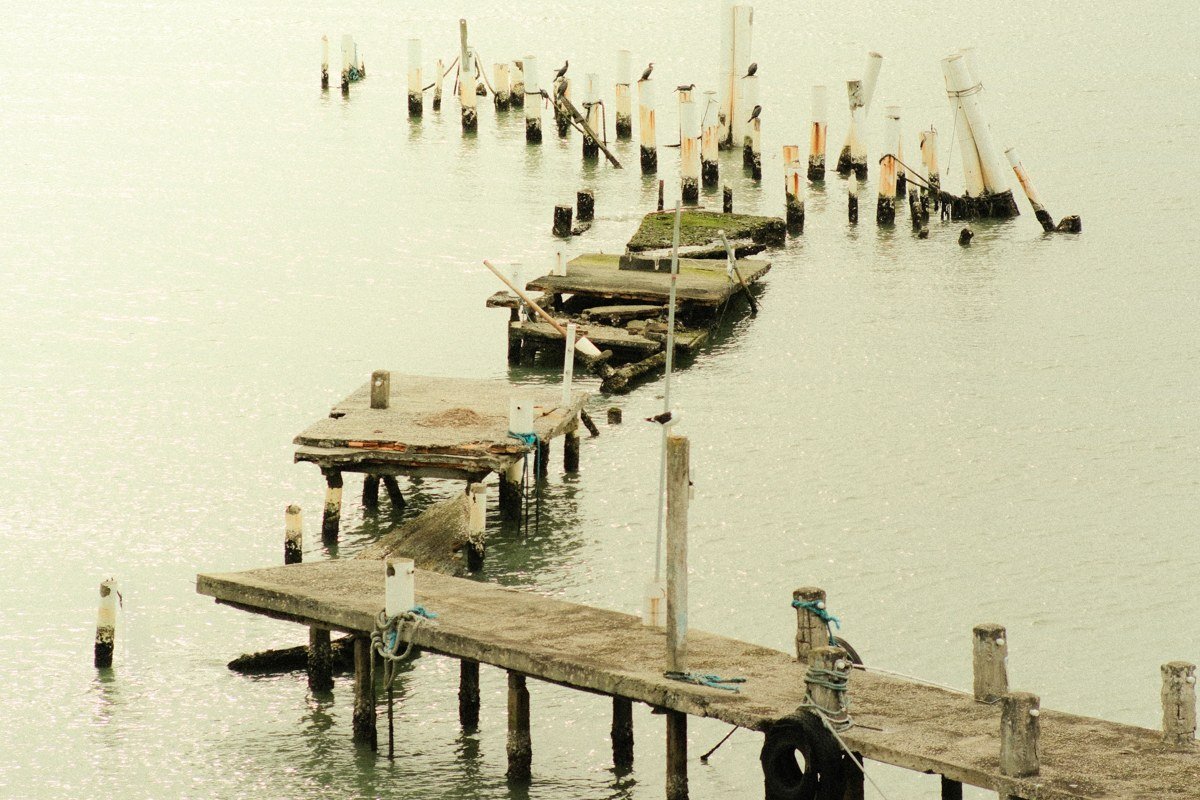
Louisiana’s most accessible inhabited barrier island sits at the end of LA-1, a long, flat drive south through marsh from New Orleans, about two hours. This is not a polished beach destination; it is a fishing town where camps on stilts line the road, and Grand Isle State Park at the island’s end has one of the few sandy public beaches on the Louisiana coast. Ask anyone at Bridgeside Marina about redfish season and you’ll get a longer answer than you expected. It rarely shows up on national best-of lists, which is exactly why it is worth mentioning here.
Worth knowing: LA-1 floods during storm surge and even routine high tides in places; check road conditions before driving down, especially in hurricane season, June through November.
Skip if: You want resort amenities or clear blue water. This is a working coastal town, not a vacation build.
Amelia Island, Florida
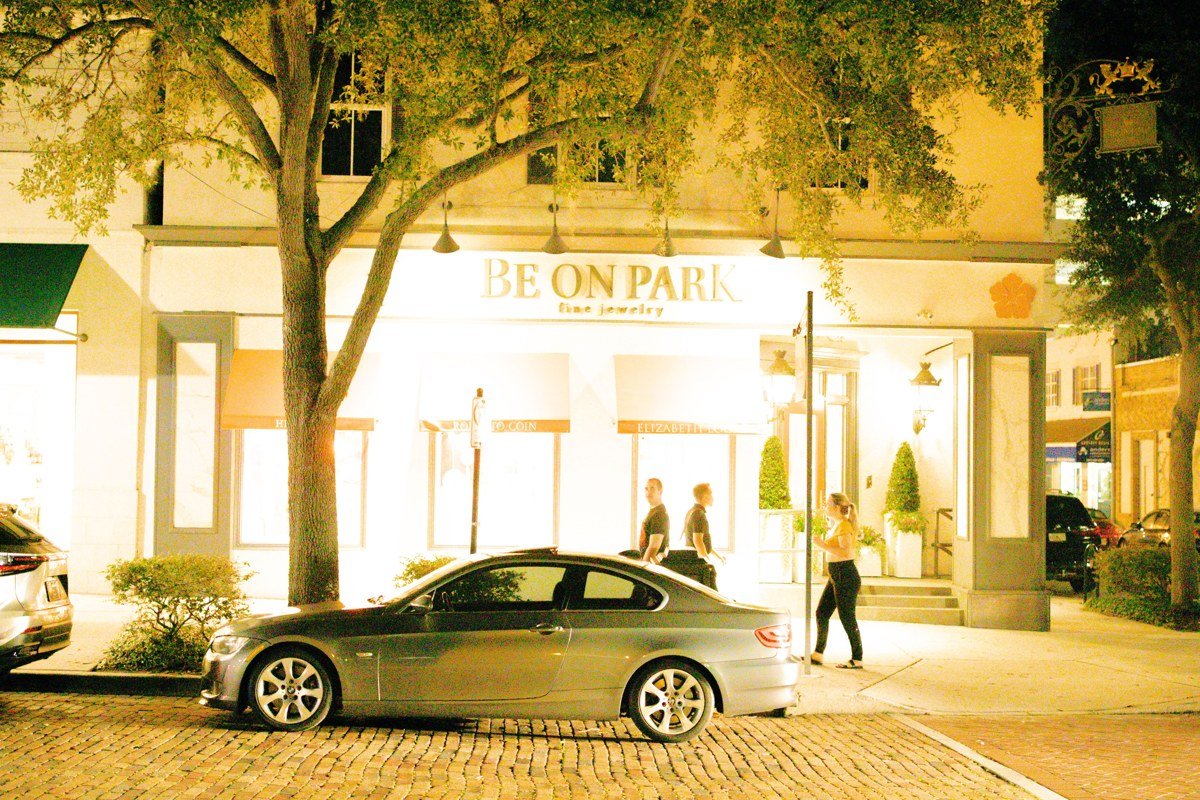
A bridge off I-95 near the Georgia line puts you on Amelia, quieter and older-feeling than most of Florida’s Atlantic coast. Fernandina Beach’s downtown still runs on its shrimping-town layout, and the Palace Saloon on Centre Street claims to be Florida’s oldest continuously operating bar; the island’s beaches run wide and relatively uncrowded even in high season.
Worth knowing: Fort Clinch State Park, on the island’s north tip, has camping and a Civil War-era fort you can walk through, but sites book out weeks ahead for spring and fall weekends.
Skip if: You want the party scene. This is a golf-and-quiet-dinner island, not a bar-hop one.
Coronado Island, California
Coronado is technically a peninsula connected by a sandbar as well as the Coronado Bridge from San Diego, but it functions like an island getaway. The Hotel del Coronado, the Victorian beach hotel with red turrets, is the reason most people come, but the beach itself, with sand that glints faintly from mica deposits, is worth the trip on its own; walk it toward the Naval base fence line and the crowds thin out fast.
Worth knowing: Parking near the Hotel Del fills early on weekends; the ferry landing area and side streets a few blocks back are a more reliable bet.
Skip if: You want isolation. Coronado is close enough to downtown San Diego that it never feels remote.
Mistakes people make
- Assuming every island on a coastal itinerary needs a ferry booked months out. Most of the islands people ask about, the ones that come up when someone searches for the best islands in the US to visit, are bridge or causeway towns you can reach on a normal road trip schedule.
- Treating Gulf islands like Padre or Grand Isle as a stand-in for tropical, clear-water islands. If that is what you actually want, the honest answer within the continental US is limited, and places like the Florida Keys get closer than Texas or Louisiana ever will.
- Not checking causeway tolls, seasonal road closures, or hurricane-season flood risk before driving down. LA-1 to Grand Isle and the refuge road on Chincoteague both close under conditions a lot of visitors do not think to check the night before.